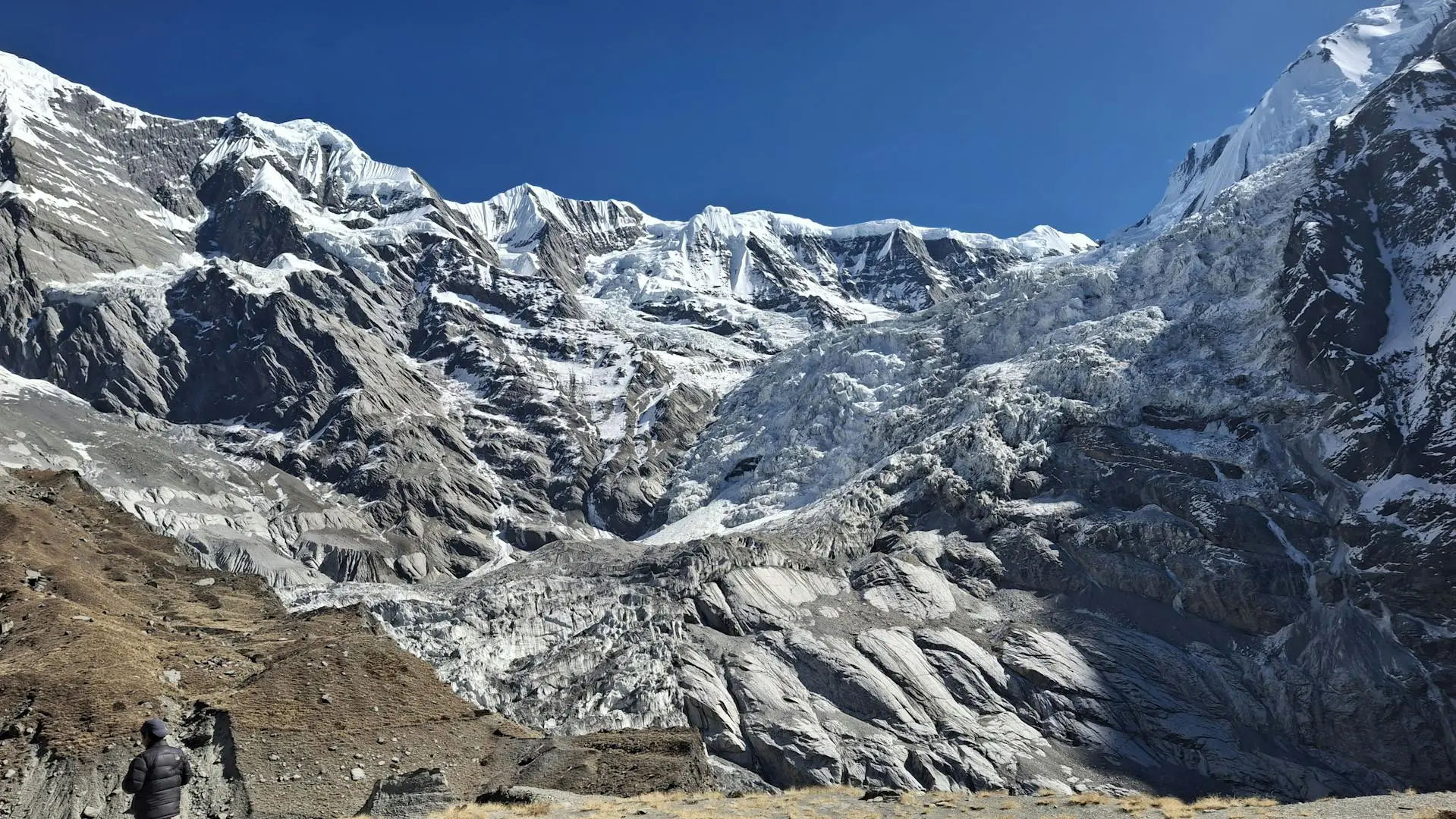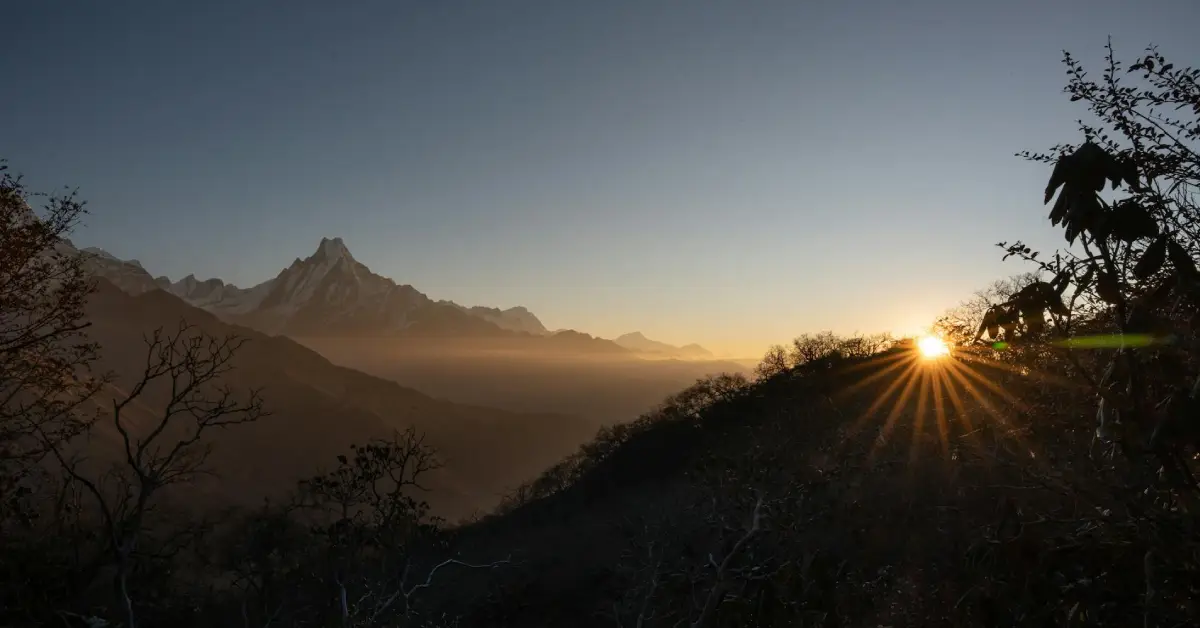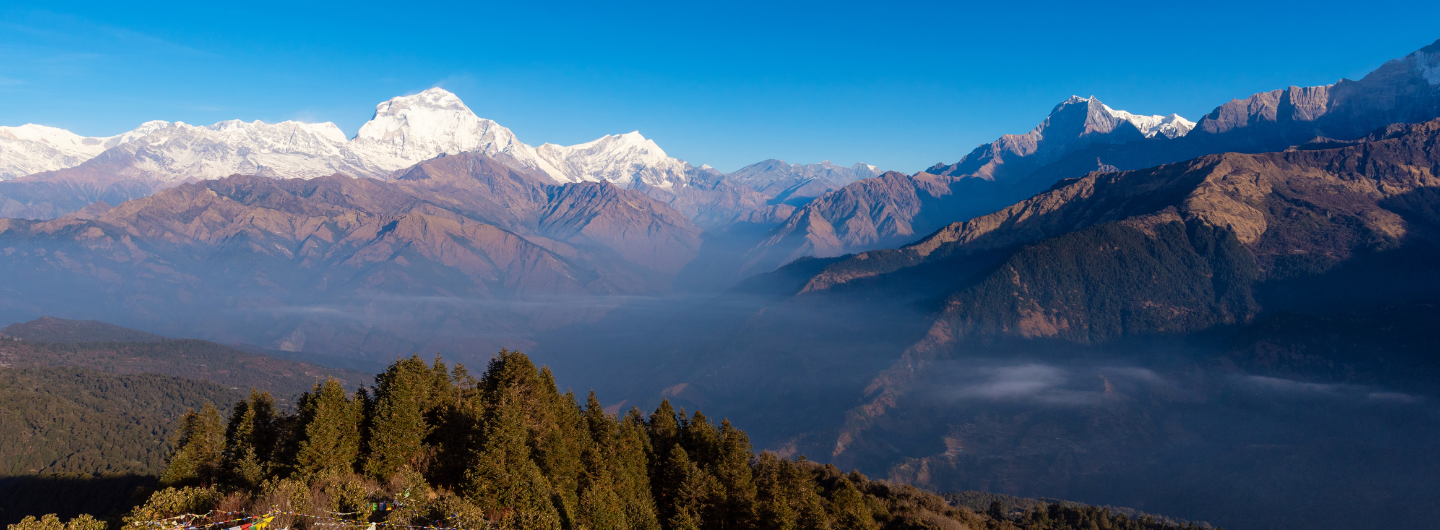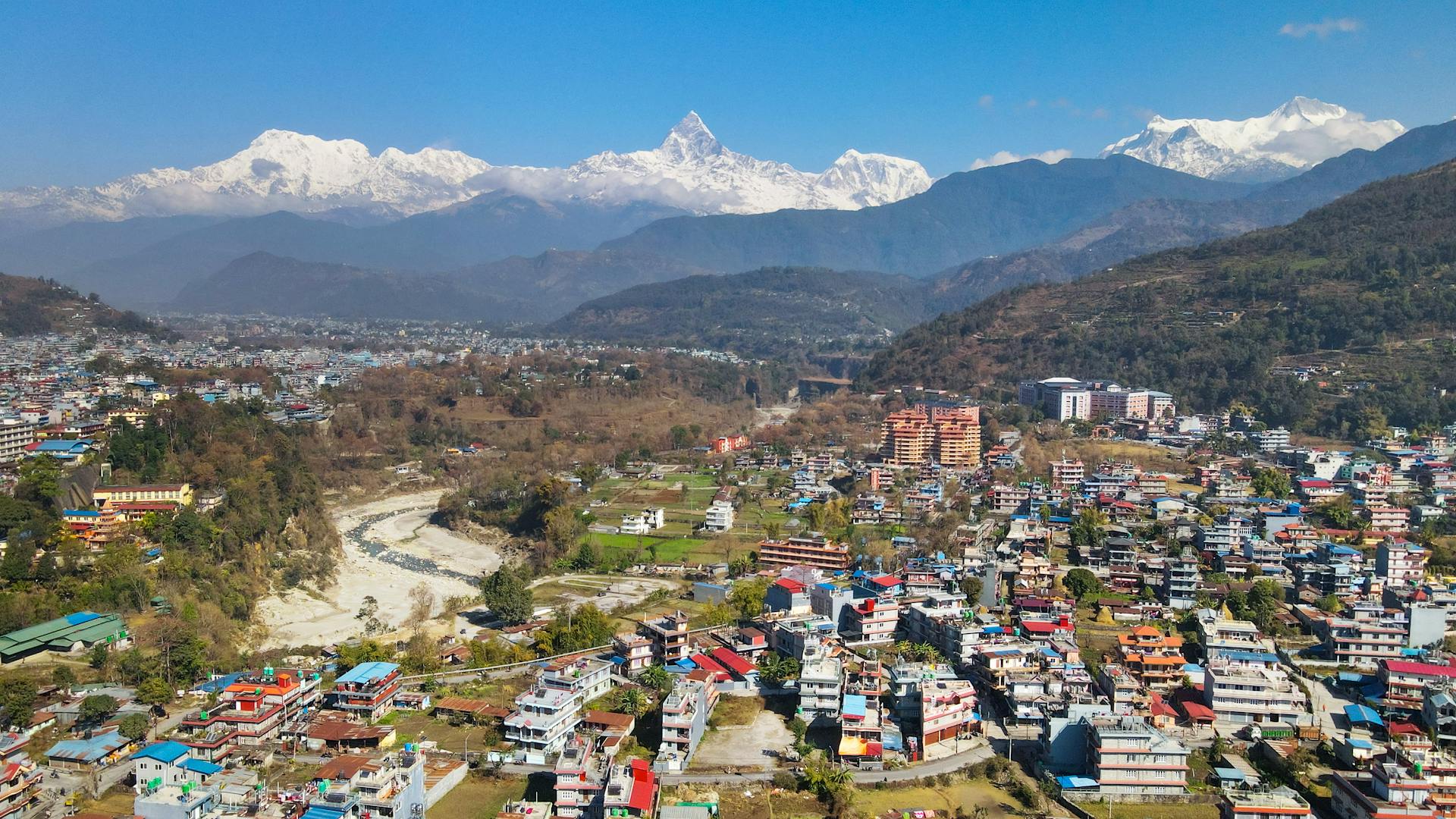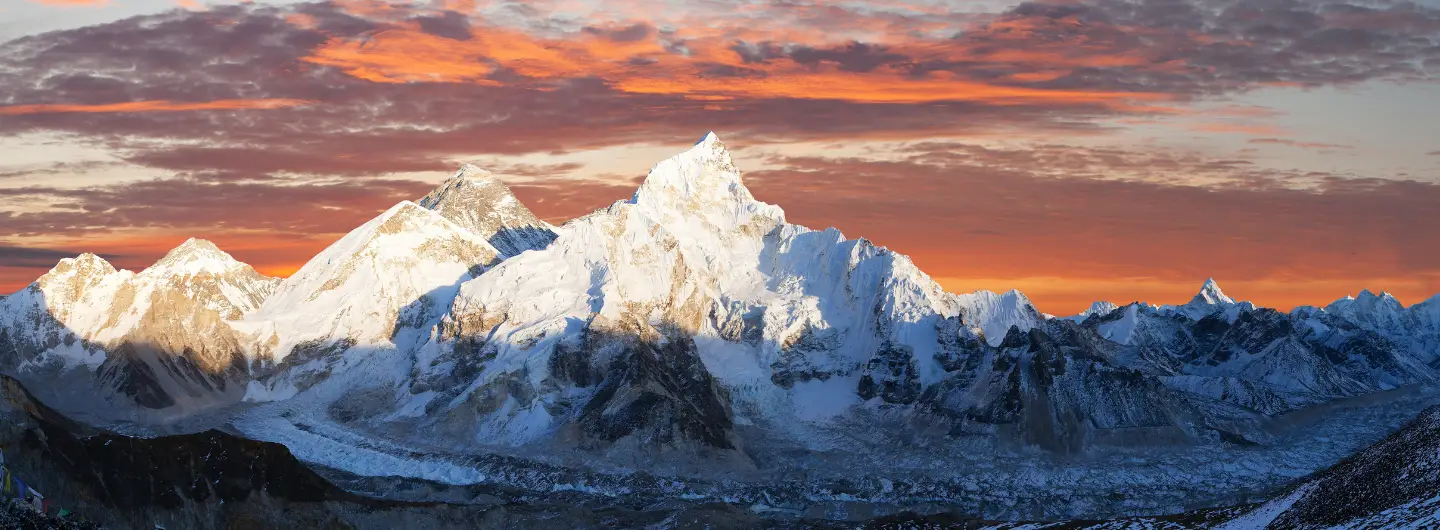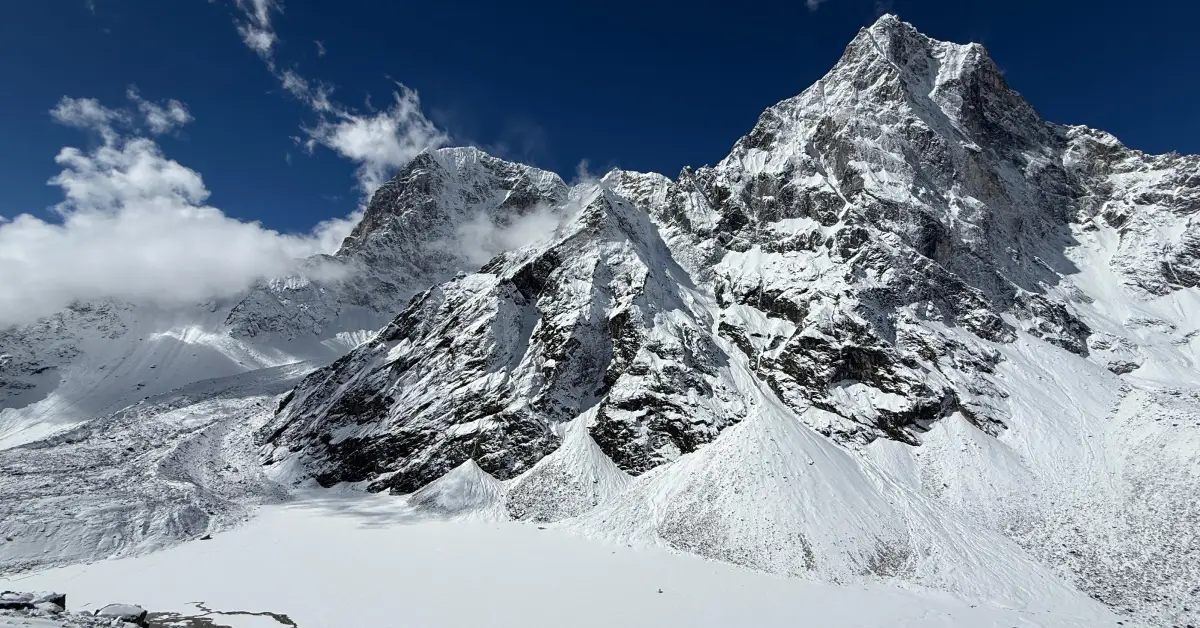

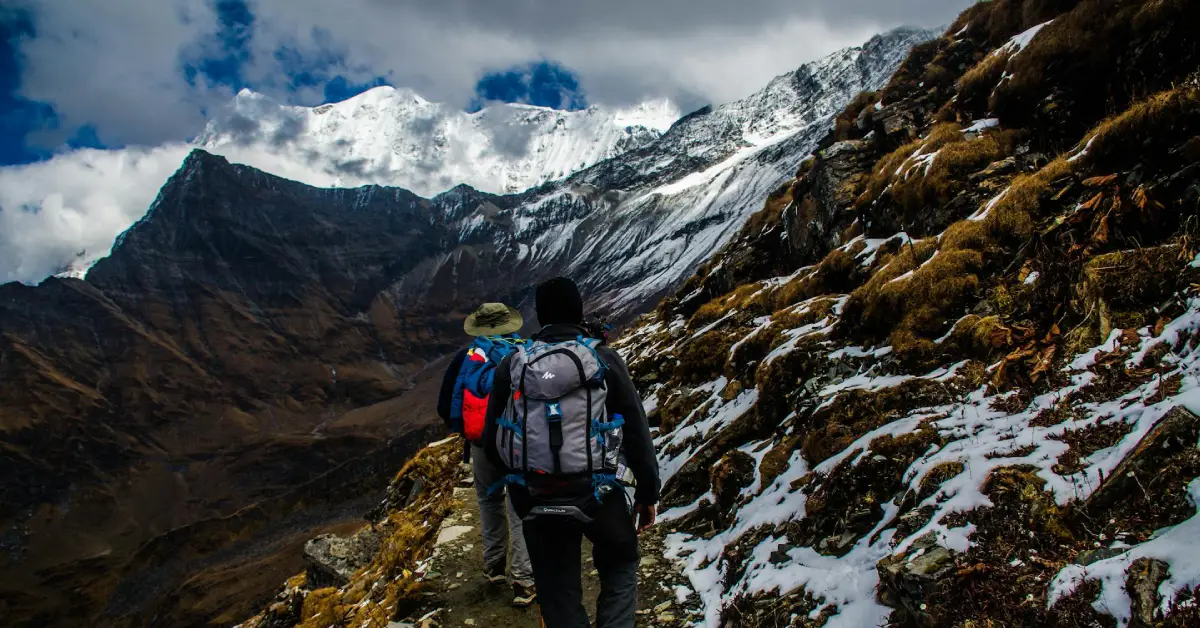
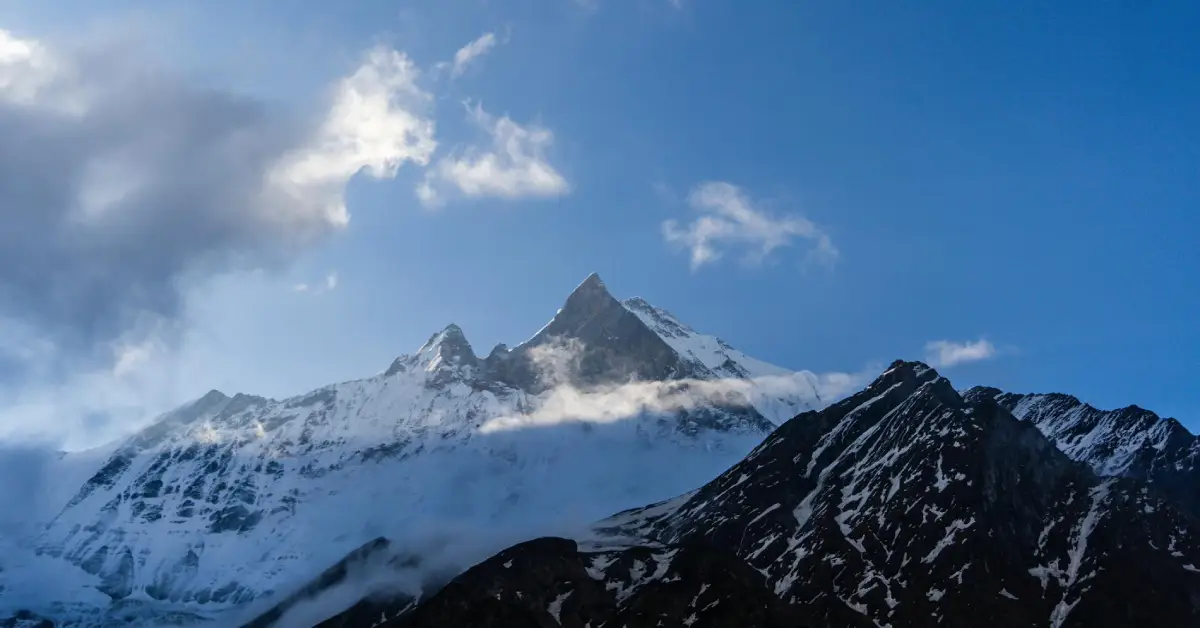
This Annapurna Base Camp Trek is a 9-day Himalayan journey that takes you deep into the heart of the Annapurna, reaching an altitude of 4,130 metres at base camp. Operated by Trexmount Ventures, one of the best trekking agencies in Nepal, this route passes through Gurung villages, rhododendron forests, and glacial valleys before delivering you to one of the most dramatic mountain amphitheatres on Earth.
Annapurna Base Camp Trek Overview
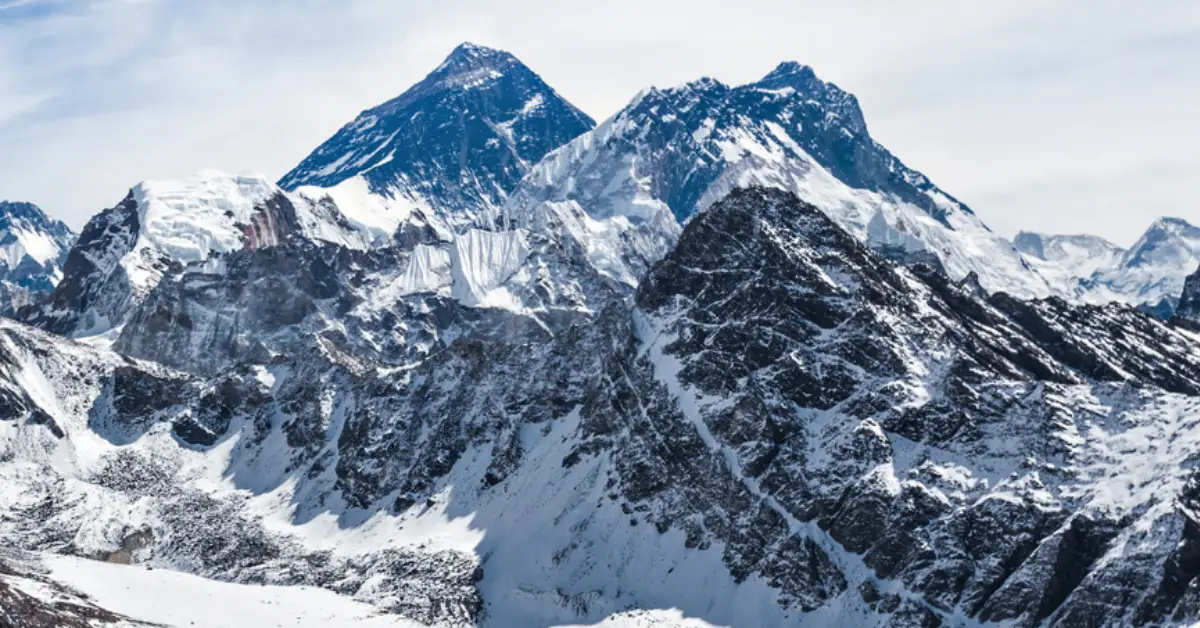
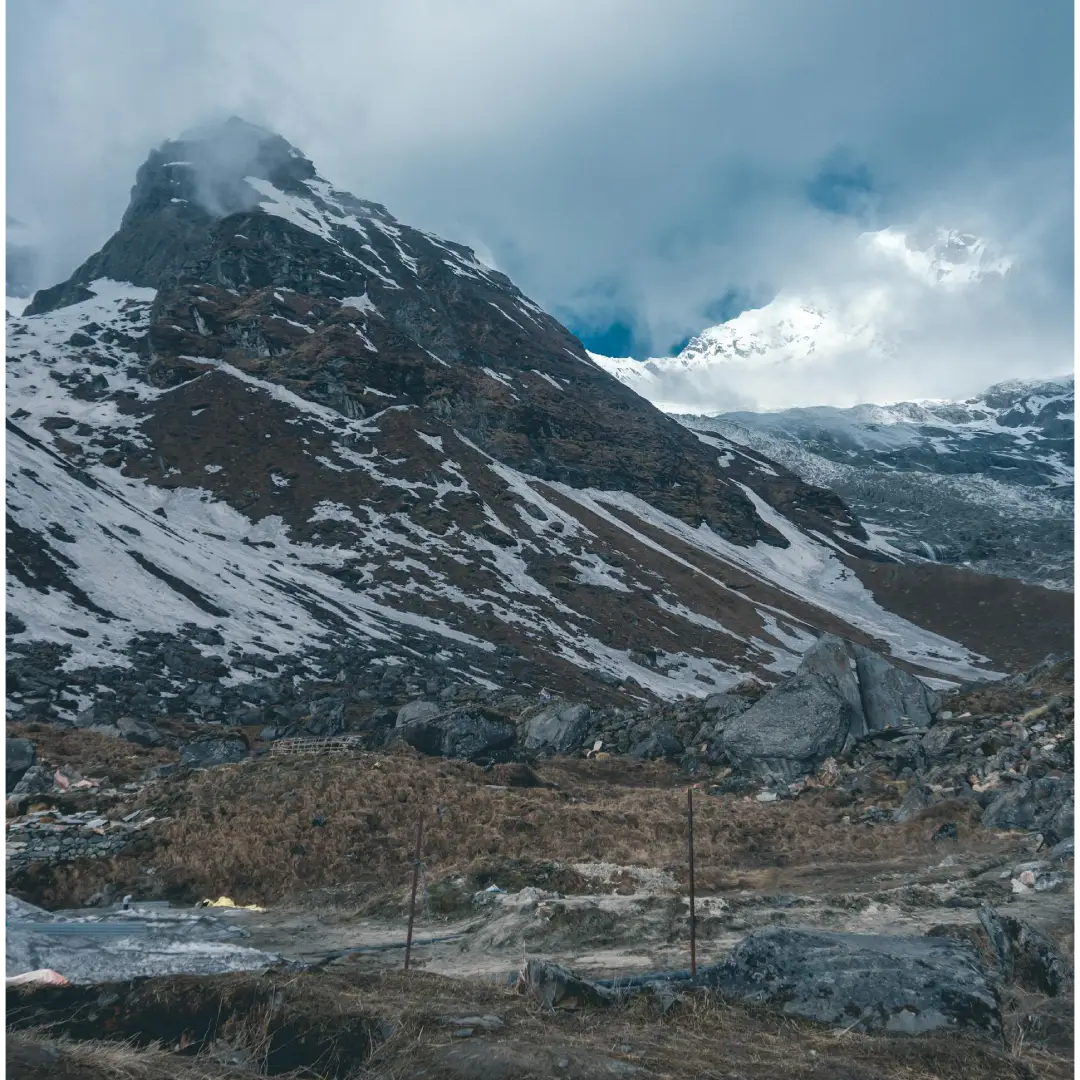
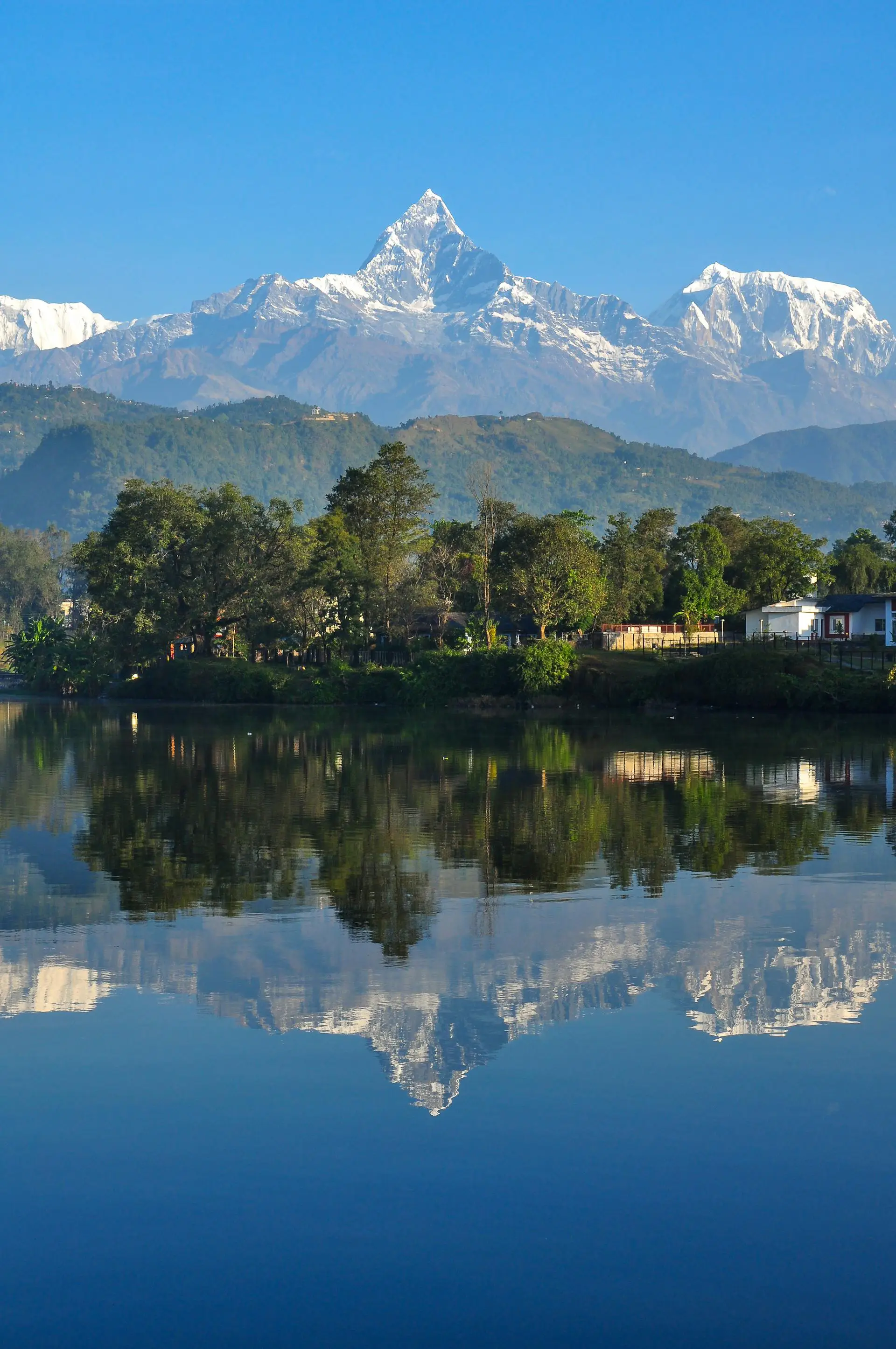
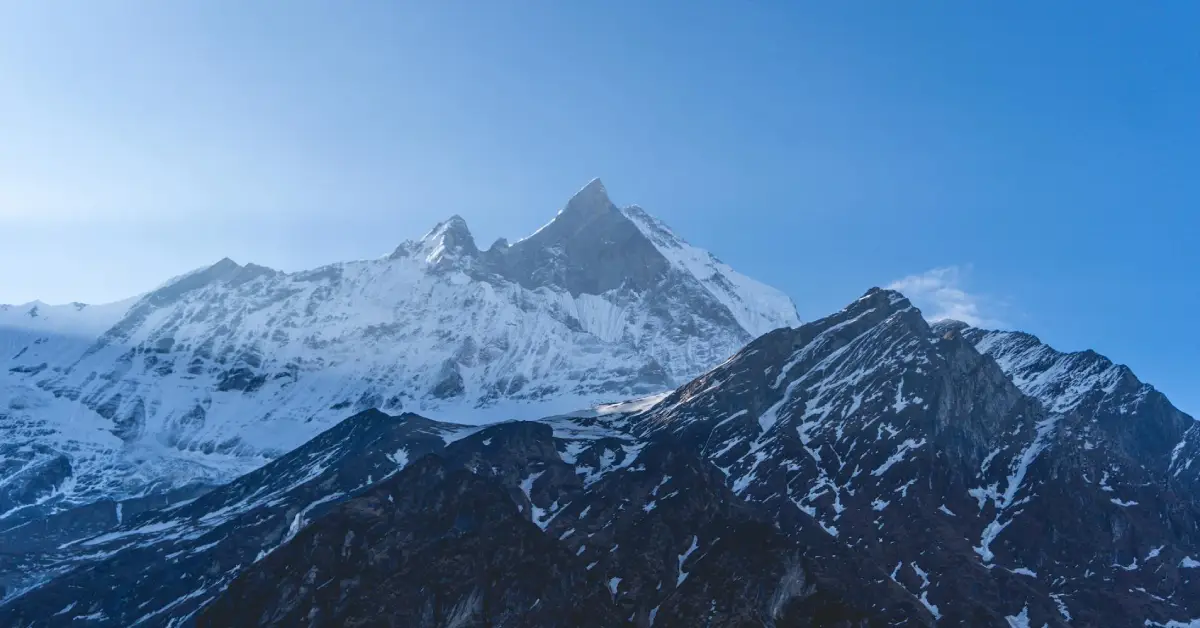
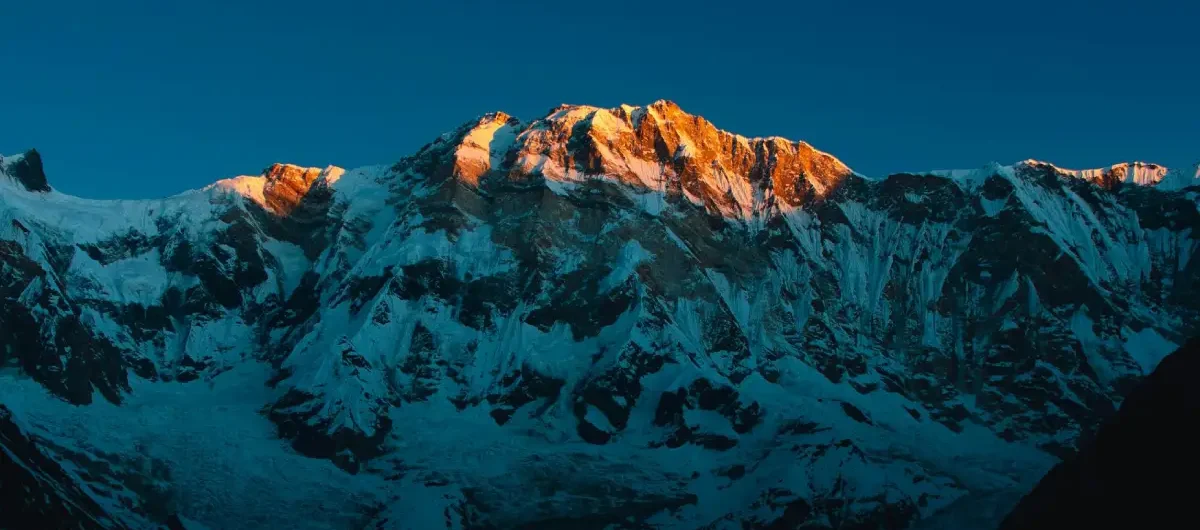
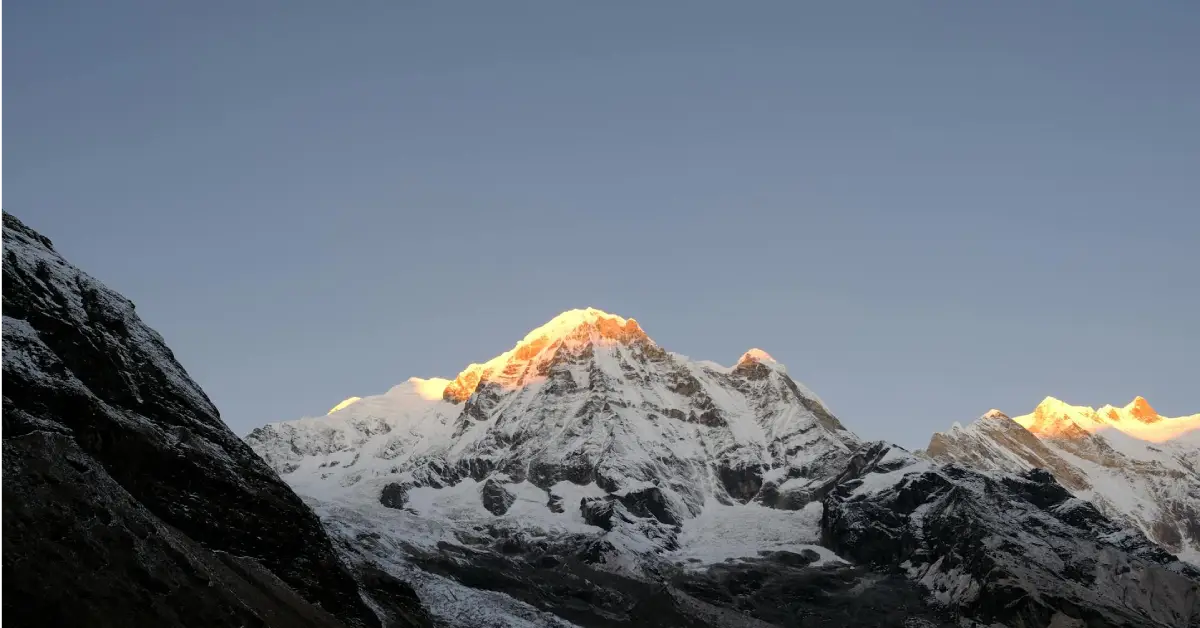
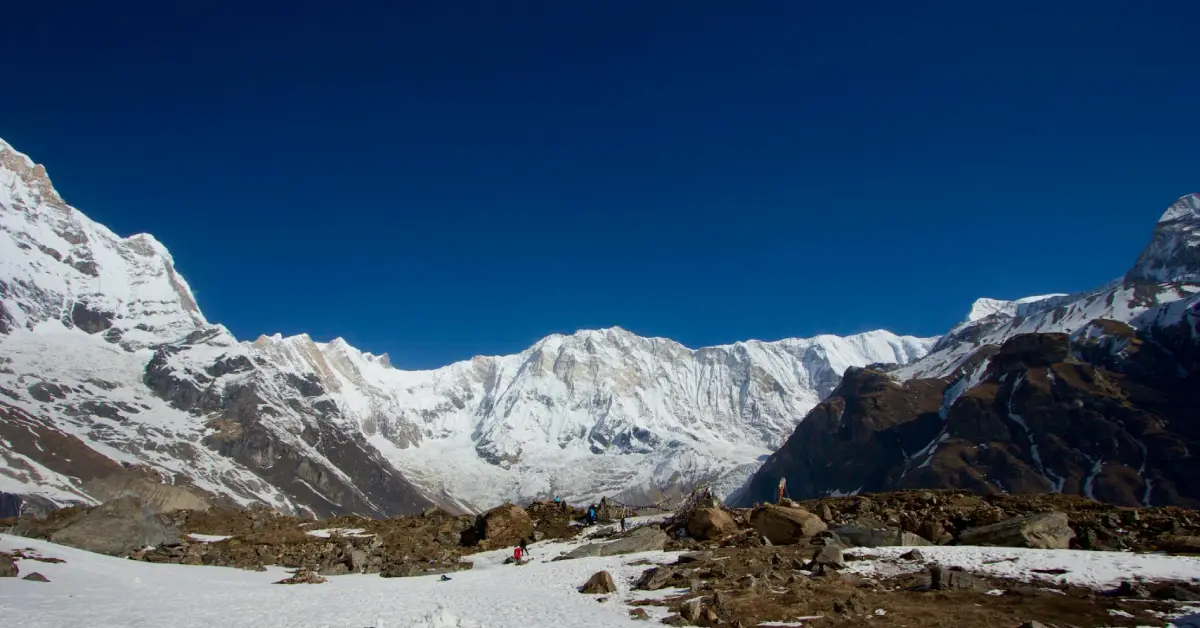
The Annapurna Base Camp Trekking route sits inside the Annapurna Conservation Area in the Gandaki Province of Nepal. At its highest point, ABC stands at 4,130 m, surrounded 360 degrees by peaks including Annapurna I (8,091 m), Annapurna South (7,219 m), Himchuli (6,441 m), and the sacred Machhapuchhre (6,993 m). The trek is widely regarded as one of the best short high-altitude treks in the world, and for good reason.
The route passes through some of the most culturally rich villages in Nepal, particularly the Gurung settlement of Ghandruk, and rewards trekkers with natural hot springs at Jhinu Danda on the way back. Unlike longer Himalayan expeditions, this trek can realistically be completed in 9 days without sacrificing depth of experience.
| Key Facts | Details |
|---|---|
| Maximum Altitude | 4,130 m (Annapurna Base Camp) |
| Trek Duration | 9 Days |
| Total Trek Distance | Approx. 110–115 km |
| Difficulty Level | Moderate |
| Best Season | March–May, October–November |
| Starting Point | Syauli Bazaar / Pokhara |
| Permits Required | ACAP + TIMS Card |
| Total Cost | USD 1190 per person |
Annapurna Base Camp Trek Route and Distance
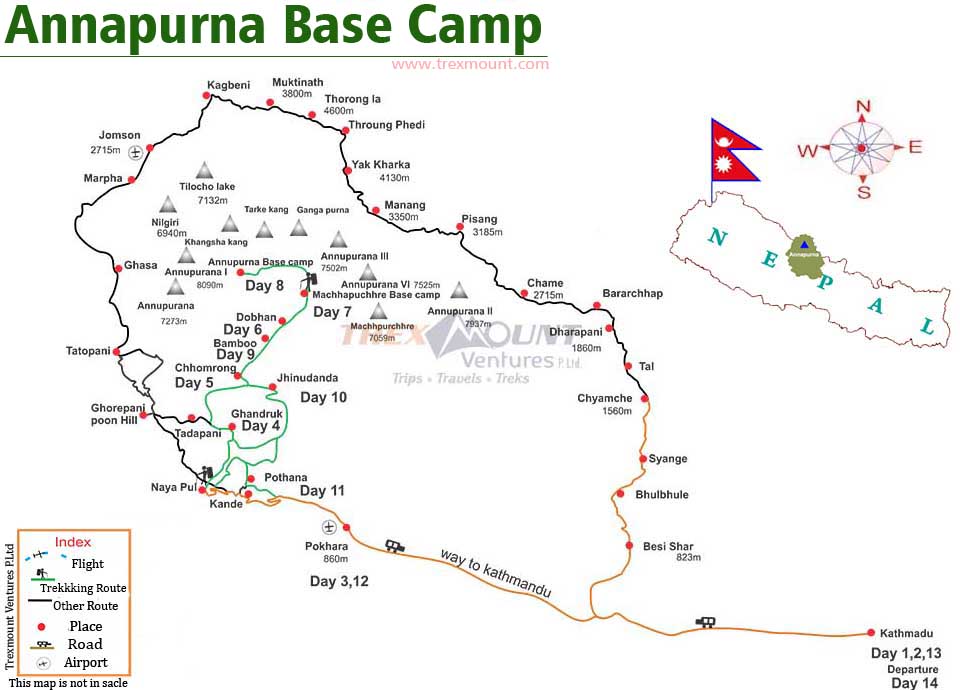
The Annapurna Base Camp trek distance covers approximately 110 to 115 kilometres in total across both ascent and descent. The route follows the Modi Khola valley, entering through the southern approach at Syauli Bazaar and climbing steadily through multiple ecological zones before reaching the high glacial sanctuary.
Understanding the Annapurna Base Camp trek map helps trekkers appreciate the elevation gain involved. The trail rises from 820 m at Pokhara to 4,130 m at ABC, representing a total gain of over 3,300 metres across the trekking days.
| Trail Section | Distance (Approx.) | Elevation Change |
|---|---|---|
| Syauli Bazaar to Ghandruk | 11 km | +720 m |
| Ghandruk to Chhomrong | 9 km | +230 m (net) |
| Chhomrong to Deurali | 12 km | +1,060 m |
| Deurali to ABC | 10 km | +900 m |
| ABC to Sinuwa (descent) | 22 km | -1,790 m |
| Sinuwa to Jhinu Danda | 8 km | -560 m |
How Difficult Is the ABC Trek?
The Annapurna Base Camp Trekking route is rated as a moderate trek. It does not require any technical climbing skills or prior mountaineering experience. However, it does demand a reasonable level of physical fitness, the ability to walk 5 to 7 hours per day on uneven stone-paved and dirt trails, and the mental resilience to manage altitude-related fatigue.
The steepest sections are found between Ghandruk and Chhomrong, and again from Chhomrong to Deurali. Stone staircases are common throughout, and the descent from ABC to Sinuwa on Day 7 is long and tiring on the knees. Trekkers with prior hill-walking experience will find the trail very manageable with proper preparation.
| Difficulty Factor | Rating |
|---|---|
| Physical Demand | Moderate |
| Technical Skill Required | None |
| Maximum Altitude | 4,130 m |
| Daily Walking Hours | 5–7 hours |
| Terrain Type | Stone steps, forest trails, glacial moraine |
| Altitude Sickness Risk | Moderate above 3,500 m |
Is Annapurna Base Camp Trek Safe?
Yes, the Annapurna Base Camp Trek is considered one of the safer high-altitude treks in Nepal when approached with proper preparation and a qualified guide. The trail is well-established, passes through villages with teahouses daily, and falls under the jurisdiction of the Annapurna Conservation Area Project (ACAP), which maintains checkposts and trail standards throughout.
That said, safety on any Himalayan trek depends on pacing, weather awareness, and physical preparation. Trexmount Ventures assigns experienced licensed guides to every group, and all porters are covered by insurance and equipped appropriately. Emergency evacuation by helicopter is possible from several points along the trail, including MBC and ABC, in serious cases.
What Are the Biggest Risks at Base Camps?
The most common risk at Annapurna Base Camp is acute mountain sickness (AMS), which can affect trekkers above 3,000 m. Symptoms include headache, nausea, fatigue, and dizziness. The risk increases if trekkers ascend too quickly without adequate acclimatisation. This itinerary is designed to manage that risk by staging a rest at Deurali before the final push.
Other notable risks include:
- Avalanche exposure in the upper gorge between Deurali and ABC, particularly in late winter and early spring
- Rapid weather changes at high altitude, including sudden snowfall that can close the trail
- Hypothermia at night above 3,500 m, especially outside the October-November and March-May windows
- Trail injury from uneven terrain and stone steps is the most frequent cause of trip interruption
Trekkers are strongly advised to carry comprehensive travel insurance that covers helicopter evacuation. Trexmount Ventures provides a warm sleeping bag and down jacket as part of the package to address cold-weather risks.
Book the ABC Trek with Trexmount Ventures
If the Annapurna Base Camp Trek is on your list, Trexmount Ventures is ready to make it happen. Our 9-day package at USD 1190 per person covers everything from your airport pickup in Kathmandu to your final hot spring soak at Jhinu Danda, with no hidden charges. Our licensed guides, insured porters, and carefully designed itinerary give you the safest and most rewarding route to one of the world’s great mountain sanctuaries.
 Review us on Google