
What Is Tent Peak Climbing?
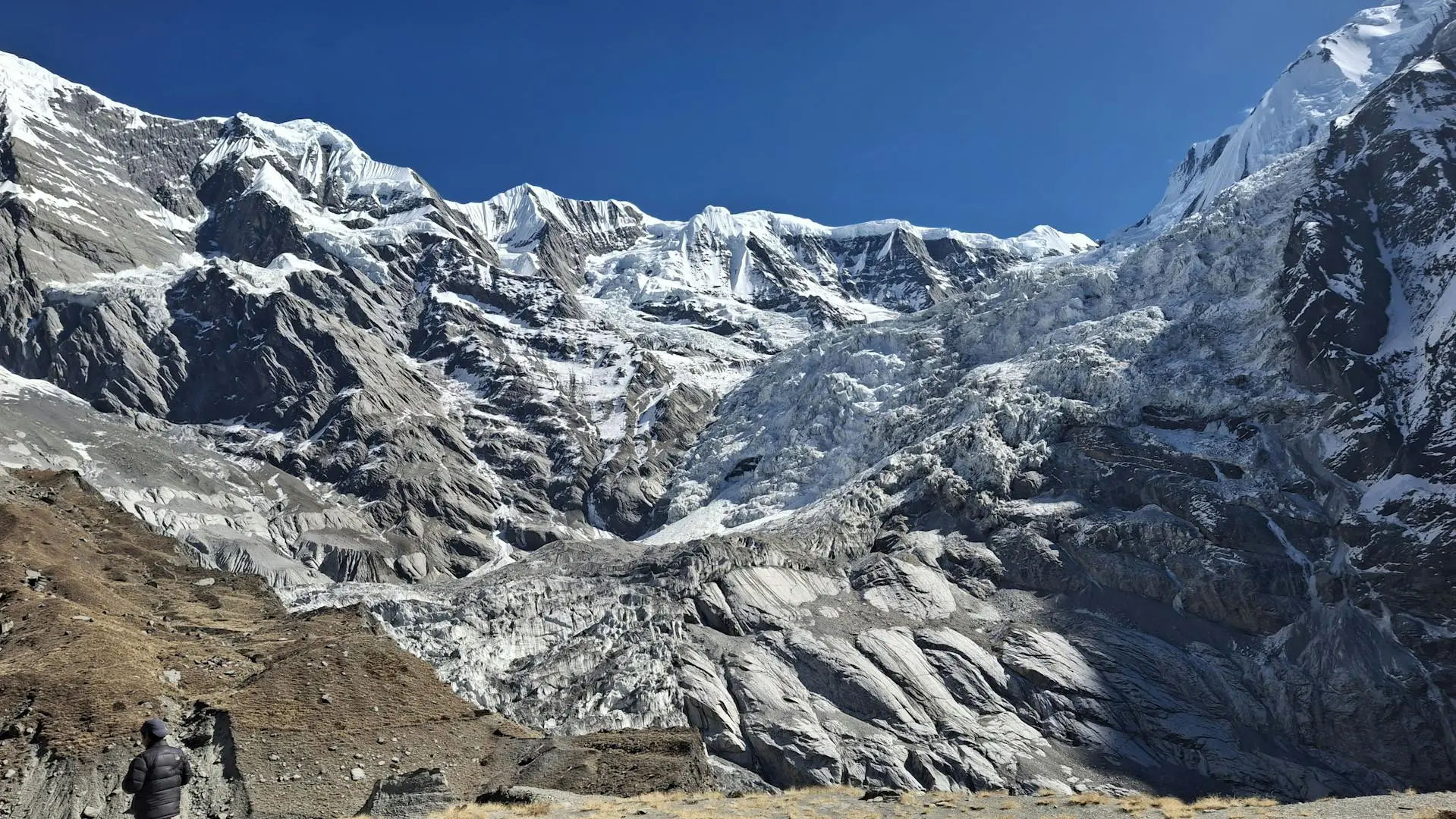
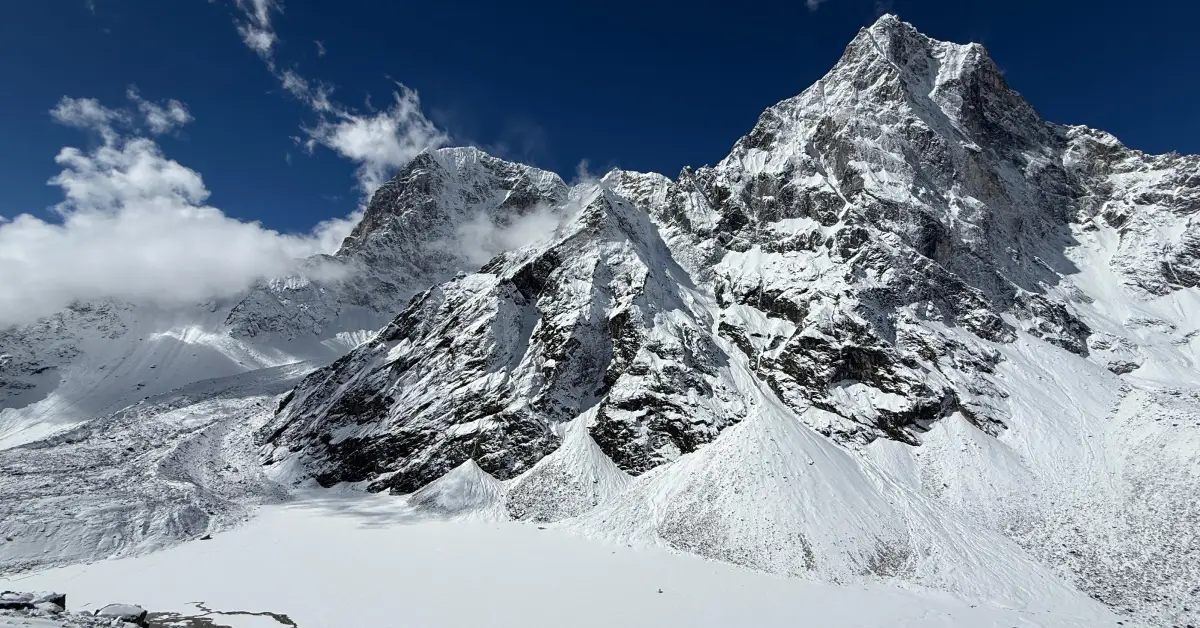
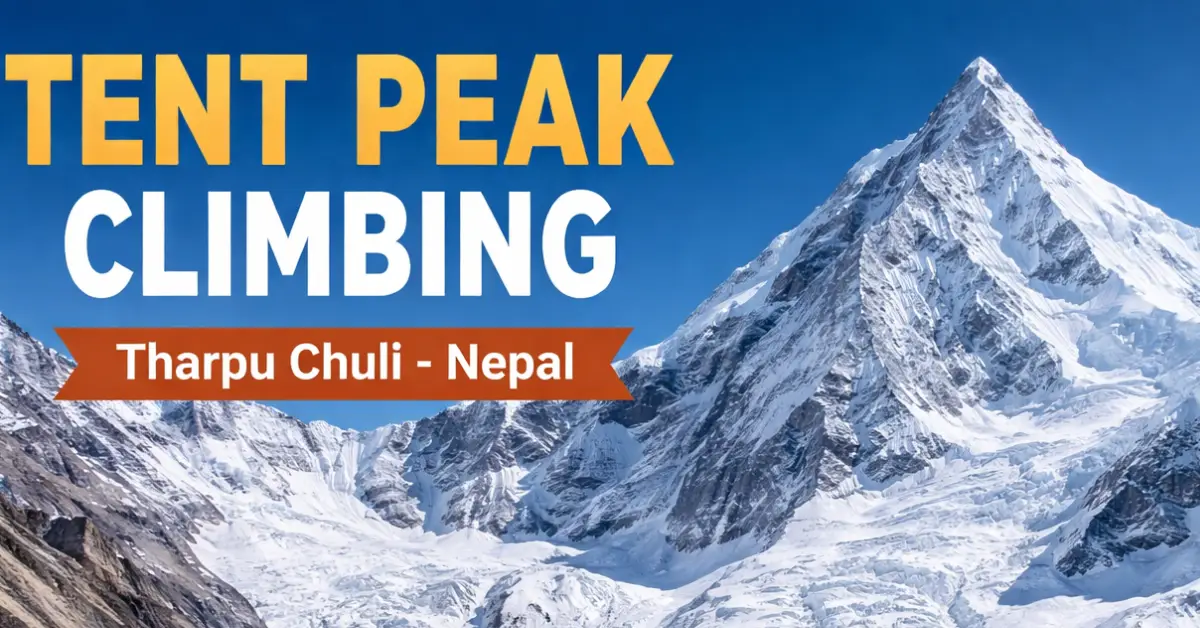
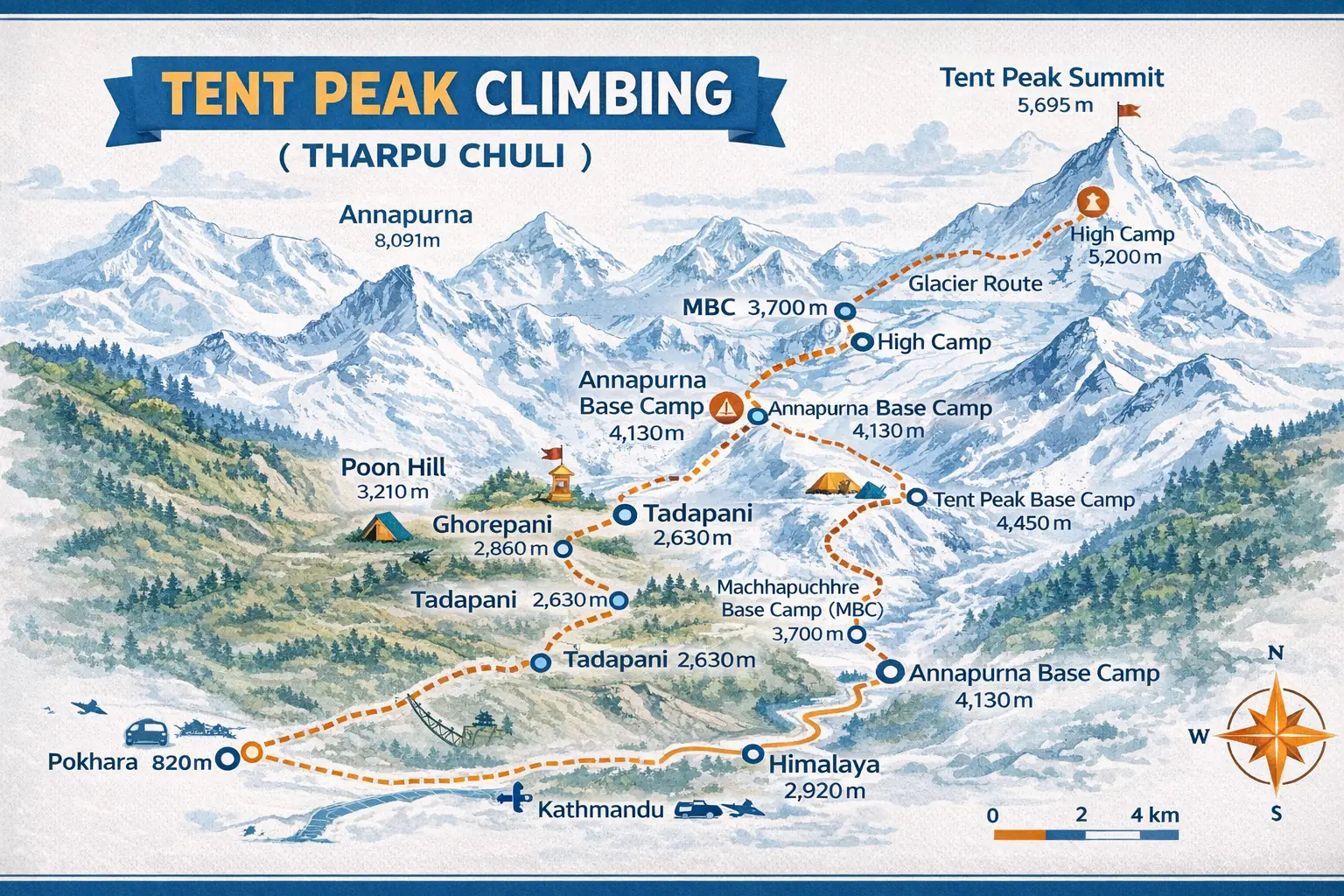
Tent Peak Climbing is one of the most rewarding introductions to Himalayan mountaineering in Nepal. Also known as Tharpu Chuli, this stunning peak sits at 5,663 m above sea level right in the heart of the Annapurna Sanctuary, a natural amphitheater of ice, glaciers, and peaks exceeding 7,000 and 8,000 meters. The name “Tent Peak” was first coined by Col. Jimmy Roberts in 1956, though the actual summit was first achieved by a Japanese expedition led by Dr. Haruo Higuchi in 1964 via the southeast ridge.
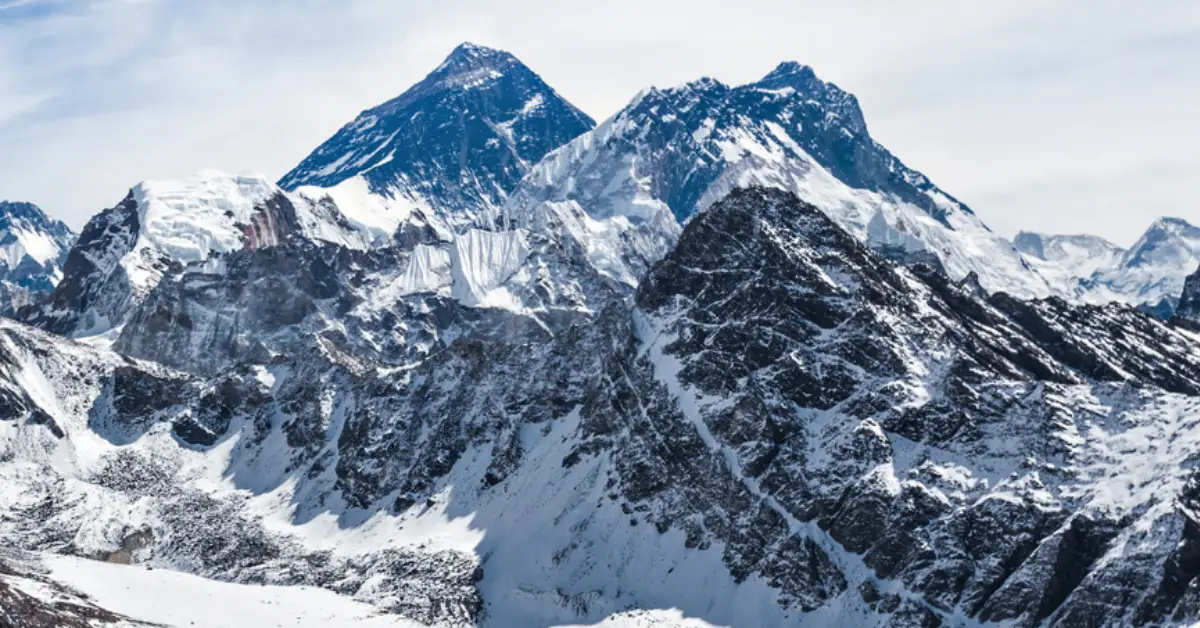
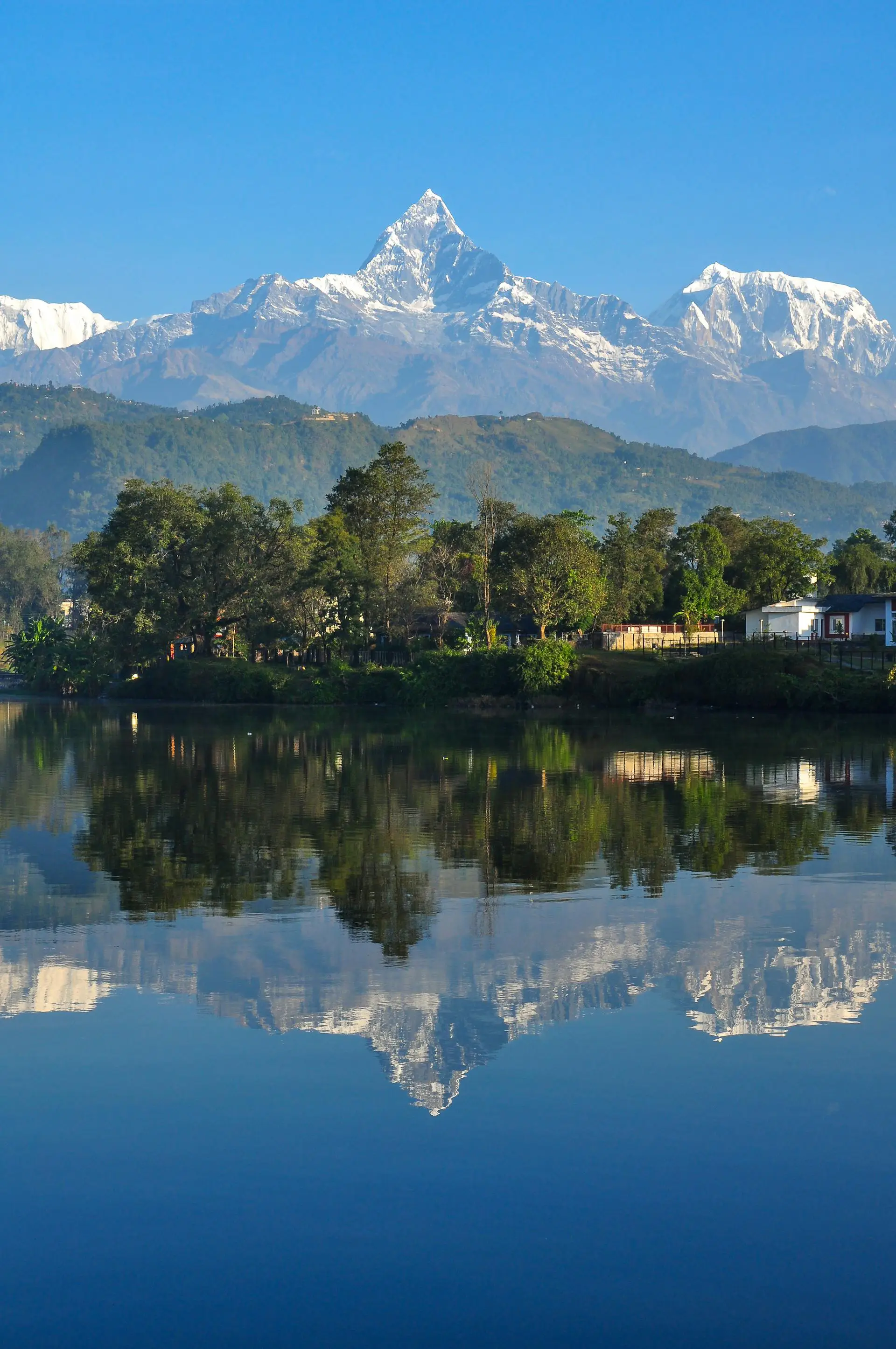
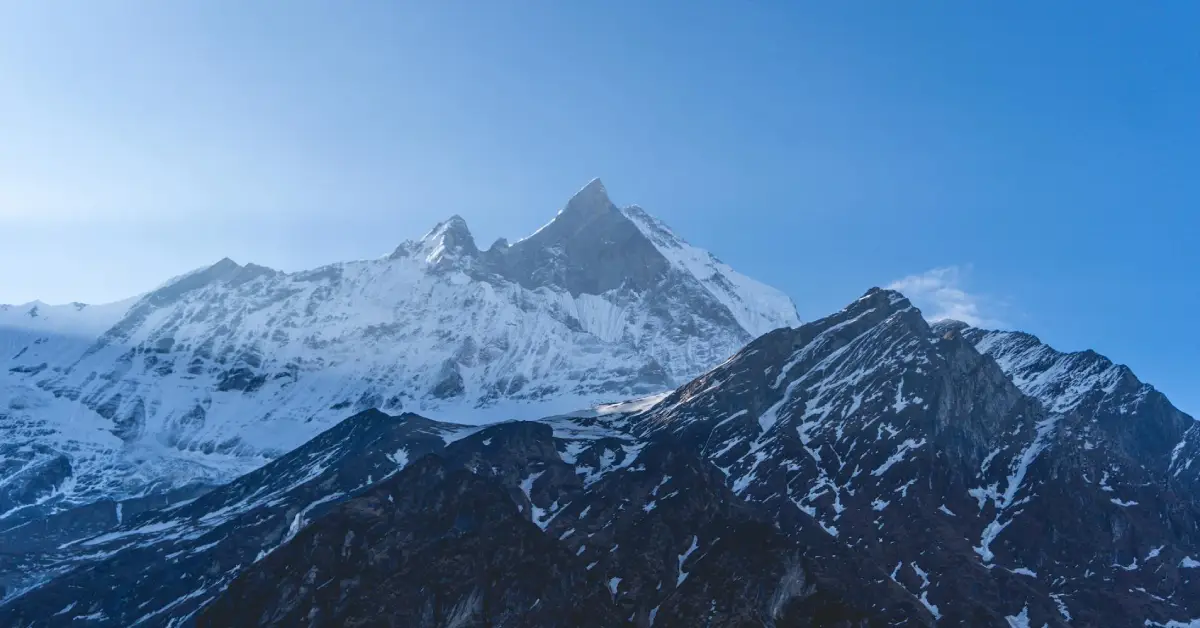
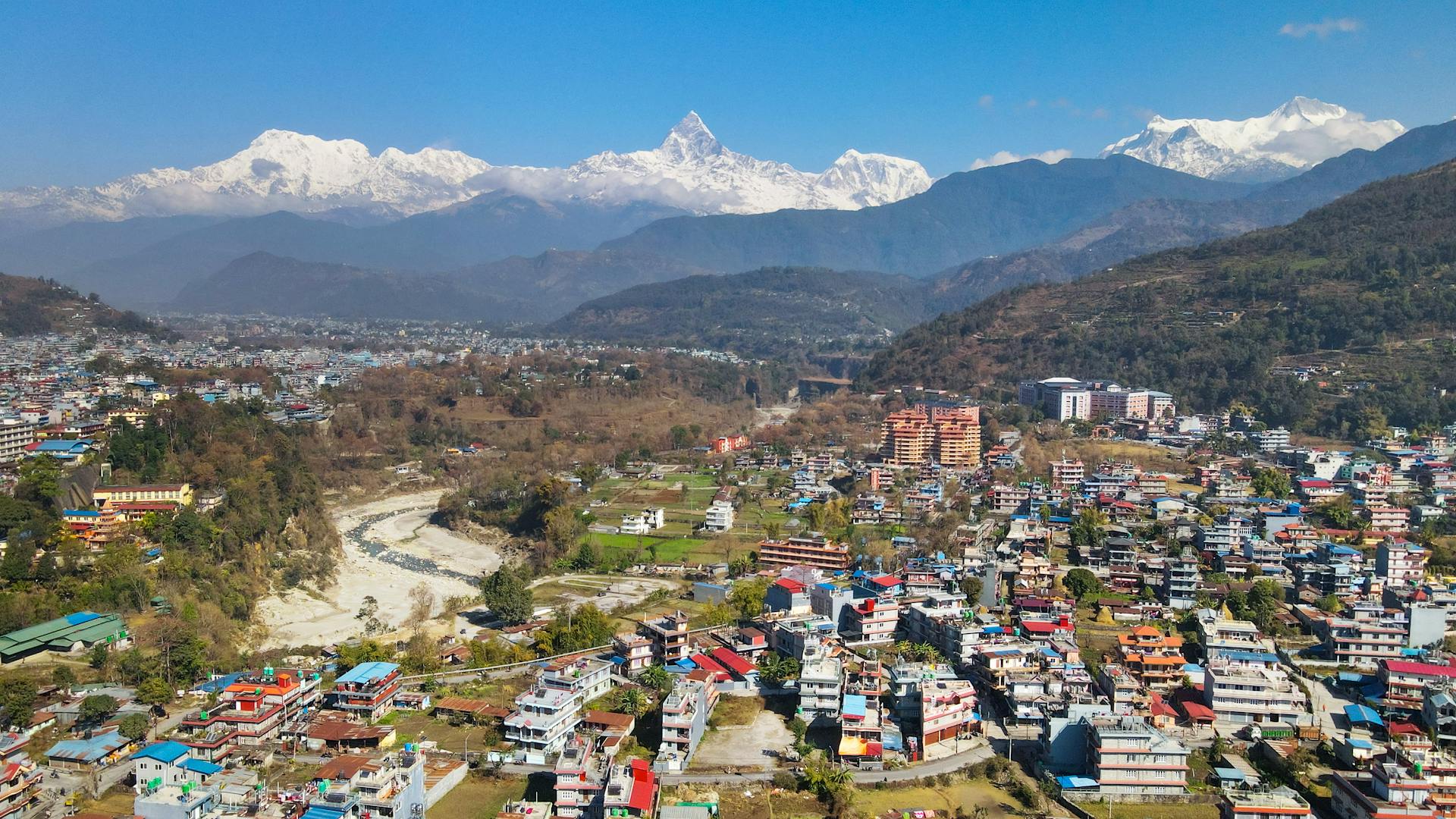
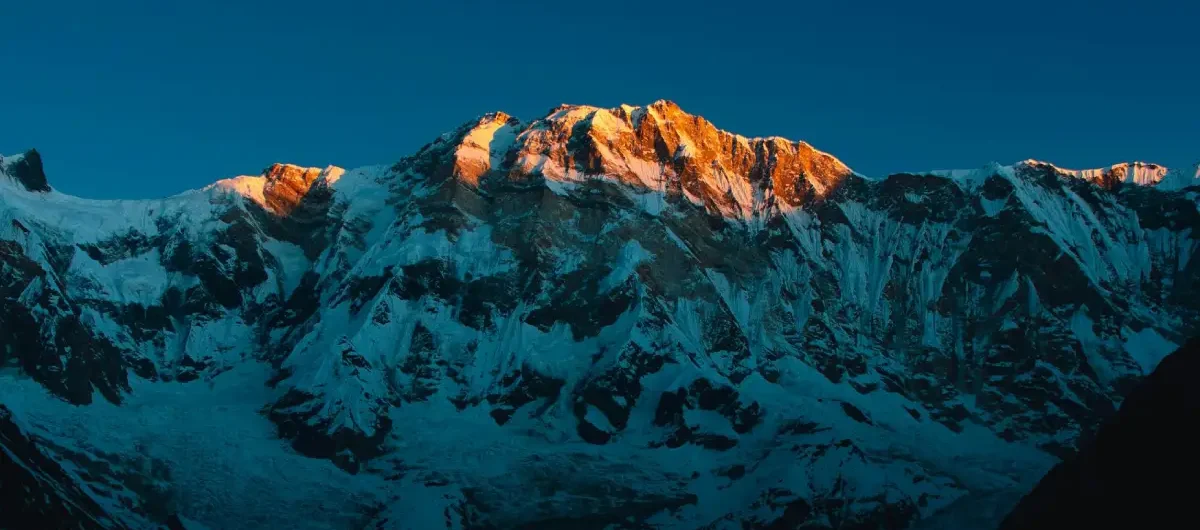
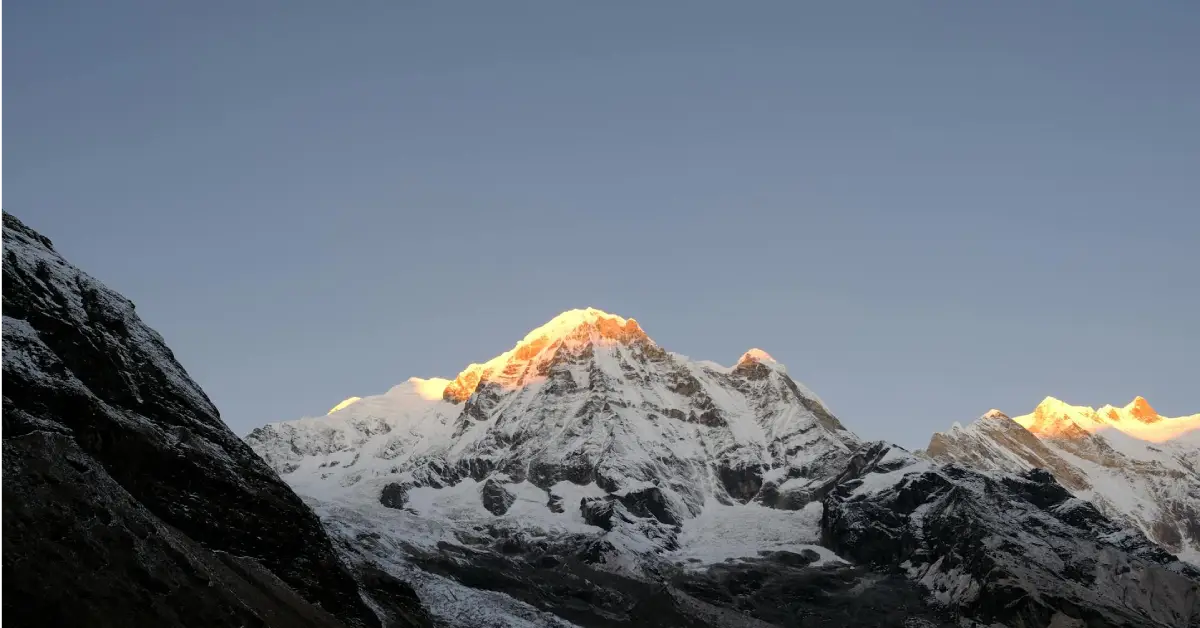
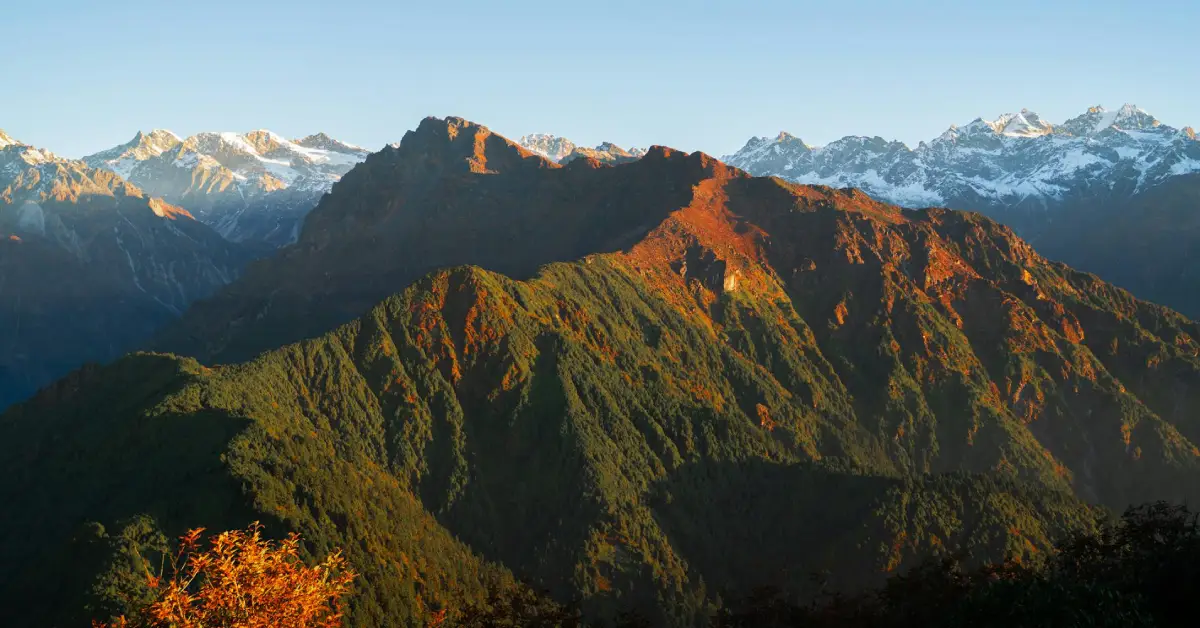
What makes Tent Peak Climbing special is its ideal position for aspiring mountaineers. You don’t need prior climbing experience, just a solid fitness base and the willingness to step beyond trekking. The approach follows the iconic Annapurna Base Camp (ABC) trail, passing rhododendron forests, Gurung villages, and towering glacial walls before the real climbing begins. From the summit, the 360-degree panorama takes in Annapurna I (8,091 m), Machhapuchhre (6,993 m), Gangapurna (7,455 m), Hiunchuli (6,331 m), and Annapurna South (7,219 m).
Tharpu Chuli falls under a No-Permit Peak category managed by Nepal Mountaineering Association (NMA), with a climbing fee of approximately USD 250–350 for a standard team. The Annapurna Conservation Area Permit (ACAP) and TIMS card are also required.
Trip Highlights
- Summit Tharpu Chuli / Tent Peak at 5,663 m — a genuine Himalayan mountaineering experience
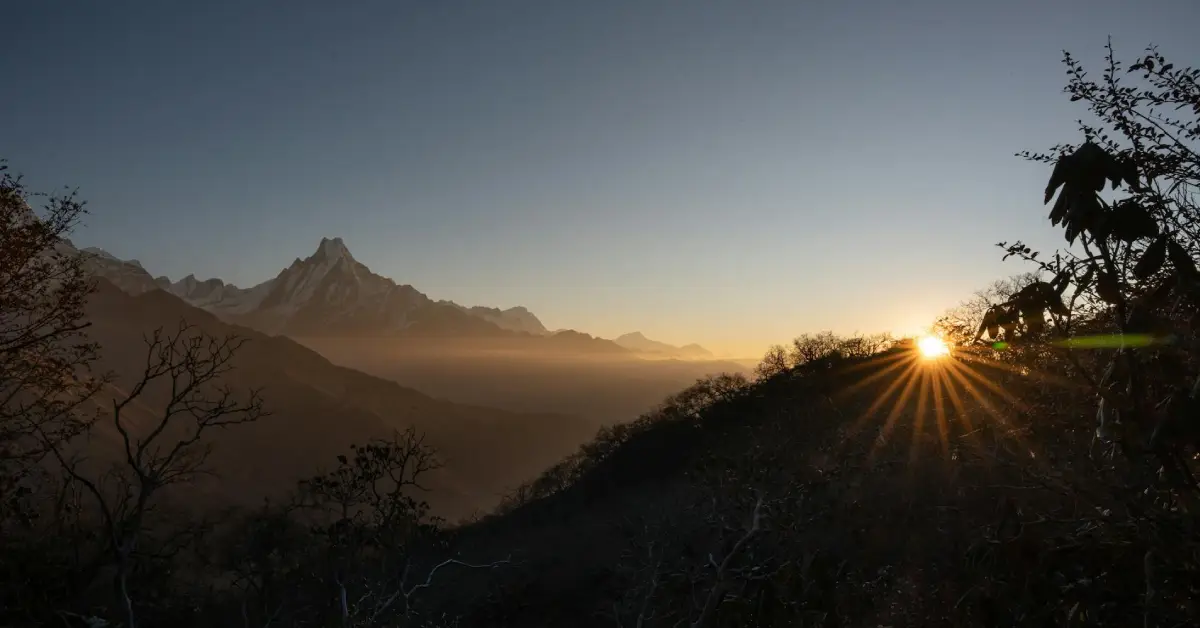
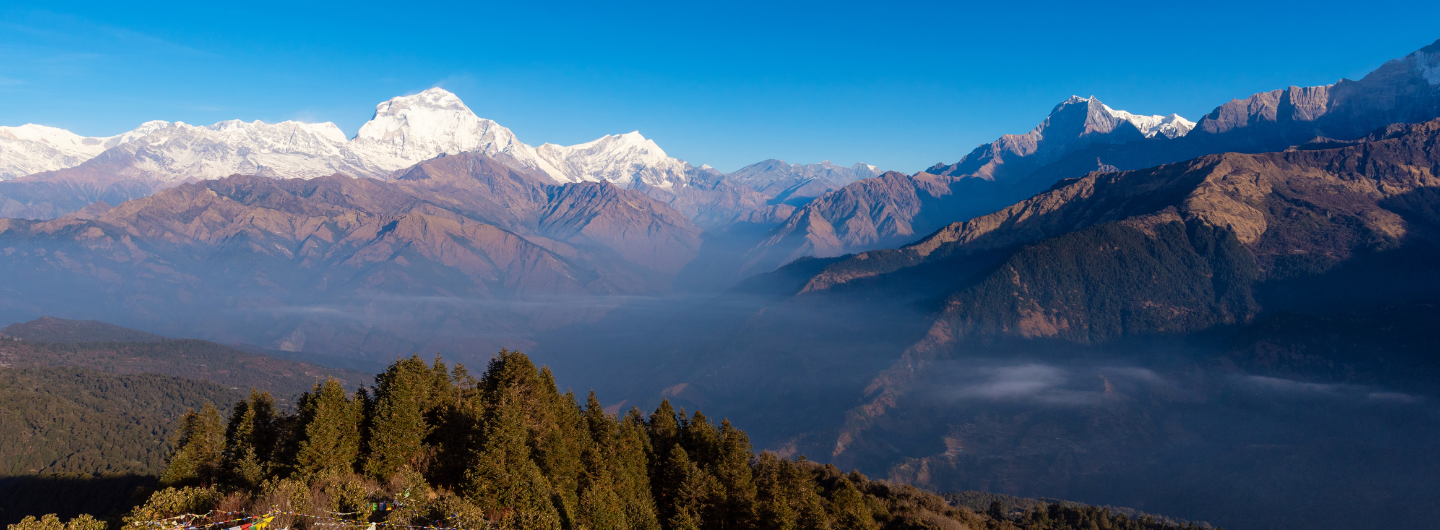
- Iconic Poon Hill sunrise view over Dhaulagiri, Annapurna South, and Machhapuchhre
- Trek through the breathtaking Annapurna Sanctuary — the most dramatic mountain amphitheater in Nepal
- Walk through lush subtropical jungles and cross into arid alpine terrain in just a few days
- Explore authentic Gurung and Magar cultural villages along the trail
- Spend nights at Annapurna Base Camp (4,130 m) surrounded by Himalayan giants
- Soak in the famous natural hot spring at Jhinu Danda on your descent
- Perfectly planned acclimatization — minimizes altitude sickness risk
- A true combination of trekking + mountaineering for beginners stepping up
Best Time for Tent Peak Climbing
The mountain rewards those who time their visit right. There are two prime windows:
| Season | Months | Conditions |
|---|---|---|
| Spring | March – May | Stable weather, blooming rhododendrons, clear morning skies |
| Autumn | September – November | Driest period, best visibility, ideal summit temperatures |
| Monsoon | June – August | Heavy rainfall, trail landslides, poor visibility — avoid |
| Winter | December – February | Extreme cold above 4,000 m, high snowfall risk at high camp |
- Spring brings the Annapurna region alive with color, and rhododendron forests blaze red and pink all the way to Chhomrong. Temperatures at the summit zone hover between -10°C to -20°C at night, which is very manageable with proper gear.
- Autumn is arguably the most popular window for Tent Peak Climbing. Post-monsoon skies are crystal clear, the trails have dried out, and the entire Annapurna massif stands sharp against the blue horizon. Most guided groups run in October.
About Tharpu Chuli
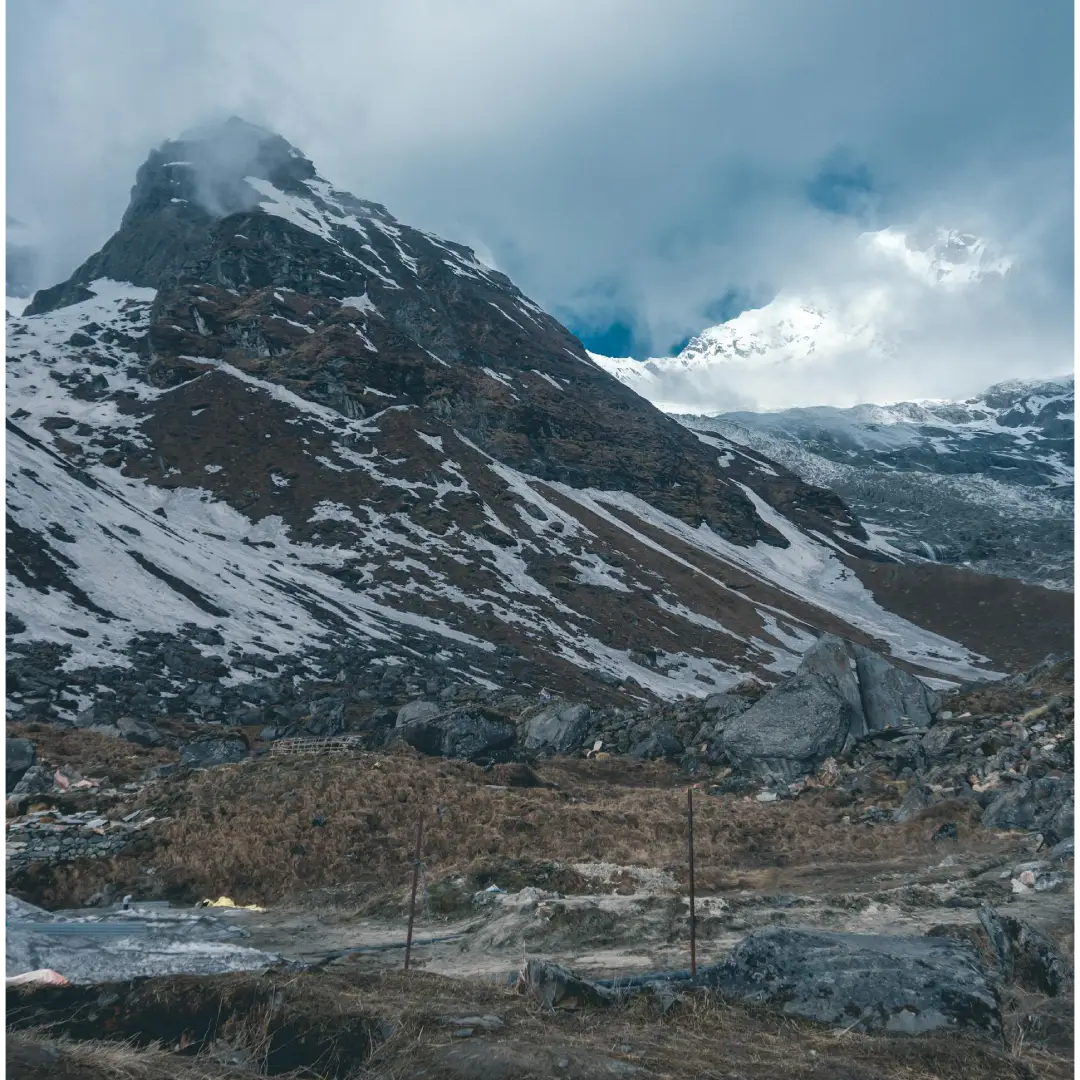
Tharpu Chuli sits on a ridge stretching south from Tarke Kang (7,193 m), positioned directly north of Annapurna Base Camp and opposite the iconic Machhapuchhre. Here’s a quick factual reference:
| Detail | Information |
|---|---|
| Official Name | Tharpu Chuli (Tent Peak) |
| Elevation | 5,663 m / 18,579 ft |
| Region | Annapurna Sanctuary, Nepal |
| Coordinates | 28°33’42” N, 83°53’25” E |
| First Ascent | 1964, Dr. Haruo Higuchi (Japanese) |
| Standard Route | Northwest Ridge, Alpine Grade PD |
| Permit Authority | Nepal Mountaineering Association (NMA) |
| Technical Grade | Moderate — non-technical, fixed rope used |
The northwest ridge is the standard and most popular route. It involves a steep 50–70 degree snow and ice slope near the top, where fixed ropes are set by your guide. No prior technical climbing is required, but crampon technique, ice axe use, and jumaring are covered during acclimatization days at high camp.
Equipment Checklist
Your personal gear is your responsibility to bring. The company provides all group climbing equipment. Key personal items:
1. Clothing & Layers
- Down jacket (800-fill minimum), fleece mid-layer, waterproof hardshell jacket, and pants
- Thermal base layers (top and bottom), trekking pants, moisture-wicking t-shirts
2. Footwear & Feet
- Double-layer mountaineering boots (crampon-compatible), trekking sandals for teahouse evenings
- Wool trekking socks ×4 pairs, gaiters
3. Climbing Personal Gear
- Climbing harness, locking carabiners ×2, jumar/ascender, personal belay device
- Crampons (if not renting in Kathmandu), ice axe
4. Head & Eyes
- Glacier goggles (UV400 minimum), sunscreen SPF 50+, wool/fleece hat, sun hat, balaclava
5. Essentials
- Sleeping bag rated to -20°C, trekking poles, 40 L+ backpack with rain cover, headlamp + spare batteries, 1-liter water bottles ×2, water purification tablets
6. Personal First Aid
- Diamox (acetazolamide) for AMS prevention, paracetamol, loperamide, blister care kit, elastic bandage
Ready to Climb Tent Peak?
Turn your Himalayan dream into a real adventure with our Tent Peak Climbing in Nepal package. Whether you are an experienced trekker or planning your first Himalayan peak climb, our team can help you prepare for the journey with experienced guides, climbing support, equipment, permits, and a carefully planned itinerary.
Not sure if Tent Peak is right for you? Tell us about your climbing experience, fitness level, preferred travel dates, and group size. Our experts will help you choose the right plan and answer your questions before you book.
Get a Free Trip Consultation Today
 Review us on Google