
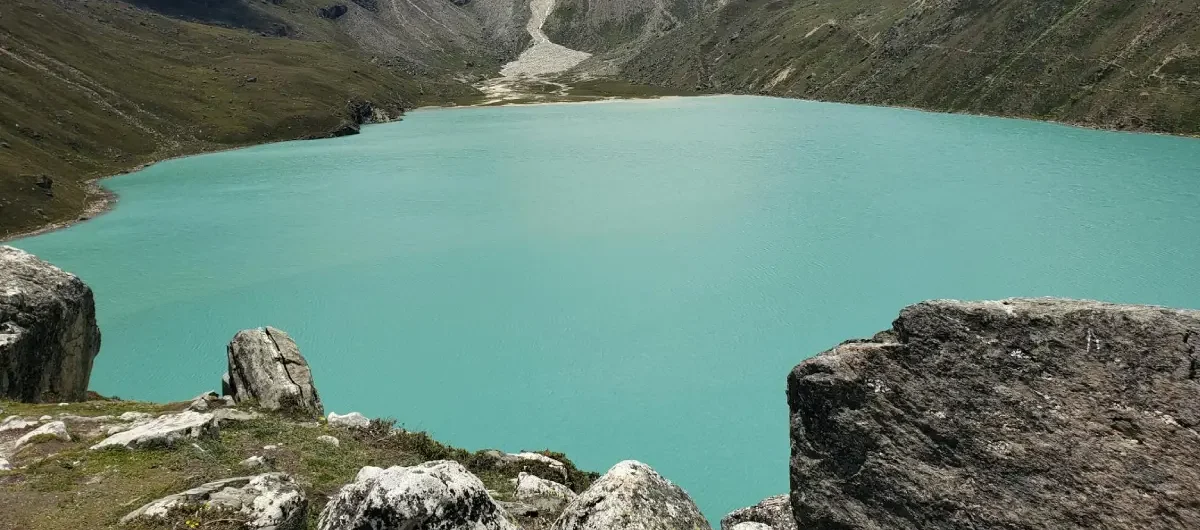
Trexmount Ventures
Trexmount

Gokyo Lake Trek

Adventure Awaits

Gokyo Lake Trek

Nepal
0 Reviews
Large Image
Best Price $1,449.00
Duration 15 Days
Location Nepal
Best Season Mar - May & Sep - Nov
Difficulty Level Moderate to Challenging
Max Altitude 5,357 meters
Activity Trekking
Transportation Trexmp

Overview

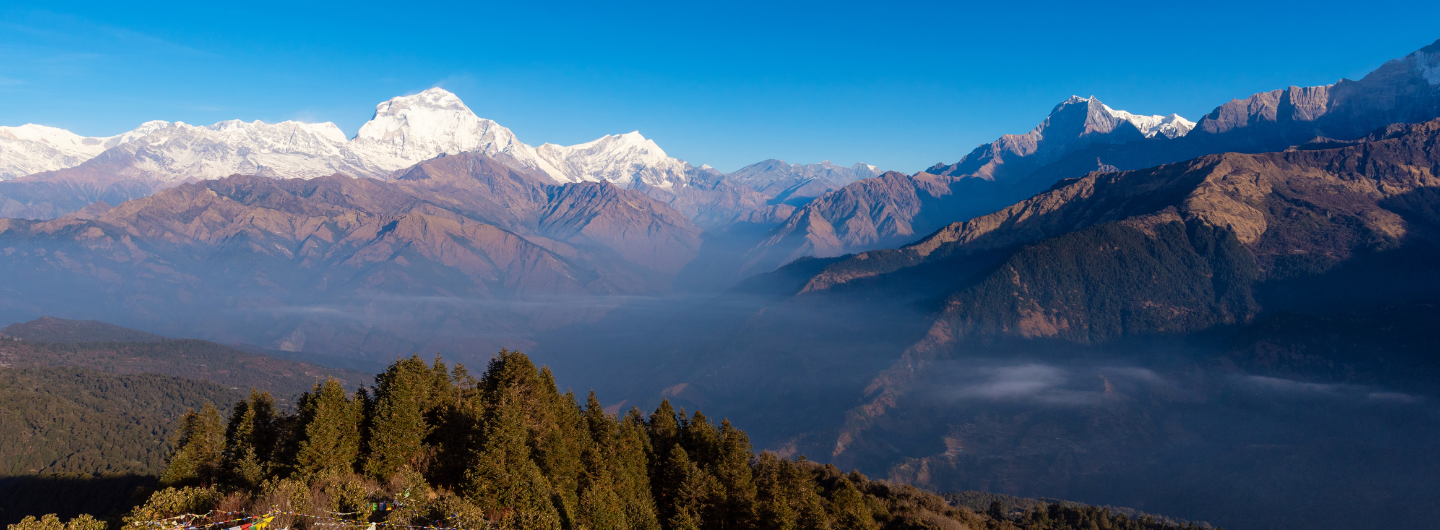
The Gokyo Lake Trek is one of the most rewarding high-altitude trekking experiences in Nepal, offering dramatic Himalayan views, pristine glacial lakes, rich Sherpa culture, and a quieter alternative to the classic Everest Base Camp route. Known for its turquoise lakes, panoramic viewpoints, and peaceful trails, this trek is ideal for travelers who want to experience the Everest region beyond the crowds.

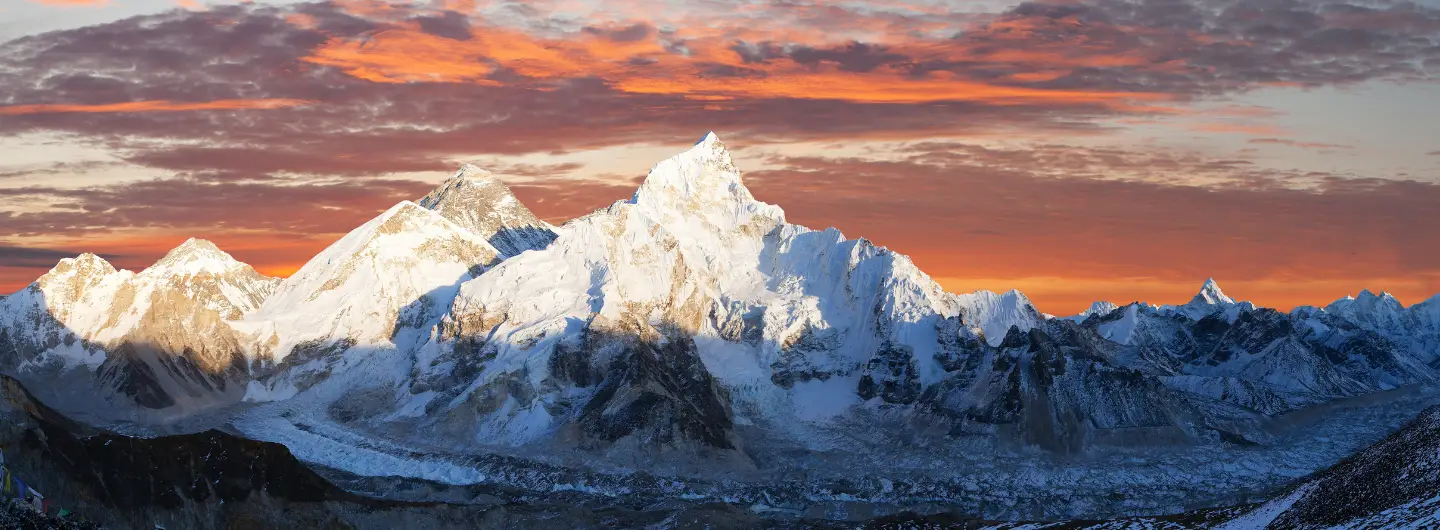
Unlike busier routes, the Gokyo Lakes Trek Nepal takes you deep into the heart of the Khumbu Valley, showcasing the world’s highest freshwater lake system, the massive Ngozumpa Glacier, and unforgettable viewpoints like Gokyo Ri. With close-up views of Mount Everest, Lhotse, Makalu, and Cho Oyu, this trek delivers world-class scenery without technical climbing.

Whether you are a first-time trekker or a seasoned hiker looking for a more scenic and less congested journey, the Gokyo Lake Trek stands out as a life-changing Himalayan adventure.

Why Choose the Gokyo Lake Trek?

The Everest region is famous worldwide, but not all treks offer the same experience. The Gokyo Lake Trek is unique for several reasons:

  • Fewer crowds compared to Everest Base Camp
  • Stunning chain of six glacial lakes
  • One of the best panoramic viewpoints in Nepal
  • Immersive Sherpa culture and traditions
  • Moderate difficulty with excellent acclimatization

The Gokyo Lakes trek Nepal allows trekkers to experience raw alpine beauty while still enjoying comfortable teahouse accommodation and well-established trails. It is a perfect balance of adventure, comfort, and cultural discovery.

Overview of the Gokyo Lake Trek Route

The journey begins with a scenic mountain flight from Kathmandu to Lukla, one of the most thrilling airports in the world. From Lukla, the trail follows the Dudh Koshi River, passing through picturesque Sherpa villages like Phakding and Namche Bazaar.

Namche Bazaar serves as the commercial and cultural hub of the Khumbu region and is a key acclimatization stop. From here, the trail diverges from the traditional Everest Base Camp route and heads toward Dole, Machhermo, and eventually Gokyo Valley.

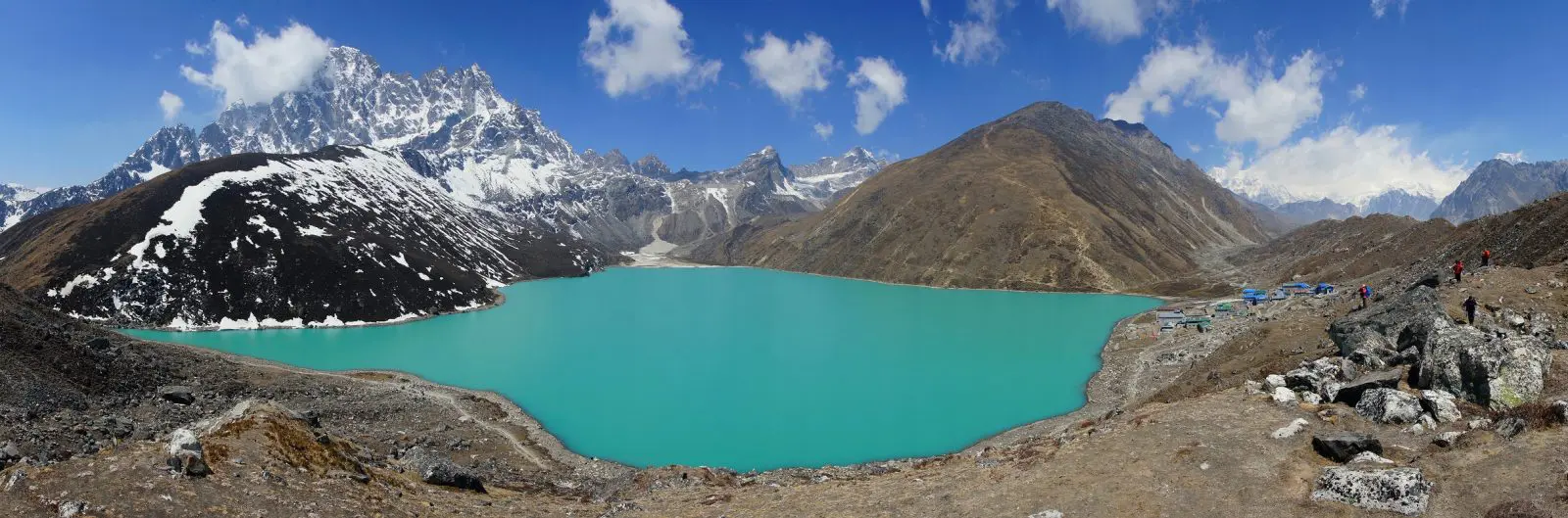
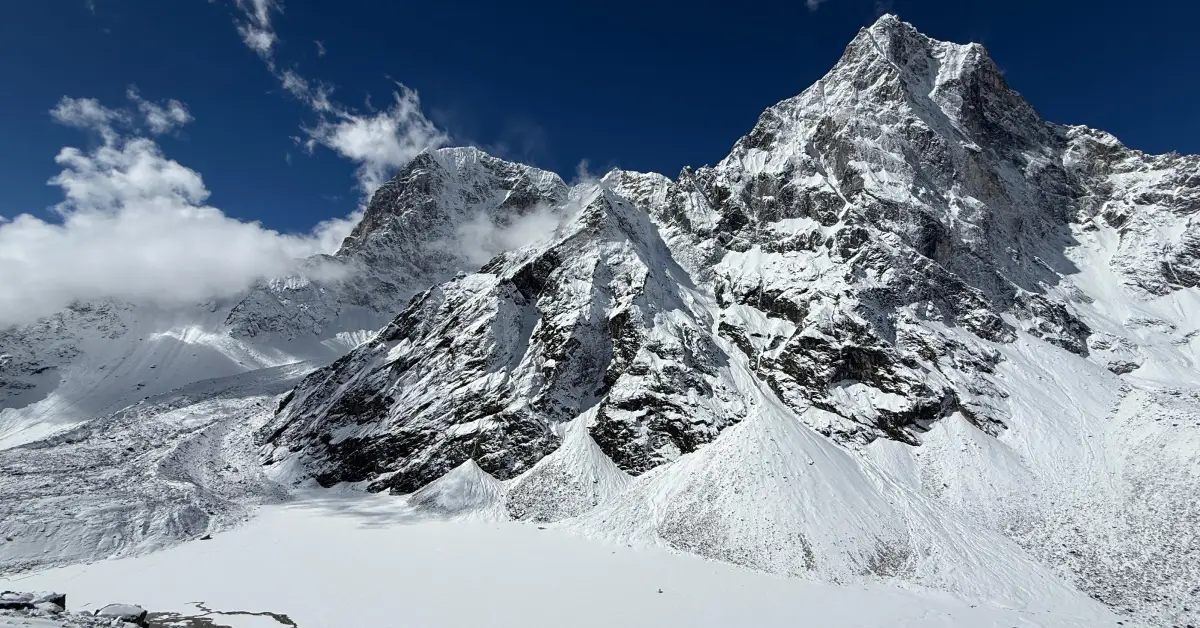
As you ascend, the landscape transforms dramatically, from lush forests to barren alpine terrain dominated by glaciers and snow-capped peaks. The highlight arrives upon reaching Gokyo, home to the breathtaking Gokyo Lakes at an altitude of 4,757 meters.

The Magical Gokyo Lakes

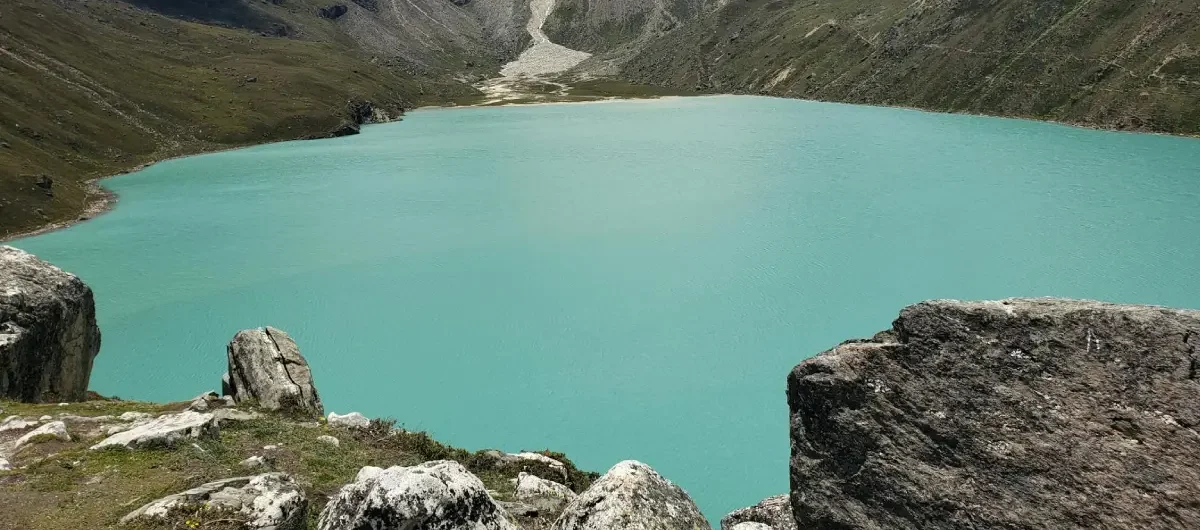
The crown jewel of the Gokyo Lake Trek is the sacred Gokyo Lake system. These lakes are revered by both Hindus and Buddhists and are considered among the highest freshwater lakes in the world.

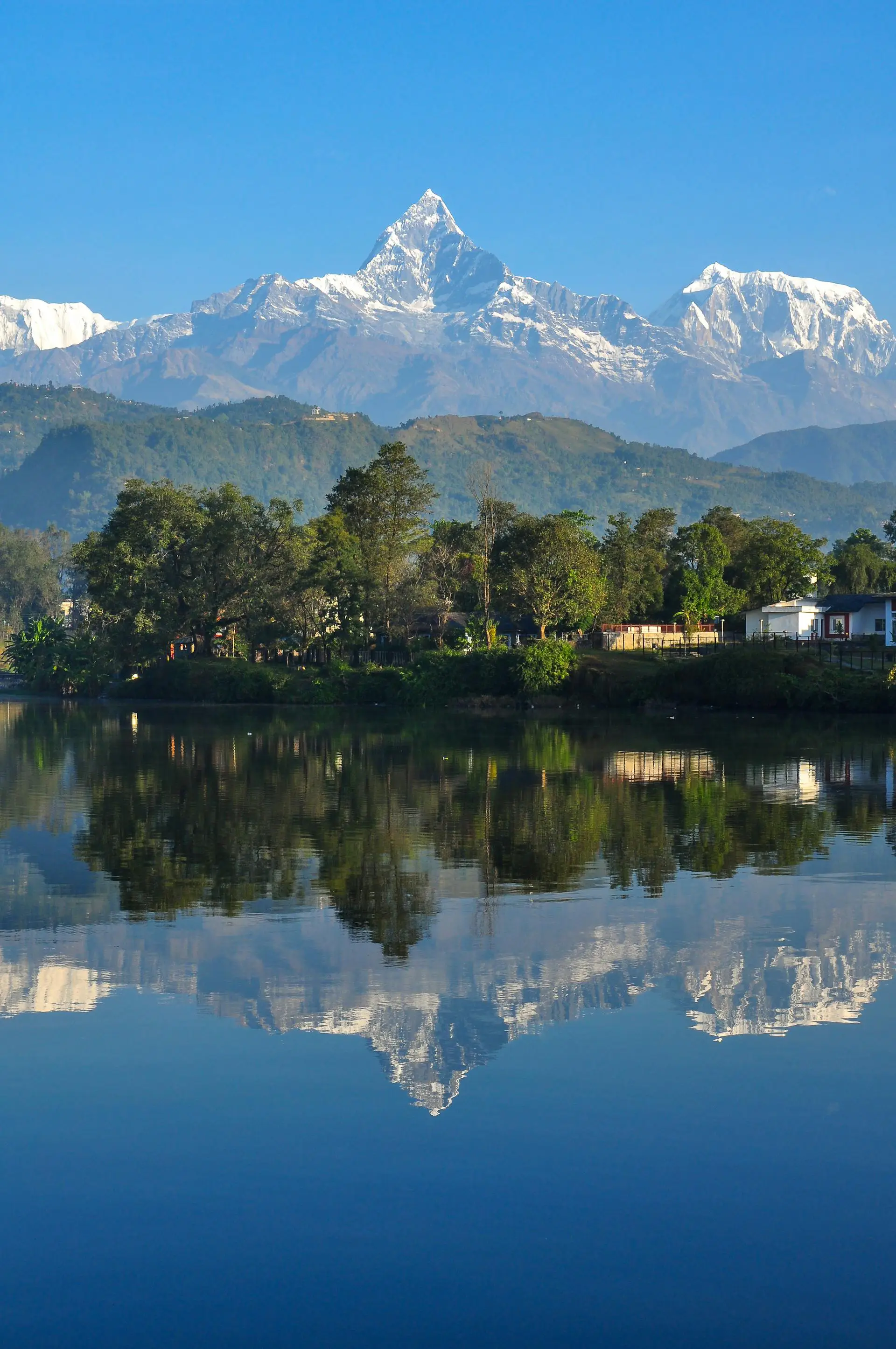
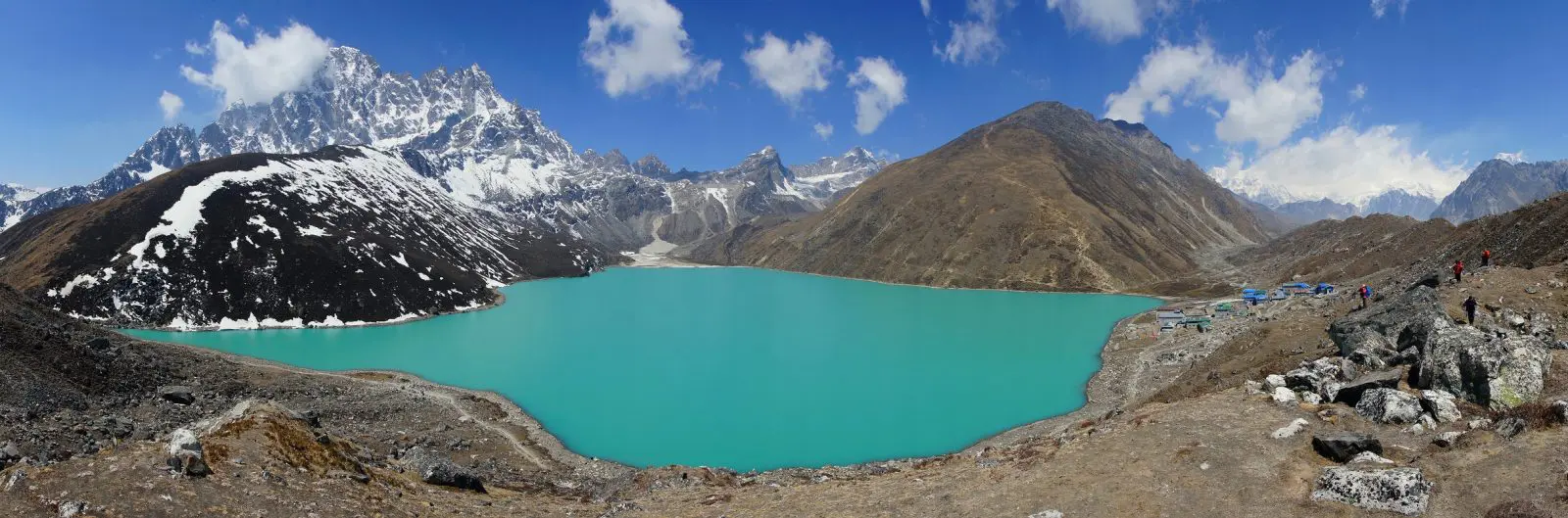
The six main lakes shimmer in shades of turquoise and emerald, reflecting the surrounding Himalayan giants. The contrast between the icy glaciers, deep blue skies, and colorful prayer flags creates a surreal atmosphere.

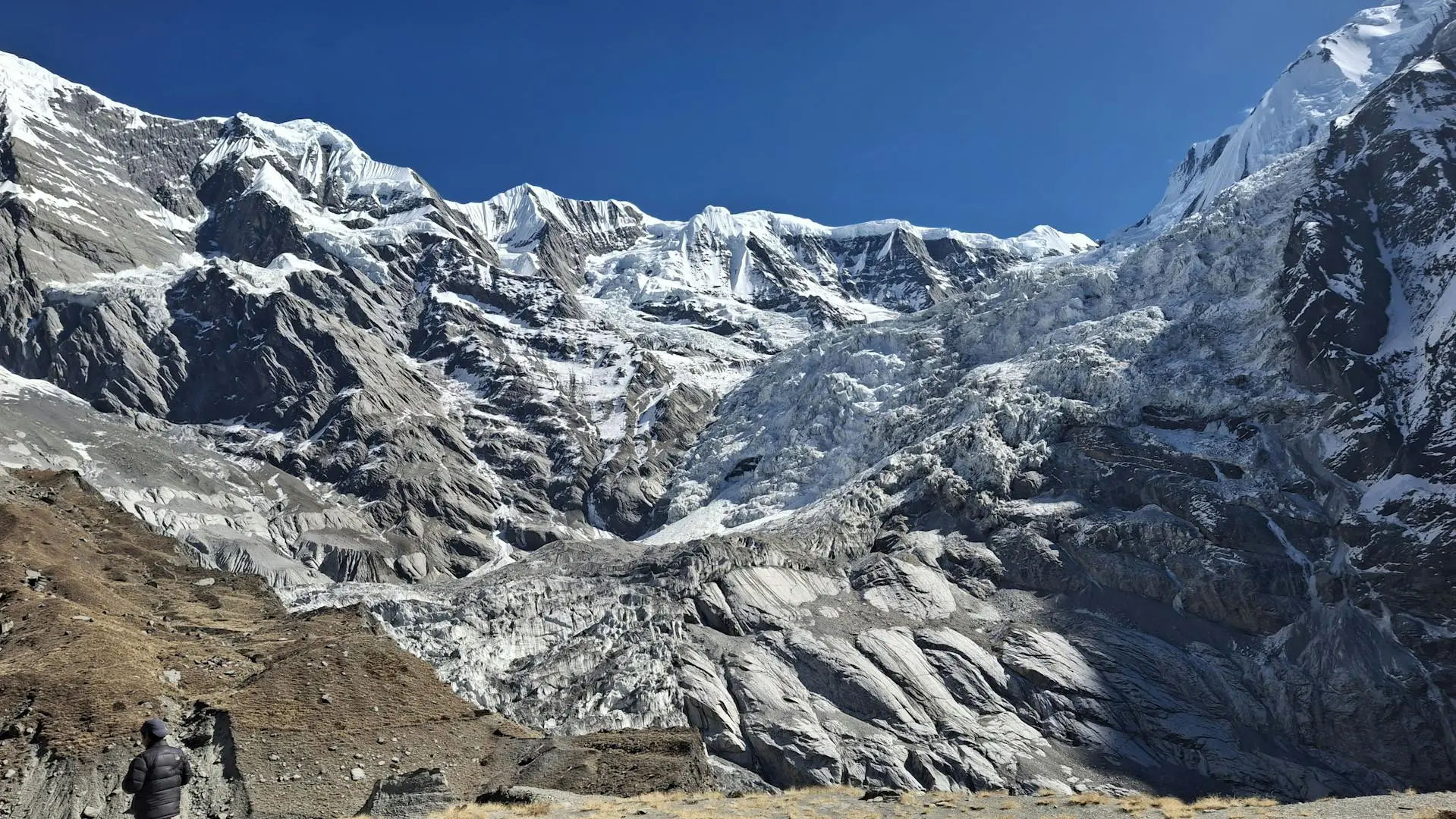
These lakes sit beside the massive Ngozumpa Glacier, the longest glacier in the Himalayas, adding to the raw, untouched feel of the region. For photographers and nature lovers, the Gokyo Lakes trek in Nepal offers endless visual inspiration.

Gokyo Ri | The Ultimate Viewpoint

One of the most rewarding moments of the Gokyo Lake Trek is the early morning hike to Gokyo Ri (5,357 meters). Though challenging, the ascent is non-technical and achievable with proper acclimatization.

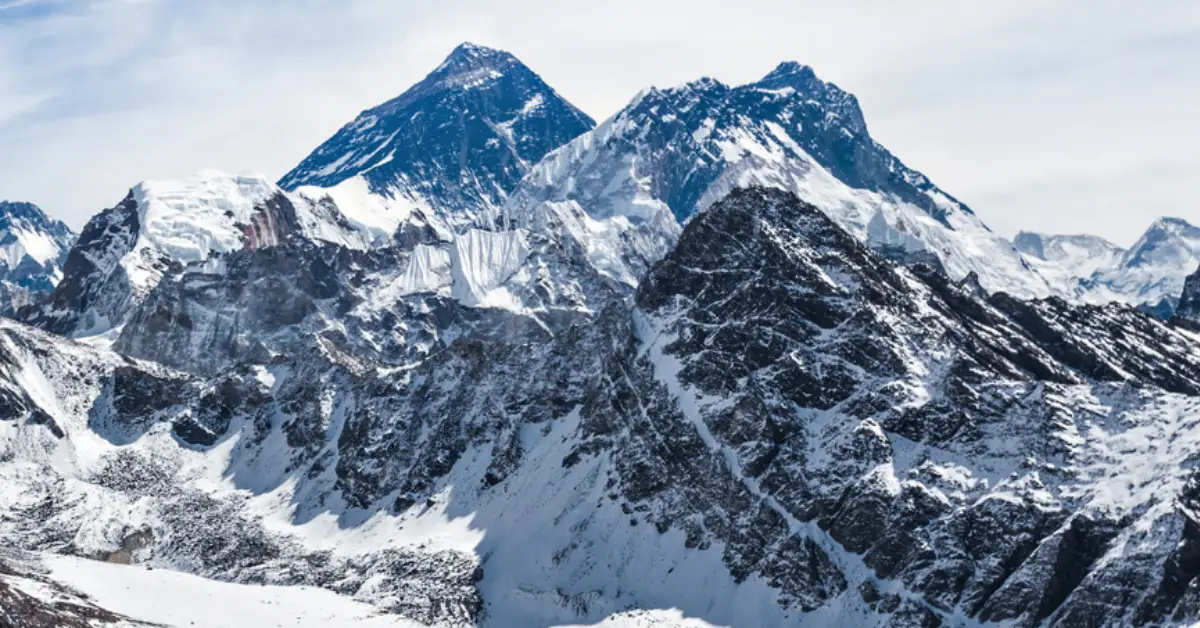
From the summit, trekkers are rewarded with one of the finest panoramic views in Nepal. On a clear day, you can see:

  • Mount Everest (8,848 m)
  • Lhotse (8,516 m)
  • Makalu (8,481 m)
  • Cho Oyu (8,188 m)
  • Ngozumpa Glacier

Many trekkers believe the view from Gokyo Ri surpasses even Kala Patthar. This viewpoint alone makes the Gokyo Lake Trek a standout adventure in the Everest region.

Culture and Lifestyle of the Sherpa Community

Beyond landscapes, the Gokyo Lakes trek Nepal offers deep cultural immersion. The Sherpa people, known for their mountaineering legacy, are warm, resilient, and deeply spiritual.

Along the trail, you’ll encounter ancient monasteries, mani walls, prayer wheels, and chortens that reflect Tibetan Buddhist traditions. Villages like Namche, Dole, and Machhermo offer insight into high-altitude living, traditional farming, and yak herding.

Sharing meals with locals, tasting traditional dishes, and observing daily life adds emotional depth to the Gokyo Lake Trek, making it more than just a physical journey.

Trek Difficulty and Fitness Level

The Gokyo Lake Trek is considered a moderate trek. While it reaches high altitudes, the route is well-paced with acclimatization days, making it suitable for trekkers without prior high-altitude experience.

Key points regarding difficulty:

  • No technical climbing required
  • Well-marked trails and teahouses
  • Gradual ascent profile
  • Best suited for physically active individuals

With proper preparation, mental readiness, and guided support, most travelers can successfully complete the Gokyo Lakes trek Nepal.

Best Time to Do the Gokyo Lake Trek

Choosing the right season greatly enhances the trekking experience.

  • Spring (March to May):
    Clear skies, blooming rhododendrons, and stable weather make this a popular season for the Gokyo Lake Trek.
  • Autumn (September to November):
    Crisp air, excellent visibility, and post-monsoon freshness provide ideal trekking conditions.

Winter treks are possible but colder, while the monsoon season brings clouds and flight delays. For the best experience, spring and autumn are strongly recommended for the Gokyo Lakes trek Nepal.

Accommodation and Food on the Trail

Teahouse trekking makes the Gokyo Lake Trek accessible and comfortable. Lodges along the route offer clean rooms, warm blankets, and hearty meals.

Common meals include:

  • Dal Bhat (lentils, rice, vegetables)
  • Tibetan bread and pancakes
  • Noodles, pasta, and soups
  • Local Sherpa dishes

Despite the remote location, the hospitality is exceptional, ensuring trekkers remain energized throughout the journey.

Gokyo Lake Trek vs Everest Base Camp Trek

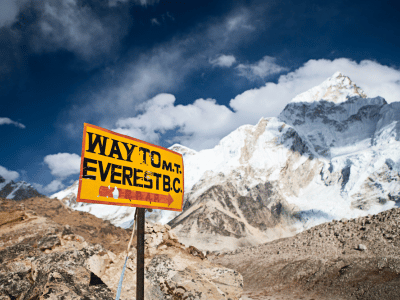
Many trekkers compare this route with the traditional Everest Base Camp trail. While both are iconic, the Gokyo Lake Trek offers a quieter and more scenic alternative.

Compared to Everest Base Camp, Gokyo provides:

  • Fewer crowds
  • More dramatic lake and glacier scenery
  • Higher panoramic viewpoints
  • A more peaceful trekking experience

For those seeking variety, the Everest Base Camp & Gokyo Lakes trek combination is also possible, linking both routes via Cho La Pass for an extended adventure.

Safety, Guides, and Trekking Support

Trekking with experienced local guides significantly enhances safety and enjoyment. Professional guides provide:

  • Altitude monitoring and acclimatization support
  • Cultural insights and route knowledge
  • Emergency assistance if needed

A well-organized Gokyo Lake Trek ensures you can focus on the experience while logistics are handled responsibly.

Responsible Trekking and Sustainability

The Khumbu region is ecologically sensitive. Trekkers are encouraged to follow responsible travel practices:

  • Minimize plastic use
  • Respect local customs and traditions
  • Support local teahouses and guides
  • Carry out waste responsibly

By trekking responsibly, you help preserve the natural and cultural beauty of the Gokyo Lakes trek Nepal for future generations.

Who Should Choose the Gokyo Lake Trek?

The Gokyo Lake Trek is perfect for:

  • Nature and landscape photographers
  • Trekkers seeking fewer crowds
  • Travelers interested in culture and scenery
  • Those wanting Everest views without the busiest trails

It is also ideal for travelers considering the Everest Base Camp & Gokyo Lakes trek as a longer, more comprehensive Everest experience.

Gokyo Lake Trek Summary

The Gokyo Lake Trek is more than just a trek, it is a journey through some of the most awe-inspiring landscapes on Earth. From serene glacial lakes to towering Himalayan peaks, from ancient Sherpa villages to unforgettable viewpoints, every day brings something extraordinary.
If you are looking for an authentic, scenic, and deeply rewarding Himalayan adventure, the Gokyo Lakes Trek Nepal deserves a top place on your bucket list.

Package options

Select Package Type

★ ★ ★ ★ ★
10% OFF

Standard Package Price

US $1449
US $1610

per traveller

Standard Package Included

  • Airport pick-up and drop-off transfer
  • Private Ground transportation as per the itinerary
  • Return Flight Kathmandu|Lukla|Kathmandu
  • All accommodations (Twin Share)
  • 3 Standard Meals
  • National Park entry permits
  • TIMS Permit
  • An experienced guide and required porters to carry your belongings (one porter between two pax)
  • Warm sleeping bag, warm down jacket and walking stick, if necessary.
  • Trek bag
  • Certificate of Trip Completion

Standard Package Excluded

  • Single Supplement for single-use rooms
  • Tips to staff or any donations
  • Temple and monastery entry fee, & entry fees if sightseeing in Kathmandu
  • Your travel insurance, medical, and emergency evacuation (Just in case)
  • All types of drinks (such as Hot & cold drinks, Mineral water, and alcoholic drinks)
  • All personal expenses that are not mentioned in the price inclusion

Trip Itinerary

When you arrive at Tribhuvan International Airport in Kathmandu, our representative will be waiting to welcome you. You’ll be transferred to your hotel in a private vehicle, where you can relax after your flight.

Later in the day, our tour leader will meet you at the hotel or our office for a pre-trek briefing. During this meeting, we will explain the full trekking plan, safety measures, altitude awareness, and what to expect each day on the trail. We will also collect necessary documents such as a copy of your passport, two passport-size photos, and your travel insurance details.

Accommodation

Hotel in Kathmandu

Meal

Breakfast

Time

N/A

Distance

N/A

After breakfast, you’ll have a free day to prepare for the trek. You may use this time to check your trekking gear, buy or rent equipment, rest at the hotel, or explore the city on your own.

If you’re interested, you can join an optional sightseeing tour around Kathmandu Valley. This includes UNESCO World Heritage Sites such as Pashupatinath Temple, Boudhanath Stupa, Swayambhunath (Monkey Temple), and the historic Durbar Squares of Kathmandu, Patan, or Bhaktapur. These places offer a wonderful introduction to Nepal’s culture, history, and architecture.


Please note that sightseeing is optional and any entrance or guide fees are paid locally.

Accommodation

Hotel in Kathmandu

Meal

Breakfast

Time

N/A

Distance

N/A

Early in the morning, you will take a scenic 30-minute flight to Lukla aboard a small aircraft such as a Twin Otter or Dornier. The flight provides spectacular views of the Himalayan mountains and lands at Tenzing-Hillary Airport, one of the most famous mountain airstrips in the world.

After meeting your trekking crew and porters, the trek begins with an easy walk to Phakding. The trail passes through small Sherpa villages, farmland, prayer wheels, and follows the Dudh Koshi River. This gentle first day helps your body begin adjusting to the altitude.

Accommodation

Tea Houses

Meal

Breakfast, Lunch, Dinner

Time

~5 hours

Distance

~9 km

Today’s walk follows the Dudh Koshi River and crosses several suspension bridges, including the iconic Hillary Suspension Bridge. After entering Sagarmatha National Park at Monjo, your trekking permits will be checked.

The trail then continues through forests before a steady uphill climb leads to Namche Bazaar. Namche is the main town of the Everest region and offers cafes, bakeries, shops, ATMs, and internet access. From here, you can enjoy your first clear views of the surrounding Himalayan peaks.

Accommodation

Standard Hotels

Meal

Breakfast, Lunch, Dinner

Time

~6 hours

Distance

~10 km

This day is important for allowing your body to adjust to the higher altitude. After breakfast, you’ll take a short hike to the Sagarmatha National Park Museum, where you can learn about local wildlife, mountaineering history, and Sherpa culture.

You will then hike toward Syangboche and the Everest View Hotel, which offers one of the best viewpoints for Mount Everest, Ama Dablam, and other peaks. The afternoon is free to relax, explore Namche, or enjoy a coffee with mountain views.

Accommodation

Tea Houses

Meal

Breakfast, Lunch, Dinner

Time

N/A

Distance

N/A

The trail begins with a pleasant walk along a wide path with excellent views of Everest, Lhotse, Nuptse, Ama Dablam, and Thamserku. You’ll descend to the Imja Khola River at Phunge Tenga before climbing through rhododendron and pine forests.

Tengboche is home to the most important monastery in the Everest region. You’ll have time to visit the monastery and, if timing allows, observe the monks during their daily prayers, surrounded by stunning mountain scenery.

Accommodation

Tea Houses

Meal

Breakfast, Lunch, Dinner

Time

~6 hours

Distance

~9 km

From Tengboche, the trail descends toward the Dudh Koshi River and then gradually climbs into the quieter Gokyo Valley. This section of the trek is peaceful and less crowded, with chances of spotting Himalayan wildlife such as musk deer, Himalayan thar, and colorful pheasants.

Passing small settlements like Phortse Thanga, Tongba, and Gyele, the vegetation slowly changes from forests to alpine shrubs as you reach the village of Dole.

Accommodation

Tea Houses

Meal

Breakfast, Lunch, Dinner

Time

~6 hours

Distance

~10 km

Today is a shorter walking day, designed to help with acclimatization. The trail follows a gentle valley path with wide, open mountain views and passes grazing areas such as Lhabarma Kharka and Luza.

Machhermo lies in a scenic glacial valley. The afternoon is free to rest, take short walks, or simply enjoy the peaceful surroundings and prepare for higher altitudes ahead.

Accommodation

Tea Houses

Meal

Breakfast, Lunch, Dinner

Time

~4 hours

Distance

~8 km

Today you reach one of the highlights of the trek. The trail climbs gradually past Pangka and enters a rocky glacial valley near the massive Ngozumpa Glacier. Along the way, you’ll pass the first and second Gokyo Lakes before reaching the third and most famous lake, Dudh Pokhari.

Gokyo village sits beside this turquoise lake and offers breathtaking views of Cho Oyu and Gyachung Kang reflected in the water. The afternoon is free for acclimatization and short walks around the lakes.

Accommodation

Tea Houses

Meal

Breakfast, Lunch, Dinner

Time

~4 hours

Distance

~9 km

An early morning climb takes you to the summit of Gokyo Ri, the highest point of the trek. The ascent is steep but does not require technical climbing skills.

From the top, you’ll enjoy one of the best panoramic views in the Himalayas, including Mount Everest, Lhotse, Makalu, Cho Oyu, and the vast Ngozumpa Glacier. After spending time at the summit, you’ll descend back to Gokyo village and continue trekking down to Machhermo for the night.

Accommodation

Tea Houses

Meal

Breakfast, Lunch, Dinner

Time

~7 hours

Distance

~14 km

The trail descends through Dole and Phortse before a gentle climb to Mong La Pass. From here, you’ll descend past Sannasa and rejoin the main Everest trail back to Namche Bazaar.

Returning to Namche feels familiar and comfortable, offering a good place to rest after the higher sections of the trek.

Accommodation

Tea Houses

Meal

Breakfast, Lunch, Dinner

Time

~7 hours

Distance

~14 km

Your final day of trekking follows the Dudh Koshi River back to Lukla. This is a relaxed and reflective walk, passing through villages and suspension bridges crossed earlier in the journey. In the evening, you can explore Lukla, rest, and celebrate the successful completion of your trek with your team.

Accommodation

Tea Houses

Meal

Breakfast, Lunch, Dinner

Time

~7 hours

Distance

~13 km

Early morning flights operate from Lukla to Kathmandu, depending on weather conditions. While delays are possible, flights usually depart as soon as conditions allow. After arriving in Kathmandu, our team will transfer you to your hotel. The rest of the day is free to relax, shop, or enjoy the city.

Accommodation

Hotel in Kathmandu

Meal

Breakfast

Time

~30 min

Distance

N/A

This day is kept as a backup in case of flight delays from Lukla. If not needed, you can enjoy additional sightseeing, shopping, or personal activities in Kathmandu. In the evening, a farewell dinner will be arranged where you can share memories and celebrate your Himalayan journey.

Accommodation

Hotel in Kathmandu

Meal

Breakfast

Time

N/A

Distance

N/A

After breakfast, we will transfer you to Tribhuvan International Airport for your onward journey. Your trip ends with unforgettable memories of the Himalayas, Sherpa culture, and the beautiful Gokyo region.

Accommodation

N/A

Meal

Breakfast

Time

N/A

Distance

N/A

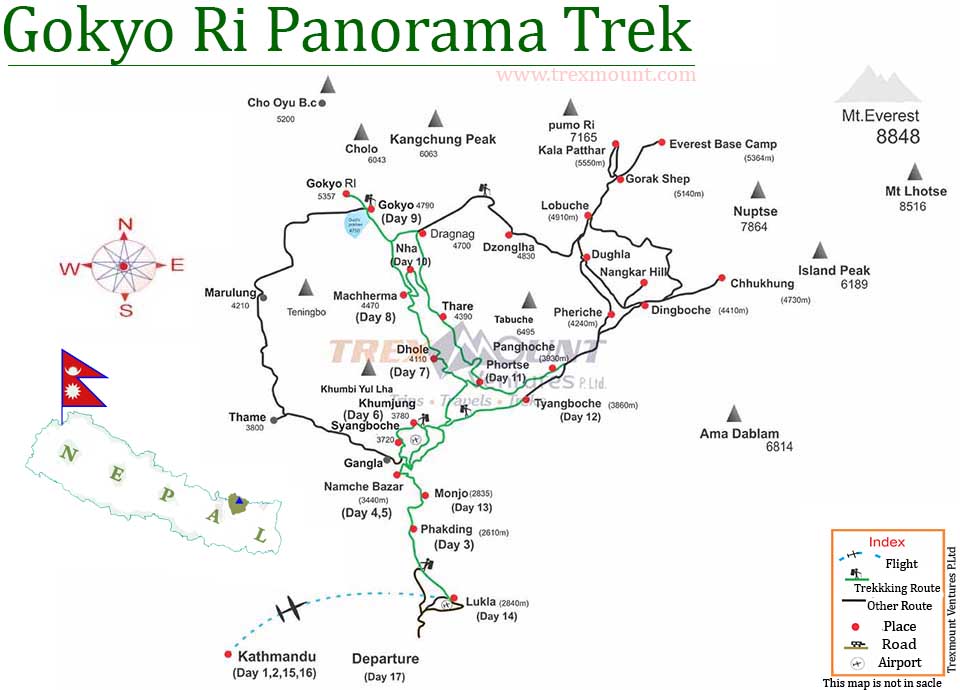
Route Map

trip route map for Gokyo Lake Trek

Fixed Departure

Frequently Asked Questions

The best time for the Gokyo Lakes Trek is during spring (March to May) and autumn (September to November). These seasons offer stable weather, clear Himalayan views, and comfortable trekking temperatures. Spring brings colorful rhododendron forests, while autumn provides crystal-clear skies and excellent mountain visibility. Winter is colder with snowfall at higher elevations, and the monsoon season can make trails slippery and flights to Lukla unpredictable.

Gokyo Lake Trek is considered a moderate to challenging Himalayan trek because of its high-altitude terrain and long walking days. Trekkers climb above 5,000 meters while walking through valleys, glaciers, and mountain villages. Proper acclimatization and physical fitness are important for a safe journey. Although challenging, the trek is less crowded than the Everest Base Camp route and rewards trekkers with peaceful trails and spectacular scenery.

Most Gokyo Lake Trek itineraries take around 10 to 14 days depending on the route, acclimatization schedule, and side trips. The journey usually starts with a flight to Lukla and continues through Namche Bazaar, Dole, Machhermo, and Gokyo Valley. Some trekkers combine the trek with Everest Base Camp or Cho La Pass for a longer adventure. The route offers a perfect balance of mountain scenery, Sherpa culture, and high-altitude trekking

The highest point of the Gokyo Lake Trek is usually Gokyo Ri at approximately 5,357 meters (17,575 feet) above sea level. From the summit, trekkers enjoy breathtaking panoramic views of Everest, Lhotse, Makalu, and Cho Oyu. Due to the high elevation, acclimatization is essential to reduce the risk of altitude sickness. Trekkers should ascend gradually, stay hydrated, and rest properly during the journey.

Previous trekking experience is helpful but not mandatory for the Gokyo Lake Trek. Beginners with good fitness, determination, and proper preparation can complete the trek successfully. Since the route involves high altitude and long walking hours, training before the trek is highly recommended. Walking, cardio exercises, and hiking practice can improve endurance. Trekking with experienced guides also makes the journey safer and more comfortable for first-time trekkers.

The Gokyo Lake Trek offers incredible views of famous Himalayan peaks including Mount Everest, Lhotse, Makalu, Cho Oyu, and Ama Dablam. From Gokyo Ri, trekkers can witness one of the best panoramic mountain views in Nepal. The route also passes glaciers, turquoise lakes, and dramatic Himalayan landscapes throughout the trek

Yes, the Gokyo Lake Trek can be suitable for beginners who are physically fit and prepared for high-altitude trekking. The route is demanding because of elevation gain and long trekking days, but it is achievable with proper acclimatization and pacing. Beginners should train before the trek, carry appropriate gear, and travel with licensed guides. The peaceful trails, stunning lakes, and panoramic Himalayan scenery make it an unforgettable experience.

Trekkers need two main permits for the Gokyo Lake Trek: the Sagarmatha National Park Permit and the Khumbu Pasang Lhamu Rural Municipality Permit. These permits help support conservation, local development, and trekker management in the Everest region. Permit rules and fees may change over time, so trekkers should confirm updated information through authorized trekking agencies or tourism offices before beginning the trek in Nepal.

Yes, the Gokyo Lakes are considered sacred by both Hindus and Buddhists. Many pilgrims visit the lakes during religious festivals to offer prayers and perform rituals. The lakes are also part of a fragile high-altitude ecosystem within Sagarmatha National Park. Trekkers are encouraged to respect local traditions, avoid polluting the environment, and help preserve the natural beauty of the region for future generations.

Yes, many trekkers combine the Gokyo Lake Trek with the Everest Base Camp Trek by crossing the challenging Cho La Pass. This combined adventure offers both the turquoise Gokyo Lakes and the iconic Everest Base Camp experience in one journey. The trek is longer and more physically demanding, but it provides incredible Himalayan scenery, glacier crossings, remote valleys, and diverse trekking experiences across the Everest region of Nepal.

Traveler Reviews

Verified customer feedback

Related Packages

You May Also Love And Like
Everest Base Camp Trek
(5.0) 19
Nepal
16 Days
Max 50 People
Starts From $1470
Everest Three Passes Trek
(5.0) 12
Nepal
20 Days
Max 30 People
Starts From $2010
Annapurna High Pass Trekking
(5.0) 15
Nepal
14 Days
Max 50 People
Starts From $1280
Annapurna Overview Trek Nepal
(5.0) 19
Nepal
8 Days
Max 50 People
Starts From $1280
Annapurna Panorama Trekking
(5.0) 15
Nepal
8 Days
Max 50 People
Starts From $770
Australian Camp Trekking
(5.0) 10
Nepal
8 Days
Max 50 People
Starts From $500
Mardi Himal Nepal
(5.0) 12
Nepal
10 Days
Max 50 People
Starts From $800
Poon Hill Trek
(5.0) 11
Nepal
10 Days
Max 50 People
Starts From $870
Khair lake Panorama Trekking
(5.0) 20
Nepal
14 Days
Max 50 People
Starts From $1410
Nar Phu Trekking
(5.0) 11
Nepal
20 Days
Max 50 People
Starts From $1790
Panchase Trekking
(5.0) 16
Nepal
12 Days
Max 50 People
Starts From $980
Gokyo Lake Trek
(5.0) 15
Nepal
15 Days
Max 50 People
Starts From $1610
Everest Panorama Trekking
(5.0) 14
Nepal
12 Days
Max 50 People
Starts From $1210
Everest View Hotel and Chopper flight
(5.0) 11
Nepal
14 Days
Max 11 People
Starts From $1888
Mani Rimdu Festival
(5.0) 15
Nepal
13 Days
Max 50 People
Starts From $1780