
Overview
The Annapurna trek Nepal is an 8-day guided trekking journey through the foothills of the Annapurna massif, starting and ending in Kathmandu, with a maximum altitude of 2,100 meters.
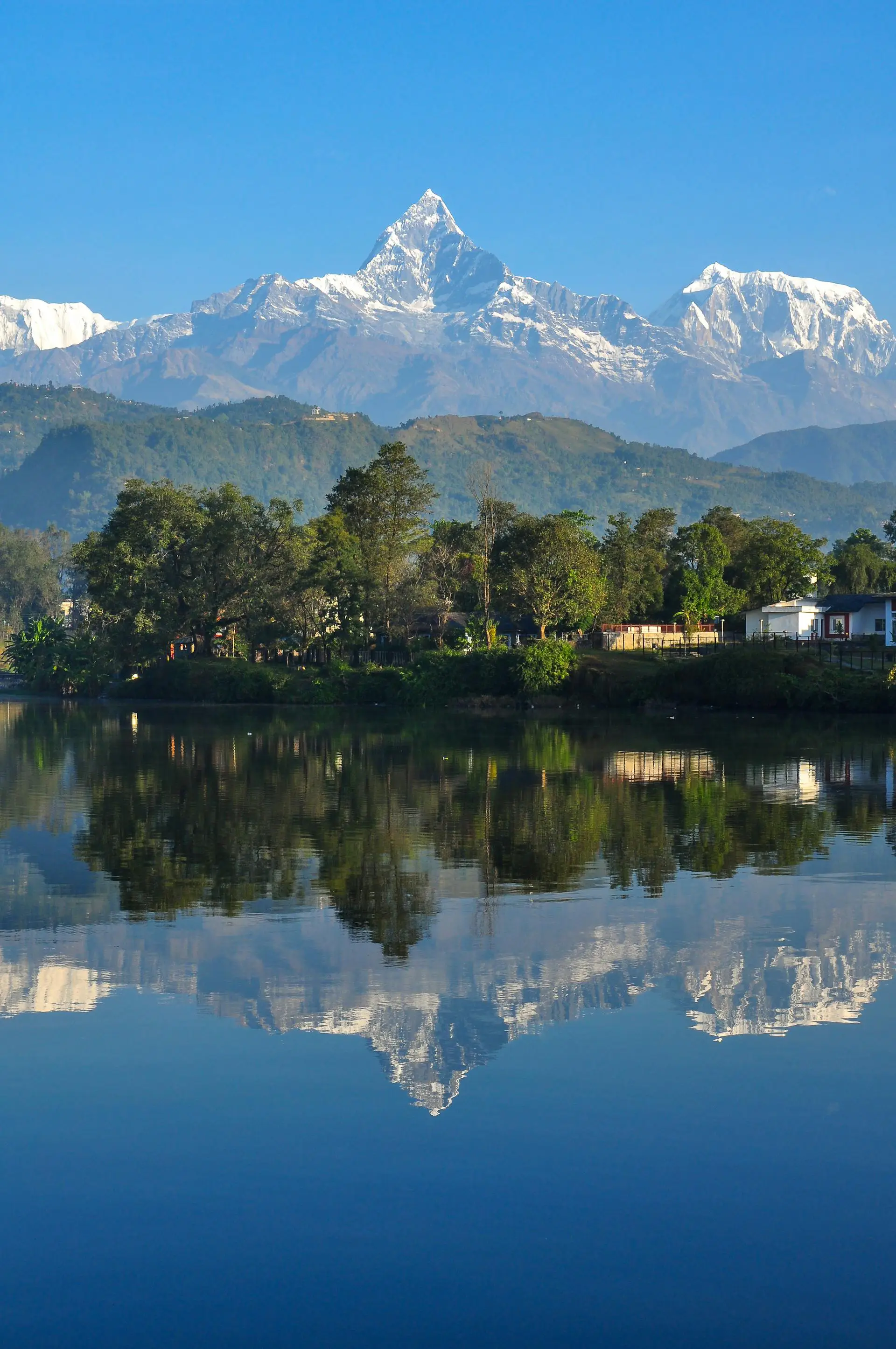
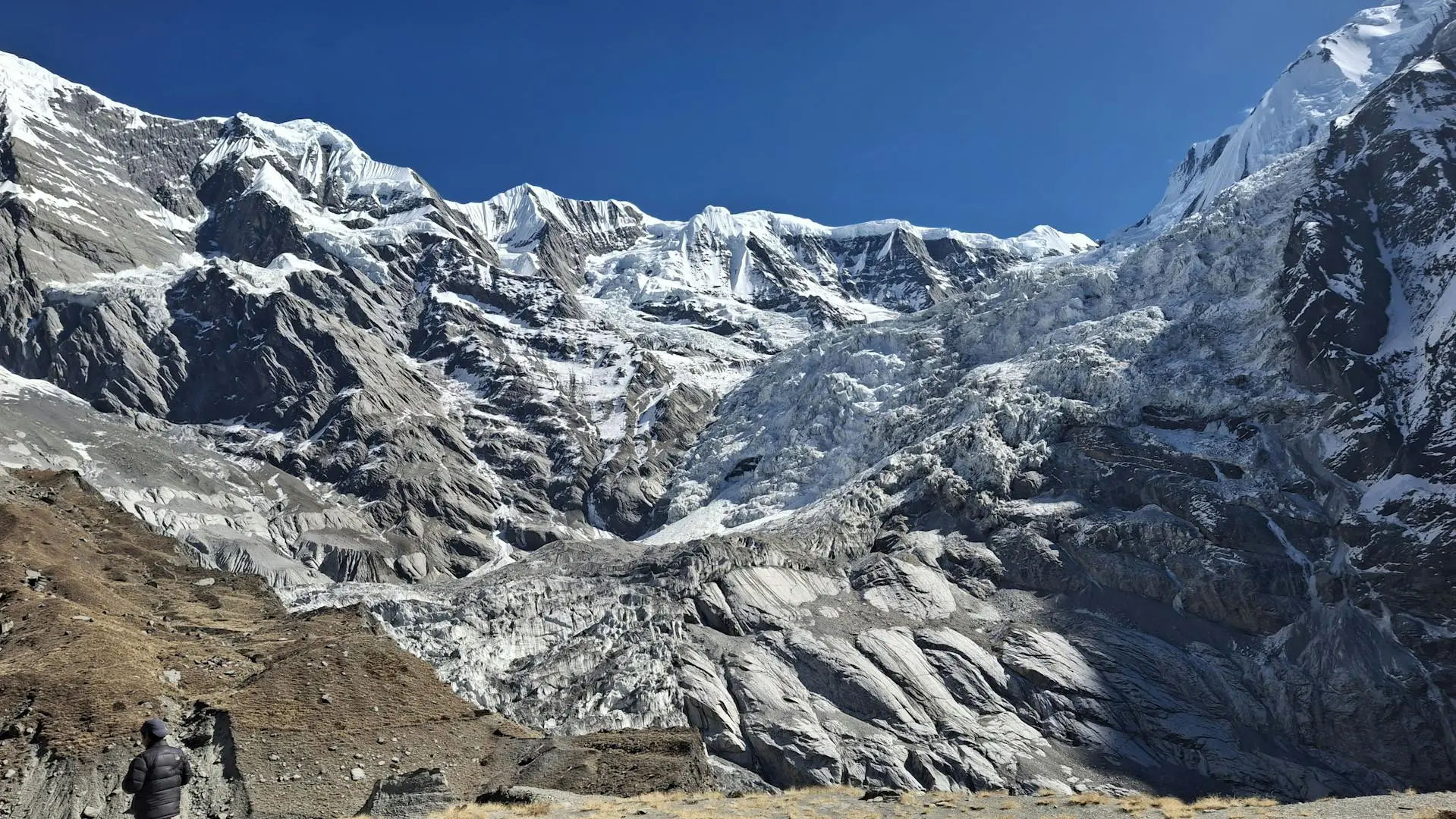
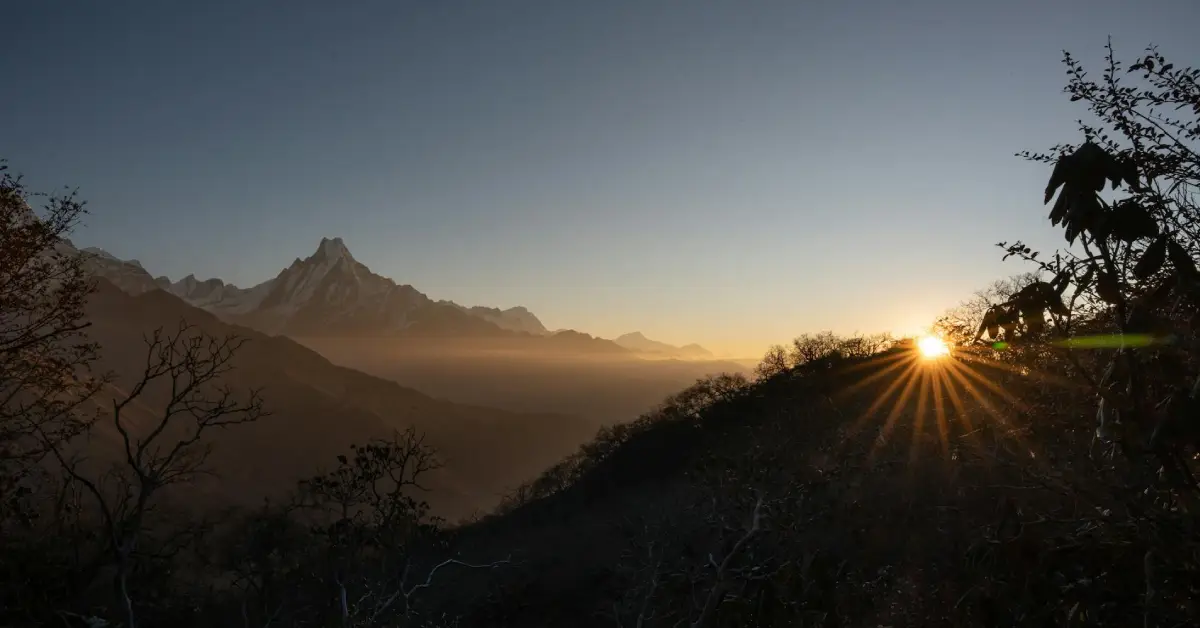
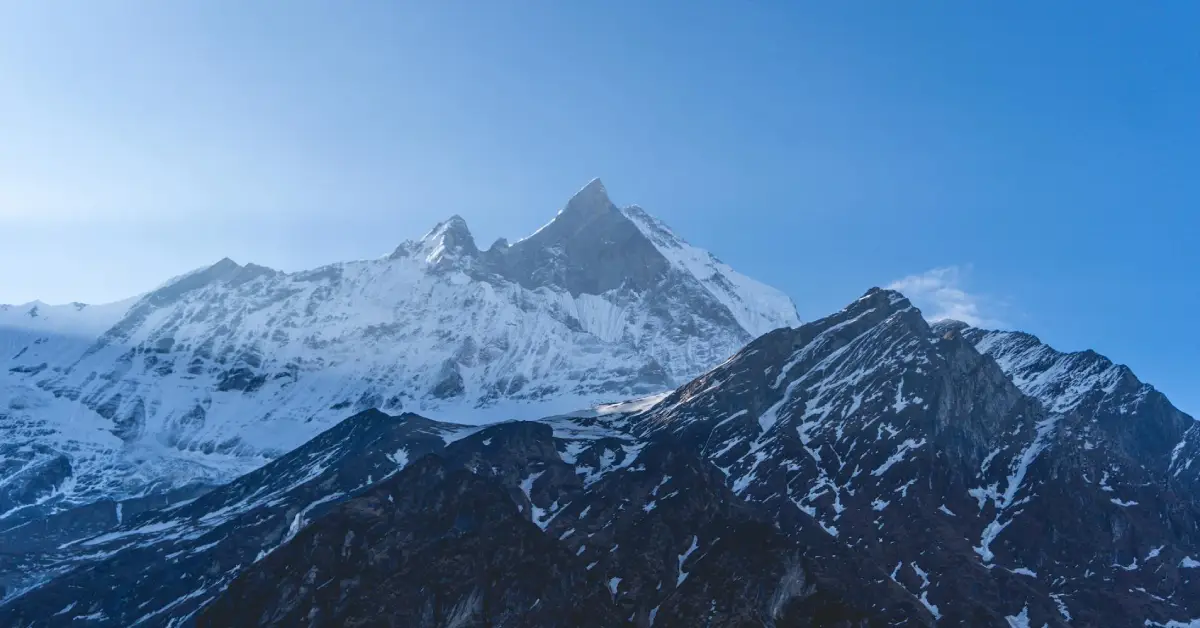
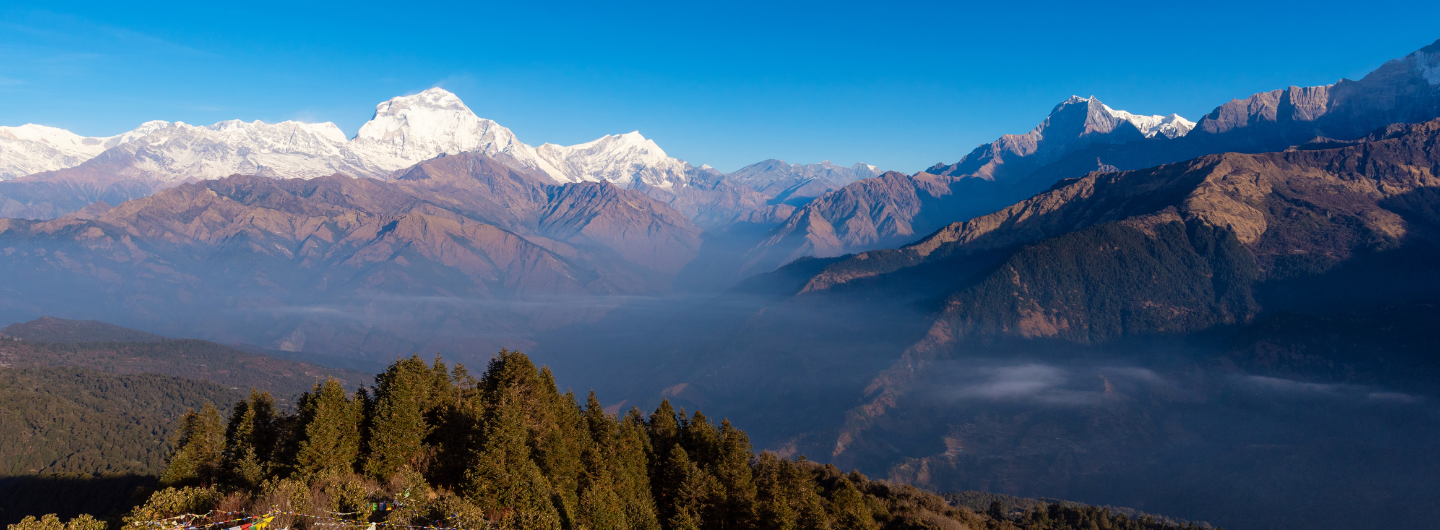
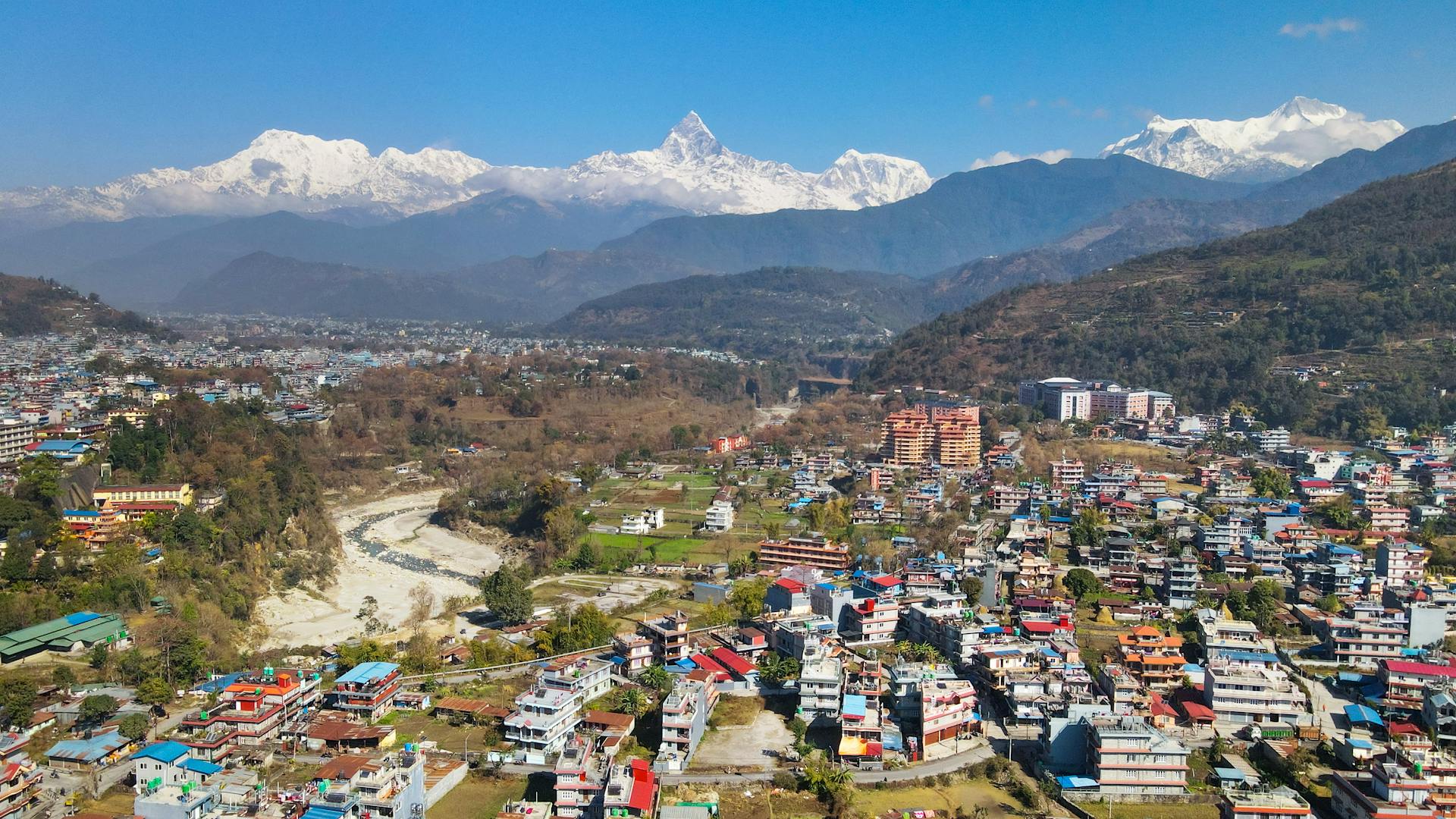
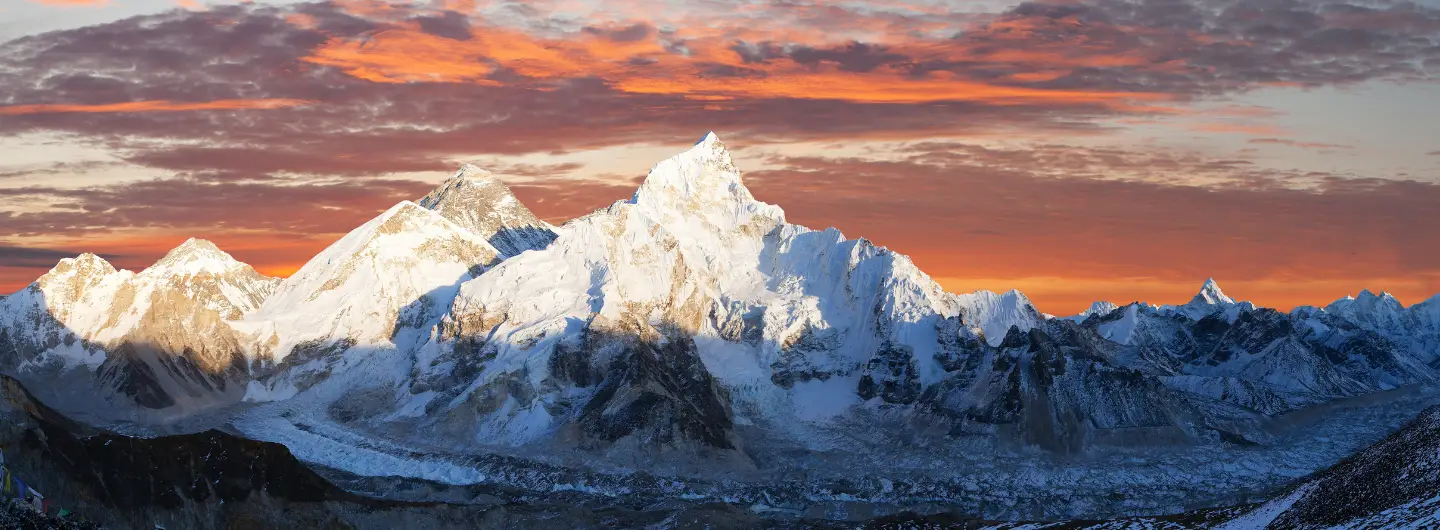
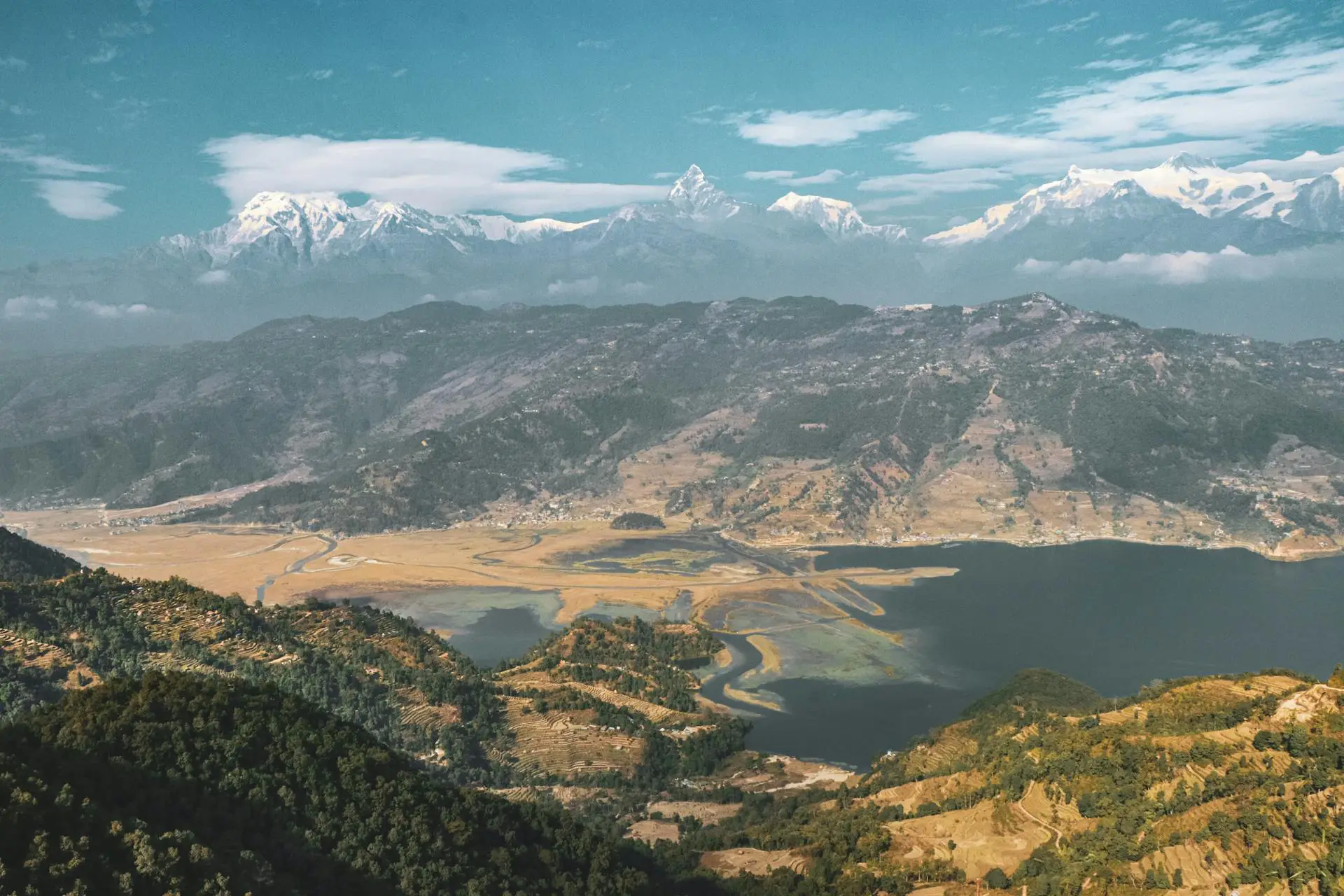
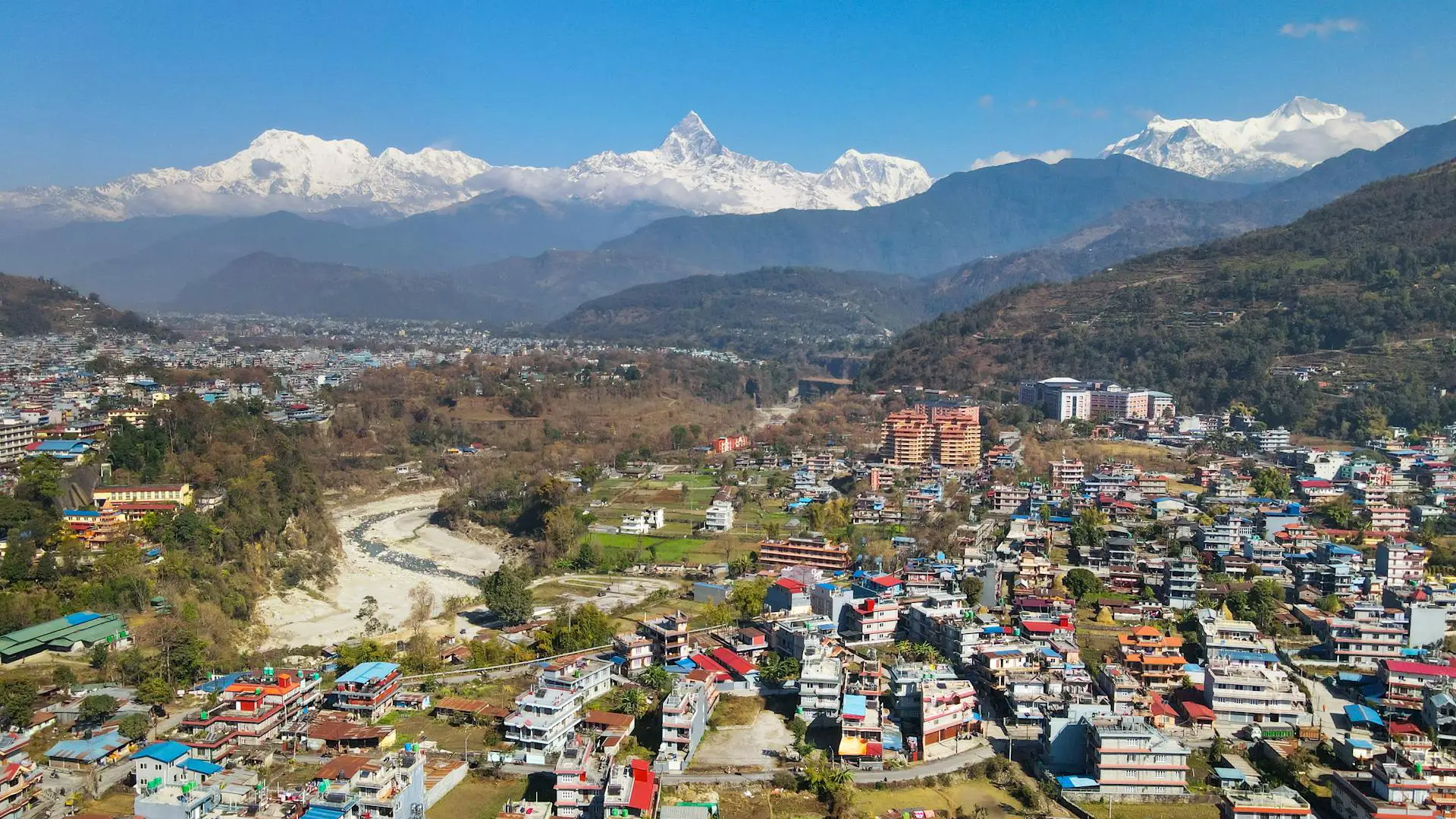
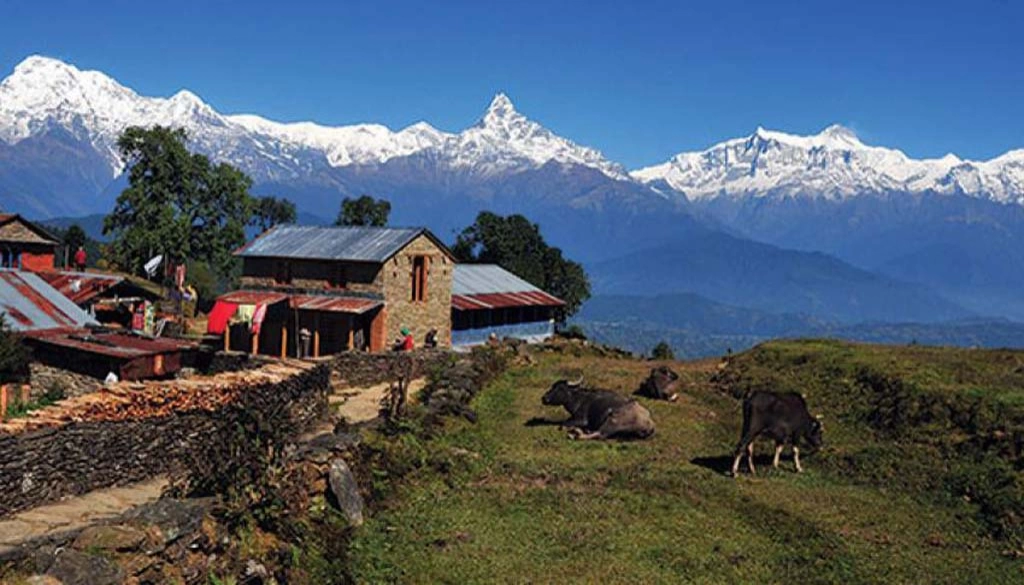
It passes through Australian Camp, Dhampus Village, Naudanda Ridge, and Sarangkot, offering panoramic views of Annapurna South, Machhapuchhre, and Dhaulagiri without requiring high-altitude acclimatization.
Table of Contents
- Overview of the Annapurna Trek Nepal
- Annapurna Trek Nepal Distance and Route
- Annapurna Trek Cost in 2025 and 2026
- Annapurna Circuit Trek Map and Trekking Map of Nepal
- How Difficult Is the Annapurna Trek?
- Can a Beginner Climb Annapurna?
- Annapurna Base Camp Trek vs Annapurna Overview Trek
- Can the ABC Trek Be Done in 5 Days?
- How Many Have Summited Annapurna?
Overview of the Annapurna Trek Nepal
The Annapurna trek Nepal is one of the most accessible and rewarding trekking experiences in the Himalayas. It is graded easy to moderate, reaches a maximum altitude of 2,100 meters, and is suitable for first-time trekkers, families, and solo travelers. The trek begins in Pokhara and winds through traditional Gurung villages, rhododendron forests, and terraced hills before reaching the famous Sarangkot sunrise viewpoint.
Unlike the Annapurna Circuit trek or the Annapurna Base Camp trek, this 8-day route does not demand prior trekking experience or high-altitude fitness. However, basic physical preparation, such as daily walking or light aerobic exercise, is strongly recommended. The trail is well-marked, tea houses are available throughout, and guides are provided as part of most organized packages.
| Feature | Details |
|---|---|
| Duration | 8 Days |
| Trip Grade | Easy to Moderate |
| Maximum Altitude | 2,100m (Australian Camp) |
| Starting Point | Pokhara (via Kathmandu) |
| Best Seasons | March–May and September–November |
| Total Trek Distance | Approximately 30–35 km |
| Cost (guided package) | USD 770 per person |
Annapurna Trek Nepal Distance and Route
The Annapurna trek Nepal distance covered on foot is approximately 30 to 35 kilometers on foot over three active trekking days. The Annapurna trek route follows a north-south ridge system above Pokhara, passing through the following key points:
- Kande (trailhead, ~1,650m)
- Australian Camp / Thulo Kharka (1,995m)
- Pothana Village (1,890m)
- Dhampus Gurung Village (~1,650m)
- Naudanda Ridge (~1,430m)
- Sarangkot Viewpoint (1,630m)
- Pokhara Lakeside (820m)
The trail descends gradually from Australian Camp toward Pokhara, which makes the overall Annapurna trek route manageable even for those with limited trekking experience. Furthermore, the changing landscape, from dense forest to open ridgelines to valley settlements, ensures the route remains visually engaging throughout.
Annapurna Trek Cost in 2025 and 2026
The Annapurna trek cost for a fully guided 8-day package starts at USD 770 per person, as offered by Trexmount Ventures. This cost covers accommodation, meals, a licensed guide, permits, and ground transportation.
What Is Included in the Annapurna Trek Cost?
| Inclusion | Details |
|---|---|
| Accommodation | Twin-share guesthouses and hotels |
| Meals | 7 breakfasts, 2 lunches, 2 dinners |
| Guide | Licensed, insured, with equipment |
| Transport | Tourist bus (KTM–PKR), domestic flight (PKR–KTM) |
| Gear | Sleeping bag, down jacket, walking stick |
| Permits and taxes | Fully covered |
| Certificate | Trek completion certificate |
What Is Not Included?
- Personal travel and medical insurance
- Single-room supplement
- Tips and donations
- Entry fees at temples, museums, and monasteries
- Cold drinks, bottled water, and alcoholic beverages
- Private vehicle upgrade: +USD 30 per person
- Kathmandu–Pokhara one-way flight upgrade: +USD 85 per person
For comparison, independent trekkers can expect to spend between USD 25 and USD 50 per day on food and accommodation alone, excluding guide fees, permits (ACAP: NPR 3,000 and TIMS card: NPR 2,000), and transportation. Therefore, a guided package generally represents better value and significantly lower logistical stress.
Annapurna Circuit Trek Map and Trekking Map of Nepal
The Annapurna Circuit trek map covers a much larger loop than the 8-day overview trek. The full circuit spans approximately 160 to 230 kilometers, crossing the Thorong La Pass at 5,416 meters and encircling the entire Annapurna massif. In contrast, the Annapurna trek Nepal overview route is a shorter, lower-altitude section within the same region.
The trekking map of Nepal places the Annapurna region in the north-central part of the country, in the Gandaki Province, roughly 200 kilometers west of Kathmandu and directly north of Pokhara. It sits between Dhaulagiri (8,167m) to the west and Manaslu (8,163m) to the east.
Annapurna Circuit Trek Map with Distance
| Section | Distance (approx.) | Key Feature |
|---|---|---|
| Besisahar to Chame | 47 km | Valley entry, forests |
| Chame to Manang | 43 km | High altitude villages |
| Manang to Thorong La | 22 km | Highest point 5,416m |
| Thorong La to Muktinath | 8 km | Sacred Hindu-Buddhist site |
| Muktinath to Jomsom | 20 km | Desert terrain |
| Jomsom to Nayapul | 55 km | Lower Mustang descent |
While the full circuit is a separate and more demanding undertaking, understanding the Annapurna Circuit trek map with distance helps trekkers appreciate the scale of the region and plan future extensions beyond the 8-day overview.
How Difficult Is the Annapurna Trek?
The Annapurna trek Nepal is rated easy to moderate in difficulty. The maximum altitude reached is 2,100 meters, which is well below the threshold where altitude sickness becomes a significant risk. Daily walking time ranges from 3 to 7 hours, with trails that are clearly marked and generally well-maintained.
That said, the Day 4 segment, from Australian Camp to Sarangkot via Dhampus and Naudanda, involves approximately 7 hours of combined ascent and descent. This is the most physically demanding day of the itinerary and requires reasonable leg strength and steady pacing. Below is a comparative difficulty overview:
| Trek | Max Altitude | Duration | Difficulty |
|---|---|---|---|
| Annapurna Trek Nepal (Overview) | 2,100m | 8 days | Easy–Moderate |
| Annapurna Base Camp Trek | 4,130m | 7–12 days | Moderate |
| Annapurna Circuit Trek | 5,416m | 12–21 days | Moderate–Strenuous |
Trekkers who walk regularly or engage in light fitness activities are generally well-prepared. Moreover, the presence of a guide throughout the journey provides both safety assurance and appropriate pacing.
Can a Beginner Climb Annapurna?
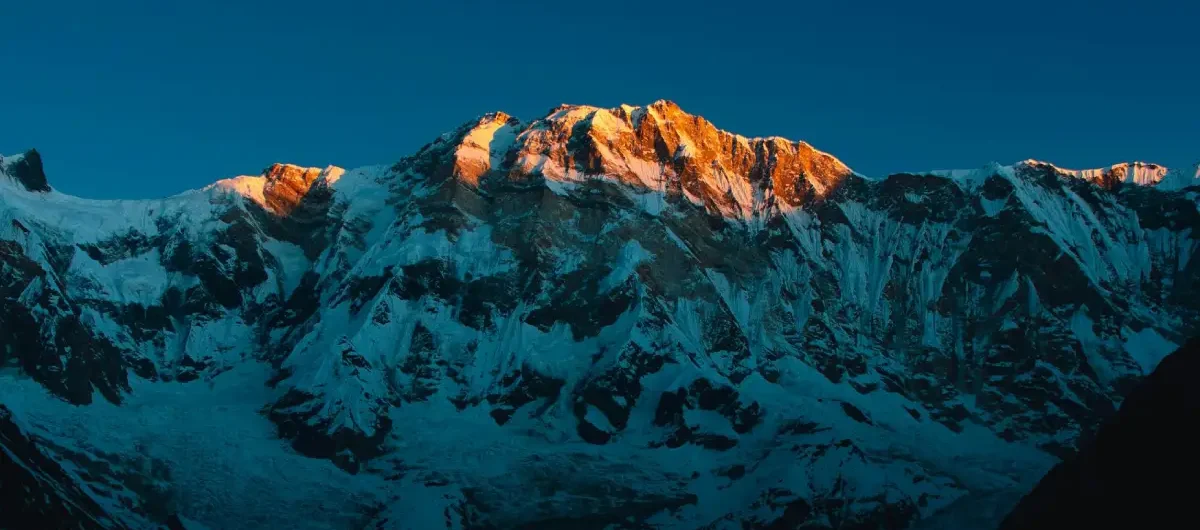
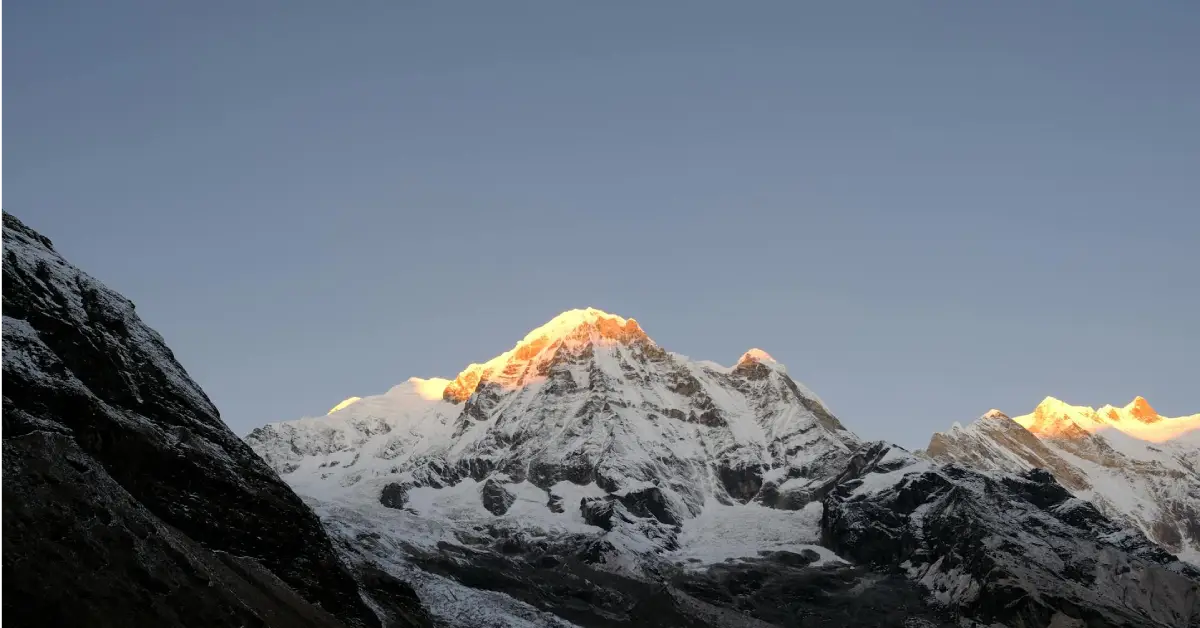
This question requires an important distinction. If “climb Annapurna” refers to Annapurna I (8,091m), the world’s 10th highest peak, then no, a beginner absolutely cannot and should not attempt it. Annapurna I has one of the highest fatality-to-summit ratios among all 8,000-meter peaks in the world, with a historical death rate of approximately 32 percent.
However, if the question refers to trekking in the Annapurna region, then beginners are not only welcome but actively encouraged. The Annapurna trek in Nepal is specifically designed for people without prior trekking experience. The following conditions make it beginner-friendly:
- No technical climbing skills are required
- Altitude remains below 2,100 meters
- Trails are gradual with manageable inclines
- Tea house accommodation and food are available throughout
- A licensed guide accompanies every trekker in organized packages
Consequently, thousands of first-time trekkers complete this route every year from countries around the world. The key is choosing the right trek within the Annapurna region, and the 8-day overview trek is precisely that entry point.
Annapurna Base Camp Trek vs Annapurna Overview Trek
The Annapurna Base Camp trek is a separate, more demanding route that reaches an altitude of 4,130 meters at ABC (Annapurna Base Camp). It typically takes 7 to 12 days and requires moderate trekking fitness. The route passes through Ghandruk, Chhomrong, Bamboo, Deurali, and Machhapuchhre Base Camp before reaching ABC.
In comparison, the Annapurna trek Nepal overview itinerary stays below 2,100 meters and focuses on cultural immersion, viewpoints, and scenic village trails. Below is a side-by-side comparison:
| Feature | ABC Trek | Annapurna Overview Trek |
|---|---|---|
| Max Altitude | 4,130m | 2,100m |
| Duration | 7–12 days | 8 days |
| Difficulty | Moderate | Easy–Moderate |
| Altitude Sickness Risk | Moderate | Very Low |
| Best for | Fit beginners to intermediate | All levels, families |
| Cost (approx.) | USD 900–1,400 | USD 770 |
Both treks originate from Pokhara and offer views of Annapurna South and Machhapuchhre. Therefore, the choice largely depends on the trekker’s fitness level, time availability, and altitude comfort.
Can the ABC Trek Be Done in 5 Days?
The Annapurna Base Camp trek can technically be completed in 5 days, but it is not recommended. A 5-day rush itinerary sacrifices proper acclimatization, increases altitude sickness risk, and significantly reduces the quality of the experience. Most trekking experts recommend a minimum of 7 to 9 days for the ABC route.
A realistic 5-day ABC itinerary would look like this:
| Day | Route | Altitude |
|---|---|---|
| Day 1 | Pokhara to Ghandruk | 1,940m |
| Day 2 | Ghandruk to Chhomrong | 2,170m |
| Day 3 | Chhomrong to Machhapuchhre Base Camp | 3,700m |
| Day 4 | MBC to ABC and back to Bamboo | 4,130m |
| Day 5 | Bamboo to Nayapul, drive to Pokhara | 1,040m |
While it is physically possible for very fit trekkers, this schedule leaves no room for rest days, delays caused by weather, or adjustment to altitude. Given these constraints, a 7-day minimum is strongly advised for safety and enjoyment.
How Many Have Summited Annapurna?
Annapurna I (8,091m) was the first 8,000-meter peak ever summited, achieved by Maurice Herzog and Louis Lachenal of France on June 3, 1950. However, despite this historic distinction, Annapurna remains one of the least-summitted and most dangerous 8,000-meter peaks in the world.
As of recent data, fewer than 400 people have successfully summited Annapurna I. In comparison, Mount Everest has been summited over 11,000 times. The fatality rate on Annapurna historically stood at approximately 32 percent, though improved modern equipment and better route knowledge have brought this figure down in recent years to around 19 to 25 percent.
| Mountain | Height | Summits (approx.) | Fatality Rate |
|---|---|---|---|
| Everest | 8,849m | 11,000+ | ~1% |
| K2 | 8,611m | ~400 | ~23% |
| Annapurna I | 8,091m | ~380 | ~19–32% |
| Dhaulagiri | 8,167m | ~600 | ~16% |
These figures reinforce why Annapurna I is considered a mountaineering objective for elite, highly experienced climbers only, and why the trekking routes within the region offer a far safer and equally stunning alternative.
Book Your Annapurna Trek with Trexmount Ventures
Trexmount Ventures is a government-registered trekking company based in Thamel, Kathmandu, with years of hands-on experience organizing treks across the Annapurna, Everest, Langtang, and Manaslu regions. Our 8-day Annapurna trek Nepal package is priced at USD 770 per person and includes everything from airport pickup to your trek completion certificate. Whether you are a first-time trekker, a family group, or a solo adventurer, our licensed guides and carefully designed itinerary ensure your safety, comfort, and satisfaction at every step.
 Review us on Google