
Overview
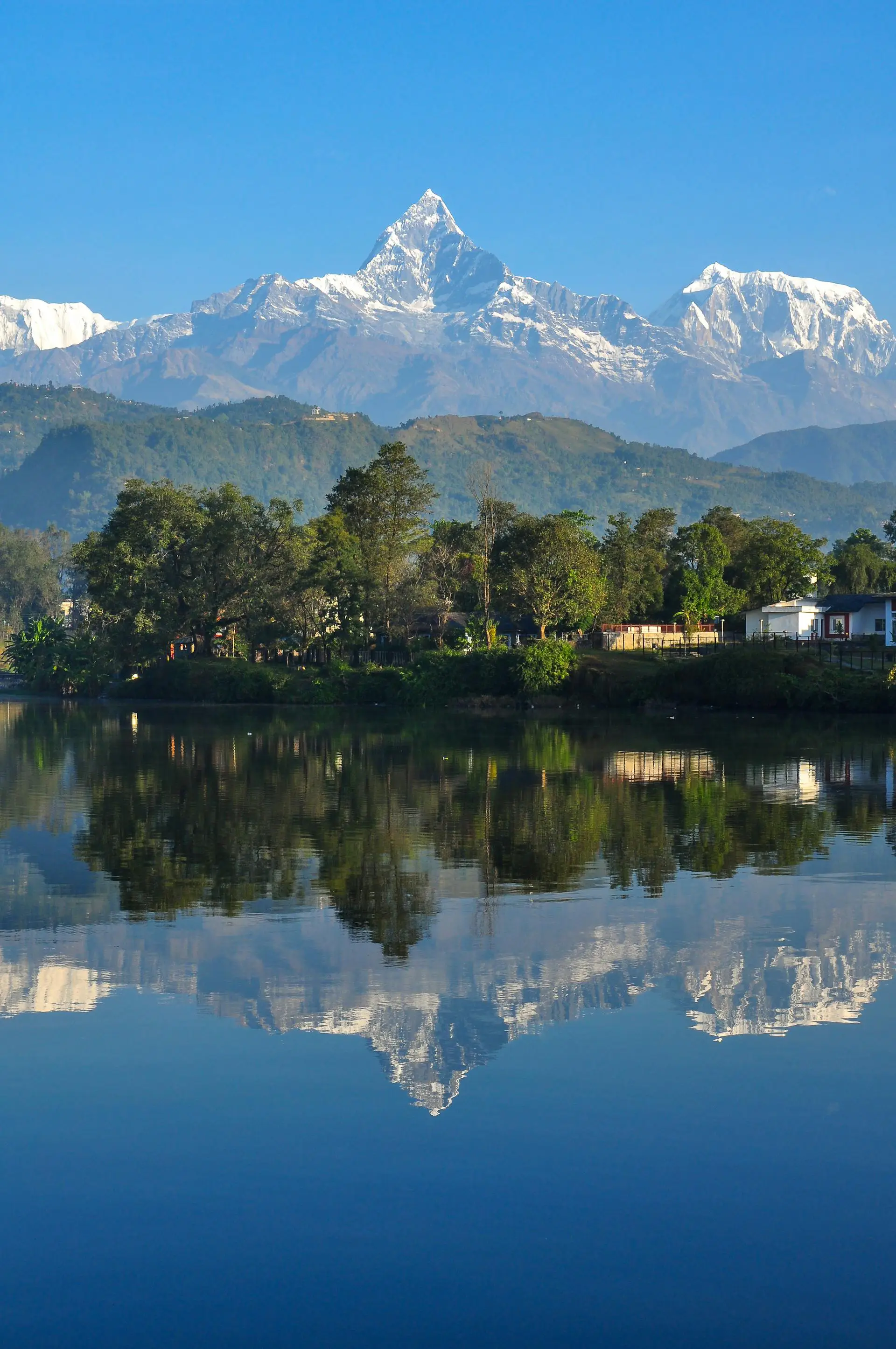
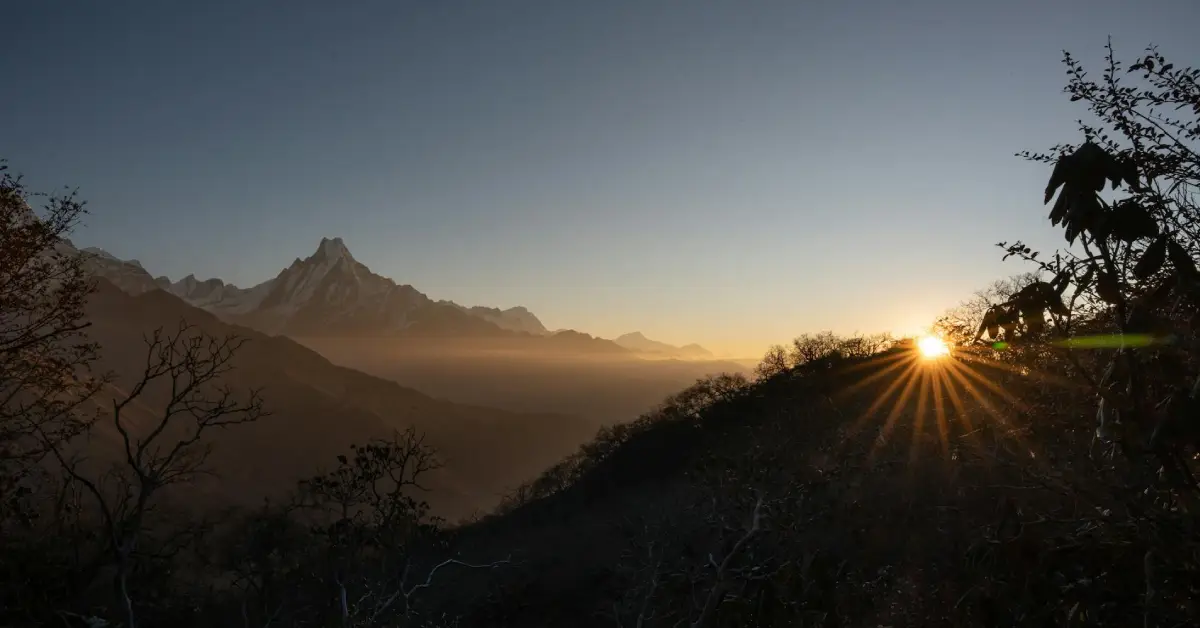
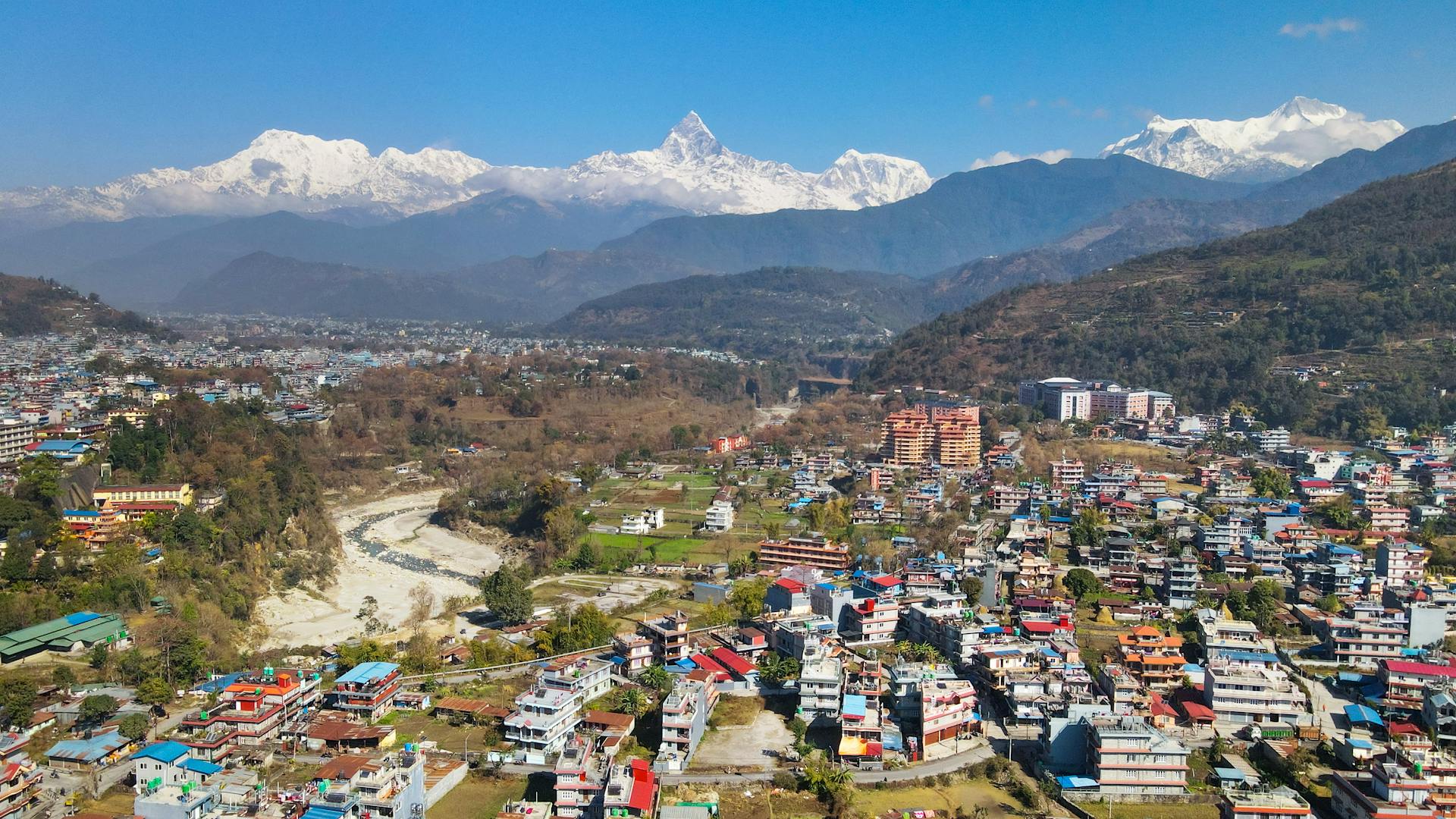
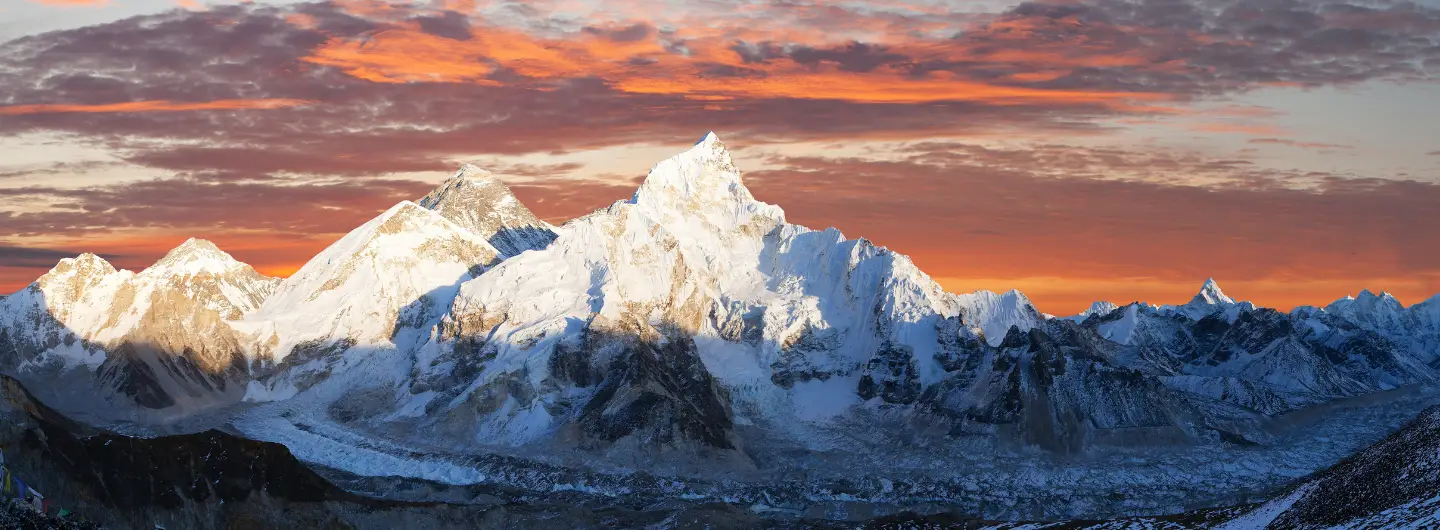
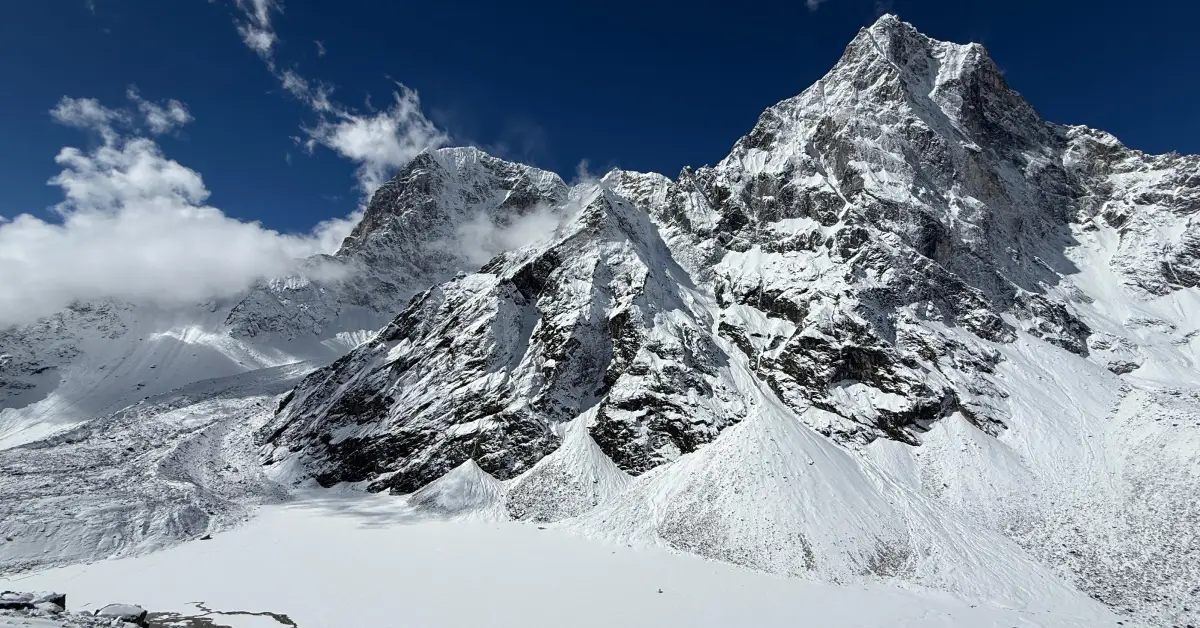
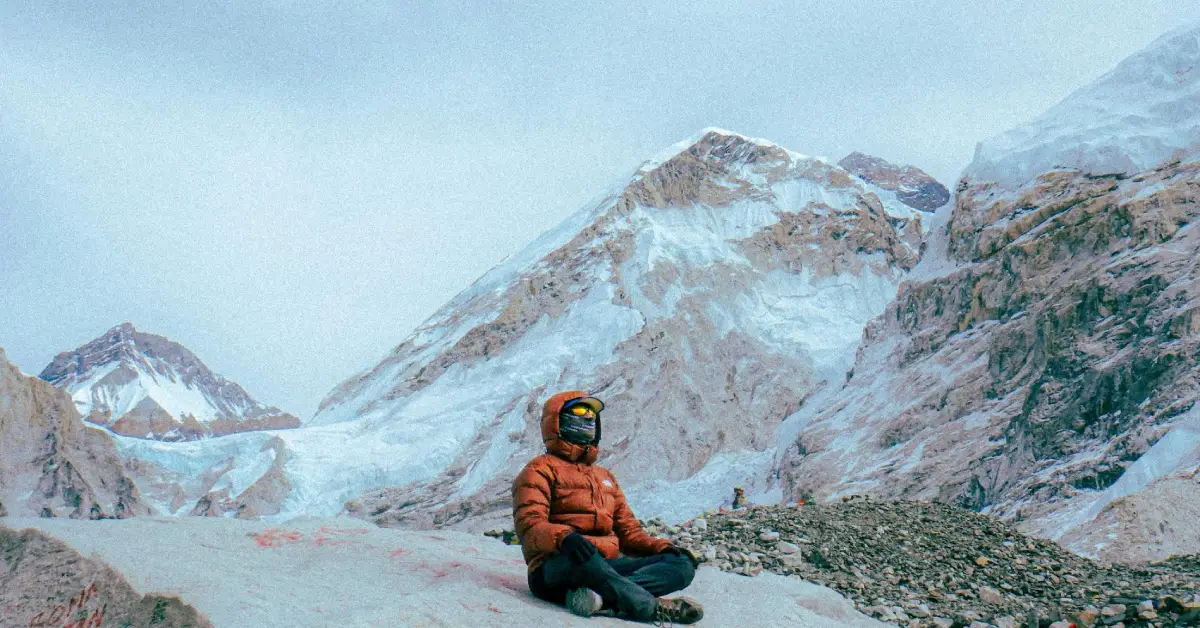
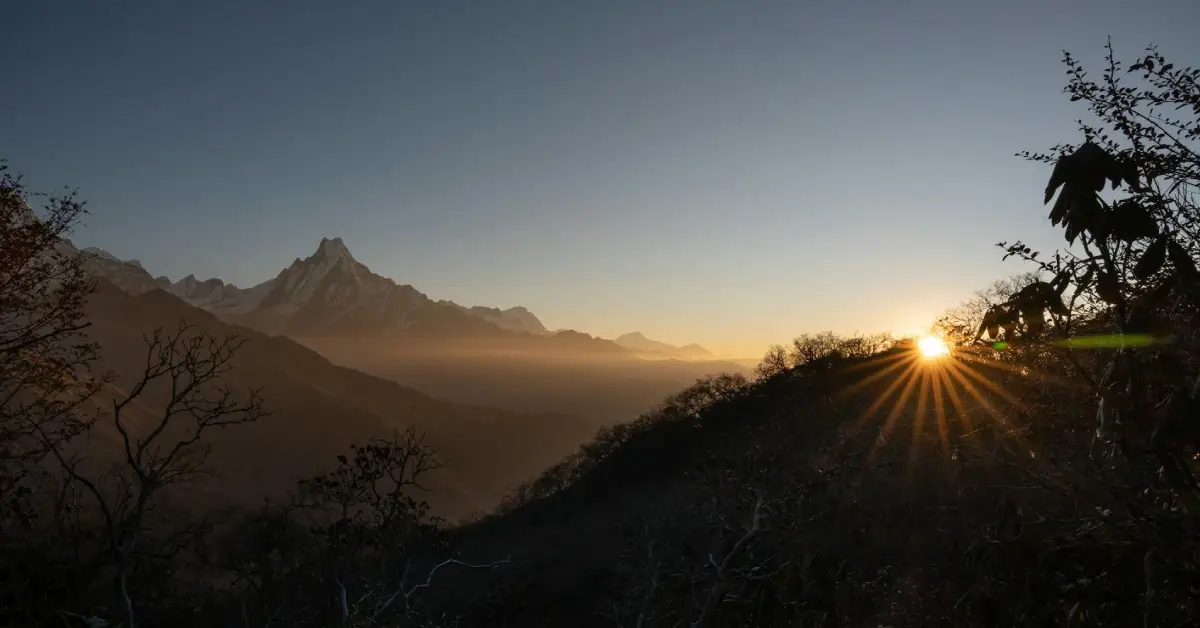
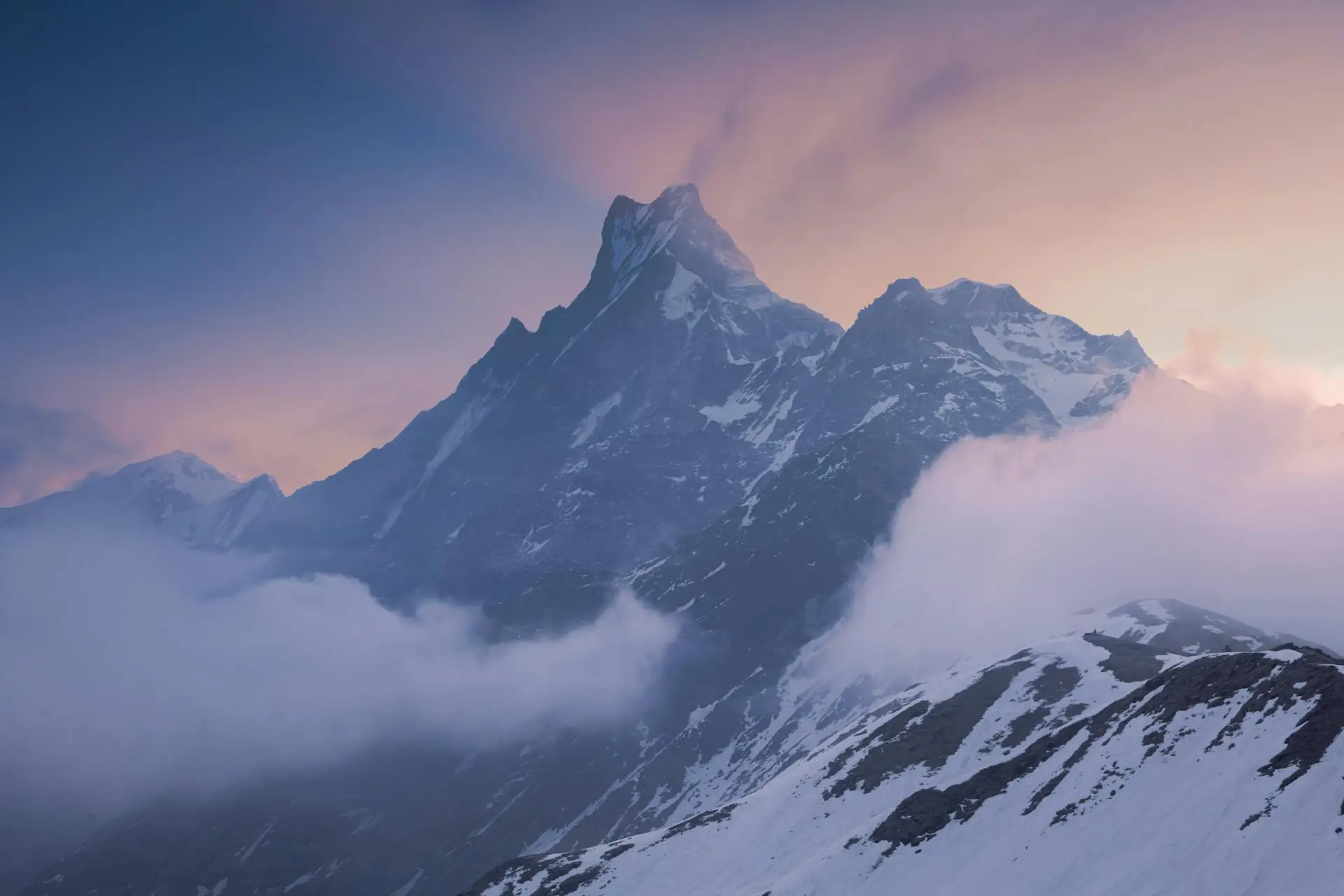
If you are looking for a short but deeply rewarding Himalayan experience near Pokhara, the Mardi Himal Nepal trek is one of the best options you will find. This 10-day adventure takes you through dense rhododendron forests, narrow ridge walks, and open alpine terrain, all leading to a viewpoint at 4,500 meters where Machhapuchhre (Fishtail) stands so close it almost feels within reach.
Unlike many popular routes in the Annapurna region, this trail remains quiet, less commercial, and remarkably personal. At Trexmount Ventures, we have guided trekkers on this route for years, and we can confidently say that it offers some of the most intimate mountain views in Nepal, without the long queues or crowded teahouses.
What is Mardi Himal Nepal?
Mardi Himal Nepal is a mountain peak standing at 5,587 meters in the Annapurna Conservation Area, located in Kaski District of Gandaki Province. The trekking route that leads toward its base camp and high viewpoint is one of Nepal’s newer officially opened trails, introduced by the Nepal Tourism Board in 2012. However, the trail has quickly grown in reputation among trekkers who want fewer crowds, closer mountain proximity, and a more genuine off-the-beaten-path experience.
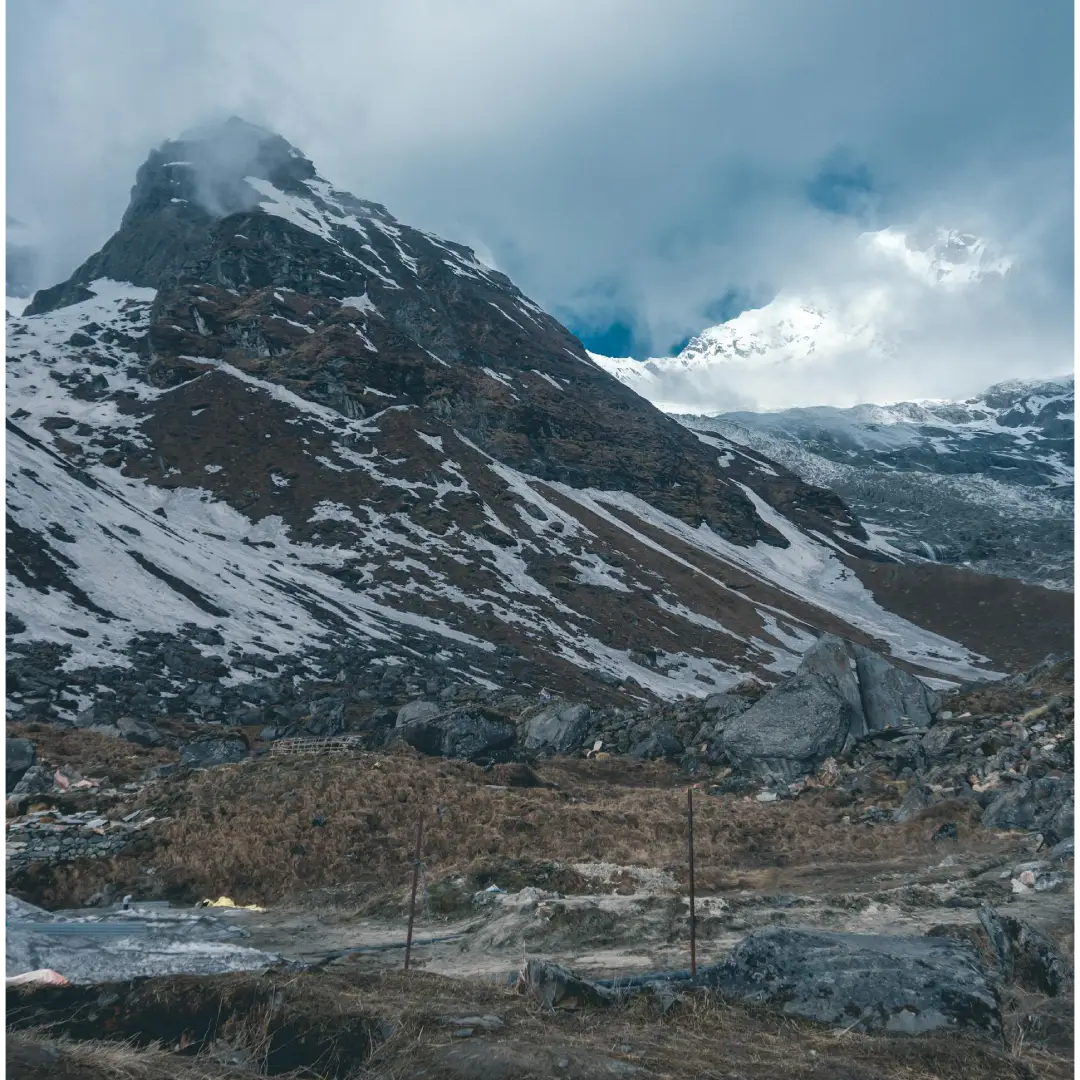
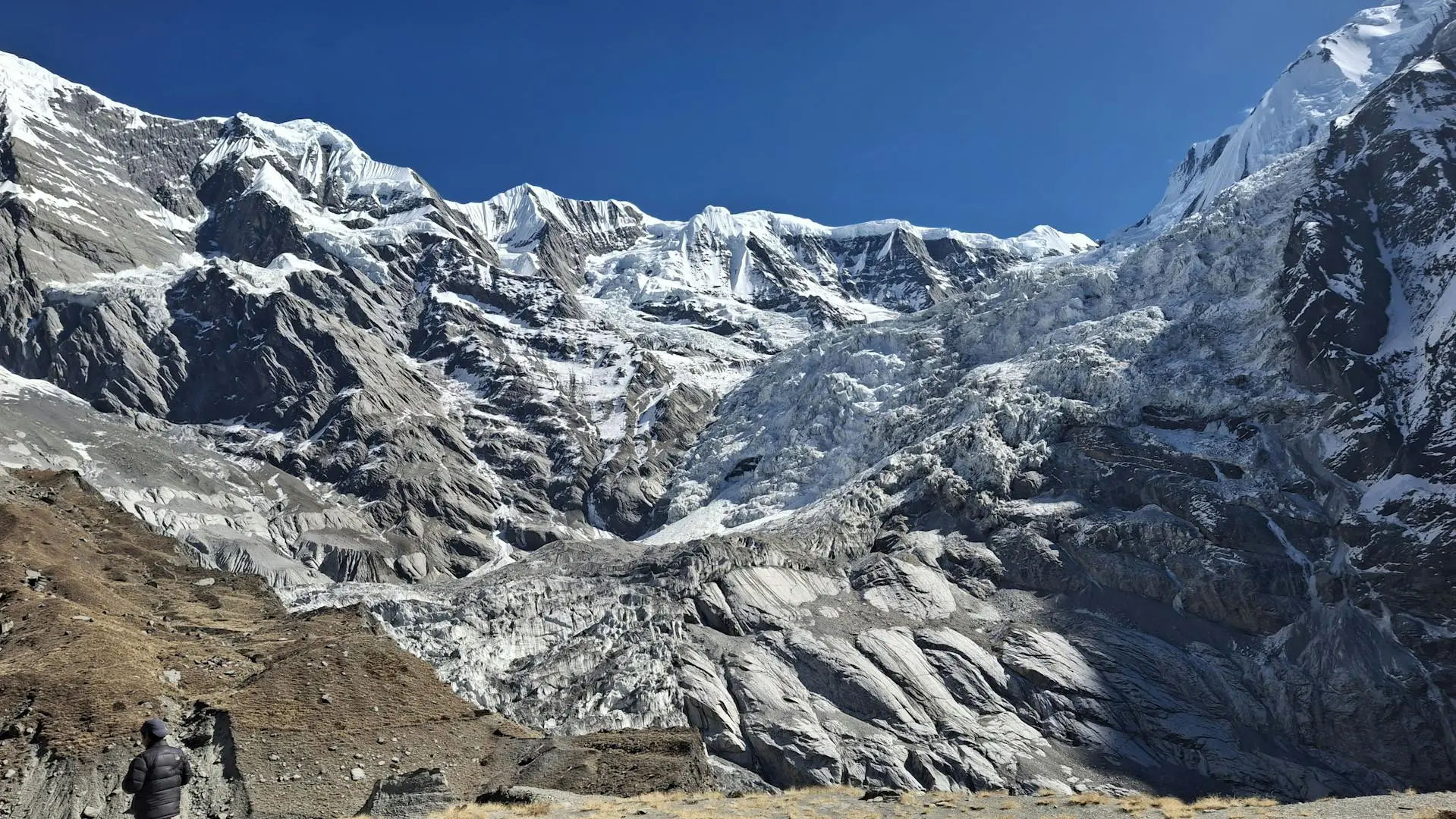
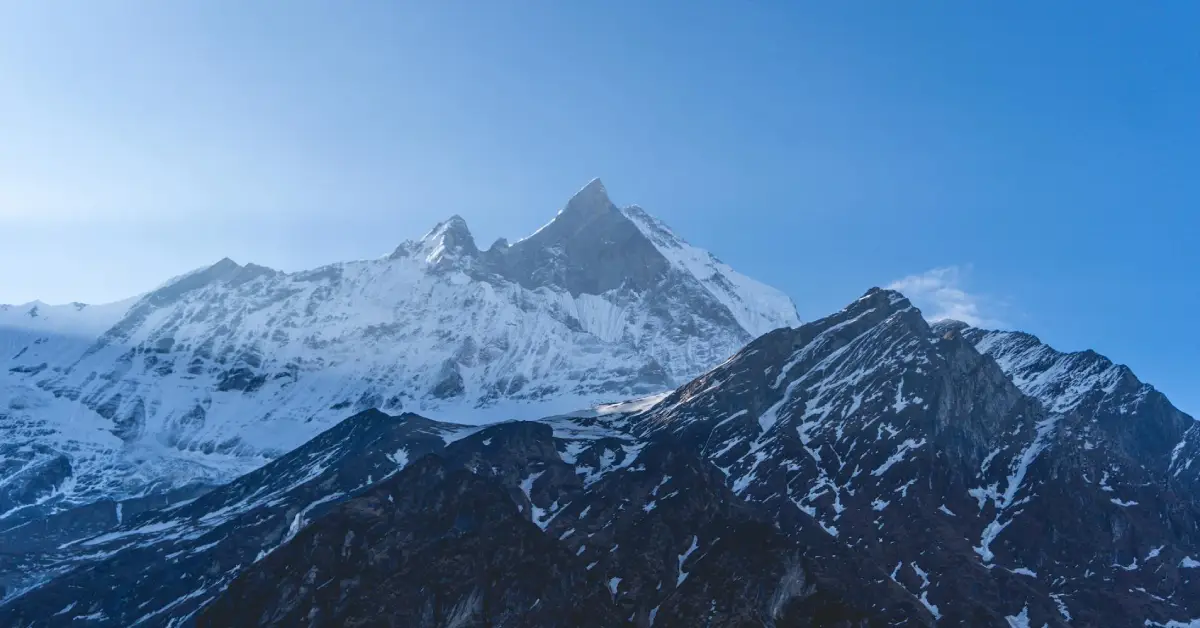
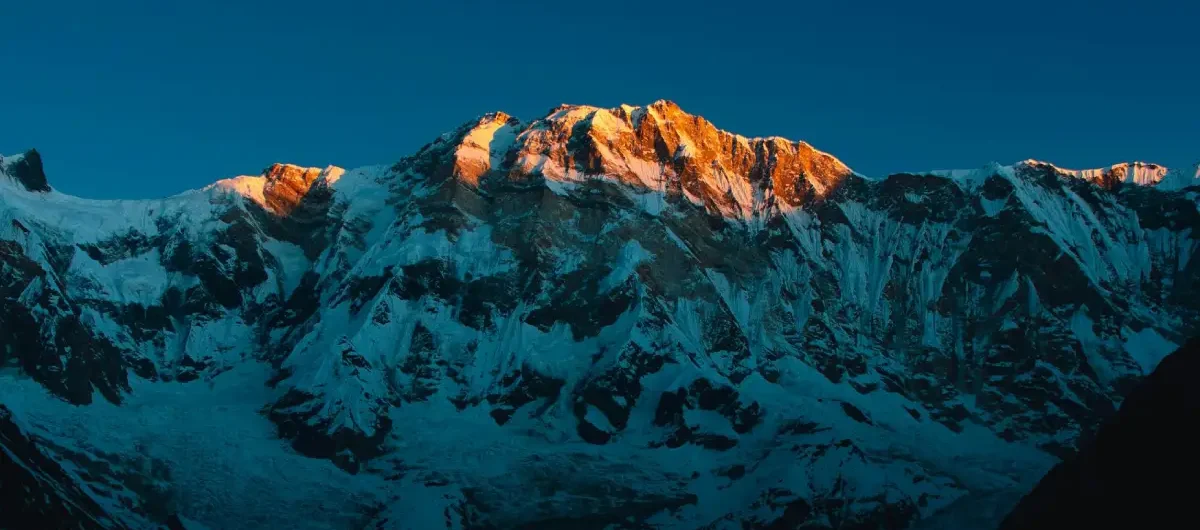
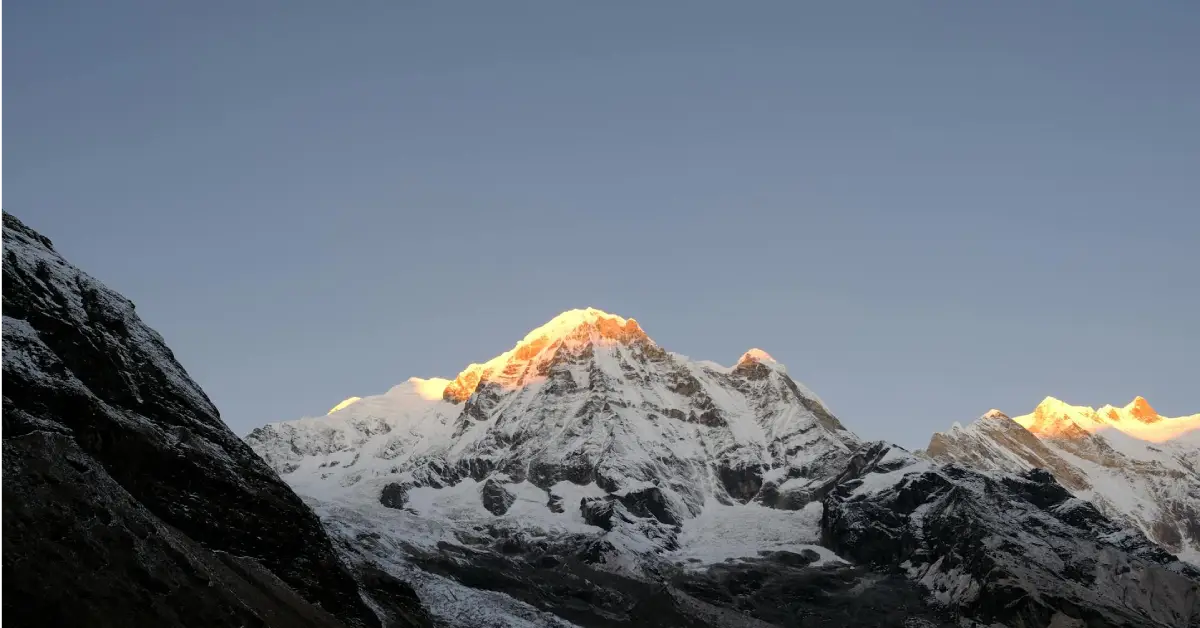
The trek follows a distinct ridge east of the popular Annapurna Base Camp route. As a result, trekkers get a different angle of the Annapurna massif, particularly stunning views of Annapurna South (7,219m), Hiunchuli (6,441m), and the iconic Machhapuchhre (6,993m). Because the trail runs along a narrow ridge for much of the upper section, the views feel more immediate and dramatic than on many other treks.
| Trek Feature | Details |
|---|---|
| Peak Name | Mardi Himal |
| Peak Altitude | 5,587 meters |
| Viewpoint Altitude | 4,500 meters |
| Region | Annapurna Conservation Area |
| District | Kaski, Gandaki Province |
| Trek Type | Teahouse Trek |
| Opened Officially | 2012 by Nepal Tourism Board |
| Trail Character | Ridge walk, forested, alpine |
What is Mardi Himal Famous For?
Mardi Himal, Nepal, is famous above all for two things: its exceptionally close views of Machhapuchhre and its peaceful, uncrowded trails. While Annapurna Base Camp and Poon Hill draw thousands of trekkers each season, the Mardi Himal trek still offers a sense of solitude that is increasingly rare in the Annapurna region. Trekkers who have completed both routes often say that the views from Mardi Himal High Camp feel more raw, more personal, and more rewarding precisely because the trail demands more from you.
Beyond the mountain scenery, Mardi Himal Nepal, is also known for its diverse terrain within a short distance. On a single trek, you pass through subtropical forests full of rhododendron and oak trees, then transition into alpine meadows, rocky ridgelines, and finally open high-altitude terrain. This variety makes the trail visually dynamic every single day. Additionally, the trail passes through small Gurung villages where local culture, traditional architecture, and warm hospitality are still very much intact.
- Close-up views of Machhapuchhre (Fishtail Peak)
- Quiet, less commercial trail atmosphere
- Diverse terrain: forest, ridge, alpine meadow
- Traditional Gurung village culture
- Accessible from Pokhara within one hour by road
- Suitable for first-time and experienced trekkers alike
Which District is Mardi Himal in?
Mardi Himal is located in Kaski District, within Gandaki Province of Nepal. Kaski is the same district that contains Pokhara, Nepal’s second-largest city, and the primary gateway for all Annapurna region treks. This geographic positioning is one reason why Mardi Himal trekking is so accessible, the trailhead at Kande is only about an hour’s drive from Pokhara city center.
The trek falls entirely within the Annapurna Conservation Area, which is managed by the National Trust for Nature Conservation (NTNC) and covers over 7,629 square kilometers, making it one of the largest protected areas in Asia. Trekkers must, therefore, carry the Annapurna Conservation Area Permit (ACAP) throughout the journey.
| Administrative Detail | Information |
|---|---|
| District | Kaski |
| Province | Gandaki Province |
| Protected Area | Annapurna Conservation Area |
| Nearest City | Pokhara |
| Conservation Authority | National Trust for Nature Conservation (NTNC) |
| Area of Conservation Zone | 7,629 sq. km |
How Long is Mardi Himal Trek?
The standard Mardi Himal trek takes between 7 and 10 days, depending on your starting point, pace, and whether you include rest or acclimatization days. A 10-day itinerary starting and ending in Kathmandu is the most comprehensive option, as it includes travel days between Kathmandu and Pokhara and gives trekkers adequate time to enjoy each stage without rushing. Trekkers starting directly from Pokhara can complete the core trail in as few as 5 to 7 days.
At Trexmount Ventures, we recommend the 10-day structure for most trekkers, particularly those who are trekking in Nepal for the first time. This schedule allows your body to adapt to the gradual altitude gain, gives you time to explore Pokhara before and after the trek, and includes a buffer day for any weather disruptions. Total walking days on the trail itself are typically 5 to 6 days.
| Trek Duration Option | Days | Starting Point | Suitable For |
|---|---|---|---|
| Short Trek | 5 days | Pokhara | Experienced trekkers |
| Standard Trek | 7 days | Pokhara | Most trekkers |
| Full Package Trek | 10 days | Kathmandu | First-timers, leisurely pace |
| Extended with Khopra | 12-14 days | Kathmandu | Adventure seekers |
Mardi Himal Trek Cost
The Mardi Himal trek cost depends on your group size, starting point, and the services included in your package. For a fully guided, all-inclusive 10-day package starting from Kathmandu, the Trexmount Ventures price starts at USD 790 per person for a group of 2 to 3 trekkers. Larger groups benefit from progressive discounts. Across the Nepal trekking market, guided packages for this trek generally range between USD 450 and USD 800 per person, with solo budget trekkers spending around USD 300 if managing logistics independently from Pokhara.
Trexmount Ventures Group Pricing
| Group Size | Price per Person (USD) |
|---|---|
| 2 to 3 | 790 |
| 4 to 6 | 780 |
| 7 to 9 | 770 |
| 10 to 12 | 760 |
| 13 to 14 | 750 |
| 14+ | 730 |
What is Included in the Package
- Airport transfers (arrival and departure)
- 4 nights in a 4-star hotel in Kathmandu and Pokhara
- 4 nights teahouse accommodation on the trail
- 8 breakfasts, 5 lunches, 5 dinners, tea or coffee with each meal
- All road transportation mentioned in the itinerary
- Annapurna Conservation Area Permit (ACAP)
- Trekking Information Management System (TIMS) card
- Licensed and experienced trekking guide
- Porters to carry your luggage
- Sleeping bag and down jacket
- Trek bag
- Trek completion certificate
Typical Cost Breakdown by Expense Category
| Expense Category | Estimated Cost (USD) |
|---|---|
| ACAP Permit | 20-50 |
| TIMS Card | 20-30 |
| Teahouse accommodation per night | 10–30 |
| Meals per day on trail | 15–50 |
| Licensed guide per day | 25–50 |
| Porter per day | 20–50 |
| Pokhara to Kande transport (shared jeep) | 10–50 per person |
| Personal expenses and extras | 50–100 total |
Is Mardi Himal Trek Difficult?
Mardi Himal trekking is graded as moderate in difficulty. It is not technically demanding in the sense that no ropes, crampons, or climbing equipment are needed for the standard viewpoint trek. However, the trail is not as easy as many short treks suggest. Several days involve continuous uphill climbs, narrow ridge sections that require careful footing, and cold temperatures, particularly at Mardi Himal High Camp and the viewpoint area.
The main physical challenges come from sustained elevation gain over consecutive days, limited hot food options at higher camps, and reduced oxygen at the 4,500m viewpoint. Trekkers with a basic level of cardiovascular fitness and experience walking 5 to 7 hours a day will manage well. First-time trekkers who train adequately beforehand also complete this trail comfortably.
| Difficulty Factor | Level |
|---|---|
| Technical climbing | Not required |
| Daily walking hours | 4–6 hours |
| Maximum altitude | 4,500m (viewpoint) |
| Altitude sickness risk | Moderate |
| Trail terrain | Mixed: forest, ridge, rocky |
| Physical fitness required | Moderate |
How to Go to Mardi Himal from Pokhara?
Getting to the Mardi Himal trek trailhead from Pokhara is straightforward. The trek begins at Kande, which sits about 22 kilometers northeast of Pokhara city center. From Pokhara, a shared jeep or local bus from Hari Chowk or Baglung Bus Park takes approximately 45 minutes to one hour to reach Kande. Shared jeep rides cost around USD 10 to USD 50 per person, while a private vehicle costs USD 55 to USD 70 one-way. Buses are cheaper but slower, costing around USD 1 per person.
Alternatively, some trekkers begin from Phedi and walk up to Dhampus before joining the Mardi Himal trail. Others start from Deurali, which is further by road and cuts down the walking days but reduces the gradual acclimatization benefit. For a 10-day itinerary flying from Kathmandu to Pokhara is the fastest option, with a 25-minute domestic flight costing around USD 85 per person each way.
| Transport Option | Route | Approximate Cost | Duration |
|---|---|---|---|
| Local bus | Pokhara to Kande | USD 1 | 1–1.5 hrs |
| Shared jeep | Pokhara to Kande | USD 10–50 | 45–60 mins |
| Private jeep | Pokhara to Kande | USD 55–70 | 45 mins |
| Domestic flight | Kathmandu to Pokhara | USD 85 one way | 25 mins |
| Tourist bus | Kathmandu to Pokhara | USD 10–15 | 6–7 hrs |
Mardi Himal and Khopra Danda Trek: A Combined Option
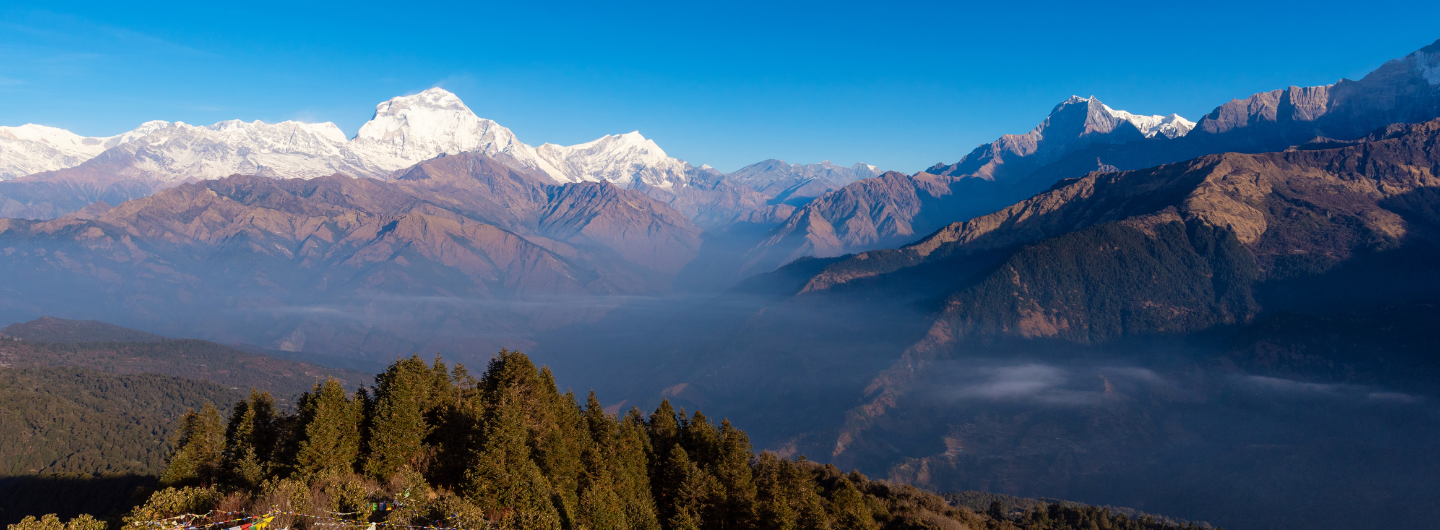
For trekkers with more time and energy, combining the Mardi Himal and Khopra Danda trek is an excellent option. Both trails fall within the Annapurna Conservation Area and together form a longer, more varied circuit that shows two very different ridge systems on opposite sides of the Modi Khola valley. While the Mardi Himal trek runs along the eastern ridge toward Machhapuchhre, the Khopra Danda trail sits on the western side, closer to Dhaulagiri and Nilgiri.
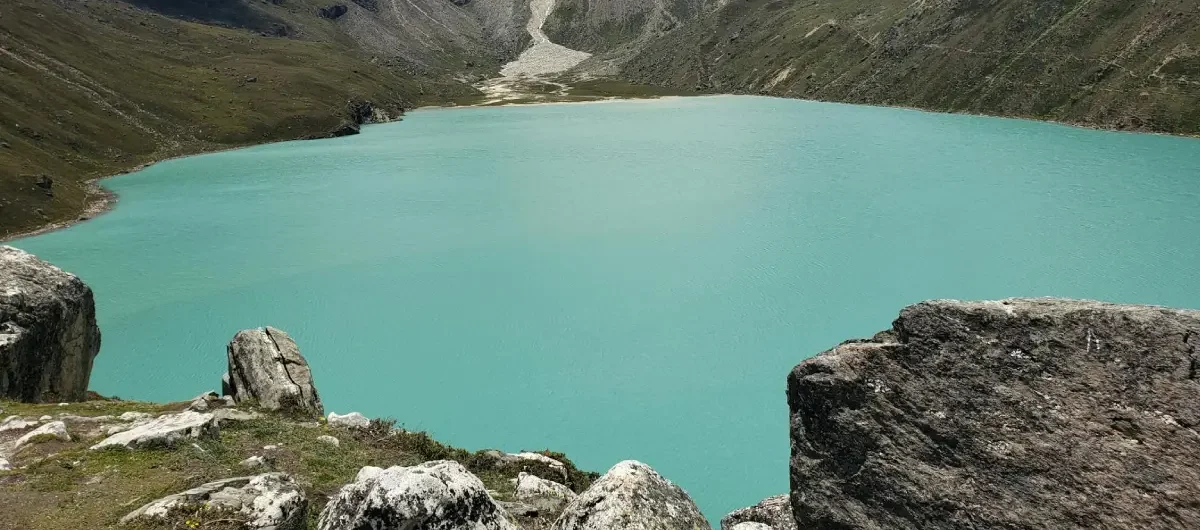
A combined Mardi Himal and Khopra Danda trek typically takes 12 to 15 days and suits trekkers who want a fuller Annapurna experience without committing to the full Annapurna Circuit. Furthermore, the combination adds Khopra Danda at 3,660m, the hidden Khayer Lake at 4,500m, and the Swargadwari viewpoint, making the overall journey considerably richer in both terrain variety and mountain perspectives.
Best Time for Mardi Himal Trekking
The best seasons for Nepal Mardi Himal trekking are spring (March to May) and autumn (September to November). During these windows, the weather is stable, the skies are generally clear, and trail conditions are safe. Spring additionally brings blooming rhododendron forests, which cover the lower sections of the trail in dense red, pink, and white flowers.
| Season | Months | Conditions | Recommended |
|---|---|---|---|
| Spring | March to May | Clear skies, rhododendrons in bloom | Strongly recommended |
| Autumn | September to November | Best visibility, dry trails | Strongly recommended |
| Winter | December to February | Cold, possible snowfall at High Camp | For experienced trekkers only |
| Monsoon | June to August | Leeches, landslides, poor visibility | Not recommended |
Required Permits for Mardi Himal Trek
Two permits are mandatory for all foreign trekkers doing the Nepal Mardi Himal trek. These permits are issued both in Kathmandu and Pokhara, and they must be carried on the trail as checkpoint officers verify them at multiple points along the route.
- Annapurna Conservation Area Permit (ACAP)
- Trekking Information Management System (TIMS) Card
Both permits are included in Trexmount Ventures packages, so trekkers who book through us do not need to arrange these separately.
What to Pack for Mardi Himal Trekking
Packing correctly makes a significant difference on this trail. Because the trek involves varying altitudes and temperatures ranging from warm subtropical forests at 2,600m to near-freezing conditions at the 4,500m viewpoint, layering is essential. Below is a practical packing list based on trail experience.
| Category | Items |
|---|---|
| Clothing | Moisture-wicking base layer, fleece mid-layer, down jacket, waterproof outer shell, trekking trousers, warm hat, gloves |
| Footwear | Water purification tablets, blister pads, altitude sickness medication (consult a doctor), and a personal first aid kit |
| Gear | Trekking poles, headlamp with extra batteries, sunglasses (UV400), daypack |
| Health and Safety | Water purification tablets, blister pads, altitude sickness medication (consult a doctor), personal first aid kit |
| Essentials | Passport and permit copies, cash in Nepali Rupees, sunscreen SPF 50+, lip balm |
Book Your Mardi Himal Trek with Trexmount Ventures
Trexmount Ventures is a government-registered trekking and tours company based in Thamel, Kathmandu, with years of hands-on experience guiding trekkers through the Annapurna region, including the Mardi Himal Base Camp trail. Our guides are licensed, locally trained, and deeply familiar with the terrain, weather patterns, and cultural context of this route. We keep our group sizes manageable, our logistics transparent, and our pricing honest with no hidden fees. Whether you are a first-time trekker or a returning Nepal traveler looking for your next quiet trail, we customize the Mardi Himal trek itinerary around your schedule, fitness level, and budget.
 Review us on Google