
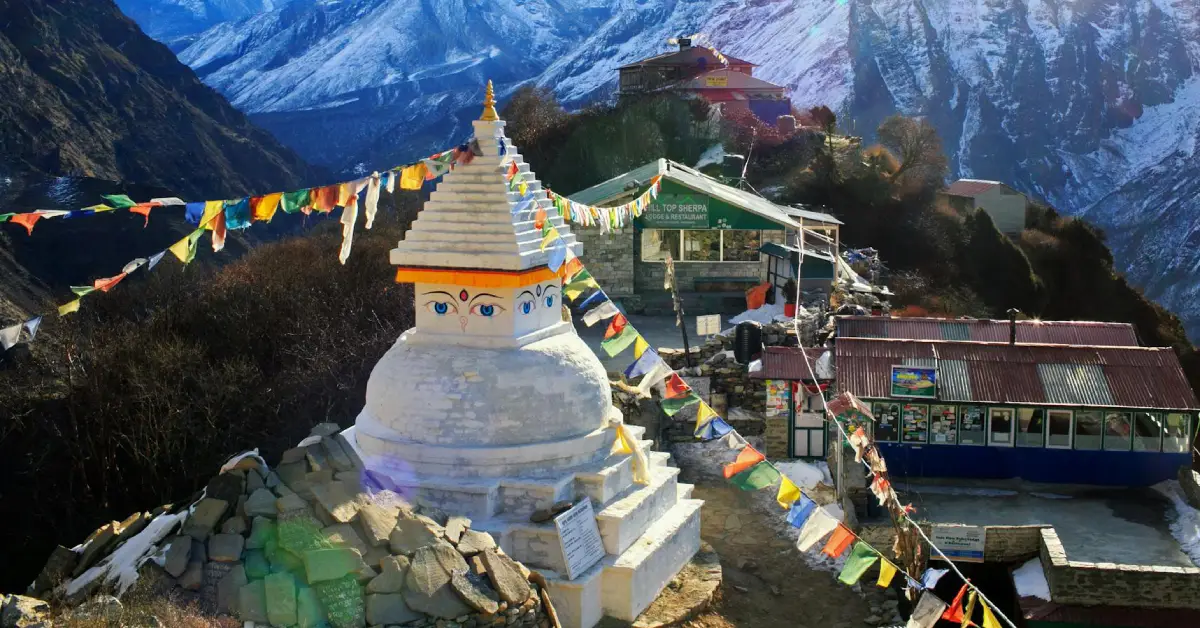
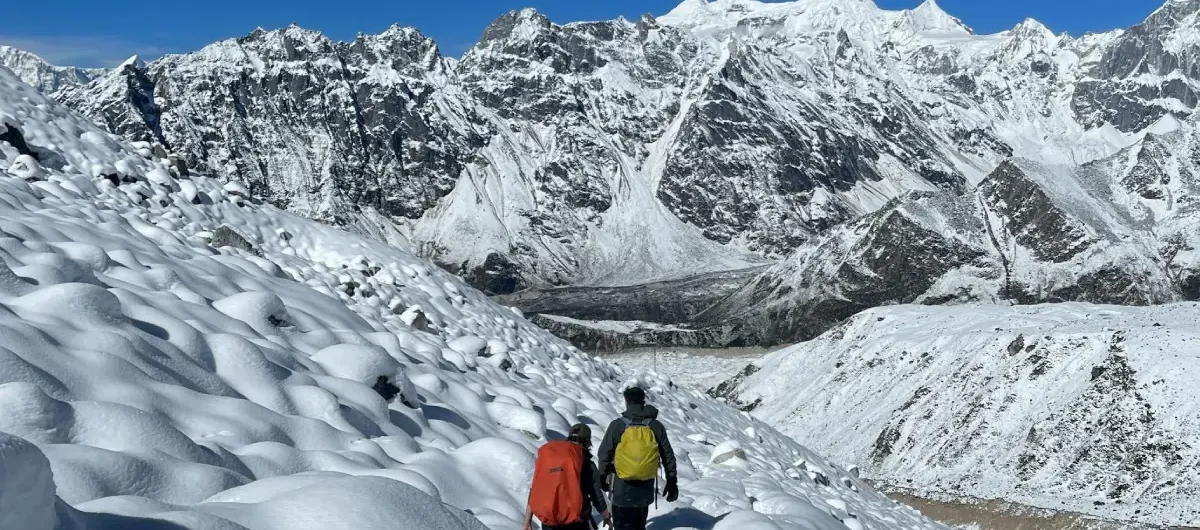
Trexmount Ventures
Trexmount

Manaslu Tsum Valley Trek

Adventure Awaits

Manaslu Tsum Valley Trek

Nepal
0 Reviews
Large Image
Image 1
Image 2
Best Price $1,494.00
Duration 25 Days
Location Nepal
Best Season Mar - May & Sep - Nov
Difficulty Level Moderate to Challenging
Max Altitude 5,213 meters
Activity Trekking
Transportation Trexmount and Public Vehicle

Overview

The Manaslu Tsum Valley Trek is one of Nepal’s most immersive and rewarding trekking journeys, combining untouched Himalayan wilderness with a deeply preserved Tibetan Buddhist culture. Unlike the crowded trails of Everest or Annapurna, this trek takes you into a region that remained restricted for decades, allowing ancient traditions, monasteries, and landscapes to evolve in isolation.

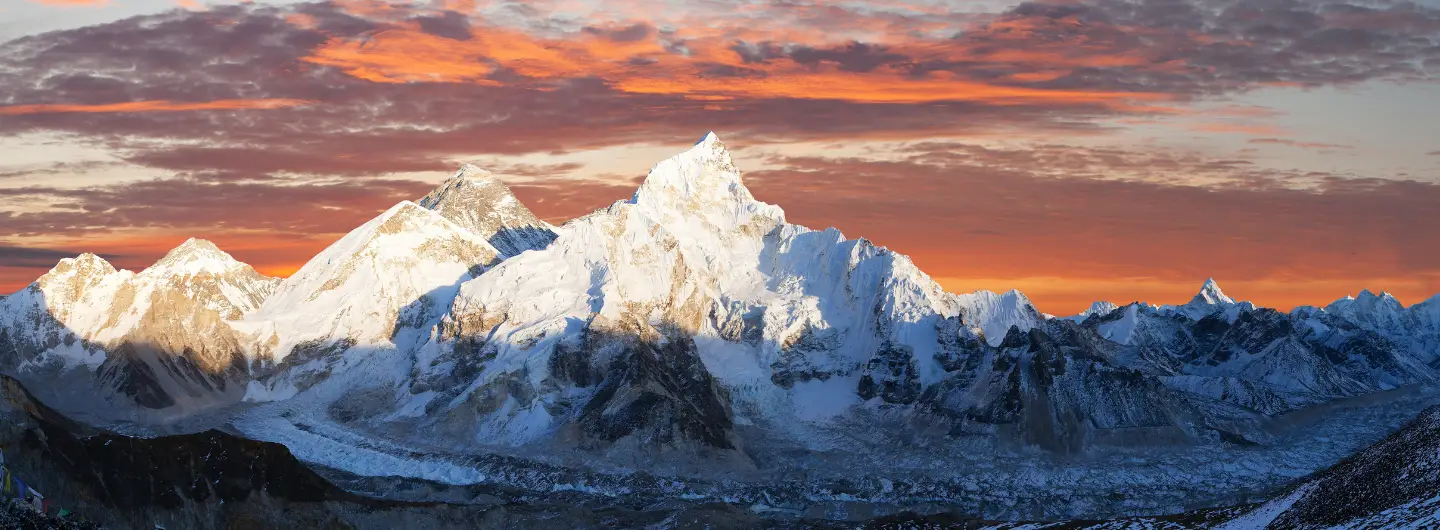
Set in the shadow of Mount Manaslu (8,163 m), the world’s eighth-highest peak, the trek leads through dramatic gorges, remote villages, alpine meadows, and sacred valleys. The addition of Tsum Valley Nepal elevates this journey beyond a physical adventure, it becomes a cultural pilgrimage through a living Himalayan heritage.

For trekkers seeking authenticity, diversity, and depth, Manaslu Tsum Valley trekking delivers one of the most complete experiences Nepal has to offer.

Overview of the Manaslu Tsum Valley Trek

The Manaslu Tsum Valley Trek is a combined route that links the classic Manaslu Circuit with the sacred Tsum Valley, often referred to as the “Hidden Valley of Happiness.” This trek follows the Budhi Gandaki River before branching into the spiritually rich Tsum Valley, then rejoining the Manaslu Circuit to cross the dramatic Larke La Pass (5,160 m).

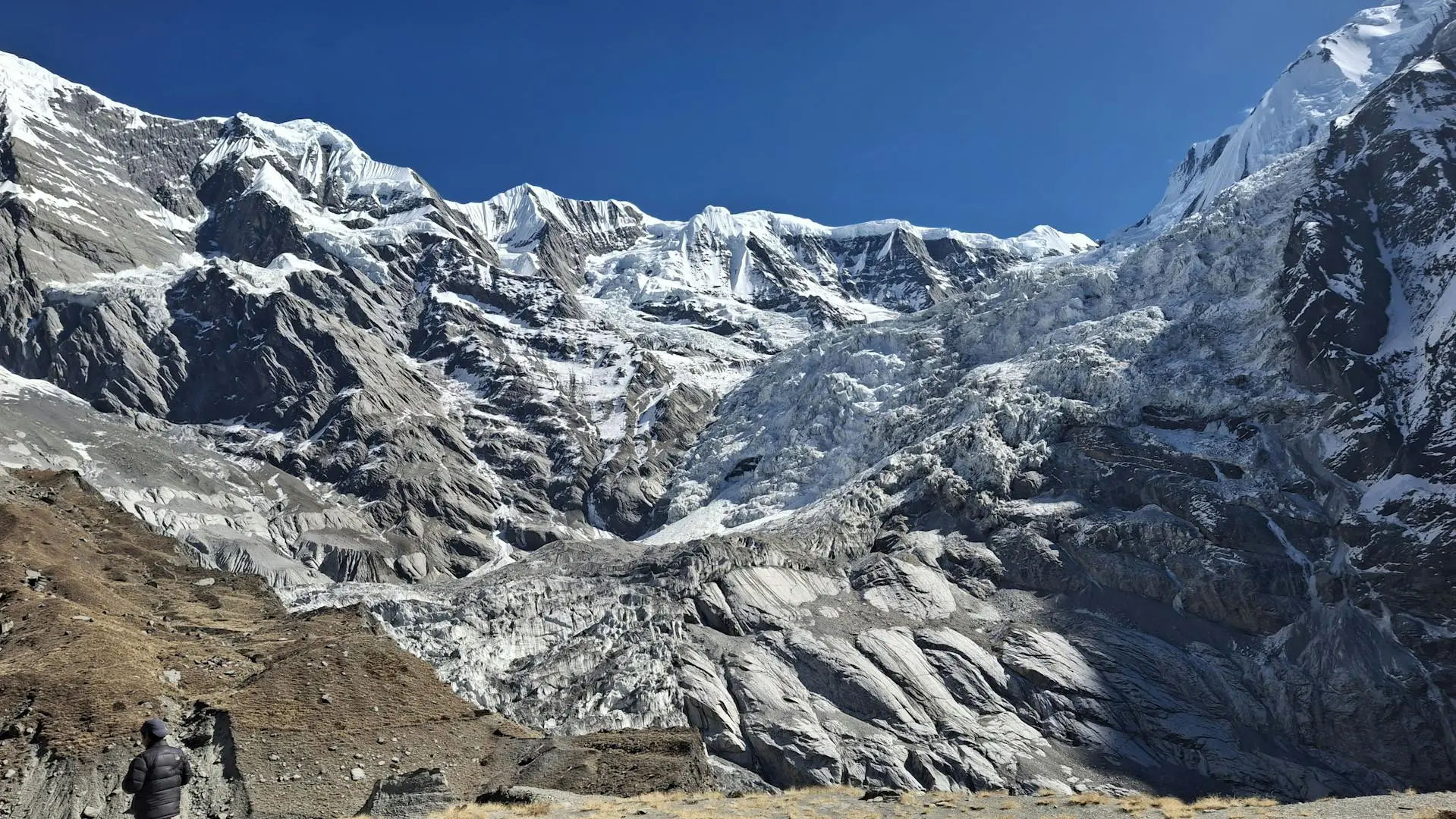
What sets this trek apart is its balance. It offers high Himalayan passes, glacier views, and alpine terrain alongside centuries-old monasteries, prayer flags, mani walls, and villages where Tibetan culture remains central to daily life.

Because of its restricted status and required permits, the region has avoided mass tourism, preserving both its environment and cultural integrity.

Why Choose the Manaslu Tsum Valley Trek

Choosing the Manaslu Tsum Valley Trek means choosing depth over popularity and meaning over convenience.

This trek is ideal for those who want:

  • Fewer crowds and a more peaceful trail
  • Authentic encounters with Tibetan Buddhist communities
  • Diverse landscapes ranging from subtropical forests to high alpine passes
  • A challenging yet rewarding trekking experience
  • Cultural immersion without sacrificing dramatic mountain scenery

Unlike many mainstream treks, this journey demands patience, respect for local customs, and a willingness to slow down, qualities that ultimately enrich the experience.

Cultural Significance of Tsum Valley Nepal

Tsum Valley Nepal is one of the most culturally significant regions in the Himalayas. Strongly influenced by Tibetan Buddhism, the valley is home to ancient monasteries, nunneries, and sacred caves linked to Guru Padmasambhava, the founder of Tibetan Buddhism.

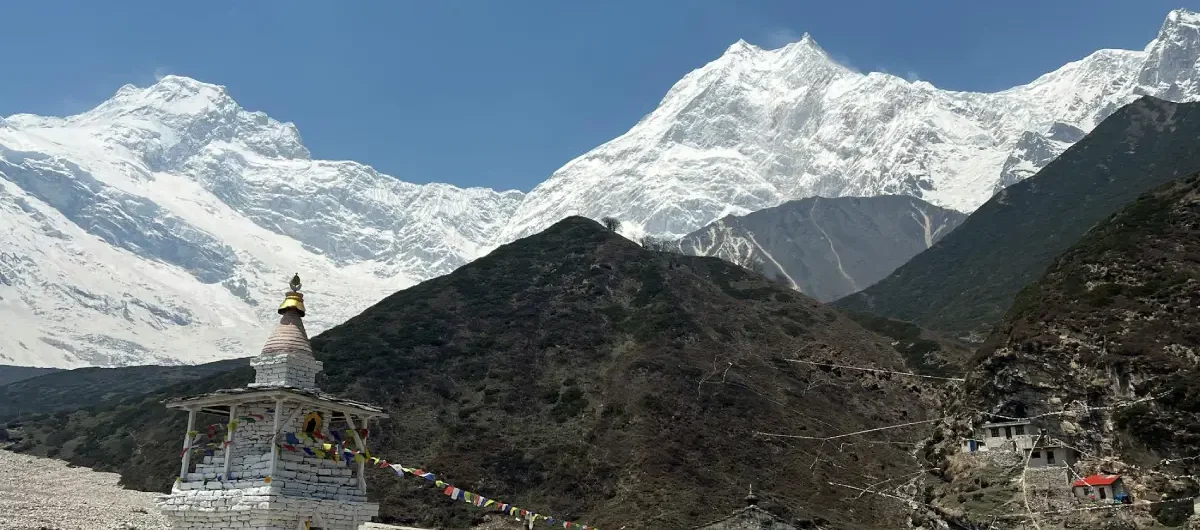
Villages such as Chumling, Chhokang Paro, and Nile feel suspended in time. Here, spinning prayer wheels line stone paths, monks chant in candlelit halls, and long Tibetan horns echo across the valley during ceremonies.

Animal slaughter has been traditionally prohibited in Tsum Valley, reflecting a deep-rooted belief in the sanctity of all life. This spiritual worldview shapes not only religious practice but also daily interactions, farming methods, and community values.

For trekkers, spending a night in a monastery or attending a morning prayer session offers rare insight into a living spiritual tradition.

Natural Landscape and Scenic Diversity

The Manaslu Tsum Valley Trek traverses one of Nepal’s most diverse ecological corridors.

The journey begins in low-altitude regions with terraced fields, waterfalls, and subtropical forests. As elevation increases, the landscape transforms into pine and rhododendron forests, followed by alpine meadows and glacial valleys.

Key scenic highlights include:

  • Ganesh Himal and Siringi Himal views from the lower valley
  • Deep gorges carved by the Budhi Gandaki River
  • Glacier-fed rivers crossed by dramatic suspension bridges
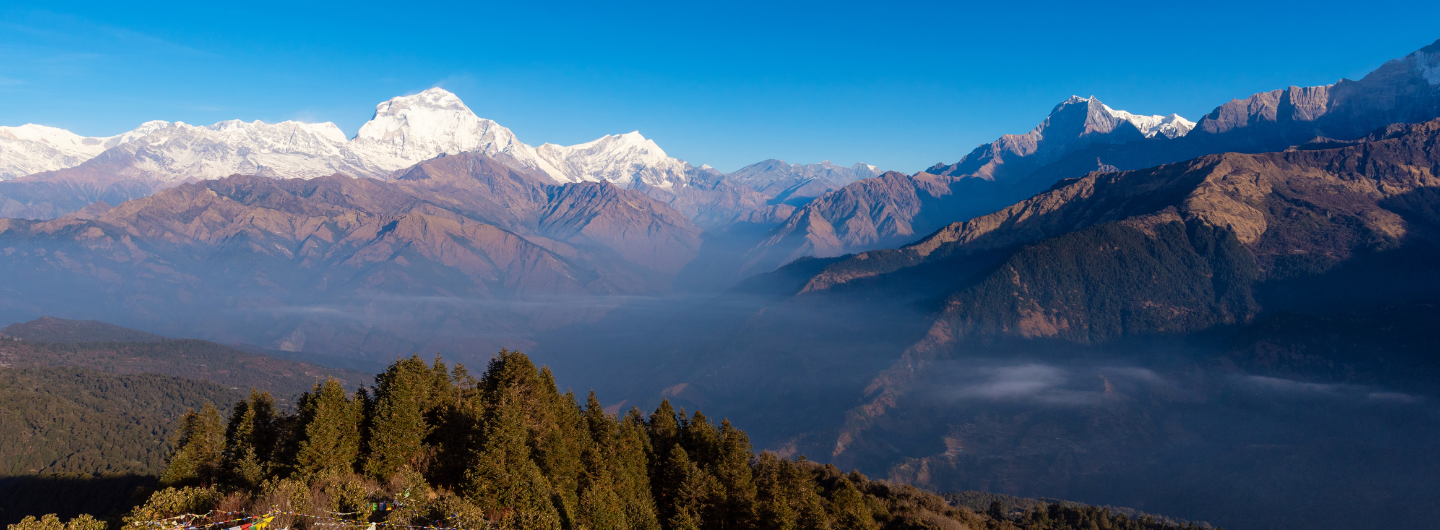
  • Vast alpine basins beneath Manaslu’s towering north face
  • Prayer-flag-lined ridges and panoramic Himalayan passes

This constant change in terrain keeps the trek visually engaging from start to finish.

Trek Route and Major Highlights

The Manaslu Tsum Valley Trek begins with a drive from Kathmandu to Soti Khola or Machha Khola. From here, the trail follows the Budhi Gandaki River northward.

Key Route Highlights:

  • Entry into the restricted Tsum Valley near Lokpa
  • Exploration of Chumling and Chhokang Paro villages
  • Visit to Mu Gompa, the valley’s largest monastery
  • Optional hike to Ganesh Himal Base Camp
  • Return to the Manaslu Circuit via Deng
  • Acclimatization at Sama Gaon
  • Side trips to Manaslu Base Camp or Pungen Gompa
  • Trek to Samdo and an optional Tibet border viewpoint
  • Crossing Larke La Pass (5,160 m)
  • Descent to Bhimthang and onward to Dharapani

Each section of the trail contributes a unique blend of culture, scenery, and challenge.

Day-by-Day Experience on the Trail

While itineraries vary, most Manaslu Tsum Valley Trek schedules range from 18 to 22 days.

Early days involve steady walking through river valleys and villages, allowing gradual acclimatization. Days in Tsum Valley are slower and more contemplative, often centered around monastery visits and cultural exploration.

As the trail rejoins the Manaslu Circuit, the trek becomes more physically demanding. Acclimatization days are essential, particularly at Sama Gaon, before ascending toward higher elevations.

The crossing of Larke La is the physical and emotional climax of the trek, offering expansive Himalayan views and a profound sense of achievement.

Monasteries, People, and Local Life

The heart of the Manaslu Tsum Valley Trek lies in its people. The inhabitants of Tsum Valley are primarily of Tibetan origin, speaking their own dialect and practicing Buddhism as a way of life rather than a ritual.

Hospitality is genuine and uncommercialized. Teahouses are simple but welcoming, often run by families who rely on seasonal trade and agriculture.

Important monasteries include:

  • Mu Gompa
  • Rachen Gompa (nunnery)
  • Gumba Lungdang
  • Pungen Gompa

These institutions serve as spiritual centers, schools, and community hubs.

Wildlife and Biodiversity

Due to its restricted status and low tourist traffic, the Manaslu region supports rich biodiversity.

Wildlife sightings may include:

  • Himalayan tahr
  • Blue sheep
  • Musk deer
  • Snow leopard (rare but present)
  • Himalayan monal and other high-altitude birds

Forests of rhododendron, juniper, and pine dominate mid-elevations, while alpine flora thrives in higher zones.

Responsible trekking practices are crucial to preserving this fragile ecosystem.

Best Time to Do the Manaslu Tsum Valley Trek

The best seasons for the Manaslu Tsum Valley Trek are:

Spring (March–May)

  • Stable weather
  • Blooming rhododendrons
  • Clear mountain views

Autumn (September–November)

  • Best overall visibility
  • Dry trails
  • Ideal conditions for high pass crossings

Winter trekking is possible but challenging due to snow at Larke La, while monsoon season brings landslides and leeches at lower elevations.

Permits and Regulations

The Manaslu Tsum Valley Trek requires multiple permits due to its restricted status.

Required permits include:

  • Manaslu Restricted Area Permit
  • Tsum Valley Restricted Area Permit
  • Manaslu Conservation Area Permit (MCAP)
  • Annapurna Conservation Area Permit (ACAP)

A licensed guide is mandatory, and trekkers must travel in a minimum group of two.

Difficulty Level and Fitness Requirements

This trek is considered moderate to challenging.

Key challenges include:

  • Long trekking days
  • Remote terrain
  • High-altitude pass crossing
  • Limited infrastructure in some areas

Previous high-altitude trekking experience is recommended, along with good cardiovascular fitness and mental resilience.

Accommodation and Food

Accommodation is primarily in teahouses and local lodges. Facilities are basic but sufficient.

Meals typically include:

  • Dal bhat
  • Tibetan bread
  • Noodles and soups
  • Seasonal vegetables
  • Tea and herbal drinks

Food variety decreases at higher altitudes, making proper nutrition planning important.

Safety, Guides, and Responsible Trekking

Hiring an experienced guide enhances safety, cultural understanding, and logistical efficiency. Weather conditions, altitude sickness, and trail navigation are best managed with local expertise.

Responsible trekking includes:

  • Respecting local customs
  • Minimizing waste
  • Supporting local businesses
  • Avoiding wildlife disturbance

Why the Manaslu Tsum Valley Trek Is Unique in Nepal

Few treks offer such a complete package. The Manaslu Tsum Valley Trek combines spiritual depth, wilderness adventure, and cultural authenticity without the crowds found elsewhere. It is not just a trek, it is a journey through history, belief, and landscape that remains largely unchanged.

Manaslu Tsum Valley Trekking Summary

The Manaslu Tsum Valley Trek stands as one of Nepal’s most profound trekking experiences. It rewards those who seek more than scenery, with culture, silence, resilience, and meaning. For trekkers ready to step beyond the ordinary, this journey offers a rare chance to walk through a hidden Himalayan world that still breathes its ancient soul.
Package options

Select Package Type

★ ★ ★ ★ ★
10% OFF

Standard Package Price

US $1494
US $1660

per traveller

Standard Package Included

  • Airport pick up and drop transfer by car, van, or bus, depending on group size
  • Private Ground transportation as per the above itinerary
  • All accommodations (Twin Share)
  • Standard Three Course Meal
  • All Permits
  • An experienced guide and the required number of porters (one porter in between two pax)
  • Warm sleeping bag, warm down jacket, and walking stick, if necessary
  • Trek bag
  • Certificate of Trip Completion

Standard Package Excluded

  • Single Supplement for single-use rooms
  • Tips to staff or any donations
  • Temple and monastery entry fee, & entry fees while sightseeing in Kathmandu & Pokhara
  • Your travel insurance, Medical and emergency costs (Just in case)
  • All types of drinks (mineral water, any cold drinks, and alcoholic drinks)
  • Any personal expenses
  • Extra Food

Trip Itinerary

Upon arrival at Tribhuvan International Airport, our representative warmly welcomes you and assists with your transfer to the hotel in Kathmandu. After check-in, you can rest and recover from your journey. Later in the day, our tour leader meets you at the hotel or office for a detailed pre-departure briefing. During this meeting, we discuss the trek itinerary, safety guidelines, altitude awareness, and equipment checks. Required documents such as passport copies, photographs, and travel insurance are collected.

Accommodation

Hotel in Kathmandu

Meal

N/A

Time

N/A

Distance

N/A

After breakfast, the day is free for final trek preparation. You may choose to relax, organize gear, or explore Kathmandu independently. Alternatively, an optional guided sightseeing tour is available (payable locally), covering UNESCO World Heritage Sites such as Pashupatinath Temple, Boudhanath Stupa, Swayambhunath (Monkey Temple), and historic Durbar Squares of Kathmandu, Patan, or Bhaktapur. These sites offer insight into Nepal’s Hindu and Buddhist heritage.

Accommodation

Hotel in Kathmandu

Meal

N/A

Time

N/A

Distance

N/A

After an early breakfast, we drive west from Kathmandu following the Trishuli River along the Prithvi Highway. The journey passes through rural settlements and terraced farmlands before reaching Arughat Bazaar, a busy trading town. From here, the road becomes rough as we continue by jeep along the Budhi Gandaki River. Scenic views of Ganesh Himal II and IV accompany us as we reach Soti Khola, a small riverside village marking the starting point of the trek.

Accommodation

Tea Houses

Meal

Breakfast, Lunch, Dinner

Time

~8 hours

Distance

~145 km

Our first day of trekking begins along a narrow trail that follows the Budhi Gandaki River. We descend to the riverbank, cross small streams, and pass waterfalls cascading from steep cliffs. Stone staircases lead us through Khanigaon village and farmland terraces. The trail gradually ascends and descends before reaching Machha Khola, a quiet settlement named after its fishing stream.

Accommodation

Tea Houses

Meal

Breakfast, Lunch, Dinner

Time

~5 hours

Distance

~8 km

Leaving Machha Khola, the trail enters cooler terrain as we move upstream. We pass Khorlabeshi and reach Tatopani, where a natural hot spring lies near the river. After crossing suspension bridges and walking through villages such as Dovan and Yaruphant, the trail climbs to Jagat, a well-developed village with stone-paved streets and traditional houses. Jagat is also the official entry point of the Manaslu Conservation Area.

Accommodation

Tea Houses

Meal

Breakfast, Lunch, Dinner

Time

~6 hours

Distance

~10 km

The trail follows the Budhi Gandaki River through forested paths and small settlements. We pass Sidibas Bazaar and cross a suspension bridge at Nagjet before reaching Philim, a large Gurung village known for its terraced fields. Beyond Philim, the trail narrows and climbs through rocky terrain to Ekle Bhatti, a small settlement surrounded by forested hills.

Accommodation

Tea Houses

Meal

Breakfast, Lunch, Dinner

Time

~6 hours

Distance

~9 km

Today, we leave the main Manaslu trail and enter the sacred Tsum Valley. The path winds through a narrow gorge and climbs into pine and rhododendron forests. After reaching Lokpa village, we cross the Lungwa Khola via suspension bridge and continue to Chumling, the first major village in Tsum Valley. The village offers beautiful views of Ganesh Himal and traditional Tibetan-style houses.


Accommodation

Tea Houses

Meal

Breakfast, Lunch, Dinner

Time

~6 hours

Distance

~10 km

We descend briefly to cross the Shiar Khola and then climb steadily through open valleys. The trail offers stunning views of the Ganesh Himal range and surrounding peaks. Chhokang Paro is a picturesque village with monasteries, mani walls, and prayer flags. The afternoon is free to explore the village and interact with locals.

Accommodation

Tea Houses

Meal

Breakfast, Lunch, Dinner

Time

~5 hours

Distance

~8 km

The trail ascends toward Lamagaon before reaching the sacred Milarepa Cave, where the 11th-century Tibetan saint is believed to have meditated. Nearby Chi Phu Gompa adds spiritual depth to the day. We continue along the valley, cross a suspension bridge, and reach Nile, the last permanent settlement of Upper Tsum Valley.

Accommodation

Tea Houses

Meal

Breakfast, Lunch, Dinner

Time

~6 hours

Distance

~9 km

Walking near the Tibetan border, we pass through open high-altitude terrain. A steady climb leads to Mu Gompa, the largest monastery in Tsum Valley. From here, we continue ascending to Bhajyo, a remote yak-grazing area with no permanent settlements. The surroundings offer expansive views of Tibetan peaks and Ganesh Himal.

Accommodation

Tea Houses

Meal

Breakfast, Lunch, Dinner

Time

~7 hours

Distance

~10 km

This day is dedicated to acclimatization and exploration. Short hikes around Bhajyo provide views of Ngula Dhojyang Pass and the glaciers of the Yamdro Valley. Resting here helps the body adjust to high altitude before descending.

Accommodation

Tea Houses

Meal

Breakfast, Lunch, Dinner

Time

N/A

Distance

N/A

We descend gradually through alpine landscapes to Rachen Gompa, a major nunnery established in 1905. The monastery is known for its beautifully painted Buddhist murals and peaceful atmosphere. This spiritual center plays an important role in preserving Buddhist teachings in Tsum Valley.

Accommodation

Tea Houses

Meal

Breakfast, Lunch, Dinner

Time

~7 hours

Distance

~11 km

Retracing our steps, we walk back through Chhokang Paro and descend toward Chumling. The trail passes suspension bridges and offers panoramic views of green valleys, terraced fields, and distant snow peaks.

Accommodation

Tea Houses

Meal

Breakfast, Lunch, Dinner

Time

~6 hours

Distance

~10 km

Leaving Tsum Valley, we rejoin the Manaslu Circuit. The trail follows the Budhi Gandaki River through warmer climatic zones and farmland terraces. We cross a major suspension bridge and continue north to Bihi, a traditional Gurung village in the Manaslu region.

Accommodation

Tea Houses

Meal

Breakfast, Lunch, Dinner

Time

~6 hours

Distance

~9 km

The trail begins gently before climbing through dense forests. Namrung is a beautiful village offering the first close views of Manaslu and the surrounding peaks. Stone houses and Tibetan cultural influences become more prominent here.

Accommodation

Tea Houses

Meal

Breakfast, Lunch, Dinner

Time

~6 hours

Distance

~10 km

We pass through Lihi and Sho villages, walking through forests and mani walls. As we approach Lho, the impressive Manaslu peak dominates the skyline. Lho is home to Ribung Monastery, one of the region’s most important religious sites.

Accommodation

Tea Houses

Meal

Breakfast, Lunch, Dinner

Time

~4 hours

Distance

~7km

The trail continues through fir forests and open pastureland. Shyala village offers a spectacular amphitheater of Himalayan peaks including Manaslu, Himal Chuli, and Ngadi Chuli. We then reach Sama Gaon, a large Tibetan-influenced village at the base of Manaslu.

Accommodation

Tea Houses

Meal

Breakfast, Lunch, Dinner

Time

~6 hours

Distance

~10 km

Following the Budhi Gandaki northward, we pass mani walls and juniper forests. The valley widens as we approach Samdo, a remote village close to the Tibetan border, historically used for cross-border trade.

Accommodation

Tea Houses

Meal

Breakfast, Lunch, Dinner

Time

~5 hours

Distance

~8 km

We ascend steadily, crossing glacial streams and walking alongside the Larkya Glacier. Dharamsala, also known as Larkya Phedi, serves as the base camp for crossing Larkya La Pass.

Accommodation

Tea Houses

Meal

Breakfast, Lunch, Dinner

Time

~5 hours

Distance

~7 km

An early start takes us across glacial moraines to Larkya La Pass, the highest point of the trek. From the pass, we enjoy panoramic views of Himlung Himal, Cheo Himal, Kang Guru, and Annapurna II. A long descent leads to Bimthang, set in a broad alpine meadow.

Accommodation

Tea Houses

Meal

Breakfast, Lunch, Dinner

Time

~8 hours

Distance

~11 km

Descending through rhododendron forests, we pass Karche and Tilje villages. The trail joins the Annapurna Circuit route and continues to Dharapani, a lively village with improved facilities.

Accommodation

Tea Houses

Meal

Breakfast, Lunch, Dinner

Time

~7 hours

Distance

~12 km

We trek through Tal village, located beneath a massive waterfall, before reaching Chamje. From here, we drive along a rough mountain road to Besisahar, marking the end of the trekking journey.

Accommodation

Tea Houses

Meal

Breakfast, Lunch, Dinner

Time

~4 hours

Distance

~4hr Trek | ~4hr Drive

We drive back to Kathmandu via the Marsyangdi Valley and Prithvi Highway, enjoying final views of rural Nepal before returning to the capital.

Accommodation

Hotel in Kathmandu

Meal

Breakfast

Time

~6 hours

Distance

~196 km

A leisure day to rest, shop for souvenirs, or explore more of the city on your own, after the long Himalayan adventure.

Accommodation

Hotel in Kathmandu

Meal

Breakfast

Time

N/A

Distance

N/A

After breakfast, we transfer you to Tribhuvan International Airport for your onward journey, concluding the unforgettable Manaslu Tsum Valley Trek.

Accommodation

N/A

Meal

Breakfast

Time

N/A

Distance

N/A

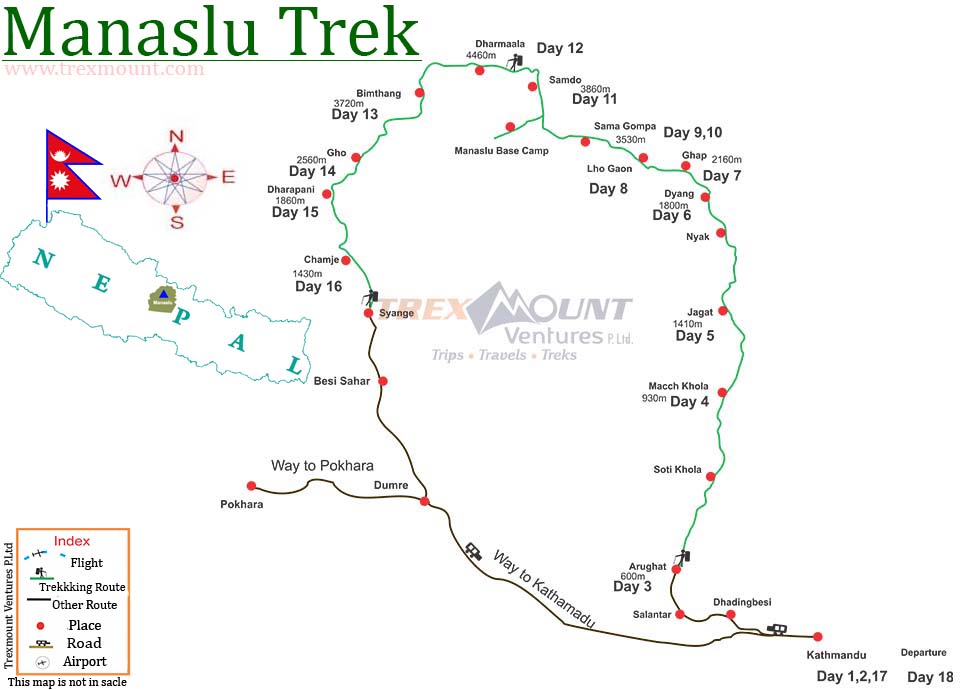
Route Map

trip route map for Manaslu Tsum Valley Trek

Fixed Departure

Frequently Asked Questions

The Tsum Valley and Manaslu Trek is a remote Himalayan adventure that combines the Manaslu Circuit with the hidden Buddhist valley of Tsum. The trek passes through ancient monasteries, traditional Tibetan-influenced villages, forests, glaciers, and high mountain landscapes. Known for its spiritual atmosphere and untouched beauty, the route offers a unique cultural and natural trekking experience in the Himalayas of Nepal.

The best time for the Manaslu Tsum Valley Trek is during spring (March to May) and autumn (September to November). These seasons provide clear mountain views, stable weather, and comfortable trekking conditions. Spring features blooming rhododendron forests and mild temperatures, while autumn offers crisp skies and excellent visibility. Winter can bring heavy snowfall at higher elevations, and monsoon trails may become slippery and difficult.

Manaslu Tsum Valley Trek is considered a challenging Himalayan trek because of its remote terrain, high altitude, and long trekking days. Trekkers walk through rugged trails, river valleys, forests, and mountain passes above 5,000 meters. Good physical fitness and acclimatization are essential for completing the journey safely. Although demanding, the trek rewards adventurers with peaceful landscapes, rich Buddhist culture, and dramatic Himalayan scenery.

Most Manaslu Tsum Valley Trek itineraries take around 20 to 25 days depending on the route, acclimatization schedule, and side trips. The trek usually begins in the lower Gorkha region before entering the sacred Tsum Valley and later joining the Manaslu Circuit route. Some trekkers also combine the journey with the Annapurna region after crossing Larkya La Pass for a longer Himalayan adventure.

The highest point of the Manaslu Tsum Valley Trek is usually Larkya La Pass at approximately 5,106 meters (16,752 feet) above sea level. Crossing this high mountain pass is one of the most challenging and rewarding parts of the trek. Proper acclimatization, hydration, and gradual ascent are important to reduce the risk of altitude sickness in the Himalayas.

The trek offers spectacular views of Mount Manaslu, Ganesh Himal, Himalchuli, Ngadi Chuli, and several other Himalayan peaks. Trekkers also experience glaciers, alpine valleys, waterfalls, and dramatic mountain scenery throughout the route. The peaceful landscapes combined with remote Buddhist villages make the trek one of Nepal’s most scenic and culturally rich Himalayan adventures.

The Manaslu Tsum Valley Trek is more suitable for experienced trekkers because of its long duration, remote trails, and high-altitude conditions. However, physically fit beginners with strong preparation and determination can also complete the trek successfully. Training before the trek, following acclimatization schedules, and trekking with experienced guides are highly recommended. The journey rewards trekkers with extraordinary mountain scenery and authentic Himalayan culture.

Trekkers need several permits for the Manaslu Tsum Valley Trek, including the Restricted Area Permit (RAP), Tsum Valley Restricted Permit, Manaslu Conservation Area Permit (MCAP), and Annapurna Conservation Area Permit (ACAP). Since the region is restricted, trekkers must travel with a licensed guide through an authorized trekking agency. Permit fees vary depending on the season and trekking duration in Nepal.

The trek offers rich cultural experiences through Tibetan Buddhist monasteries, mani walls, prayer flags, ancient villages, and traditional Himalayan lifestyles. Mu Gompa and other monasteries in Tsum Valley are important spiritual centers for local communities. Trekkers can experience Buddhist traditions, local hospitality, traditional foods, and centuries-old mountain culture preserved in the remote Himalayas.

The Manaslu Tsum Valley Trek is famous for its untouched Himalayan beauty, sacred Buddhist culture, remote landscapes, and less-crowded trekking routes. Unlike busier trekking regions in Nepal, the trek offers peaceful trails and authentic cultural experiences in isolated mountain valleys. Trekkers enjoy dramatic mountain views, monasteries, glaciers, and traditional Tibetan-influenced communities while exploring one of Nepal’s most unique trekking adventures.

Traveler Reviews

Verified customer feedback

Related Packages

You May Also Love And Like
Everest Base Camp Trek
(5.0) 17
Nepal
16 Days
Max 50 People
Starts From $1470
Everest Three Passes Trek
(5.0) 14
Nepal
20 Days
Max 30 People
Starts From $2010
Annapurna High Pass Trekking
(5.0) 14
Nepal
14 Days
Max 50 People
Starts From $1280
Annapurna Overview Trek Nepal
(5.0) 15
Nepal
8 Days
Max 50 People
Starts From $1280
Annapurna Panorama Trekking
(5.0) 11
Nepal
8 Days
Max 50 People
Starts From $770
Australian Camp Trekking
(5.0) 13
Nepal
8 Days
Max 50 People
Starts From $500
Mardi Himal Nepal
(5.0) 14
Nepal
10 Days
Max 50 People
Starts From $800
Poon Hill Trek
(5.0) 13
Nepal
10 Days
Max 50 People
Starts From $870
Khair lake Panorama Trekking
(5.0) 15
Nepal
14 Days
Max 50 People
Starts From $1410
Nar Phu Trekking
(5.0) 11
Nepal
20 Days
Max 50 People
Starts From $1790
Panchase Trekking
(5.0) 13
Nepal
12 Days
Max 50 People
Starts From $980
Gokyo Lake Trek
(5.0) 19
Nepal
15 Days
Max 50 People
Starts From $1610
Everest Panorama Trekking
(5.0) 19
Nepal
12 Days
Max 50 People
Starts From $1210
Everest View Hotel and Chopper flight
(5.0) 14
Nepal
14 Days
Max 11 People
Starts From $1888
Mani Rimdu Festival
(5.0) 19
Nepal
13 Days
Max 50 People
Starts From $1780