
Overview
If you dream of standing on top of the world, the Everest North Col Expedition is one of the most rewarding journeys you can ever take. Organized by Trexmount Ventures, the best trekking company in Nepal, this 56-day adventure takes you through the breathtaking landscapes of Tibet, up the historic North Col Everest route, and toward the highest summit on Earth. Whether you are an experienced climber or an ambitious adventurer ready to level up, this guide walks you through everything, simply, clearly, and in full detail.
What Is the Everest North Col Expedition?
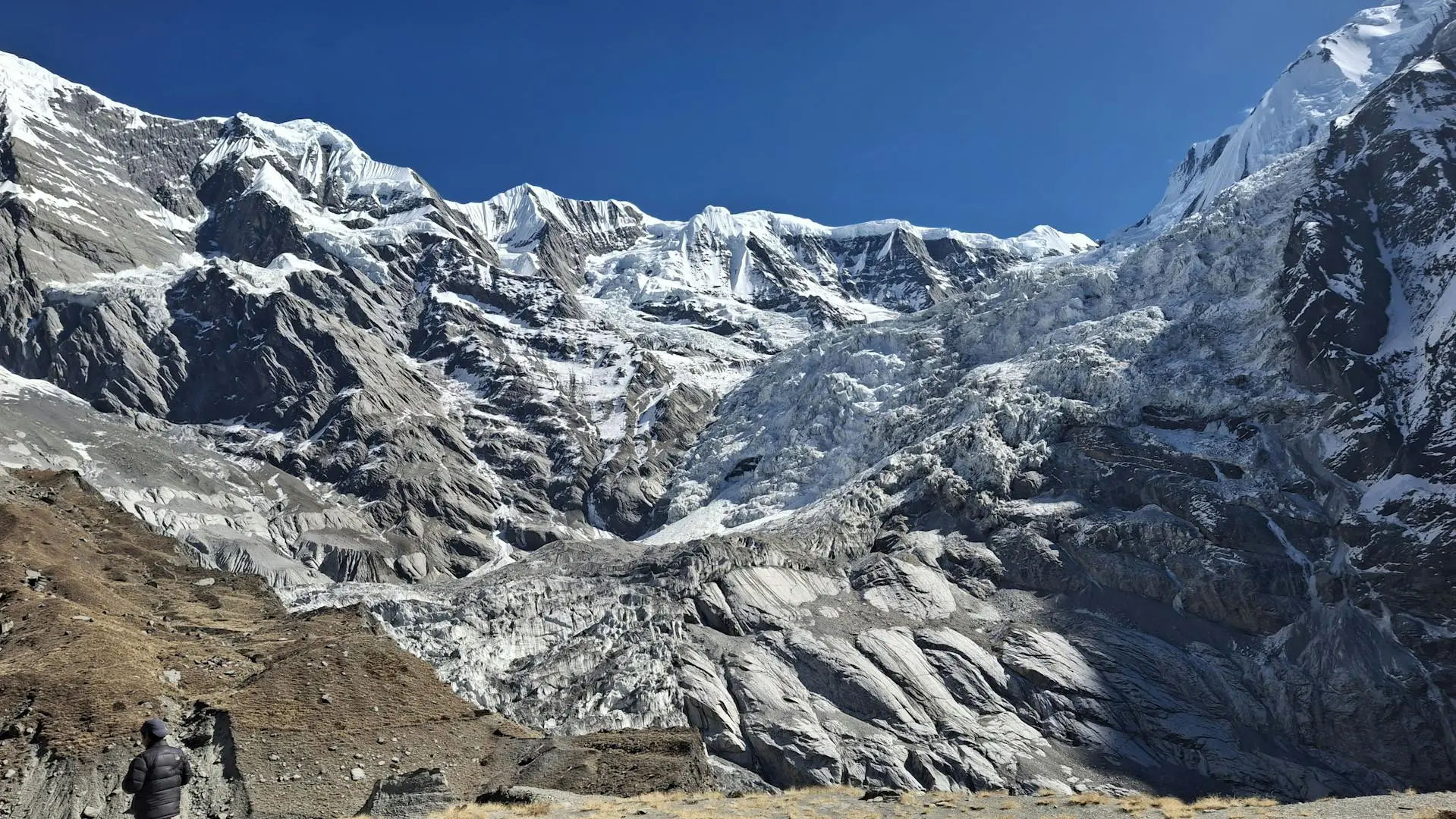
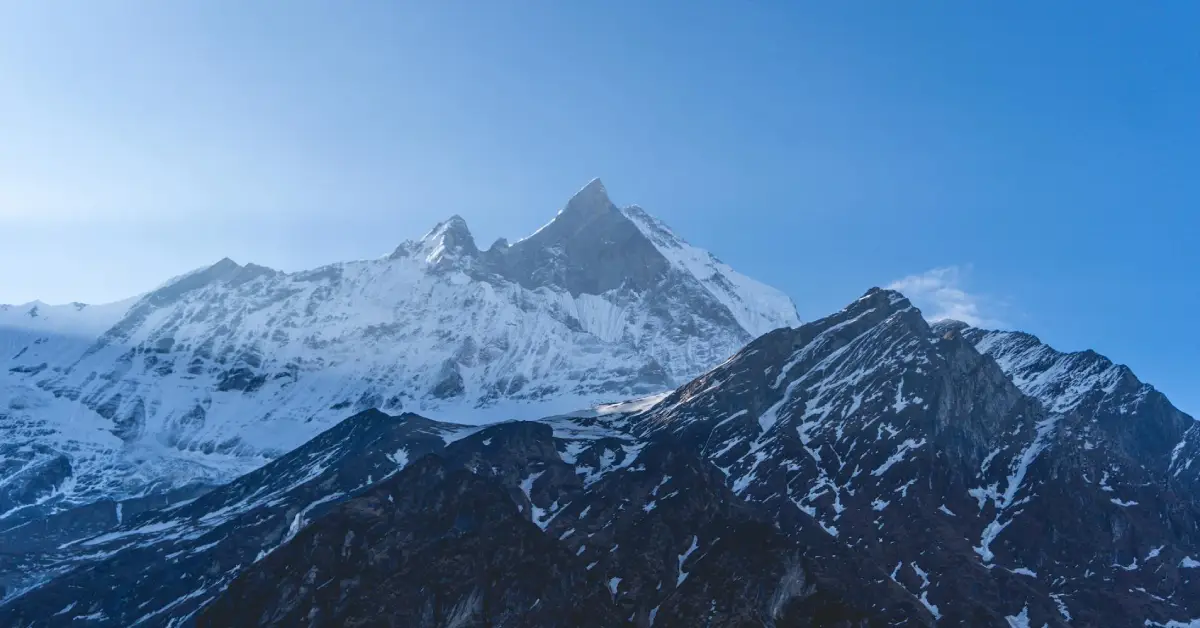
The Everest North Col Expedition is a high-altitude expedition on Mount Everest’s north side, accessed through Tibet, China. It follows the Everest North Col route, passing through Rongbuk Glacier and reaching the famous North Col at 7,020m before pushing toward the summit at 8,849m.
- This is a 56-day structured journey, carefully planned for acclimatization, safety, and summit success.
- Trexmount Ventures organizes every detail, from Lhasa arrival to summit push to safe return.
- It is one of the most historic routes in Himalayan expedition history, first attempted in the 1920s.
Climbing Mount Everest from Tibet gives you a completely different experience compared to the Nepal side. The Tibetan plateau is vast, quiet, and incredibly powerful. This route is ideal for climbers who want a less crowded, technically rich experience on the Everest north face climb.
Where Is the North Col on Everest?
| Feature | Detail |
|---|---|
| Location | Between Everest and Changtse, Tibet |
| Altitude | 7,020 meters (23,032 feet) |
| Side | North side (Tibet) |
| Access Route | Via Rongbuk Glacier route to Everest |
| Role in Climb | First major high camp on Everest north side |
Geographic Position of North Col Mount Everest
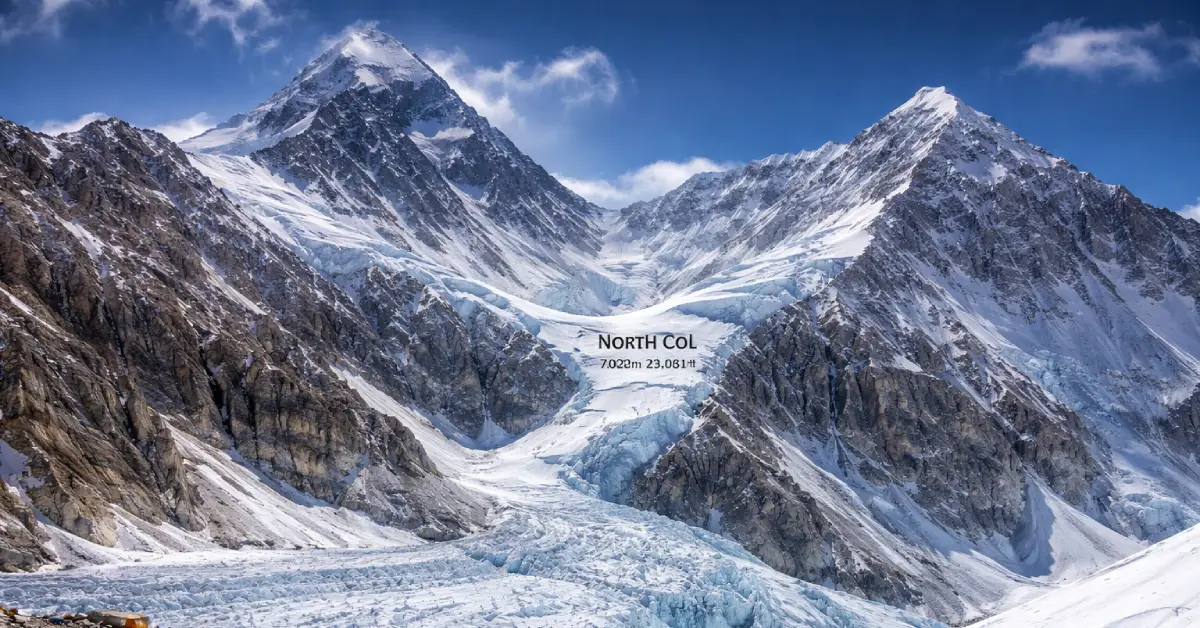
The North Col Mount Everest sits on the ridgeline that connects Mount Everest and Changtse Peak. It is a broad, snow-covered saddle that serves as the gateway to the upper mountain on the Everest north ridge climb.
- Located entirely on the Tibet Everest expedition side
- Reached from Everest Base Camp, the Tibet side via the East Rongbuk Glacier
- Marked by steep ice and snow walls rising nearly 600 meters from below
Why the North Col Is So Important
The North Col is not just a camp, it is the foundation of the entire Everest North Col route. Every summit push on the north side depends on a strong, safe passage through this critical point.
- It guards access to Camps 2 and 3 above
- Weather and wind conditions here determine whether summit attempts are possible
- Fixed ropes are installed here early in the expedition season
What is the difference between the North Col and the South Col of Mount Everest?
This is one of the most common questions from climbers. Understanding Everest north vs south route differences helps you choose the right expedition for your skills and goals.
| Feature | North Col (Tibet) | South Col (Nepal) |
|---|---|---|
| Base Camp Altitude | 5,200m | 5,364m |
| Col Altitude | 7,020m | 7,906m |
| Route Style | Ridge-based | Icefall + glacier |
| Technical Difficulty | High-altitude ridge exposure | Khumbu Icefall danger |
| Permit Authority | China/Tibet | Nepal Government |
| Crowding Level | Less crowded | More crowded |
| Summit Route | North ridge to northeast ridge | Southeast ridge |
Key Differences in Climbing Style
The Everest north route map shows a long, ridge-dominated climb, while the south route is more glacier-heavy. The north side requires strong technical climbing on the Everest north side, especially on the Yellow Band and Second Step, two of the most technically demanding sections anywhere on Earth.
- North Col route involves technical climbing on the Everest north side at extreme altitude
- South Col uses the famous Khumbu Icefall, which is dangerous but widely known
- Both routes demand peak physical fitness and a complete Everest climbing preparation guide
Which Route Suits You Better?
If you prefer a Mount Everest north side expedition with a more remote, ridge-style experience and a rich history, the north is your answer. If you want a warmer base camp and Nepal’s Sherpa culture, the south side may suit you better.
What Is the North Col North Ridge Route?
The North Col North Ridge Route is the standard path used in the Everest Tibet expedition from the north. It begins at Everest Base Camp on the Tibet side, climbs through the East Rongbuk Glacier, reaches the North Col, and continues up the northeast ridge to the summit.
| Segment | Start Point | End Point | Altitude Gain |
|---|---|---|---|
| Base Camp to ABC | 5,200m | 6,400m | 1,200m |
| ABC to North Col | 6,400m | 7,020m | 620m |
| North Col to Camp 2 | 7,020m | 7,500m | 480m |
| Camp 2 to Camp 3 | 7,500m | 8,300m | 800m |
| Camp 3 to Summit | 8,300m | 8,849m | 549m |
Technical Sections on the North Ridge
The Everest north ridge climb includes three iconic obstacles that every climber must pass:
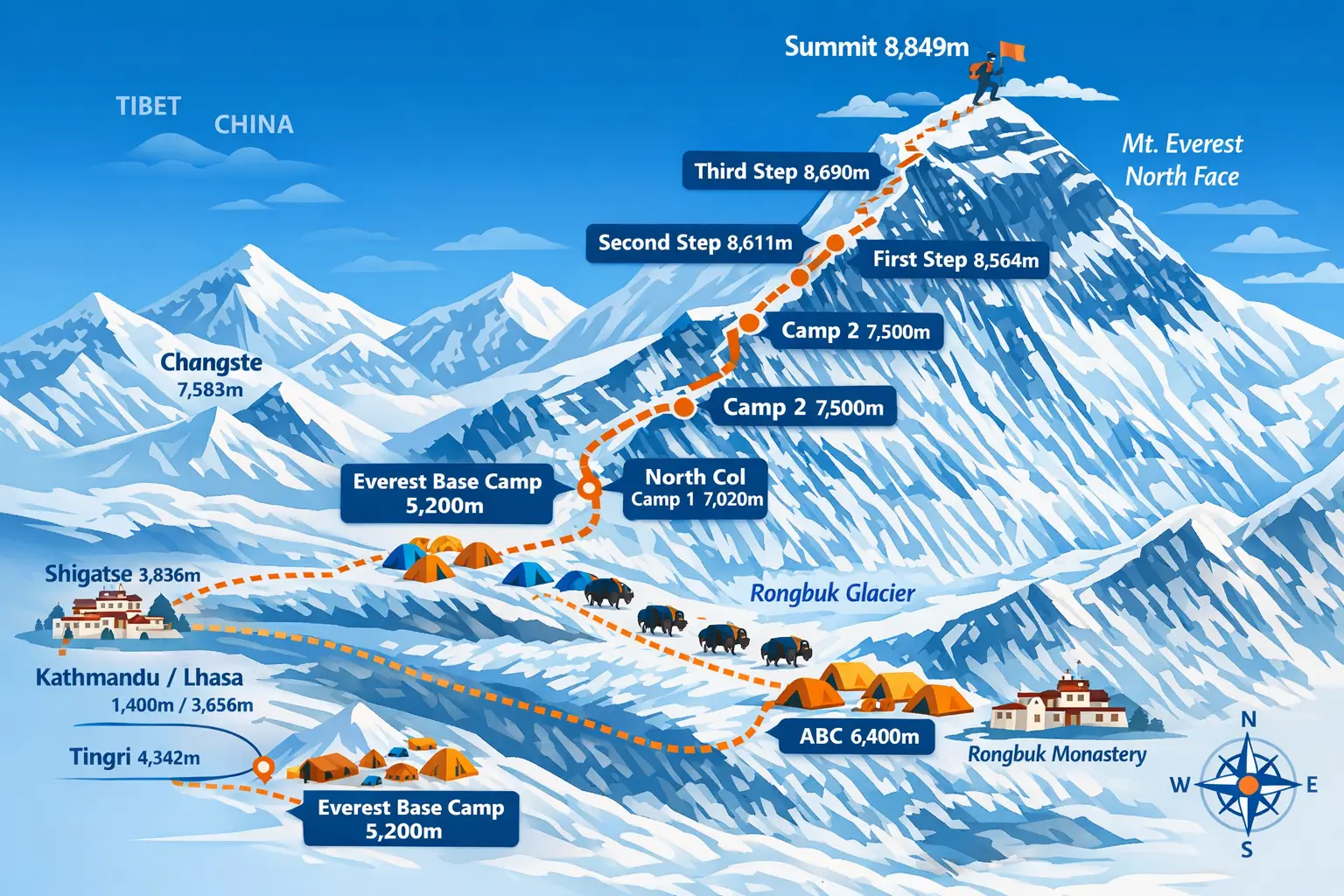
First Step (8,564m): A rocky band requiring careful movement
Second Step (8,611m): The most famous crux, a near-vertical rock face with a fixed ladder
Third Step (8,690m): A final rocky obstacle before the summit pyramid
These sections define technical climbing on the Everest north side and make this route demanding even for seasoned mountaineers.
What Is the Hardest Route on Everest?
| Route | Difficulty Level | Why It’s Hard |
|---|---|---|
| North Col North Ridge | Very High | Exposed ridge, technical rock steps |
| Hornbein Couloir | Extreme | Rarely attempted, severe exposure |
| West Ridge | Extreme | Remote, almost no support |
| Southeast Ridge (South Col) | High | Khumbu Icefall, altitude |
Is the Everest North Col Route the Hardest?
The Everest north face climb via the North Col is widely considered one of the most technically serious routes on the mountain. The high-altitude rock climbing on the Second Step at over 8,600m, combined with ferocious winds on the Everest north ridge climb, makes it uniquely challenging.
- Lower oxygen availability above 8,000m makes every move harder
- Weather windows are shorter on this high-altitude expedition Everest route
- The exposure on the ridge is more sustained than on the south route
Everest North Col Route Map Overview
The Everest North Col route map gives you a clear visual of the entire journey, from the Tibetan plateau all the way to the summit.
| Checkpoint | Altitude | Key Feature |
|---|---|---|
| Kathmandu/Lhasa | 1,400m / 3,656m | Expedition start |
| Shigatse | 3,836m | Acclimatization city |
| Tingri | 4,342m | Last major town before BC |
| Everest Base Camp, Tibet | 5,200m | Main logistics hub |
| Advanced Base Camp (ABC) | 6,400m | Closest high camp by trail |
| North Col | 7,020m | Camp 1 on the mountain |
| Camp 2 | 7,500m | Mid-mountain rest point |
| Camp 3 | 8,300m | Summit launch pad |
| Summit | 8,849m | Highest point on Earth |
6.1 The Rongbuk Glacier Route to Everest
The Rongbuk Glacier route to Everest is the highway of the north side. It runs from Rongbuk Monastery, the world’s highest monastery, up the main glacier and then branches into the East Rongbuk Glacier, leading to ABC and the North Col.
- It is a long but relatively gradual approach compared to the Khumbu Icefall
- Yaks carry equipment along the lower sections of this route
- The glacier offers stunning views of the Everest north face climb the whole way
Best Time for the Everest North Expedition
The best time for the Everest north expedition is the pre-monsoon season: April to June. This window offers stable weather, manageable winds, and the safest summit conditions.
| Season | Months | Suitability |
|---|---|---|
| Pre-Monsoon (Spring) | April – June | Best, recommended |
| Post-Monsoon (Autumn) | September – October | Possible but harder |
| Winter | November – March | Not recommended |
| Monsoon | July – August | Dangerous, avoid |
Why Spring Is Ideal
Spring offers the most reliable weather windows for the Everest Tibet expedition. Jet stream winds weaken during May, creating brief but precious calm periods perfect for summit attempts.
- Most Everest expedition guide programs schedule summit attempts in mid to late May
- Daytime temperatures at Camp 3 range from -20°C to -30°C in spring
- Planning around the jet stream is essential for Everest expedition tips and knowledge
Everest North Col Difficulty & Climbing Preparation Guide
| Skill Area | Required Level |
|---|---|
| High-altitude experience | 7,000m+ previous summit |
| Technical climbing | Crampon, ice axe, fixed rope proficient |
| Physical fitness | Elite cardiovascular endurance |
| Cold weather tolerance | Must handle -40°C conditions |
Complete Everest Climbing Preparation Guide
The Everest climbing preparation guide for the north side demands a minimum of 2 years of structured training, prior high-altitude experience, and technical mountaineering skills.
- Train with long-distance running, weighted pack hikes, and altitude simulation
- Acclimatize on peaks like Island Peak, Mera Peak, or Denali before attempting Everest
- Practice technical climbing on the Everest north side on smaller mixed routes first
Altitude Sickness Everest Tips & Safety
Altitude sickness Everest tips are not optional, they are life-saving knowledge every climber must carry.
| Condition | Symptoms | Action |
|---|---|---|
| AMS | Headache, fatigue, nausea | Rest, hydrate, descend if worsening |
| HACE | Confusion, ataxia | Descend immediately, use Gamow bag |
| HAPE | Breathlessness at rest | Descend, oxygen, immediate evacuation |
Prevention and Response
- Never ascend more than 300–500m per day above 5,000m
- Use Diamox (acetazolamide) as directed by your expedition doctor
- Know the symptoms of HACE and HAPE, they can kill within hours if ignored
Logistics Everest North Expedition
Smooth logistics Everest north expedition planning separates a successful climb from a dangerous one.
| Logistics Area | Detail |
|---|---|
| Transport | 4WD vehicles from Lhasa to BC |
| Yak Support | Carries gear from BC to ABC |
| Communication | Satellite phones, base camp radio |
| Oxygen | Supplied above 7,500m |
| Medical | Doctor at base camp |
Trexmount Ventures Logistics Support
Trexmount Ventures handles all logistics Everest north expedition, from permit processing in Lhasa to yak logistics on the Rongbuk Glacier route to Everest.
- Our experienced Everest expedition guide team manages all permits, equipment, and camp setup
- We provide full oxygen systems, high-altitude tents, and satellite communication
- Real-time weather forecasting is integrated into every Everest expedition itinerary 56 days in advance
Everest North vs South Route
| Feature | North (Tibet) | South (Nepal) |
|---|---|---|
| Technical difficulty | Higher rock sections | Icefall danger |
| Permit complexity | TMA permits needed | Nepal Government |
| Cultural experience | Tibetan Buddhist | Sherpa/Nepali |
| Crowd level | Less crowded | More crowded |
| Cost | Slightly higher | Comparable |
The Everest north vs south route debate is ultimately about personal climbing goals. The north is for climbers who want a technical, historic, and remote challenge. Climbing Mount Everest from Tibet gives you the ridge, the rock steps, and a perspective that the south simply cannot offer.
Ready to Climb Everest from the North? Start Here.
The Everest North Col Expedition is not just a climb, it is the journey of a lifetime. At Trexmount Ventures, we have built every part of this Everest expedition itinerary 56 days to give you the safest, most successful path to the top of the world via the historic Everest North Col route.
Don’t let this season pass you by. Limited spots are available for the next pre-monsoon Everest Tibet expedition. Reach out to Trexmount Ventures now and take the first step toward the summit of the world.
Contact Trexmount Ventures Today
- Email us your expedition query
- Speak directly with our expedition specialists
- Request your Everest North Col route map and custom itinerary
Don’t just dream about Everest, climb it with confidence.
 Review us on Google