
About the Everest Base Camp Trek
Standing beneath the world's highest mountain is an experience that stays with you long after you leave the Himalayas.
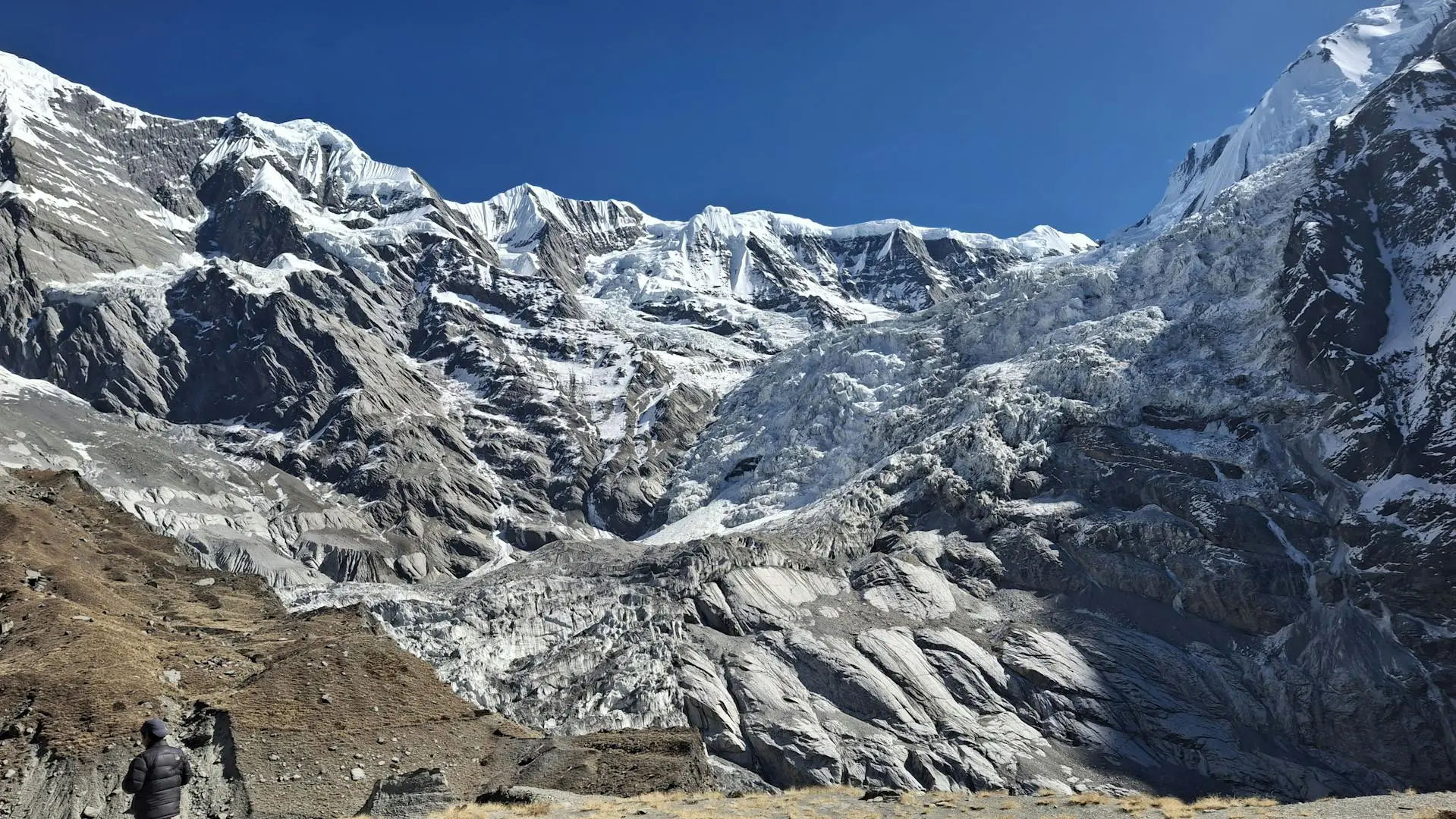
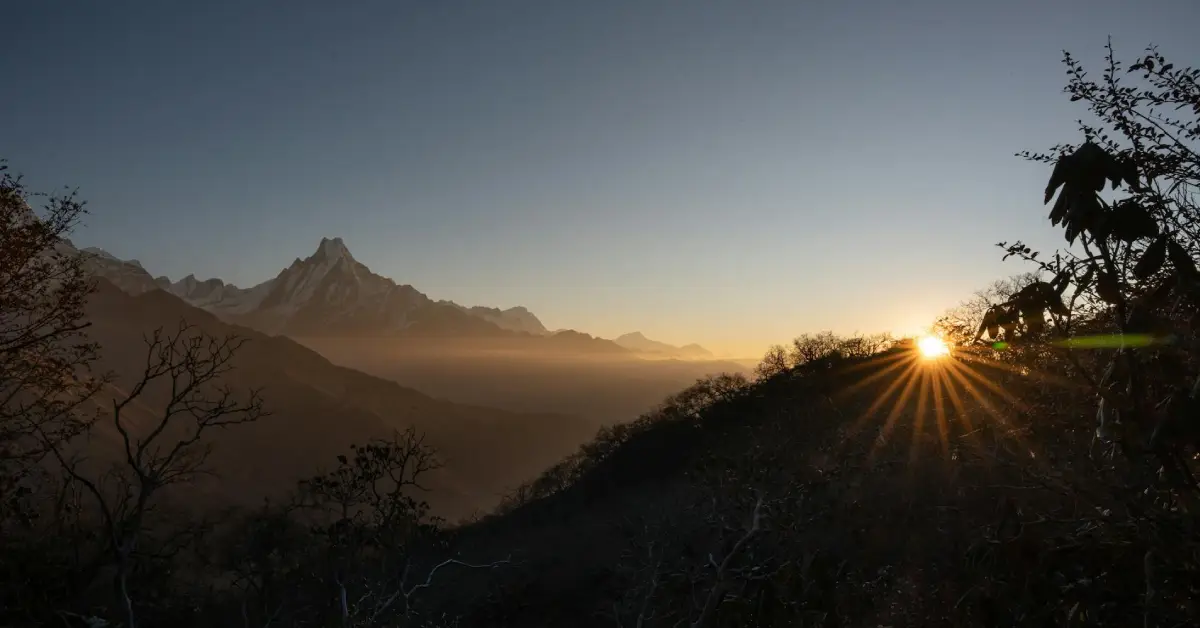
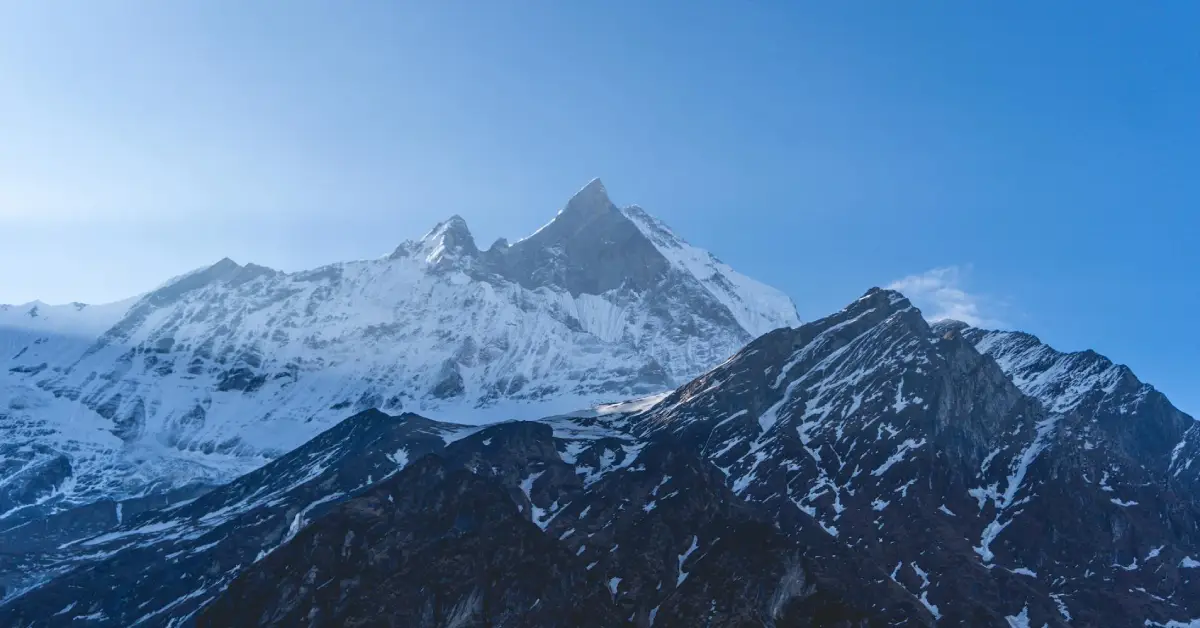
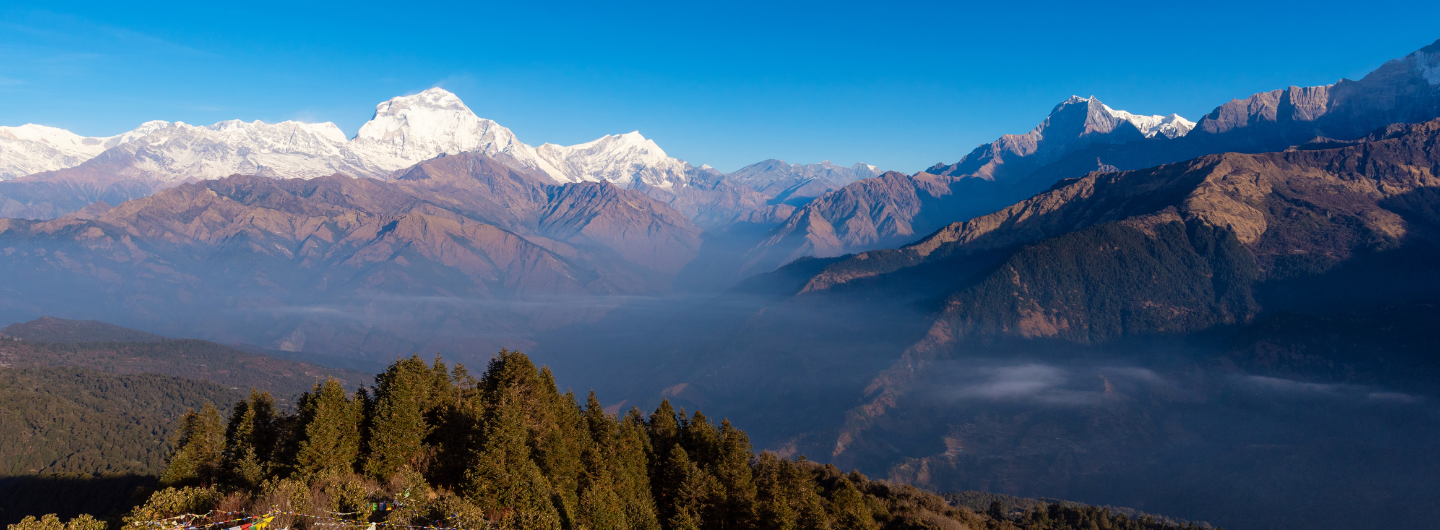
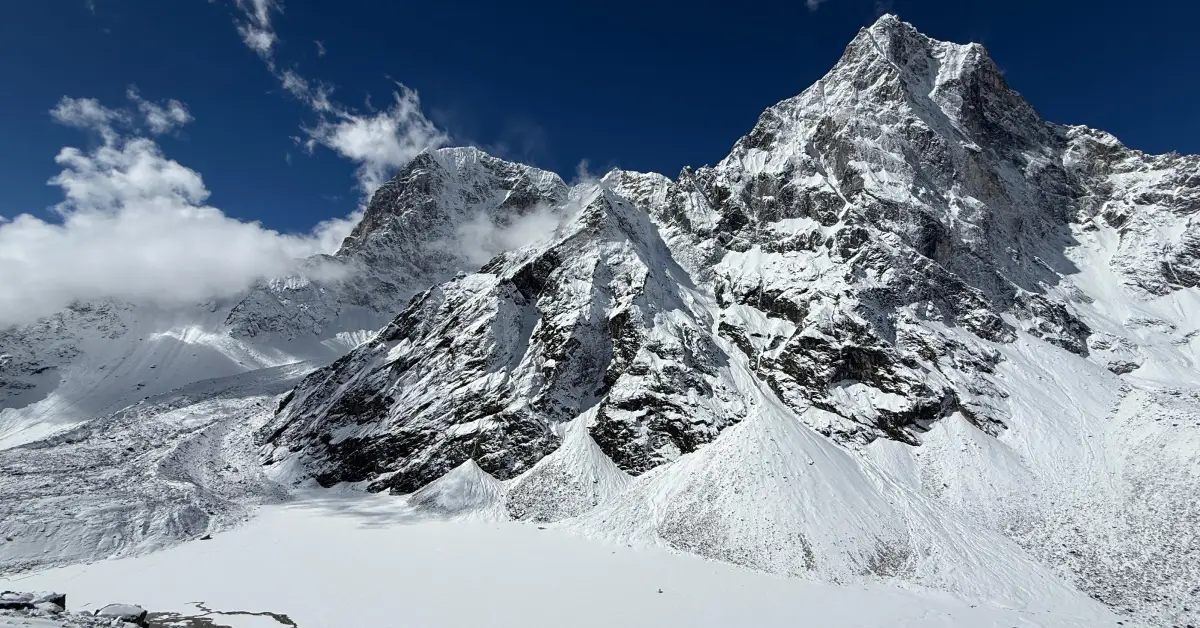
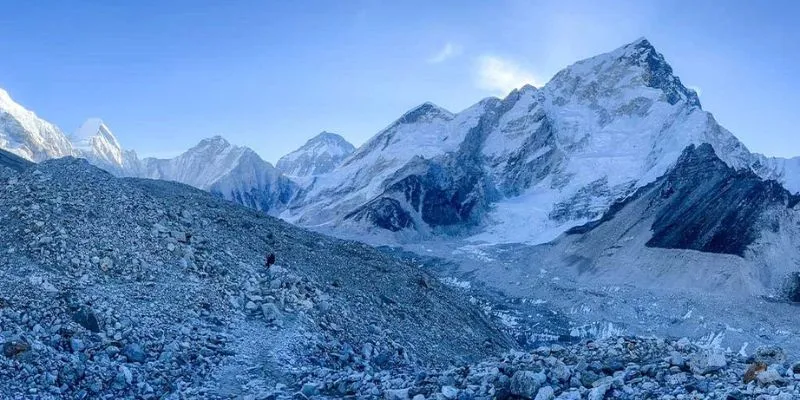
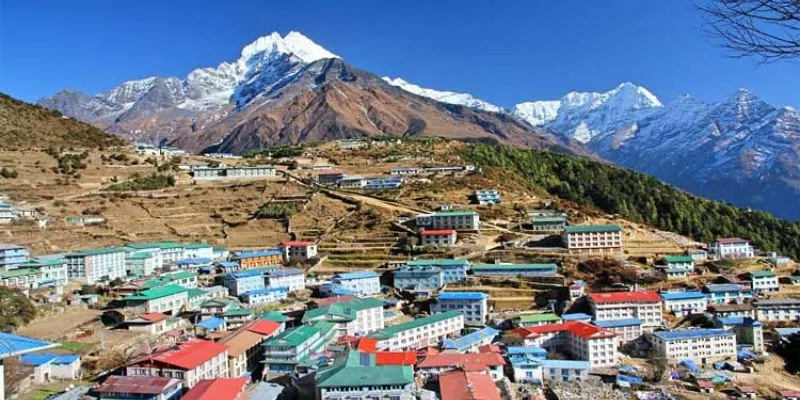
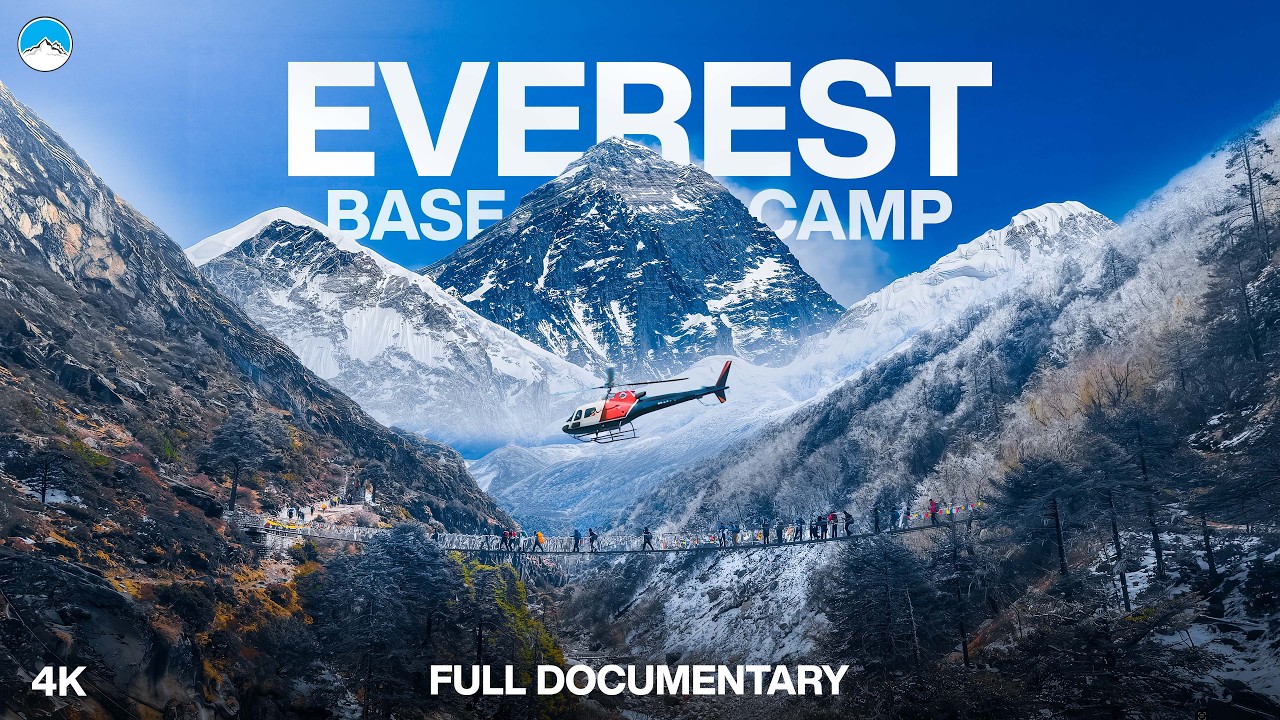
The Everest Base Camp Trek takes you deep into Nepal's legendary Khumbu region, where snow-covered peaks, Sherpa villages, ancient monasteries and dramatic mountain landscapes become part of your everyday journey. Rather than simply taking you to a famous viewpoint, this trek allows you to experience the trail, culture and communities that have made the Everest region one of the world's greatest trekking destinations.
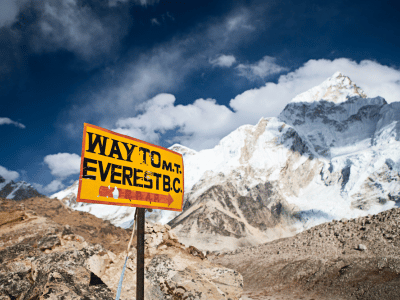
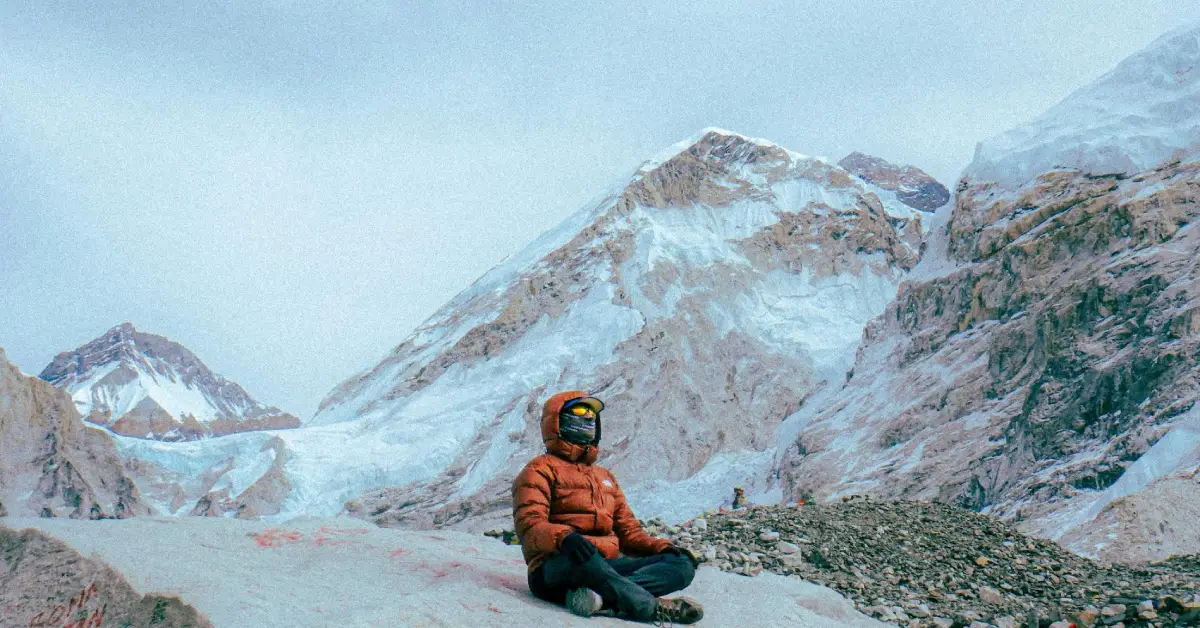
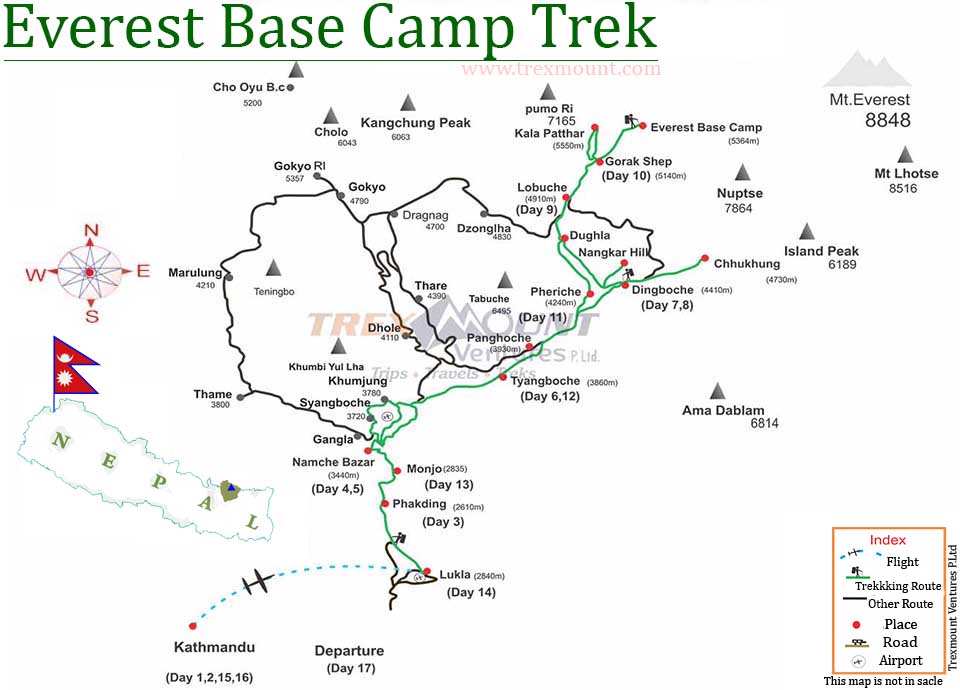
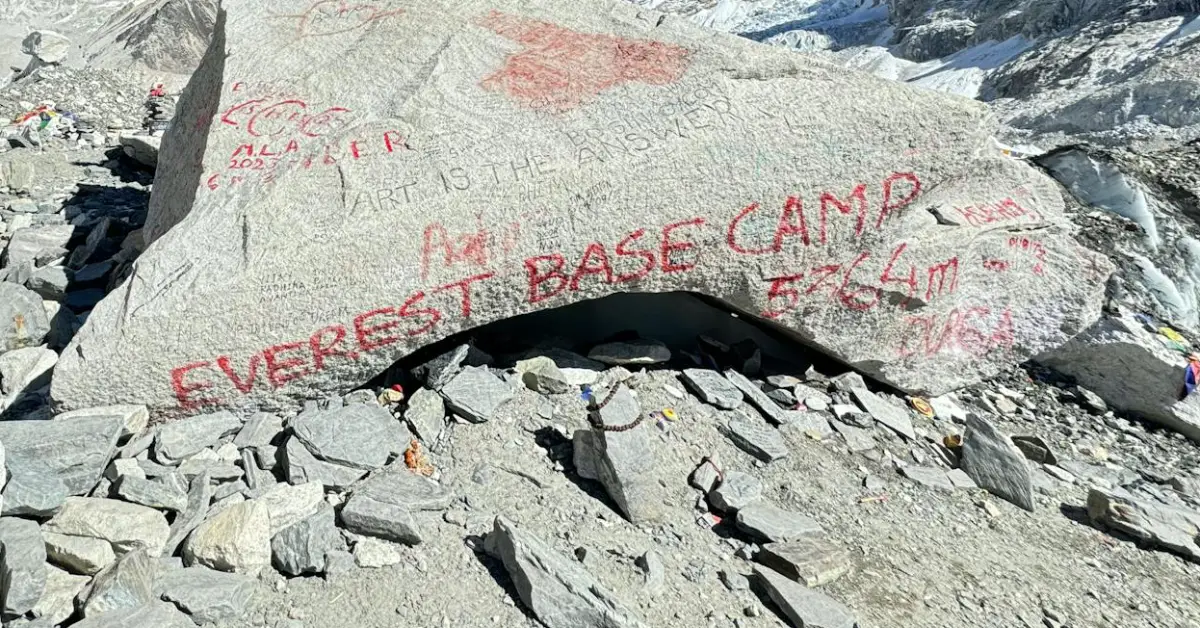
The journey begins with a scenic flight toward Lukla before following the Dudh Koshi Valley toward Namche Bazaar. From there, the trail gradually climbs through Tengboche, Dingboche, Lobuche and Gorak Shep before reaching Everest Base Camp at 5,364 m.
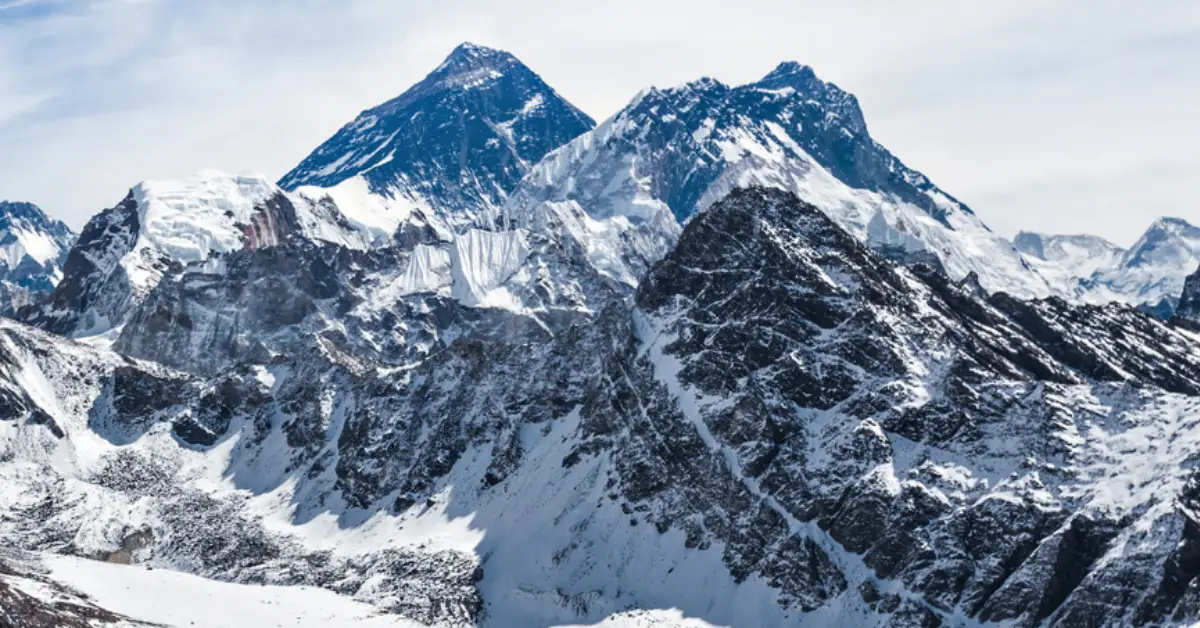
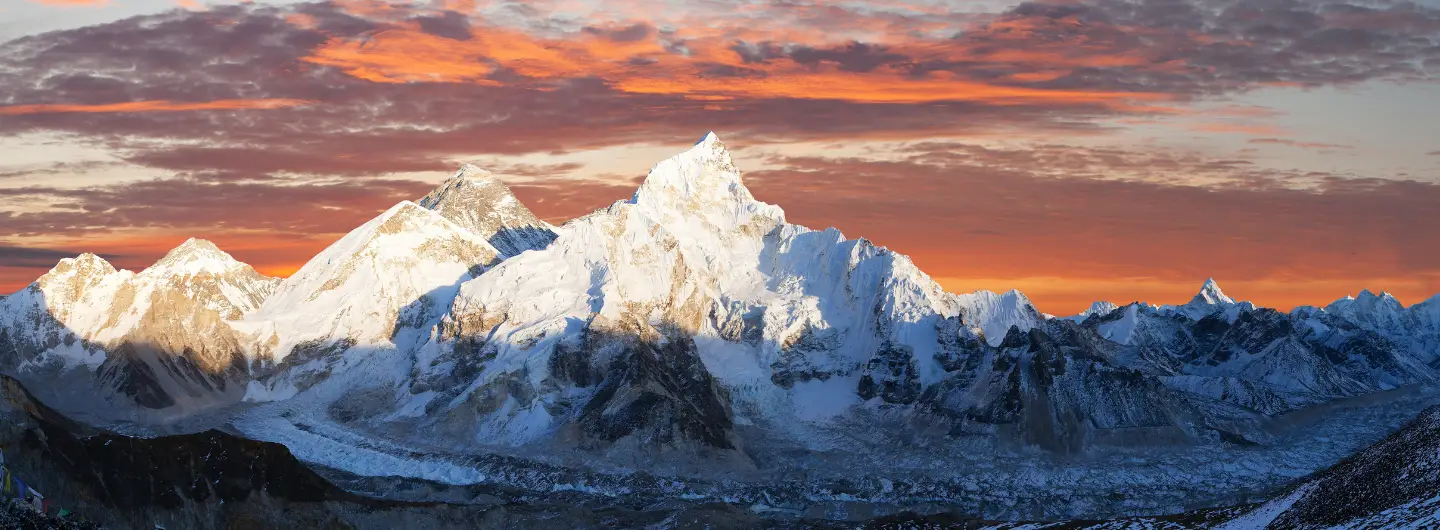
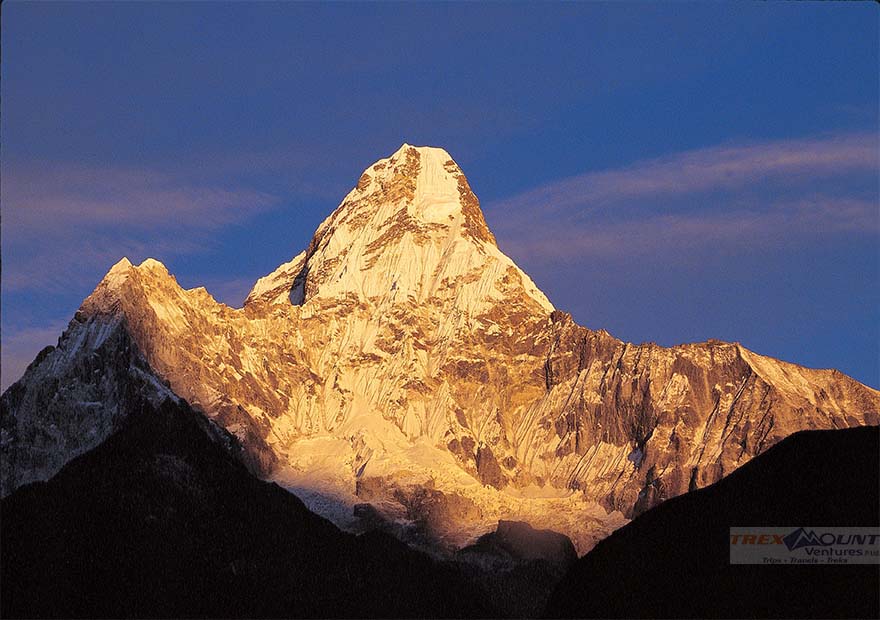
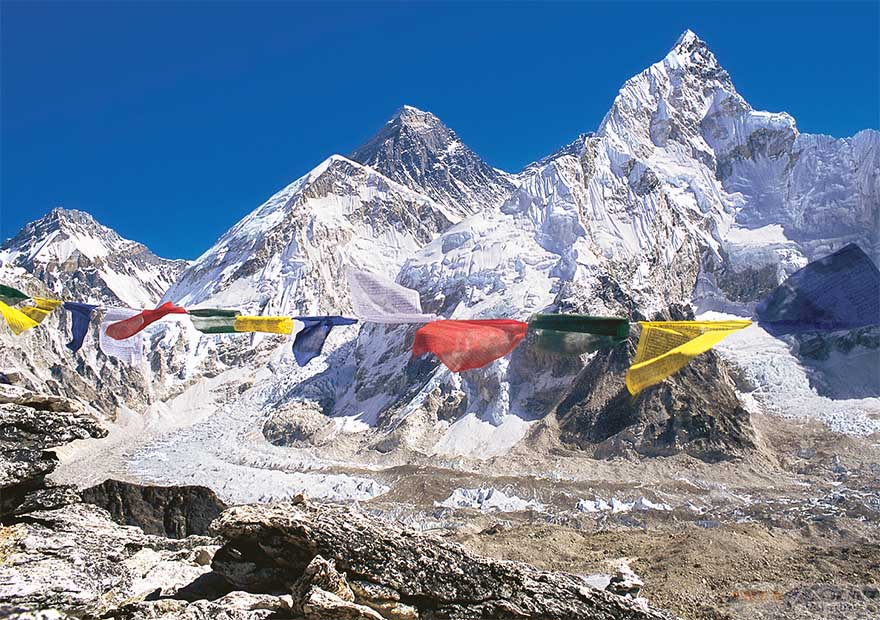
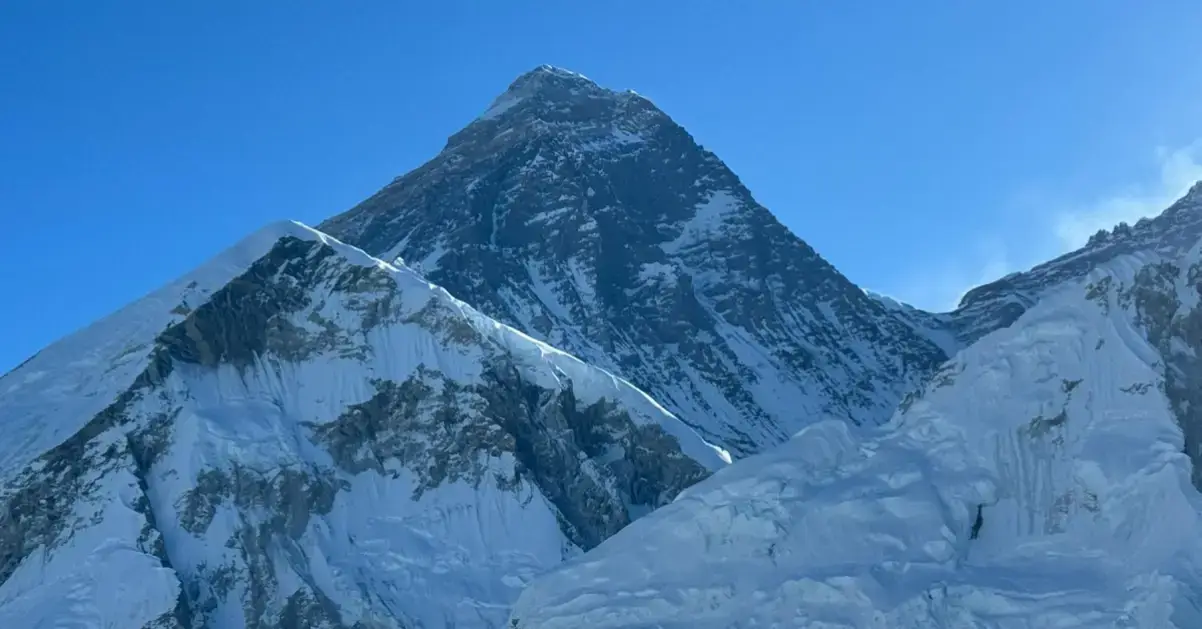
The adventure doesn't end at Base Camp. An early-morning climb to Kala Patthar at 5,545 m provides one of the finest panoramic views of Mount Everest, Nuptse, Pumori, Ama Dablam and the surrounding Himalayan giants.
Our carefully designed itinerary allows sufficient time for acclimatization while keeping the trek comfortable and enjoyable. With experienced local guides, carefully selected teahouses and logistical support throughout the journey, you can focus on what matters most: experiencing the Himalayas.
Everest Base Camp Trek Highlights
- Reach the legendary Everest Base Camp at 5,364 m
- Sunrise views of Mount Everest from Kala Patthar
- Scenic flight between Kathmandu and Lukla
- Explore the vibrant Sherpa town of Namche Bazaar
- Visit the historic Tengboche Monastery
- Walk through Sagarmatha National Park
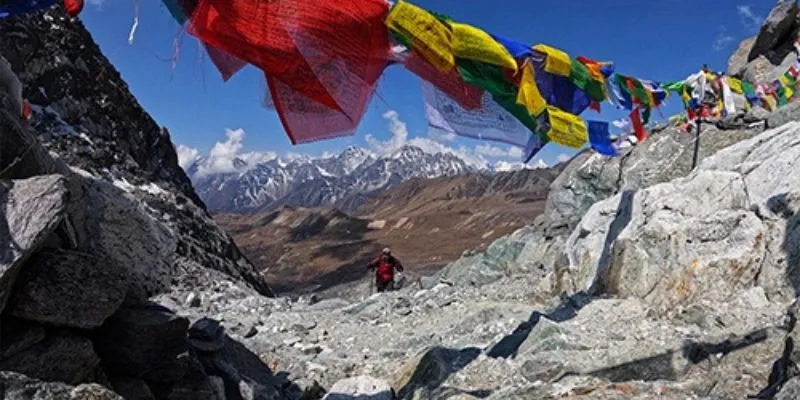
- Cross suspension bridges decorated with prayer flags
- Experience authentic Sherpa culture and Himalayan hospitality
- Enjoy spectacular views of Everest, Lhotse, Nuptse, Ama Dablam and Pumori
- Two acclimatization days for a safer and more comfortable ascent
Everest Base Camp Trek Cost and Price
The Everest Base Camp Trek price depends on several factors, including the duration of the trek, accommodation standard, group size, guide and porter services, flights, permits and additional services.
Our standard Everest Base Camp Trek price: $1670 per person.
Our package is designed to provide a convenient trekking experience without requiring you to arrange every component separately.
What affects the Everest Base Camp Trek price?
- Trek duration and itinerary
- Domestic flight arrangements
- Type of accommodation
- Private or group trekking
- Guide and porter services
- Trekking permits
- Meals included in the package
- Additional transportation
- Seasonal demand
We recommend comparing what is included in each package rather than choosing a trek based only on the advertised price. A cheaper package may exclude important services that you'll need to pay for separately.
Everest Base Camp Trek Packages
We offer flexible Everest Base Camp Trek packages designed for different travel schedules and preferences.
Classic Everest Base Camp Trek
Our standard 16-day itinerary is ideal for trekkers who want a balanced combination of acclimatization, adventure, and exploration.
Private Everest Base Camp Trek
Travel with your own guide and trekking team on a private itinerary. This option provides greater flexibility with walking pace, rest stops, and daily schedules.
Everest Base Camp Trek with Helicopter Return
For travelers with limited time, a helicopter return can significantly shorten the journey. You can trek to Everest Base Camp and return by helicopter instead of walking the entire route back.
Customized Everest Base Camp Packages
Have more or less time available? We can customize your itinerary around your preferred travel dates, trekking pace, and additional destinations.
Best Time for Everest Base Camp Trek
The best seasons for the Everest Base Camp Trek are generally spring and autumn.
March to May offers stable weather, clear mountain views, and pleasant trekking conditions. Autumn, particularly September to November, is another excellent period with clear skies and excellent visibility.
Winter brings colder temperatures and snowfall, while the monsoon season can result in clouds, rain, and flight disruptions.
However, each season offers a different experience, and experienced, well-prepared trekkers can arrange the trek outside the traditional peak seasons.
Is Everest Base Camp Trek Difficult?
The Everest Base Camp Trek is considered a challenging high-altitude trek, but you do not need previous mountaineering experience.
You should be comfortable walking approximately 5–8 hours per day over uneven and mountainous terrain.
The biggest challenge is altitude rather than technical climbing. The itinerary therefore includes acclimatization days in Namche Bazaar and Dingboche.
Good preparation, gradual ascent, hydration, appropriate equipment, and listening to your guide can make a significant difference.
Why Trek to Everest Base Camp With Us?
We believe a successful trek is about more than simply reaching the destination.
Our local trekking team understands the Everest region, the trail conditions and the challenges that come with high-altitude trekking. From airport pickup to the final day of your journey, we handle the major logistics so you can concentrate on enjoying Nepal.
- Local Expertise: Experienced guides who know the Everest region and its communities.
- Safety First: A carefully planned itinerary with appropriate acclimatization.
- Transparent Packages: Clear information about what's included before you book.
- Flexible Options: Private, group, and customized Everest Base Camp Trek packages.
- Personal Support: Assistance before and throughout your journey.
Book Your Everest Base Camp Trek
The world's highest mountain is not just a destination to see from a distance. The journey to Everest Base Camp takes you through spectacular Himalayan landscapes, traditional Sherpa communities, ancient monasteries, and some of the most dramatic mountain scenery on Earth.
Whether you're planning your first Himalayan adventure, traveling with friends, or looking for a private trekking experience, we can help you choose the right itinerary.
 Review us on Google