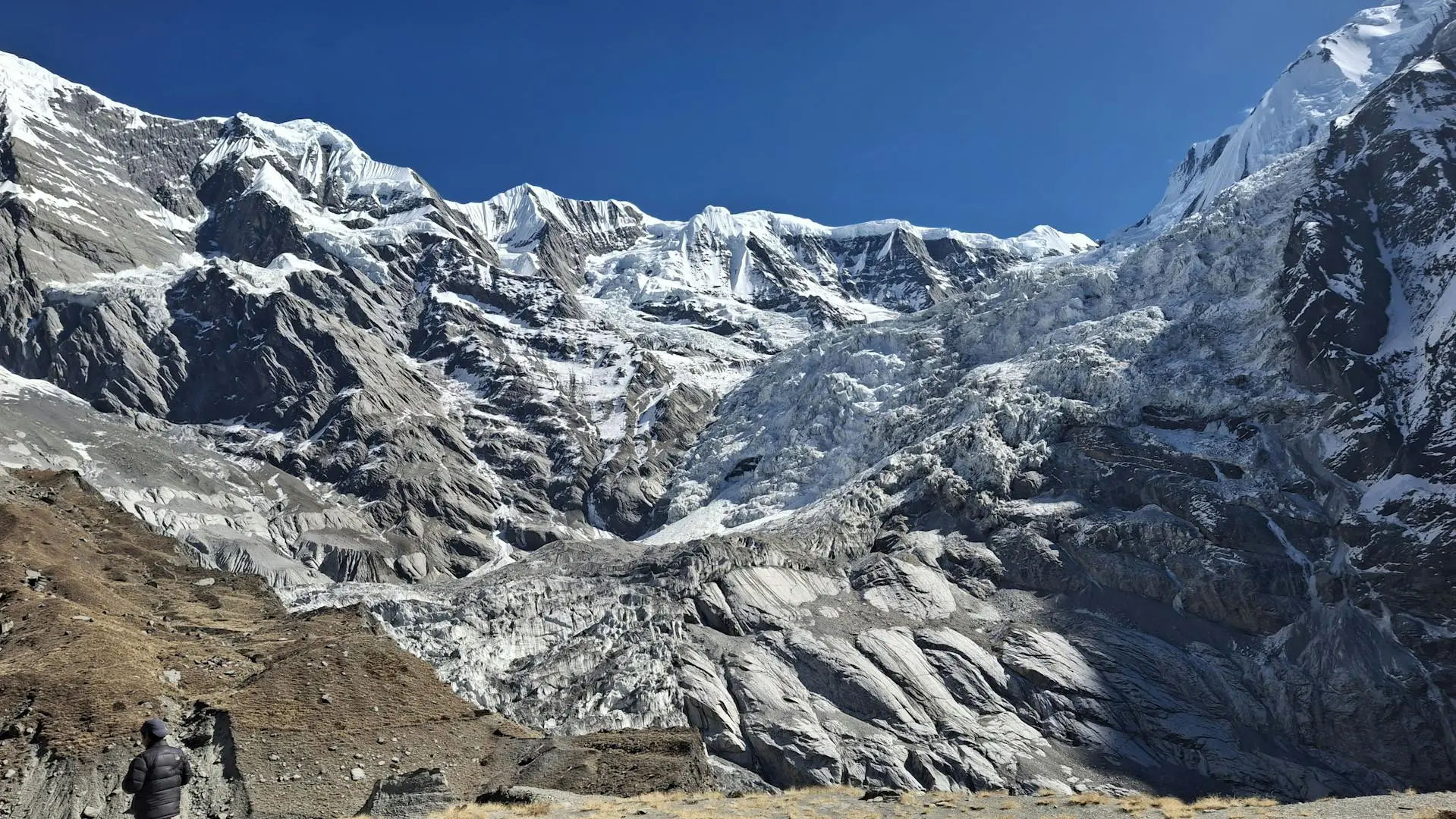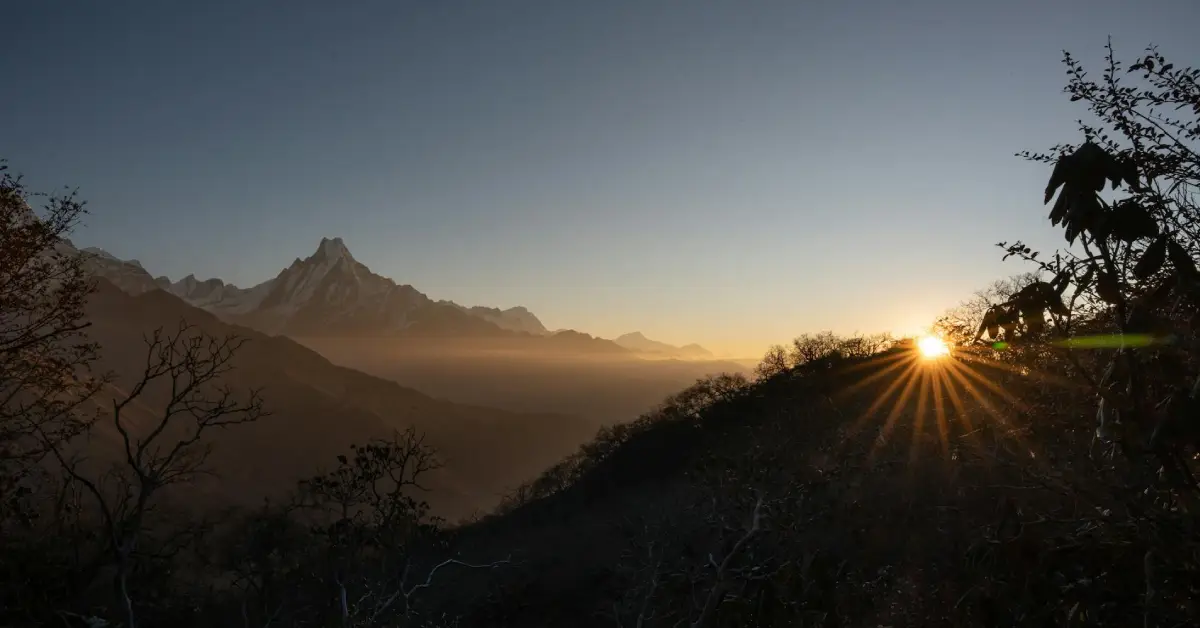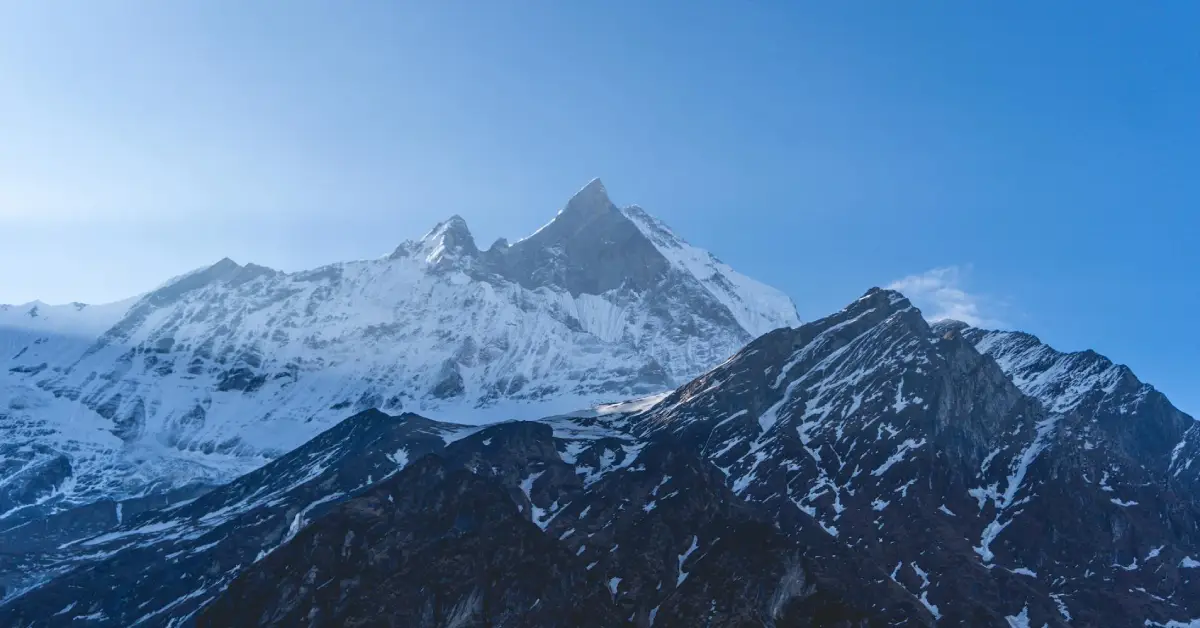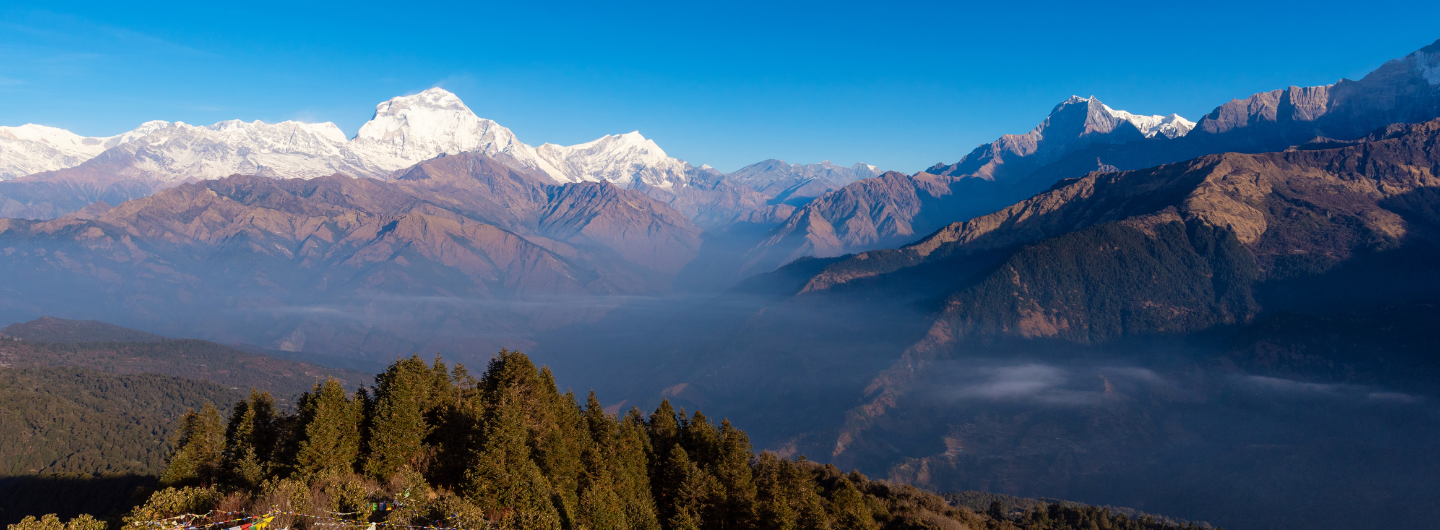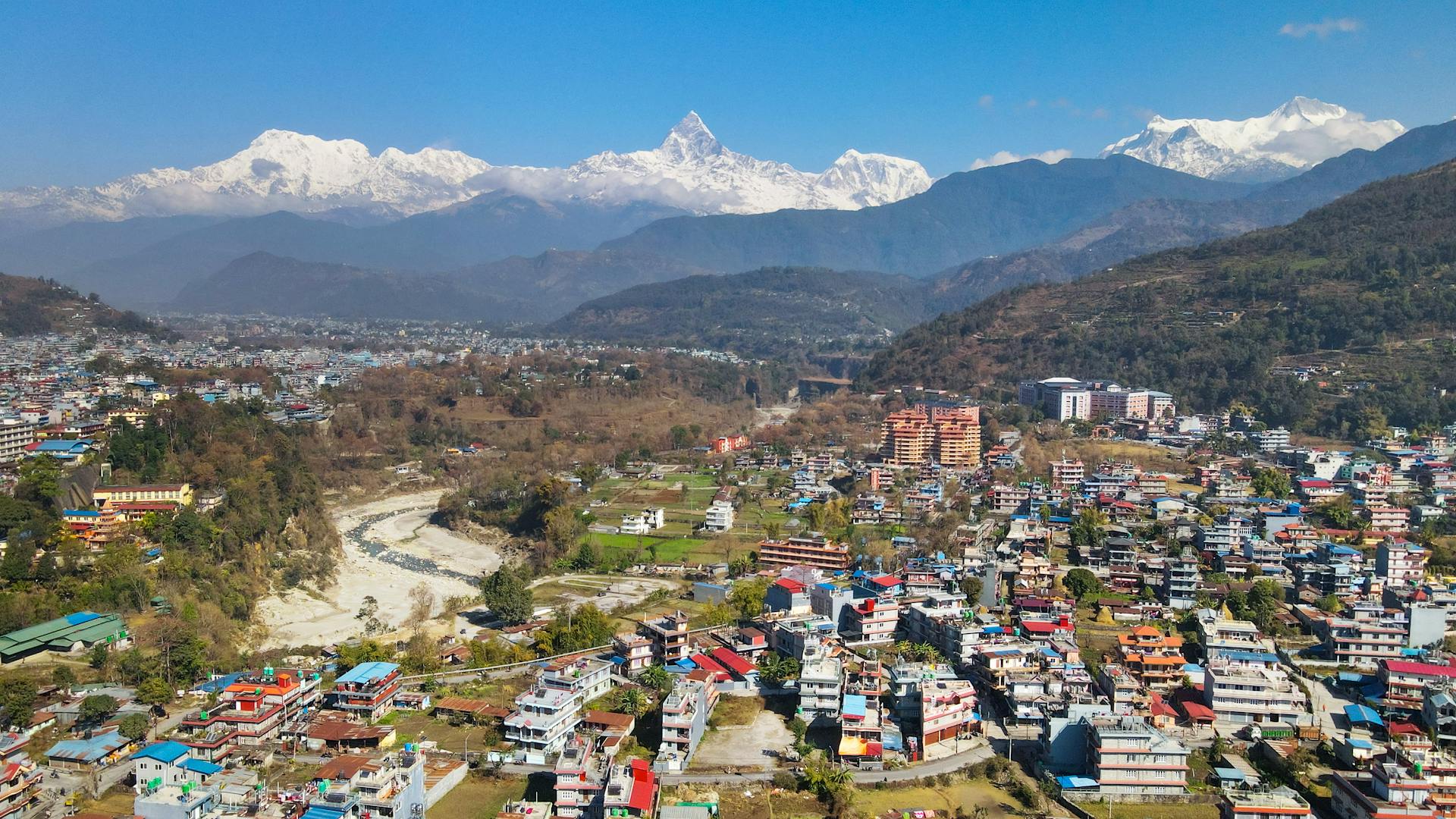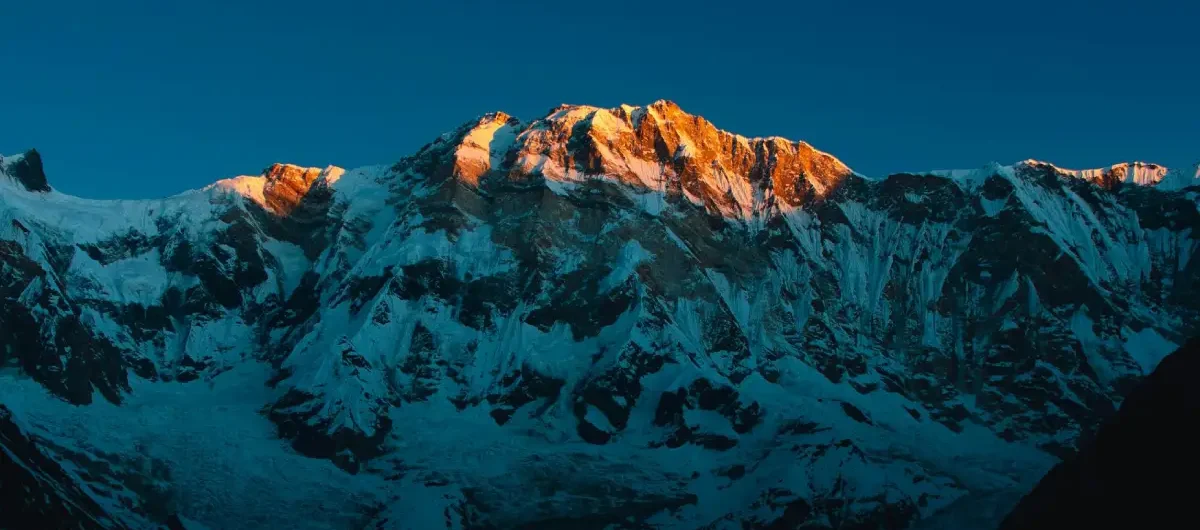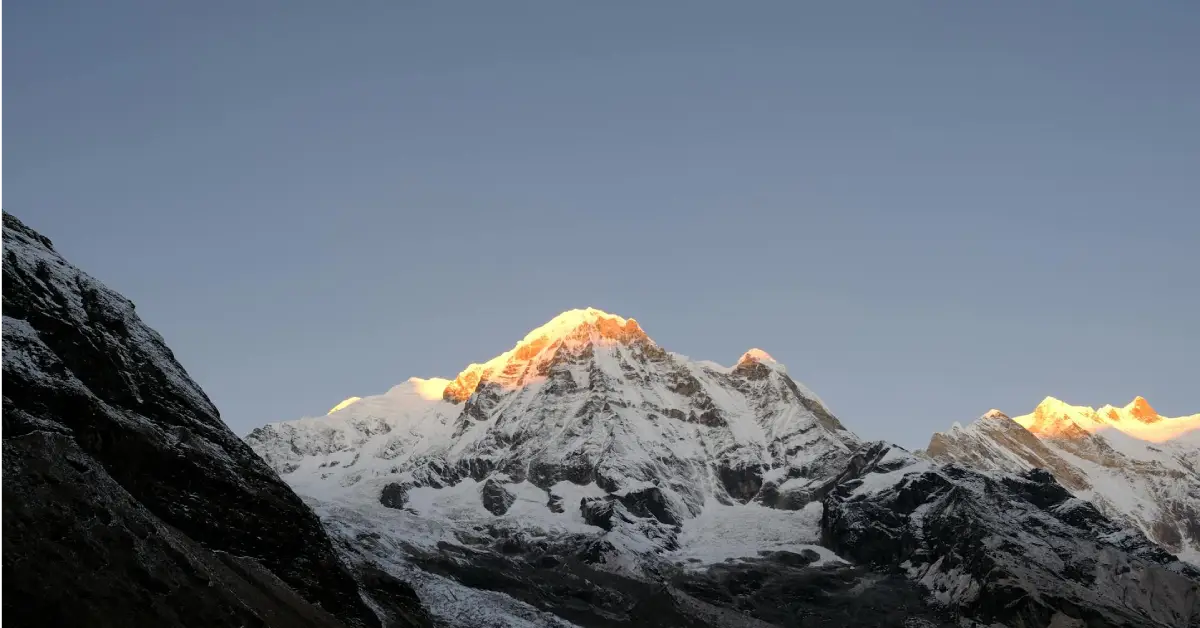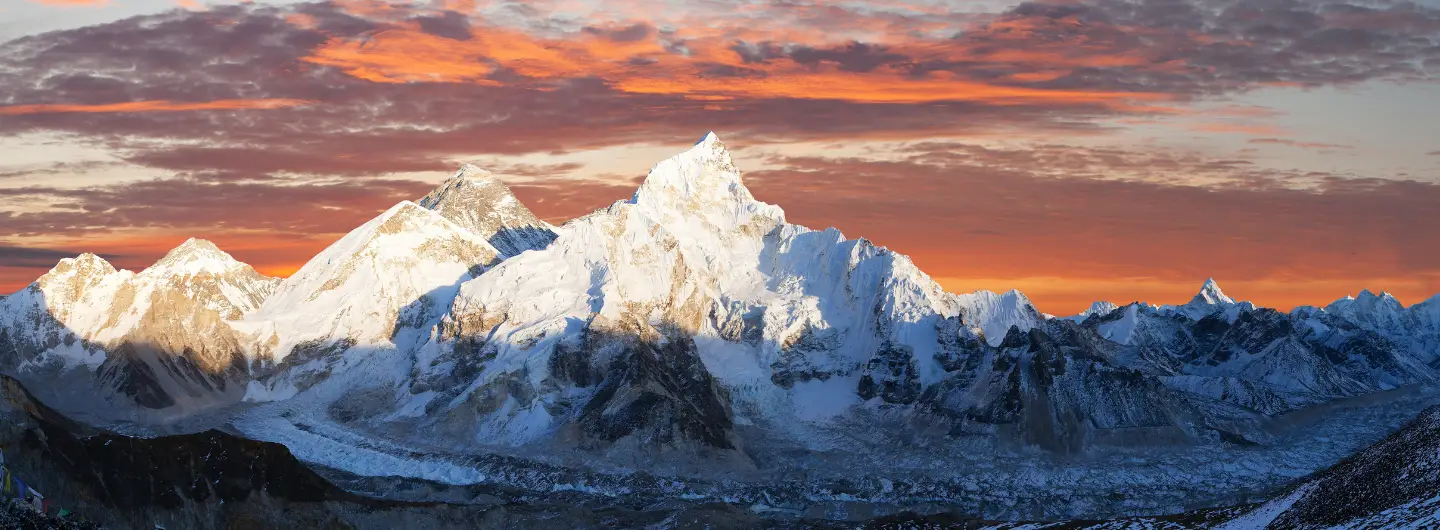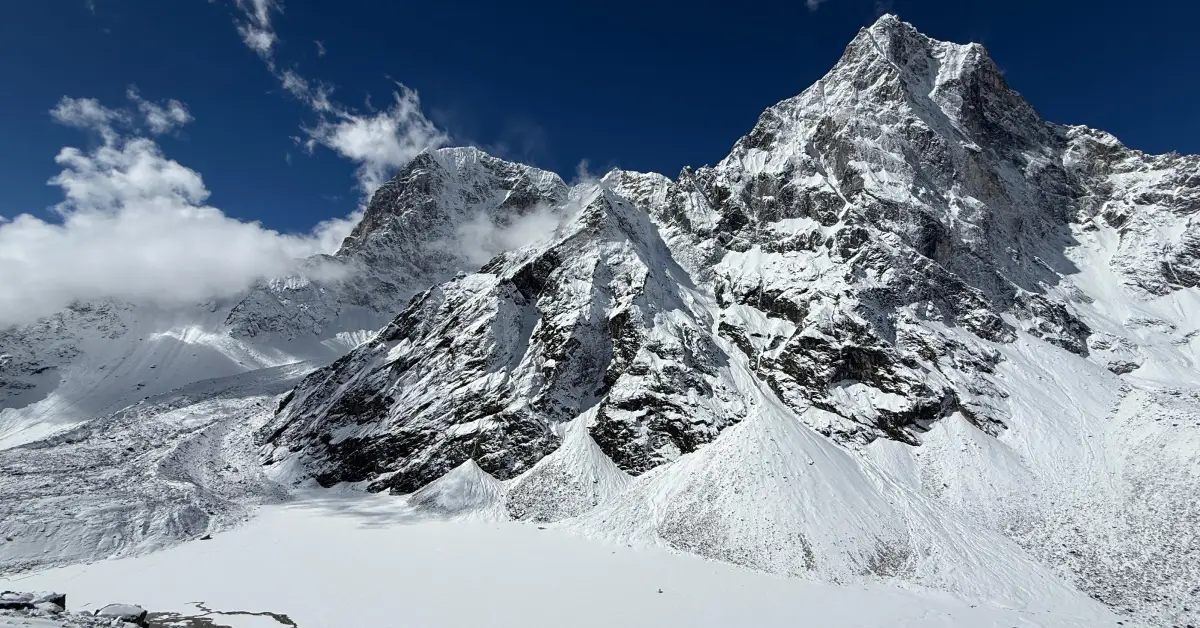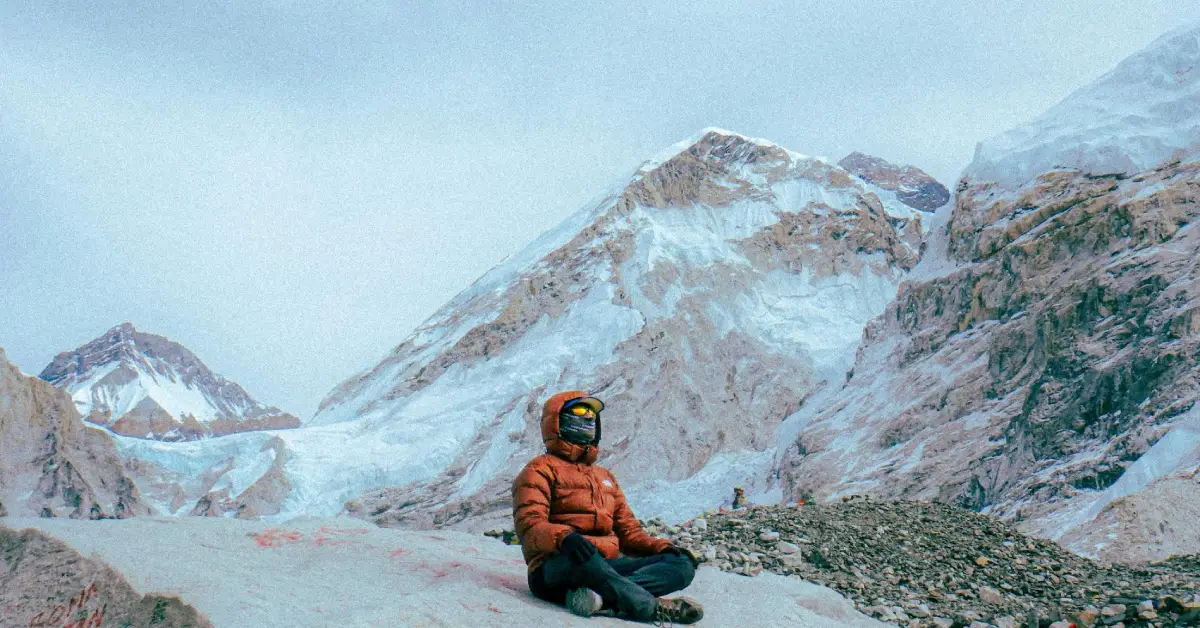

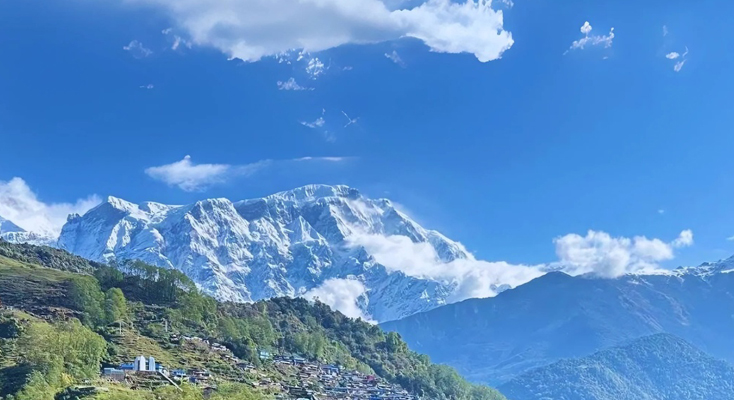
Upper Dolpo Trekking is a 26-day wilderness journey into one of the most remote and culturally distinctive regions of Nepal. Far beyond the busy trekking routes of Everest and Annapurna, Upper Dolpo opens into a rugged Himalayan landscape of barren valleys, deep gorges, high mountain passes, turquoise lakes, ancient monasteries and traditional mountain villages.
This is not simply a long-distance trek. It is an expedition-style experience where the journey itself becomes the destination.
The trail takes you from Kathmandu toward western Nepal, flying through Nepalgunj and Juphal before entering the remote Dolpo region. From Dunai, the route gradually moves deeper into the wilderness, passing through forests and river valleys before reaching the spectacular Shey Phoksundo Lake.
From Phoksundo, the landscape changes dramatically. Green forests give way to dry, high-altitude valleys influenced by the Tibetan Plateau. You cross demanding mountain passes, visit Shey Gompa and traditional settlements such as Saldang, experience the distinctive culture of the Dolpo people, and eventually descend through the Tarap Valley toward Dunai and Juphal.
The 26-day itinerary is designed to balance trekking, acclimatization, cultural exploration and necessary travel days. Because Upper Dolpo has limited infrastructure and requires special permits, careful planning and an experienced local trekking team are essential.
With Trexmount Ventures, the trek is organized around reliable logistics, experienced guides, proper acclimatization and the practical needs of trekking in a remote Himalayan environment.
Upper Dolpo Trek Highlights
- Explore one of Nepal's most remote Himalayan trekking regions.
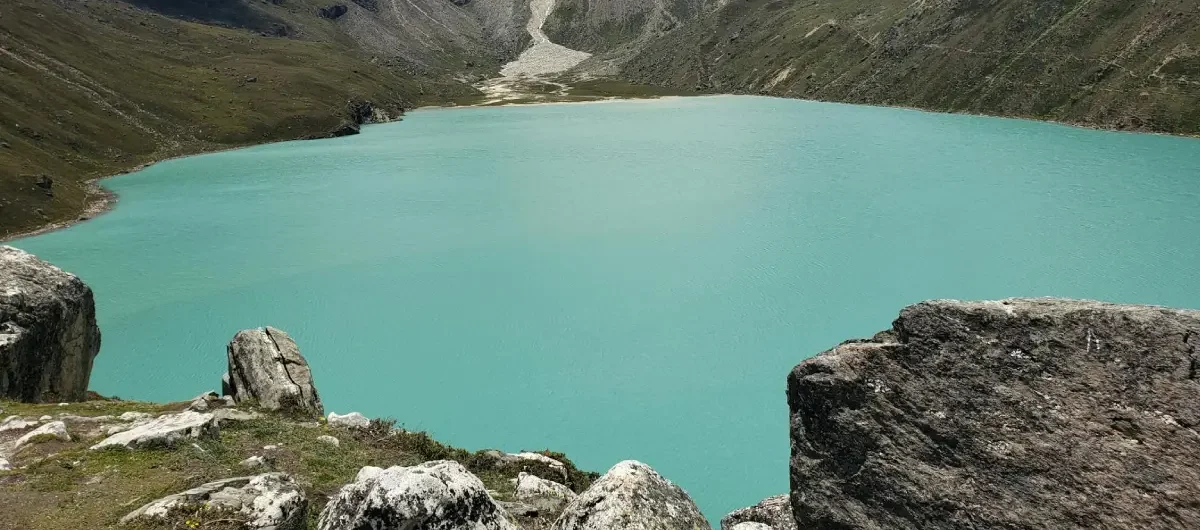
- Visit the spectacular turquoise waters of Shey Phoksundo Lake.
- Experience the ancient Tibetan-influenced culture of Dolpo.
- Visit Shey Gompa, one of the region's most important spiritual sites.
- Cross high Himalayan passes reaching above 5,000 meters.
- Walk through the dramatic landscapes surrounding Crystal Mountain.
- Discover traditional settlements such as Saldang and Dho Tarap.
- Experience remote mountain life far from Nepal's major trekking corridors.
- Walk through forests, river valleys, barren plateaus and high mountain terrain.
- Observe traditional Buddhist and Bon cultural influences.
- Spend several nights in remote camps where modern tourism infrastructure is limited.
- Enjoy exceptional mountain scenery with fewer trekkers than popular Nepal trekking routes.
- Experience a genuine wilderness trek rather than a conventional teahouse holiday.
- Travel with an experienced local trekking team familiar with remote Himalayan logistics.
Why Trek Upper Dolpo?
Upper Dolpo is ideal for trekkers looking for something beyond Nepal's famous trekking routes.
The region feels different from the moment you leave the lower valleys. The landscape gradually becomes more arid, the settlements become smaller and the trail enters a world shaped by altitude, isolation and centuries-old traditions.
Unlike more developed trekking areas, Upper Dolpo has limited road access, fewer lodges and very few modern facilities. This isolation is one of the main reasons people choose the trek.
You are not walking from one busy tourist village to another. You are crossing remote valleys, high passes and settlements where traditional ways of life remain an important part of everyday life.
The journey also offers remarkable landscape variety. Lower sections of the trek feature forests and river valleys, while higher sections reveal dry cliffs, rocky slopes, alpine meadows and wide Himalayan plateaus.
For experienced trekkers, photographers, cultural travelers and wilderness enthusiasts, Upper Dolpo provides a rare opportunity to experience a less-commercialized side of Nepal.
Shey Phoksundo Lake
One of the defining attractions of Upper Dolpo Trekking is Shey Phoksundo Lake.
Located deep inside the Dolpo region, the lake is surrounded by steep cliffs, forests and dramatic mountain terrain. Its striking blue and turquoise appearance creates a sharp contrast with the surrounding landscape.
The approach to Phoksundo is an experience in itself. The trail follows river valleys and climbs through the rugged terrain of Shey Phoksundo National Park before reaching the lake and the nearby settlement of Ringmo.
You will have time to explore the area, observe the surrounding landscape and experience the distinctive atmosphere of this remote Himalayan lake.
For many trekkers, Phoksundo becomes one of the visual highlights of the entire journey.
Shey Gompa and Crystal Mountain
After Phoksundo, the Upper Dolpo trek becomes more demanding as the route enters the high mountain wilderness.
Shey Gompa is one of the most important cultural destinations on the route. Located in a remote high-altitude valley, the monastery is closely connected with the spiritual traditions of the Dolpo region.
The surrounding area is also associated with Crystal Mountain, an important sacred landscape for local communities.
The combination of ancient monasteries, prayer flags, high mountains and isolated valleys makes this section especially memorable.
A stay around Shey also provides valuable time for acclimatization before continuing across additional high passes.
Traditional Villages of Upper Dolpo
Upper Dolpo is not only about mountains.
The people and settlements are an important part of the journey.
Villages such as Saldang and Dho Tarap provide an opportunity to observe traditional Himalayan lifestyles shaped by geography, altitude, agriculture, trade and religion.
The settlements are scattered across valleys and slopes, with traditional stone and mud-built houses contrasting with the surrounding barren landscape.
Depending on the route and local conditions, you may encounter monasteries, prayer flags, mani walls, chortens, cultivated fields and traditional homes.
For travelers interested in culture, Upper Dolpo offers an experience that goes far beyond sightseeing.
Upper Dolpo Trek Difficulty
Upper Dolpo Trek is a challenging and strenuous high-altitude trek.
You should not choose this route simply because you have completed a popular trekking route before. The combination of long duration, high passes, remote terrain, limited facilities and unpredictable mountain conditions makes preparation particularly important.
Some days involve long hours of walking, while several sections require crossing passes above 5,000 meters.
The main challenges include:
- High-altitude trekking.
- Long trekking days.
- Steep ascents and descents.
- Rocky and uneven trails.
- Crossing high mountain passes.
- Remote camping conditions.
- Limited access to medical facilities.
- Rapid changes in mountain weather.
- Several consecutive days away from modern infrastructure.
Previous high-altitude trekking experience is strongly recommended.
Trekkers should also allow sufficient time for acclimatization rather than attempting to rush through the route.
Best Time for Upper Dolpo Trekking
The best seasons for Upper Dolpo Trekking are generally spring and autumn.
Spring: March to May
Spring brings relatively favorable trekking conditions, improving visibility and gradually warming temperatures.
March can still be cold at higher elevations, while April and May generally offer better conditions for trekking through the high valleys and mountain passes.
Autumn: September to November
Autumn is another excellent season for Upper Dolpo.
After the monsoon, the atmosphere is often clearer and the mountain views can be excellent. September may still experience some effects of the monsoon, while October and November are generally preferred for stable trekking conditions.
Summer and Monsoon
Dolpo lies partly within the Himalayan rain-shadow region, which makes parts of the area considerably drier than many other regions of Nepal.
However, access flights and lower sections of the journey can still be affected by monsoon weather. Flight delays are always possible in remote mountain regions.
Winter
Winter brings very cold temperatures and difficult conditions at high elevations. Heavy snow can affect mountain passes and make sections of the route inaccessible.
For most trekkers, spring and autumn remain the practical choices.
Upper Dolpo Trek Route
The classic Upper Dolpo route combines several different landscapes and cultural areas.
A typical route follows:
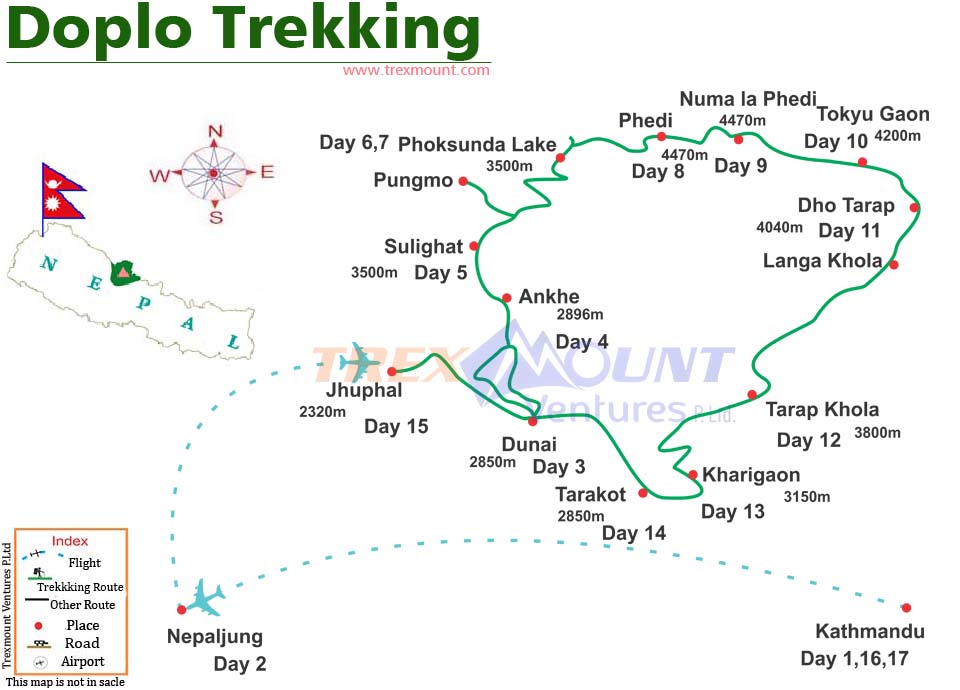
Kathmandu → Nepalgunj → Juphal → Dunai → Chhepka → Phoksundo Lake → Kang La → Shey Gompa → Saldang → Upper Dolpo valleys → Dho Tarap → Naworpani → Laisicap → Dunai → Juphal → Nepalgunj → Kathmandu
The exact trail can vary according to weather, local conditions, permits, camping sites and flight schedules.
Trexmount Ventures may also customize the route for private groups depending on available time, trekking experience and travel objectives.
Upper Dolpo Trek Cost
The Upper Dolpo Trek cost depends on several factors, including:
- Number of trekkers.
- Type of accommodation.
- Domestic flight fares.
- Restricted-area permits.
- National park fees.
- Guide and porter requirements.
- Camping equipment and staff.
- Food and logistics.
- Transportation.
- Number of trekking days.
- Additional acclimatization or contingency days.
Because Upper Dolpo requires extensive logistics and special permits, it is more expensive than many standard trekking routes in Nepal.
For an accurate quotation, contact Trexmount Ventures with your preferred travel dates and group size. We can prepare a package based on your requirements rather than applying a one-size-fits-all price.
Upper Dolpo Trek Permits
Upper Dolpo is a restricted trekking region, so travelers need special permits in addition to the applicable conservation or national park entry requirements.
Trekkers should not attempt to organize the trek as an independent unrestricted route.
Trexmount Ventures handles the necessary trekking documentation and coordinates the required permits as part of the organized trek.
Permit requirements and fees can change, so the final cost and documentation should always be confirmed before departure.
Food and Accommodation
Upper Dolpo is a remote trekking region, so accommodation and meals are very different from the developed teahouse routes of Everest or Annapurna.
During the trek, you can expect a combination of camping and limited lodge/guesthouse accommodation, depending on the section of the route.
Camping is an essential part of the Upper Dolpo experience.
Our trekking crew manages the camp setup, meals and basic logistics throughout the remote sections.
Typical trekking meals may include:
- Dal bhat
- Rice and vegetables
- Pasta
- Noodles
- Soups
- Potatoes
- Tibetan-style meals
- Eggs
- Bread
- Tea and hot drinks
- Seasonal vegetables
Meals are planned to provide sufficient energy for long days at altitude.
Because food supplies must be transported into remote areas, meal options can be more limited than in Kathmandu or major trekking destinations.
What Makes Upper Dolpo Different?
Upper Dolpo stands apart from Nepal's mainstream trekking destinations because of its combination of remoteness, culture and wilderness.
There are fewer trekkers, fewer roads and significantly less tourism infrastructure.
The region also has a distinctive cultural identity influenced by Tibetan Buddhism and older Bon traditions.
The journey is therefore not simply about reaching a particular viewpoint or destination. It is about spending several weeks moving through an environment where geography has shaped communities and lifestyles for generations.
If your ideal trek involves comfortable lodges, busy trails and easy access to facilities, Upper Dolpo may not be the right choice.
If you want remote trails, high passes, traditional villages, camping and genuine Himalayan wilderness, it can be an extraordinary experience.
What to Pack for Upper Dolpo Trek
Because of the remote conditions, packing correctly is particularly important.
Essential trekking gear
- Quality trekking boots
- Warm sleeping bag
- Down jacket
- Waterproof jacket
- Thermal base layers
- Fleece jacket
- Trekking trousers
- Warm gloves
- Woolen hat
- Sun hat
- Sunglasses
- Trekking poles
- Headlamp
- Water bottles
- Water purification tablets or filter
- Sunscreen
- Personal first-aid supplies
- Personal medications
- Backpack and daypack
- Duffel bag
- Quick-drying clothing
High-altitude essentials
You should also carry appropriate protection against cold, strong sunlight and changing weather.
Your guide can provide a detailed packing list during the pre-trek briefing.
Who Is Upper Dolpo Trek For?
Upper Dolpo Trekking is best suited for travelers who:
- Have good physical fitness.
- Have previous trekking experience.
- Are comfortable with camping.
- Enjoy remote destinations.
- Want to experience traditional Himalayan culture.
- Can manage long trekking days.
- Are prepared for high-altitude conditions.
- Prefer wilderness over developed trekking infrastructure.
- Have sufficient time for a long Himalayan journey.
It is not recommended as a first-ever trek for travelers without preparation or experience at altitude.
Why Trek Upper Dolpo with Trexmount Ventures?
At Trexmount Ventures, we understand that remote trekking requires more than simply following a route.
The success of an Upper Dolpo expedition depends on careful planning, experienced staff, permits, transportation, food, camping logistics and the ability to respond to changing mountain conditions.
We focus on providing:
- Experienced local trekking guides.
- Proper trekking and camping logistics.
- Permit and documentation assistance.
- Domestic flight coordination.
- Carefully planned acclimatization.
- Quality food during the trek.
- Support staff for remote camping sections.
- Flexible private trekking arrangements.
- Clear communication before and during the trek.
- Practical advice on equipment and preparation.
Our goal is to make your journey into Upper Dolpo safe, organized and memorable while allowing you to experience the region as naturally as possible.
Book Your Upper Dolpo Trek with Trexmount Ventures
Upper Dolpo is not a trek you simply book and start.
It requires preparation, permits, experienced staff, domestic flights, camping logistics and careful planning from the first day in Kathmandu until you return from the mountains.
With 26 days of remote Himalayan travel, the journey takes you from Kathmandu to the isolated valleys of Dolpo, across high mountain passes, beside the spectacular Shey Phoksundo Lake and into traditional settlements shaped by centuries of Himalayan culture.
If you are ready to explore one of Nepal's most remote trekking regions, Trexmount Ventures can organize your Upper Dolpo Trek with experienced local guides, reliable logistics and a carefully planned itinerary.
 Review us on Google