
Overview
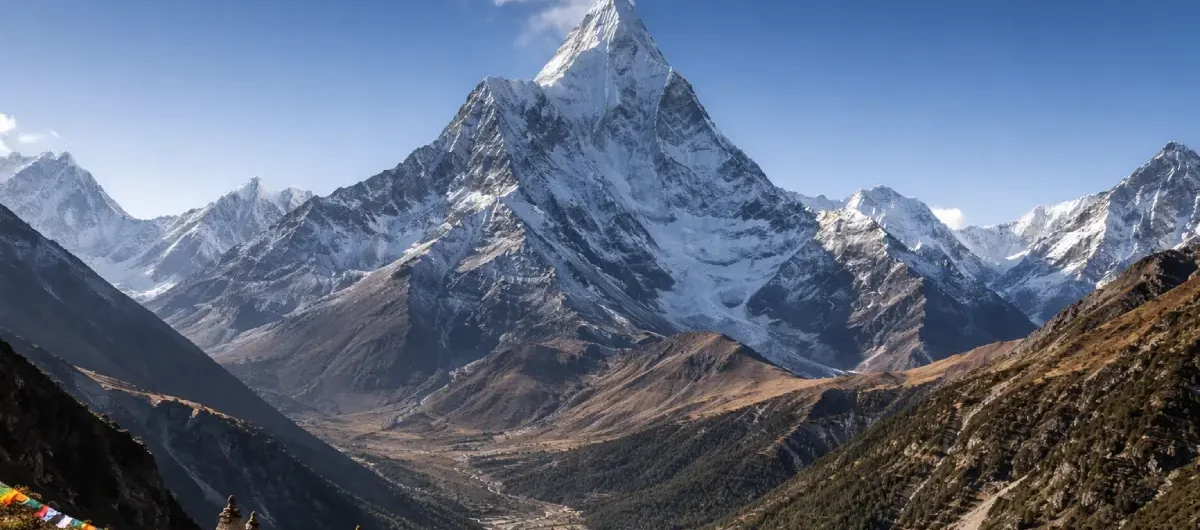
The Ama Dablam Himalaya expedition is one of the most iconic mountaineering experiences in the world. Rising 6,812 meters above sea level, Ama Dablam Nepal stands proud in the Khumbu region, drawing climbers from every corner of the globe.
This information by Trexmount Ventures (Best Trekking Company in Nepal), walks you through everything you need to know about the Ama Dablam Mountain, from the climbing itinerary to costs, difficulty, and the best time to go.
Where is Ama Dablam Located?
The Geographic Position of Ama Dablam Nepal
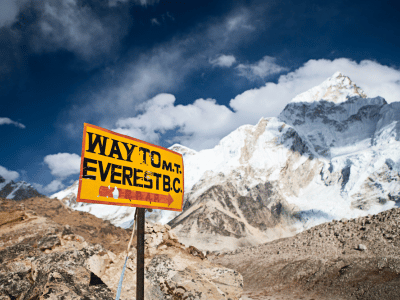
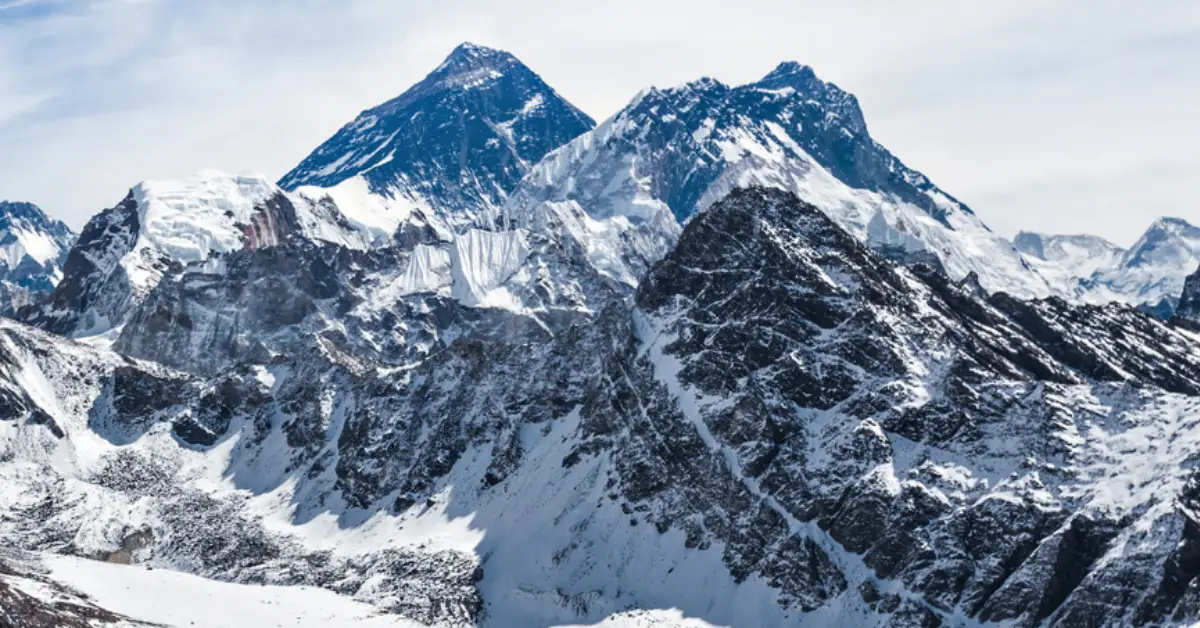
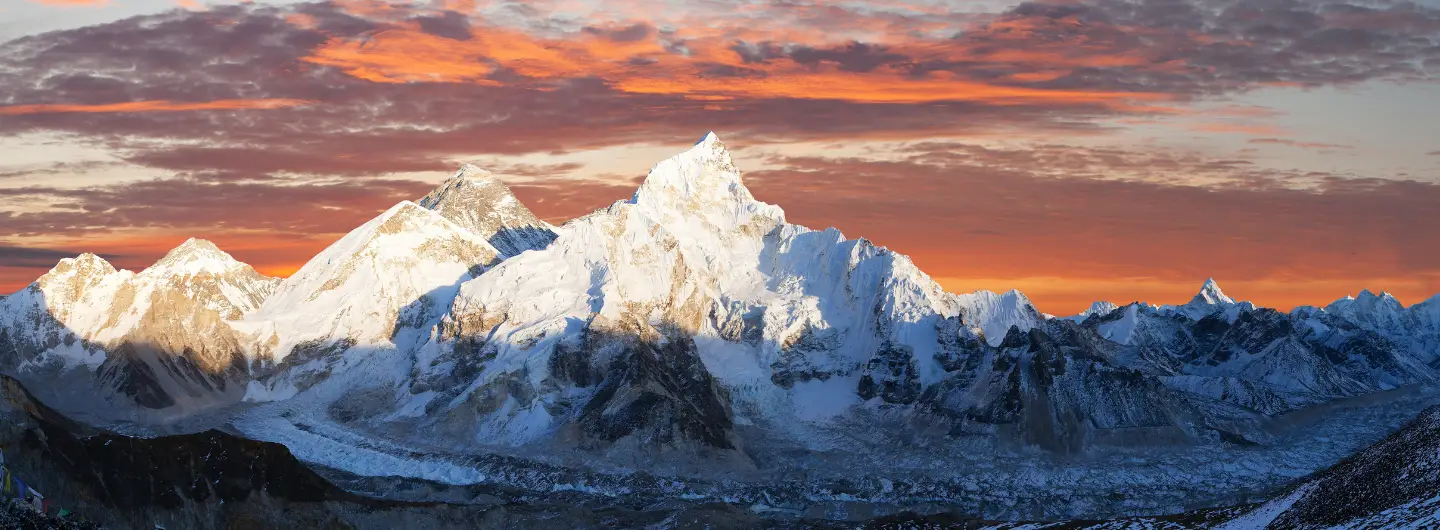
Ama Dablam Nepal sits in the Solukhumbu District of northeastern Nepal, inside the Sagarmatha National Park. It is roughly 7 kilometers southwest of Mount Everest and is visible from the popular Everest Base Camp trail.
| Detail | Information |
|---|---|
| Country | Nepal |
| Region | Khumbu, Solukhumbu District |
| Height | 6,812 m (22,349 ft) |
| Nearest Town | Namche Bazaar |
| Park | Sagarmatha National Park |
Furthermore, the Ama Dablam Mountain towers over the Sherpa village of Pangboche and can be clearly spotted from Tengboche Monastery. Because of this highly visible position along the Everest trekking route, millions of trekkers see it every year, even those who never plan to climb it.
How to Reach the Base of Ama Dablam
- Fly from Kathmandu to Lukla (35-minute flight)
- Trek from Lukla to Namche Bazaar (2 days)
- Continue to Pangboche and then to Ama Dablam Base Camp (2 more days)
The approach itself is a spectacular journey through Sherpa villages, rhododendron forests, and high-altitude terrain. In short, reaching the Himalaya Ama Dablam is an adventure before the real climb even begins.
Why is Ama Dablam So Famous?
The Beauty and Symbolism of the Ama Dablam Himalaya
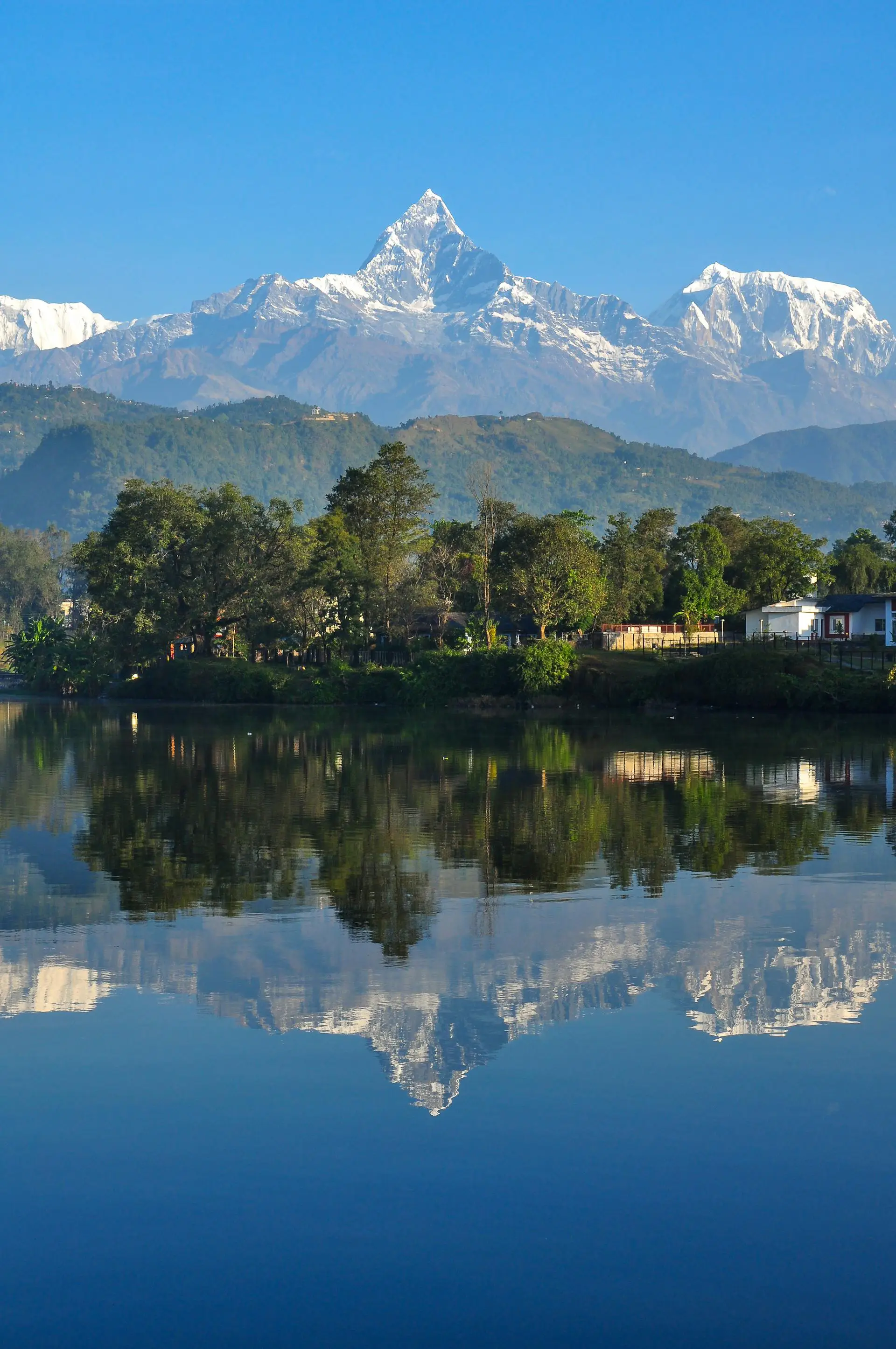
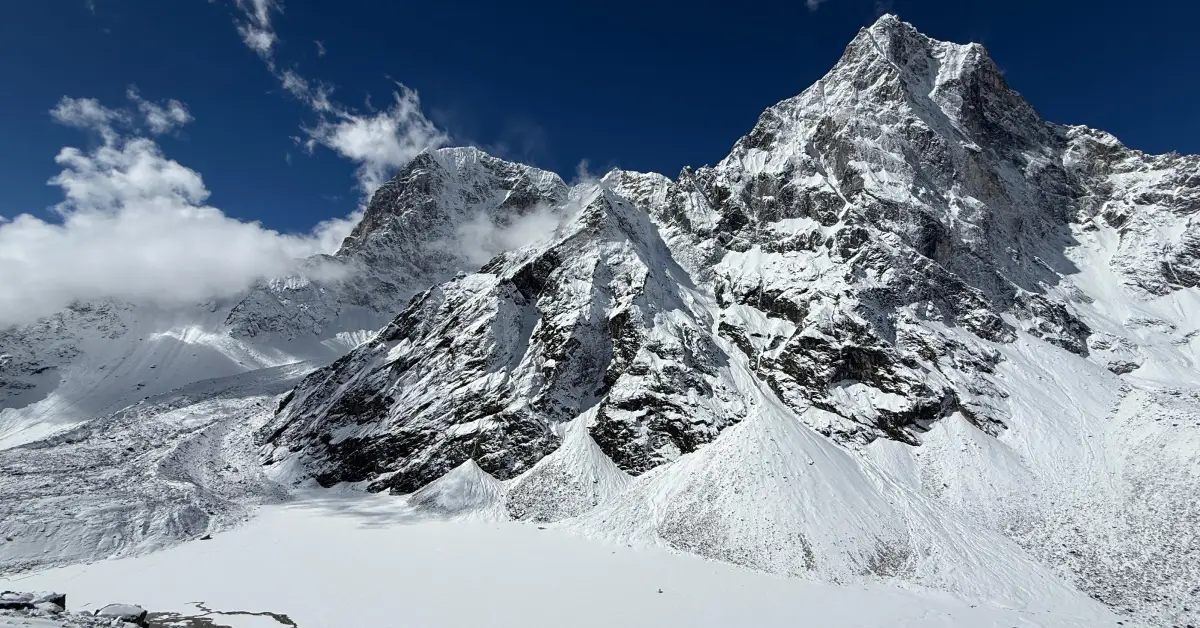
The name “Ama Dablam” comes from the Sherpa language. “Ama” means mother, and “Dablam” refers to a traditional pendant box worn by Sherpa women. The two side ridges of the mountain look like the arms of a mother, and the hanging glacier in the middle resembles that pendant. This deeply human symbolism, combined with its sharp, cathedral-like shape, makes the Ama Dablam Himalaya one of the most photographed peaks in the world.
| Reason for Fame | Details |
|---|---|
| Unique Shape | Dramatic pyramid peak visible from afar |
| Cultural Meaning | “Mother’s Necklace” in Sherpa tradition |
| Technical Prestige | One of the finest technical climbs in the Himalayas |
| Global Visibility | Seen by thousands on the EBC trek each year |
| Photography Icon | Appears in countless Himalayan images |
Additionally, Ama Dablam Nepal first came to international attention in 1961, when a New Zealand-American expedition made its first ascent. Since then, it has earned a reputation as one of the most beautiful and technically rewarding mountains in the entire Himalayan range.
Ama Dablam and the Mountaineering Community
- Rated among the top 10 most desirable climbs globally
- Attracts both seasoned alpinists and ambitious intermediate climbers
- Serves as a training peak for those preparing for 8,000-meter expeditions
Moreover, the Ama Dablam expedition culture is strong, climbers often describe the mountain as a life-changing experience. Unlike purely brutal high-altitude peaks, Ama Dablam Mountain rewards those with technical skill, patience, and a love for bold, beautiful terrain.
Is Ama Dablam an Easy Climb?
Honest Assessment of Ama Dablam Expedition Difficulty
No, the Ama Dablam expedition difficulty is considered high. This is not a beginner’s mountain. However, it is also not out of reach for well-prepared intermediate climbers with prior high-altitude and technical experience.
| Skill Requirement | Level Needed |
|---|---|
| Prior Altitude Experience | Peaks above 5,500 m recommended |
| Rock Climbing Grade | Minimum 5.8 (UIAA III-IV) |
| Ice and Mixed Climbing | Essential |
| Physical Fitness | Excellent conditioning required |
| Rope and Anchor Skills | Mandatory |
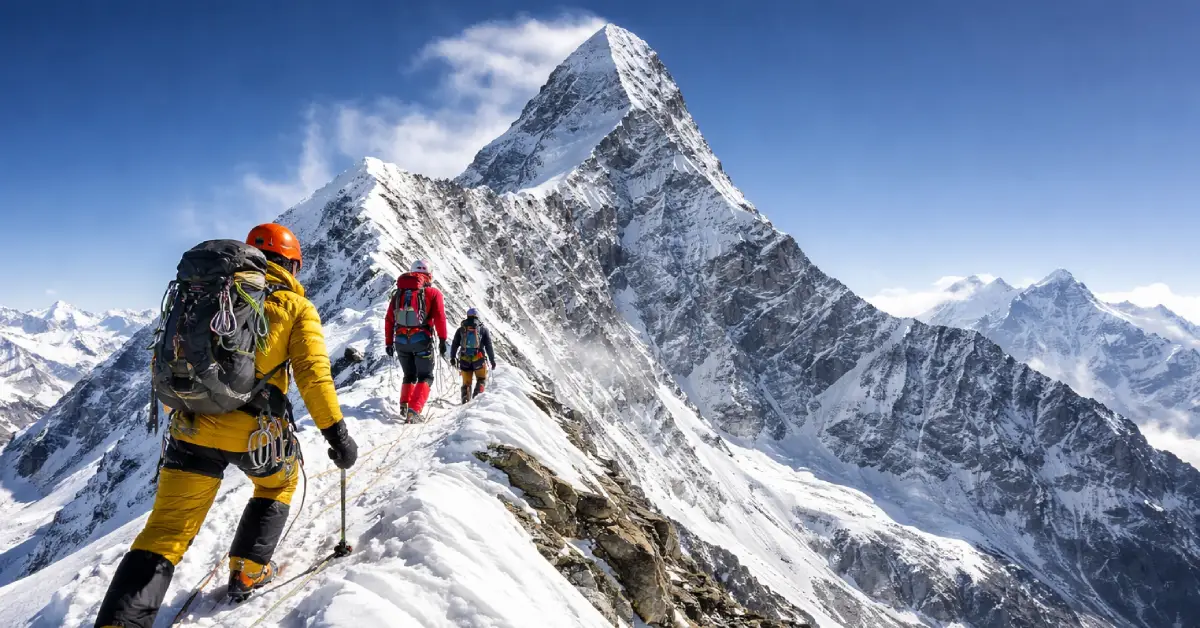
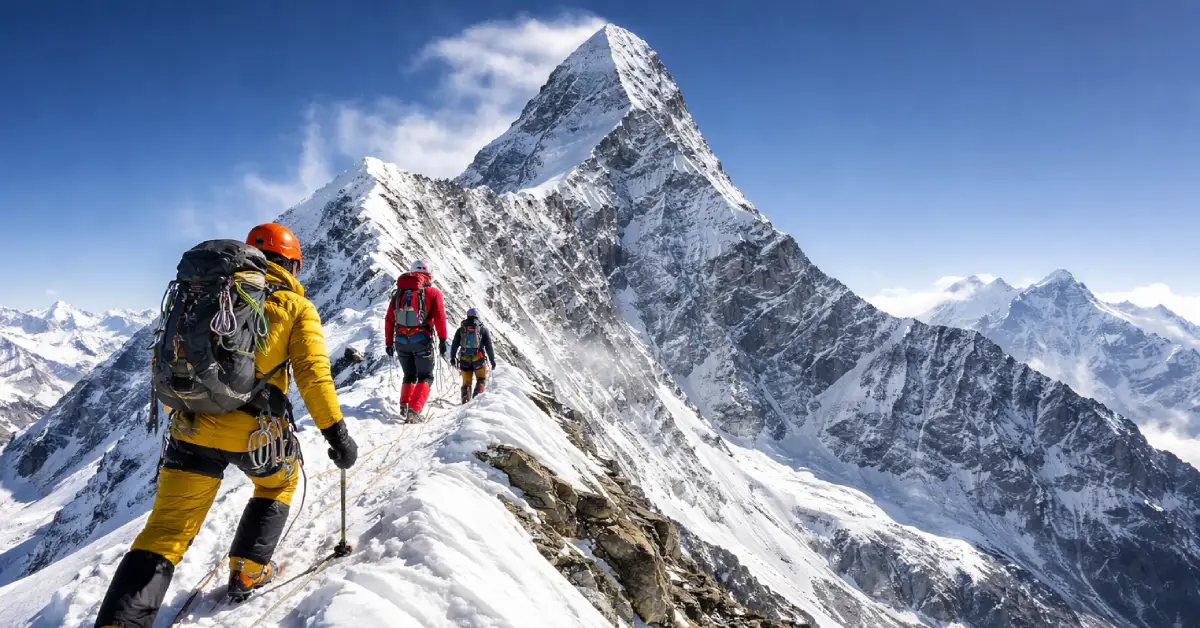
Furthermore, fixed ropes are placed on the most dangerous sections by climbing operators, including Trexmount Ventures. Nevertheless, climbers must be confident in using jumar ascenders, descending on steep snow and ice, and moving efficiently at altitude. In summary, the Ama Dablam expedition rewards preparation and punishes shortcuts.
What Makes the Climb Challenging
- Altitude above 6,800 meters causes thin air and fatigue
- The “Dablam” hanging glacier presents objective serac danger
- Ridge sections require precise footwork and mental focus
- The weather can change quickly, especially in the post-monsoon season
Despite these challenges, thousands of climbers have successfully reached the summit of Ama Dablam Nepal. With proper training, the right team, and a trusted operator like Trexmount Ventures, success is absolutely achievable.
Is Ama Dablam Harder Than Everest?
Comparing Ama Dablam Mountain and Everest
This is a fascinating question that many climbers ask. The honest answer is: it depends on what you mean by “harder.”
| Factor | Ama Dablam Mountain | Mount Everest |
|---|---|---|
| Altitude | 6,812 m | 8,849 m |
| Technical Difficulty | Higher (rock, ice, mixed) | Lower (mainly high-altitude endurance) |
| Cost | Much lower | Much higher |
| Time Required | ~4-5 weeks | ~8-10 weeks |
| Physical Demand | Moderate-High | Extreme |
Ama Dablam Himalaya is technically more demanding than Everest. The rock ridges, mixed climbing sections, and exposed traverses require real alpine skills. Everest, by contrast, is mostly a high-altitude endurance test with fixed ropes and bottled oxygen on the standard South Col route.
Which Should You Climb First?
- If you want a technical challenge, the Himalaya Ama Dablam is the superior test
- If you want to stand on the world’s highest point, Everest is the goal
- Many serious mountaineers use the Ama Dablam expedition as preparation for bigger 8,000-meter objectives
In conclusion, Ama Dablam Nepal is harder in terms of technique but not in terms of altitude or logistics. Both are serious undertakings that demand respect.
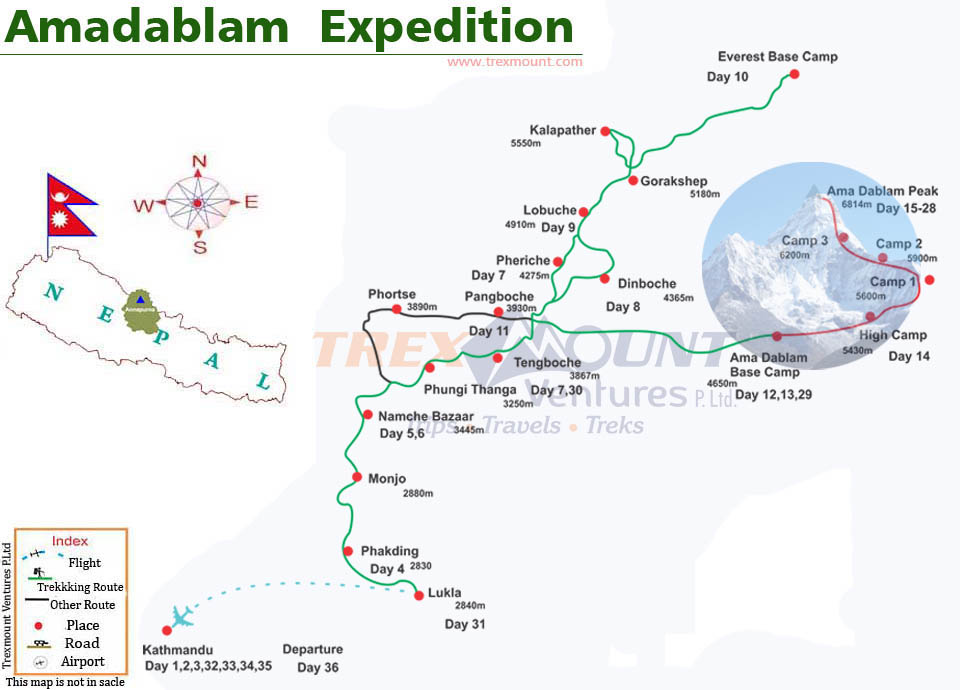
Understanding the Standard Southwest Ridge Route
The standard Ama Dablam route and map follow the Southwest Ridge, which was the line used on the first ascent in 1961. It remains the safest, most established path to the summit.
| Route Section | Altitude | Key Feature |
|---|---|---|
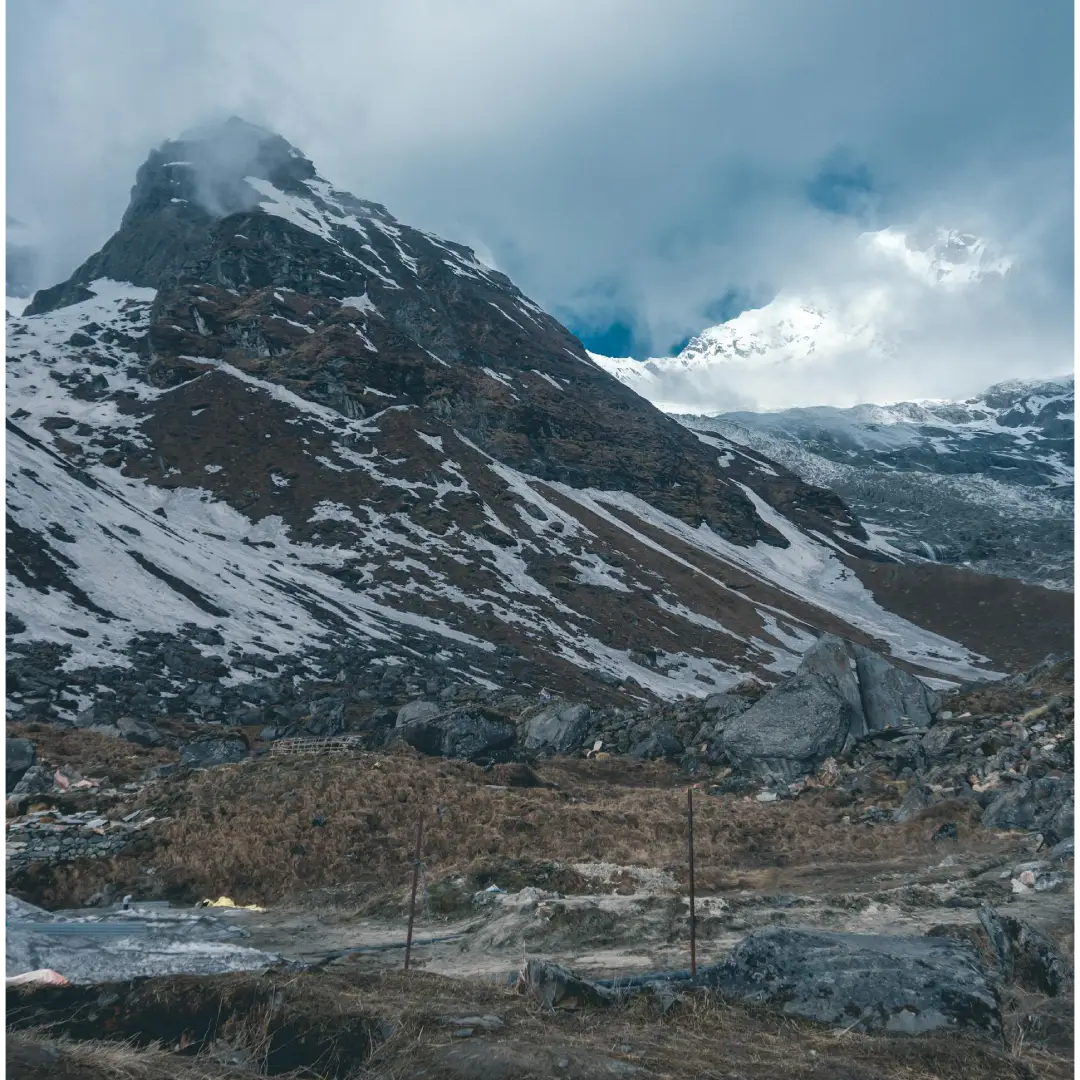
| Base Camp | 4,600 m | Flat moraine area |
| Camp 1 | 5,800 m | Rocky ridge, moderate exposure |
| Camp 2 | 6,100 m | Mixed terrain, steeper ground |
| Camp 3 | 6,400 m | Near Dablam glacier serac |
| Summit | 6,812 m | Narrow snow ridge |
The Ama Dablam route and map include a well-documented fixed rope system on the upper mountain. Specifically, the section near Camp 3 beneath the Dablam glacier requires extreme caution due to icefall risk. Trexmount Ventures provides detailed route briefings with updated maps at base camp.
Navigation and Hazards to Know
- Between Camp 1 and Camp 2, expect exposed rock ridges with moderate technical moves
- The Yellow Tower near Camp 2 is a crux section requiring solid rock climbing ability
- Above Camp 3, snow conditions vary significantly by season
Understanding the Ama Dablam route and map before you leave Kathmandu is strongly advised. Moreover, Trexmount Ventures holds pre-expedition briefings where clients review route photos, gear lists, and safety protocols in detail.
Best Time for the Ama Dablam Expedition
Choosing the Right Season
Understanding the best time for the Ama Dablam expedition is critical to your safety and success. There are two primary climbing windows each year.
| Season | Months | Conditions |
|---|---|---|
| Autumn (Post-Monsoon) | October – November | Most popular, stable weather, clear skies |
| Spring (Pre-Monsoon) | April – May | Warmer temperatures, slightly more wind |
| Winter | December – February | Extremely cold, not recommended |
| Monsoon | June – September | Heavy rain, high avalanche risk |
The best time for the Ama Dablam expedition is widely considered to be October and November. During this window, skies are typically clear, winds are manageable, and the mountain is dry from the summer monsoon. As a result, the majority of successful summits occur during this period.
Why Autumn is the Top Choice
- Post-monsoon air is clean, and visibility is exceptional
- Base camp is lively with an international community of climbers
- Temperatures at high camps are cold but manageable with proper gear
Spring is also a valid option, especially for those who cannot travel in autumn. However, the Himalaya Ama Dablam region sees slightly more unsettled weather in May compared to October. In either case, Trexmount Ventures monitors weather forecasts daily and makes all summit decisions based on safety.
Start Your Ama Dablam Himalaya Expedition with Trexmount Ventures
Are you ready to stand on one of the most beautiful summits in the Himalayas? Trexmount Ventures brings years of high-altitude expertise, a dedicated Sherpa team, transparent pricing, and a safety-first approach to every Ama Dablam expedition. Whether you are an experienced alpinist or stepping into serious Himalayan climbing for the first time, our team is here to guide you every step of the way.
Contact Trexmount Ventures today to receive your personalized Ama Dablam climbing itinerary, detailed cost breakdown, and pre-expedition training recommendations. Spaces fill quickly during the autumn season, so reach out early to secure your spot.
Visit our website, email our team, or call us directly. Your Ama Dablam Himalaya adventure begins with a single conversation.
 Review us on Google