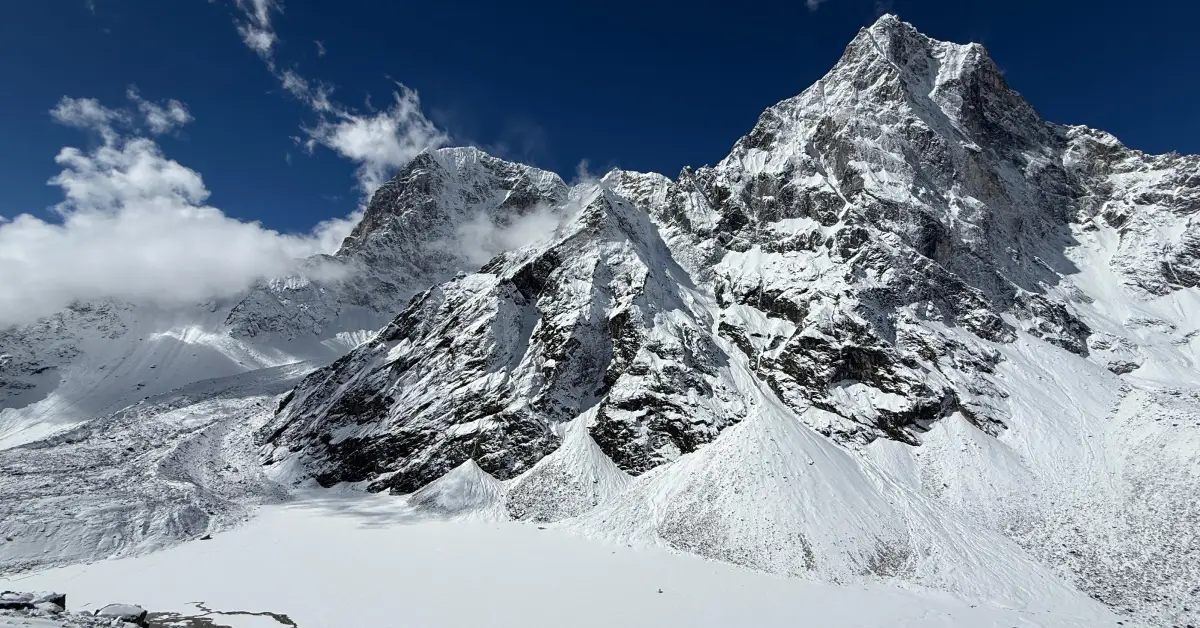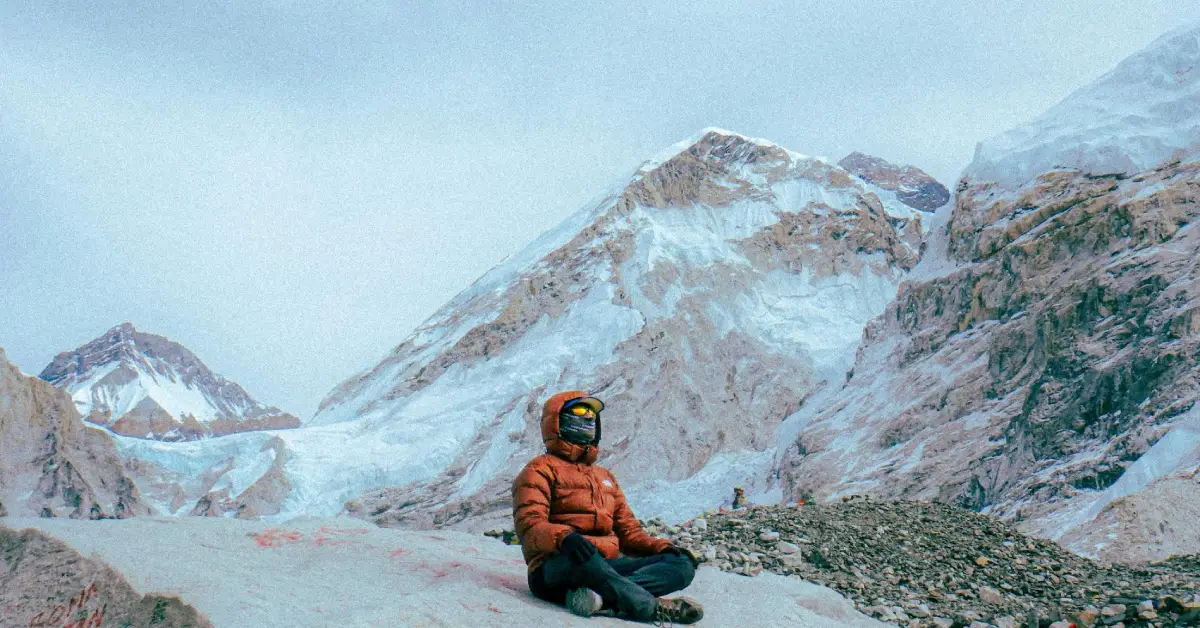


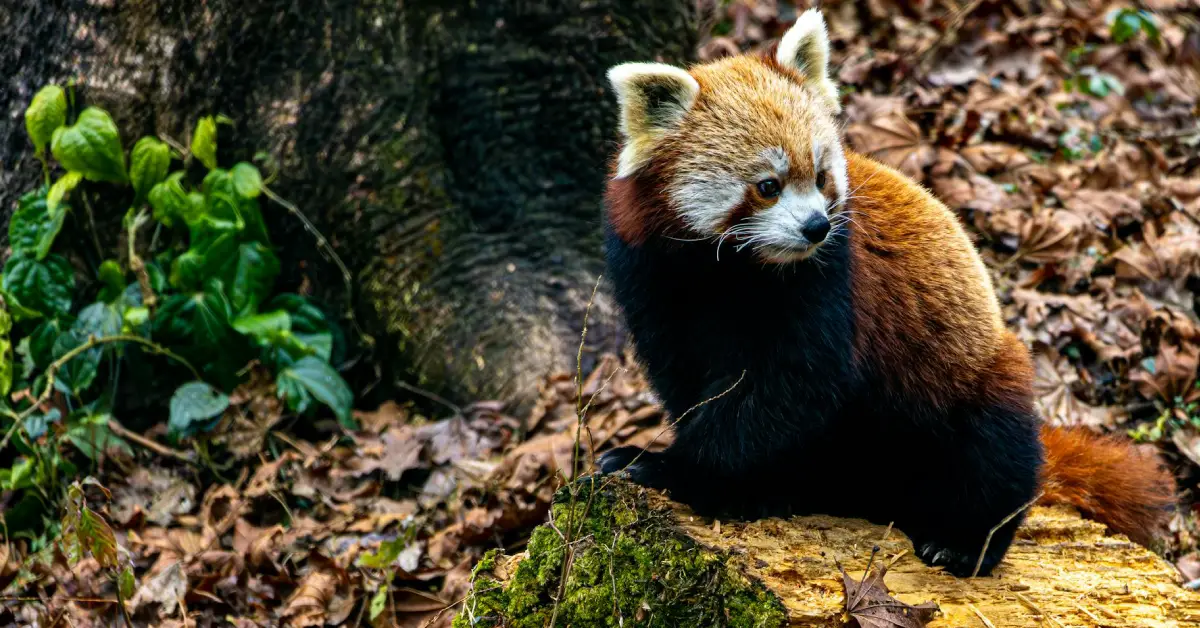

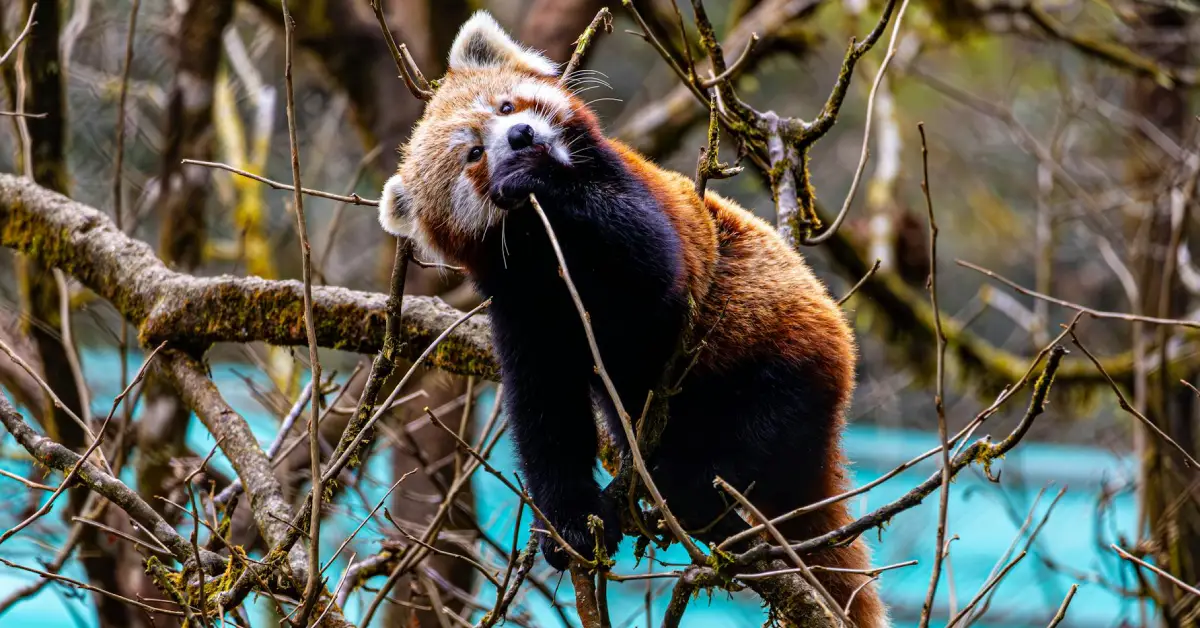
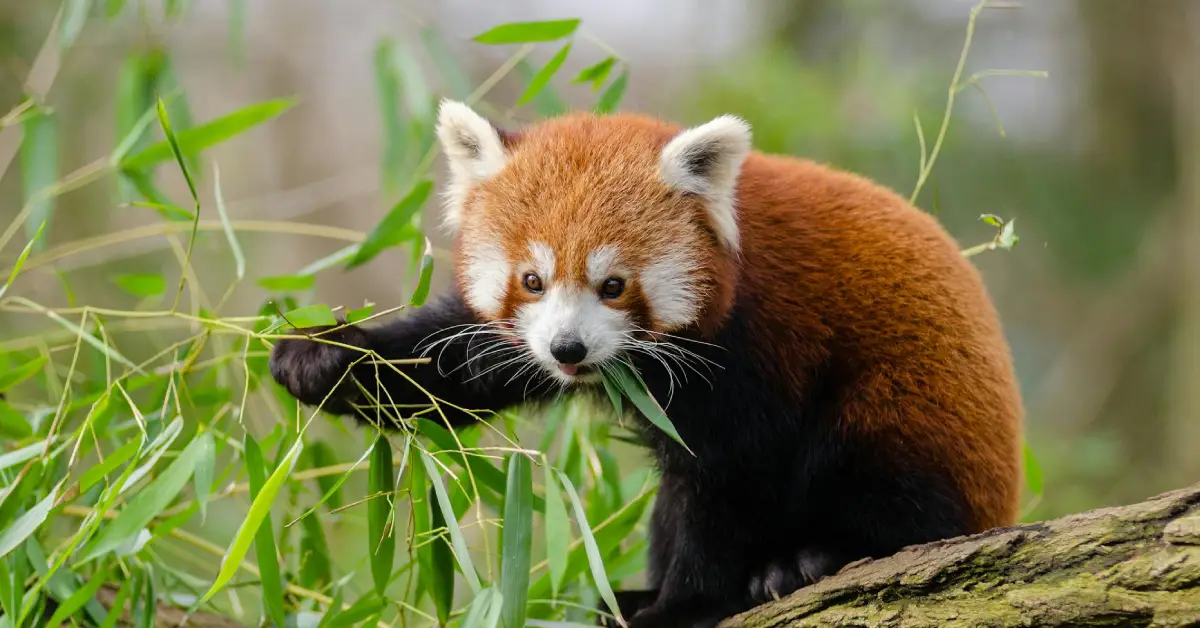
Nepal is one of the last remaining strongholds for red pandas in the wild, and the Red Panda Trek in Nepal takes you directly into their natural forest habitat across the Langtang region. This 11-day journey combines wildlife tracking, mountain scenery, and authentic Nepali culture, all for USD 990 per person.
Are Red Pandas Found in Nepal?
Yes, red pandas are absolutely found in Nepal. Nepal sits within the primary global range of the red panda (Ailurus fulgens), stretching across the eastern Himalayas and southwestern China. According to the WWF and the Red Panda Network, Nepal is home to an estimated 1,000 red pandas in the wild, though some conservation estimates put the red panda population in Nepal closer to 1,000–2,500 individuals when accounting for remote, unsurveyed areas.
Red pandas in Nepal are classified as Endangered on the IUCN Red List. Deforestation in Nepal remains one of the biggest threats to red panda survival, alongside poaching, climate change, and habitat fragmentation. The good news is that community-based conservation efforts are actively protecting their range.
| Fact | Detail |
|---|---|
| Scientific Name | Ailurus fulgens |
| IUCN Status | Endangered |
| Estimated Nepal Population | ~1,000 (some estimates: up to 2,500) |
| Primary Threat | Deforestation and habitat loss |
| Diet | Primarily bamboo leaves and shoots |
| Body Size | 50–65 cm body length, 28–50 cm tail |
Where Is Red Panda Found in Nepal?
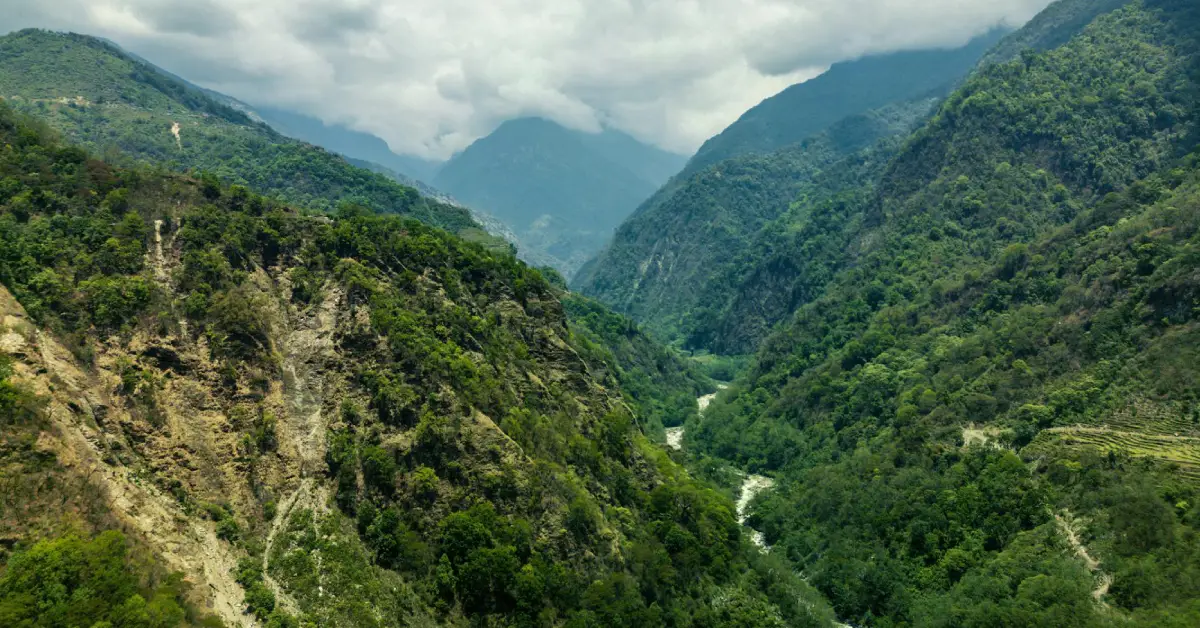
Red pandas are found in the mid-hill and sub-alpine forests of eastern and central Nepal, typically at elevations between 2,200 and 4,800 metres. The habitat of red pandas in Nepal is dense temperate forest dominated by bamboo, fir, oak, and rhododendron, exactly the kind of terrain you walk through on a Red Panda Trek in Nepal.
The key districts where red panda habitat in Nepal is most intact include Taplejung, Ilam, Panchthar, Solukhumbu, Dolakha, Rasuwa, and Sindhupalchok. The Langtang region in Rasuwa district is one of the most accessible areas for red panda trail tracking, making it the preferred base for guided treks.
| Region | District | Elevation Range |
|---|---|---|
| Langtang | Rasuwa | 2,400 – 4,700 m |
| Kangchenjunga | Taplejung | 2,500 – 4,500 m |
| Ilam | Ilam | 2,200 – 3,500 m |
| Makalu Barun | Solukhumbu | 2,800 – 4,200 m |
Which National Park Is Famous for Red Pandas in Nepal?
Langtang National Park is the most famous national park for red pandas in Nepal and is the primary destination for Red Panda Trekking. Established in 1976, Langtang is Nepal’s third-largest national park and covers over 1,710 square kilometres of temperate and sub-alpine forest, prime habitat suitability for red pandas.
Additionally, Kangchenjunga Conservation Area and Makalu Barun National Park in eastern Nepal also record significant red panda populations. However, Langtang remains the most practical choice for trekkers because of its road access from Kathmandu and well-established lodge network.
| National Park / Conservation Area | Location | Red Panda Presence |
|---|---|---|
| Langtang National Park | Rasuwa | High |
| Kangchenjunga Conservation Area | Taplejung | High |
| Makalu Barun National Park | Solukhumbu | Moderate |
| Sagarmatha National Park | Solukhumbu | Low–Moderate |
Does Nepal Have Giant Pandas?
No, Nepal does not have giant pandas. Giant pandas (Ailuropoda melanoleuca) are native exclusively to central China, specifically Sichuan, Shaanxi, and Gansu provinces. They are a completely different species from red pandas, despite sharing the word “panda” in their name.
Red pandas and giant pandas are not closely related. The red panda belongs to its own family, Ailuridae, while the giant panda is a member of the bear family, Ursidae. So when people ask about pandas in Nepal, they are referring entirely to the red panda, a small, fox-sized mammal with rust-coloured fur and a striped tail.
What Do You Call a Red Panda in Nepali?
In Nepali, the red panda is called “Habre” (हाब्रे). This is the widely used local name across the communities in the Langtang, Ilam, and Taplejung districts. In some Tamang and Sherpa communities near the Langtang region, it is also sometimes referred to by descriptive local terms related to its appearance, though “Habre” is the standard Nepali name recognised nationally.
The name reflects how deeply woven the red panda is into local culture and ecology, and community awareness of the Habre is growing thanks to conservation education programmes run by organisations like the Red Panda Network.
Best Season for Red Panda Trekking in Nepal
The two best seasons for Red Panda Trekking in Nepal are spring (March to May) and autumn (September to November). Both seasons offer stable weather, clear trail conditions, and higher chances of red panda activity.
- Spring (March–May): Rhododendrons bloom across the forest, temperatures are mild, and red pandas are more active as bamboo shoots emerge. This is one of the top windows for red panda tracking.
- Autumn (September–November): Post-monsoon skies are crisp and clear. The forests are lush green after the rains, and wildlife movement increases significantly heading into cooler months.
- Winter (December–February): Cold but possible. Red pandas grow thicker coats and are occasionally spotted sunbathing on branches during midday.
- Monsoon (June–August): Not recommended due to leeches, slippery trails, and poor visibility.
| Season | Months | Suitability |
|---|---|---|
| Spring | March – May | Excellent |
| Autumn | September – November | Excellent |
| Winter | December – February | Moderate |
| Monsoon | June – August | Not recommended |
Where to See Red Pandas in Nepal?
The best places to see red pandas in Nepal are inside Langtang National Park, specifically along the Bamboo and Lama Hotel trail sections between 2,400 and 3,500 metres elevation. These zones have the highest bamboo density and the least human disturbance, making them the most productive for red panda trail tracking.
Outside of trekking, a few other sites worth noting include:
- Red Panda Network’s community forest zones in Ilam and Taplejung districts in eastern Nepal
- Kangchenjunga Conservation Area for more remote sightings
- Shivapuri Nagarjun National Park, on the edge of Kathmandu, has occasional sightings, though rare
For a structured and guided experience, the Langtang route operated by Trexmount Ventures remains the most reliable option for anyone serious about seeing red pandas in Nepal.
Conservation of Red Pandas in Nepal
Conservation of red pandas in Nepal is an ongoing effort involving both government agencies and community-level organisations. The Department of National Parks and Wildlife Conservation (DNPWC) works alongside groups like the Red Panda Network, which has trained over 50 forest guardians, local community members who monitor red panda populations and prevent poaching.
Deforestation in Nepal continues to threaten the red panda habitat. As forests are cleared for agriculture, firewood, and infrastructure, red pandas lose both shelter and their primary food source, bamboo. Additionally, climate change is slowly shifting the map of red panda habitat in Nepal upward in altitude, shrinking viable territory over time.
By choosing a responsible trekking operator and booking a Red Panda Trek in Nepal, travellers directly contribute to conservation funding and support local communities who act as the real protectors of this species. Trekking in Nepal, when done responsibly, is one of the most effective tools for long-term wildlife conservation.
Book Your Red Panda Trek with Trexmount Ventures
If seeing a red panda in Nepal in the wild is on your list, there is no better way to do it than through a guided, conservation-conscious trek with Trexmount Ventures. Our 11-day Red Panda Trekking in Nepal is designed to give you a genuine wildlife experience inside Langtang National Park, supported by experienced local trackers, comfortable lodges, and full logistical support, all at USD 1100 per person. Spots are limited each season to protect the habitat and keep groups small.

 Review us on Google