
Trexmount Ventures
Trexmount

Tsum Valley Trekking

Adventure Awaits

Tsum Valley Trekking

Nepal
0 Reviews
Large Image
Image 1
Best Price $1,584.00
Duration 25 Days
Location Nepal
Best Season Mar - May & Sep - Nov
Difficulty Level Strenuous
Max Altitude 5,160 meters
Activity Trekking
Transportation Trexmount and Public Vehicle

Overview

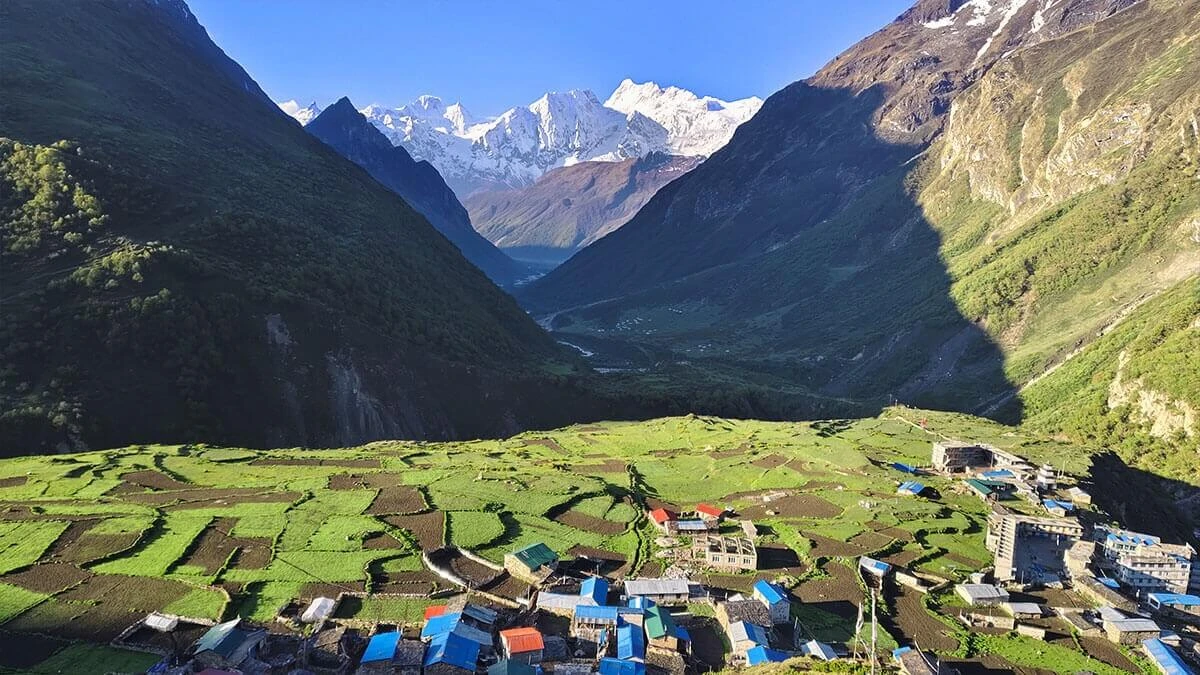
Tsum Valley is one of the most beautiful and peaceful trekking destinations in Nepal. Located in the remote northern region of Gorkha, this hidden valley offers a rare mix of untouched nature, ancient culture, and spiritual calm. Because of its isolation and cultural importance, the valley attracts trekkers who want more than just mountain views.

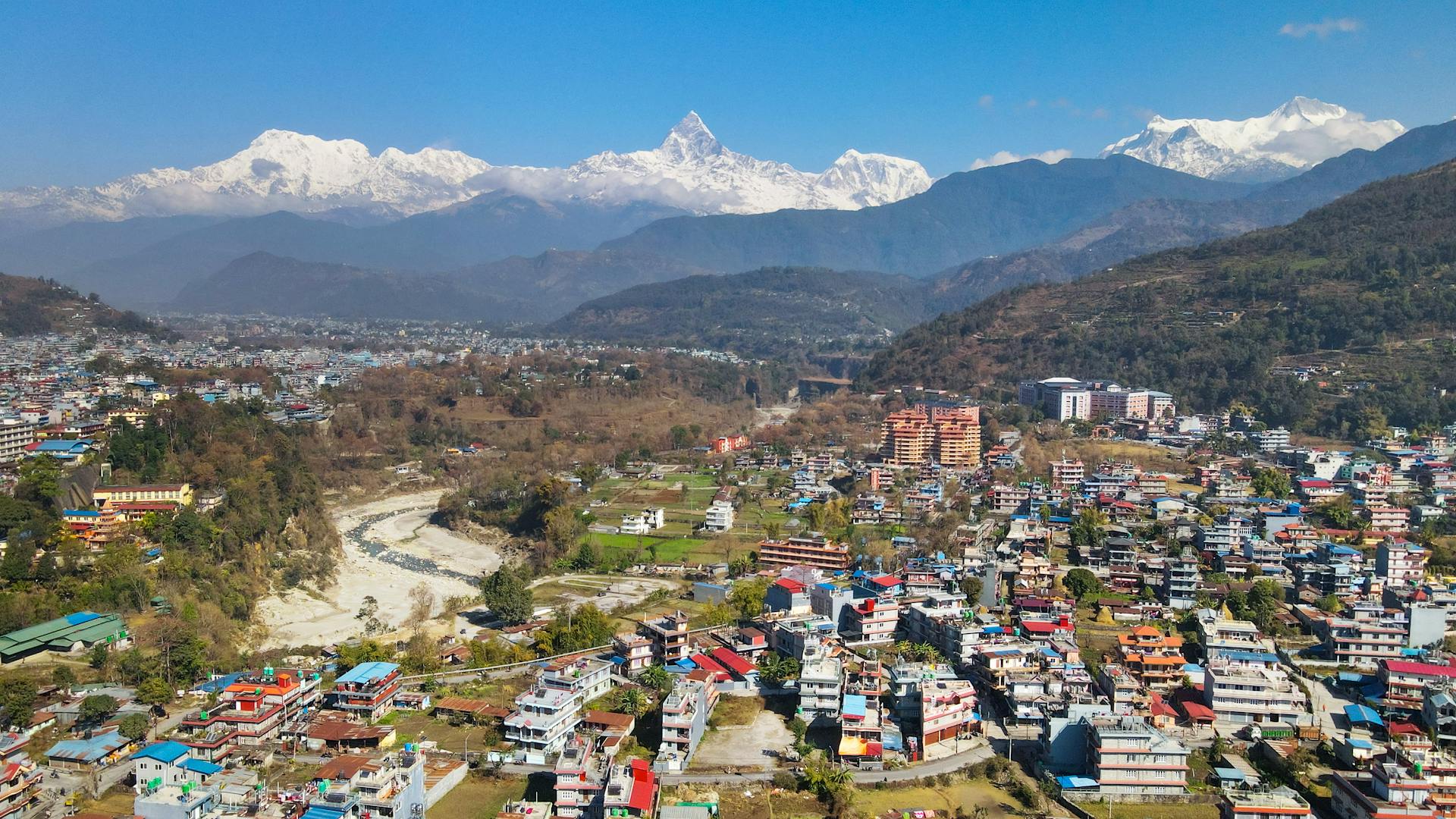
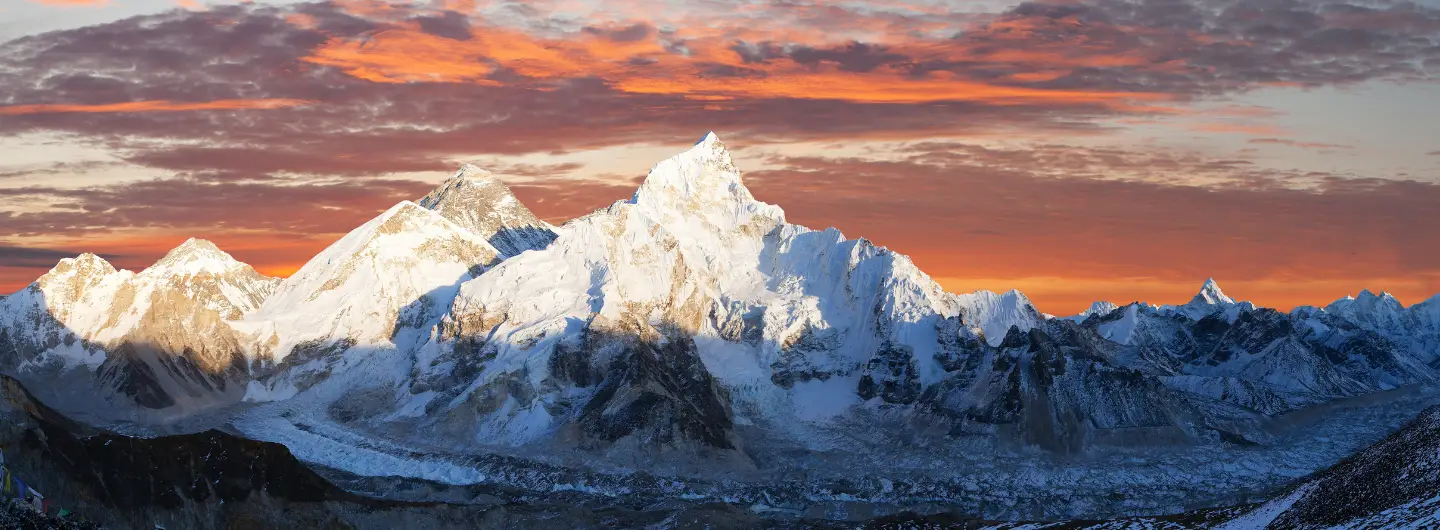
The Tsum Valley trek takes you deep into the Himalayas, where life follows old traditions and nature remains pure. Moreover, the trek allows travelers to walk beneath majestic peaks like Manaslu, Ganesh Himal, and Himalchuli. As a result, the journey feels both adventurous and meaningful.

Unlike crowded trekking routes, Tsum Valley stays quiet and authentic. Therefore, it is perfect for trekkers who want peace, culture, and real Himalayan experiences.

Where Is Tsum Valley Located?

Tsum Valley lies inside the Manaslu Conservation Area, close to the Nepal-Tibet border. It sits north of the Budhi Gandaki River and remains one of Nepal’s least disturbed regions. The trekking route starts from Soti Khola or Machha Khola. From there, the trail follows the Manaslu route for several days. After that, it turns toward the hidden valley of Tsum. Because the area is restricted, trekkers must travel with a registered trekking agency and licensed guide.

History of Tsum Valley

Until 2008, the Tsum Valley remained closed to foreign visitors. Before that, the valley served as a protected cultural region due to its strong Tibetan roots. Many centuries ago, Tibetan families migrated here and settled permanently. Over time, they formed the Tsumbas community. Even today, they preserve their ancient customs, dress, language, and religious beliefs. Therefore, trekking in Tsum Valley feels like stepping back in time.

People and Culture of Tsum Valley

The valley is home to more than 4,000 people, mostly from the Tsumbas ethnic group. These people follow Tibetan Buddhism and live simple, peaceful lives. Moreover, the valley is known as a Shyagya region, which means violence against animals is forbidden. Because of this belief, hunting and animal sacrifice are strictly banned.

During the Tsum Valley trek, you will see:

  • Mani walls with prayers carved in stone
  • Prayer wheels spinning gently
  • Colorful prayer flags across villages and passes

All these elements create a spiritual atmosphere throughout the journey.

Daily Life in Tsum Valley Villages

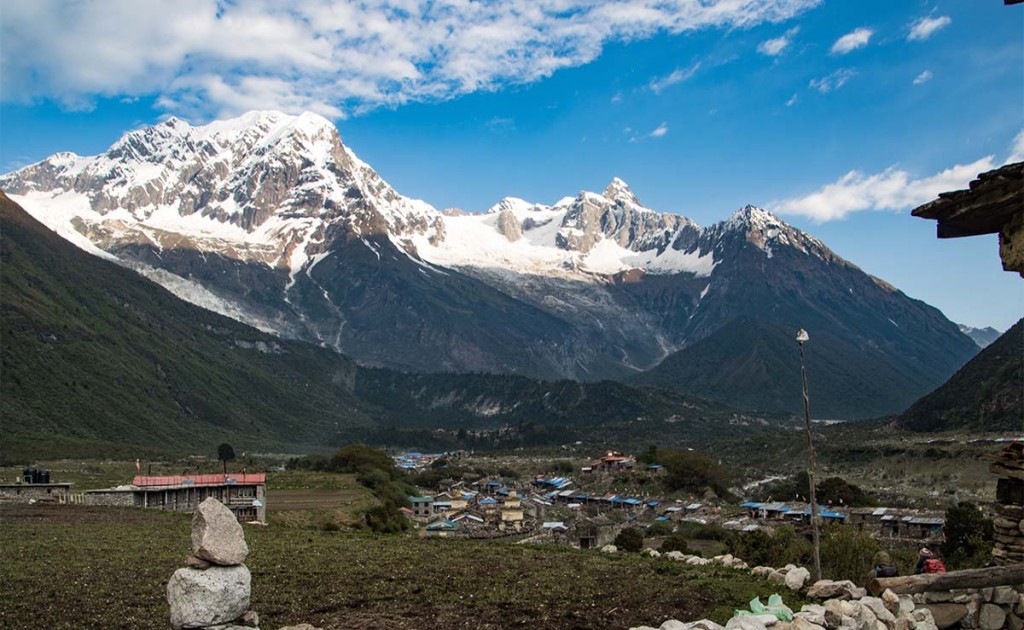
Life in Tsum Valley moves slowly and peacefully. Villagers depend on farming, animal herding, and trade. They grow barley, potatoes, and vegetables suited to high altitude.

You will pass through beautiful villages such as:

  • Chumling
  • Chhokang Paro
  • Chhekamparo
  • Nile
  • Chhule

Furthermore, locals welcome trekkers with warm smiles and kind hospitality. Staying in teahouses allows you to connect closely with their lifestyle.

Major Highlights of the Tsum Valley Trek

Piren Phu Cave (Milarepa Cave)

Piren Phu is one of the most sacred places in the Tsum Valley. According to belief, the great Buddhist saint Milarepa meditated here. Inside the cave, you can see ancient paintings, prayer flags, and meditation spaces. Therefore, many trekkers feel a deep spiritual connection at this site.

Mu Gompa Monastery

Mu Gompa is the largest monastery in the valley. It lies near the Tibetan border and offers stunning mountain views.

Moreover, the monastery provides insight into Buddhist learning, rituals, and daily monastic life.

Rachen Nunnery

Rachen Nunnery plays an important role in preserving Buddhism in Tsum Valley. Hundreds of nuns live and study here.

Visiting the nunnery adds cultural depth to the Tsum Valley trek.

Mountain Views Along the Trail

Throughout the trek, you can enjoy breathtaking views of:

  • Mount Manaslu (8,163 m)
  • Ganesh Himal
  • Himalchuli
  • Boudha Himal

Therefore, the trek feels visually rewarding every single day.

Why the Tsum Valley Trek Is Special

The Tsum Valley trek stands out because it offers:

  • Less crowded trails
  • Deep cultural immersion
  • Peaceful environment
  • Authentic village life

Unlike commercial trekking routes, this journey focuses on culture and connection.

Difficulty Level of Tsum Valley Trek

The Tsum Valley trek is considered moderately difficult.

The trail includes:

  • Steady uphill walks
  • Suspension bridges
  • Narrow mountain paths

However, no technical climbing is required. Therefore, anyone with good fitness and preparation can complete the trek.

Best Time to Visit Tsum Valley

Spring Season (March to May)

Spring brings clear skies and colorful rhododendron forests. Moreover, temperatures remain comfortable for trekking.

Autumn Season (September to December)

Autumn offers stable weather and sharp mountain views. As a result, it is the most popular season for the Tsum Valley trek.

Winter and monsoon seasons are possible but challenging due to snow and rain.

Permits Required for Tsum Valley Trek

Because Tsum Valley lies in a restricted area, trekkers need special permits:

  • Restricted Area Permit (RAP)
  • Manaslu Conservation Area Permit (MCAP)
  • TIMS Card

All permits must be arranged through a registered trekking company.

Accommodation and Meals During the Trek

Accommodation consists of basic but comfortable teahouses. Rooms are clean and warm.

Meals usually include:

  • Dal Bhat
  • Noodles
  • Tibetan bread
  • Soup and tea

Therefore, food remains filling and energy-rich.

Responsible Trekking in Tsum Valley

Responsible trekking helps protect Tsum Valley for future generations.

Trekkers should:

  • Respect local culture
  • Avoid plastic waste
  • Dress modestly
  • Follow the guide instructions

Because of its fragile environment, mindful travel is essential.

Why Choose Trexmount Ventures?

Trexmount Ventures offers safe, ethical, and well-organized trekking experiences. Our local guides understand the region deeply and ensure smooth journeys.

We focus on:

  • Small groups
  • Local employment
  • Cultural respect
  • Sustainable tourism

As a result, your Tsum Valley trek becomes meaningful and safe.

Tsum Valley Trek Summary

The Tsum Valley trek offers a rare chance to explore Nepal’s hidden cultural treasure. With peaceful trails, spiritual monasteries, and welcoming villages, Tsum Valley delivers an unforgettable Himalayan experience. For trekkers who seek beauty, culture, and calm, this valley stands as one of Nepal’s finest journeys.
Package options

Select Package Type

★ ★ ★ ★ ★
10% OFF

Standard Package Price

US $1584
US $1760

per traveller

Standard Package Included

  • Airport | Hotel | Airport pick up & drop off by car
  • All accommodations (Twin Share)
  • Standard Three Course Meal
  • An experienced guide (trained by the Ministry of Tourism)
  • All private Ground transportation from Kathmandu to Aarughat and Back to Kathmandu
  • Trekking equipment required for the trek
  • All Government Taxes and Permits
  • Certificate of Trip Completion

Standard Package Excluded

  • Lunch and Dinner in Kathmandu and Pokhara
  • Single Supplement for single-use rooms
  • Visa
  • Travel and Personal insurance
  • Cold drinks, Water, and Alcoholic Drinks
  • All Personal Expenses
  • International flights and departure taxes
  • Optional activities and excursions
  • Tipping

Trip Itinerary

Upon arrival at Tribhuvan International Airport, our representative will greet you and assist with your transfer to your hotel in Kathmandu. After check-in, you’ll have time to rest and recover from your journey. Later, our trek leader will meet you at the hotel or our office for a comprehensive pre-departure briefing. The session covers trek details, safety protocols, altitude awareness, daily routines, and equipment checks. Required documents, including passport copies, photographs, and travel insurance, will be collected.

Accommodation

Hotel in Kathmandu

Meal

N/A

Time

N/A

Distance

N/A

After breakfast, the day is free for final trek preparations. You may relax at the hotel, organize your trekking gear, or explore the city independently. Alternatively, you can join an optional guided sightseeing tour (payable locally) to UNESCO World Heritage Sites such as Pashupatinath Temple, Boudhanath Stupa, Swayambhunath (Monkey Temple), and the historic Durbar Squares of Kathmandu, Patan, or Bhaktapur. These landmarks provide deep insight into Nepal’s Hindu and Buddhist heritage.

Accommodation

Hotel in Kathmandu

Meal

Breakfast

Time

N/A

Distance

N/A

After an early breakfast, we begin our scenic drive west from Kathmandu along the Prithvi Highway, following the Trishuli River. The journey passes rural towns, terraced hillsides, and river valleys before reaching Arughat Bazaar, a busy local trading hub. From Arughat, the road becomes rough as we continue by jeep along the Budhi Gandaki River. Along the way, enjoy distant views of Ganesh Himal II and IV before arriving at Soti Khola, the starting point of our trek.

Accommodation

Tea Houses

Meal

Breakfast, Lunch, Dinner

Time

~7 hours

Distance

~130 km

Our first trekking day follows a narrow trail alongside the Budhi Gandaki River. The route involves gentle ascents and descents, crossing small streams and waterfalls that cascade from steep cliffs. Stone staircases lead through Khanigaon village and terraced farmland. We continue through lush vegetation before reaching Machha Khola, a small settlement named after the nearby fishing stream.

Accommodation

Tea Houses

Meal

Breakfast, Lunch, Dinner

Time

~6 hours

Distance

~8 km

Our first trekking day follows a narrow trail alongside the Budhi Gandaki River. The route involves gentle ascents and descents, crossing small streams and waterfalls that cascade from steep cliffs. Stone staircases lead through Khanigaon village and terraced farmland. We continue through lush vegetation before reaching Machha Khola, a small settlement named after the nearby fishing stream.

Accommodation

Tea Houses

Meal

Breakfast, Lunch, Dinner

Time

~5 hours

Distance

~8 km

Leaving Machha Khola, we trek through Khorlabeshi village and reach Tatopani, where a natural hot spring sits beside the river. The trail continues across suspension bridges and through villages such as Dovan and Yaruphant. A steady climb leads us to Jagat, a charming village with stone-paved streets and traditional houses. Jagat also marks the official entry point into the Manaslu Conservation Area.

Accommodation

Tea Houses

Meal

Breakfast, Lunch, Dinner

Time

~6 hours

Distance

~10 km

The trail follows the Budhi Gandaki River through forested paths and small settlements. We pass Sidibas Bazaar and cross a suspension bridge near Nagjet before reaching Philim, a large Gurung village known for its terraced fields and community-managed forests. Beyond Philim, the trail narrows and climbs through rocky terrain to Ekle Bhatti, a small, quiet settlement surrounded by forested hills.

Accommodation

Tea Houses

Meal

Breakfast, Lunch, Dinner

Time

~6 hours

Distance

~9 km

Today, we leave the main Manaslu Circuit and enter the sacred Tsum Valley. The trail winds through a narrow gorge, passing pine and rhododendron forests. After reaching Lokpa village, we cross the Lungwa Khola via a suspension bridge and continue to Chumling, the first major village in Tsum Valley. The village offers beautiful views of Ganesh Himal and features traditional Tibetan-style houses.

Accommodation

Tea Houses

Meal

Breakfast, Lunch, Dinner

Time

~6 hours

Distance

~10 km

We descend briefly to cross the Shiar Khola before climbing steadily through open valleys. The trail provides stunning views of the Ganesh Himal range and surrounding peaks. Chhokang Paro is a picturesque village adorned with mani walls, monasteries, and prayer flags. The afternoon is free to explore the village and interact with locals.

Accommodation

Tea Houses

Meal

Breakfast, Lunch, Dinner

Time

~5 hours

Distance

~8 km

The trail ascends toward Lamagaon before reaching the sacred Milarepa Cave, believed to be a meditation site of the 11th-century Tibetan saint Milarepa. Nearby, Chi Phu Gompa adds spiritual significance to the journey. Continuing along the valley, we cross a suspension bridge and reach Nile, the last permanent settlement in Upper Tsum Valley.

Accommodation

Tea Houses

Meal

Breakfast, Lunch, Dinner

Time

~6 hours

Distance

~9 km

Walking near the Tibetan border, we trek through open high-altitude terrain. A steady climb brings us to Mu Gompa, the largest monastery in Tsum Valley and an important center of Buddhist learning. From here, we continue ascending to Bhajyo, a remote yak-grazing area without permanent settlements, offering expansive views of Tibetan peaks and the Ganesh Himal range.

Accommodation

Tea Houses

Meal

Breakfast, Lunch, Dinner

Time

~7 hours

Distance

~10 km

This day is reserved for rest and acclimatization. Short hikes around Bhajyo provide views of Ngula Dhojyang Pass and the glaciers of the Yamdro Valley. Spending an extra day here helps your body adapt to the high altitude and prepares you for the descent.

Accommodation

Tea Houses

Meal

Breakfast, Lunch, Dinner

Time

N/A

Distance

N/A

We descend gradually through alpine landscapes toward Rachen Gompa, a prominent nunnery established in 1905. The monastery is renowned for its beautifully painted Buddhist murals and serene atmosphere. Rachen Gompa plays a vital role in preserving Buddhist teachings and culture in Tsum Valley.

Accommodation

Tea Houses

Meal

Breakfast, Lunch, Dinner

Time

~7 hours

Distance

~11 km

Retracing our route, we pass through Chhokang Paro and descend toward Chumling. The trail crosses suspension bridges and offers panoramic views of lush valleys, terraced fields, and distant snow-capped peaks.

Accommodation

Tea Houses

Meal

Breakfast, Lunch, Dinner

Time

~6 hours

Distance

~10 km

Leaving Tsum Valley, we rejoin the Manaslu Circuit. The trail follows the Budhi Gandaki River through warmer climatic zones and terraced farmland. After crossing a major suspension bridge, we continue north to Bihi, a traditional Gurung village in the Manaslu region.

Accommodation

Tea Houses

Meal

Breakfast, Lunch, Dinner

Time

~6 hours

Distance

~9 km

The trail begins gently before climbing through dense forests. Namrung is a scenic village that offers the first close-up views of Mount Manaslu. Stone houses and strong Tibetan cultural influences become more evident here.

Accommodation

Tea Houses

Meal

Breakfast, Lunch, Dinner

Time

~6 hours

Distance

~10 km

We pass through Lihi and Sho villages, walking alongside mani walls and forested trails. As we approach Lho, Mount Manaslu dominates the skyline. Lho is home to the Ribung Monastery, one of the most significant religious sites in the region.

Accommodation

Tea Houses

Meal

Breakfast, Lunch, Dinner

Time

~4 hours

Distance

~7 km

The trail continues through fir forests and open pastureland. A stop at Shyala village provides a spectacular amphitheater of Himalayan peaks, including Manaslu, Himal Chuli, and Ngadi Chuli. We then reach Sama Gaon, a large Tibetan-influenced village situated at the base of Mount Manaslu.

Accommodation

Tea Houses

Meal

Breakfast, Lunch, Dinner

Time

~6 hours

Distance

~10 km

Following the Budhi Gandaki northward, we pass mani walls and juniper forests. The valley widens as we approach Samdo, a remote village near the Tibetan border that was historically used for cross-border trade.

Accommodation

Tea Houses

Meal

Breakfast, Lunch, Dinner

Time

~5 hours

Distance

~8 km

An early start takes us across glacial moraines to Larkya La Pass, the highest point of the trek. From the pass, enjoy breathtaking panoramic views of Himlung Himal, Cheo Himal, Kang Guru, and Annapurna II. A long descent leads to Bimthang, set in a wide alpine meadow surrounded by towering peaks.

Accommodation

Tea Houses

Meal

Breakfast, Lunch, Dinner

Time

~7 hours

Distance

~11 km

Descending through rhododendron forests, we pass villages such as Karche and Tilje. The trail joins the Annapurna Circuit route and continues to Dharapani, a lively village with road access and improved facilities.

Accommodation

Tea Houses

Meal

Breakfast, Lunch, Dinner

Time

~7 hours

Distance

~12 km

We trek through Tal village, dramatically set beneath a massive waterfall, before reaching Chamje. From here, we drive along a rugged mountain road to Besisahar, marking the official end of the trekking journey.

Accommodation

Tea Houses

Meal

Breakfast, Lunch, Dinner

Time

~4hr Trek | ~4hr Drive

Distance

N/A

We drive back to Kathmandu via the Marsyangdi Valley and the Prithvi Highway, enjoying final views of rural landscapes before returning to the capital.

Accommodation

Hotel in Kathmandu

Meal

Breakfast

Time

~6 hours

Distance

N/A

A leisure day to rest, shop for souvenirs, or explore more of the city after completing your Himalayan adventure.

Accommodation

Hotel in Kathmandu

Meal

Breakfast

Time

N/A

Distance

N/A

After breakfast, we transfer you to Tribhuvan International Airport for your onward journey, concluding the unforgettable Manaslu Tsum Valley Trek.

Accommodation

N/A

Meal

Breakfast

Time

N/A

Distance

N/A

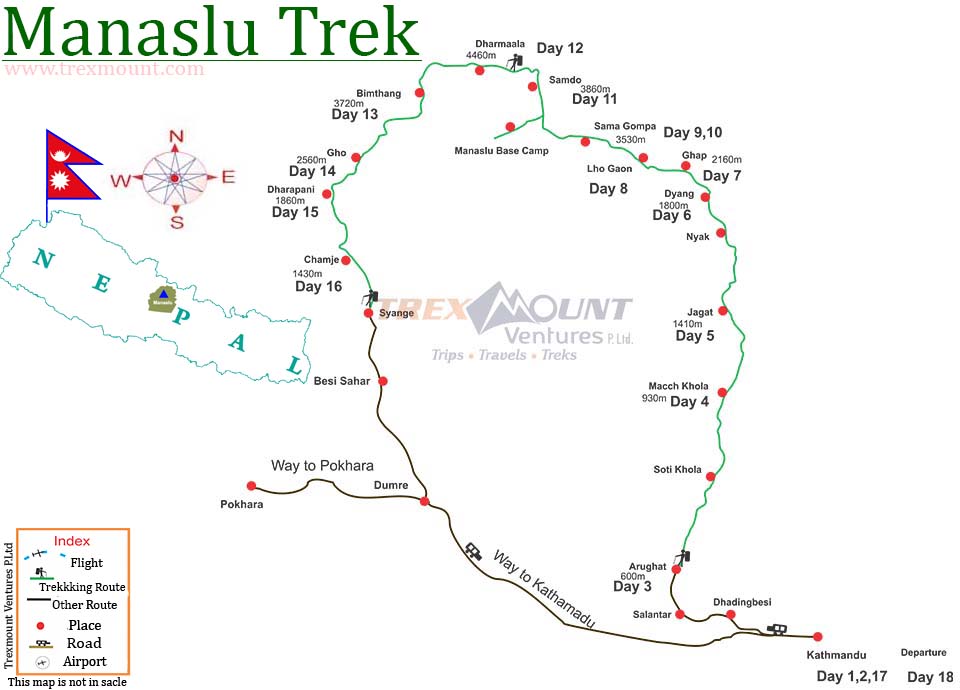
Route Map

trip route map for Tsum Valley Trekking

Fixed Departure

Frequently Asked Questions

The Tsum Valley Trek is a remote Himalayan trekking adventure in northern Nepal known for its ancient Buddhist culture, peaceful mountain villages, and untouched natural beauty. Located near the Tibetan border, the valley is often called the “Hidden Valley of Happiness.” The trek offers a unique combination of monasteries, Himalayan landscapes, spiritual traditions, and authentic Tibetan-influenced culture in the Manaslu region.

The best time for the Tsum Valley Trek is during spring (March to May) and autumn (September to November). These seasons provide stable weather, comfortable trekking temperatures, and clear Himalayan views. Spring features blooming rhododendron forests and green landscapes, while autumn offers crisp skies and excellent mountain visibility. Winter can bring snowfall in higher villages, and monsoon months may create slippery trails and difficult trekking conditions.

Tsum Valley Trek is considered a moderate to challenging Himalayan trek because of its remote terrain, long trekking days, and high-altitude sections. Trekkers walk through mountain trails, forests, suspension bridges, and traditional villages while reaching elevations above 3,000 meters. Good physical fitness and trekking preparation are recommended. Although demanding, the peaceful landscapes and rich Buddhist culture make the journey highly rewarding for adventurous trekkers.

Most Tsum Valley Trek itineraries take around 20 to 25 days depending on the route, acclimatization schedule, and side trips. The trek usually begins from the lower Gorkha region and follows the Budhi Gandaki Valley before entering the hidden Tsum Valley. Some trekkers combine the journey with the Manaslu Circuit Trek for a longer Himalayan adventure filled with cultural and scenic experiences.

The highest points during the Tsum Valley Trek are usually around Mu Gompa and surrounding areas at elevations above 3,700 meters (12,139 feet). At these altitudes, trekkers may experience colder temperatures and thinner air, so proper acclimatization and gradual ascent are important. The moderate altitude compared to major Himalayan passes makes the trek more comfortable for many travelers.

The Tsum Valley Trek offers beautiful views of Ganesh Himal, Himalchuli, Sringi Himal, and several snow-covered Himalayan peaks near the Tibetan border. Trekkers also enjoy scenic landscapes filled with forests, waterfalls, alpine valleys, and traditional mountain villages. The peaceful natural beauty and dramatic Himalayan scenery make the trek one of Nepal’s most visually rewarding cultural adventures.

The Tsum Valley Trek offers rich Tibetan Buddhist cultural experiences through monasteries, prayer flags, mani walls, chortens, and ancient mountain villages. Trekkers can visit Mu Gompa and other important monasteries while learning about local spiritual traditions and lifestyles. The isolated valley has preserved centuries-old customs, making the trek one of Nepal’s most culturally unique Himalayan journeys.

Trekkers need several permits for the Tsum Valley Trek, including the Tsum Valley Restricted Area Permit and the Manaslu Conservation Area Permit (MCAP). Since the region is classified as a restricted trekking area, travelers must trek with a licensed guide through an authorized trekking agency. Permit fees vary depending on the trekking season and duration in the Tsum Valley region of Nepal.

Tsum Valley Trek can be suitable for beginners who are physically fit and properly prepared for moderate Himalayan trekking. Although the trek involves long walking days and remote trails, it does not require technical climbing skills. Beginners should train before the trek, maintain a steady pace, and travel with experienced guides. The rewarding landscapes and spiritual atmosphere make the journey worthwhile for adventurous travelers.

The Tsum Valley Trek is famous for its untouched Himalayan beauty, ancient Buddhist culture, peaceful villages, and remote mountain landscapes. Unlike crowded trekking regions, the route offers quiet trails and authentic cultural experiences close to the Tibetan border. Trekkers enjoy monasteries, prayer flags, dramatic valleys, and traditional lifestyles while exploring one of Nepal’s most spiritual and culturally preserved trekking destinations.

Traveler Reviews

Verified customer feedback

Related Packages

You May Also Love And Like
Everest Base Camp Trek
(5.0) 20
Nepal
16 Days
Max 50 People
Starts From $1470
Everest Three Passes Trek
(5.0) 20
Nepal
20 Days
Max 30 People
Starts From $2010
Annapurna High Pass Trekking
(5.0) 10
Nepal
14 Days
Max 50 People
Starts From $1280
Annapurna Overview Trek Nepal
(5.0) 14
Nepal
8 Days
Max 50 People
Starts From $1280
Annapurna Panorama Trekking
(5.0) 14
Nepal
8 Days
Max 50 People
Starts From $770
Australian Camp Trekking
(5.0) 10
Nepal
8 Days
Max 50 People
Starts From $500
Mardi Himal Nepal
(5.0) 19
Nepal
10 Days
Max 50 People
Starts From $800
Poon Hill Trek
(5.0) 17
Nepal
10 Days
Max 50 People
Starts From $870
Khair lake Panorama Trekking
(5.0) 13
Nepal
14 Days
Max 50 People
Starts From $1410
Nar Phu Trekking
(5.0) 16
Nepal
20 Days
Max 50 People
Starts From $1790
Panchase Trekking
(5.0) 20
Nepal
12 Days
Max 50 People
Starts From $980
Gokyo Lake Trek
(5.0) 15
Nepal
15 Days
Max 50 People
Starts From $1610
Everest Panorama Trekking
(5.0) 11
Nepal
12 Days
Max 50 People
Starts From $1210
Everest View Hotel and Chopper flight
(5.0) 19
Nepal
14 Days
Max 11 People
Starts From $1888
Mani Rimdu Festival
(5.0) 11
Nepal
13 Days
Max 50 People
Starts From $1780