
Overview
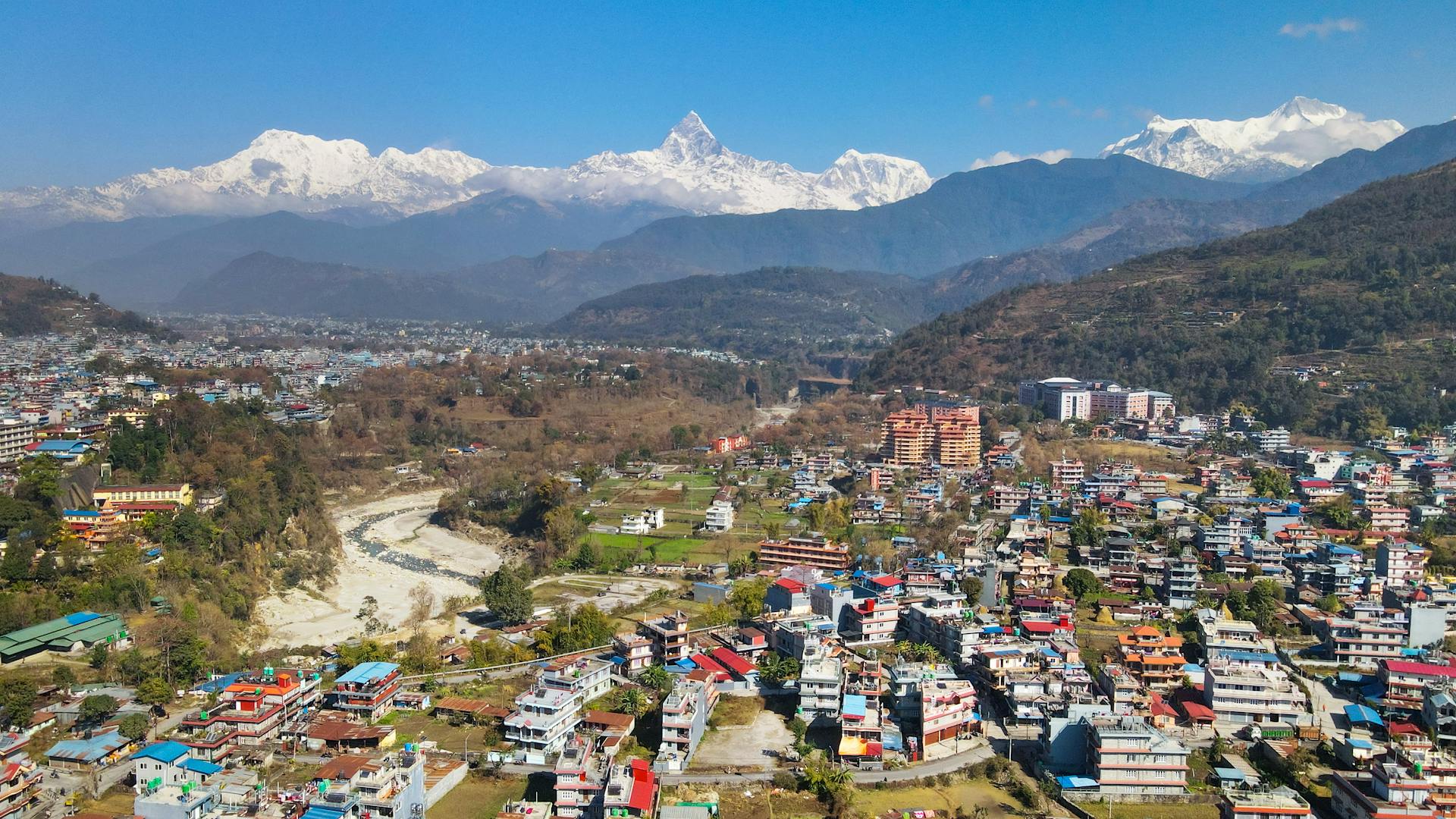
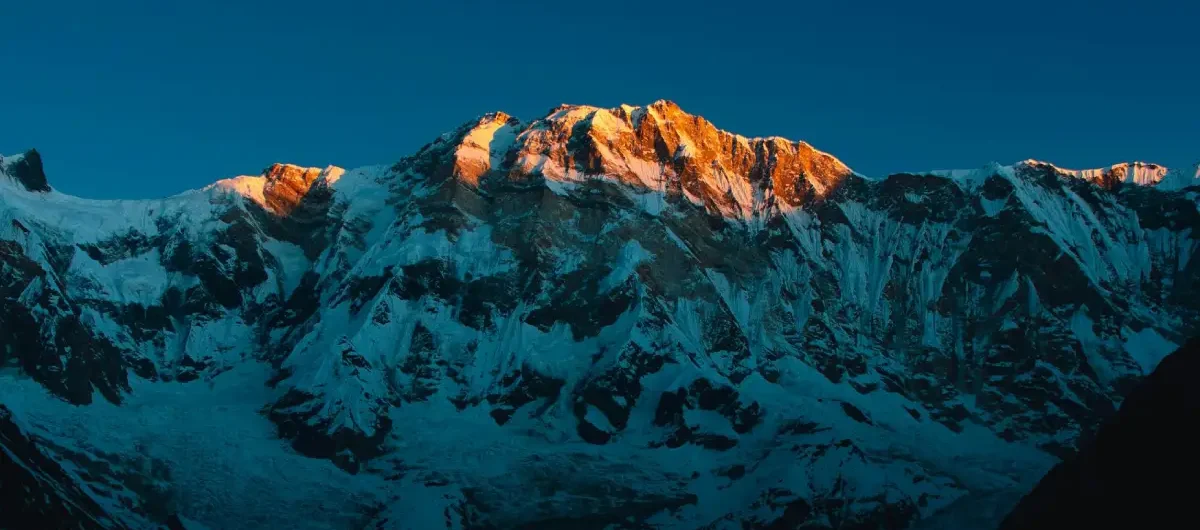
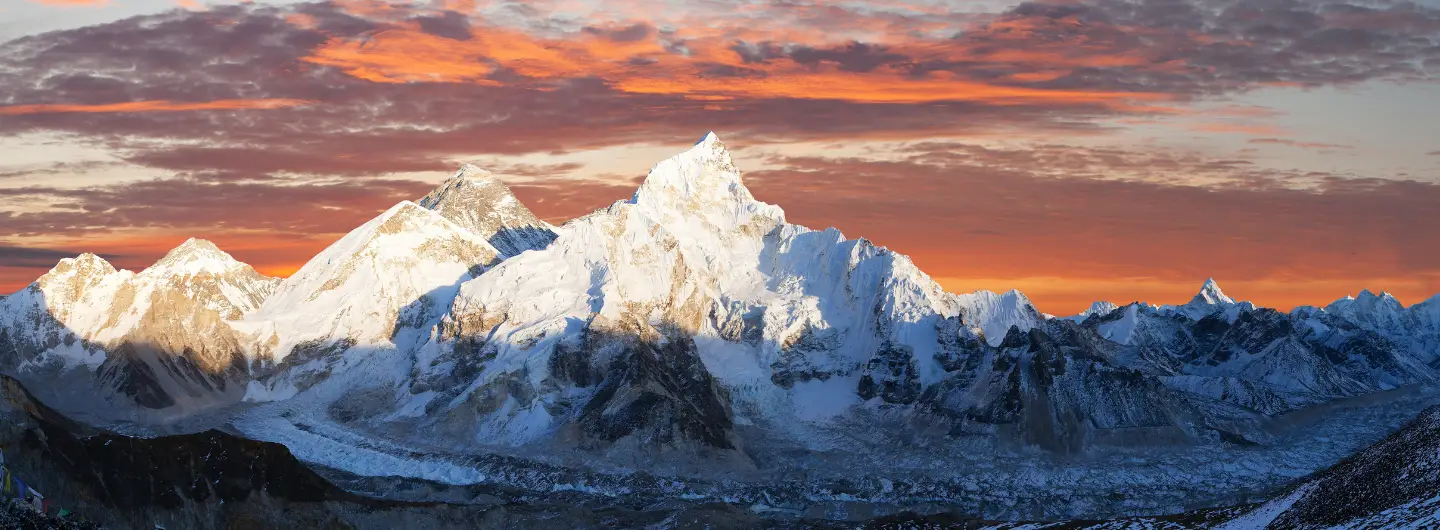
The Langtang Ganja-la Trek stands as one of Nepal’s most thrilling adventures, combining breathtaking Himalayan landscapes with genuine technical challenges. Furthermore, this remote trekking route offers adventurers an opportunity to experience pristine mountain beauty while crossing one of the region’s most demanding high passes. Consequently, trekkers who choose this path discover an authentic wilderness experience far from the crowded trails of more popular routes.
Understanding the Langtang Ganja-la Trek
The Langtang Ganja La Trek represents one of the challenging treks in Nepal, offering adventurers a unique combination of cultural immersion and high-altitude adventure. Unlike the more frequented routes, this trek takes you through remote trekking routes in Nepal where modern tourism barely touches the landscape.
Key Features:
- Duration: Typically 12-16 days
- Maximum elevation at Ganja La Pass: 5,122 meters (16,804 feet)
- Trek type: Technical high-pass crossing
- Region: Langtang National Park
Additionally, this journey combines the classic Langtang Valley trek Nepal with the adventurous Helambu Langtang trek, creating an unforgettable loop through diverse terrain. Moreover, trekkers experience everything from subtropical forests to alpine meadows and glacial zones.
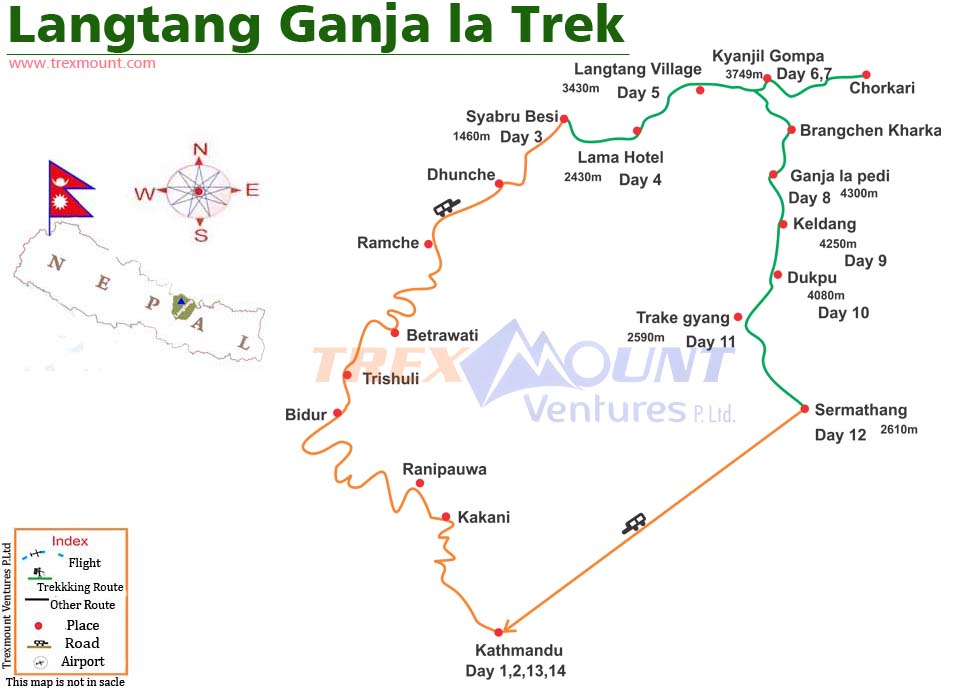
The Langtang Ganja La Trek itinerary typically begins in Syabrubensi and winds through traditional Tamang villages in Langtang before ascending to Kyanjin Gompa. Subsequently, the route crosses the formidable Ganja La Pass in Nepal before descending into the beautiful Helambu region.
Geography and Location of Langtang National Park
Langtang National Park, established in 1976, sprawls across 1,710 square kilometers of magnificent Himalayan terrain. Remarkably, this protected area lies just north of Kathmandu, making it one of the most accessible wilderness areas in Nepal. Furthermore, the park serves as a crucial habitat for diverse wildlife and rare plant species.
Geographic Highlights:
| Feature | Details |
|---|---|
| Location | Rasuwa and Sindhulpalchok districts |
| Nearest City | Kathmandu (51 km north) |
| Elevation Range | 1,500m to 7,245m |
| Protected Area | 1,710 square kilometers |
| Establishment | 1976 |
The Langtang National Park trek showcases dramatic elevation changes, consequently creating multiple ecological zones within a relatively compact area. Therefore, trekkers witness incredible biodiversity ranging from rhododendron forests to high-altitude meadows dotted with yak pastures in Langtang.
Geologically, the region formed through the collision of the Indian and Eurasian tectonic plates. As a result, the landscape features towering peaks, deep valleys, and ancient glaciers. Similarly, the Langtang Valley in Nepal stretches between the main Himalayan range and the Tibetan border, creating a natural corridor of stunning beauty.
Ganja La Pass: The Heart of the Adventure
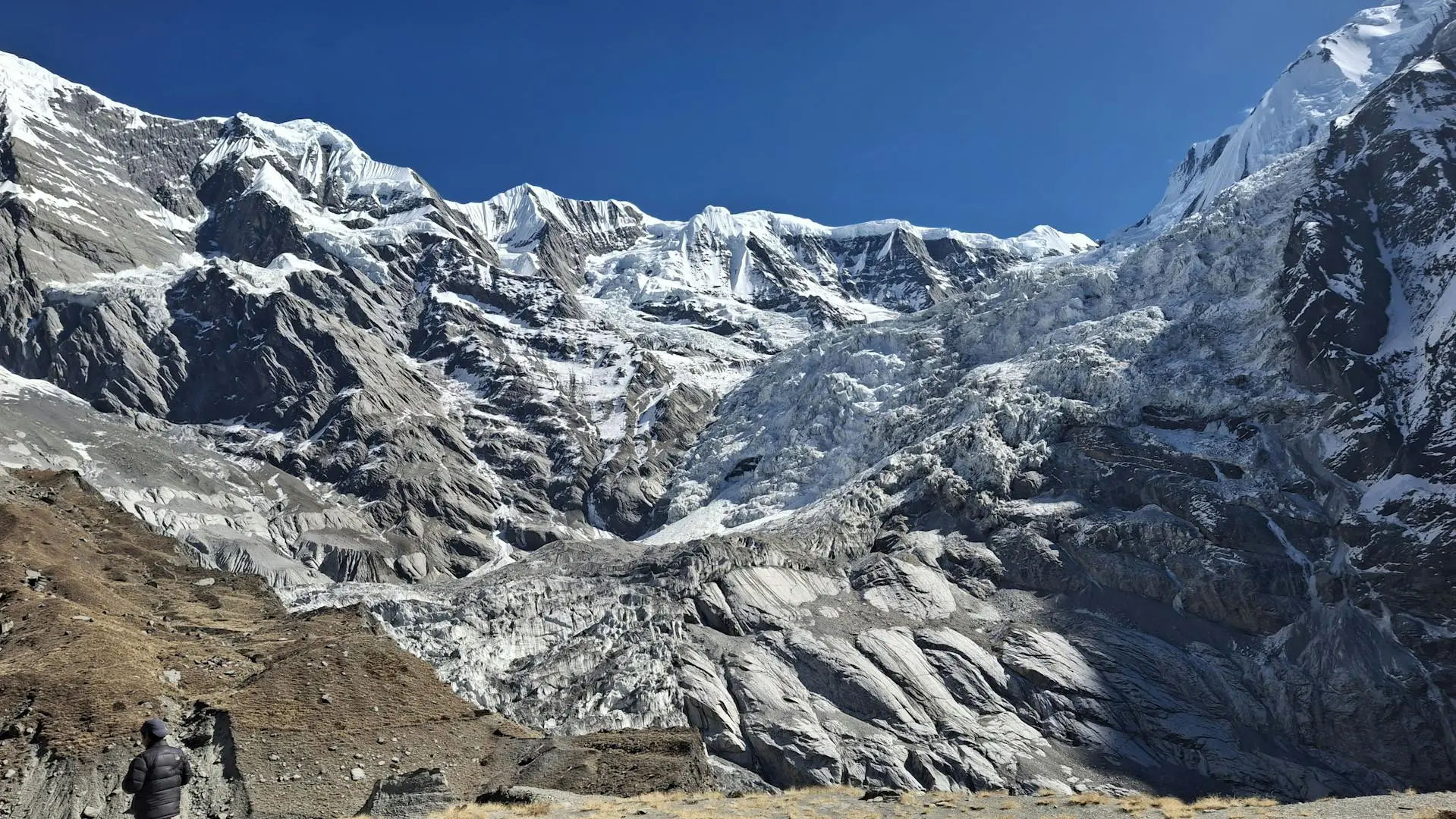
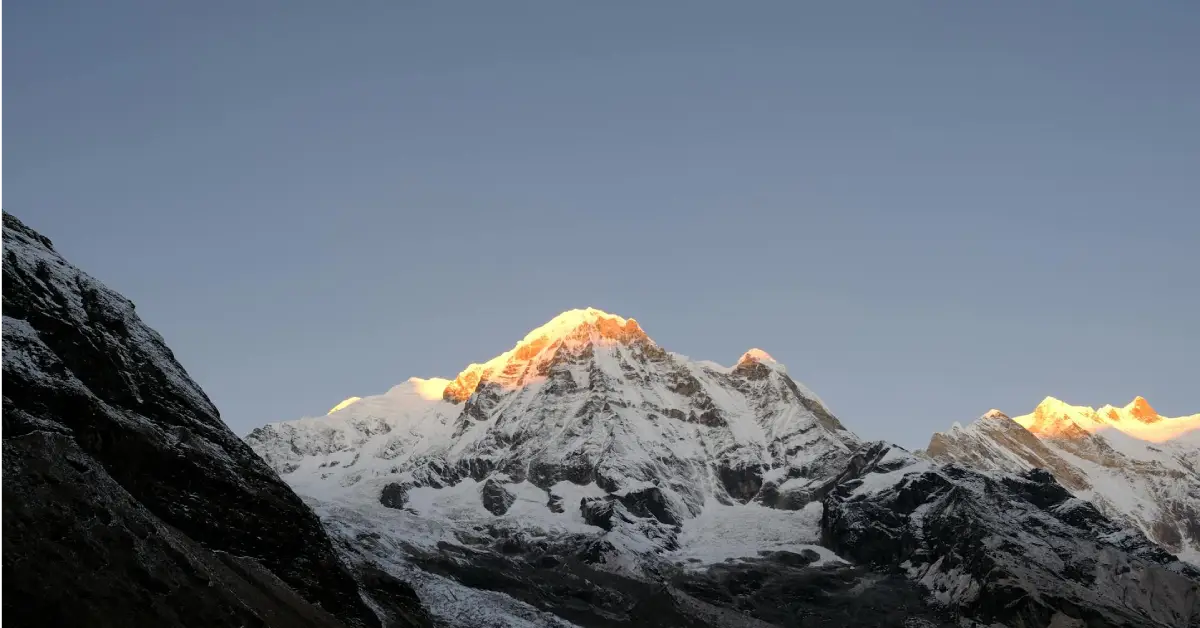
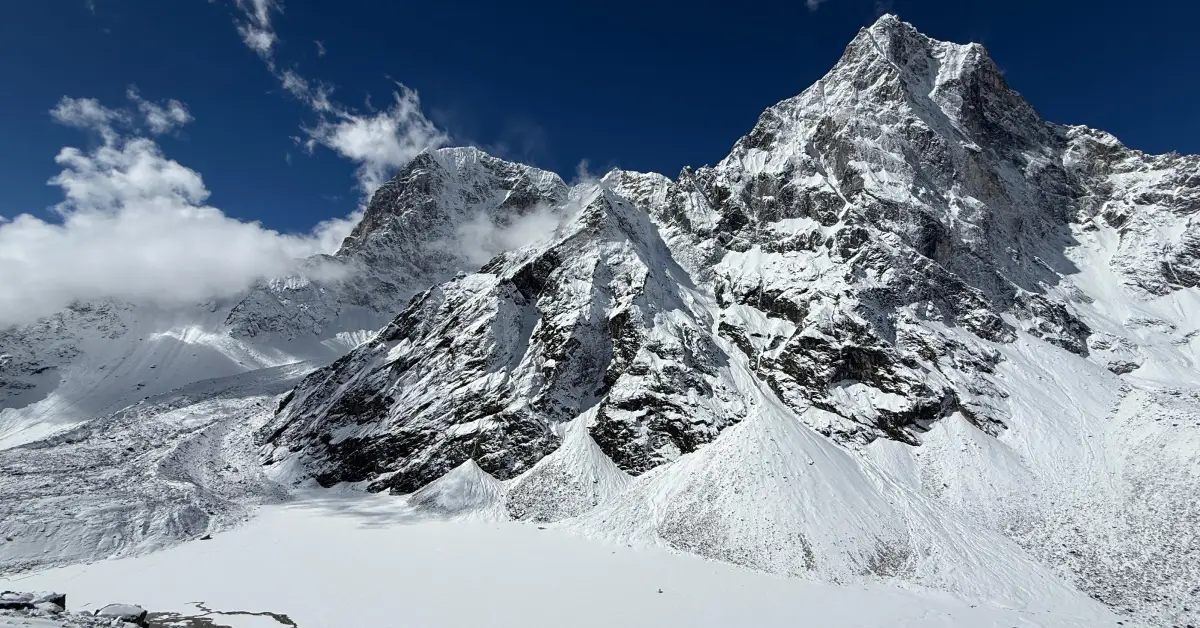
The Ganja La Pass elevation reaches an impressive 5,122 meters, making it one of Nepal’s most demanding high-altitude crossings. Consequently, this technical pass requires proper preparation, experienced guides, and favorable weather conditions. Moreover, the Ganja La Pass altitude presents genuine challenges that distinguish it from easier trekking routes.
Pass Characteristics:
- Elevation: 5,122 meters (16,804 feet)
- Technical Grade: Challenging to Very Difficult
- Snow Coverage: Year-round in most sections
- Crossing Time: 8-12 hours from Kyanjin Gompa
The journey from Kyanjin Gompa to Ganja La involves steep ascents, glacier navigation, and potential crevasse hazards. Therefore, Ganja La Pass trekking demands technical skills, including basic rope work and crampon use. Additionally, weather conditions change rapidly, necessitating careful timing and flexibility.
Importantly, the Ganja La Pass difficulty varies significantly with seasons. During the winter months, snow conditions become particularly challenging, while spring and autumn offer more stable weather. Nevertheless, even in optimal conditions, trekkers must possess strong physical fitness and previous high-altitude experience.
Trek Difficulty and Technical Requirements
The Langtang Valley Ganja La ranks among the challenging treks in Nepal, requiring both physical stamina and technical trekking skills. Unlike standard teahouse treks, this route involves glacier crossing, steep snow slopes, and potential rope-assisted sections. Consequently, proper preparation becomes absolutely essential for success and safety.
Difficulty Factors:
- High altitude exposure above 5,000 meters
- Technical terrain requiring specialized equipment
- Remote location with limited rescue options
- Variable weather affecting trail conditions
Furthermore, technical trekking in Langtang demands competence with mountaineering equipment. Specifically, trekkers must know how to use crampons, ice axes, and potentially fixed ropes. Additionally, previous experience with high altitude trekking Nepal significantly improves success rates and safety margins.
Physical preparation should begin at least three months before departure. Therefore, cardiovascular training, strength building, and practice hikes with a loaded backpack prove invaluable. Moreover, mental preparation for long days and challenging conditions equally contributes to successful completion.
Best Time of Year for Langtang Ganja-la Trek
Choosing the optimal season for the Langtang Ganja La Trek dramatically affects your experience and success rate. Generally, spring and autumn provide the most favorable conditions for this high-altitude adventure. However, each season offers unique advantages and challenges worth considering carefully.
Seasonal Comparison:
| Season | Months | Conditions | Advantages | Challenges |
|---|---|---|---|---|
| Spring | March-May | Warming, blooming | Stable weather, rhododendrons | Some afternoon clouds |
| Autumn | September-November | Clear, dry | Best visibility, stable conditions | Crowded lower trails |
| Winter | December-February | Cold, snowy | Pristine snow, solitude | Extreme cold, difficult pass |
| Monsoon | June-August | Wet, cloudy | Green landscapes | Heavy rain, leeches, clouds |
The best time for Ganja La Trek typically falls between mid-March and May and late September through November. During these periods, the Ganja La Pass weather remains relatively stable with clearer skies. Consequently, trekkers enjoy better visibility of the stunning Himalayan landscapes in Nepal while facing fewer weather-related obstacles.
Spring brings blooming rhododendrons and warming temperatures, making it ideal for experiencing Himalayan flora and fauna. Conversely, autumn offers crystal-clear mountain views and perfect temperatures for high-altitude trekking in Nepal. Nevertheless, both seasons require checking the current Ganja La Pass snow conditions before attempting the crossing.
Required Permits for Langtang Ganja-la Pass Crossing
Understanding permit requirements proves essential for the Langtang National Park trek, as authorities strictly enforce regulations. Moreover, these permits support conservation efforts and local community development. Therefore, proper documentation ensures a smooth trek without legal complications.
Essential Permits:
| Permit Type | Issuing Authority | Duration | Purpose |
|---|---|---|---|
| TIMS Card | Nepal Tourism Board | Trek duration | Trekker tracking and safety |
| Langtang National Park Entry | Department of National Parks | Unlimited | Park conservation fee |
The Ganja La Trek permits process typically happens through registered trekking agencies, which streamline documentation. Consequently, booking through established operators like Trexmount Ventures ensures all permits get processed correctly. Additionally, agencies handle the bureaucratic aspects, saving trekkers valuable time.
Foreign trekkers must present a valid passport when obtaining permits. Furthermore, passport-sized photographs become necessary for documentation. Similarly, some permits require photocopies of passport information pages and Nepal entry visas.
Acclimatization and Altitude Considerations
Proper acclimatization in Langtang Valley remains absolutely crucial for safe completion of this high-altitude adventure. Moreover, altitude sickness in Langtang poses genuine risks above 3,000 meters, requiring careful attention to symptoms. Therefore, following established acclimatization protocols dramatically reduces health risks.
Altitude Sickness Prevention:
- Ascend gradually, gaining no more than 500m elevation daily
- Spend adequate rest days at key elevations
- Stay properly hydrated throughout the trek
- Recognize early warning symptoms immediately
- Descend if symptoms worsen despite rest
The Ganja La Pass altitude of 5,122 meters puts trekkers well into the zone where acute mountain sickness commonly occurs. Consequently, recognizing symptoms like headaches, nausea, and dizziness becomes vital. Additionally, more severe conditions like HAPE and HACE require immediate descent and medical attention.
Acclimatization days at Kyanjin Gompa prove particularly important before attempting the pass crossing. Therefore, active rest involving short hikes to higher elevations helps the body adapt. Moreover, the “climb high, sleep low” principle maximizes adaptation while minimizing risks.
Cultural Highlights Along the Langtang Trekking Route
The Langtang region offers extraordinary cultural richness alongside natural beauty, particularly showcasing Tamang and Sherpa heritage. Furthermore, ancient Buddhist monasteries dot the landscape of Langtang, providing a spiritual atmosphere throughout the journey. Consequently, trekkers gain deep insights into Langtang culture and traditions.
Cultural Experiences:
- Traditional Tamang villages with distinctive architecture
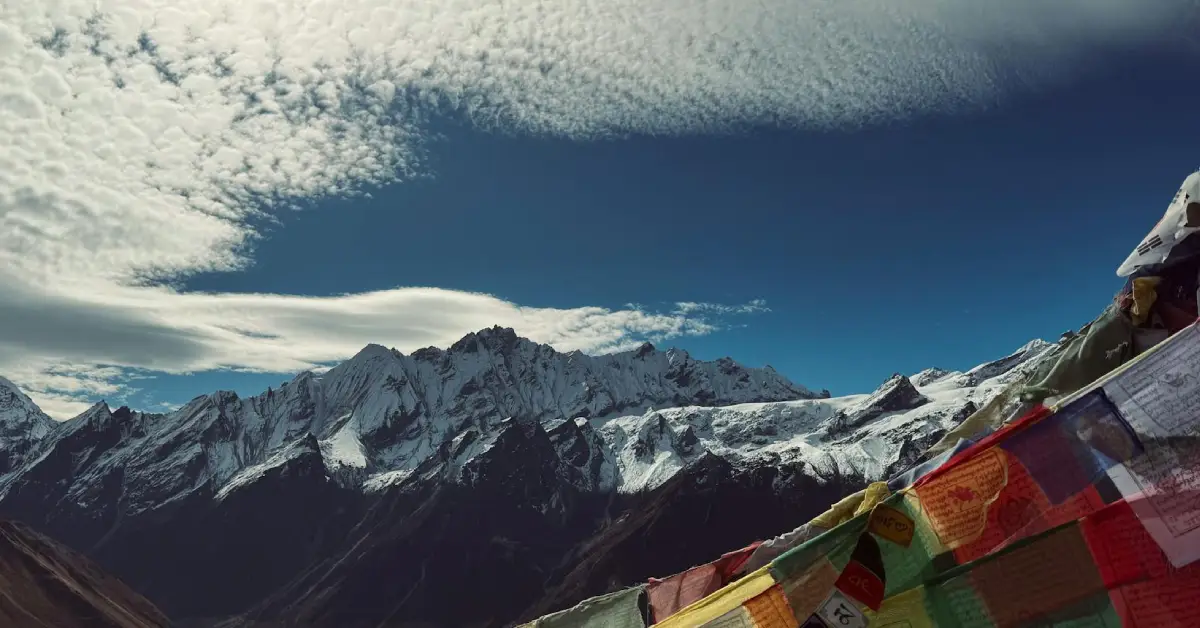
- Ancient Buddhist monasteries and prayer flags
- Local cheese factories at Kyanjin Gompa
- Authentic mountain hospitality
The Tamang villages in Langtang feature stone houses with wooden shingle roofs, reflecting centuries-old building traditions. Additionally, locals maintain traditional lifestyles centered on agriculture and animal husbandry. Moreover, cultural exchanges with villagers enrich the trekking experience beyond physical achievement.
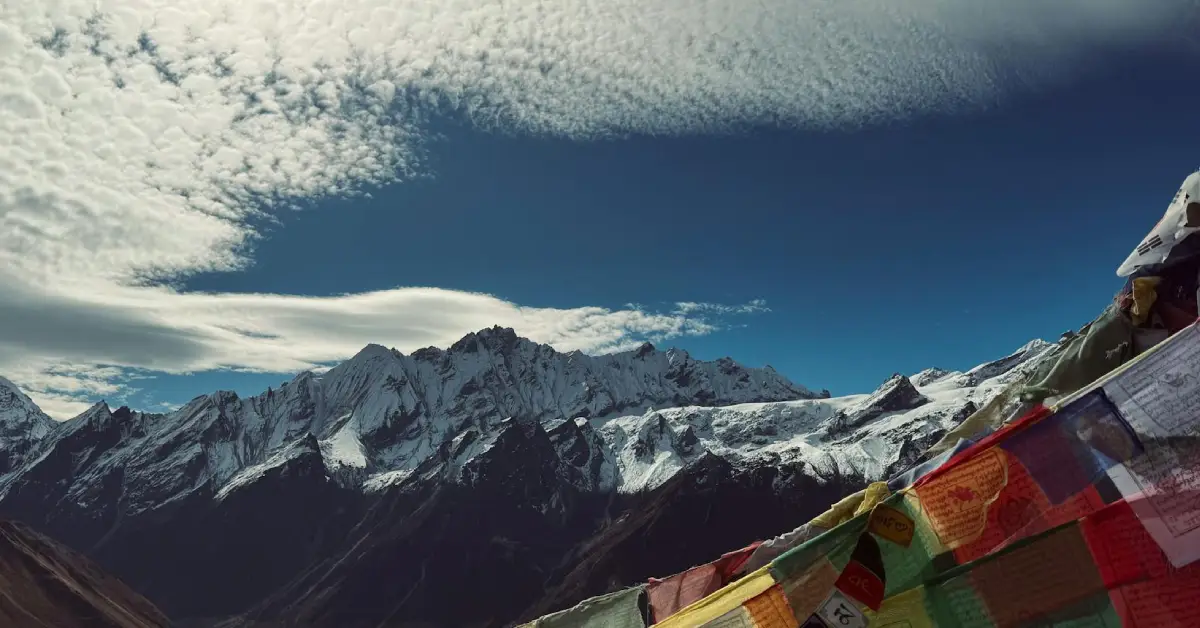
Buddhist monasteries serve as spiritual centers where monks maintain ancient practices and rituals. Furthermore, prayer wheels, mani walls, and colorful flags create sacred landscapes throughout the valley. Similarly, participating in or observing religious ceremonies offers profound cultural understanding.
Wildlife and Natural Beauty
Langtang National Park shelters incredible biodiversity, making it a paradise for nature enthusiasts alongside trekkers. Moreover, the Himalayan flora and fauna here include rare and endangered species found nowhere else. Consequently, wildlife observation adds another dimension to this already spectacular journey.
Notable Wildlife:
| Species | Category | Habitat Zone | Rarity |
|---|---|---|---|
| Red Panda | Mammal | Bamboo forests | Endangered |
| Himalayan Black Bear | Mammal | Forest zones | Vulnerable |
| Snow Leopard | Mammal | High alpine | Endangered |
| Himalayan Tahr | Mammal | Rocky slopes | Near threatened |
| Blood Pheasant | Bird | Rhododendron forests | Common |
The diverse elevation zones support distinct plant communities, from subtropical forests to alpine meadows. Therefore, spring trekkers witness spectacular rhododendron blooms painting hillsides in vibrant colors. Additionally, medicinal plants used in traditional healing grow abundantly throughout these forests.
Yak pastures in Langtang represent important agricultural areas where herders maintain traditional grazing practices. Furthermore, these high-altitude meadows showcase how humans coexist with challenging mountain environments. Similarly, observing yaks and other livestock provides insights into mountain subsistence strategies.
How to Book Langtang Ganja-la Trek
Booking the Langtang Ganja La Trek through a reputable agency ensures safety, proper logistics, and meaningful experiences. Furthermore, professional operators provide essential services, including permits, guides, and emergency support. Therefore, choosing the right booking partner proves crucial for trek success.
Booking Through Trexmount Ventures:
Trexmount Ventures specializes in organizing challenging treks in Nepal, including the technical Ganja La Pass trekking route. Moreover, their experienced team handles all logistical arrangements, allowing trekkers to focus on the journey. Consequently, booking through Trexmount Ventures provides comprehensive support from start to finish.
Their services include experienced Langtang trekking guide assignments, ensuring expert navigation through technical sections. Additionally, Trexmount Ventures arranges all necessary Ganja La Trek permits and documentation. Furthermore, they provide pre-trek briefings covering safety protocols, equipment requirements, and itinerary details.
The booking process begins with an initial consultation to assess fitness levels and experience. Subsequently, Trexmount Ventures customizes itineraries matching individual capabilities and preferences. Moreover, they maintain flexibility for weather-related adjustments while prioritizing safety throughout the journey.
Essential Packing List and Preparation
Creating a comprehensive Langtang Ganja La packing list requires balancing weight considerations with the necessary equipment for technical terrain. Moreover, high-altitude conditions demand specialized gear beyond standard trekking equipment. Therefore, careful preparation ensures comfort and safety throughout varying conditions.
Technical Equipment:
- Crampons suitable for glacier travel
- Ice axe with leash
- Climbing harness and carabiners
- Helmet for rockfall protection
- Trekking poles with snow baskets
Clothing Layers:
- Base layers (moisture-wicking synthetic or merino wool)
- Insulating mid-layers (fleece or down)
- Waterproof and windproof outer shell
- Down jacket for extreme cold
- Warm hat, sun hat, and buff
- Insulated gloves and liner gloves
Additionally, high-altitude sun exposure requires strong sunscreen, quality sunglasses, and lip protection. Furthermore, a well-stocked first aid kit, including altitude sickness medication, proves essential. Moreover, headlamps with extra batteries ensure safety during early morning starts.
Proper footwear includes well-broken-in waterproof trekking boots suitable for crampon attachment. Similarly, camp shoes or sandals provide relief during rest periods. Consequently, investing in quality gear significantly enhances comfort and reduces injury risks.
Safety Considerations and Trekking Insurance
Trekking safety in Langtang demands serious attention to multiple risk factors, from altitude to technical terrain. Moreover, remote locations mean limited rescue options and delayed emergency responses. Therefore, comprehensive preparation and proper trekking insurance in Nepal become absolutely essential.
Critical Safety Measures:
- Hiring experienced guides familiar with the route
- Carrying comprehensive first aid supplies
- Maintaining communication devices (satellite phone)
- Following weather forecasts closely
- Having evacuation contingency plans
Trekking insurance in Nepal must specifically cover high-altitude trekking above 5,000 meters and helicopter evacuation. Furthermore, standard travel insurance typically excludes mountaineering activities and high-altitude treks. Consequently, verifying coverage details before departure prevents devastating financial consequences during emergencies.
Weather monitoring becomes particularly important for Ganja La Pass weather, which changes rapidly and unpredictably. Therefore, maintaining flexibility in the itinerary allows waiting for favorable crossing conditions. Additionally, turning back when conditions deteriorate demonstrates wisdom rather than weakness.
Comparing Ganja La with Other High Pass Treks
Understanding how the Langtang Ganja La vs Thorong La compares helps trekkers choose appropriate adventures. Moreover, each high-altitude crossing offers unique characteristics, challenges, and rewards. Therefore, comparing these best high pass treks in Nepal assists in making informed decisions.
High Pass Comparison:
| Pass | Elevation | Technical Difficulty | Duration | Crowds |
|---|---|---|---|---|
| Ganja La | 5,122m | Very Difficult | 12-16 days | Very Low |
| Thorong La | 5,416m | Moderate | 12-18 days | High |
| Cho La | 5,420m | Difficult | 2-3 days | Moderate |
| Renjo La | 5,360m | Moderate-Difficult | 2-3 days | Moderate |
The Langtang high pass trek offers significantly more solitude compared to popular alternative treks to the Everest Base Camp region. Consequently, trekkers seeking off-the-beaten-path treks in Nepal find Ganja La particularly appealing. Furthermore, the technical nature filters out casual trekkers, maintaining the route’s remote character.
Less crowded treks in Nepal, like Ganja La, provide authentic wilderness experiences without constant crowds. Moreover, the combination of technical challenge and cultural richness distinguishes it among the hidden trekking routes in Nepal. Therefore, adventurous trekkers seeking genuine challenge find this route exceptionally rewarding.
 Review us on Google