
Overview
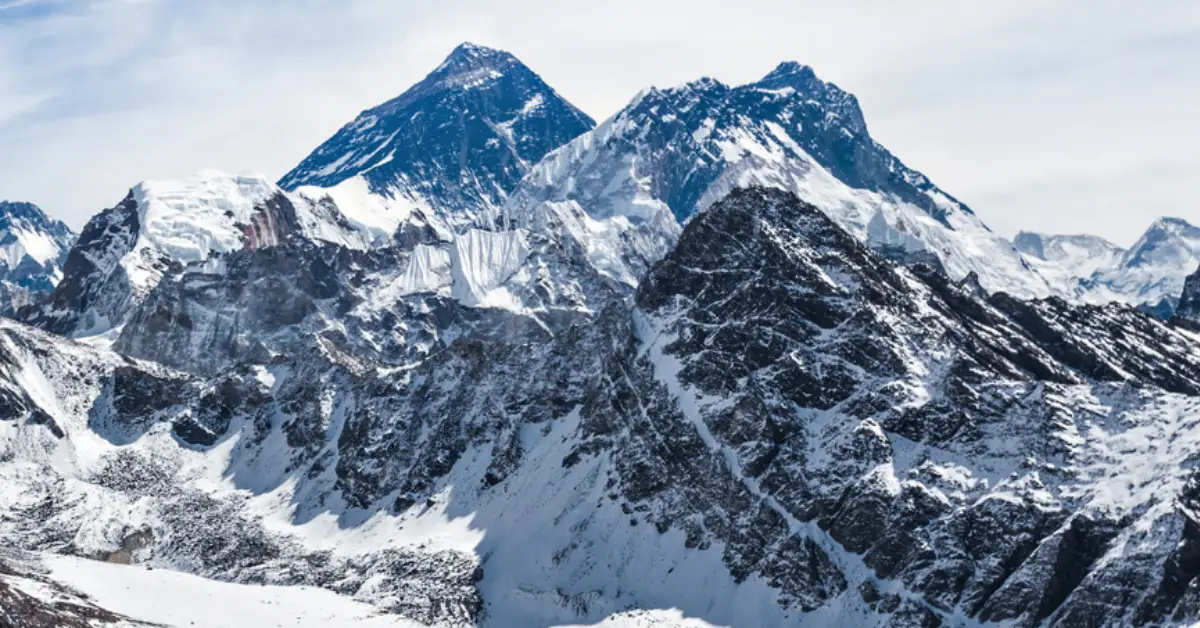
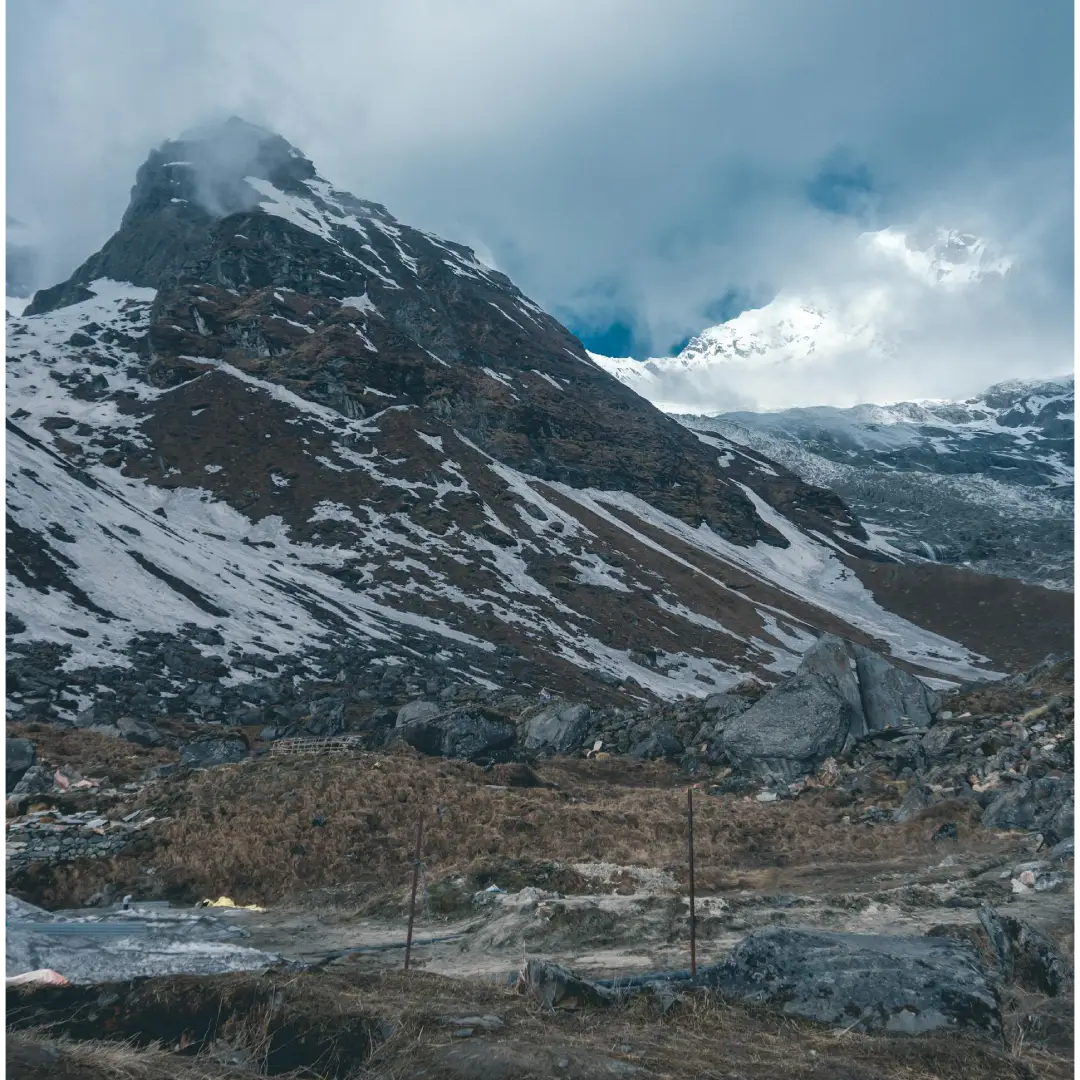
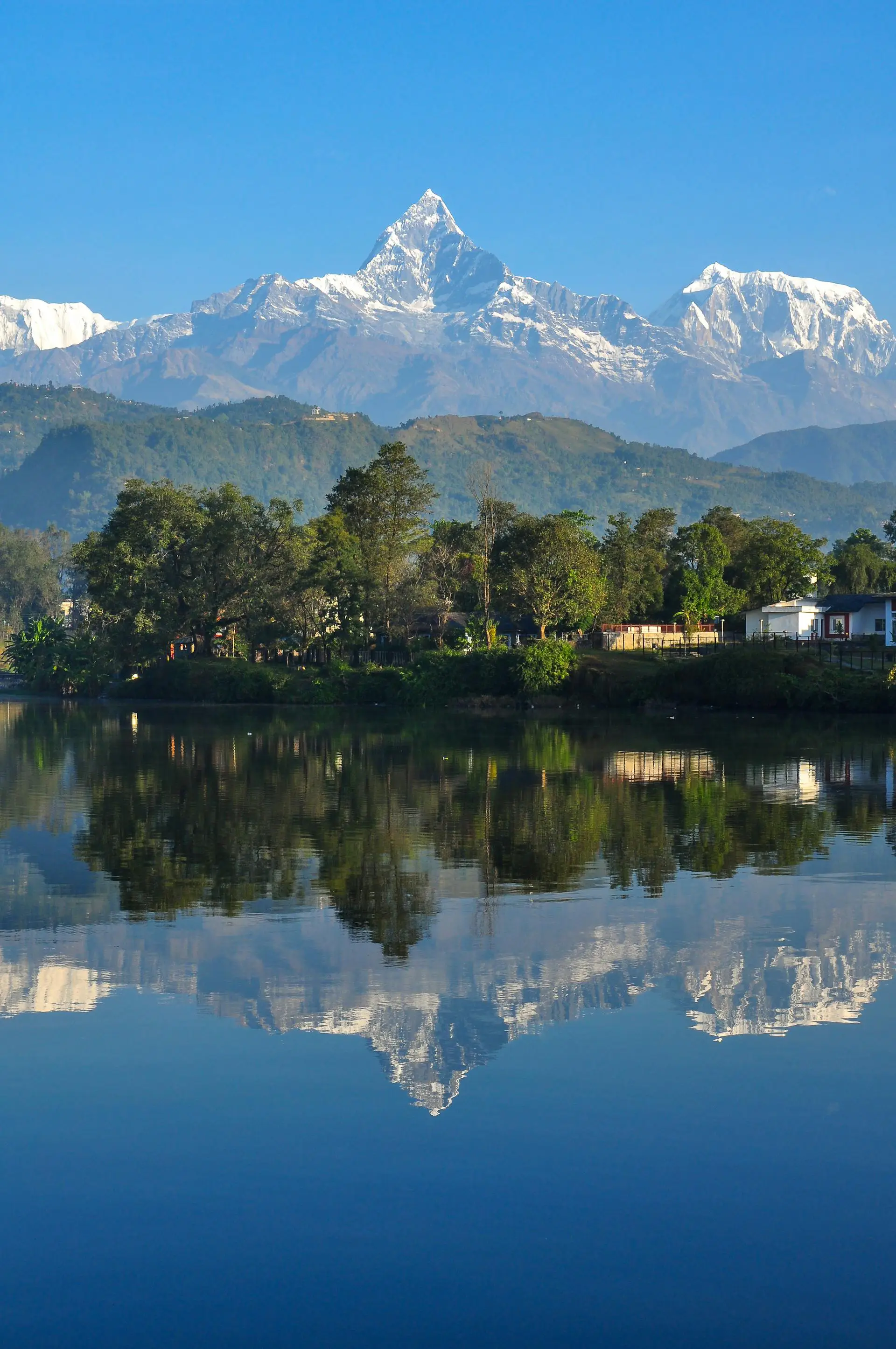
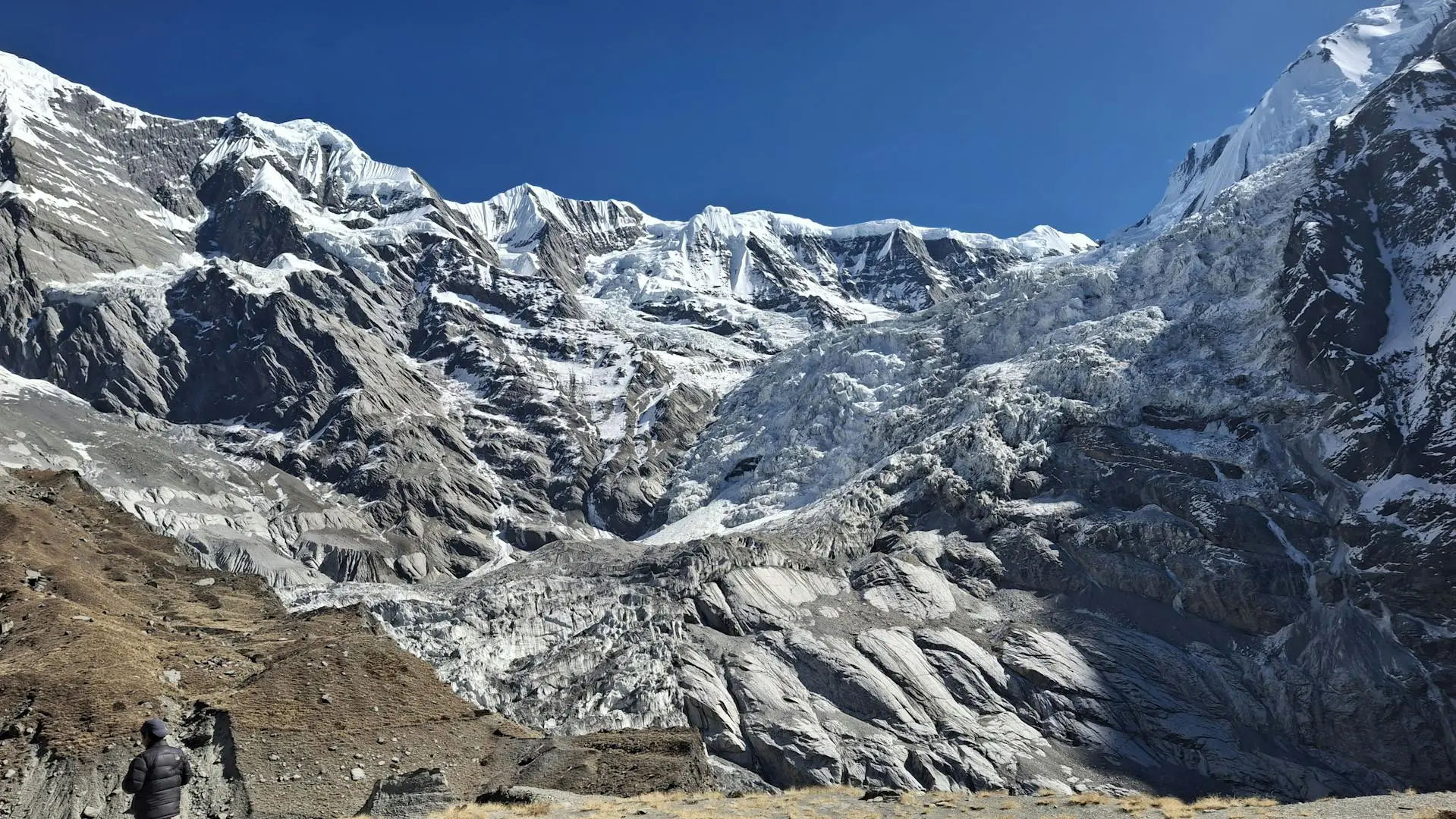
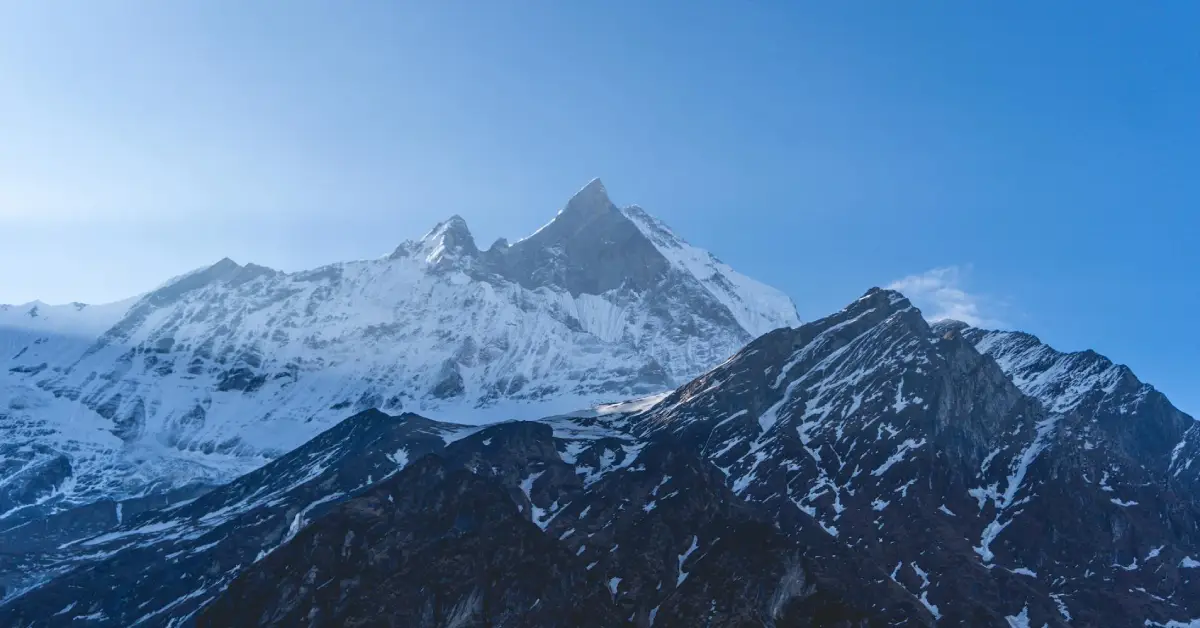
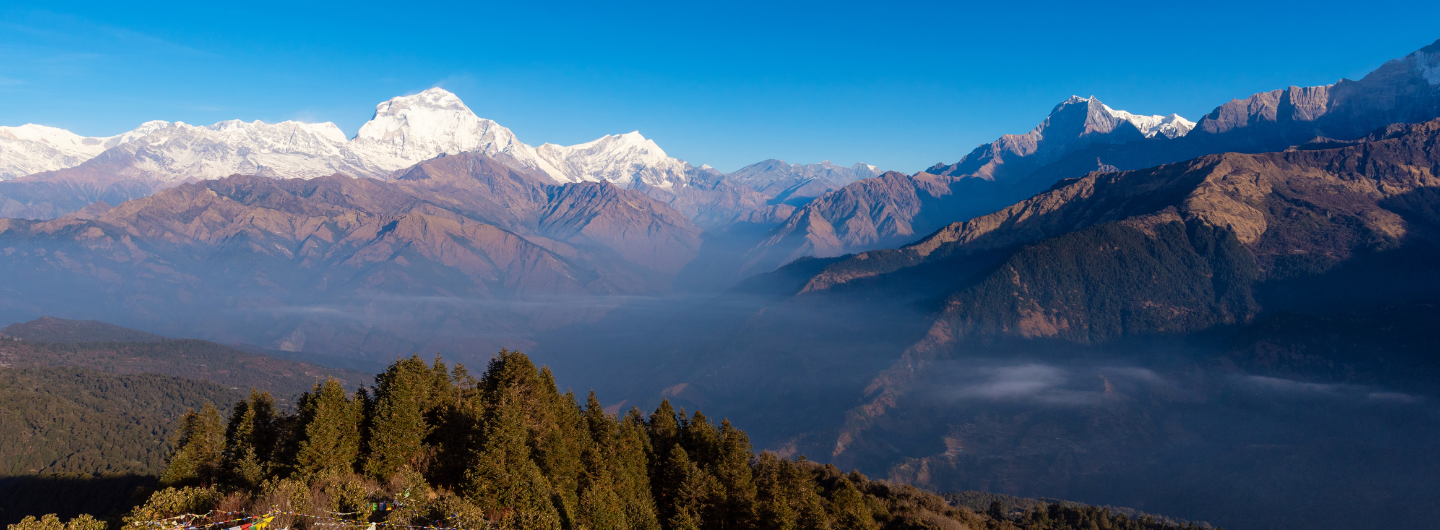
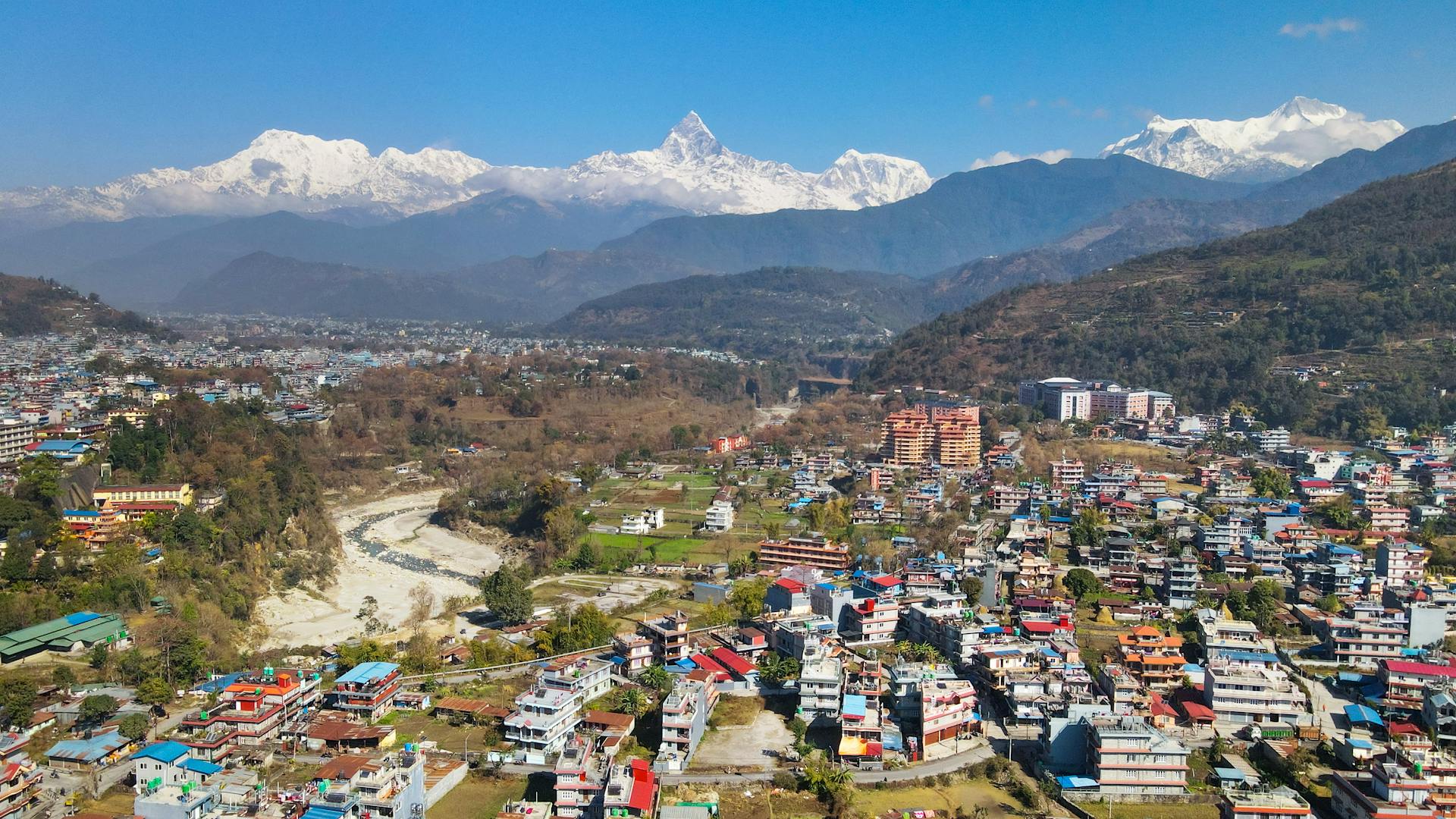
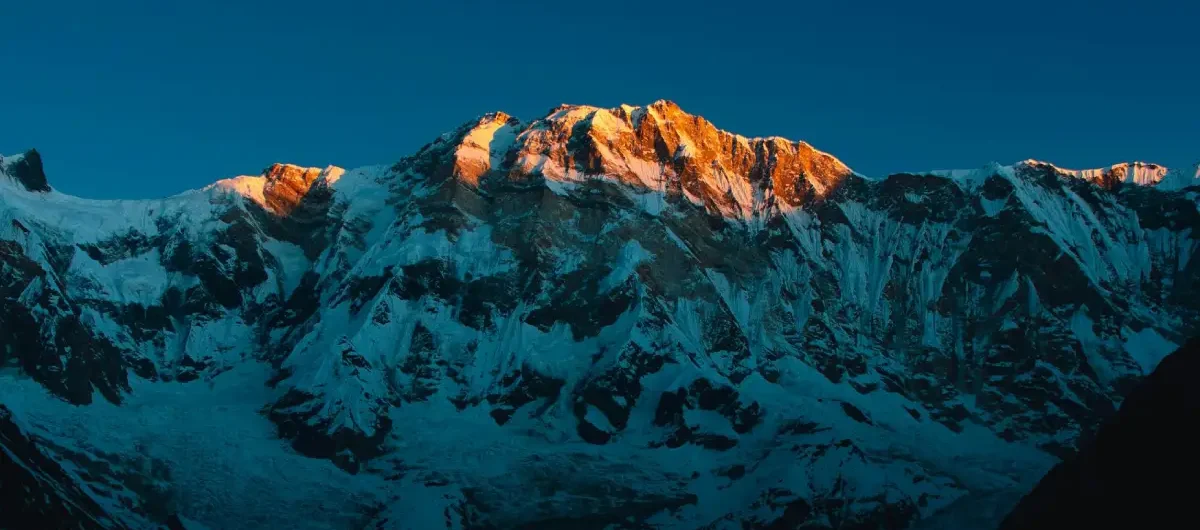
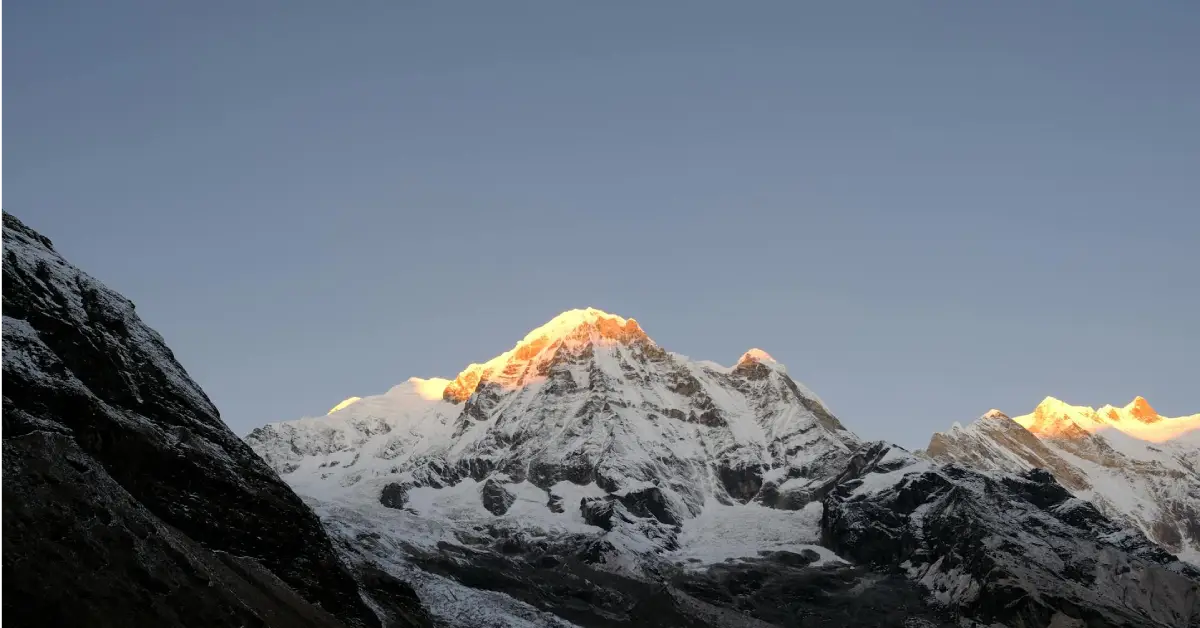
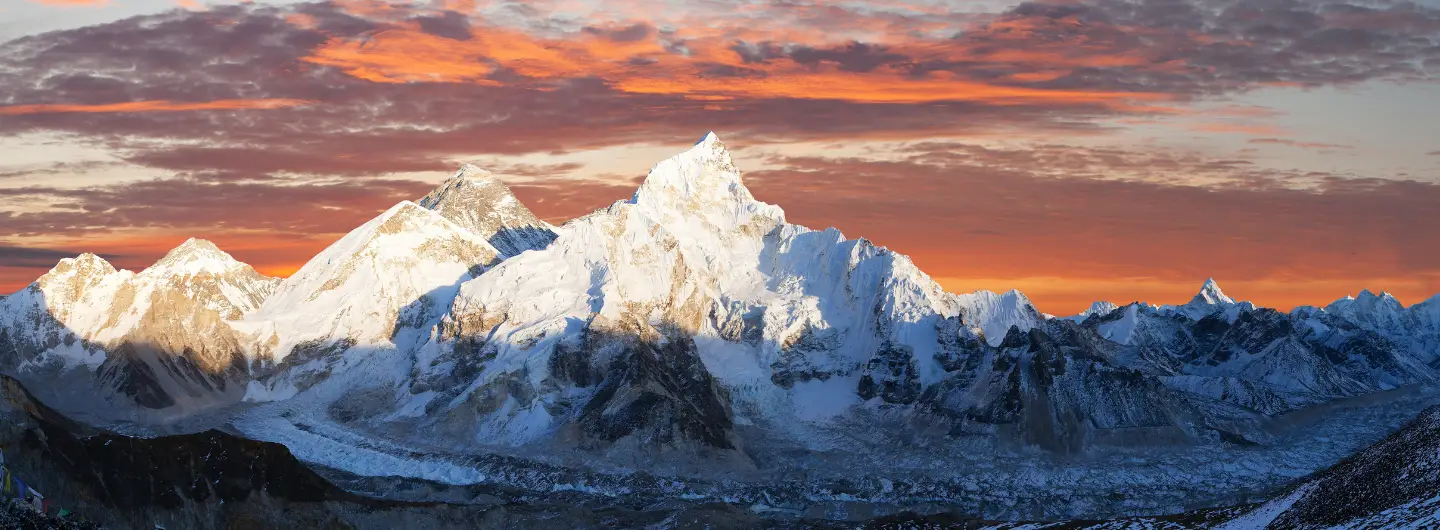
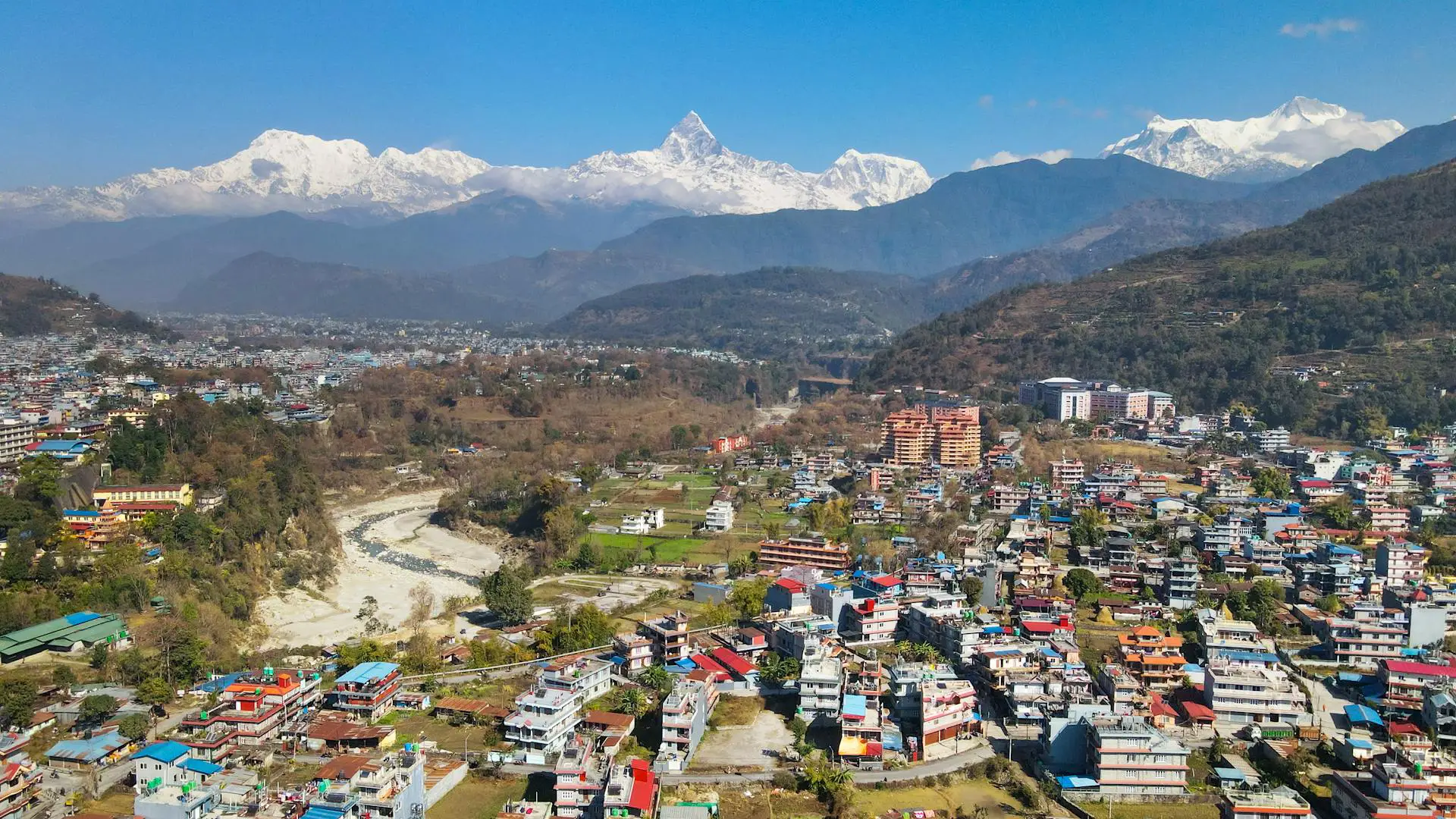
The Annapurna Panorama Trek is a short yet breathtaking Himalayan journey in Nepal that takes you through terraced farmlands, rhododendron forests, and traditional Gurung villages, offering stunning views of Annapurna, Dhaulagiri, Machhapuchhre, and Himchuli, all within 8 days.
It is one of the most rewarding moderate treks in the Annapurna region, ideal for travelers with limited time but an appetite for big mountain scenery.
Table of Contents
- What Is the Annapurna Panorama Trek?
How Many Days for the Annapurna Panorama Trek?
Annapurna Panorama Trek Map
Annapurna Panorama Trek Cost
Is the Annapurna Panorama Trek Difficult?
Best Time for the Annapurna Panorama Trek
What to Pack for the Trek
Permits Required
Book Your Trek with Trexmount Ventures
What Is the Annapurna Panorama Trek?
The Annapurna Panorama View Trek is a classic short trek in the Annapurna Conservation Area of Nepal. It starts and ends in Nayapul, passing through Tikhedhunga, Ghorepani, Poon Hill (3,210m), and Tadapani before descending to Ghandruk and exiting at Nayapul. The trail sits at moderate altitudes, making it accessible without the need for acclimatization days.
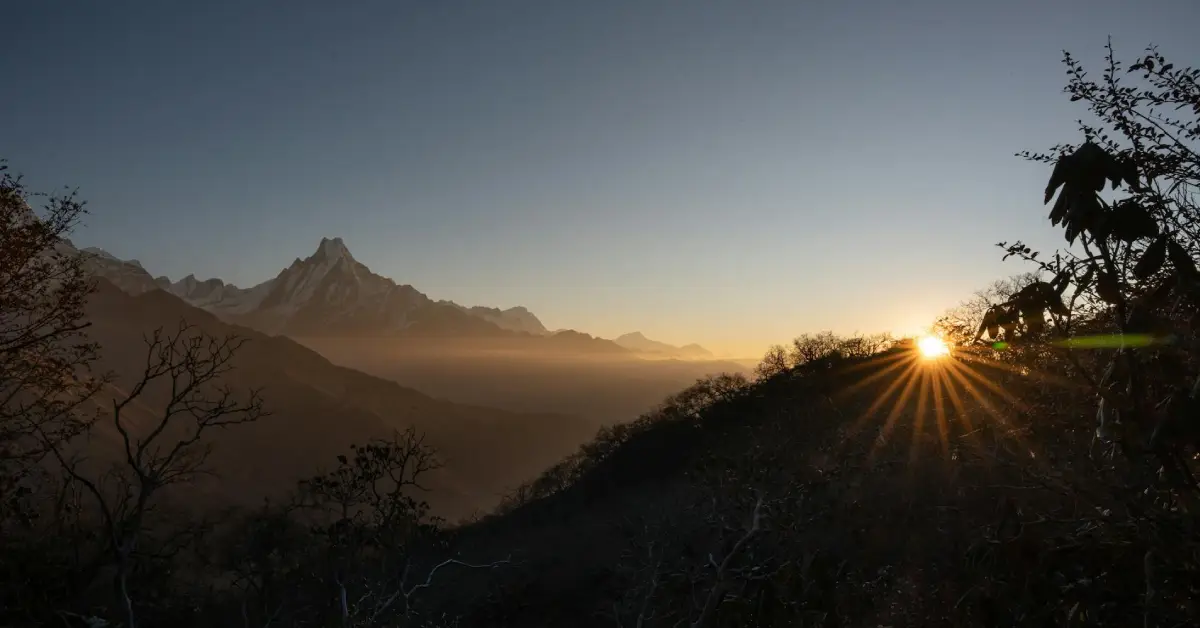
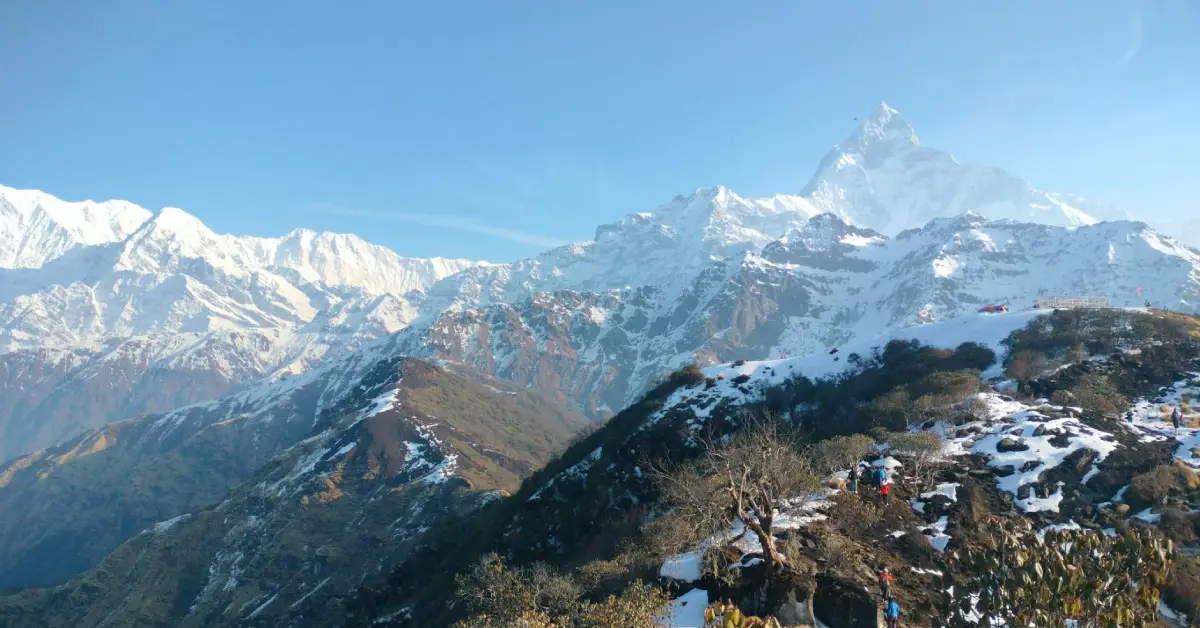
This trek combines natural beauty with cultural richness. You walk through Magar and Gurung villages, observe traditional stone-paved trails, and witness panoramic Himalayan views from Poon Hill, one of the most photographed sunrise viewpoints in all of Nepal. The Annapurna Panorama Trek is, without question, one of the best introductory Himalayan treks available anywhere in the world.
How Many Days for the Annapurna Panorama Trek?
The standard duration for this Trek is 8 days. This includes travel days from Pokhara and adequate time to enjoy each stop without rushing. Some shorter versions complete the loop in 4 to 5 days, but the 8-day format gives you the full experience, sunrise at Poon Hill, leisurely village walks, and time to absorb the Annapurna Dhaulagiri Panorama Trek landscapes in their entirety.
| Version | Duration | Best For |
|---|---|---|
| Short Trek | 4–5 days | Time-limited travelers |
| Standard Trek | 8 days | Most trekkers (recommended) |
| Extended Trek | 10–12 days | Those adding side trails |
Annapurna Panorama Trek Map
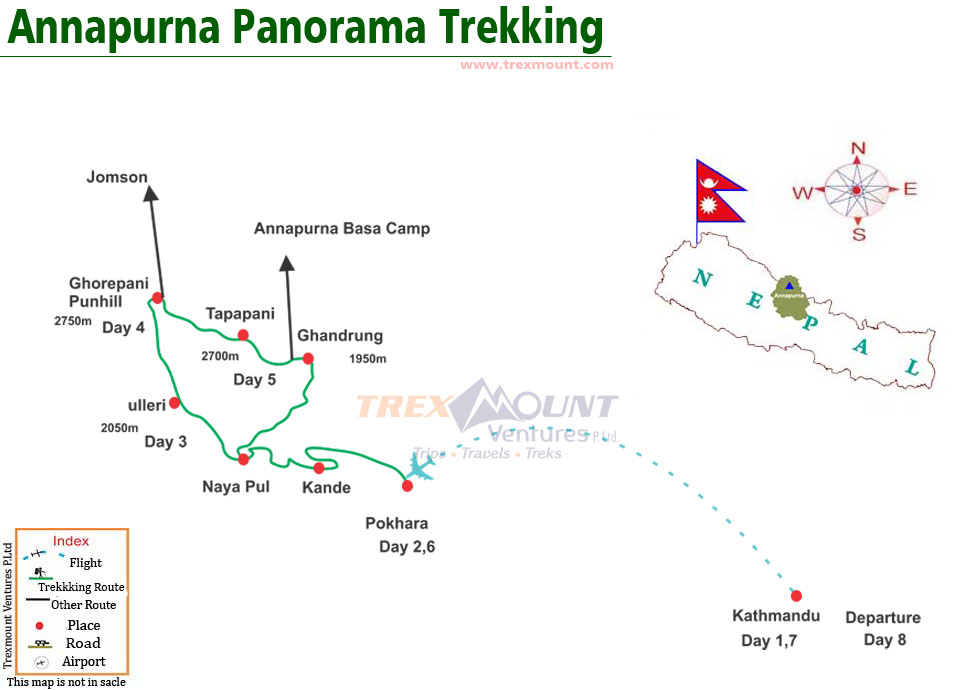
The Annapurna Panorama Trek Map follows a well-defined circular loop within the Annapurna Conservation Area. The trail begins in Nayapul (south of Pokhara), moves northwest toward Ulleri and Ghorepani, peaks at Poon Hill, then swings east through Tadapani and Ghandruk before looping back south to Nayapul.
The entire loop covers approximately 55 to 60 kilometers. Most trekkers use the Himalayan Map House topographic map (1:50,000) or the National Geographic Trails Illustrated Annapurna map for navigation, though the trail is extremely well-marked with signs in both Nepali and English throughout.
Annapurna Panorama Trek Cost
The Panorama Trek cost varies based on the type of service, group size, and season. On average, a budget trekker can complete this journey for approximately USD 500–800, while a fully guided package with a reputable agency like Trexmount Ventures typically runs between USD 770–1,500 per person.
Cost Breakdown
| Expense Category | Estimated Cost (USD) |
|---|---|
| ACAP Permit | $30 |
| TIMS Card | $30 |
| Guide (per day) | $35–50 |
| Porter (per day) | $25–50 |
| Teahouse accommodation (per night) | $5–50 |
| Meals (per day) | $15–50 |
| Transport Pokhara–Nayapul | $10–50 (round trip) |
| Gear rental (if needed) | $20–50 |
| Total (Budget) | $500–800 |
| Total (Guided Package) | $770–1,500 |
What the Trexmount Ventures Package Includes
- Airport pickup and drop-off in Pokhara
All teahouse accommodation (twin sharing)
Three meals per day during the trek
Licensed, English-speaking trekking guide
Porter service
All permit fees
Comprehensive first aid kit
Emergency evacuation support
International flights, travel insurance, personal gear, tips, and alcoholic beverages are not included and remain the trekker’s personal responsibility.
Is the Annapurna Panorama Trek Difficult?
The Trek is rated as a moderate trek. It does not require technical climbing skills, ropes, or prior mountaineering experience. However, the trail does involve steep ascents, most notably the roughly 3,000 stone steps from Tikhedhunga to Ulleri on Day 3, and several hours of walking daily at elevations between 1,500m and 3,210m.
Most healthy adults with a reasonable level of fitness can complete this trek comfortably. The key challenges include:
- Steep uphill sections, particularly on Days 3 and 4
Altitude at Poon Hill (3,210m), which may cause mild breathlessness
Early morning cold at Poon Hill (temperatures can drop to -5°C in winter)
Multi-day walking stamina required (4–6 hours per day)
Is the Annapurna Panorama Trek for Beginners?
Yes, this Trek is considered suitable for beginners, provided they are in good physical condition and have realistic expectations about the effort involved. No previous trekking experience is required. The trails are clear, well-maintained, and heavily trafficked, which means help is always nearby. First-time trekkers are strongly advised to hire a guide from a trusted agency like Trexmount Ventures for safety, navigation, and local cultural insight.
How Difficult Is the Annapurna Panorama Trek Compared to ABC?
The Annapurna Base Camp (ABC) trek is significantly more demanding than the Annapurna Panorama Trek. ABC reaches 4,130m, nearly 1,000m higher than Poon Hill, and takes 10 to 14 days. The risk of altitude sickness is notably higher on the ABC route. In comparison, the Panorama Trek covers lower altitudes, shorter distances, and requires fewer days, making it a far gentler introduction to Himalayan trekking.
Which Is Harder, EBC or ABC?
Everest Base Camp (EBC) is generally considered harder than Annapurna Base Camp (ABC). EBC reaches 5,364m compared to ABC’s 4,130m, involves more days (12–14 days minimum), greater altitude sickness risk, and harsher weather exposure. Both are genuinely challenging, but EBC demands significantly more acclimatization and endurance. This Trek, sits well below both, remains the easiest of the three options.
Best Time for the Annapurna Panorama Trek
The best seasons for this Trek are spring (March to May) and autumn (September to November). These windows offer the clearest skies, stable weather, and the best mountain visibility from Poon Hill.
| Season | Months | Conditions |
|---|---|---|
| Spring | March–May | Rhododendrons in bloom, clear views |
| Summer/Monsoon | June–August | Heavy rain, leeches, poor visibility |
| Autumn | September–November | Best overall weather, peak season |
| Winter | December–February | Cold, snow possible, fewer crowds |
What to Pack for the Trek
Packing right makes a significant difference in comfort and safety. Below is a practical gear list for the Annapurna Panorama Trek:
Clothing:
- Moisture-wicking base layers (2 sets)
Fleece mid-layer
Waterproof and windproof outer jacket
Trekking pants and shorts
Warm hat, gloves, and neck gaiter
Sun hat and sunglasses
Gear:
- Trekking poles (recommended for the steep descent from Poon Hill)
Daypack (20–30L)
Sleeping bag rated to -5°C (teahouses provide blankets, but a personal bag adds comfort)
Headlamp with spare batteries
Health and Safety:
- Personal first aid kit
Altitude sickness medication (consult your doctor before trekking)
Water purification tablets or a filter bottle
Sunscreen (SPF 50+) and lip balm
Permits Required
Two permits are mandatory for this Trek. Both can be obtained in Pokhara or at Beni checkpoint.
| Permit | Issuing Authority | Estimated Cost |
|---|---|---|
| ACAP (Annapurna Conservation Area Permit) | Nepal Tourism Board | NPR 3,000 (~USD 22–30) |
| TIMS Card (Trekkers’ Information Management System) | TAAN / NTB | NPR 3,000 (~USD 20–30) |
Trexmount Ventures arranges both permits on your behalf as part of the guided package, so you do not have to spend time at government offices.
Book Your Trek with Trexmount Ventures
At Trexmount Ventures, we specialize in crafting safe, memorable, and value-driven trekking experiences across Nepal. Our package is designed by experienced mountain professionals who know every stone step, every teahouse, and every sunrise angle on this route. Whether you are a first-time trekker or a returning adventurer, our team ensures a seamless experience from your first inquiry to your final descent.
 Review us on Google