
Trexmount Ventures
Trexmount

Pikey Peak Trekking

Adventure Awaits

Pikey Peak Trekking

Nepal
0 Reviews
Large Image
Best Price $801.00
Duration 9 Days
Location Nepal
Best Season Mar - May & Sep - Nov
Difficulty Level Moderate
Max Altitude 4,065 meters
Activity Trekking
Transportation Trexmount and Public Vehicle

Overview

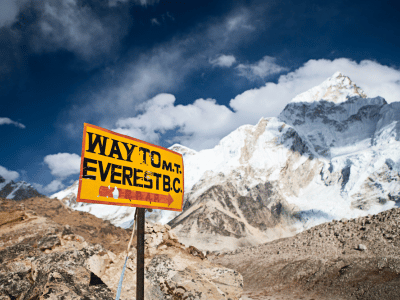
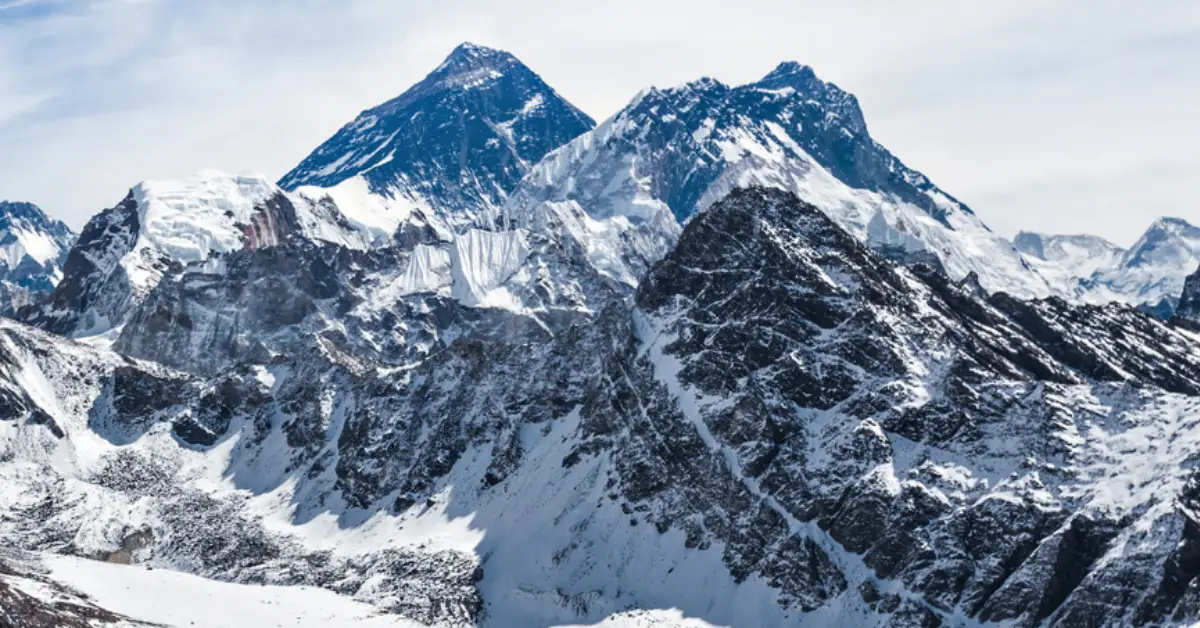
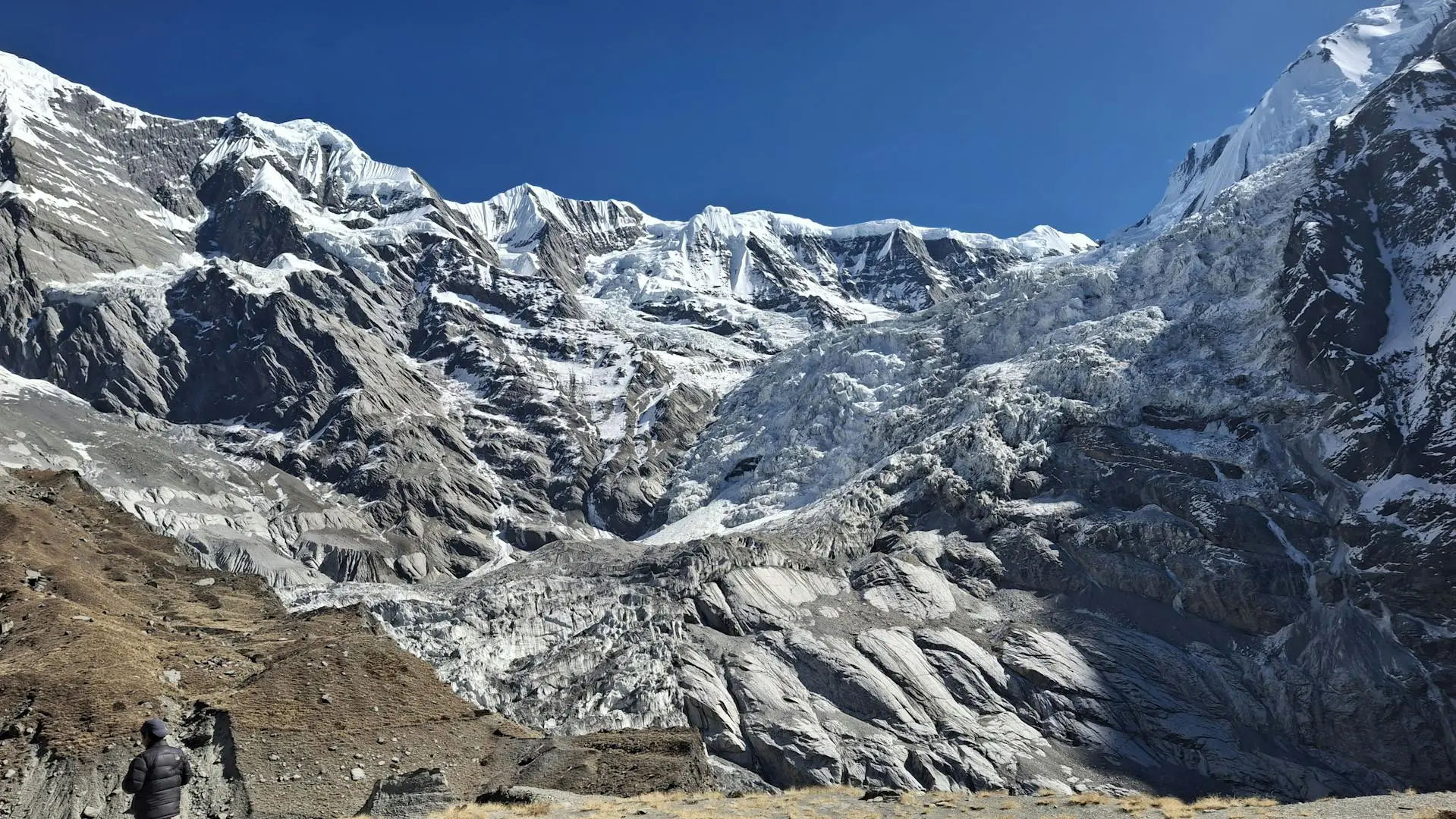
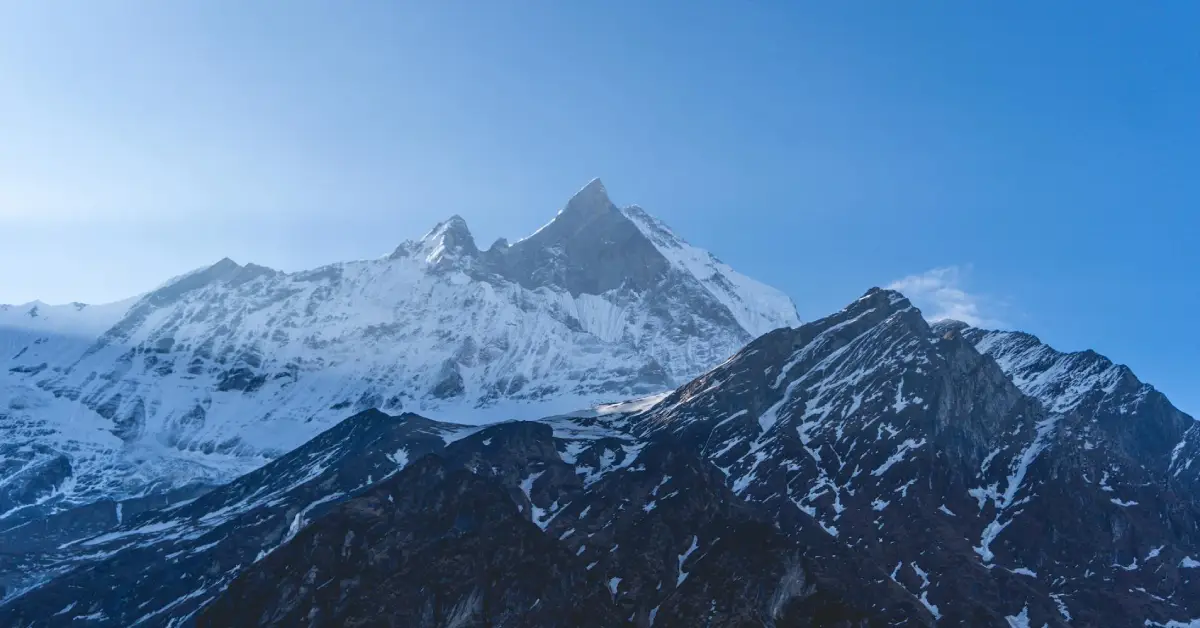
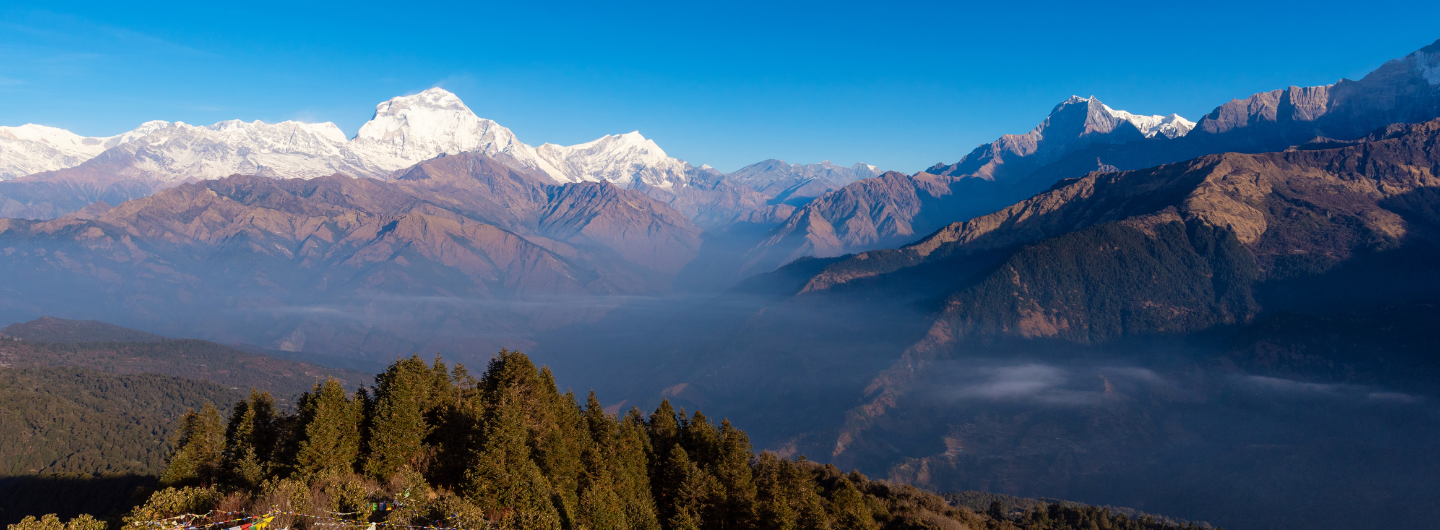
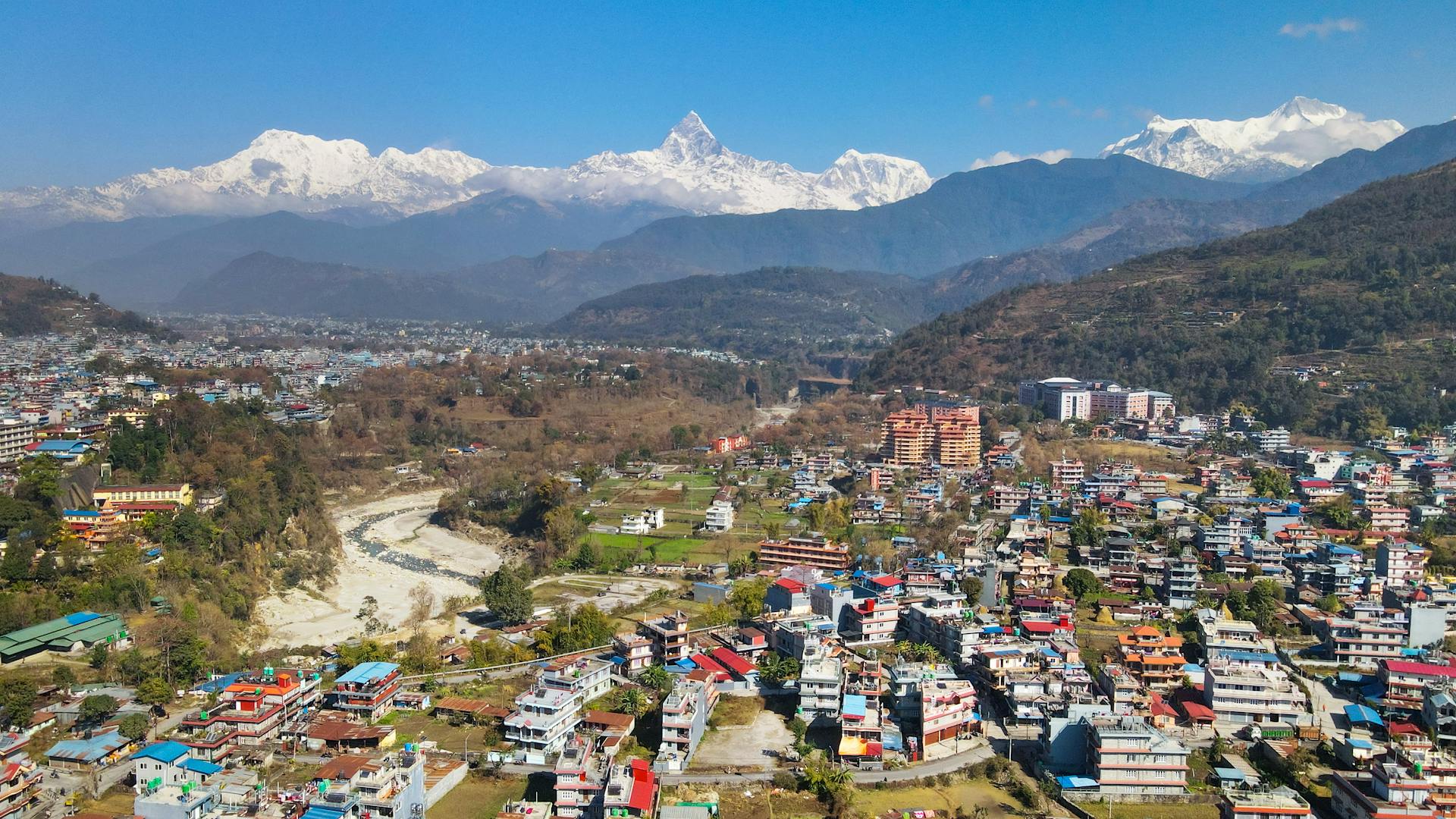
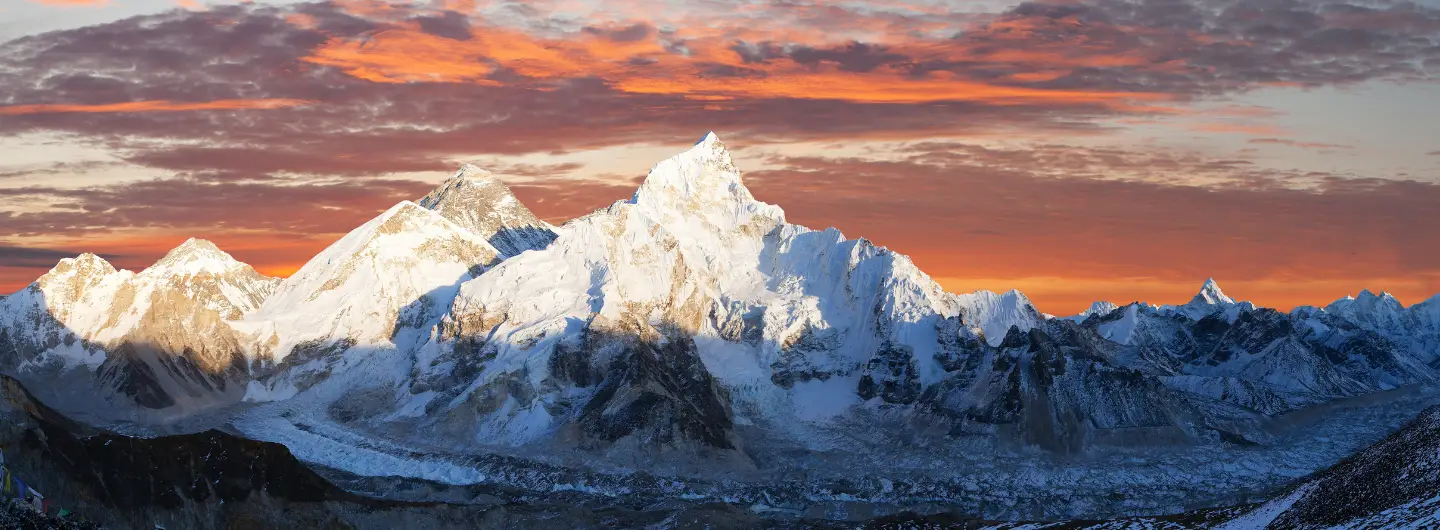
Pikey Peak trek takes you to one of the most rewarding and least crowded viewpoints in the entire Himalayas. Standing at 4,065 meters, Pikey Peak in Nepal offers an unobstructed 360-degree panorama of the world’s highest peaks, including Everest, Kanchenjunga, Lhotse, and Makalu, all from a trail that still feels raw, local, and genuinely off the beaten path.

What Makes Pikey Peak Trek Special?

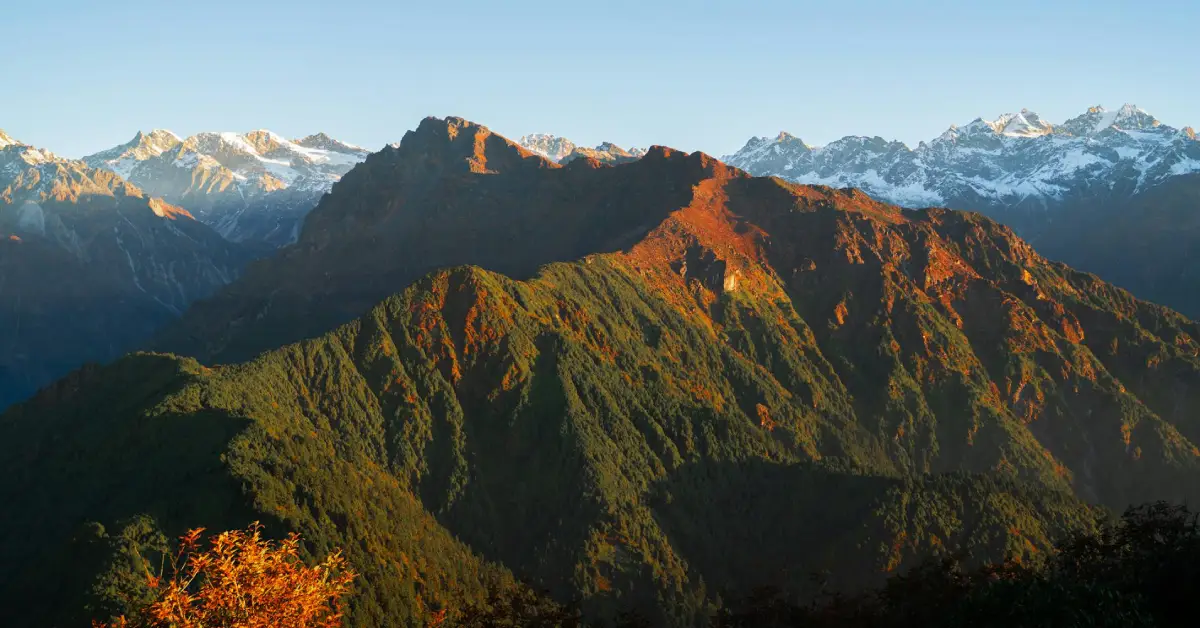
Pikey Peak trekking is special because it delivers Himalayan grandeur without the crowds. Unlike Everest Base Camp or Annapurna Circuit, this trail winds through authentic Sherpa villages, rhododendron forests, and high alpine meadows where you are more likely to meet a yak herder than another tourist.

The trail passes through the Solu-Khumbu region, a culturally rich area that is the ancestral home of the Sherpa people. You walk through places like Junbesi and Salleri, where monastery bells echo through pine forests and daily life continues largely untouched by mass tourism.

Sir Edmund Hillary, who first summited Everest, reportedly called the view from Pikey Peak the finest Himalayan panorama he had ever seen. That alone should tell you what kind of place this is.

FeatureDetail
Altitude4,065 m (13,337 ft)
RegionSolu-Khumbu, Nepal
Best ViewEverest, Kanchenjunga, Lhotse, Makalu
Trek TypeOff-beat, cultural, scenic
Famous ForPanoramic Himalayan views, Sherpa culture

Is Pikey Peak Easy?

Yes, Pikey Peak trekking is considered one of the more accessible high-altitude treks in Nepal. The maximum elevation is 4,065 meters, which is significantly lower than treks like Everest Base Camp (5,364 m) or Thorong La Pass (5,416 m), making altitude sickness far less of a concern for most healthy trekkers.

Difficulty Comparison

TrekMax AltitudeDifficulty Level
Pikey Peak Trek4,065 mEasy to Moderate
Everest Base Camp5,364 mStrenuous
Annapurna Circuit5,416 mStrenuous
Langtang Valley4,984 mModerate

Who Can Do This Trek?

  • Beginners with a basic fitness level
  • Families with older children
  • Trekkers returning after a long break
  • Senior trekkers looking for a gentler Himalayan experience

The trails are well-marked and the gradient, while occasionally steep, never pushes into technical territory. A reasonable level of walking fitness and a spirit of curiosity are honestly all you need.

Which Is the Most Difficult Trek in Nepal?

Nepal is home to some of the world’s most demanding high-altitude routes. The most difficult trek in Nepal is widely considered to be the Upper Dolpo Trek or the Kanchenjunga Circuit, both of which involve extreme altitudes, remote terrain, and multi-week commitments with very limited rescue access.

Nepal’s Most Challenging Treks

TrekMax AltitudeWhy It Is Hard
Upper Dolpo5,360 mRemote, restricted zone, long duration
Kanchenjunga Circuit5,143 mVery remote, technical sections
Manaslu Circuit5,160 mHigh pass, limited facilities
Great Himalaya Trail7,000+ mFull trans-Nepal crossing

Pikey Peak sits firmly on the opposite end of this spectrum. It is an ideal starting point for anyone who wants a genuine Himalayan trekking experience before attempting harder routes.

Food and Accommodation on Pikey Peak Trek

What Food Is Available?

The teahouses and local lodges along the Pikey Peak trail serve warm, hearty meals that reflect Nepali mountain cooking at its most authentic.

  • Dal bhat (lentil soup with rice and vegetables) is served twice daily
  • Sherpa stew, a thick potato and vegetable broth
  • Tibetan bread with honey or yak butter
  • Momos (steamed dumplings) at the village stop
  • Noodle soups and fried rice at higher elevations
  • Local milk tea and butter tea throughout the route

The food is simple, fresh, and filling. Many lodges grow their own vegetables, and the quality is consistently good even at altitude.

What Accommodation Is Like?

Accommodation along this trek is in traditional teahouses and family-run lodges. Rooms are simple, clean, and warm enough, typically offering twin beds with thick blankets.

Accommodation TypeAvailabilityFacilities
Family teahousesThroughout the routeBasic rooms, shared bathrooms
Local lodgesMain village stopsMeals included, hot water on request
Monastery guesthousesJunbesi and nearbyMinimal, peaceful, unique experience

Hot showers are available at most stops for a small charge. Wi-Fi exists in lower villages but becomes unreliable higher up, which most trekkers find to be a welcome break.

Is Pikey Peak Worth It?

Absolutely. Pikey Peak trekking in Nepal delivers one of the most spectacular mountain panoramas in Asia without requiring extreme fitness, technical skill, or weeks of your time. The summit view at sunrise, with Everest glowing orange above a sea of clouds, is the kind of moment that trekkers remember for life.

Beyond the summit, the journey through Sherpa villages, old trade routes, and rhododendron forests feels genuinely immersive. You are not just passing through a landscape; you are walking through a living culture.

If you have been waiting for the right Himalayan trek, Pikey Peak is the answer.

Start Your Pikey Peak Trek with Trexmount Ventures

At Trexmount Ventures, we design every Pikey Peak trek around your pace, your goals, and your comfort. Our team of experienced local guides knows this trail intimately and brings you closer to the culture, the landscape, and the people who call these mountains home. Whether you are stepping onto a Himalayan trail for the first time or returning for another adventure, we are here to make it real, safe, and unforgettable. Get in touch with us today and take the first step toward your Pikey Peak experience.
Package options

Select Package Type

★ ★ ★ ★ ★
10% OFF

Standard Package Price

US $801
US $890

per traveller

Standard Package Included

  • Airport pick-up and drop-off transfer
  • Transportation as per the above itinerary
  • All accommodations (Twin Share)
  • Standard Three Course Meal
  • An experienced guide and the required number of porters (one porter between two pax)
  • Warm sleeping bag, warm down jacket, and walking stick, if necessary.
  • Trek bag
  • All Government Taxes
  • Certificate of Trip Completion

Standard Package Excluded

  • Tips to staff or any donations
  • Single Supplement for single-use rooms
  • Your travel insurance, Medical and emergency costs (Just in case)
  • All types of drinks (mineral water, any cold drinks, and alcoholic drinks)
  • Any personal expenses that are not mentioned in the price inclusion
  • If you want to take a private Vehicle instead of a tourist bus, it will cost USD 30 extra per person for one way
  • Flight Kathmandu/Pokhara (if interested, instead of driving) USD 85 extra for one-way flight per person.

Trip Itinerary

Our Representative will be holding a board with your name and our company’s name “Trexmount Ventures”. He will transfer you to the Hotel. Our tour manager will take a Pre-Departure meeting in the hotel or in our office. This briefing will cover the whole tour program and other related information. Overnight at Hotel

Accommodation

Hotel in Kathmandu

Meal

N/A

Time

N/A

Distance

N/A

From Kathmandu Valley, Dhap (2,900 m) is situated at a distance of 230 km. If the journey starts at 6 am, one can reach Nepal Thok for lunch. It takes around 7-8 hours of bus or jeep ride to reach Dhap. 3-4 hotels are available for food and lodging.

Accommodation

Tea Houses

Meal

Breakfast

Time

~8 hours

Distance

~230 km

After a drive of 6-7 hours, one can reach Jiprey which is 2,930 m high from the sea level. Throughout the journey, Chauri gai can be seen. Similarly, long stone manes can be seen in different places. During the spring season (Mid-March to mid-May), one will be able to see forest painted by Rhododendron magnificently.

Accommodation

Tea Houses

Meal

Breakfast, Lunch, Dinner

Time

~6 hours

Distance

~14 km

Pikey Base Camp, located at an altitude of 3,600 m above sea level, can be reached after the journey of 6- 7 hour hike from Jiprey. Small tea houses are available on the route to base camp, whereas there are 2 hotels at base camp for food and lodging. During the spring season (Mid-March to mid-May), one will be able to see spectacular displays of rhododendrons.

Accommodation

Tea Houses

Meal

Breakfast, Lunch, Dinner

Time

~5 hours

Distance

~14 km

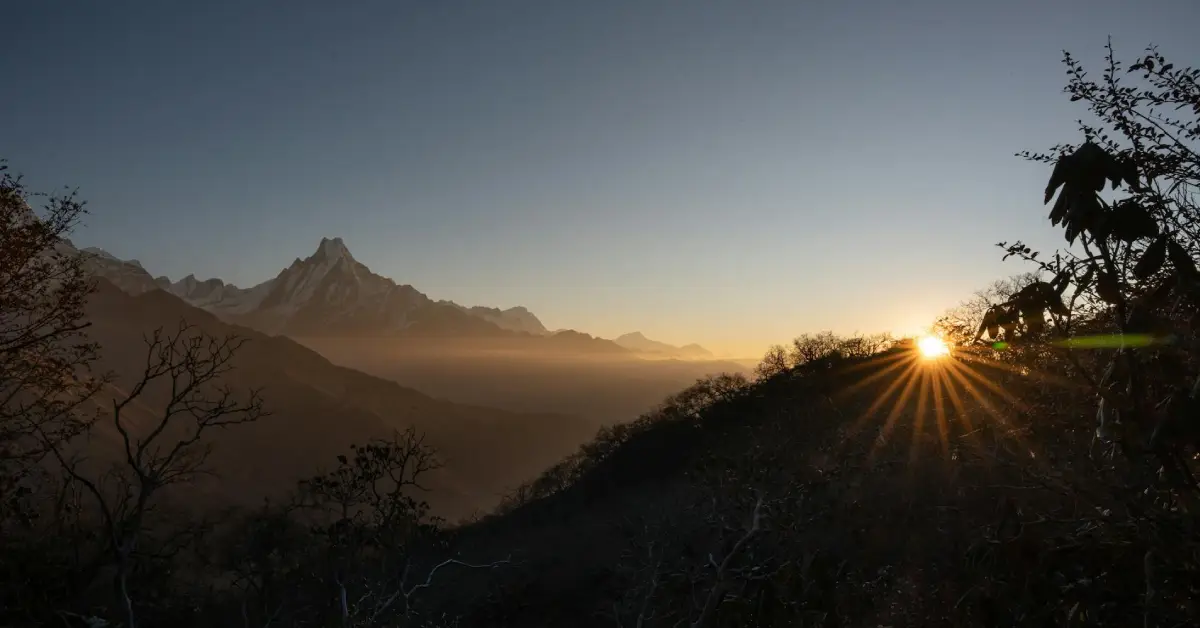
We get up early in the morning with warm clothes and climb up Pikey Peak (4,070m). It is about one hour of walking to get to Pikey Peak. You will see the best sunrise and magnificent view of the Himalayas like Dhaulagiri, Everest, Makalu, Kanchenjunga, AmaDamlam, and Lhotse, Nuptse, Numbur, Gaurisankhar, Langtang to the far west, and other mountains.

After this unforgettable view, we will see all the mountains from here as well. After that, we hike down to Jarsabhanjyang for breakfast. Then start the trek towards Junbesi. We can be reached Taktor(Lunch Place) after 2/3 hrs hiking from Jarsabhyanjyang. After taking lunch, we can be reached 2/3 hrs Junbesi from Taktor.

Junbesi is considered to be the Sherpa’s most beautiful village, which lies at a height of 2990m. above sea level. There is 1 ancient Buddhist monastery. It was the old famous Everest Trekking Route. There are 8-/10 well-facilitated hotels operated by local Sherpas. Pikey Base Camp to Junbesi takes 7/8 hours of hiking and then overnight at the lodge.

Accommodation

Tea Houses

Meal

Breakfast, Lunch, Dinner

Time

~5 hours

Distance

N/A

Thupten Chholing is a celibate Buddhist monastery located in the high and remote mountains of Nepal. Founded by His Holiness Thrulsik Rinpoche in the 1960s after fleeing Tibet, it is an independent and autonomous institution. Consequently, Thupten Choling has been able to remain authentically traditional, and hidden from the outside world.

Due to its remoteness and increasing population, the 700 resident monks and nuns live with dwindling resources, no public health facilities, and little chance of sustaining themselves in the long run unless their limited resources are managed wisely.

After breakfast, we will take a hike to the Thupten Chholing Monastery at 2,800m. Explore the monastery and meditate with nuns. The rest of the day is on your own to explore. Today, we will hike for about 4/5 hours, and we will have lunch at Thupten Chholing Monastery. Overnight in Junbesi at the lodge.

Accommodation

Tea Houses

Meal

Breakfast, Lunch, Dinner

Time

~5 hours

Distance

N/A

After the morning breakfast, trek for 3 hours to reach Chiwong monastery. Chiwong Monastery is situated at an altitude of 9,000 feet on the cliff of Chiwong Hill, about 3 hours' walking distance from Phaplu airport, also in the Solu Khumbu district. At one time, Chiwong Monastery echoed the prayers and scholastic activities of many monks and nuns who resided here. Chiwong Monastery has the privilege of hosting the Dza-Rong-Phuk Sangey Ngawang Tenzing Jangpo from 1955 to 1958. His Holiness Thrulshig Rinpoche lived in this monastery from 1960 to 1967.

Chiwong Monastery celebrates the Mani Rimdu festival on the full moon of October every year. The Mani Rimdu Festival is a colorful occasion that takes place in the most spectacular of settings in the foothills of the Himalayas. Performed by the monks of Chiwong monasteries, it depicts the victory of Buddhism over the ancient ‘Bon’ religion.

Phaplu is situated at an altitude of 2,400m. There is an airport, a hospital, and a nurse. There are 8/10 hotels for tourists. It is also possible to sightsee around Salleri Bazar, headquarters of Solukhumbu district, after eating lunch at Phaplu. Junbesi to Phaplu takes 5/6 hours of hiking and then overnight at the lodge.

Accommodation

Tea Houses

Meal

Breakfast, Lunch, Dinner

Time

~6 hours

Distance

N/A

After the morning breakfast at Phaplu, Kathmandu can be reached through 8 8-hour car/ jeep rides or 40 minutes of flight.

Accommodation

Hotel in Kathmandu

Meal

Breakfast

Time

~8 hours

Distance

~270 km

Breakfast, Transfer to the Airport for the flight back to Kathmandu.

Accommodation

N/A

Meal

Breakfast

Time

N/A

Distance

N/A

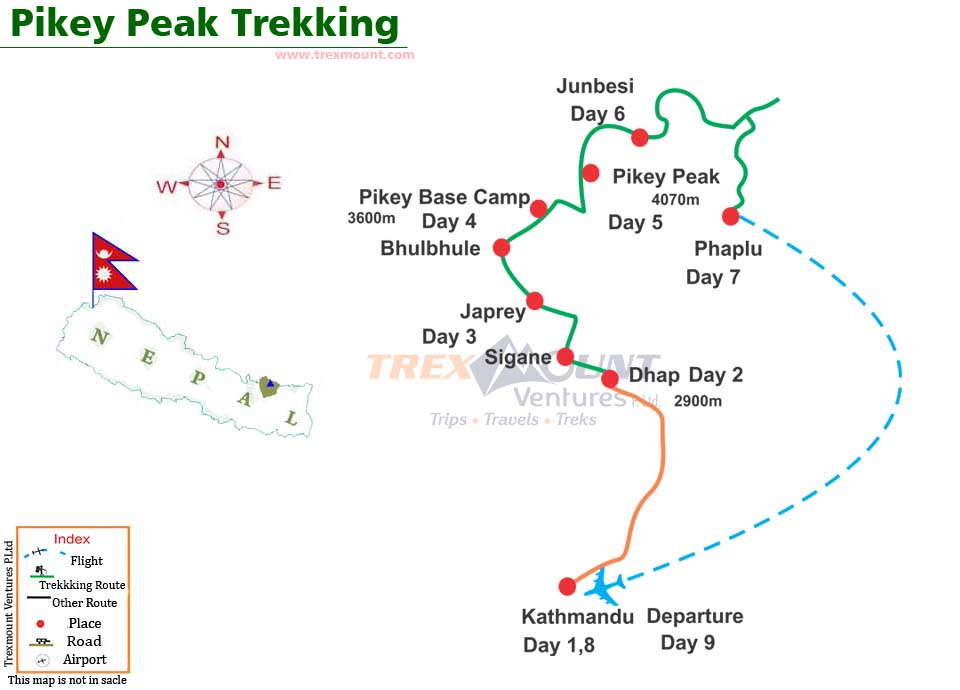
Route Map

trip route map for Pikey Peak Trekking

Fixed Departure

Frequently Asked Questions

The Pikey Peak Trek is a short and scenic Himalayan trekking route in the lower Everest region of Nepal. The trek is famous for its breathtaking sunrise and panoramic views of Mount Everest and surrounding peaks. The trail passes through traditional Sherpa villages, forests, monasteries, and peaceful mountain landscapes, making it a perfect trekking option for travelers seeking a less-crowded Himalayan adventure.

The best time for the Pikey Peak Trek is during spring (March to May) and autumn (September to November). These seasons offer stable weather, clear skies, and excellent mountain visibility. Spring brings blooming rhododendron forests and colorful landscapes, while autumn provides crisp air and stunning Himalayan panoramas. Winter trekking is possible with beautiful snowy scenery, though temperatures can become very cold at higher elevations.

Pikey Peak Trek is considered an easy to moderate trek suitable for beginners and moderately fit trekkers. The trail includes gradual ascents, forest paths, and scenic ridges without extreme technical challenges. Although some uphill sections can be tiring, the trek remains manageable for most travelers. Proper pacing, comfortable trekking gear, and basic fitness preparation are enough to enjoy the journey safely and comfortably in the Himalayas.

Pikey Peak stands at approximately 4,065 meters (13,336 feet) above sea level. The summit viewpoint offers spectacular sunrise and sunset panoramas over the Himalayan range, including Mount Everest. Because the altitude is lower than Everest Base Camp Trek, the risk of altitude sickness is relatively lower, making the trek more comfortable for beginner trekkers and short Himalayan adventures.

Most Pikey Peak Trek itineraries take around 5 to 8 days depending on the trekking route and transportation schedule. The trek usually begins with a drive from Kathmandu to the Solu region before continuing through villages, forests, and scenic mountain trails. Some itineraries also include visits to monasteries and cultural villages, making the trek a perfect short Himalayan getaway in Nepal.

The Pikey Peak Trek offers stunning views of Mount Everest, Makalu, Kanchenjunga, Lhotse, and several Himalayan peaks. The sunrise panorama from Pikey Peak is considered one of the best viewpoints in Nepal. Trekkers also enjoy rolling green hills, forests, monasteries, and traditional Sherpa settlements throughout the route.

Yes, the Pikey Peak Trek is highly suitable for beginners who want a shorter and easier trekking experience in Nepal. The trek reaches moderate altitude and involves manageable walking distances compared to longer Himalayan treks. Beginners can comfortably complete the route with basic fitness and preparation. The peaceful trails, panoramic mountain views, and cultural experiences make it one of Nepal’s best beginner-friendly trekking adventures.

Trekkers generally need the Gaurishankar Conservation Area Permit and local trekking permits for the Pikey Peak Trek depending on the chosen route. Permit requirements may change over time, so travelers should confirm updated information with authorized trekking agencies or tourism offices before beginning the journey. These permits support conservation, local tourism management, and sustainable trekking practices in Nepal’s Himalayan regions.

The Pikey Peak Trek offers rich cultural experiences through Sherpa villages, Buddhist monasteries, prayer flags, and traditional Himalayan lifestyles. Trekkers can interact with local communities, experience Sherpa hospitality, and explore ancient monasteries along the route. The trek provides insight into the spiritual traditions and mountain culture of Nepal while combining natural beauty with authentic local experiences in the Everest region.

The Pikey Peak Trek is famous for its spectacular sunrise views over Mount Everest and surrounding Himalayan peaks. Unlike crowded trekking routes, the trek offers peaceful trails, authentic Sherpa culture, and scenic mountain landscapes close to Kathmandu. Its moderate altitude, shorter duration, and breathtaking panoramas make it one of Nepal’s best hidden trekking destinations for photographers, beginners, and nature lovers.

Traveler Reviews

Verified customer feedback

Related Packages

You May Also Love And Like
Everest Base Camp Trek
(5.0) 16
Nepal
16 Days
Max 50 People
Starts From $1470
Everest Three Passes Trek
(5.0) 20
Nepal
20 Days
Max 30 People
Starts From $2010
Annapurna High Pass Trekking
(5.0) 13
Nepal
14 Days
Max 50 People
Starts From $1280
Annapurna Overview Trek Nepal
(5.0) 19
Nepal
8 Days
Max 50 People
Starts From $1280
Annapurna Panorama Trekking
(5.0) 17
Nepal
8 Days
Max 50 People
Starts From $770
Australian Camp Trekking
(5.0) 18
Nepal
8 Days
Max 50 People
Starts From $500
Mardi Himal Nepal
(5.0) 12
Nepal
10 Days
Max 50 People
Starts From $800
Poon Hill Trek
(5.0) 16
Nepal
10 Days
Max 50 People
Starts From $870
Khair lake Panorama Trekking
(5.0) 20
Nepal
14 Days
Max 50 People
Starts From $1410
Nar Phu Trekking
(5.0) 13
Nepal
20 Days
Max 50 People
Starts From $1790
Panchase Trekking
(5.0) 15
Nepal
12 Days
Max 50 People
Starts From $980
Gokyo Lake Trek
(5.0) 15
Nepal
15 Days
Max 50 People
Starts From $1610
Everest Panorama Trekking
(5.0) 17
Nepal
12 Days
Max 50 People
Starts From $1210
Everest View Hotel and Chopper flight
(5.0) 10
Nepal
14 Days
Max 11 People
Starts From $1888
Mani Rimdu Festival
(5.0) 10
Nepal
13 Days
Max 50 People
Starts From $1780