
Overview
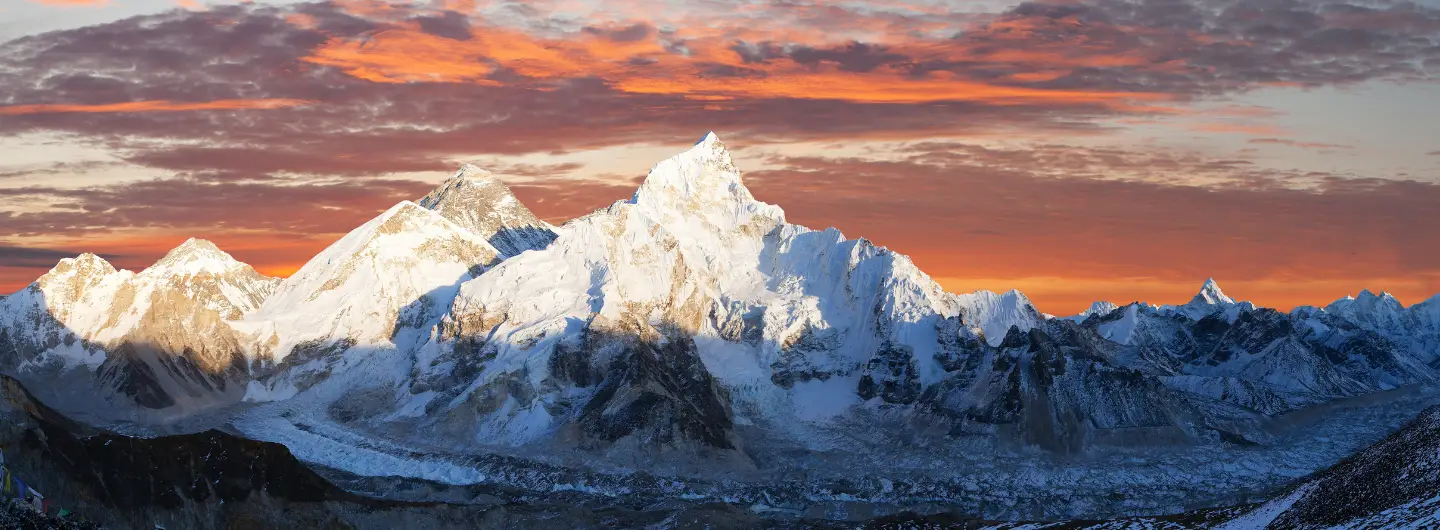
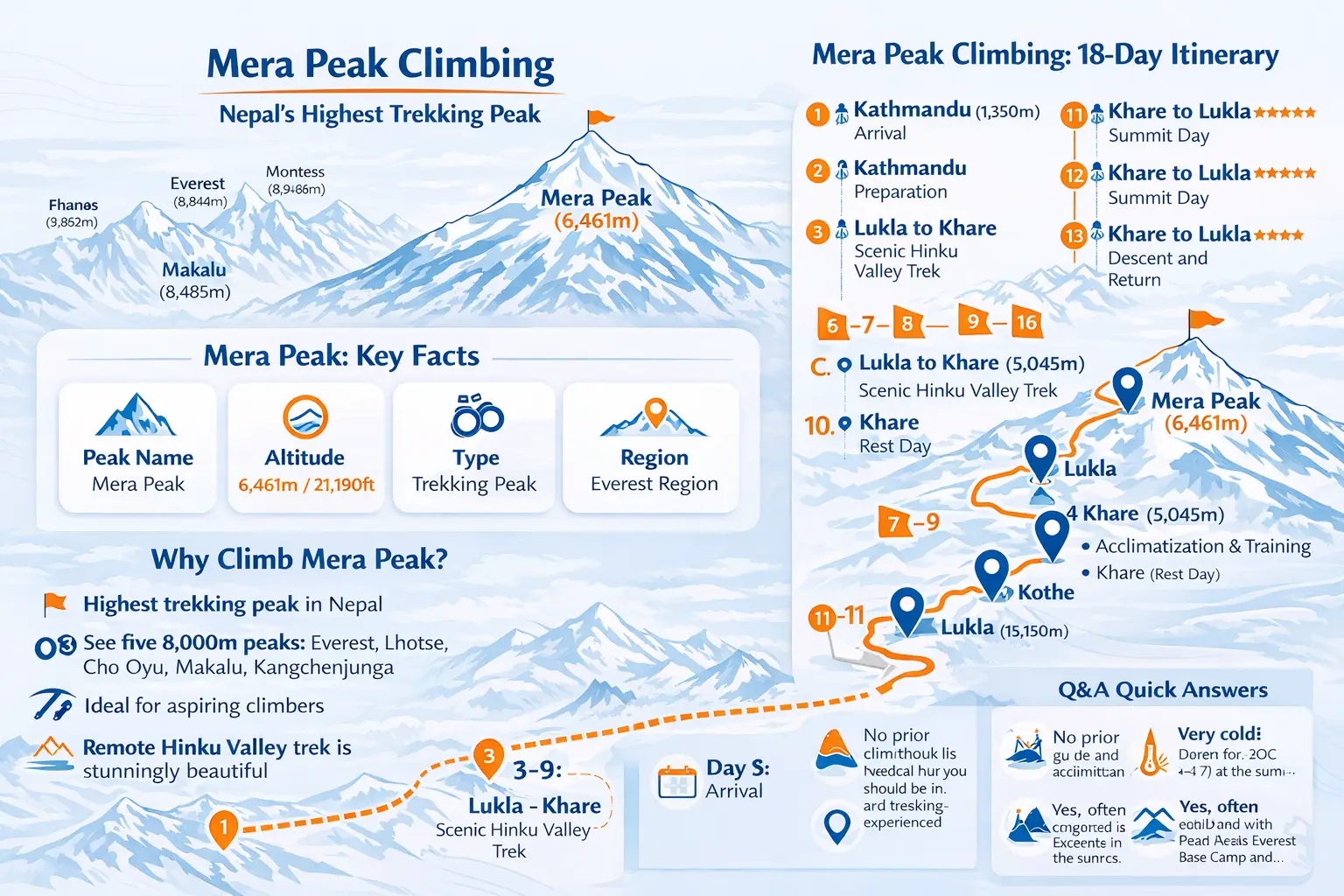
Imagine standing on top of the highest trekking peak in Nepal, surrounded by five of the world’s tallest mountains. That is exactly what Mera Peak climbing gives you. At 6,461 meters above sea level, Mera Peak is one of the most rewarding adventures you can have in the Himalayas. It is high, it is beautiful, and surprisingly, it is not as scary as it sounds.
Whether you are dreaming of your first Himalayan peak climbing experience in Nepal or looking to add a serious summit to your list, this complete guide by Best Trekking Company in Nepal covers everything. From the full 18-day Mera Peak climbing itinerary to gear, difficulty, permits, and the best time to go, you will find it all right here, written in simple terms so anyone can understand.
What is Mera Peak? A Beginner’s Guide to Himalayan Peak Climbing in Nepal
| Feature | Details |
|---|---|
| Peak Name | Mera Peak |
| Altitude | 6,461m / 21,190ft |
| Location | Khumbu, Solukhumbu District, Nepal |
| Type | Trekking Peak (non-technical) |
| Region | Everest Region |
| Best Season | Spring & Autumn |
| Permit Required | Yes |
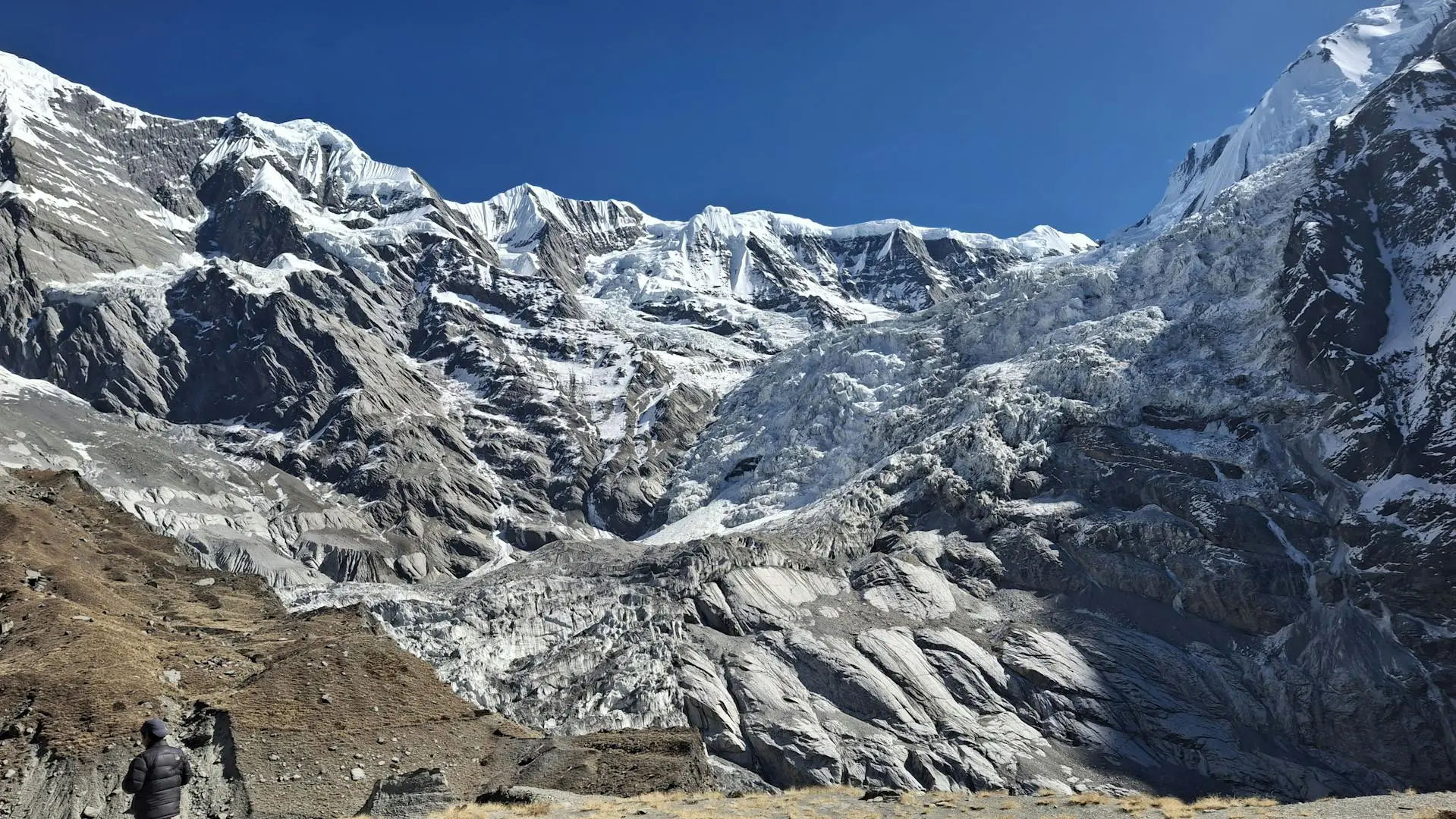
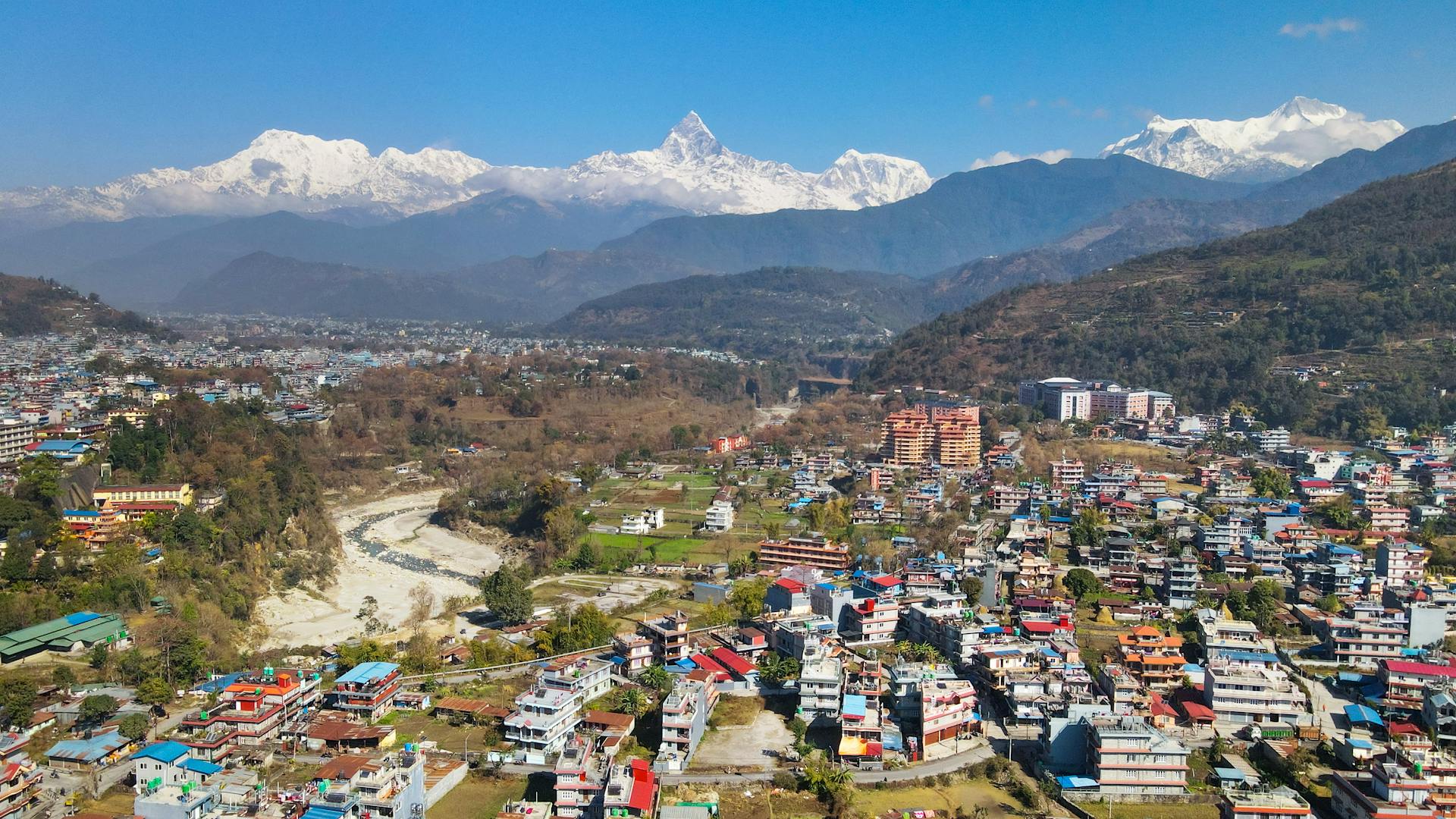
Mera Peak is the tallest trekking peak in all of Nepal. It sits in the Everest region trekking zone, tucked inside the beautiful Hinku Valley. Most people have heard of Everest Base Camp, but Mera Peak is something even more special, you actually reach a true summit, not just a base camp.
Mera Peak climbing in Nepal is classified as a trekking peak, which means it does not require the same level of technical climbing skill as mountains like Everest or Annapurna. However, do not be fooled by the word “trekking.” At 6,461 meters, this is a serious high-altitude adventure. You will need crampons, an ice axe, and a good guide.
Why is Mera Peak So Popular?
- It is the highest trekking peak in Nepal, a genuine bragging right
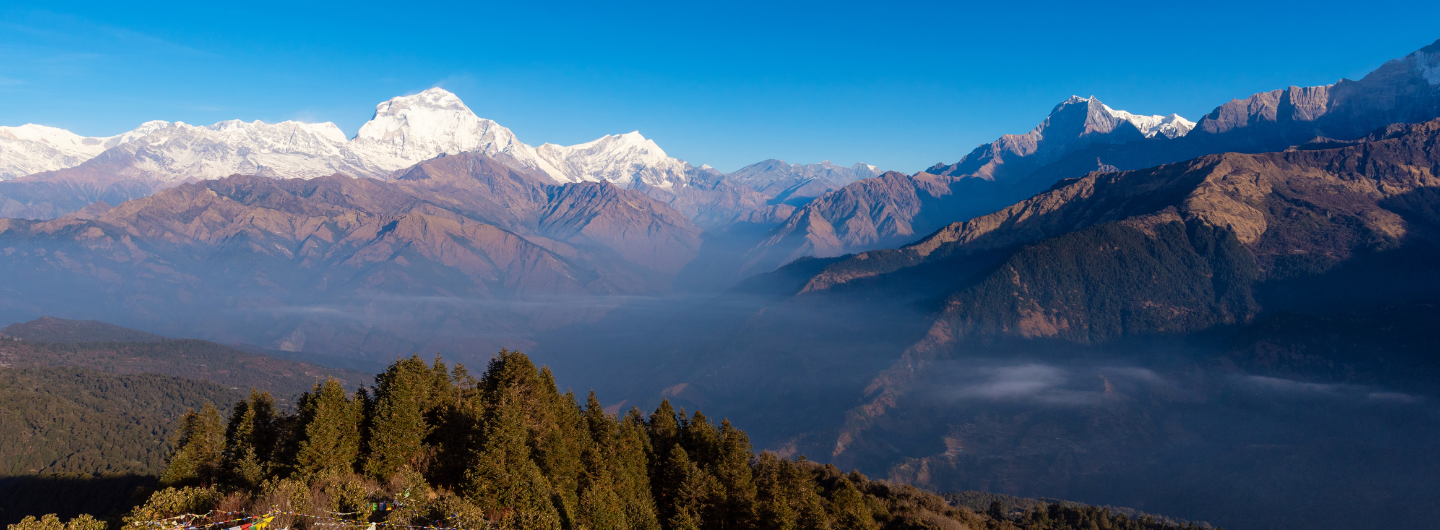
- You can see five 8,000-meter peaks from the summit: Everest, Lhotse, Cho Oyu, Makalu, and Kangchenjunga
- It is perfect for beginner peak climbing in Nepal
- The route through the Hinku Valley trek is remote and stunningly beautiful
- It is a fantastic stepping stone before attempting Island Peak climbing in Nepal or bigger expeditions
Who is Mera Peak For?
Mera Peak is not just for professional mountaineers. In fact, it is one of the most accessible 6,000-meter peak climbs in Nepal. If you are reasonably fit, have done some trekking before, and are mentally prepared for cold and altitude, you can do this. A good Mera Peak climbing guide and the right Mera Peak expedition package will make all the difference.
Is Mera Peak Climbing Difficult? Honest Assessment of Mera Peak Climbing Difficulty
| Difficulty Factor | Rating | Notes |
|---|---|---|
| Technical Climbing | Low–Moderate | Storms are possible, season matters |
| Physical Demand | High | Long trekking days before the climb |
| Altitude Challenge | High | Summit at 6,461m |
| Route Finding | Moderate | Guide strongly recommended |
| Weather Risk | Moderate | Storms possible, season matters |
| Overall Grade | Demanding + Challenging | Not for beginners with zero fitness |
This is one of the most common questions people ask, and the honest answer is: Mera Peak climbing is challenging but achievable. The technical climbing part is actually the easier section. The hard part is the long trek through remote, high-altitude terrain.
The Trekking Section vs The Climbing Section
Here is something surprising that most people do not realise about Mera Peak climb difficulty:
- The trek to base camp, from Lukla through the Hinku Valley, is actually the harder mental and physical challenge. You trek for 7–8 days through remote trails, crossing passes and gaining altitude steadily.
- The actual climbing section, from Mera High Camp to the summit, is non-technical for most of the route. Fixed ropes are placed on the steeper final section.
What Skills Do You Need?
- Basic fitness: You should be comfortable hiking 5–8 hours per day
- No prior climbing experience is required, but it helps
- You will receive pre-climb training at Khare base camp before summit day
- Training covers: ice axe use, crampons, rope technique, and harness use
- A Mera Peak climbing guide handles all route-finding and safety decisions
Altitude Sickness Risk
Altitude sickness is real at Mera Peak altitude of 6,461m. The key to avoiding it is a slow, steady ascent. That is why the Mera Peak acclimatisation itinerary in a good Mera Peak expedition package includes rest days and gradual height gains. Never rush to the summit.
Signs of Altitude Sickness to Watch For
- A headache that does not go away with rest or water
- Nausea or loss of appetite
- Dizziness or difficulty walking straight
- Shortness of breath even at rest
- Confusion or unusual fatigue
If you or anyone in your group shows these signs, tell your Mera Peak climbing guide immediately. Descending even 300–500 meters can make a dramatic difference. Never ignore altitude symptoms, they can escalate quickly.
How Khare Acclimatisation Day Helps
The dedicated rest and training day at Khare (Day 10) is one of the most valuable parts of the entire Mera Peak trekking and climbing itinerary. It serves two purposes: first, it gives your body 24 hours to adapt to 5,045m before climbing higher. Second, it gives your guide time to teach you the climbing techniques you will need for summit day. Do not skip this day.
Mera Peak Climbing Gear List
| Category | Essential Items |
|---|---|
| Clothing | Thermal base layers, fleece jacket, down jacket, waterproof shell, warm hat, buff, gloves, mittens |
| Footwear | Hiking boots, mountaineering boots, gaiters, crampons, flip flops |
| Climbing Gear | Ice axe, harness, ascender, carabiners, helmet |
| Camping | Sleeping bag (–20°C rated), foam mattress (provided in tents) |
| Personal | Sunscreen, lip balm, sunglasses (UV400+), water bottles, trekking poles |
| Bag | 40L daypack, waterproof duffel bag |
| Medical | Personal first aid kit, altitude medication (consult your doctor) |
Having the right Mera Peak climbing gear list is not optional, it is essential for your safety. The mountain does not care if you forgot your crampons. A well-prepared climber is a safe climber.
Clothing Layers Explained Simply
Think of your clothing like an onion, multiple thin layers are better than one thick one. Here is why:
- Base layer (thermal): Keeps sweat away from your skin so you stay dry
- Mid layer (fleece): Traps warmth close to your body
- Outer layer (shell jacket): Blocks wind, snow, and rain
At Mera Peak altitude, temperatures on summit day can drop to –20°C or colder with wind chill. Your down jacket and mittens are not accessories, they are survival gear.
What Your Guide Provides vs What You Bring
In a typical Mera Peak expedition package, the operator provides a waterproof duffel bag, basic climbing equipment for rent, and all camping tents and kitchen gear. You are responsible for your personal clothing, boots, sleeping bag, and daypack. Always confirm the exact inclusion list with Trexmount Ventures before you travel.
Mera Peak Climbing Permit
| Permit Type | Issuing Authority | Required For |
|---|---|---|
| Mera Peak Climbing Permit | Nepal Mountaineering Association (NMA) | Summit authorization |
| Makalu Barun National Park Entry | DNPWC | Passing through the park |
| TIMS Card | TAAN | Trekking ID for all trekkers |
| Khumbu Pasang Lhamu Rural Municipality Fee | Local Government | Entering the Everest region |
The Mera Peak climbing permit is a mandatory document issued by the Nepal Mountaineering Association. Without it, you cannot legally attempt the summit. The good news is that in a properly guided Mera Peak climbing trip, your operator handles all of this on your behalf.
Permit Application Process
- Your climbing company submits the permit application to the NMA
- A climbing leader (certified guide) must be named on the permit
- Permits are issued per season, spring or autumn
- Individual climbers do not apply separately; it goes through the registered trekking company
Why You Should Never Try to Skip Permits
Climbing without a valid Mera Peak climbing permit is illegal and can result in fines, being turned back at checkpoints, and getting your climbing company blacklisted. More importantly, permitted climbers receive rescue support and are logged in the system, critical in an emergency at Mera Peak altitude.
Mera Peak Base Camp and High Camp
| Camp | Altitude | Accommodation | Time to Summit |
|---|---|---|---|
| Khare (Base Area) | 5,045m | Tea House / Lodge | ~1 day |
| Mera Peak Base Camp | ~5,300m | Tents | ~10–11 hrs |
| Mera High Camp | 5,780m | Tents | ~5–6 hrs |
| Mera Peak Summit | 6,461m | — | — |
Understanding the difference between Mera Peak base camp and Mera Peak high camp is important for planning your summit attempt. In this itinerary, Khare functions as the main base area where you rest, train, and sleep before moving up.
Life at Mera High Camp
Mera High Camp sits at 5,780 meters. At this altitude, the air contains roughly 50% less oxygen than at sea level. Here is what life looks like:
- You sleep in a personal tent, provided by your operator
- Cooking is done on expedition stoves, with simple, high-calorie meals
- Temperatures drop sharply after sunset
- You go to sleep early, wake-up call is around 2:00 AM for the summit push
- Headlamps, warm sleeping bags, and down suits are essential
Summit Day from High Camp
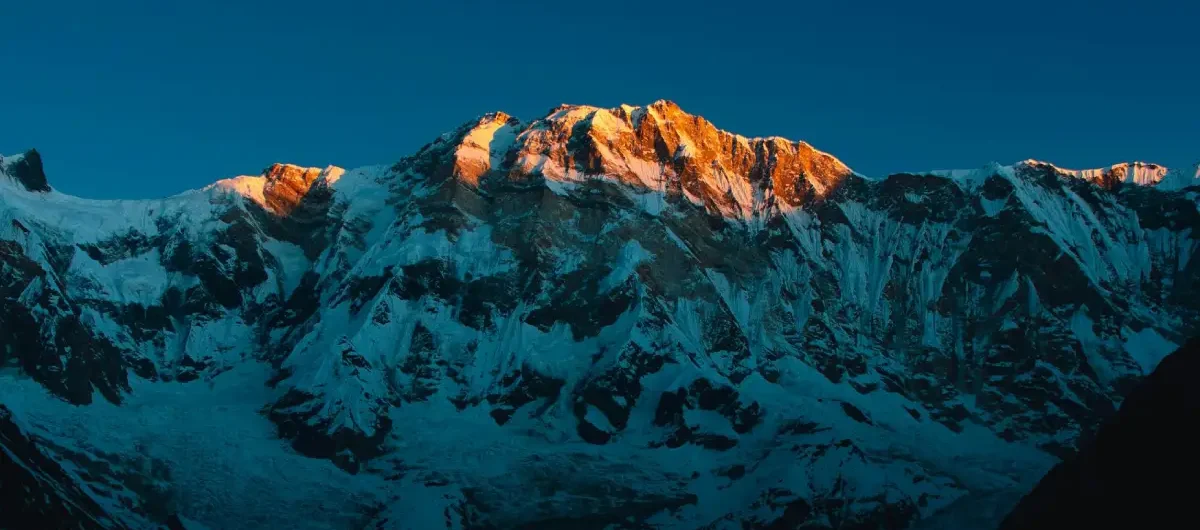
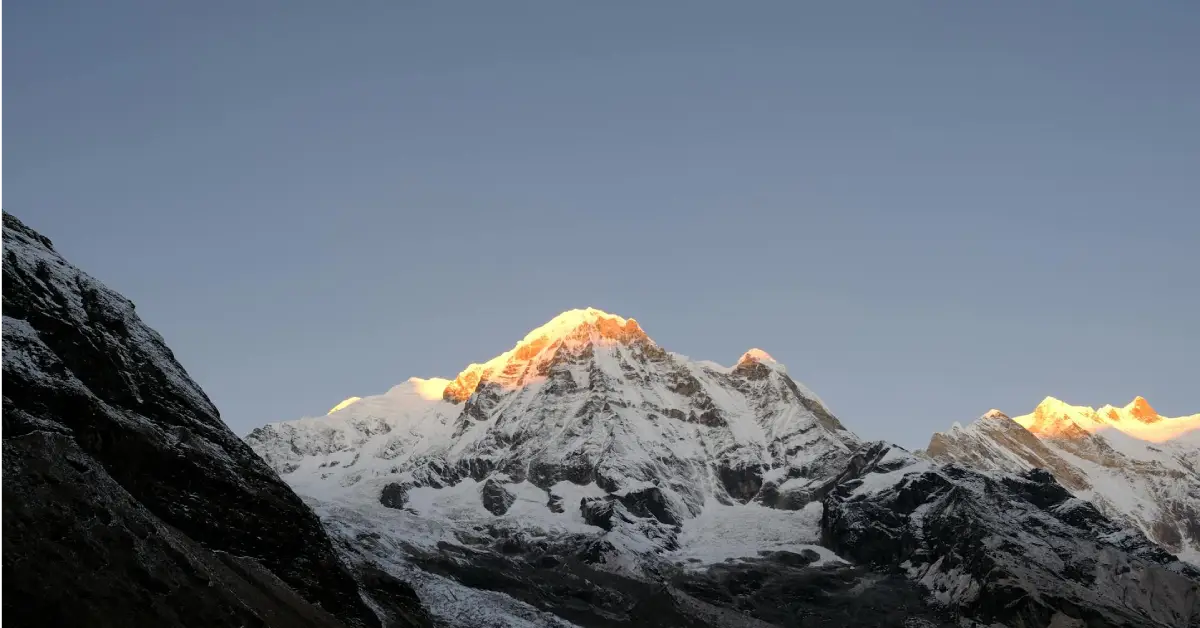
On summit day, you leave Mera Peak high camp in darkness. The route from Khare to Mera Peak summit via high camp takes approximately 8–9 hours total for the round trip. The glacier is generally safe with fixed ropes on the steeper upper sections. The final summit cone requires careful footwork but is manageable for any reasonably fit person with proper training and a good guide.
Why Choose Guided Mera Peak Climbing with Trexmount Ventures?
| Feature | What It Means for You |
|---|---|
| Certified Guides | Experienced Sherpa leaders with multiple summit records |
| Guaranteed Departures | Your trip runs even if others cancel |
| Full Permit Handling | All NMA and park permits arranged |
| Training Included | Pre-climb session at Khare before summit day |
| Contingency Day | One reserve day built in for weather |
| Sustainable Tourism | Supporting local communities and ecosystems |
Guided Mera Peak climbing is not just a convenience, it is a necessity at this altitude. The mountain environment is unpredictable, and conditions can change within hours. Having an experienced Mera Peak climbing guide who knows the route, understands the weather patterns, and can manage emergencies is the most important investment you can make for this trip.
What Makes a Great Mera Peak Climbing Guide?
- Prior summits of Mera Peak (ideally 10+ times)
- Wilderness First Aid or higher medical certification
- Fluent in English and Nepali
- Strong understanding of altitude sickness recognition and response
- Experience leading Himalayan peak climbing in Nepal expeditions at 6,000m+
Trexmount Ventures Approach
At Trexmount Ventures, we believe that Mera Peak climbing in Nepal should be accessible, safe, and deeply memorable.
Our Mera Peak expedition package is designed to give every climber the best possible chance of reaching the Mera Peak summit, regardless of their prior climbing experience. We handle everything, permits, guides, gear checks, and acclimatisation planning, so you can focus entirely on the climb.
 Review us on Google