
Trexmount Ventures
Trexmount

Baruntse Expedition

Adventure Awaits

Baruntse Expedition

India
0 Reviews
Large Image
Best Price $2,700.00
Duration 35 Days
Location India
Best Season Mar - May & Sep - Nov
Difficulty Level Challenging to Strenuous
Max Altitude 7,129 meters
Activity Peak Climbing
Transportation Flight

Overview

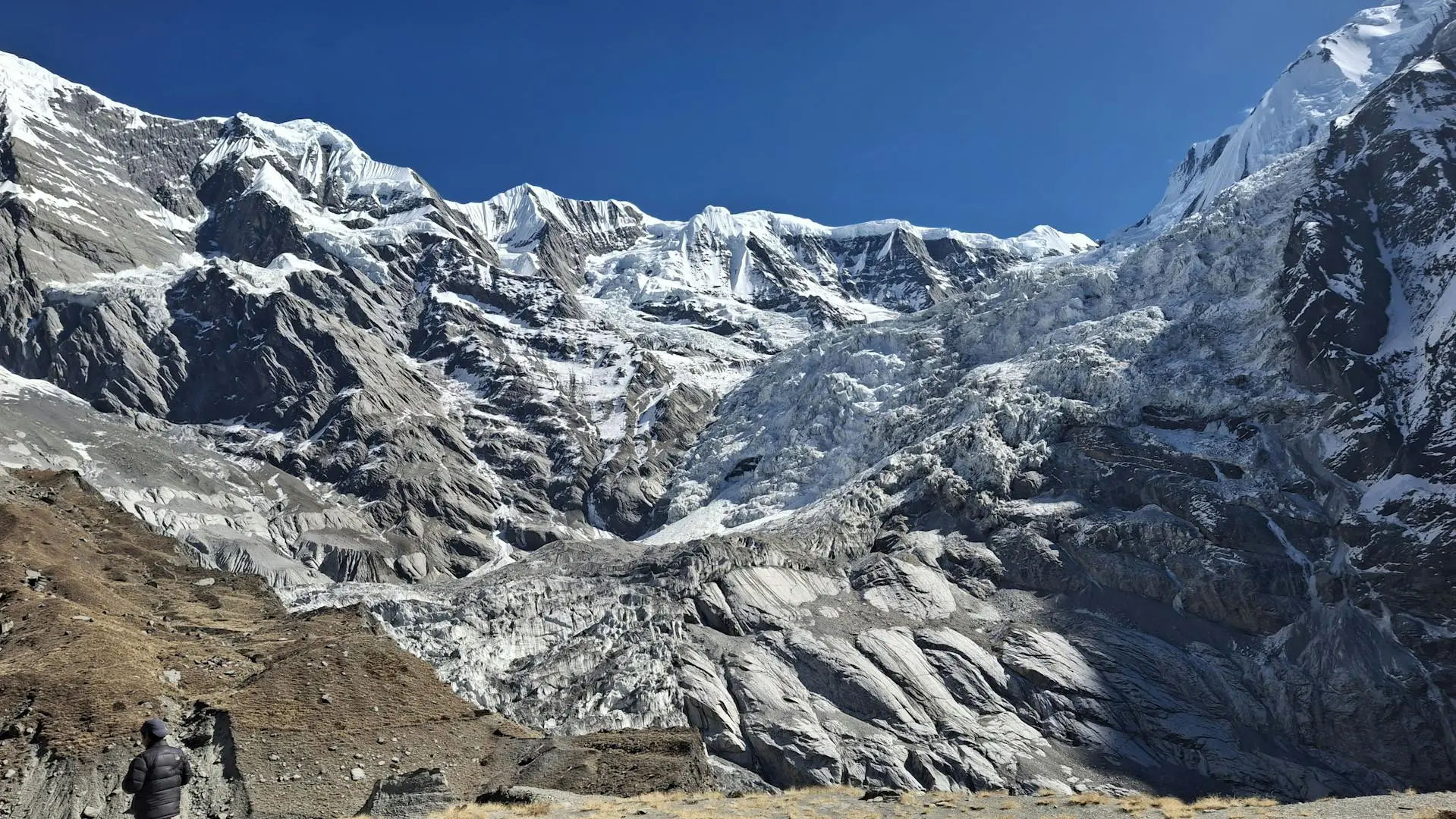
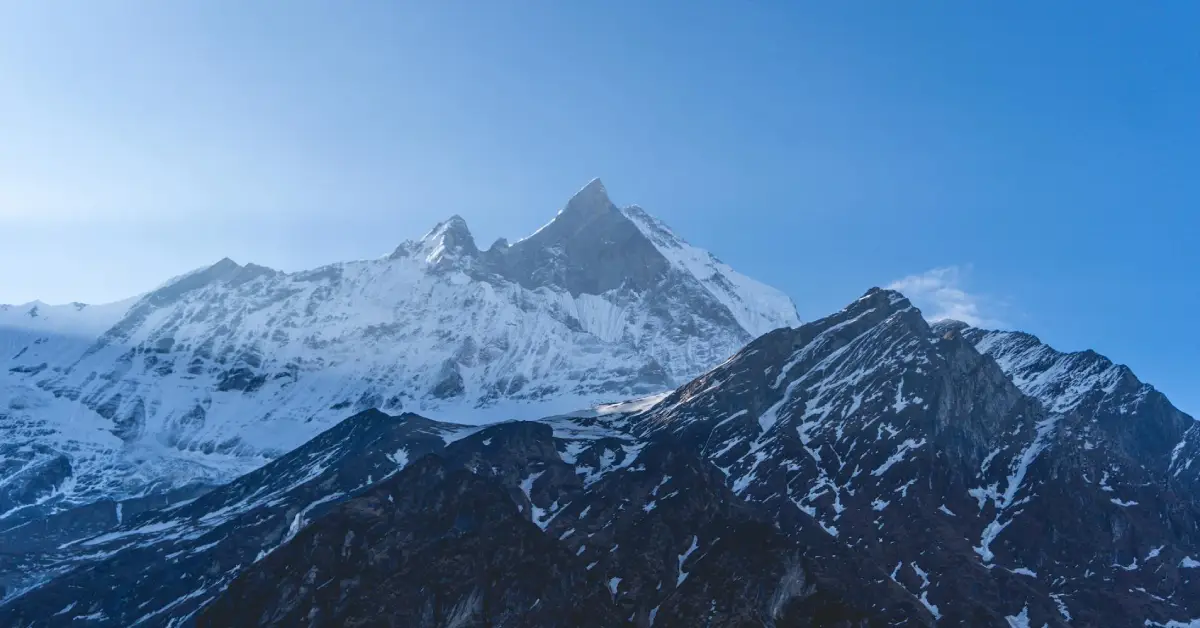
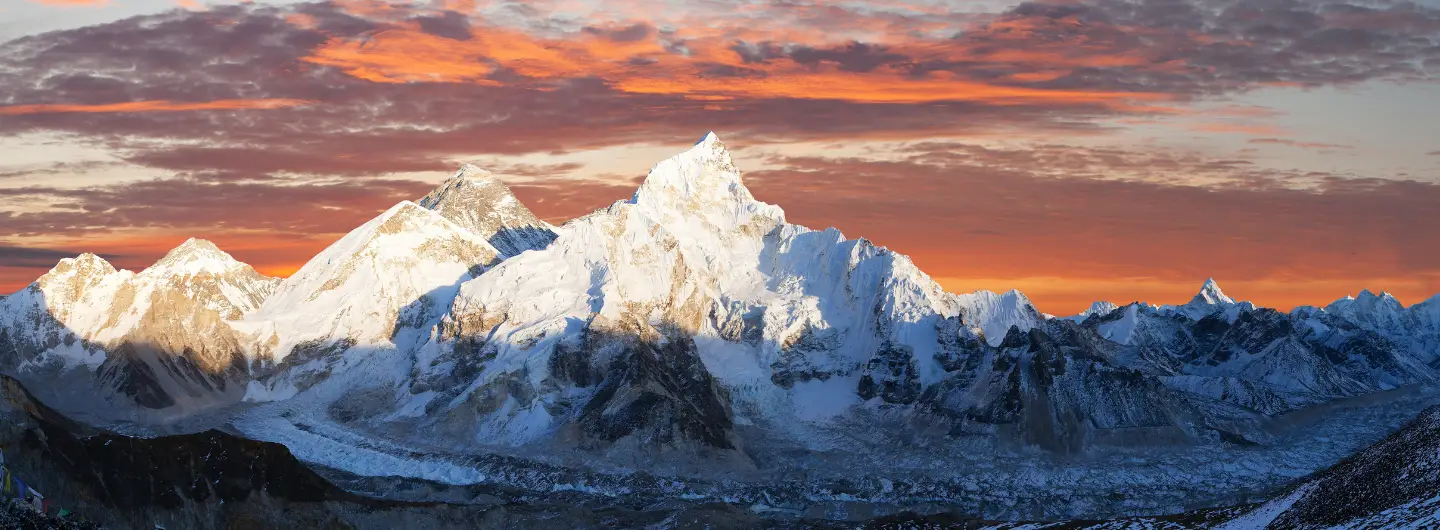
The Baruntse Expedition is one of the most rewarding high-altitude climbing experiences in Nepal. Standing at 7,129 meters, Baruntse sits in the heart of the Makalu Barun region and draws serious mountaineers from across the world. Whether you are a seasoned climber or stepping into your first 7,000-meter peak, understanding the permit process is essential before you set foot on this mountain.

What Permits Are Required for the Baruntse Expedition?

The Baruntse Expedition requires multiple official permits from the Government of Nepal. First and most importantly, you need a climbing permit issued by the Nepal Mountaineering Association (NMA). Additionally, climbers must obtain a Makalu Barun National Park permit fee clearance and a TIMS card for Baruntse trekking access. Without these, no expedition is legally allowed to proceed.

Key Permits Required for Baruntse Expedition

Permit TypeIssuing AuthorityWhen to Obtain
Baruntse Climbing Permit NepalNepal Mountaineering Association (NMA)Before departure
Makalu Barun National Park PermitDepartment of National ParksAt entry checkpoint
TIMS CardTAAN / Nepal Tourism BoardBefore the trek begins
Restricted Area Permit (if needed)Department of ImmigrationBefore entering the region

Furthermore, the Nepal mountaineering permits for Baruntse follow a seasonal system. Spring (April-May) and Autumn (September-October) are the two main permit windows.

Baruntse Climbing Permit Nepal: Step-by-Step Process

Obtaining the Baruntse climbing permit in Nepal is a structured process. Below is how it works:

  • Submit your application through a registered trekking or expedition company
  • Provide valid passport copies and passport-sized photos
  • Submit your climbing CV and experience proof
  • Pay the required Baruntse expedition permit cost to the NMA
  • Collect your permit before the expedition starts

Moreover, working with the Best Trekking Company in Nepal simplifies this entire process significantly. Companies like Trexmount handle all documentation on your behalf, ensuring zero delays or legal issues.

TIMS Card Requirement for Baruntse

The TIMS card requirement for Baruntse is mandatory for all foreign trekkers and climbers entering the region. TIMS stands for Trekkers’ Information Management System.

  • It tracks the movement of trekkers for safety purposes
  • It is issued by the Nepal Tourism Board or TAAN offices in Kathmandu
  • It is required alongside the national park permit, not as a replacement

What Is the Difficulty Level of Climbing Baruntse?

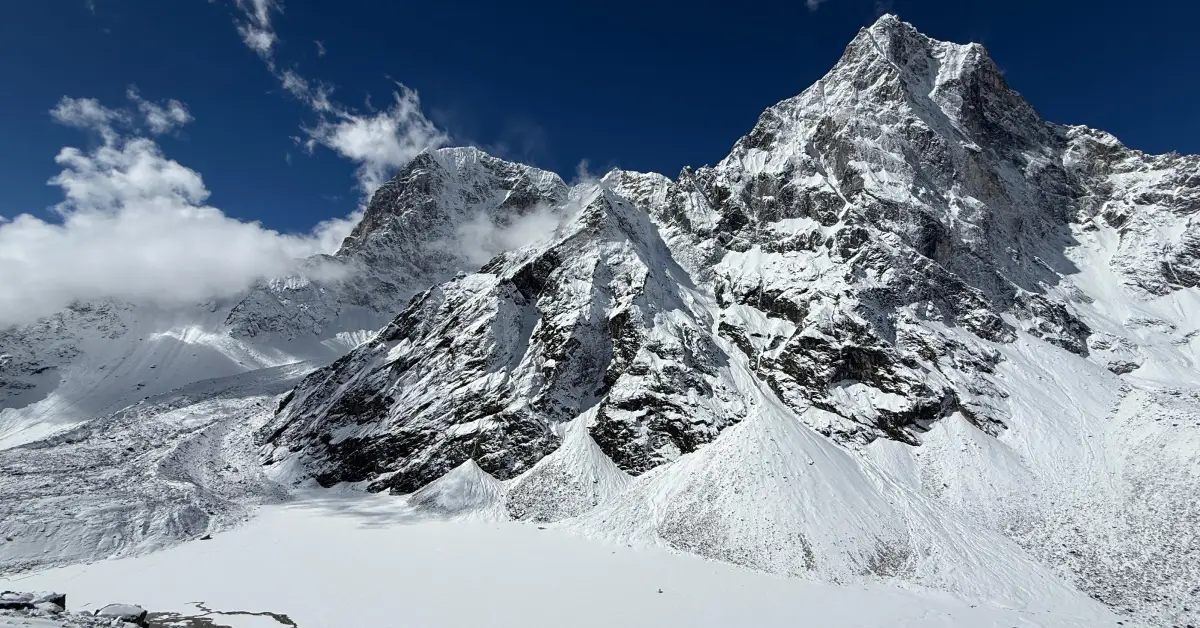
Baruntse is a technically demanding mountain rated as a moderate-to-difficult climb. It demands both physical endurance and technical skill. The Baruntse Expedition is not suitable for beginners, but it is achievable for those with prior experience on 6,000-meter peaks and solid ice and snow skills.

Technical Challenges of the Baruntse Expedition

Challenge TypeDescriptionSkill Required
Ice Wall SectionsNear summit, steep ice wallsIce axe and crampon use
Crevasse NavigationGlacier travel with hidden gapsRope technique
High Altitude Acclimatization7,000m+ altitudePhysical fitness
Weather WindowsShort summit windowsRoute judgment

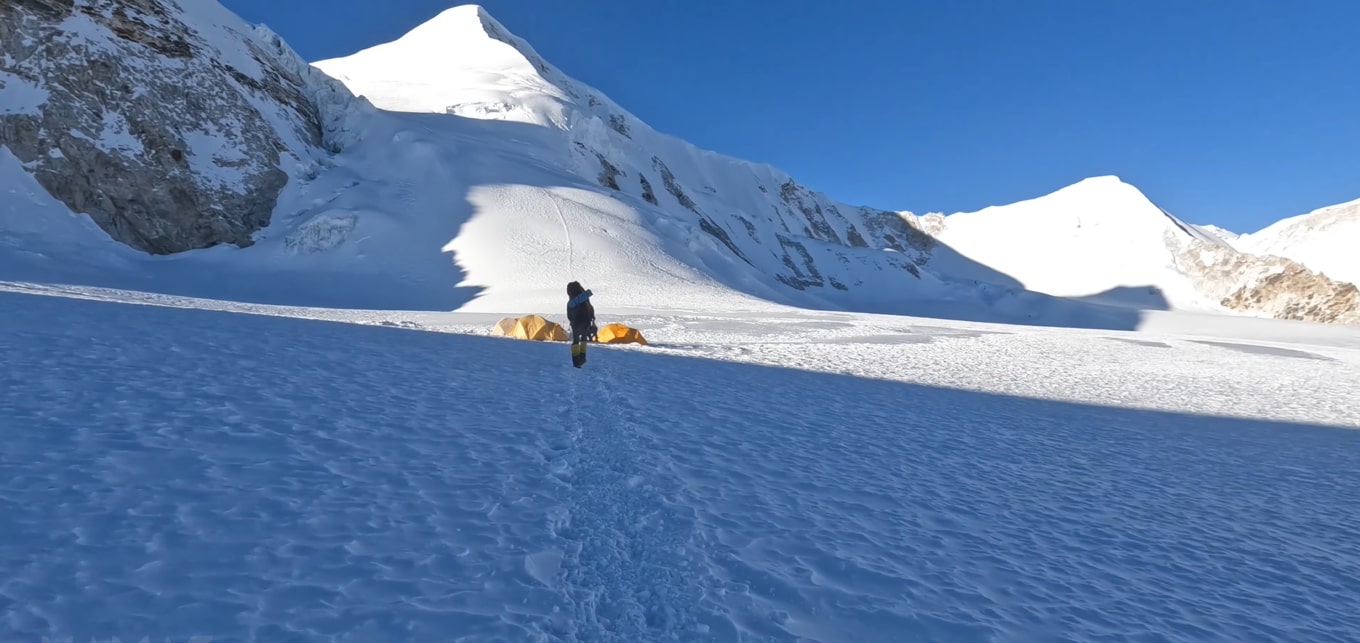
Furthermore, climbers attempting the Baruntse Expedition must be comfortable with fixed rope climbing, using ascenders, and descending in low-visibility conditions.

Who Should Attempt the Baruntse Expedition?

The Baruntse Expedition is best suited for:

  • Climbers who have summited at least one 6,000-meter peak in Nepal
  • Trekkers with prior technical mountaineering training
  • Teams guided by experienced Sherpa mountaineers
  • Individuals partnered with the Best Trekking Company in Nepal for professional support

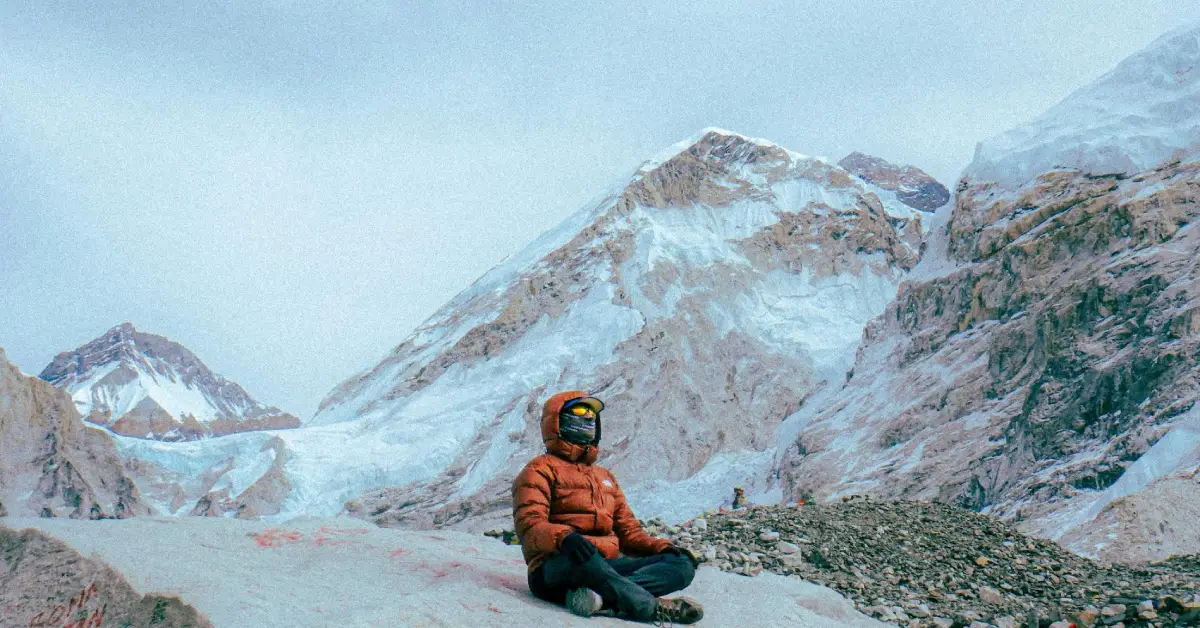
In addition to technical skills, mental preparation is equally critical. High-altitude fatigue, cold temperatures, and unpredictable weather can test even experienced climbers on the Baruntse Expedition.

When Is the Best Time to Do the Baruntse Expedition?

The best time for the Baruntse Expedition is either spring (April to May) or autumn (late September to October). These two seasons offer the most stable weather, clearest skies, and safest climbing conditions on Baruntse.

Seasonal Overview for Baruntse Expedition

SeasonMonthsConditionsRecommended
SpringApril – MayStable, warm, clearYes – Best Season
AutumnSep – OctDry, calm post-monsoonYes – Excellent
WinterDec – FebExtreme cold, heavy snowNot Recommended
MonsoonJune – AugHeavy rain, rockfall riskAvoid

Moreover, spring is generally the most popular window for the Baruntse Expedition because the days are longer, visibility is better, and temperatures at high camps are slightly warmer compared to autumn.

Why Spring and Autumn Are Preferred

Both spring and autumn provide optimal windows because:

  • Monsoon rains have either not yet arrived or have recently cleared
  • The Makalu Barun National Park trails are accessible and stable
  • Permits under the Nepal mountaineering permits for the Baruntse system are more readily available
  • Rescue operations and logistics run more smoothly in fair weather
  • Experienced guides from the Best Trekking Company in Nepal are more available during these peak seasons

How Long Does the Baruntse Expedition Itinerary Take?

The Baruntse Expedition typically takes 30 to 35 days from Kathmandu and back. This duration includes acclimatization rotations, base camp setup, summit push, and return travel. The full Baruntse Expedition itinerary is carefully structured to protect climbers from altitude sickness.

Standard Baruntse Expedition Itinerary Overview

PhaseDurationKey Activities
Kathmandu Preparation2-3 daysPermit collection, gear check
Flight and Trek to Base Camp5-7 daysLukla or Tumlingtar approach
Base Camp to Advanced Base Camp3-4 daysAcclimatization hikes
Rotation Climbs7-10 daysCamp 1, Camp 2 establishment
Summit Push2-3 daysSummit attempt and descent
Return to Kathmandu4-5 daysTrek out and flight back

Additionally, weather delays can extend the itinerary by several days. Therefore, building buffer days into your schedule is strongly recommended when planning the Baruntse Expedition.

What Happens During the Acclimatization Phase?

Acclimatization is the most critical phase of the Baruntse Expedition. During this period:

  • Climbers ascend to higher camps and descend to rest
  • The body adapts gradually to reduced oxygen at altitude
  • Guides monitor climbers for symptoms of AMS (Acute Mountain Sickness)
  • Gear is progressively moved to higher camps to reduce summit-day load

Consequently, skipping or rushing the acclimatization phase significantly increases the risk of serious altitude-related illness. The Best Trekking Company in Nepal will always build a safe and medically sound acclimatization schedule into the Baruntse Expedition plan.

Start Your Baruntse Expedition with Trexmount Today

If you are ready to take on the Baruntse Expedition, Trexmount is here to guide you every step of the way. As one of the best trekking companies in Nepal, we handle all your Nepal mountaineering permits for Baruntse, including the Baruntse climbing permit Nepal, the Makalu Barun National Park permit fee, and the TIMS card requirement for Baruntse. Our experienced team manages every detail of the permit process, logistics, and safety planning so you can focus entirely on the summit.

Do not let paperwork or planning delays hold back your dream climb. Contact Trexmount today and let Nepal’s most trusted expedition team build your perfect Baruntse Expedition plan from day one.
Package options

Select Package Type

★ ★ ★ ★ ★
10% OFF

Standard Package Price

US $2700
US $3000

per traveller

Standard Package Included

  • Airport pick-up and drop-off transfer
  • Transportation as per the above itinerary.
  • All accommodations (Twin Share)
  • An experienced guide and the required number of porters (one porter between two pax)
  • Warm sleeping bag, trekking bag, warm down jacket, and walking stick, if necessary
  • All government Taxes

Standard Package Excluded

  • Tips to staff or any donations
  • Single Supplement for single-use rooms
  • Your travel insurance, Medical and emergency costs (Just in case)
  • All types of drinks (mineral water, any cold drinks, and alcoholic drinks).
  • Any personal expenses that are not mentioned in the price inclusion

Trip Itinerary

On your first day of the Expedition, you will come to Kathmandu by flight. There, your arrival representative will come to pick you up and transfer you to the hotel, where the hotel staff will help you until you leave. 

Accommodation

Hotel in Kathmandu

Meal

N/A

Time

N/A

Distance

N/A

Similarly, on the second day, you will be doing the necessary preparation for the journey and you will be given a briefing at the department of tourism and start doing the necessary shopping for the climb after all the work at the department. 

Accommodation

Hotel in Kathmandu

Meal

Breakfast

Time

N/A

Distance

N/A

Today we will take a flight from Kathmandu to Lukla, which takes around 30-35 mins. After reaching Lukla, we will be resting there at a lodge for a day. We will acclimatize properly there. 

Accommodation

Tea Houses

Meal

Breakfast

Time

~30min Flight

Distance

N/A

On our third day, we will start our journey from Lukla to Chutanganga. Similarly, the attitude that we will be traveling is at 3050m. While traveling you will enjoy the beauty of nature.  In addition, the trekking is done for almost 4 hours. So, you will have plenty of time to enjoy the surroundings. The trekking is done mostly on the uphill climbs. Then after we reach Chutanga we will acclimatize there at a lodge. And, enjoy the hospitality. 

Accommodation

Tea Houses

Meal

Breakfast, Lunch, Dinner

Time

~4 hours

Distance

N/A

On day five, we will be doing an uphill trek from Chutanga to Thuli Kharka from Chatra-La pass at 3900m/12597ft for almost 7 hours. From there we will trek over to Zatrawa La Pass at the altitude of 4610m/15125ft through some rough roads full of stones. Following the pass we will be doing a downhill climb to charting at 3900m you will also pass through some jungle at this point. While trekking through this pass you will experience the beauty of nature. Similarly, you will also see the remote nature of the trek. Furthermore, we provide overnight accommodation to our climbers at the tea houses to acclimatize for the next journey. 

Accommodation

Tea Houses

Meal

Breakfast, Lunch, Dinner

Time

~7 hours

Distance

N/A

After resting at the tea house of Khartitang. We will continue our journey to Tuli Kharta. And, from Tuli Kharka we will be trekking to reach Khote. At a height of 4095m. This is a very high altitude. So, make sure you are fully hydrated during the journey. But, the overall view it provides of the surrounding is just picture perfect. In addition, this trek is almost 5 hours. And, after we reach Khote we will be resting at a very relaxing and very suitable tea house and enjoy their hospitality. 

Accommodation

Tea Houses

Meal

Breakfast, Lunch, Dinner

Time

~5 hours

Distance

N/A

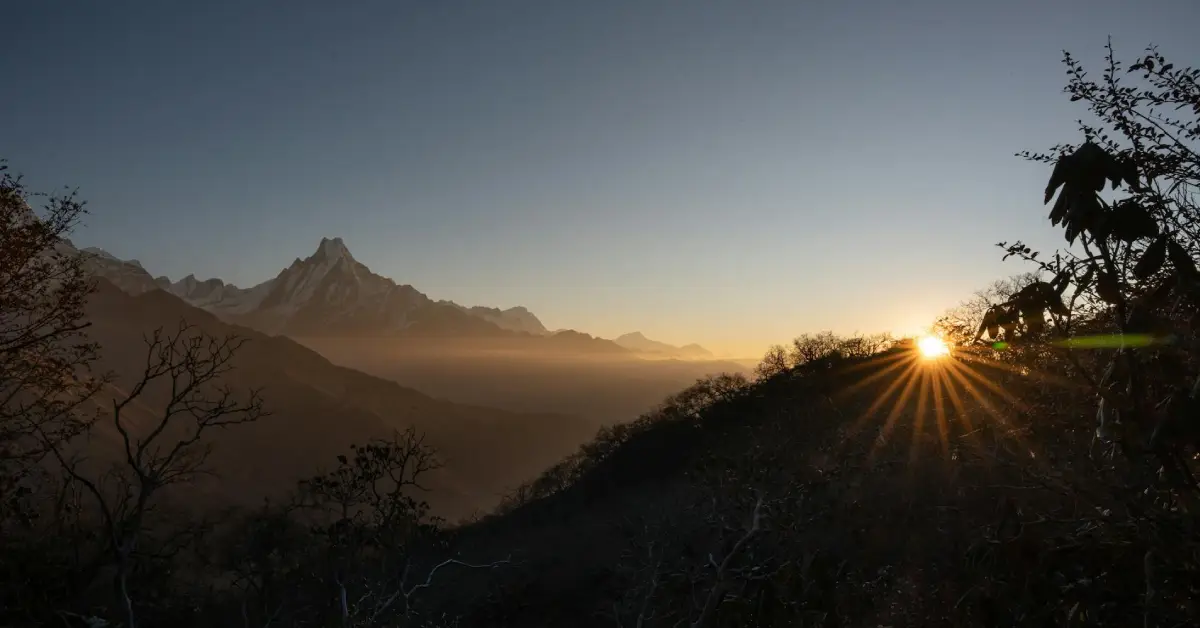
On your day seven, after resting at the teahouse of Khote we will be continuing our journey to Thangnak. Thangnak is a very beautiful place. The sunrise and sunset of the place are just breathtaking. So, make sure that you enjoy it. But, first, we have to trek at an altitude of 14272 feet for almost 4 hours then only we will reach Tharangkot. In addition to the sunset and sunrise at Thangnak, while trekking you will get a fantastic view of the south face of Mera peak throughout your journey

Accommodation

Tea Houses

Meal

Breakfast, Lunch, Dinner

Time

~4 hours

Distance

N/A

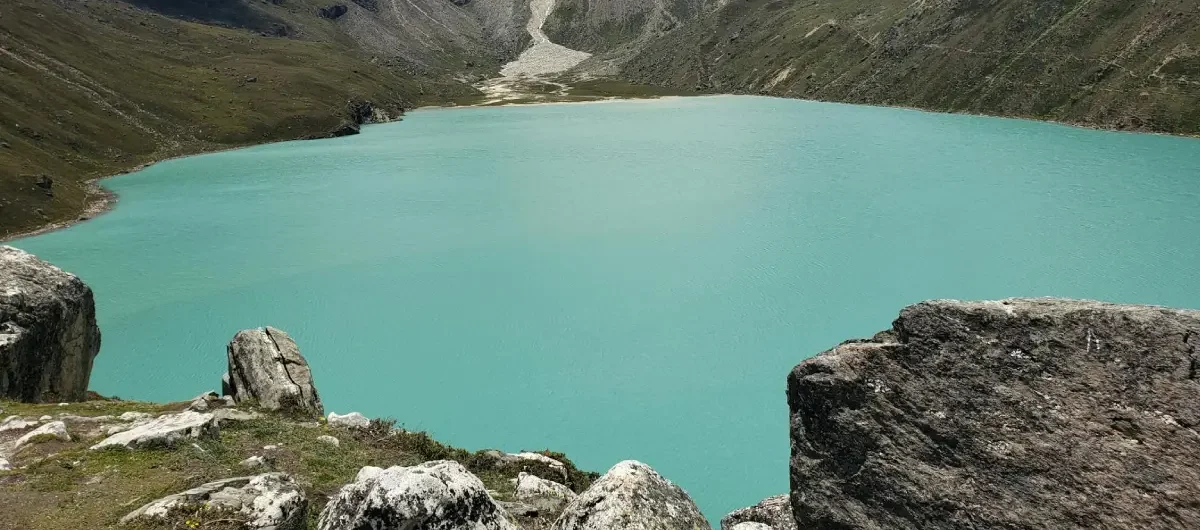
Today, we will be resting at Thangnak, and acclimatizing we will visit Sabal Tsho Lake. Sabal Tsho Lake is a tourist attraction. The lake provides clear water for you to enjoy. And, after enjoying the beautiful view of the lake we will be taking an acclimatization hike at a height of 4350m on a plank of Kusum Kangguru peak at 6367m. This is a small hike but while doing this hike you will see the beauty of the surroundings and nature. Similar to the lake, this hike also attracts tourists. It is very beautiful. 

Accommodation

Tea Houses

Meal

Breakfast, Lunch, Dinner

Time

N/A

Distance

N/A

After seeing the mesmerizing view at Thangnak, we will be continuing your journey to Khare at an altitude of 5045m. During the journey, you will see a lot of beautiful scenery in the place and walk through some of the uphill climbs. Similarly, this trek is 4 hours long, and after trekking, we will be resting at a suitable tea house and enjoying the hospitality.  

Accommodation

Tea Houses

Meal

Breakfast, Lunch, Dinner

Time

~4 hours

Distance

N/A

After resting at the teahouses of Khare we will be continuing the trek from Khare to Mera La. Which is at an altitude of 5350m so make sure you are hydrated. Along the way, you will see a beautiful peak to the south side and beautiful scenery. And in Khare, we will be doing our first camping trip because there are no tea houses available. 

Accommodation

Tea Houses

Meal

Breakfast, Lunch, Dinner

Time

~5 hours

Distance

N/A

After spending a wonderful night at the camp on day 11, we will be continuing our trekking journey from Mera La Pass to Seto Pokhari. The path of the trek is mostly uphill. Similarly, this trek is done at an altitude of 4850m. So, you have to be very careful during the trek, or you might fall victim to altitude sickness. The trek is done for almost 5 hours. So, at Seto Pokhari, we will be doing your second camp. 

Accommodation

Tea Houses

Meal

Breakfast, Lunch, Dinner

Time

~5 hours

Distance

N/A

After camping on the 11day on the 12th day we continued our trekking journey from Seto Pokhari to Baruntse Base Camp. While you are trekking you will see some of the snowy mountains in the surrounding area. It provides a great view. You can enjoy this while trekking. Similarly, after we reach Baruntse Base Camp we will start preparing your camp for the night. And, camp there and enjoy the company of other climbers. 

Accommodation

Tea Houses

Meal

Breakfast, Lunch, Dinner

Time

~5 hours

Distance

N/A

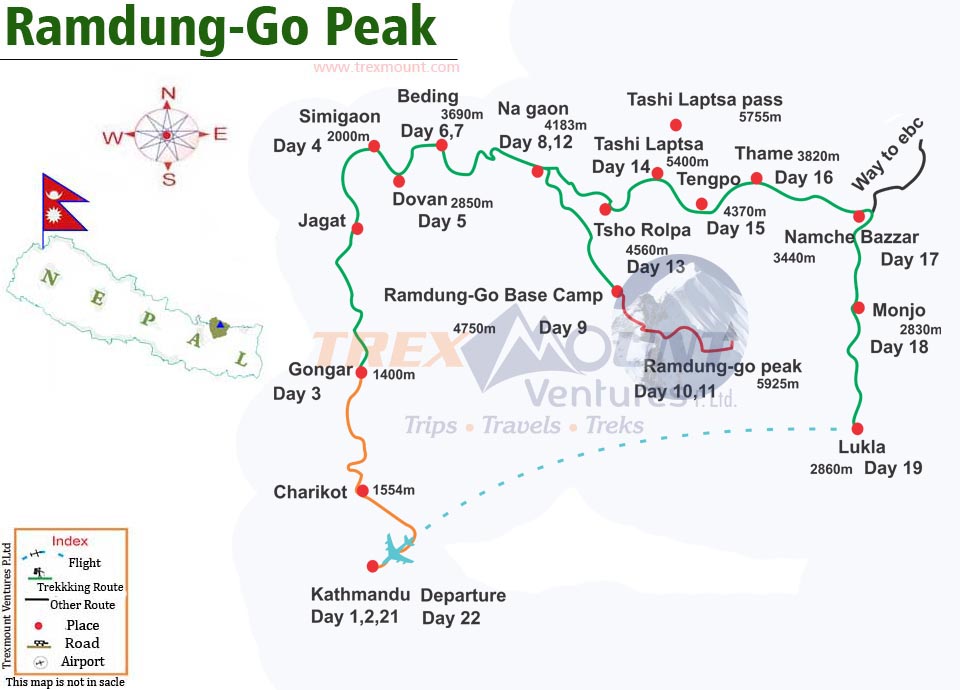
Route Map

trip route map for Baruntse Expedition

Fixed Departure

Frequently Asked Questions

The primary permit needed is the Baruntse climbing permit Nepal, issued by the Nepal Mountaineering Association (NMA). Additionally, you need the Makalu Barun National Park permit fee clearance and a TIMS card requirement for Baruntse trekking access. These three documents together form the core legal requirement for the Baruntse Expedition. Without all three, entry to the climbing zone is denied. Always collect permits before you leave Kathmandu.

Yes, the TIMS card requirement for Baruntse is fully mandatory for all foreign nationals. It is issued by the Nepal Tourism Board or TAAN in Kathmandu. The TIMS card tracks your movement in the trekking region for safety and emergency response purposes. It cannot be substituted with any other document. Failing to carry it can result in fines or being turned back at checkpoints.

The Baruntse Expedition typically requires at least four permits: the NMA climbing permit, the Makalu Barun National Park permit, the TIMS card, and a liaison officer fee payment. Some groups may also need a restricted area permit depending on their specific route. The Nepal mountaineering permits for Baruntse are non-negotiable and must be obtained before the expedition departs from Kathmandu.

The Baruntse expedition permit cost is generally non-refundable once issued by the NMA. However, in some exceptional circumstances such as natural disasters or government-level cancellations, partial refunds or permit transfers may be possible. It is strongly advised to consult with your registered expedition company or the Best Trekking Company in Nepal before making any payments, and always purchase travel insurance that covers permit-related losses.

The Baruntse Expedition is considered moderately difficult among Nepal’s 7,000-meter peaks. It involves glacier travel, crevasse navigation, and steep ice sections near the summit. Compared to peaks like Mera Peak, Baruntse is significantly more technical. However, it is considered less demanding than 8,000-meter peaks. Prior experience on peaks like Island Peak or Lobuche East is highly recommended before attempting the Baruntse Expedition.

Spring, specifically April to May, is widely considered the best season for the Baruntse Expedition. Weather windows are more stable, temperatures are slightly warmer at altitude, and the overall logistics are more predictable. Autumn from late September to October is the second-best option. Both seasons are supported by the Nepal mountaineering permits for Baruntse system, and expedition companies remain fully operational during these periods.

When choosing the Best Trekking Company in Nepal for the Baruntse Expedition, check for government registration, proven expedition history, experienced Sherpa guides, and transparent permit handling procedures. A reliable company will manage the Baruntse expedition permit cost, TIMS card requirement for Baruntse, and Makalu Barun National Park permit fee on your behalf. Trexmount is one such company with deep expertise in high-altitude Himalayan expeditions.

Yes, the Makalu Barun National Park permit fee is entirely separate from the NMA climbing permit. The national park permit is issued by the Department of National Parks and Wildlife Conservation, while the climbing permit is issued by the Nepal Mountaineering Association. Both must be carried at all times during the Baruntse Expedition. They are checked at different entry points along the trail and inside the national park boundary.

Yes, a government-appointed liaison officer is mandatory for the Baruntse Expedition. This is part of the Nepal mountaineering permits for Baruntse regulatory framework. The liaison officer monitors the expedition, verifies compliance with environmental regulations, and serves as a government representative throughout the climb. The liaison officer fee is paid separately during the permit application process at the NMA.

Before attempting the Baruntse Expedition, climbers should have summited at least one 6,000-meter technical peak in Nepal, such as Island Peak, Mera Peak, or Lobuche East. Experience with crampons, ice axes, fixed ropes, and high-altitude camping is essential. The Best Trekking Company in Nepal will review your climbing CV as part of the permit application process for Baruntse. Without documented experience, the application may be rejected by the NMA.

Traveler Reviews

Verified customer feedback

Related Packages

You May Also Love And Like
Rubina La Circuit Trek
(5.0) 11
India
17 Days
Max 50 People
Starts From $1640
Baruntse Expedition
(5.0) 11
India
35 Days
Max 12 People
Starts From $3000
Darjeeling and Sikkim Tour
(5.0) 17
India
10 Days
Max 10 People
Starts From $3000
Ladakh Tour
(5.0) 14
India
8 Days
Max 11 People
Starts From $3000
Sikkim Goecha-la Trek
(5.0) 13
India
19 Days
Max 50 People
Starts From $3000