
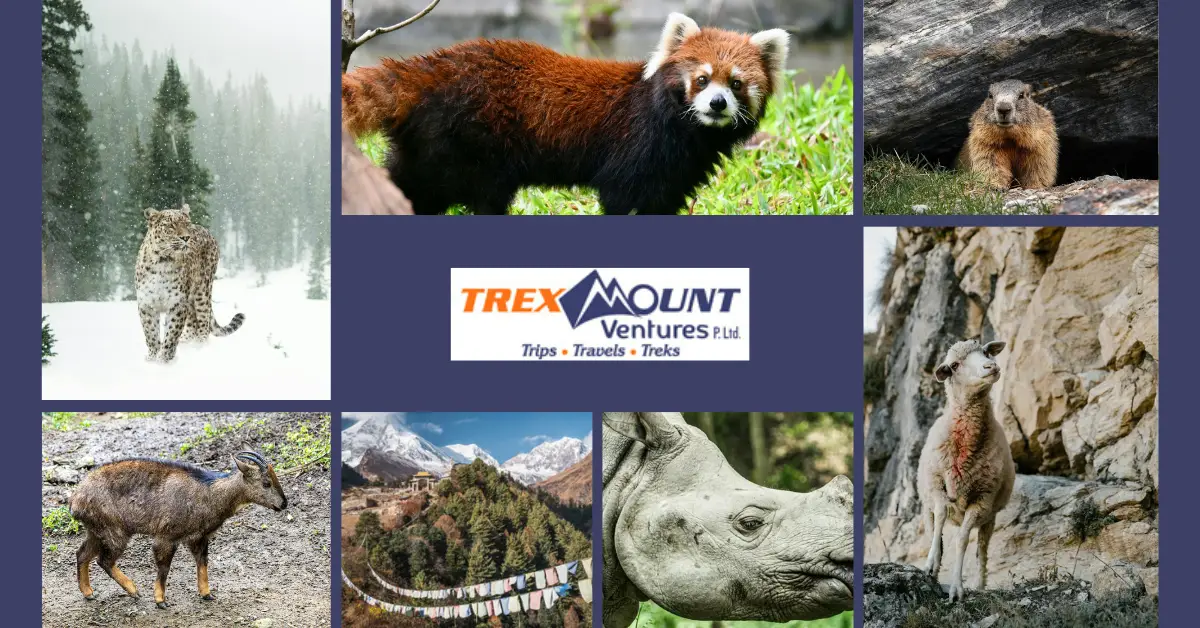
Overview
Nestled between the towering peaks of the Himalayas and the lush lowland plains, Nepal stands as a remarkable sanctuary for some of the world’s most extraordinary wildlife. Furthermore, this beautiful mountain nation offers travelers the unique opportunity to experience authentic Nepalese culture through community-based tourism initiatives and traditional Nepalese hospitality. Moreover, combining wildlife trekking in Nepal with a Nepal village homestay creates an unforgettable journey that supports sustainable travel in Nepal while providing an authentic Nepalese experience.
1. Understanding the Rich Wildlife in Nepal
Nepal’s geographical diversity creates multiple ecological zones that support an incredible variety of wildlife in Nepal. Consequently, this small nation contains more biodiversity per square kilometer than almost any other country on Earth.
| Ecological Zone | Altitude Range | Climate Type | Key Wildlife |
|---|---|---|---|
| Tropical Zone | 60-1,000m | Hot and humid | Elephants, rhinos, tigers |
| Subtropical Zone | 1,000-2,000m | Moderate | Deer, monkeys, wild boar |
| Temperate Zone | 2,000-3,000m | Cool | Red panda, Himalayan black bear |
| Subalpine Zone | 3,000-4,000m | Cold | Musk deer, blue sheep |
| Alpine Zone | 4,000-5,000m | Very cold | Snow leopard, Himalayan tahr |
The Geographic Advantage
Nepal’s unique position creates a natural corridor where species from different regions meet. Additionally, the dramatic elevation changes within short distances create distinct habitats. Therefore, wildlife trekking in Nepal offers unparalleled opportunities to observe diverse species.
- The altitude ranges from 60 meters in the Terai region to 8,849 meters at Mount Everest
- This creates five distinct climatic zones within a small area
- Each zone supports unique plant life in the mountains and animal communities
- The Himalayan range acts as a barrier and bridge for species migration
Biodiversity Hotspot Status
Nepal ranks among the world’s most important biodiversity hotspots. Furthermore, scientists continue to discover new species regularly. Consequently, eco-tourism in Nepal plays a vital role in conservation funding.
2. What Animals Live in the Mountains of Nepal?
The mountains of Nepal shelter an extraordinary collection of rare mammals in Nepal mountains. Moreover, these creatures have adapted remarkably to survive in harsh alpine conditions.
| Mountain Animal | Habitat Altitude | Population Status | Best Viewing Season |
|---|---|---|---|
| Snow Leopard | 3,000-5,000m | Endangered | Winter (Nov-Mar) |
| Red Panda | 2,200-4,800m | Endangered | Spring (Mar-May) |
| Himalayan Tahr | 2,500-5,000m | Near Threatened | Year-round |
| Blue Sheep | 3,000-5,000m | Least Concern | Autumn-Winter |
| Himalayan Marmot | 3,500-5,500m | Least Concern | Summer (Jun-Sep) |
Alpine Specialists
These mountain animals have developed special adaptations for high-altitude survival. Additionally, their thick fur protects against extreme cold. Therefore, trekking with Trexmount during the proper seasons increases sighting chances.
- Thick fur coats provide insulation against temperatures dropping below -40°C
- Enlarged lungs and hearts help process oxygen in thin mountain air
- Specialized hooves or paws grip steep, rocky terrain effectively
- Many species change coat colors seasonally for camouflage
Behavioral Adaptations
Mountain wildlife in Nepal exhibits fascinating behavioral patterns. Furthermore, many species migrate vertically with the seasons. Consequently, understanding these patterns enhances the wildlife trekking in Nepal experiences.
3. What Types of Animals Are in the Mountains?
The mountain ecosystems support various animal categories, creating a complex web of life. Moreover, each group plays an essential role in maintaining ecological balance.
| Animal Category | Example Species | Primary Diet | Conservation Role |
|---|---|---|---|
| Large Carnivores | Snow leopard, Wolf | Meat | Population control |
| Herbivores | Tahr, Blue sheep | Plants | Seed dispersal |
| Small Mammals | Pika, Marmot | Plants/Seeds | Soil aeration |
| Birds of Prey | Golden eagle, Vulture | Meat | Scavenger services |
| Rodents | Mouse hare, Vole | Plants | Food source |
Mammalian Diversity
Himalayan wildlife in Nepal includes numerous mammal species across size ranges. Additionally, each species occupies specific ecological niches. Therefore, Nepal’s national park animals represent carefully balanced communities.
- Large ungulates like the Himalayan tahr provide prey for apex predators
- Medium-sized mammals such as martens control rodent populations
- Small rodents aerate soil and disperse plant seeds throughout the mountains
- Each species contributes to the intricate food web
Avian Abundance
Nepal’s mountains host spectacular bird diversity, supporting birdwatching in the Nepal Himalayas. Furthermore, migratory species add seasonal variety. Consequently, bird enthusiasts find year-round opportunities.
4. Discovering the Snow Leopard in Nepal
The snow leopard in Nepal represents one of the world’s most elusive and magnificent creatures. Moreover, this endangered species in Nepal symbolizes mountain conservation efforts.
| Snow Leopard Facts | Details |
|---|---|
| Scientific Name | Panthera uncia |
| Adult Weight | 27-55 kg |
| Body Length | 90-130 cm |
| Tail Length | 80-105 cm |
| Estimated Nepal Population | 300-400 individuals |
| Main Prey | Blue sheep, Himalayan tahr |
| Territory Size | 50-200 square km |
Habitat and Distribution
Snow leopards inhabit Nepal’s remote mountain regions at extreme altitudes. Additionally, they prefer rocky, steep terrain with sparse vegetation. Therefore, sighting these rare mammals in Nepal mountains requires patience and expert guidance.
- They roam across the high Himalayas from Kanchenjunga to the Api-Nampa ranges
- Preferred habitats include cliffs, ridges, and rocky outcrops, providing vantage points
- Dense scrub vegetation offers stalking cover when hunting prey animals
- Their territories often overlap with blue sheep and Himalayan tahr populations
Conservation Challenges
Protecting the snow leopard in Nepal faces multiple challenges despite dedicated efforts. Furthermore, human-wildlife conflict occasionally occurs in remote areas. Consequently, community-based tourism in Nepal helps create economic incentives for conservation.
5. The Enchanting Red Panda Nepal
The red panda of Nepal represents another precious component of the Himalayan wildlife of Nepal. Moreover, these adorable creatures face increasing threats from habitat loss.
| Red Panda Characteristics | Information |
|---|---|
| Scientific Name | Ailurus fulgens |
| Adult Weight | 3-6 kg |
| Diet | 98% bamboo |
| Active Period | Crepuscular (dawn/dusk) |
| Nepal Population | Estimated 800-1,000 |
| Habitat Type | Temperate forests |
| Conservation Status | Endangered |
Ecological Requirements
Red pandas require specific environmental conditions found in mid-elevation forests. Additionally, they depend heavily on bamboo availability. Therefore, protecting plant life in the mountains becomes crucial for their survival.
- They inhabit temperate forests between 2,200 and 4,800 meters in elevation
- Dense bamboo understory provides 98% of their dietary requirements
- Old-growth trees with hollow trunks offer essential denning sites
- Water sources must be nearby, as they drink frequently throughout the day
Behavioral Patterns
These solitary creatures exhibit fascinating behaviors that delight observers during wildlife trekking in Nepal. Furthermore, their arboreal lifestyle makes them challenging to spot. Consequently, experienced guides from adventure tours in Nepal significantly improve sighting opportunities.
6. Endangered Species in Nepal: Conservation Efforts
Nepal harbors numerous endangered species in Nepal requiring urgent protection measures. Moreover, the country has made remarkable progress in conservation initiatives.
| Endangered Species | Population Trend | Main Threats | Conservation Actions |
|---|---|---|---|
| Bengal Tiger | Increasing | Poaching, habitat loss | Anti-poaching patrols, habitat corridors |
| One-horned Rhino | Stable | Poaching | Community surveillance, translocation |
| Snow Leopard | Stable/Declining | Retaliatory killing | Livestock insurance, education |
| Red Panda | Declining | Habitat loss | Forest protection, breeding programs |
| Asian Elephant | Stable | Human conflict | Migration corridors, compensation |
Government Initiatives
Nepal’s government has implemented comprehensive conservation strategies for wildlife in Nepal. Additionally, protected area coverage has expanded significantly. Therefore, sustainable travel Nepal contributes directly to these efforts.
- Protected areas now cover over 23% of Nepal’s total land area
- Community forest programs involve local people in conservation decisions
- Anti-poaching units patrol critical habitats using modern technology
- International cooperation provides technical and financial support
Community Participation
Local communities play essential roles in protecting endangered species in Nepal. Furthermore, rural tourism in Nepal provides alternative livelihoods. Consequently, traditional Nepalese hospitality combines with conservation goals.
7. What Are the 10 Wild Animals Found in the Himalayas?
The Himalayan region supports an impressive array of specialized wildlife species. Moreover, these animals represent evolutionary adaptations to extreme mountain environments.
| Rank | Animal | Scientific Name | Habitat Zone | Conservation Status |
|---|---|---|---|---|
| 1 | Snow Leopard | Panthera uncia | Alpine | Endangered |
| 2 | Red Panda | Ailurus fulgens | Temperate forest | Endangered |
| 3 | Himalayan Tahr | Hemitragus jemlahicus | Alpine meadows | Near Threatened |
| 4 | Blue Sheep | Pseudois nayaur | Alpine cliffs | Least Concern |
| 5 | Himalayan Black Bear | Ursus thibetanus | Forest zones | Vulnerable |
| 6 | Himalayan Musk Deer | Moschus chrysogaster | Alpine scrub | Endangered |
| 7 | Himalayan Wolf | Canis lupus chanco | Alpine valleys | Data deficient |
| 8 | Himalayan Marmot | Marmota himalayana | Alpine meadows | Least Concern |
| 9 | Pika | Ochotona species | Rocky areas | Varies by species |
| 10 | Himalayan Goral | Naemorhedus goral | Rocky forests | Near Threatened |
Apex Predators
The Himalayan ecosystem’s top predators maintain crucial ecological balance. Additionally, they regulate herbivore populations naturally. Therefore, wildlife trekking in Nepal offers opportunities to understand these relationships.
- Snow leopards control blue sheep and tahr populations, preventing overgrazing
- Himalayan wolves hunt in packs, targeting medium-sized ungulates effectively
- Himalayan black bears serve as both predators and important seed dispersers
- These predators maintain healthy prey populations through selective hunting
Herbivorous Species
Plant-eating animals form the foundation of Himalayan food chains. Furthermore, they interact extensively with plant life in the mountains. Consequently, their feeding patterns shape entire ecosystems.
8. Plant Life in Mountains: Nepal’s Alpine Flora
The plant life in the mountains creates the foundation supporting all animal species. Moreover, Nepal’s alpine vegetation exhibits remarkable diversity and adaptations.
| Vegetation Zone | Altitude Range | Dominant Plants | Wildlife Dependency |
|---|---|---|---|
| Subtropical Forest | 1,000-2,000m | Oak, rhododendron | Monkeys, deer, birds |
| Temperate Forest | 2,000-3,000m | Pine, fir, bamboo | Red panda, bear |
| Subalpine Forest | 3,000-4,000m | Birch, juniper | Musk deer, pheasants |
| Alpine Shrub | 4,000-5,000m | Rhododendron, grasses | Tahr, sheep, marmots |
| Alpine Meadow | Above 5,000m | Mosses, lichens | Pika, snow leopard prey |
Adaptation Strategies
Mountain plants have evolved remarkable survival mechanisms for harsh conditions. Additionally, these adaptations fascinate botanists worldwide. Therefore, eco-tourism in Nepal increasingly includes botanical components.
- Cushion plants grow low to the ground, minimizing wind exposure damage
- Thick waxy cuticles reduce water loss in dry alpine conditions
- Deep root systems anchor plants against strong mountain winds
- Bright flowers attract limited pollinator populations efficiently
Seasonal Changes
Plant life in the mountains undergoes dramatic seasonal transformations, affecting wildlife patterns. Furthermore, flowering seasons create spectacular displays. Consequently, spring becomes popular for Nepal trekking packages, combining flora and fauna.
9. Nepal National Parks, Animals, and Protected Areas
Nepal national parks animals receive protection within an extensive conservation network. Moreover, these protected areas showcase the country’s commitment to biodiversity preservation.
| Protected Area | Established | Area (sq km) | Key Species | Unique Features |
|---|---|---|---|---|
| Sagarmatha National Park | 1976 | 1,148 | Snow leopard, tahr | Highest park globally |
| Chitwan National Park | 1973 | 952 | Tiger, rhino, elephant | UNESCO World Heritage |
| Langtang National Park | 1976 | 1,710 | Red panda, black bear | Close to Kathmandu |
| Makalu-Barun National Park | 1992 | 1,500 | Snow leopard, musk deer | Biodiversity hotspot |
| Shey-Phoksundo National Park | 1984 | 3,555 | Snow leopard, blue sheep | Largest national park |
Management Approaches
Nepal employs innovative conservation strategies in protected areas. Additionally, community involvement remains central to success. Therefore, community-based tourism Nepal strengthens conservation outcomes.
- Buffer zone programs allow sustainable resource use by local communities
- Revenue-sharing mechanisms distribute park income to nearby villages
- Collaborative management includes indigenous knowledge in conservation planning
- Regular monitoring tracks wildlife populations and habitat conditions
Visitor Experiences
Protected areas offer exceptional opportunities for wildlife trekking in Nepal. Furthermore, infrastructure improvements enhance accessibility while minimizing impacts. Consequently, adventure tours Nepal can arrange responsible park visits.
10. What Are the 4 Wildlife Reserves in Nepal?
Nepal’s wildlife reserve system complements national parks in protecting biodiversity. Moreover, these reserves focus on specific conservation objectives.
| Wildlife Reserve | Location | Area (sq km) | Established | Primary Species |
|---|---|---|---|---|
| Koshi Tappu Wildlife Reserve | Eastern Terai | 175 | 1976 | Wild buffalo, dolphins, birds |
| Parsa Wildlife Reserve | Central Terai | 499 | 1984 | Tiger, elephant, leopard |
| Shuklaphanta Wildlife Reserve | Far-western Terai | 305 | 1976 | Swamp deer, tiger, elephant |
| Dhorpatan Hunting Reserve | Western Nepal | 1,325 | 1987 | Blue sheep, Himalayan tahr |
Conservation Focus
Each wildlife reserve addresses specific conservation challenges and priorities. Additionally, they protect unique ecosystems and species assemblages. Therefore, sustainable travel Nepal includes visits to these important areas.
- Koshi Tappu protects critical wetland habitats for migratory waterfowl
- Parsa serves as a wildlife corridor connecting Chitwan to the Indian reserves
- Shuklaphanta conserves the largest swamp deer population in Nepal
- Dhorpatan uniquely permits regulated hunting, supporting local communities
Research Opportunities
Wildlife reserves provide valuable research sites for scientists studying wildlife in Nepal. Furthermore, they serve as outdoor laboratories for conservation biology. Consequently, eco-tourism in Nepal can include educational components.
11. What Are the 8 Mountains in Nepal?
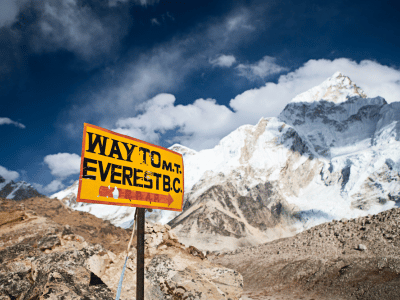
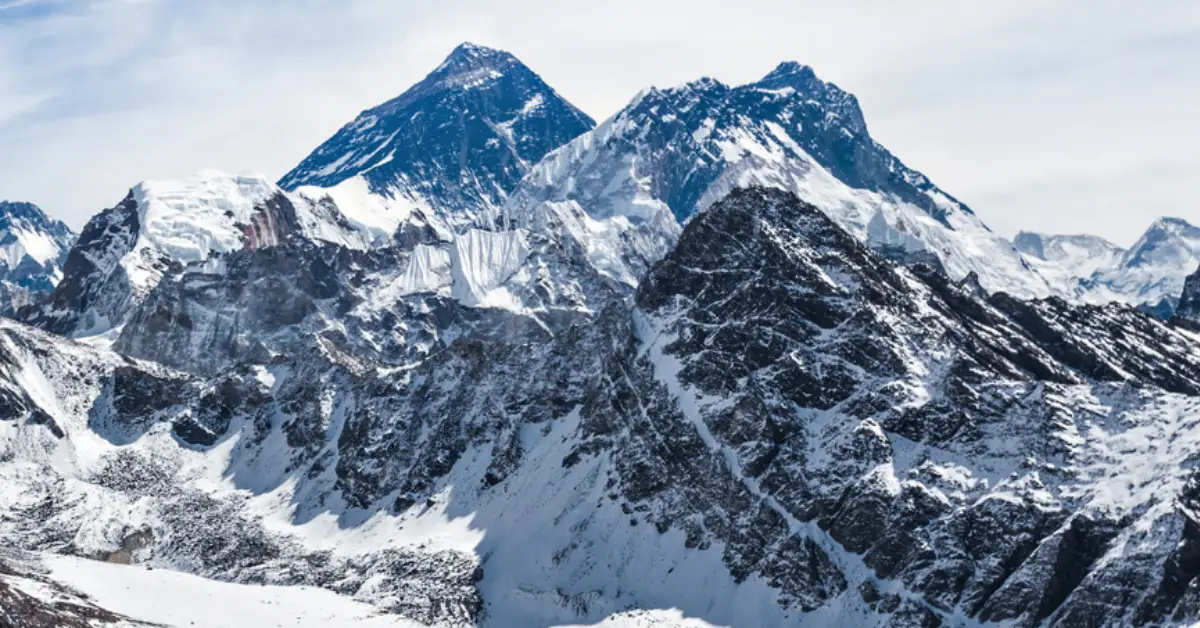
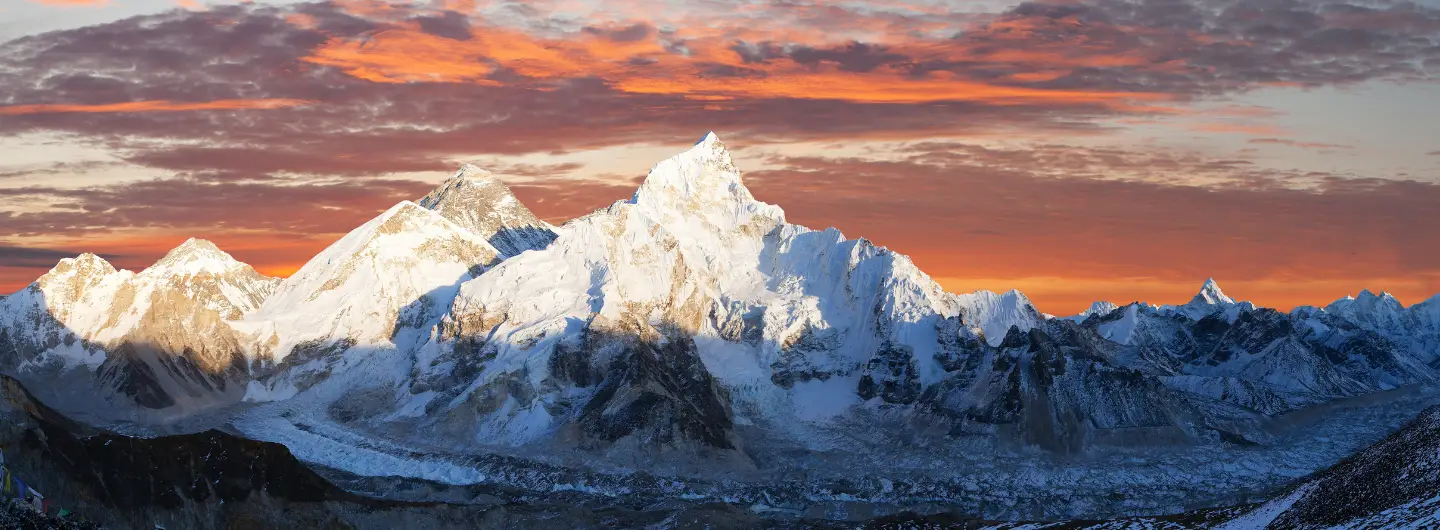
Nepal hosts eight of the world’s fourteen highest peaks above 8,000 meters. Moreover, these mountains create unique habitats for specialized wildlife in Nepal.
| Mountain | Height (m) | Location | First Ascent | Notable Wildlife Zone |
|---|---|---|---|---|
| Mount Everest | 8,849 | Solukhumbu | 1953 | Alpine zone |
| Kanchenjunga | 8,586 | Taplejung | 1955 | Snow leopard habitat |
| Lhotse | 8,516 | Solukhumbu | 1956 | High-altitude ecosystem |
| Makalu | 8,485 | Sankhuwasabha | 1955 | Biodiversity hotspot |
| Cho Oyu | 8,188 | Solukhumbu | 1954 | Border ecosystem |
| Dhaulagiri | 8,167 | Myagdi | 1960 | Deep valleys |
| Manaslu | 8,163 | Gorkha | 1956 | Conservation area |
| Annapurna I | 8,091 | Kaski/Myagdi | 1950 | Diverse altitude zones |
Mountain Ecosystems
These towering peaks influence weather patterns and create diverse habitats. Additionally, they serve as water towers feeding major rivers. Therefore, trekking with Trexmount combines mountain appreciation with wildlife observation.
- Snow and ice melt provide year-round water for downstream ecosystems
- Mountain barriers create rain shadows, affecting vegetation patterns significantly
- Extreme altitudes limit life forms to highly specialized species
- Lower slopes support rich biodiversity through varied microclimates
Cultural Significance
The eight mountains hold deep spiritual meaning for local communities. Furthermore, they inspire sustainable mountain tourism approaches. Consequently, the Himalayan homestay experience often includes cultural perspectives on mountains.
12. What Is the Wildlife of Nepal? A Comprehensive Overview
Understanding what the wildlife of Nepal is requires examining the country’s remarkable biological diversity. Moreover, Nepal contains species from both the Indo-Malayan and Palearctic realms.
| Wildlife Category | Total Species | Endemic Species | Threatened Species | Key Examples |
|---|---|---|---|---|
| Mammals | 208+ | 0 | 31 | Tiger, rhino, elephant |
| Birds | 900+ | 0 | 32 | Spiny babbler, danphe |
| Reptiles | 123+ | 4 | 8 | Gharial, pythons |
| Amphibians | 79+ | 6 | 0 | Frogs, toads |
| Fish | 230+ | 8 | 2 | Trout, catfish |
Mammalian Wealth
Nepal’s mammal diversity ranks among Asia’s highest concentrations. Additionally, the country protects numerous rare mammals in Nepal mountains. Therefore, wildlife trekking in Nepal attracts researchers and enthusiasts globally.
- Large mammals include both tropical and temperate zone specialists
- Medium-sized carnivores fill important ecological niches throughout ecosystems
- Small mammals provide critical ecosystem services like pollination and seed dispersal
- Marine mammals like dolphins inhabit some lowland river systems
Avian Diversity
The bird diversity supporting birdwatching in the Nepal Himalayas exceeds 900 species. Furthermore, Nepal lies along major migratory flyways. Consequently, seasonal variations offer different birding opportunities.
13. Birdwatching in Nepal Himalayas: A Paradise for Enthusiasts
Birdwatching in Nepal Himalayas attracts ornithologists and casual observers alike. Moreover, the country’s topographic diversity creates exceptional birding opportunities.
| Birding Zone | Altitude | Key Species | Best Season | Difficulty Level |
|---|---|---|---|---|
| Lowland Terai | 60-500m | Hornbills, peacocks | Nov-Apr | Easy |
| Mid-hills | 500-2,000m | Laughingthrushes, minivets | Mar-May | Moderate |
| Temperate Zone | 2,000-3,500m | Pheasants, flycatchers | Apr-Jun | Moderate |
| Subalpine | 3,500-4,500m | Rosefinches, accentors | May-Sep | Challenging |
| Alpine | Above 4,500m | Snow pigeon, snowcock | Jun-Aug | Very challenging |
Endemic and Rare Species
Nepal hosts several near-endemic bird species found nowhere else. Additionally, many globally threatened species inhabit Nepalese forests. Therefore, Nepal trekking packages increasingly include specialized birding itineraries.
- The spiny babbler remains Nepal’s only endemic bird species
- Critically endangered species include white-rumped and slender-billed vultures
- Colorful Himalayan pheasants attract photographers during breeding seasons
- High-altitude specialists like lammergeiers soar above mountain valleys
Birding Techniques
Successful birdwatching in Nepal Himalayas requires appropriate techniques and timing. Furthermore, local guides enhance identification and sighting success. Consequently, adventure tours Nepal can arrange expert birding guides.
14. Wildlife Trekking in Nepal: Best Routes and Experiences
Wildlife trekking in Nepal combines adventure with natural history exploration. Moreover, carefully chosen routes maximize wildlife encounter possibilities while minimizing disturbance.
| Trek Route | Duration | Max Altitude | Key Wildlife | Difficulty |
|---|---|---|---|---|
| Annapurna Circuit | 15-20 days | 5,416m | Blue sheep, snow leopard | Moderate-Hard |
| Langtang Valley | 7-10 days | 4,984m | Red panda, black bear | Moderate |
| Everest Base Camp | 12-14 days | 5,364m | Himalayan tahr, marmots | Moderate-Hard |
| Kanchenjunga Circuit | 20-25 days | 5,143m | Snow leopard, red panda | Hard |
| Dolpo Circuit | 21-28 days | 5,360m | Snow leopard, blue sheep | Very Hard |
Planning Considerations
Successful wildlife trekking in Nepal requires thorough preparation and appropriate expectations. Additionally, seasonal timing significantly affects wildlife visibility. Therefore, consulting with trekking with Trexmount for trekking ensures optimal planning.
- Spring months (March-May) offer flowering plants and active wildlife
- The autumn season (September-November) provides clear weather and animal movement
- Winter treks (December-February) increase snow leopard sighting possibilities
- The monsoon period (June-August) brings lush vegetation but challenging conditions
Ethical Wildlife Viewing
Responsible wildlife observation protects both animals and habitats. Furthermore, ethical practices enhance overall trekking experiences. Consequently, eco-tourism in Nepal emphasizes minimal-impact wildlife watching.
15. Home Stay in Nepal | Connecting with Local Communities
A homestay in Nepal offers authentic cultural immersion alongside wilderness experiences. Moreover, staying with local families directly supports community-based tourism in Nepal initiatives.
| Homestay Region | Typical Activities | Wildlife Nearby | Cultural Highlights | Accessibility |
|---|---|---|---|---|
| Annapurna Region | Farming, cooking classes | Red panda, birds | Gurung culture | Good road access |
| Langtang Region | Cheese making, herding | Black bear, tahr | Tamang traditions | Moderate access |
| Everest Region | Monastery visits | Mountain wildlife | Sherpa culture | Flight + trek |
| Mustang Region | Festivals, crafts | Blue sheep, eagles | Tibetan culture | Flight + trek |
| Terai Villages | Jungle walks, farming | Tigers, rhinos | Tharu culture | Easy access |
Benefits to Communities
Home stay in Nepal programs generate direct income for rural families. Additionally, they incentivize wildlife and cultural preservation. Therefore, sustainable travel Nepal increasingly incorporates homestay components.
- Income stays within local communities rather than external corporations
- Traditional skills and knowledge gain economic value and respect
- Young people find livelihood opportunities without urban migration
- Cultural pride strengthens through positive visitor interactions
Visitor Experience
A Nepal village homestay provides insights impossible in standard hotels. Furthermore, personal connections often become trip highlights. Consequently, many travelers extend homestay durations.
16. Himalayan Homestay Experience: What to Expect
The Himalayan homestay experience offers genuine cultural exchange and traditional Nepalese hospitality. Moreover, accommodations vary based on region and altitude.
| Aspect | Mountain Homestay | Terai Homestay | Hill Homestay |
|---|---|---|---|
| Housing Style | Stone/wood houses | Mud/thatch houses | Brick/concrete |
| Heating | Wood stoves, yak dung | Minimal needed | Fireplace |
| Cuisine | Tibetan influence | Spicy curries | Mixed regional |
| Activities | Yak herding, trekking | Farming, jungle walks | Terracing, crafts |
| Wildlife Proximity | Alpine species | Tropical animals | Mid-altitude species |
Daily Life Integration
Guests participate in daily household activities during an authentic Nepalese experience. Additionally, this participation fosters mutual understanding. Therefore, rural tourism in Nepal creates meaningful exchanges.
- Morning activities often include tea preparation and animal care routines
- Daytime involves farm work, food preparation, or craft activities
- Evening gatherings feature storytelling, songs, and cultural sharing
- Meals are prepared and eaten together, fostering a family atmosphere
Cultural Learning
Traditional Nepalese hospitality emphasizes generosity despite material simplicity. Furthermore, homestays preserve vanishing customs and knowledge. Consequently, cultural preservation benefits from tourism support.
17. Rural Tourism in Nepal: Supporting Local Economies
Rural tourism in Nepal creates economic opportunities while preserving traditional lifestyles. Moreover, it distributes tourism benefits beyond major cities and popular routes.
| Economic Impact | Community Benefits | Cultural Effects | Environmental Outcomes |
|---|---|---|---|
| Direct income | Healthcare access | Tradition preservation | Habitat protection |
| Employment | Education funding | Language maintenance | Reduced poaching |
| Infrastructure | Women empowerment | Arts revival | Clean energy adoption |
| Market access | Youth retention | Pride strengthening | Waste management |
Community-Based Models
Community-based tourism in Nepal gives local people control over tourism development. Additionally, collective decision-making ensures equitable benefit distribution. Therefore, this model supports the sustainable travel objectives in Nepal.
- Community tourism committees make decisions about visitor numbers and activities
- Revenue-sharing agreements distribute income fairly among participants
- Training programs build local capacity in hospitality and guiding
- Communities maintain veto power over proposed tourism developments
Success Stories
Numerous villages demonstrate rural tourism’s transformative potential. Furthermore, these examples inspire other communities. Consequently, the model expands throughout Nepal.
18. Trekking with Trexmount | Your Gateway to Adventure
Trekking with Trexmount combines professional expertise with responsible tourism practices. Moreover, the company specializes in wildlife-focused itineraries and cultural immersion.
| Service | Description | Sustainability Focus | Unique Features |
|---|---|---|---|
| Wildlife Treks | Expert naturalist guides | Minimal impact practices | Photography support |
| Cultural Tours | Homestay arrangements | Community partnerships | Language assistance |
| Custom Itineraries | Personalized planning | Client education | Flexible scheduling |
| Conservation Support | Park fee contributions | Local employment | Environmental education |
Specialized Offerings
Trekking with Trexmount provides specialized programs for different interests. Additionally, small group sizes ensure quality experiences. Therefore, personalized attention distinguishes these adventure tours Nepal.
- Wildlife photography treks include early morning and evening outings
- Bird-focused itineraries target seasonal migrations and breeding activity
- Cultural immersion programs maximize homestay and village interactions
- Conservation tours connect visitors with ongoing research projects
Responsible Operations
Professional operators prioritize environmental and cultural responsibility. Furthermore, they invest in staff training and community partnerships. Consequently, choosing responsible companies supports sustainable travel in Nepal.
19. Adventure Tours Nepal | Beyond Traditional Trekking
Adventure tours Nepal encompass diverse activities beyond standard trekking routes. Moreover, these experiences combine physical challenge with cultural and natural exploration.
| Activity Type | Skill Level | Best Regions | Wildlife Opportunities | Season |
|---|---|---|---|---|
| Peak Climbing | Intermediate-Advanced | Everest, Annapurna | High-altitude species | Spring/Autumn |
| Mountain Biking | Beginner-Advanced | Mustang, Annapurna | Mid-altitude wildlife | Mar-Nov |
| River Rafting | Beginner-Expert | Multiple rivers | Riparian ecosystems | Oct-May |
| Wildlife Safari | All levels | Chitwan, Bardia | Megafauna | Oct-Apr |
| Rock Climbing | Intermediate-Expert | Nagarjun, Hattiban | Forest birds | Year-round |
Multi-Activity Combinations
Many visitors combine different activities for comprehensive experiences. Additionally, varied activities suit different fitness levels and interests. Therefore, Nepal trekking packages increasingly offer mixed itineraries.
- Trekking combined with wildlife safaris provides altitude and tropical contrasts
- Cultural tours integrated with adventure activities balance physical and intellectual engagement
- Photography-focused trips incorporate appropriate activities for optimal lighting
- Family programs mix easier activities suitable for different age groups
Skill Development
Adventure tours Nepal often include instruction and skill building. Furthermore, local experts provide authentic insights. Consequently, participants gain abilities and knowledge.
20. Eco-Tourism in Nepal | Traveling Responsibly
Eco-tourism in Nepal emphasizes environmental conservation and community benefits. Moreover, responsible travel practices minimize negative impacts while maximizing positive contributions.
| Principle | Implementation | Visitor Actions | Community Role |
|---|---|---|---|
| Conservation | Protected area support | Entrance fees | Habitat protection |
| Cultural Respect | Appropriate behavior | Learning customs | Sharing traditions |
| Economic Benefit | Local purchases | Homestays, guides | Service provision |
| Education | Information sharing | Active learning | Knowledge exchange |
| Waste Reduction | Pack out trash | Minimal packaging | Waste systems |
Environmental Practices
Sustainable travel Nepal requires conscious choices throughout journeys. Additionally, small actions collectively create significant impacts. Therefore, eco-tourism in Nepal provides specific guidelines.
- Reusable water bottles with purification systems eliminate plastic waste
- Solar charging devices reduce battery disposal in sensitive areas
- Biodegradable soaps protect water sources from chemical contamination
- Designated trail use prevents erosion and habitat destruction
Carbon Footprint
Long-distance travel inevitably generates carbon emissions requiring offsetting strategies. Furthermore, awareness motivates more sustainable choices. Consequently, responsible operators calculate and address emissions.
 Review us on Google