
Trexmount Ventures
Trexmount

Langtang Trekking

Adventure Awaits

Langtang Trekking

Nepal
0 Reviews
Large Image
Best Price $891.00
Duration 11 Days
Location Nepal
Best Season Mar - May & Sep - Nov
Difficulty Level Moderate
Max Altitude 4,773 meters
Activity Trekking
Transportation Trexmount and Public Vehicle

Overview

Langtang trekking is one of Nepal’s most meaningful Himalayan experiences, blending dramatic mountain scenery with deep cultural encounters and a powerful human story of resilience. Located north of Kathmandu, close to the Tibetan border, the Langtang region offers trekkers a rare opportunity to explore pristine alpine landscapes, ancient Buddhist traditions, and close-knit mountain communities, without the logistical complexity or extreme crowds found on Nepal’s more famous trekking routes.

Unlike high-traffic trails such as Everest Base Camp or the Annapurna Circuit, langtang trekking remains quietly remarkable. It is accessible, emotionally moving, environmentally rich, and culturally intact. The journey passes through dense forests, glacial rivers, yak pastures, and traditional Tamang and Sherpa villages, ultimately leading into the heart of the Langtang Himalayas.

This trek is not just about mountains; it is about connection. Connection to land shaped by glaciers and earthquakes. Connection to people who rebuilt their lives after tragedy. And a connection to a slower, more reflective way of traveling through the Himalayas.

Why Langtang Trekking Stands Apart in Nepal

What makes langtang trekking exceptional is its balance. It delivers high-altitude Himalayan drama while remaining relatively short and logistically straightforward. Trekkers experience snow-capped peaks above 7,000 meters, ancient monasteries, sacred chortens, and remote valleys, yet the trek begins just a day’s drive from Kathmandu.

The Langtang trek Nepal experience is deeply immersive. Trails pass through Langtang National Park, Nepal’s first Himalayan national park, home to rare wildlife such as the red panda, Himalayan pheasant, musk deer, and langur monkeys. The forests change dramatically with altitude, shifting from subtropical greenery to alpine meadows and glacial terrain.

Culturally, the trek introduces travelers to the Tamang heritage influenced by Tibetan Buddhism. Prayer flags flutter across mountain passes, mani walls line the trail, and monasteries remain central to daily village life. Staying in family-run teahouses allows trekkers to directly support local livelihoods and witness authentic mountain hospitality.

Historical and Cultural Significance of the Langtang Region

The Langtang Valley has long served as a historical trade corridor between Nepal and Tibet. Salt, wool, and livestock once moved along these routes, shaping settlements that still preserve Tibetan-influenced architecture, language, and customs.

In 2015, the devastating earthquake and subsequent avalanche destroyed Langtang Village entirely. Hundreds of lives were lost, and the valley was left in ruins. Today, Langtang trekking plays a crucial role in the region’s recovery. Rebuilt villages, restored trails, and reopened teahouses stand as symbols of extraordinary resilience.

Every trekker who walks this trail contributes to sustainable recovery. Meals eaten at local lodges, nights spent in village teahouses, and services arranged through ethical trekking agencies directly benefit families who choose to rebuild rather than abandon their ancestral land.

Starting the Langtang Trek | Kathmandu to Syabru Besi

Most langtang valley trek itineraries begin in Kathmandu, Nepal’s cultural capital. Before heading into the mountains, many travelers explore UNESCO World Heritage Sites such as Swayambhunath, Pashupatinath, Boudhanath, and Patan Durbar Square. These landmarks provide historical and spiritual context that enriches the trekking experience.

From Kathmandu, the journey continues by road to Syabru Besi, the official starting point of the trek. The drive winds through terraced hillsides, river valleys, and mountain towns, gradually transitioning from urban life to remote Himalayan terrain. This route follows parts of the historic Nepal–China trade corridor, offering glimpses into the region’s economic and cultural past.

Syabru Besi itself is a lively mountain settlement, serving as a gateway not only to Langtang Valley but also to nearby routes such as Gosainkunda.

Trekking Through Langtang National Park

Once the trail begins, the Langtang trek quickly immerses trekkers in nature. The path follows the Langtang River upstream, crossing suspension bridges and weaving through bamboo groves, oak forests, and rhododendron stands.

Langtang National Park spans diverse ecosystems, ranging from subtropical forests to alpine tundra. Wildlife sightings are possible throughout the trek, particularly in quieter sections of the trail. The elusive red panda inhabits these forests, along with Himalayan black bears, deer, monkeys, and countless bird species.

As altitude increases, villages become more sparse, and landscapes grow increasingly dramatic. Waterfalls cascade from sheer rock faces, glaciers appear in the distance, and snow-covered peaks dominate the skyline.

Lama Hotel to Langtang Village | Entering the High Himalaya

One of the most memorable sections of the Langtang trek nepal route lies between Lama Hotel and Langtang Village. The trail climbs steadily through pine and hemlock forests before opening into wide glacial valleys.

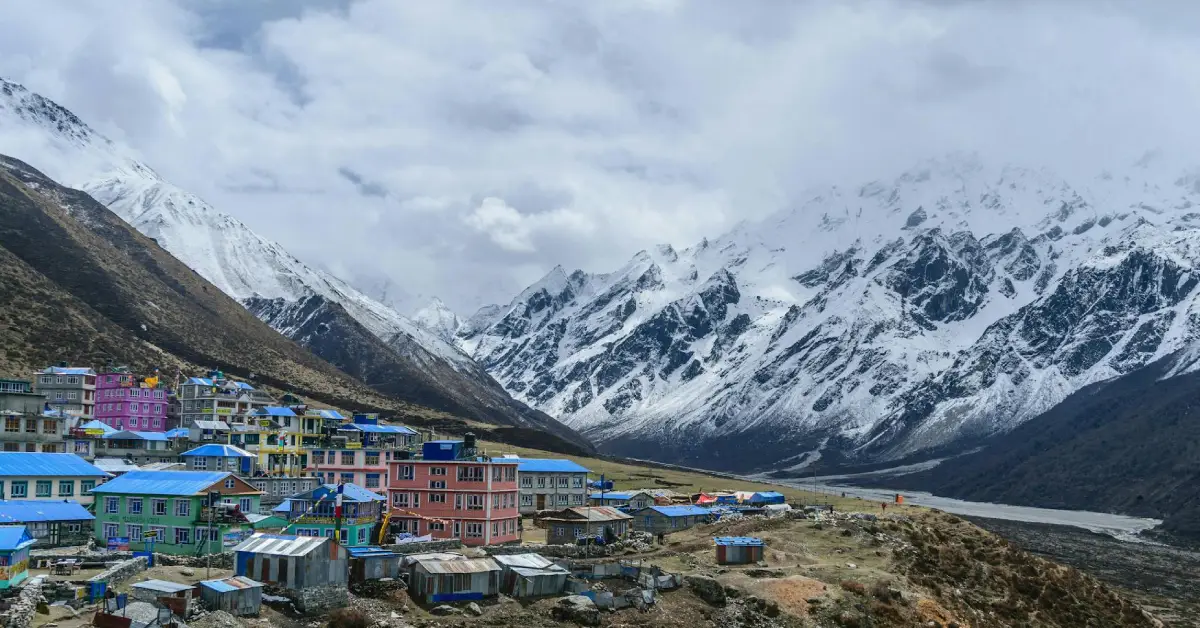
Langtang Village, rebuilt after the earthquake, stands as a testament to community strength. The new settlement is carefully constructed, blending safety considerations with traditional design. Trekkers staying here experience firsthand how tourism supports long-term recovery.

Local families share stories of loss, rebuilding, and hope, transforming the trek into a deeply human journey rather than a purely physical challenge.

Kyanjin Gompa: Spiritual and Scenic Heart of Langtang

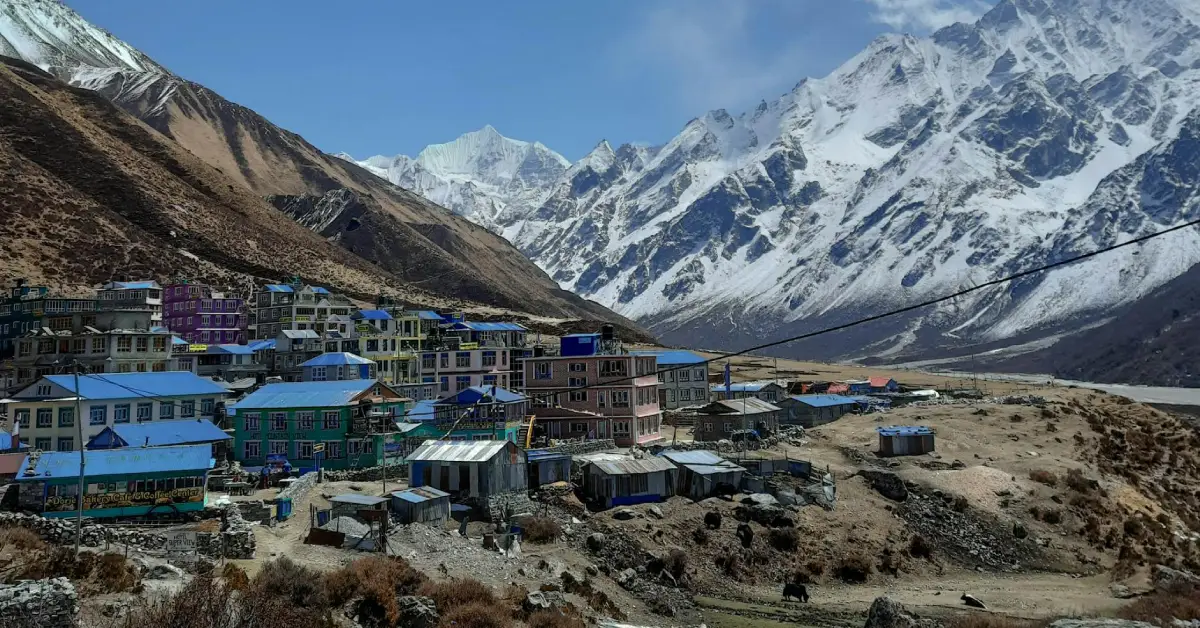
Kyanjin Gompa is the cultural and spiritual center of the Langtang Valley trek. Surrounded by towering peaks and yak pastures, this high-altitude settlement offers some of the most breathtaking views in the region.

The ancient monastery remains an active place of worship, reflecting the strong Buddhist traditions of the valley. Nearby, local cheese factories produce yak and cow cheese, offering a unique taste of Himalayan pastoral life.

Trekkers often spend extra nights here for acclimatization and exploration, including hikes to nearby viewpoints.

Kyanjin Ri and Tserko Ri | Iconic Viewpoints

A major highlight of the Langtang trek is the ascent of Kyanjin Ri or Tserko Ri. These non-technical climbs reward trekkers with panoramic Himalayan vistas that rival Nepal’s most famous viewpoints.

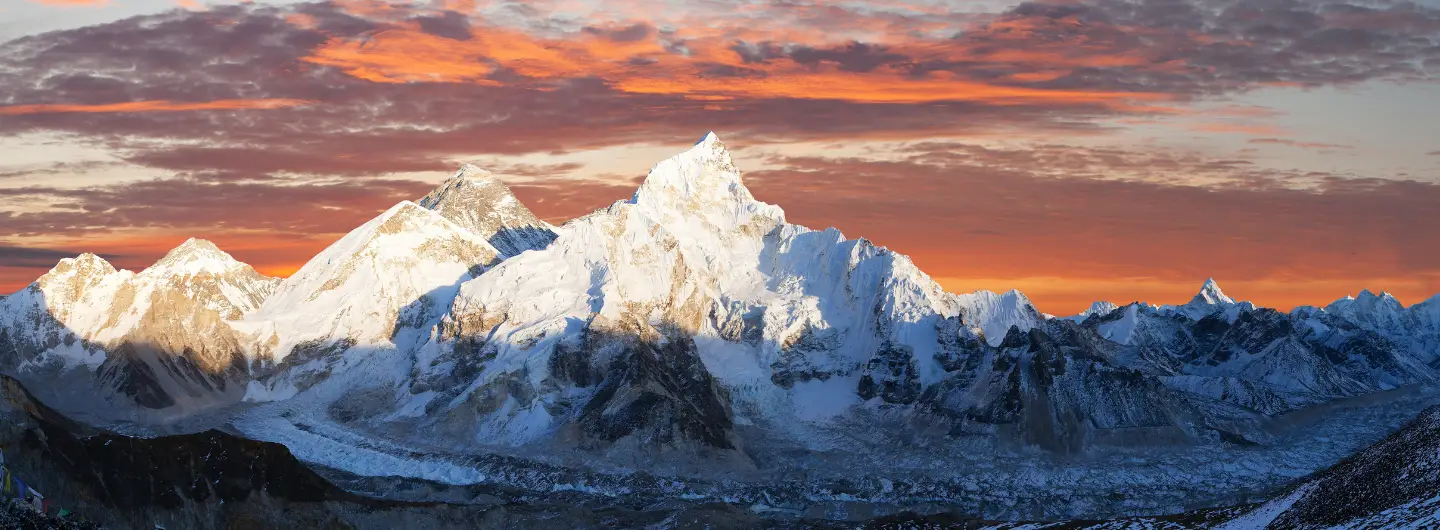
From these summits, trekkers can see Langtang Lirung, Langtang Ri, Dorje Lakpa, Gangchempo, and even Shishapangma across the Tibetan border. Sunrise from Tserko Ri is particularly spectacular, casting golden light across glaciers and snowfields.

These side hikes deepen the trekking experience without requiring advanced mountaineering skills.

Optional Kyanjin Helicopter Return

For travelers with limited time or those seeking a different perspective, helicopter returns from Kyanjin offer a unique conclusion to langtang trekking. The flight provides aerial views of the valleys, forests, and trails previously walked, highlighting the dramatic scale of the landscape.

This option also reduces physical strain on the return journey while still preserving the full trekking experience.

How long is the Langtang trail?

The Langtang trail typically spans around 65 to 75 kilometers round trip, depending on the specific itinerary and side hikes included. Most langtang trekking routes take between 10 and 12 days of walking, excluding arrival and departure days in Kathmandu. The trail length allows trekkers to acclimatize gradually while enjoying diverse scenery, from forested valleys to alpine terrain. Side trips to Kyanjin Ri or Tserko Ri add distance but significantly enhance the overall experience.

How difficult is the Langtang Trek?

The Langtang Trek is considered a moderate trekking route suitable for trekkers with basic fitness and some hiking experience. While langtang trekking involves sustained ascents and high altitude, the trail does not require technical climbing skills. Proper acclimatization, steady pacing, and good preparation make the trek achievable for first-time Himalayan trekkers. The highest points present physical challenges primarily due to altitude rather than terrain difficulty.

Where does the Langtang Valley Trek start?

The Langtang Valley trek officially starts from Syabru Besi, a mountain town reached by road from Kathmandu. This starting point marks the transition from road travel to foot travel in the Langtang region. From Syabru Besi, the trail follows the Langtang River through forests and villages, gradually ascending toward the alpine heart of the valley. Kathmandu serves as the logistical and cultural starting base for the journey.

How much does it cost to do the Langtang trek?

The overall cost of langtang trekking varies depending on trek duration, group size, accommodation preferences, guide and porter services, transportation choices, and seasonal factors. Rather than focusing on fixed pricing, Trexmount Ventures helps trekkers design a Langtang trek that matches their comfort level, schedule, and expectations because they are the best trekking company in Nepal. Trexmount Ventures provides personalized planning to ensure value, safety, and a meaningful experience.

Sustainable and Responsible Trekking in Langtang

Responsible travel is central to the future of Langtang trekking. The region’s fragile ecosystems and recovering communities depend on conscious tourism practices. Choosing local teahouses, respecting cultural traditions, minimizing waste, and trekking with experienced local operators all contribute to long-term sustainability.

Langtang’s quieter trails also help reduce overtourism pressures seen elsewhere in Nepal, preserving both environmental integrity and cultural authenticity.

Why Langtang Trekking Is Ideal for First-Time Visitors to Nepal

For travelers discovering Nepal for the first time, the Langtang trek in Nepal offers an ideal introduction. It combines cultural immersion, natural beauty, manageable logistics, and emotional depth. The trek provides Himalayan grandeur without overwhelming crowds, allowing trekkers to experience Nepal at a more personal pace.

The proximity to Kathmandu also reduces travel fatigue, making the overall journey smoother and more accessible.

Langtang Trekking Summary

Langtang trekking is not simply a journey through mountains, it is a journey through resilience, culture, and natural beauty. From forested valleys to sacred monasteries and soaring Himalayan peaks, the Langtang region delivers an experience that lingers long after the trek ends.

For travelers seeking authenticity, emotional depth, and sustainable adventure, the Langtang Valley trek stands as one of Nepal’s most rewarding journeys.
Package options

Select Package Type

★ ★ ★ ★ ★
10% OFF

Standard Package Price

US $891
US $990

per traveller

Standard Package Included

  • Meals (Breakfast, lunch, and dinner) during the trekking sections
  • Accommodation during the trek (Twin sharing room)
  • Guide and required number of porters and their food, drinks, insurance, salary, equipment, transportation, etc
  • All Group private transportation as per the itinerary (Jeep & Toyota Hiace or Bus)
  • Langtang National Park Entrance Permit
  • 4 nights accommodation in Kathmandu with Breakfast
  • All government taxes
  • Warm sleeping bag, warm down jacket
  • Airports pick up & Transfer for Departure
  • Trek bag
  • Trekking Information Management System Permit (TIMS)

Standard Package Excluded

  • Lunch & dinner in Kathmandu
  • Tipping the Guide and Porter or anyone else, or donations
  • Medical and emergency rescue costs (Just in case)
  • Drinks are not included on the trek, such as tea, coffee, mineral water, any drinks, and alcoholic drinks.
  • Your Travel Insurance
  • All the expenses of your personal nature

Trip Itinerary

Upon arrival at Tribhuvan International Airport, you will be warmly welcomed by our airport representative and transferred to your hotel in Kathmandu. The drive takes approximately 20–30 minutes, covering around 5 kilometers through the city.
Later in the day, our representative will meet you either at your hotel or at our office for a pre-departure briefing. During this session, our tour manager will explain the entire trekking plan, safety guidelines, altitude considerations, and logistics. Necessary documents such as passport copies and travel insurance details will also be collected.

Accommodation

Hotel in Kathmandu

Meal

Breakfast

Time

N/A

Distance

N/A

This day is reserved for final trek preparations. You may use the time to check trekking gear, rest after international travel, or explore Kathmandu at your own pace. If you wish, you can opt for a guided sightseeing tour of the Kathmandu Valley, home to several UNESCO World Heritage Sites. Popular highlights include Pashupatinath Temple, Boudhanath Stupa, Swayambhunath (Monkey Temple), and historic Durbar Squares in Kathmandu, Patan, or Bhaktapur. These sites offer deep insight into Nepal’s Hindu and Buddhist heritage. Sightseeing is optional and can be arranged locally based on your interests.


Accommodation

Hotel in Kathmandu

Meal

Breakfast

Time

N/A

Distance

N/A

After breakfast, we begin a scenic drive northward toward Syabrubesi, the starting point of the Langtang trek. The journey passes through rural towns, terraced farmland, and river valleys, following the Trishuli River for much of the route. After reaching Trishuli Bazaar, the road gradually ascends into the hills toward Dhunche, the administrative headquarters of Rasuwa District and the gateway to Langtang National Park. After completing park entry formalities, we continue driving downhill to Syabrubesi, a small mountain settlement near the Tibetan border.


Accommodation

Standard Hotels

Meal

Breakfast, Lunch, Dinner

Time

~7 hours

Distance

~138 km

The trek officially begins today. We start by crossing a suspension bridge over the Bhote Koshi River and follow the Langtang Khola upstream. The trail gradually ascends through dense forests of sal, oak, and bamboo, passing small settlements such as Bamboo. As the trail enters a narrow gorge, the vegetation becomes thicker, with rhododendron and pine trees providing shade. The sound of the river accompanies us throughout the walk. After a steady climb, we reach Lama Hotel, located deep within the forest.

Accommodation

Tea Houses

Meal

Breakfast, Lunch, Dinner

Time

~6 hours

Distance

~11 km

Today’s walk takes us deeper into the Langtang Valley. The trail follows the river valley through cool forested sections, offering chances to spot wildlife such as langur monkeys and, if lucky, the elusive red panda. We pass several small settlements before reaching Ghore Tabela, historically known as a horse-breeding area. From here, the valley begins to widen, revealing alpine landscapes and distant mountain views. After lunch, we continue toward Langtang Village. The original village was destroyed during the 2015 earthquake, and the new settlement stands slightly beyond the former site. The area is now home to the Tamang and Bhotia communities, who have rebuilt their lives through trekking tourism.

Accommodation

Tea Houses

Meal

Breakfast, Lunch, Dinner

Time

~6 hours

Distance

~11 km

This is a shorter and relatively easy trekking day, allowing for proper acclimatization. The trail ascends gently through yak pastures and open alpine terrain as the valley opens dramatically. Snow-capped peaks such as Langtang Lirung, Dorje Lakpa, Naya Kanga, and Langshisa Ri dominate the skyline. We reach Kyanjin Gompa, a beautiful high-altitude settlement named after its ancient Buddhist monastery. In the afternoon, you may explore the village, visit the local yak cheese factory established with Swiss support, or take a short acclimatization hike to nearby viewpoints.

Accommodation

Tea Houses

Meal

Breakfast, Lunch, Dinner

Time

~4 hours

Distance

~8 km

Today is the most challenging and rewarding day of the trek. Early in the morning, we begin the ascent to Tserko Ri, one of the highest viewpoints in the Langtang region. The climb is steep and demanding, but does not require technical skills. From the summit, you are rewarded with an incredible panoramic view of the Langtang Himalayas. Peaks such as Langtang Lirung, Dorje Lakpa, Ganchenpo, Naya Kanga, Pemthang Karpo Ri, and the massive Shishapangma across the Tibetan border dominate the horizon. After spending time at the top, we descend carefully back to Kyanjin Gompa for overnight rest.


Accommodation

Tea Houses

Meal

Breakfast, Lunch, Dinner

Time

~8 hours

Distance

~17 km

After enjoying the highlights of the upper valley, we begin our descent. Retracing our steps, we walk back through Langtang Village and Ghore Tabela, following the Langtang Khola downstream. The downhill walk is more relaxed, allowing time to appreciate forest scenery and mountain views from a different perspective. We reach Lama Hotel by late afternoon.

Accommodation

Tea Houses

Meal

Breakfast, Lunch, Dinner

Time

~6 hours

Distance

~17 km

This is the final day of trekking. We continue descending through shaded forests and river valleys, crossing suspension bridges and passing familiar villages along the way. The trail gradually brings us back to Syabrubesi, where we conclude the trekking portion of the journey and enjoy a well-earned rest.


Accommodation

Tea Houses

Meal

Breakfast, Lunch, Dinner

Time

~5 hours

Distance

~11 km

After breakfast, we begin the return drive to Kathmandu. The journey follows the same scenic route along rivers and hills, offering final glimpses of rural mountain life before re-entering the Kathmandu Valley. Upon arrival, you will be transferred to your hotel, where you can relax or explore the city at leisure.


Accommodation

Hotel in Kathmandu

Meal

Breakfast

Time

~7 hours

Distance

~128 km

After breakfast, you will be transferred to Tribhuvan International Airport for your onward flight. This marks the end of your Langtang trekking journey, carrying with you lasting memories of the Himalayas and the resilient communities of the Langtang Valley.

Accommodation

N/A

Meal

Breakfast

Time

N/A

Distance

N/A

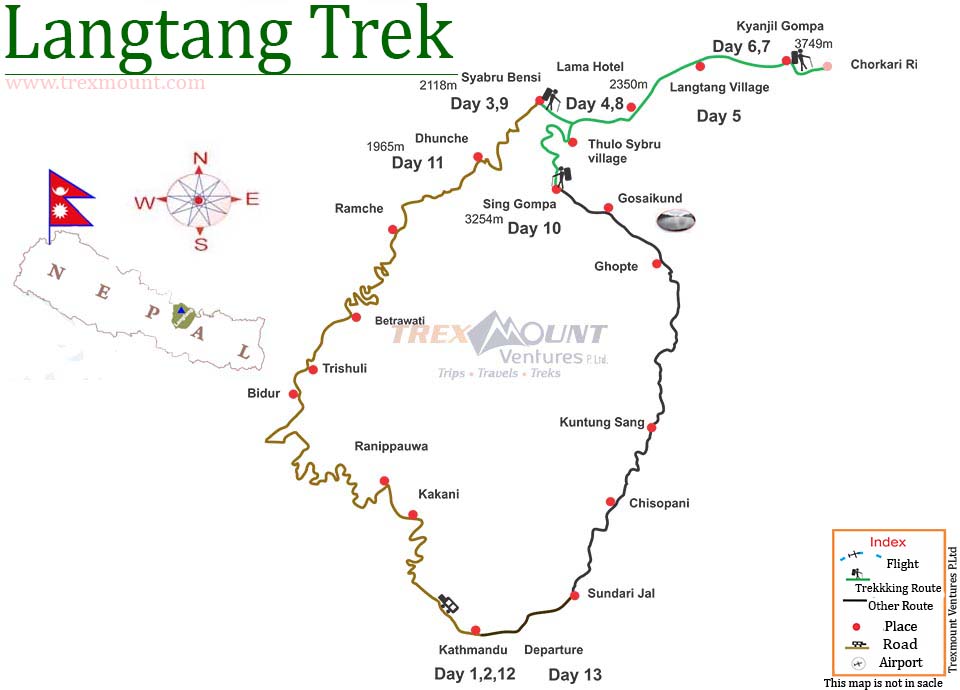
Route Map

trip route map for Langtang Trekking

Fixed Departure

Frequently Asked Questions

Langtang trekking is suitable for beginners with reasonable fitness. The trail is well-defined, and daily walking distances are manageable. With proper acclimatization, guidance, and pacing, first-time trekkers can complete the trek comfortably while enjoying Himalayan scenery and cultural encounters.

The best seasons for the Langtang Valley Trek are spring and autumn. These periods offer stable weather, clear mountain views, blooming rhododendrons in spring, and crisp air in autumn. Winter and monsoon trekking are possible but require additional preparation.

Yes, trekkers require permits to enter Langtang National Park and trek in the region. These permits help conserve natural resources and support local management efforts. Trek organizers typically assist with all necessary permit arrangements before the trek begins.

Accommodation during langtang trekking mainly consists of teahouses run by local families. These lodges provide basic but comfortable rooms, hot meals, and warm hospitality. Staying in teahouses directly supports the local economy and cultural preservation.

The Langtang trek reaches elevations above 4,000 meters, with optional hikes to viewpoints like Tserko Ri approaching 5,000 meters. Proper acclimatization days are included to help trekkers adjust safely to altitude changes.

Altitude sickness is a consideration, as with all Himalayan treks. Gradual ascent, hydration, rest days, and awareness of symptoms reduce risk. Experienced guides monitor trekkers closely and adjust itineraries if needed.

Langtang National Park is home to diverse wildlife, including red pandas, Himalayan pheasants, monkeys, deer, and various bird species. Sightings depend on season and trail conditions, but the region is rich in biodiversity.

Langtang trekking directly supports local communities through employment, teahouse stays, food purchases, and guide services. Tourism revenue plays a key role in rebuilding efforts and sustaining traditional livelihoods after the earthquake.

Yes, the Langtang region can be combined with routes like Gosainkunda or Helambu for longer itineraries. These extensions add cultural and scenic diversity for trekkers with additional time.

Langtang offers quieter trails, strong cultural immersion, dramatic scenery, and easy access from Kathmandu. It provides a deeply personal trekking experience without the crowds of more famous routes.

Traveler Reviews

Verified customer feedback

Related Packages

You May Also Love And Like
Everest Base Camp Trek
(5.0) 19
Nepal
16 Days
Max 50 People
Starts From $1470
Everest Three Passes Trek
(5.0) 19
Nepal
20 Days
Max 30 People
Starts From $2010
Annapurna High Pass Trekking
(5.0) 14
Nepal
14 Days
Max 50 People
Starts From $1280
Annapurna Overview Trek Nepal
(5.0) 15
Nepal
8 Days
Max 50 People
Starts From $1280
Annapurna Panorama Trekking
(5.0) 14
Nepal
8 Days
Max 50 People
Starts From $770
Australian Camp Trekking
(5.0) 15
Nepal
8 Days
Max 50 People
Starts From $500
Mardi Himal Nepal
(5.0) 11
Nepal
10 Days
Max 50 People
Starts From $800
Poon Hill Trek
(5.0) 10
Nepal
10 Days
Max 50 People
Starts From $870
Khair lake Panorama Trekking
(5.0) 20
Nepal
14 Days
Max 50 People
Starts From $1410
Nar Phu Trekking
(5.0) 18
Nepal
20 Days
Max 50 People
Starts From $1790
Panchase Trekking
(5.0) 11
Nepal
12 Days
Max 50 People
Starts From $980
Gokyo Lake Trek
(5.0) 15
Nepal
15 Days
Max 50 People
Starts From $1610
Everest Panorama Trekking
(5.0) 18
Nepal
12 Days
Max 50 People
Starts From $1210
Everest View Hotel and Chopper flight
(5.0) 10
Nepal
14 Days
Max 11 People
Starts From $1888
Mani Rimdu Festival
(5.0) 18
Nepal
13 Days
Max 50 People
Starts From $1780