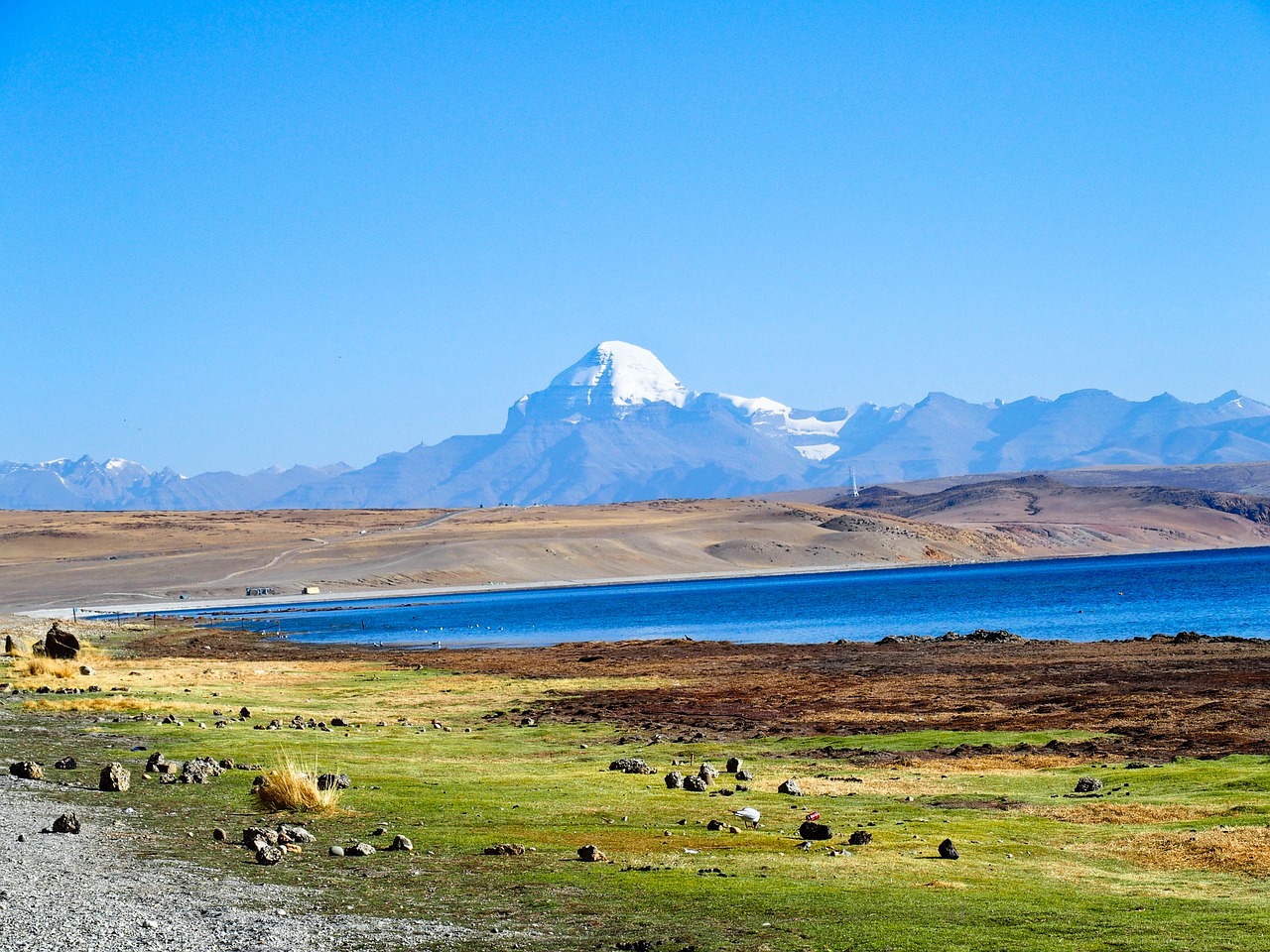

The Kailash Mansarovar Yatra is a sacred spiritual journey and trekking journey to Mount Kailash in Tibet, circling one of the most spiritually significant peaks on Earth at 6,638 meters. It combines high-altitude trekking, profound religious experience, and raw Himalayan wilderness in a single unforgettable journey. Whether you walk as a devotee or an adventurer, this yatra changes something in you permanently.
What Makes This Yatra So Special?
The Kailash Mansarovar Yatra is unlike any other trek on the planet. There are no summits to conquer here, no medals to collect. What you carry back is entirely invisible, a stillness, a clarity, a quiet sense that something larger than yourself exists. The mountain does not invite you to climb it. It invites you to walk around it, to surrender to it.
The 52-kilometer Kailash Parikrama (kora) around Mount Kailash is the heart of the entire journey. Pilgrims from Hindu, Buddhist, Jain, and Bon traditions have walked this path for thousands of years. When you join that line of people moving slowly through stone and wind, you feel the weight of that history in your feet.
Why Pilgrims and Trekkers Both Come Here
- Hindus believe that circumambulating Mount Kailash washes away the sins of a lifetime
- Buddhists consider it the home of Demchok, a deity representing supreme bliss
- Jains revere it as the site where their first tirthankara attained liberation
- Bon followers, Tibet’s indigenous spiritual tradition, regard Kailash as the seat of all spiritual power
- Trekkers come for the landscape, and stay for the transformation
Religious Beliefs of Mount Kailash, Mansarovar
Mount Kailash is believed to be the earthly residence of Lord Shiva in Hindu cosmology. It is described in ancient texts as the axis mundi, the center of the universe, the point where heaven and earth meet. No one has ever climbed it. No mountaineering expedition has ever been permitted. The mountain remains untouched, and that itself carries enormous meaning.
Lake Mansarovar, sitting beside the mountain at 4,590 meters, is considered one of the holiest lakes in Asia. Hindus believe bathing in its waters cleanses the soul. Buddhists believe it was created in the mind of Brahma before it appeared on Earth. The lake reflects the mountain on still mornings with a clarity that feels impossible.
Sacred Sites Along the Route
- Yam Dwar: The gate of death, entry point of the Kailash kora
- Diraphuk Monastery: Closest monastery to the north face of Kailash
- Dolma La Pass (5,636m): The highest and most spiritually charged point of the kora
- Gauri Kund: A glacial lake sacred to Goddess Parvati
- Ashtapad: A Jain sacred site near the southern face
Puja and Offerings on Kailash Tour Yatra
On the Kailash Mansarovar Yatra, ritual is not separate from the journey. It is the journey. At Lake Mansarovar, pilgrims offer flowers, rice, and prayers at dawn while the water turns golden. The cold is sharp. The silence is complete. And somehow, the act of offering something, even just your attention, feels like the most natural thing in the world.
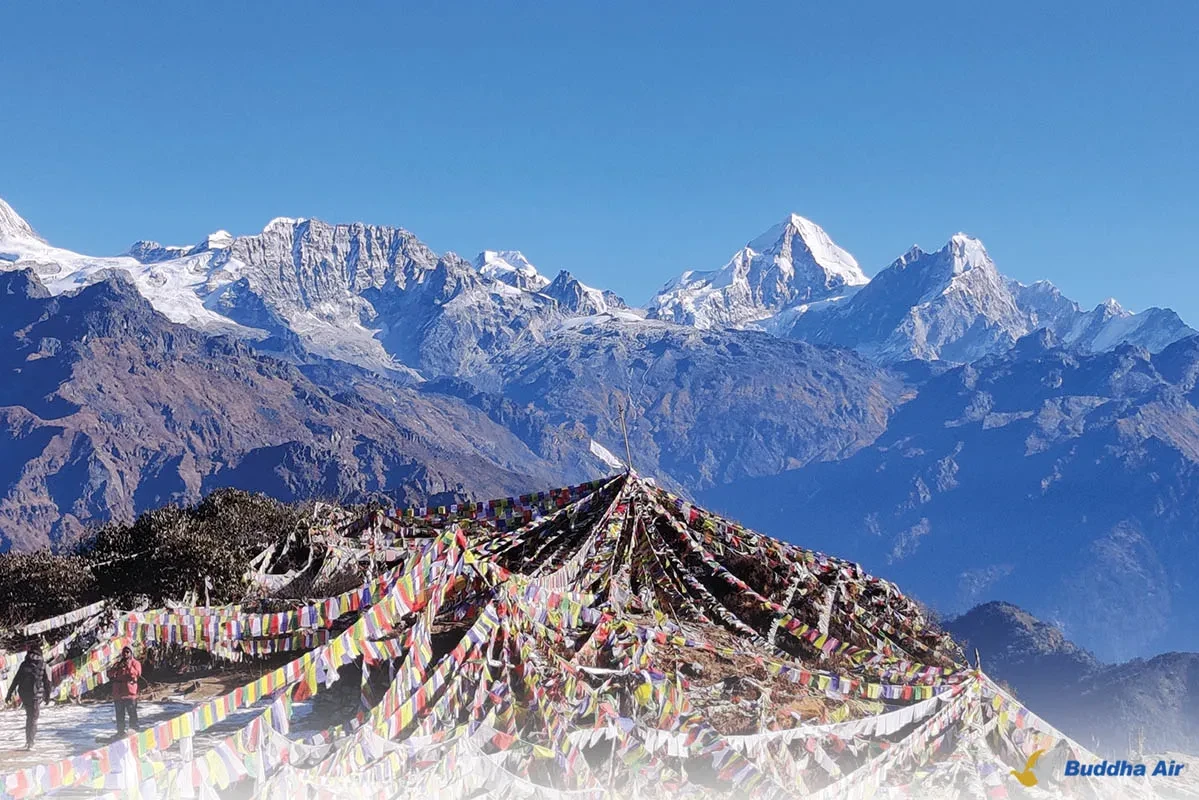
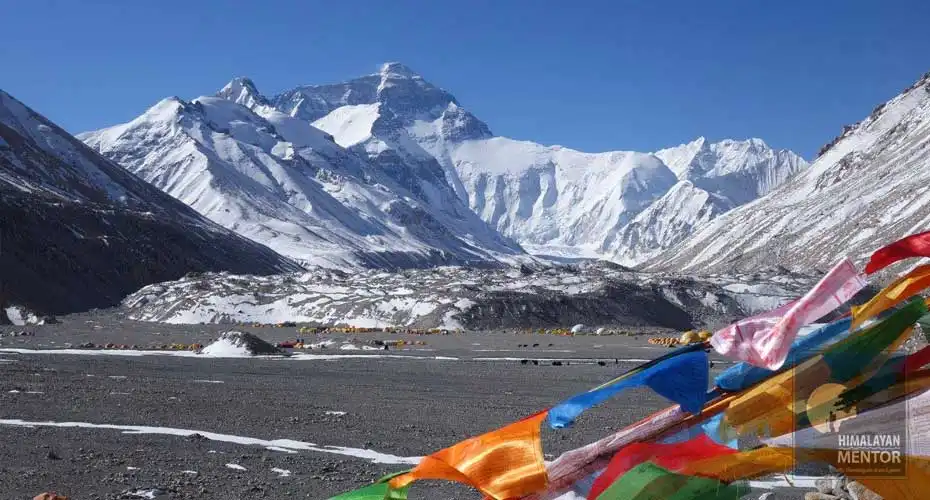
At Diraphuk and Zuthulphuk monasteries, butter lamps burn constantly. Monks chant in low, resonant tones. Prayer flags string across mountain passes, sending prayers into the wind with every movement. You do not need to be religious to feel what is happening here. The devotion is so concentrated in this place that it becomes atmospheric.
How to Visit Kailash Mansarovar Tour?
The Kailash Mansarovar yatra is not a casual weekend trip. The journey takes approximately 14 days and crosses into Tibet via Nepal, typically through the Kerung (Gyirong) border crossing. The route passes through Kathmandu, moves north through high Himalayan terrain, and gradually acclimatizes you before the kora itself.
The trek to Dolma La Pass at 5,636 meters is the most demanding stretch. Most people move slowly here. Some stop. Some cry. The altitude takes what it wants, but almost everyone who makes it to the pass says they would do it again without hesitation.
What Type of Place Is Kailash Mansarovar?
The Tibetan plateau surrounding Mount Kailash is one of the most remote and untouched landscapes on Earth. Wide open skies. Flat, windswept plains interrupted by sudden, dramatic ridgelines. Prayer flags snapping in cold wind. The landscape is minimalist in the most extreme sense, and because of that, it is overwhelming.
This is not a resort destination. It is not a curated experience. It is raw, high, cold, and deeply real. The air is thin. The light is blinding. The stars at night, with zero light pollution for hundreds of kilometers, are unlike anything you will see from a city or even a lower-altitude trek.
Landscape and Environment at a Glance
- Elevation range: 4,500m to 5,636m throughout the route
- Terrain: Open Tibetan plateau, glacial moraines, rocky kora path
- Climate: Dry and cold; best visited May to September
- Wildlife: Tibetan wild ass (kiang), Himalayan wolf, bar-headed geese on Mansarovar
- Vegetation: Sparse high-altitude shrubs, moss, minimal above 5,000m
What Kind of Food Is Available on the Kailash Yatra?
Food on the Kailash Mansarovar Yatra is simple, warm, and honest. In Tibetan guesthouses and teahouses along the route, meals center around what sustains you at altitude rather than what impresses. Tsampa (roasted barley flour), thukpa (noodle soup), momos (dumplings), and butter tea are the backbone of the local diet here.
Butter tea, made with tea, yak butter, and salt, is an acquired taste for most visitors, but it is genuinely warming at altitude and calorie-dense in a way your body needs above 4,500 meters. Dal bhat (rice and lentils) is available at lower-altitude stops along the Nepal side of the route. Simple vegetarian and non-vegetarian options are available depending on the location.
What Kind of Accommodation Is Available?
Accommodation on the Kailash Mansarovar yatra is guesthouse-style, meaning basic but functional. In Tibet, you will stay in Tibetan guesthouses that offer shared rooms, simple bedding, and limited facilities. Heating is minimal. Hot water is often limited to thermos flasks. Toilets can be shared and traditional. This is part of the journey.
In Kathmandu, at the start and end of the trip, accommodation is comfortable and modern, giving you time to prepare and recover. Along the Nepal highway toward Kerung, small roadside lodges provide simple meals and rest stops. The rawness of the lodging in Tibet is, for most people, not a negative, it is a reminder of where you are.
Kailash Tour Visa and Permit Update 2026
Tibet remains a restricted region, and access to the Kailash Mansarovar Yatra tour requires a specific set of permits beyond a standard Chinese visa. As of 2026, foreign nationals must hold a Tibet Travel Permit, an Aliens’ Travel Permit, and a Military Area Entry Permit to access the Kailash region. These are arranged through a licensed Tibetan travel agency and cannot be obtained independently.
Indian nationals currently travel via the Lipulekh Pass route (when operational through the Government of India program) or through Nepal via the Kerung crossing. Nepali and international visitors access Tibet through the Kerung–Gyirong land border. Permit regulations update frequently, and 2026 has seen continued restrictions on independent travel in Tibet, making guided group tours the only legal format for foreign visitors.
What Is Kailash Mansarovar Famous For?
Mount Kailash is famous for being the most sacred mountain in the world to four major religions, Hinduism, Buddhism, Jainism, and Bon. It has never been climbed. It sits at the source of four of Asia’s greatest rivers: the Indus, Brahmaputra, Sutlej, and Karnali. It is symmetrical in a way that appears almost architectural. It is, by almost any measure, extraordinary.
Lake Mansarovar, beside it, is one of the highest freshwater lakes on Earth and one of the most spiritually revered. Together, the mountain and the lake form a site that exists in every religious imagination that has encountered it. The kora around Kailash is considered the most powerful pilgrimage walk in the world.
Why You Should Visit | A Word From Those Who Have
People who complete the Kailash Mansarovar yatra rarely describe it the same way twice. Some talk about the silence. Some talk about the altitude breaking them open in ways they did not expect. Some talk about the strangers who helped them on the pass. Some simply say they felt something shift.
You do not need to be religious to be moved here. The mountain does not ask for your faith. It asks only for your presence, your willingness to move through discomfort, and your respect for something ancient and unchanged. That is enough.
Ready to Walk This Path?
At Trexmount Ventures, we have guided pilgrims and trekkers through the Kailash Mansarovar yatra for years. We handle every permit, every acclimatization stop, every logistical detail, so that by the time you stand before the mountain, all you have to carry is yourself. If you feel the pull of Kailash, reach out to us. The mountain is waiting.
 Review us on Google