
Overview
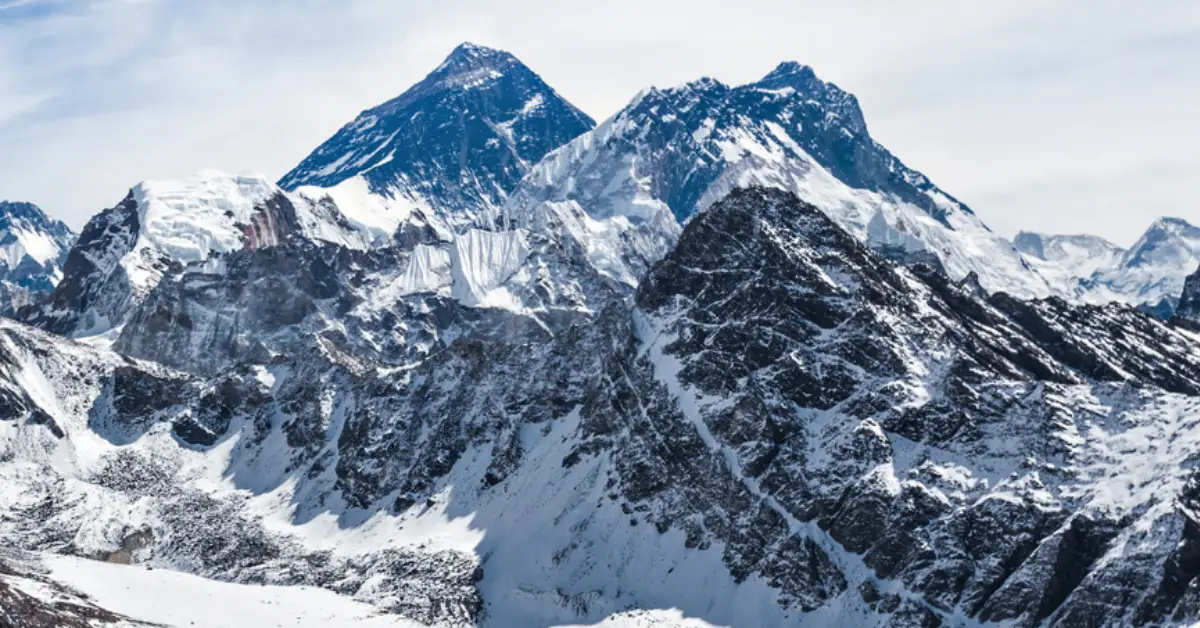
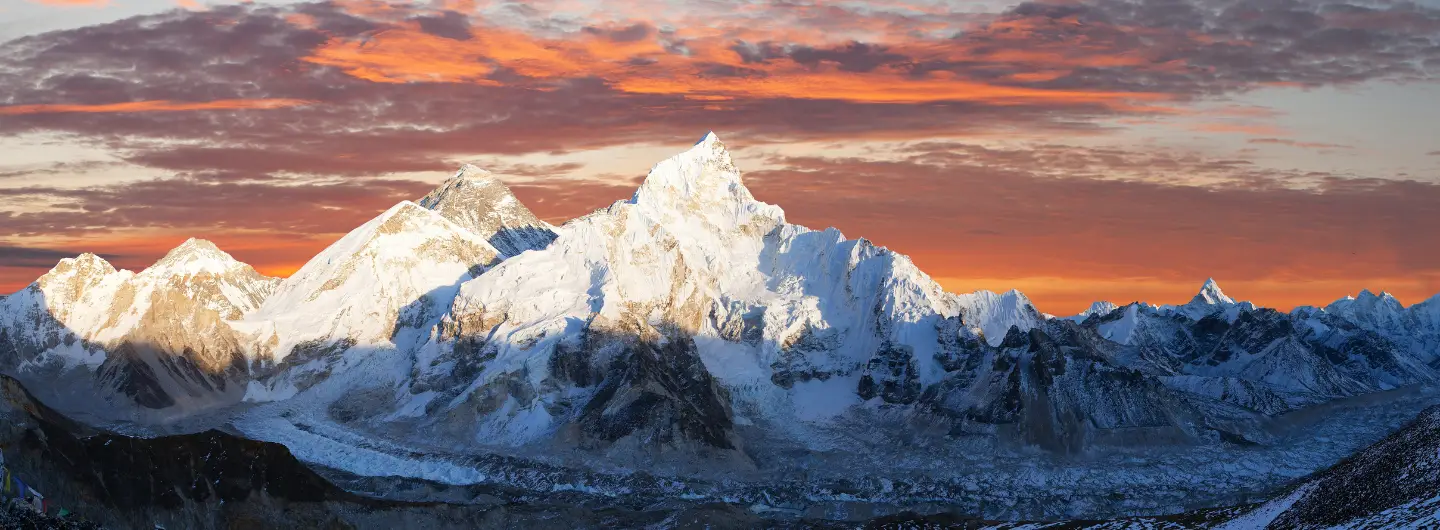
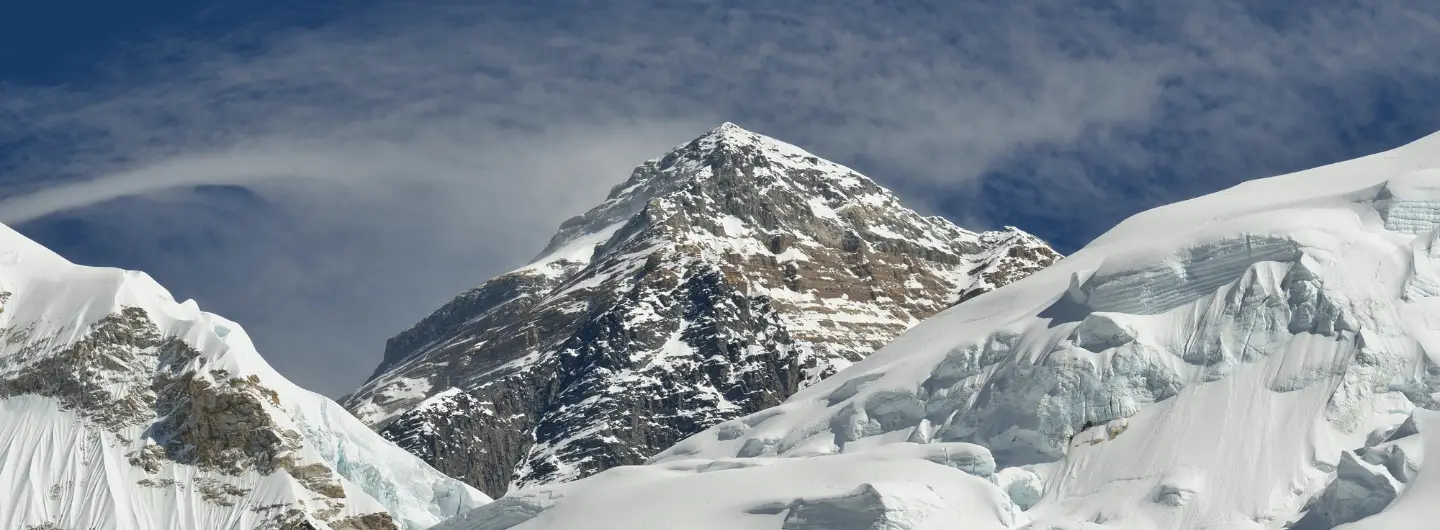
Have you ever looked up at the sky and wondered what it feels like to stand on top of the world? The Everest Expedition is one of the most thrilling, challenging, and life-changing adventures a person can ever take. Standing tall at 8,848.86 meters, Mount Everest is not just a mountain, it is a dream, a test, and a story worth telling for a lifetime.
Whether you are a seasoned mountaineer or someone who simply loves adventure, learning about the Expedition Everest journey can open your eyes to a whole new world of high-altitude mountaineering. From the winding trails of the Everest base camp trek to the icy slopes near the summit, every step of this journey is filled with wonder, danger, and triumph.
In this blog post, we will walk you through 7 amazing ways to conquer Everest, packed with expert tips, real facts, and simple explanations, so even a child can follow along! So, let’s get started and explore what it truly takes to reach the top of the world.
What is Expedition Everest?
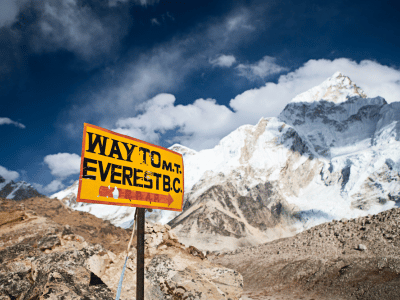
Before we dive into the 7 amazing ways to conquer Everest, let us first answer a very important question: What is Expedition Everest? Simply put, the Everest Expedition refers to the organised journey of climbing Mount Everest, the highest peak on Earth. It is not just a hike. It is a full-scale extreme mountain expedition that requires months of preparation, the right team, and an unbreakable spirit.
| Feature | Details |
|---|---|
| Mountain Name | Mount Everest |
| Height | 8,848.86 meters (29,032 ft) |
| Location | Nepal (Himalayan Range) |
| First Successful Climb | 1953 |
| Average Climbers Per Year | ~1,000 |
| Expedition Duration | 60–65 Days |
Moreover, many people also associate the term Expedition Everest with the thrilling roller coaster ride at Disney’s Animal Kingdom. Yes, that’s right! Expedition Everest Animal Kingdom is a famous theme park attraction inspired by the legendary mountain. However, in this blog, we are focusing on the real-world Everest Expedition, the actual mountain climbing adventure.
Why Does Expedition Everest Matter?
- It represents the peak of human achievement in mountain climbing
- It is a symbol of courage, strength, and determination
- It attracts climbers from all over the world seeking the ultimate Everest climbing experience
- It supports local Nepali communities through Everest adventure tours
- It pushes the limits of high-altitude mountaineering
Furthermore, the Everest Expedition is not just about reaching the top. It is about the journey, every trail, every camp, and every breath you take along the way tells a powerful story.
Who Led the 1953 Everest Expedition?
The Historic First Ascent
This is one of the most commonly asked questions, and for a very good reason. Who led the 1953 Everest expedition? The answer is Sir Edmund Hillary from New Zealand and Tenzing Norgay Sherpa from Nepal. They were the first two people to successfully reach the summit of Mount Everest on May 29, 1953.
| Person | Country | Role |
|---|---|---|
| Sir Edmund Hillary | New Zealand | Climber & Leader |
| Tenzing Norgay | Nepal | Sherpa Guide |
| Colonel John Hunt | United Kingdom | Expedition Commander |
| Year of Success | 1953 | First Summit |
Their success was not just a personal victory. It was a victory for all of humanity. Additionally, their story set the foundation for everything we now know about Himalayan expedition planning and Everest summit guide principles. Therefore, understanding their journey is essential for anyone serious about the Everest Expedition.
What Made the 1953 Expedition Special?
- It was the ninth attempt to reach the summit
- The team used bottled oxygen for the first time, effectively
- Colonel John Hunt led the overall extreme mountain expedition team
- Tenzing Norgay was one of the greatest Sherpa guides for Everest in history
- Their success inspired thousands of future Everest climbing tips and practices
What is the Mount Everest Expedition?
A Complete Adventure Like No Other
The Mount Everest expedition is a structured, multi-week climbing program designed to take adventurers safely from the base of the mountain to its iconic summit. It involves trekking, camping, acclimatising, and climbing through some of the most extreme weather and terrain on the planet. Every year, thousands of people apply for permits just to attempt this incredible journey.
| Expedition Stage | Location | Altitude |
|---|---|---|
| Everest Base Camp | Khumbu Glacier | 5,364 m |
| Camp 1 | Above Khumbu Icefall | 6,400 m |
| Camp 2 | Base of Lhotse Wall | ~6,500 m |
| Camp 3 | Lhotse Wall | 7,100 m |
| Camp 4 (Death Zone) | South Col | 8,400 m |
| Summit | Peak of Everest | 8,848.86 m |
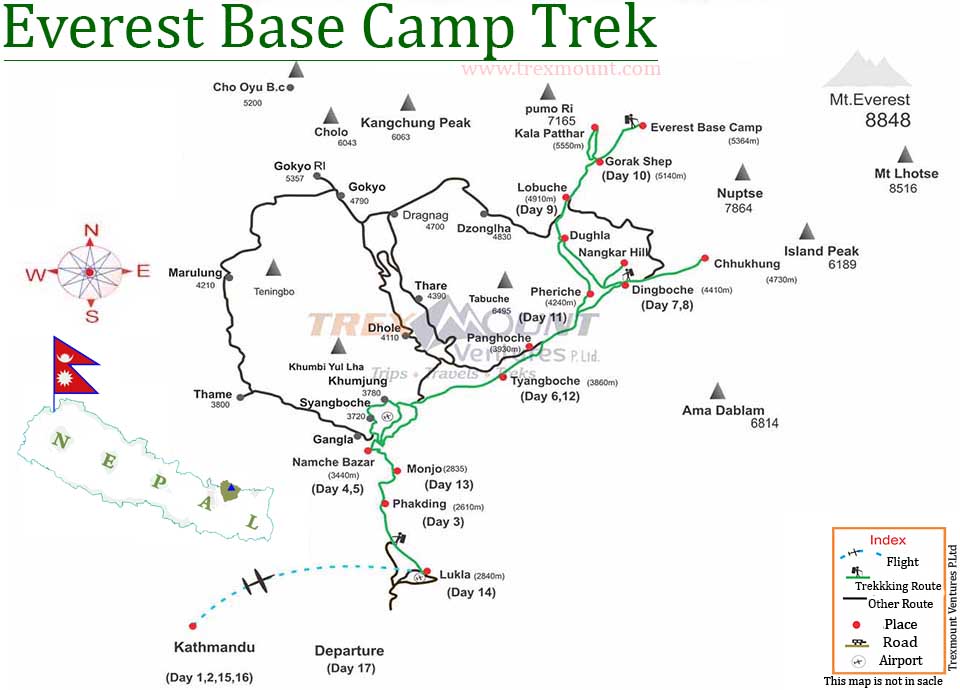
Moreover, the Mount Everest climb is not a solo activity. It requires a full team of experienced climbers, Sherpa guides for Everest, porters, and medical support staff. The Everest base camp trek alone takes around 12 days before the actual climbing even begins. Consequently, this is why preparation is the most critical part of any Himalayan expedition.
Key Facts About the Mount Everest Expedition
- Permits are required from the Nepalese government
- The Nepal (south) route is the most popular route
- Climbers face risks like altitude sickness, frostbite, and extreme winds
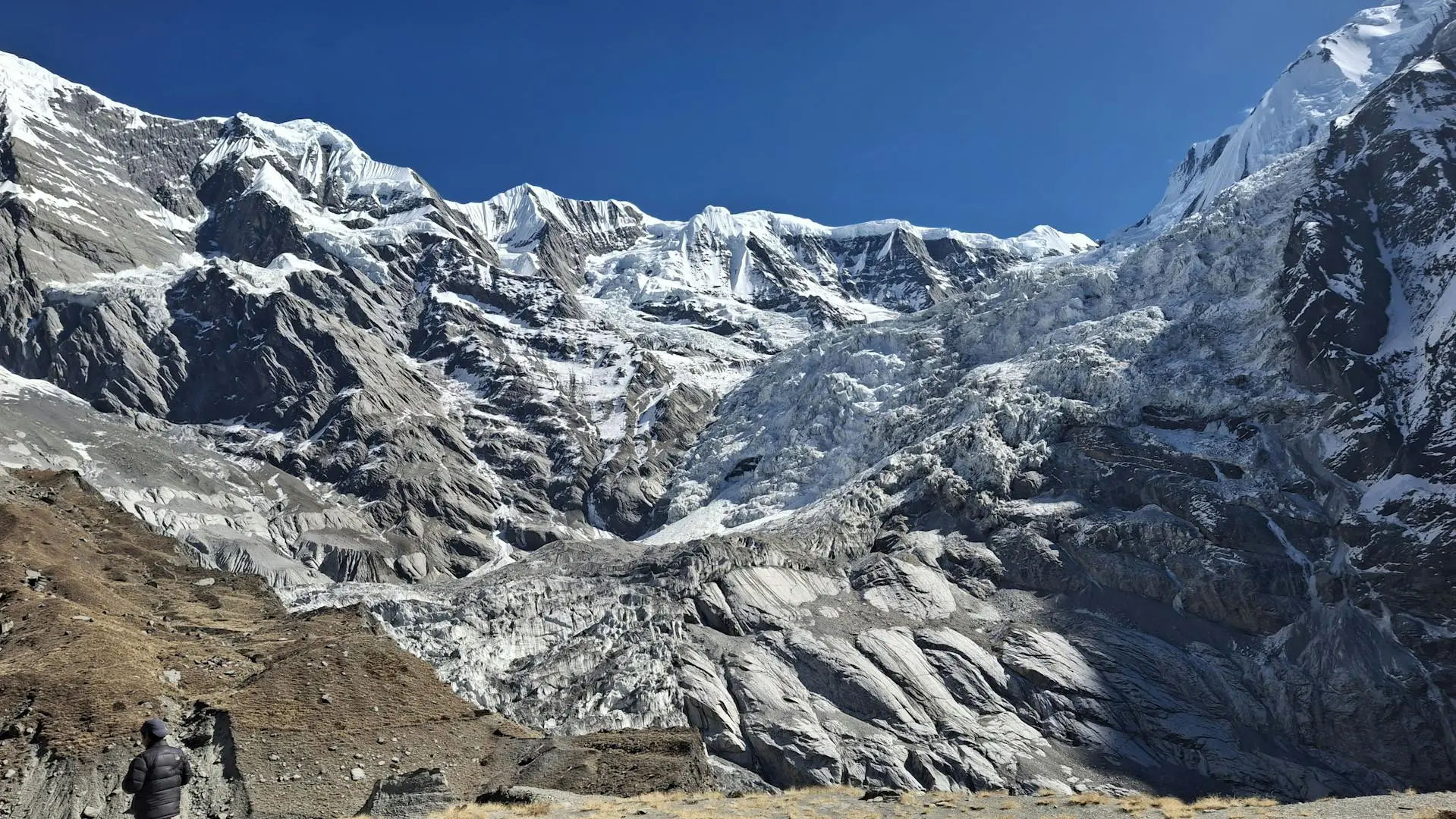
- The Khumbu Icefall is one of the most dangerous sections
- Oxygen is necessary from Camp 3 onward
How Long is an Everest Expedition?
Breaking Down the Timeline
One of the first questions beginners ask is, " How long is an Everest expedition? Based on the standard itinerary, a complete Everest Expedition typically lasts between 60 and 65 days. This includes travel days, acclimatisation periods, the climbing phase, and the return journey.
| Phase | Duration | Activity |
|---|---|---|
| Arrival & Preparation | Days 1–3 | Kathmandu arrival, briefing, shopping |
| Everest Base Camp Trek | Days 4–12 | Trekking from Lukla to Base Camp |
| Climbing Period | Days 13–58 | Summit attempts and rotation climbs |
| Descent & Return | Days 59–65 | Return trek and Kathmandu departure |
Additionally, the climbing period itself spans 45 days, which gives climbers enough time to rotate between camps, acclimatise properly, wait for weather windows, and make summit bids. Therefore, anyone planning an Everest Expedition must be ready to commit almost two full months of their life to this incredible journey.
Why Does It Take So Long?
- Acclimatisation is the most time-consuming process
- Climbers must make multiple rotation climbs before the summit push
- Weather windows can delay progress by days or even weeks
- Descending safely also requires careful planning in high-altitude mountaineering
- Rest and recovery between camps is essential for the Everest climbing experience
Way 1 | Start with the Right Physical Training for Everest
Get Your Body Summit-Ready
The very first and most important way to conquer Everest is to focus on physical training for Everest. Without a strong, fit body, no amount of gear or planning will help you reach the top. Therefore, training must begin at least 12 months before your planned expedition date.
| Training Type | Frequency | Goal |
|---|---|---|
| Cardio (Running, Cycling) | 5x per week | Build endurance |
| Strength Training | 3x per week | Strengthen legs and core |
| Altitude Simulation | Weekly if possible | Adapt to low-oxygen environments |
| Hiking with Backpack | Weekends | Simulate real trek conditions |
| Yoga & Flexibility | Daily | Improve breathing and balance |
Furthermore, physical training for Everest should also include mental conditioning. Climbers often face moments of doubt, fear, and exhaustion. Consequently, building mental toughness is just as important as building physical strength. Many professional coaches say that the final push to the summit of any extreme mountain expedition is 90% mental and only 10% physical.
Top Physical Training Tips
- Start small, begin with shorter hikes and gradually increase distance
- Train at altitude whenever possible to simulate real high-altitude mountaineering conditions
- Focus on leg strength, as climbing requires enormous lower-body power\
- Practice breathing exercises to prepare your lungs for thin air
- Always train with the same gear you plan to use on the mountain
Way 2 | Master Your Everest Route Planning
Plan Every Step Before You Take It
The second amazing way to conquer Everest is smart and thorough Everest route planning. Knowing your route inside and out is essential. There are two main routes, the South Col Route from Nepal and the Northeast Ridge Route from Tibet. Most climbers prefer the Nepal route because it is more accessible and better supported.
| Route | Country | Difficulty | Popularity |
|---|---|---|---|
| South Col Route | Nepal | Moderate-High | Most Popular |
| Northeast Ridge | Tibet | Very High | Less Common |
| Via Khumbu Icefall | Nepal | High | Standard Nepal Route |
| Via Hornbein Couloir | Nepal/Tibet | Extreme | Rare |
Moreover, thorough Everest route planning also includes understanding the camp system, from Base Camp all the way to Camp 4 and the summit. Each camp has its own challenges, weather patterns, and acclimatisation requirements. Therefore, your Everest summit guide or expedition company should walk you through every detail before you set foot on the mountain.
Smart Route Planning Strategies
- Study topographic maps of the entire route
- Understand the Khumbu Icefall hazards and crossing times
- Plan your rest days and rotation climbs carefully
- Identify emergency evacuation points along the route
- Work closely with experienced Sherpa guides for Everest who know the terrain
Way 3 | Choose the Best Time to Climb Everest
Timing is Everything in High-Altitude Mountaineering
The third key way to conquer Everest is choosing the best time to climb. Weather plays a massive role in the success or failure of any Himalayan expedition. The wrong timing can mean the difference between a triumphant summit and a dangerous, failed attempt.
| Season | Months | Conditions | Suitability |
|---|---|---|---|
| Spring | April–May | Clear skies, stable weather | BEST |
| Monsoon | June–August | Heavy rain, low visibility | NOT recommended |
| Autumn | September–October | Post-monsoon, mild winds | GOOD |
| Winter | November–March | Extreme cold, fierce winds | VERY DIFFICULT |
Additionally, the best time to climb Everest is widely agreed to be April and May. During this period, the jet stream shifts, creating a brief but critical weather window where summit attempts are most likely to succeed. Furthermore, the autumn season from September to October offers a secondary window, though it is generally shorter and less predictable.
Tips for Timing Your Expedition
- Monitor weather forecasts from specialised high-altitude meteorologists
- Plan your summit push around a 3–5 day clear weather window
- Avoid the monsoon season at all costs for any Mount Everest climb
- Book your Everest adventure tour package well in advance, at least 12 months in advance
- Understand that delays are normal, and flexibility in your schedule is a must
Way 4 | Build Your Everest Travel Checklist
Pack Smart, Climb Smart
The fourth powerful way to conquer Everest is to have a thorough Everest travel checklist. What you pack can literally save your life on the mountain. Every item needs to serve a purpose, and every piece of gear must be tested and trusted before you arrive.
| Category | Essential Items |
|---|---|
| Clothing | Down suit, thermal base layers, gloves, balaclava |
| Footwear | Double-insulated climbing boots, crampons, gaiters |
| Safety Gear | Ice axe, fixed rope harness, carabiners, helmet |
| Oxygen | Oxygen mask, regulator, bottles (from Camp 3 up) |
| Nutrition | High-calorie snacks, energy gels, hydration tablets |
| Medical | AMS medication, blister kit, painkillers, SAT phone |
Moreover, your Everest travel checklist should also include mountain climbing essentials like a high-quality sleeping bag rated for extreme cold, a durable headlamp with extra batteries, and UV-protective goggles. Consequently, packing the wrong gear or forgetting something crucial can turn a great expedition into a dangerous one.
Checklist Pro Tips
- Test all gear on smaller climbs before the big Everest Expedition
- Never skimp on the quality of your down suit or boots
- Carry backup headlamps and batteries, summit pushes happen in the dark
- Include satellite communication devices for emergency contact
- Review your Everest travel checklist with your Sherpa guides for Everest before departure
Way 5 | Hire the Best Sherpa Guides for Everest
Your Sherpas Are Your Lifeline
The fifth incredible way to conquer Everest is working with the best Sherpa guides for Everest. Sherpas are the unsung heroes of every successful Everest Expedition. They are native to the Himalayan region, incredibly strong, and deeply experienced in high-altitude mountaineering. Without them, most climbers would simply never make it to the top.
| Sherpa Role | Responsibility |
|---|---|
| Lead Sherpa | Route finding, rope fixing, summit guidance |
| Camp Sherpa | Setting up camps, carrying supplies |
| Personal Sherpa | Supporting individual climbers |
| Base Camp Sherpa | Logistics, cooking, communication |
Furthermore, Sherpa guides for Everest are not just physical helpers. They are knowledgeable mentors who understand the mountain deeply, its moods, its dangers, and its patterns. Therefore, choosing a reputable Everest adventure tours company that employs well-trained, fairly compensated Sherpas is essential for any Himalayan expedition.
How to Choose the Right Sherpa
- Look for certified and experienced Sherpas with multiple summit records
- Choose companies that fairly pay and insure their Sherpa staff
- Read Everest expedition stories from past climbers to find reputable guides
- Ask for references and submit success rates
- Build a genuine relationship with your Sherpa, trust is everything on the mountain
Way 6 | Follow Smart Everest Safety Tips
Safety First, Summit Second
The sixth vital way to conquer Everest is to follow proven Everest safety tips. In fact, the most experienced mountaineers will tell you, the mountain will always be there, but you must come home alive. Safety is not optional on an extreme mountain expedition. It is the foundation of everything.
| Risk | Prevention Strategy |
|---|---|
| Altitude Sickness (AMS) | Acclimatize properly, descend if symptoms worsen |
| Frostbite | Wear layered, insulated clothing; keep moving |
| Avalanche | Stay updated on snow conditions; avoid risky zones |
| Falls | Use fixed ropes, crampons, and ice axes correctly |
| Exhaustion | Rest at camps, eat regularly, stay hydrated |
| Whiteout Conditions | Never summit alone; turn back if visibility drops |
Moreover, one of the most overlooked Everest safety tips is knowing when to turn back. Many tragic deaths on Everest happen because climbers push past their turnaround time. Therefore, set a firm turnaround time before your summit push and stick to it no matter what, even if the summit seems just minutes away.
Non-Negotiable Everest Safety Rules
- Never climb alone, always stay with your team and Sherpa
- Listen to your body, symptoms of AMS must never be ignored
- Turn around if the weather deteriorates suddenly during any Mount Everest climb
- Carry and know how to use supplemental oxygen from Camp 3 onward
- Follow the Everest summit guide’s instructions at all times without question
 Review us on Google