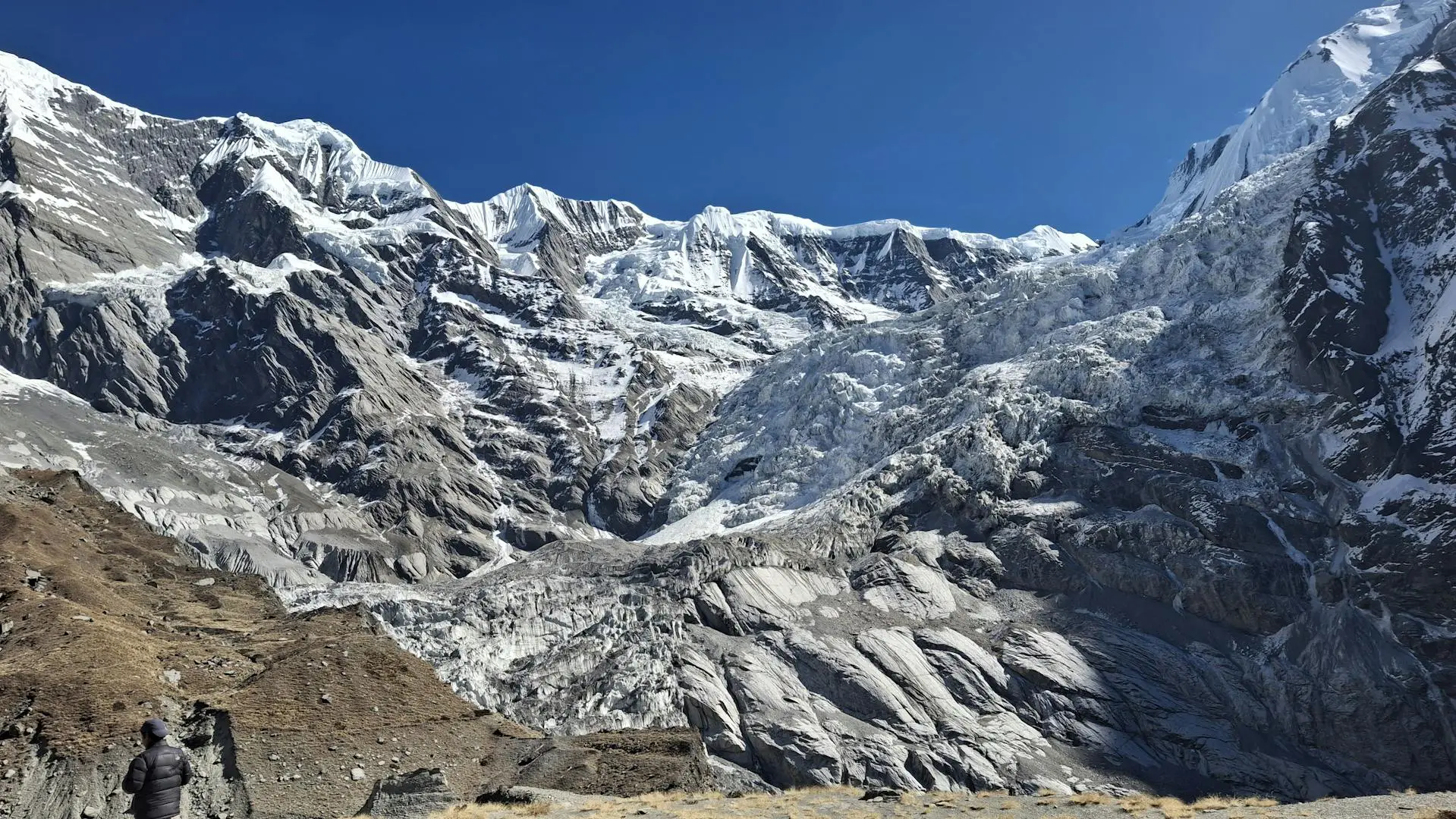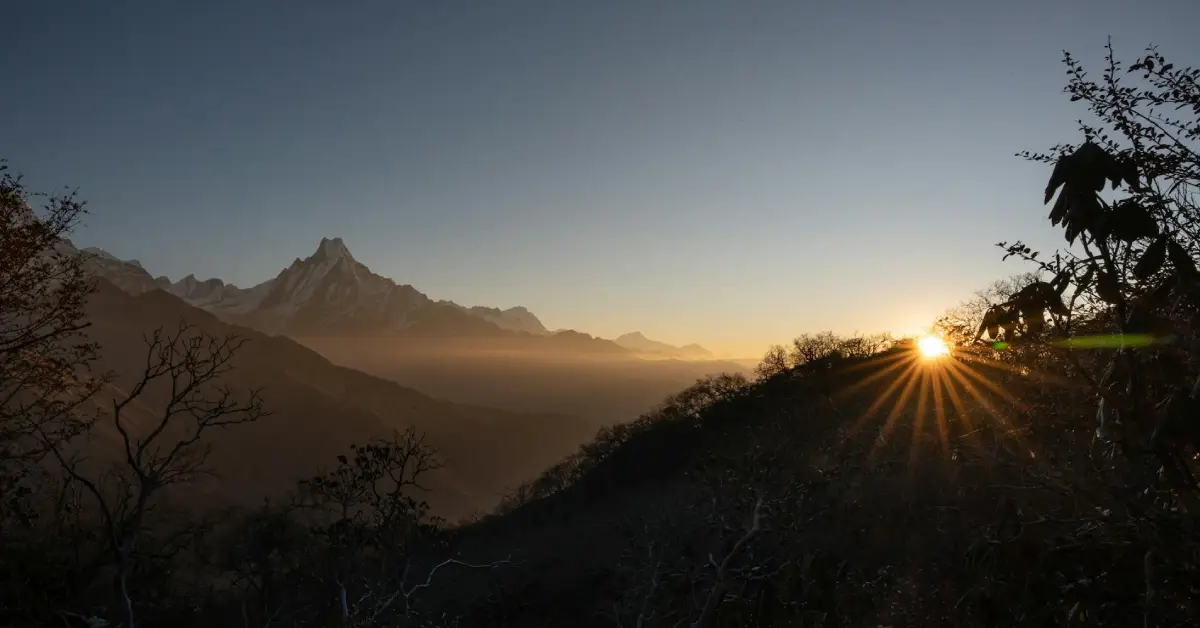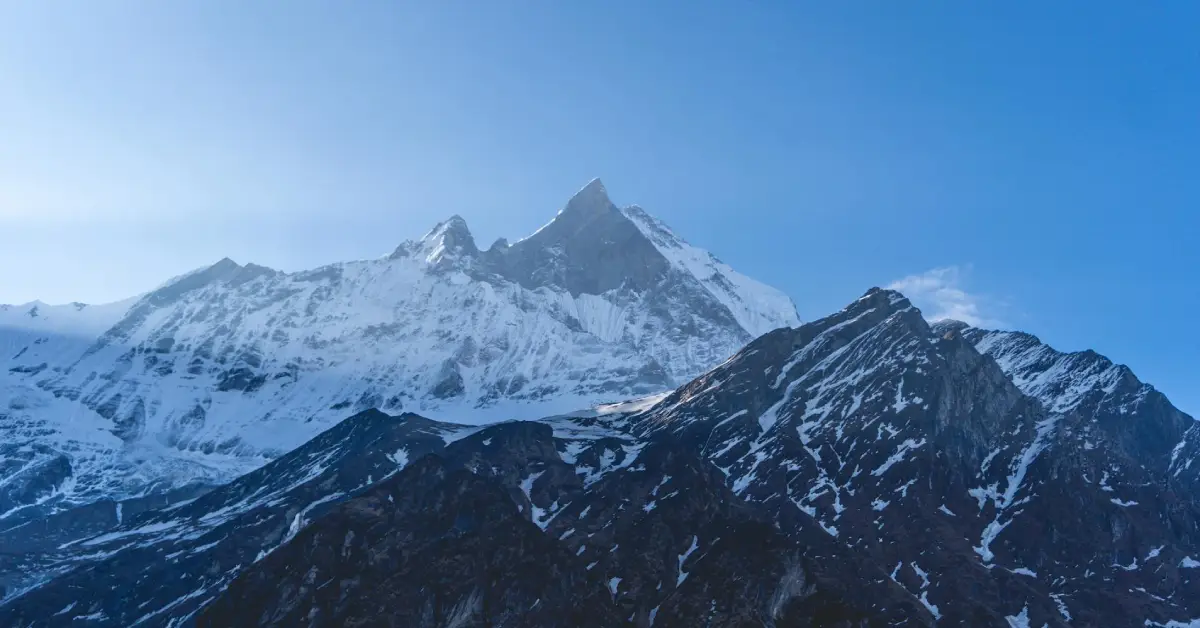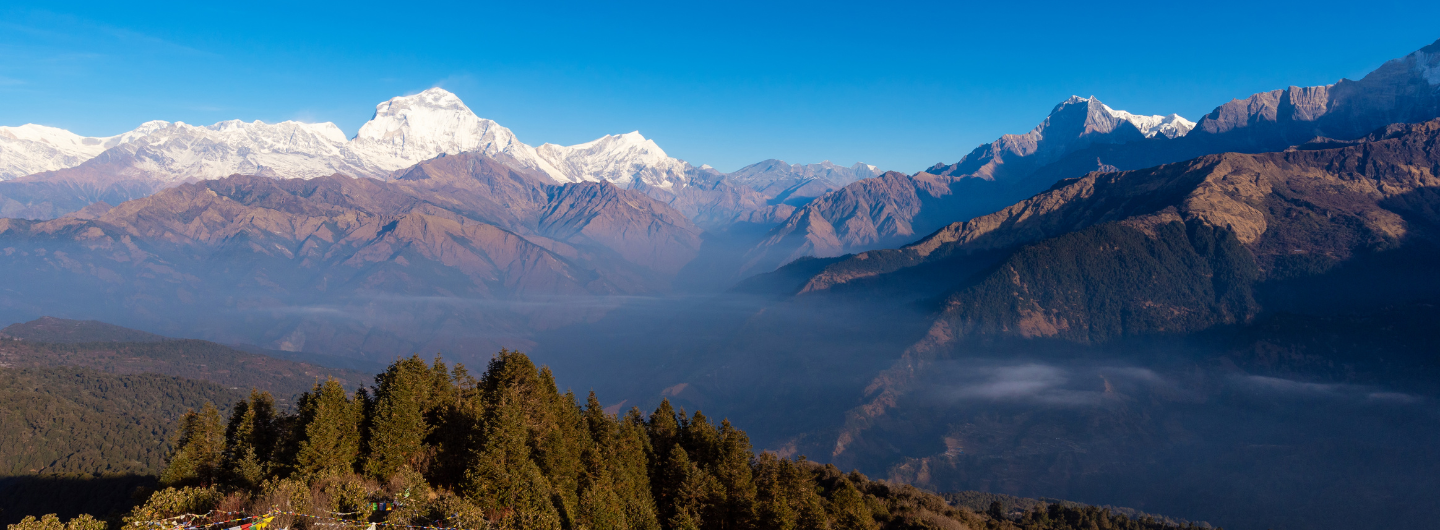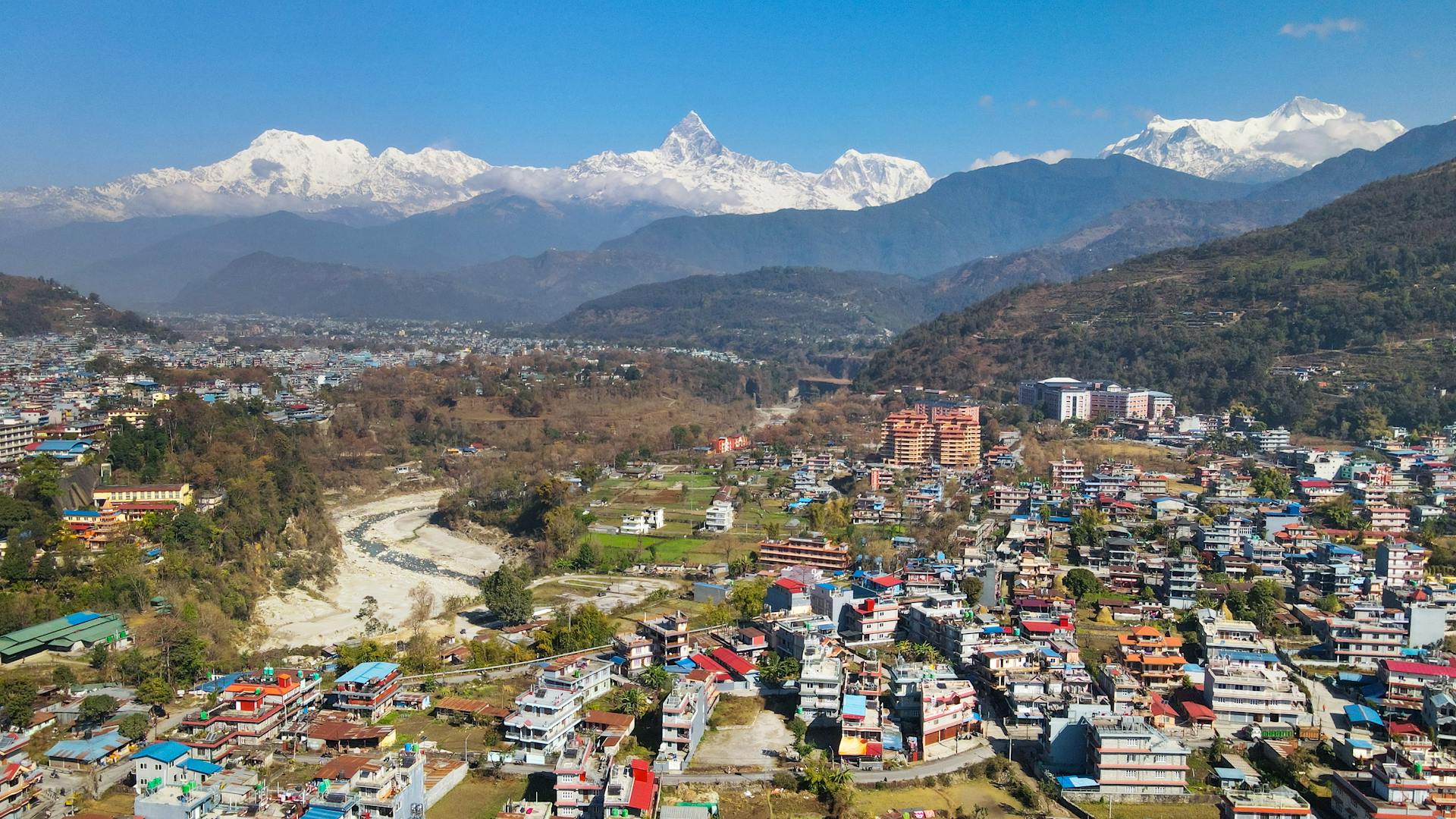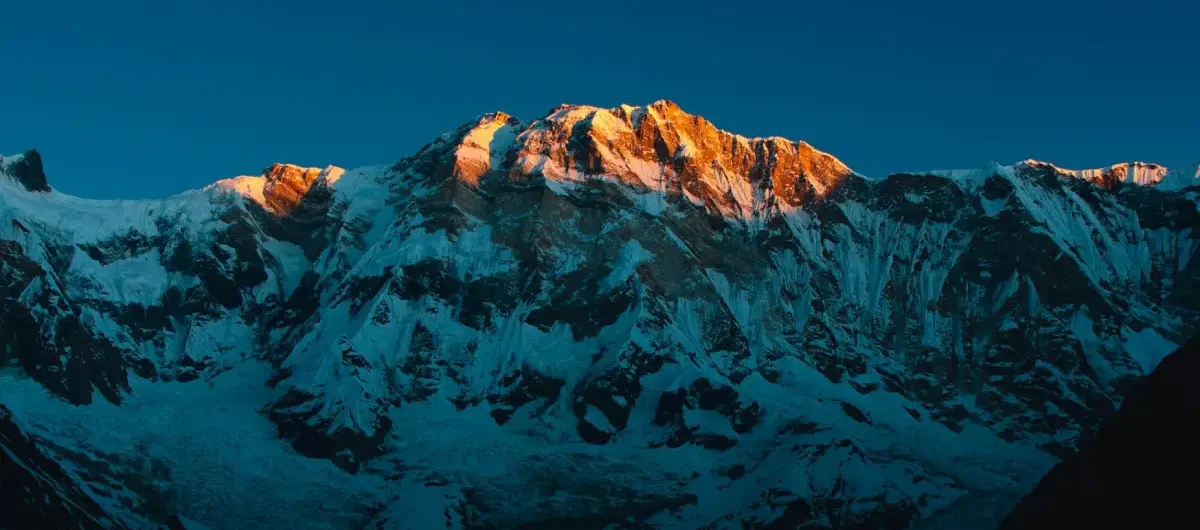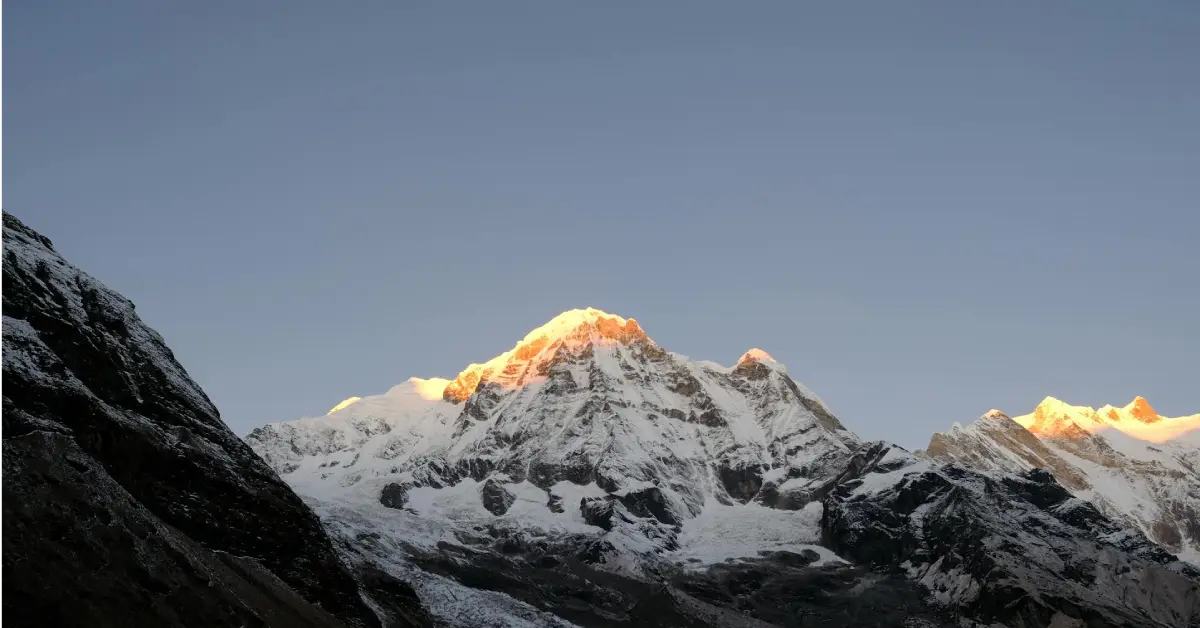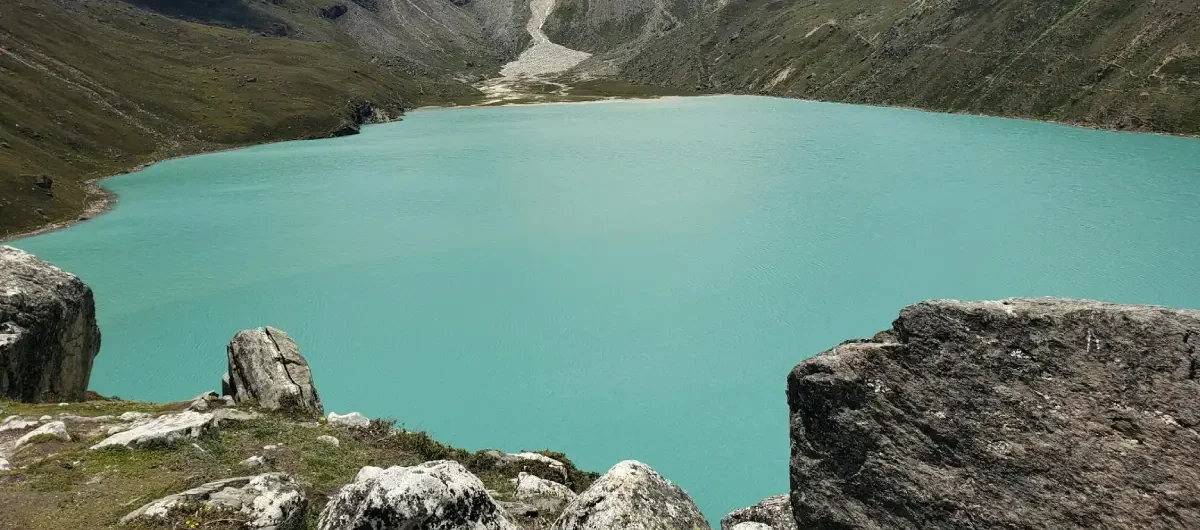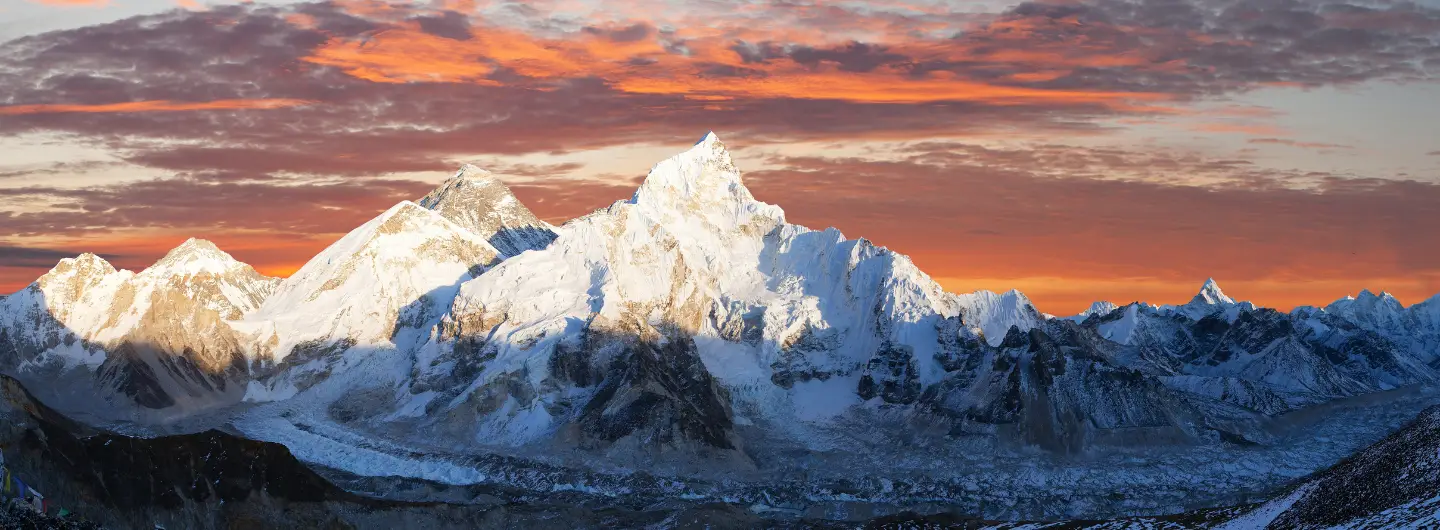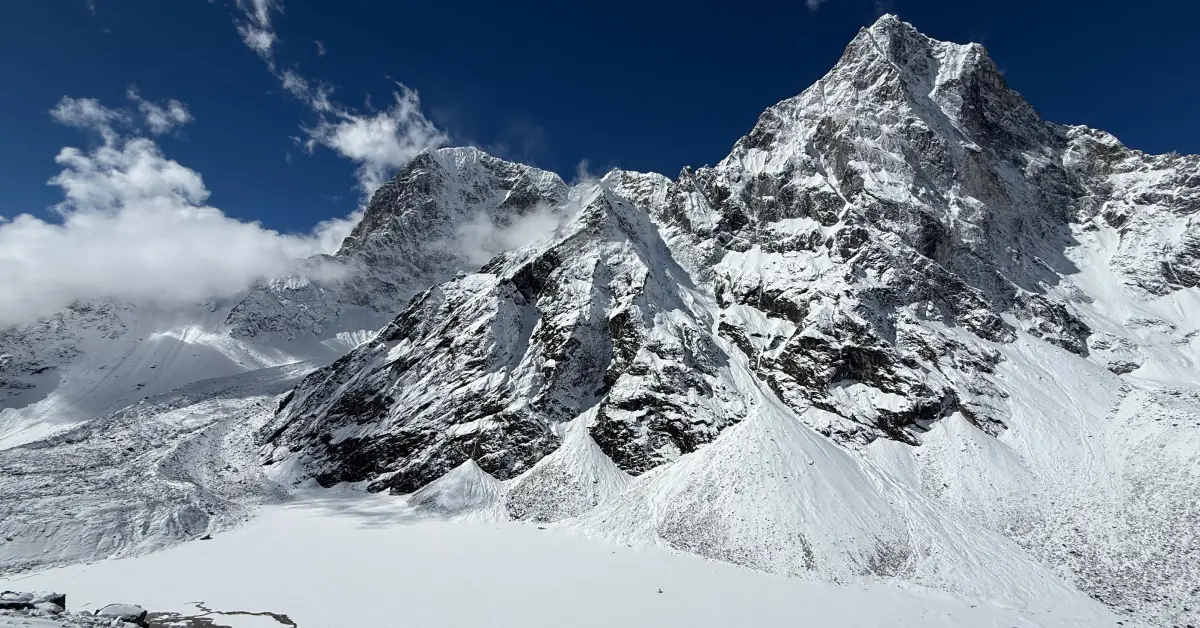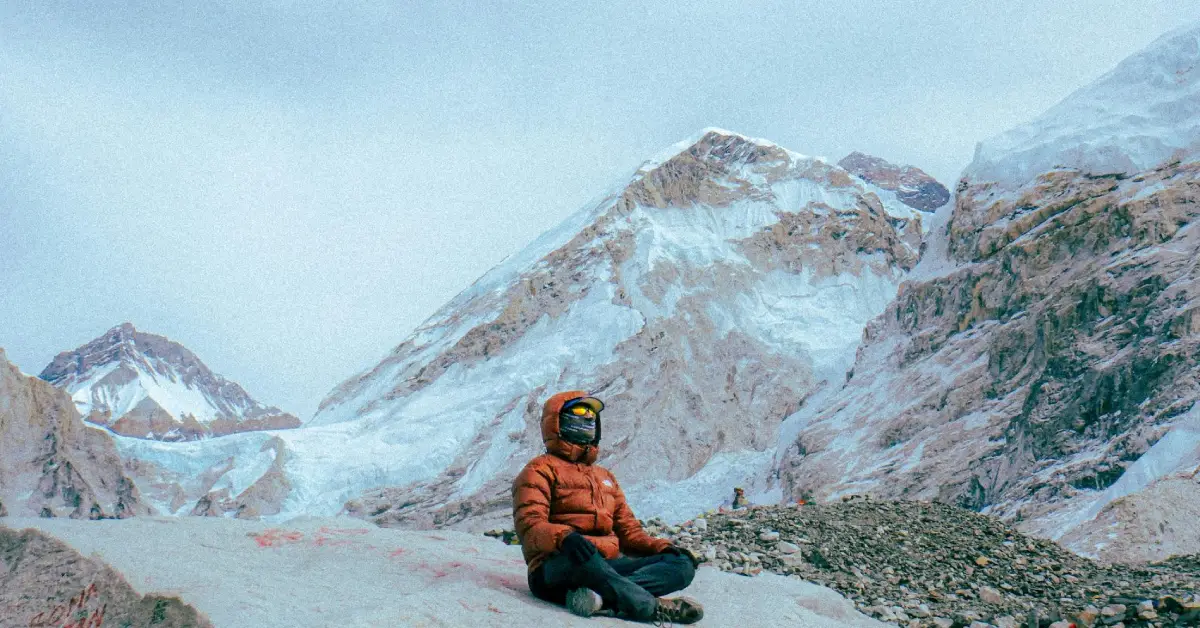

The Langtang Valley Trek takes you deep into the northern Himalayas of Nepal, where traditional Tamang settlements, glacier-carved landscapes, and towering Himalayan peaks define the journey. Located north of Kathmandu near the Tibetan border, Langtang offers a remarkable mountain experience without requiring a long journey to reach the trekking region.
This 6-day Langtang trekking adventure follows the Langtang Khola through dense forests, traditional mountain villages, and open alpine terrain before reaching Kyanjin Gompa (3,870 m). Along the way, you encounter spectacular views of Langtang Lirung (7,227 m), Dorje Lakpa, and other peaks of the Langtang range.
The trail also introduces you to the cultural heritage of the Tamang people, whose Tibetan-influenced traditions, Buddhist monasteries, prayer flags, and stone-built settlements give the valley its distinct character.
Unlike longer Himalayan expeditions, the Langtang Valley Short Trek brings you close to high Himalayan scenery within a limited timeframe. It is an excellent choice for trekkers who want to experience Nepal's mountain landscapes, local culture, and traditional teahouse hospitality without committing to a two-week expedition.
With Trexmount Ventures, you experience the Langtang region with knowledgeable local guides, organized trekking arrangements, and support throughout the journey.
Langtang Valley Trek Highlights
- Trek beneath Langtang Lirung (7,227 m), one of the most prominent peaks in the Langtang range.
- Explore Kyanjin Gompa, a traditional Buddhist settlement surrounded by Himalayan mountains.
- Walk through Langtang National Park, home to red pandas, Himalayan tahr, musk deer, and diverse birdlife.
- Experience the culture and hospitality of the Tamang communities.
- Visit the traditional yak cheese factory near Kyanjin Gompa.
- Follow the Langtang Khola through bamboo, oak, pine, and rhododendron forests.
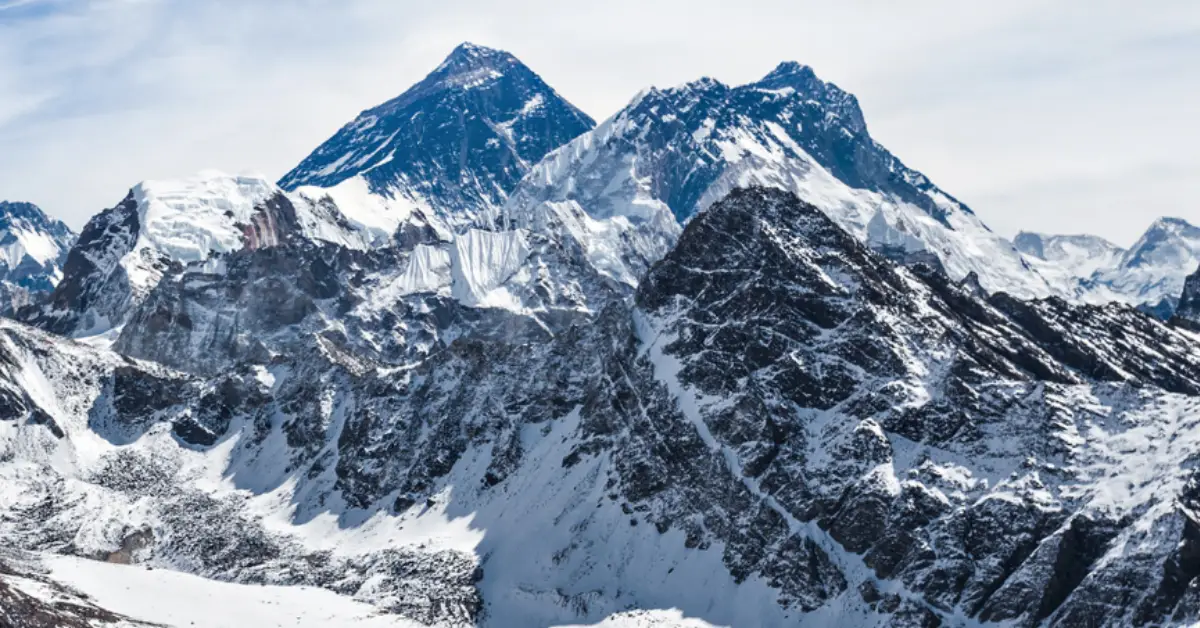
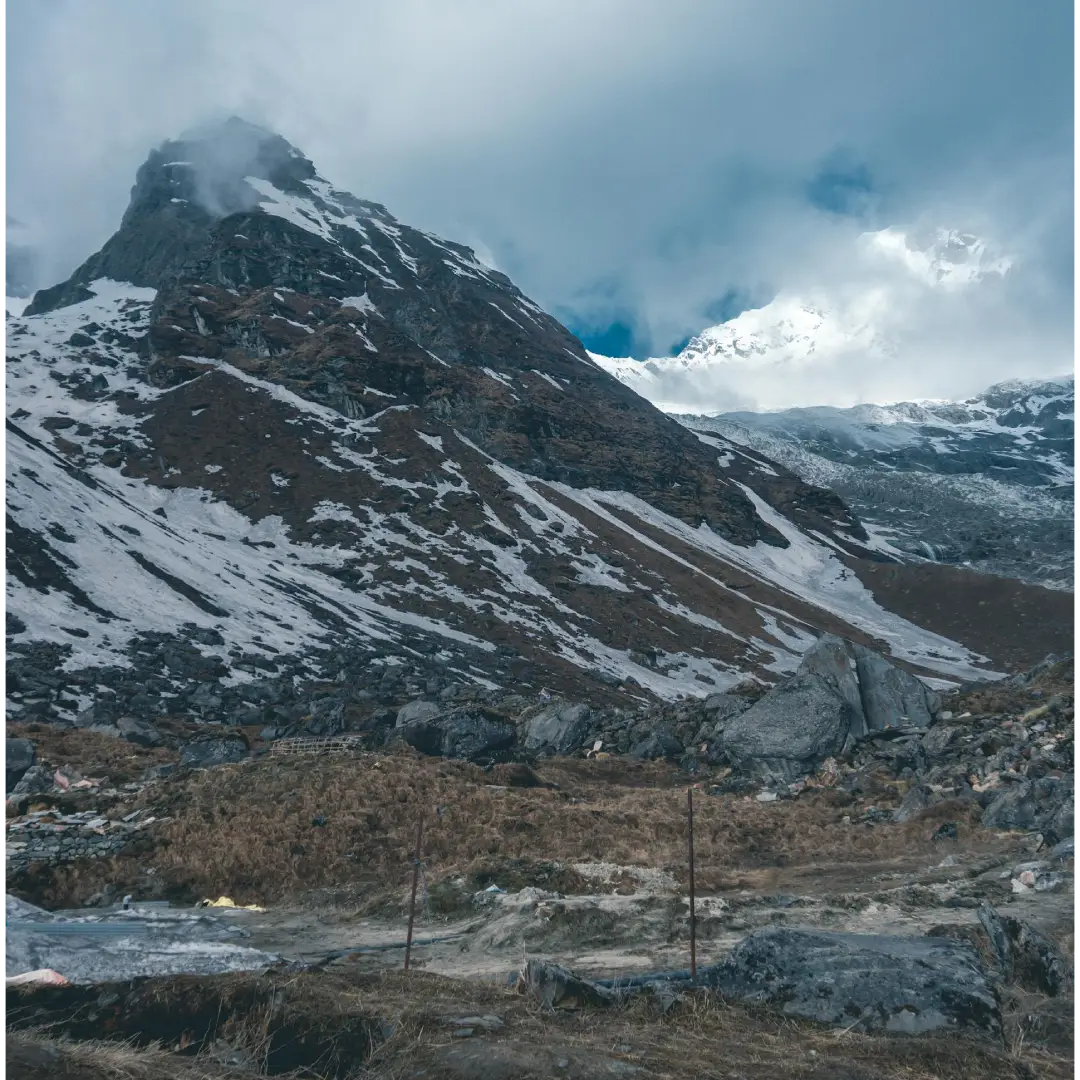
- Enjoy views of glaciers, mountain ridges, alpine pastures, and snow-covered peaks.
- Complete a rewarding Himalayan trekking experience in just six days.
Why Choose the Langtang Valley Trek?
The Langtang Valley Trek offers something different from the heavily visited Everest and Annapurna trekking routes. Its proximity to Kathmandu makes it easier to access, while its mountain scenery and cultural experiences give the journey a character of its own.
One of its biggest attractions is the transition in landscape. You begin among river valleys and thick forests, gradually climb through traditional settlements, and eventually reach the open alpine surroundings of Kyanjin Gompa.
The valley also carries a strong cultural identity. Tamang communities have maintained traditions closely connected to Tibetan Buddhism, which you can observe through monasteries, mani walls, prayer wheels, and village architecture.
Another reason to consider this trek is its manageable duration. The Langtang Valley Trek 6 Days itinerary is designed for travelers with limited time who still want to experience a high-altitude Himalayan destination.
It is important to understand that a shorter itinerary requires longer walking days and a faster pace than a more relaxed version. Trekkers should have reasonable fitness and be prepared for the demands of walking at altitude.
Langtang Valley Trek Route and Landscape
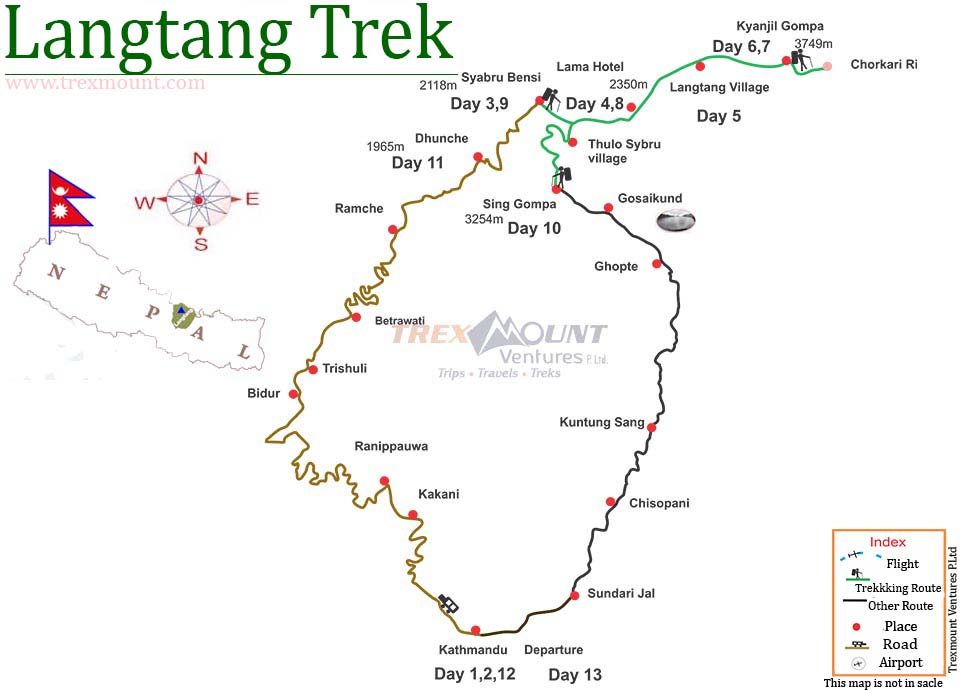
The Langtang Valley trekking route lies within Langtang National Park in Rasuwa District, approximately 120–130 km north of Kathmandu. The journey follows the Langtang River upstream, gradually gaining elevation as the surrounding landscape changes.
The lower trail passes through subtropical forests filled with bamboo, oak, maple, and rhododendron. Waterfalls, suspension bridges, and riverside paths accompany much of the walk. As you climb higher, the forest gradually gives way to open hillsides, grazing pastures, and rocky mountain terrain.
Ghoda Tabela marks an important transition along the route. Here, the valley begins to widen, revealing closer views of Langtang Lirung and surrounding peaks. Further ahead, Langtang Village and Mundu introduce you to traditional mountain settlements shaped by Tamang culture and Himalayan conditions.
The route eventually reaches Kyanjin Gompa, where the surrounding mountains, glacial formations, and open alpine basin create a striking contrast with the forested lower valley.
Major Attractions Along the Langtang Valley Trek
1. Langtang National Park
Established in 1976, Langtang National Park protects forests, alpine habitats, rivers, and wildlife across the Langtang region. During the trek, you walk through different ecological zones that support species such as red pandas, Himalayan tahr, musk deer, and various mountain birds.
Wildlife sightings are never guaranteed, but the forest environment adds another dimension to the trekking experience.
2. Langtang Village
A settlement rebuilt after the 2015 earthquake
Langtang Village is one of the most meaningful stops along the route. The settlement was severely affected by the 2015 earthquake and the devastating avalanche that followed. Since then, the local community has rebuilt its homes, lodges, and village infrastructure.
Today, the village reflects the resilience of the Langtangpa community. Its traditional stone houses, Buddhist monuments, and mountain surroundings offer insight into life in this remote Himalayan valley.
3. Kyanjin Gompa
3,870 m | The upper Langtang Valley
Kyanjin Gompa is the main destination of the Langtang Valley Trek. Located in a broad alpine basin, this small settlement is surrounded by towering peaks, glaciers, and rocky mountain slopes.
The village is home to a historic Buddhist monastery and a traditional yak cheese factory. You can explore the settlement, observe local cheese production when available, and enjoy close-up views of Langtang Lirung.
It also serves as the starting point for optional hikes to Kyanjin Ri and Tserko Ri.
4. Kyanjin Ri
4,773 m | Optional mountain viewpoint
Kyanjin Ri is one of the most popular viewpoints above Kyanjin Gompa. The climb is steep and requires a good level of fitness, but the summit rewards trekkers with an expansive view of the Langtang mountain range.
From the upper viewpoint, you can see Langtang Lirung, surrounding Himalayan peaks, the Langtang Glacier, and the valley stretching below.
For a six-day itinerary, this hike should only be included if the schedule, acclimatization, weather, and individual fitness allow it.
5. Langtang Lirung
7,227 m | The dominant mountain of the valley
Langtang Lirung is the defining mountain of the region. Its enormous glaciated slopes dominate the skyline as you progress deeper into the valley.
The mountain remains a constant presence around Langtang Village and Kyanjin Gompa, creating the landscape that gives this trek its distinctive character.
Tamang Culture and Local Experiences
The Langtang region is home to the Tamang community, whose cultural traditions share strong historical and religious connections with Tibetan Buddhism.
As you walk through the villages, you encounter stone-built houses, prayer wheels, colorful prayer flags, chortens, and mani walls carved with Buddhist prayers. These features are part of everyday life rather than simply attractions along a trekking route.
The people of Langtang have traditionally relied on livestock farming, agriculture, trade, and tourism. Yak and dzomo herding remain important in the higher settlements, where grazing pastures support mountain livelihoods.
At Kyanjin Gompa, you can also visit the local yak cheese factory, an important part of the area's traditional dairy production. It provides an opportunity to understand how local communities make use of their high-altitude environment.
The cultural experience adds context to the mountain scenery. You are not simply walking through a remote valley; you are passing through settlements where people have maintained their traditions despite the challenges of living in the Himalayas.
Langtang Valley Trek Difficulty
The Langtang Trek Difficulty is generally considered moderate. However, the six-day itinerary requires more physical preparation than a longer version because the walking schedule is more compressed.
The route includes gradual climbs, uneven stone steps, forest trails, river crossings, and extended descents. Some sections become physically demanding as you gain altitude, particularly around Lama Hotel and the upper valley.
You do not need previous mountaineering experience to complete the standard trekking route. However, you should be comfortable walking for several hours a day while carrying a light daypack.
The main challenge is altitude. Kyanjin Gompa sits at approximately 3,870 m, where the reduced oxygen level can affect your physical performance. Walking at a steady pace, staying hydrated, eating properly, and recognizing symptoms of altitude sickness are essential.
The six-day schedule is best suited to trekkers with good cardiovascular fitness and some previous hiking experience. Beginners can also consider the trek, but should honestly assess their fitness and understand that a longer itinerary allows more time for acclimatization and recovery.
Best Time for Langtang Valley Trek
The best seasons for the Langtang Valley Trek are spring and autumn. These periods generally offer favorable trekking conditions, clearer mountain views, and more stable weather than the monsoon and winter months.
Spring (March to May)
Spring brings warmer daytime temperatures, blooming rhododendrons, and increasingly clear mountain views. The lower forest sections become particularly attractive as seasonal flowers cover the hillsides.
March can still bring colder conditions at higher elevations, while April and May generally offer milder weather. However, afternoon clouds and occasional snowfall are possible.
Autumn (September to November)
Autumn is one of the most popular periods for trekking in Langtang. Following the monsoon, the landscape becomes greener, and the atmosphere often provides excellent visibility.
September can experience occasional post-monsoon rainfall, while October and November generally offer more settled conditions. The crisp mountain air also makes autumn particularly suitable for photography.
Winter (December to February)
Winter brings colder temperatures, snowfall, and potentially icy trails at higher elevations. The region becomes quieter, offering a different trekking experience for those prepared for cold conditions.
However, heavy snowfall can affect access to Kyanjin Gompa and higher viewpoints. Proper winter clothing, equipment, and weather assessment are essential.
Monsoon (June to August)
Monsoon brings frequent rainfall, cloudy skies, slippery trails, and increased risks of landslides along the road and trekking route.
Leeches may also be present in the lower forest sections. Although the valley becomes lush and green, this is generally the least favorable season for the trek.
What to Expect During the Six-Day Trek
The six-day schedule focuses on reaching the upper Langtang Valley and returning along the same route. You should expect:
- Mountain road journey: Travel from Kathmandu toward the Langtang region, following the Trishuli River and passing rural settlements.
- Forest trekking: Walk through bamboo, oak, and rhododendron forests alongside the Langtang Khola.
- Traditional settlements: Pass through Lama Hotel, Ghoda Tabela, Langtang Village, and other small mountain settlements.
- High-altitude scenery: Continue toward Kyanjin Gompa, where glaciers and Himalayan peaks dominate the landscape.
- Return journey: Retrace the main trail through the valley toward the roadhead.
The exact daily distances, overnight stops, and transport schedule should be confirmed against Trexmount's six-day itinerary. A six-day trip should not be presented as equivalent to a conventional eight-to-ten-day itinerary, particularly when acclimatization and high-altitude side hikes are concerned.
Permits Required for Langtang Valley Trek
The Langtang Valley Trek takes place inside Langtang National Park. Trekkers must obtain the applicable national park entry permit before entering the protected area.
A registered trekking agency can help arrange the required documentation and explain the current permit procedures.
You should carry your passport and relevant travel documents during the trek, as authorities may check permits at designated checkpoints.
Permit fees and entry requirements can change, so confirm the latest requirements before departure.
Why Trek With Trexmount Ventures?
Choosing the right trekking company matters, especially when your itinerary involves high-altitude walking and a limited timeframe.
At Trexmount Ventures, we focus on providing organized trekking services backed by local knowledge and practical experience in Nepal's mountain regions.
- Experienced Local Guides: Our trekking guides understand the local trails, mountain conditions, and cultural practices. They help you navigate the route and manage the daily trekking schedule.
- Safety and Reliability: We prioritize responsible trekking practices, appropriate pacing, and awareness of altitude-related risks. Our team helps you understand the challenges before starting the journey.
- Clear Package Arrangements: We provide information about transportation, accommodation, meals, permits, and other services so you know what to expect before booking.
- Competitive Prices: We aim to offer practical trekking packages with transparent arrangements and services that reflect the agreed package.
- Personal Assistance: From your initial inquiry to the completion of your trek, our team helps coordinate the necessary arrangements and answer your travel-related questions.
Our goal is to make your Langtang journey well-organized, culturally respectful, and enjoyable without overlooking the practical demands of trekking in the Himalayas.
 Review us on Google
 Review us on TripAdvisor