
Overview of Everest Base Camp Gokyo Cho La Pass Trek
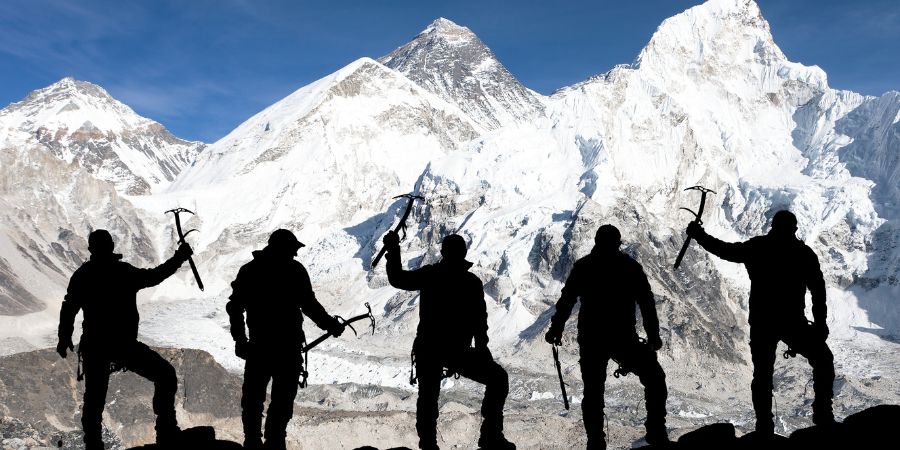
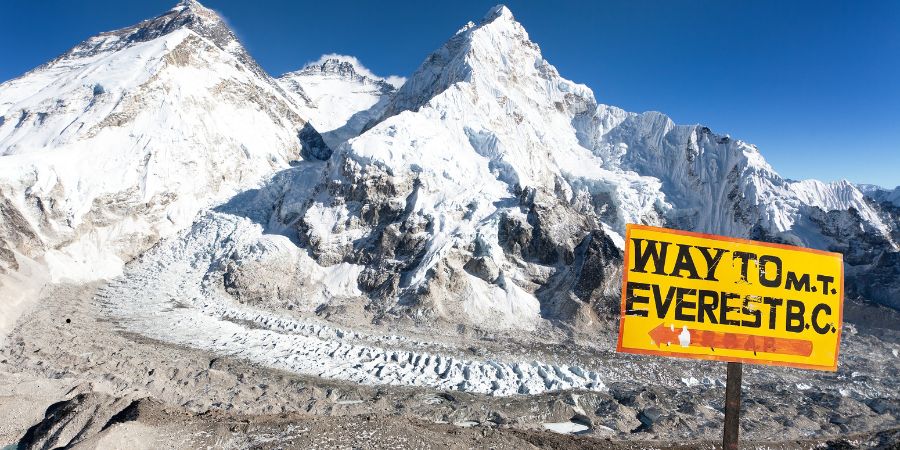
The Everest Base Camp Gokyo Cho La Pass Trek is one of the most spectacular and adventurous trekking routes in the Everest region of Nepal. This extended trek combines the classic journey to Everest Base Camp with the stunning beauty of the Gokyo Lakes valley and the challenging crossing of Cho La Pass, creating a more diverse and rewarding Himalayan experience.
The trek begins with a scenic flight to Lukla and follows the traditional Everest trail through famous Sherpa villages such as Namche Bazaar and Tengboche. Along the route, trekkers enjoy breathtaking views of towering Himalayan peaks including Mount Everest, Lhotse, Makalu, and Cho Oyu. The trail then diverts toward the beautiful Gokyo Valley, where trekkers can explore the turquoise glacial lakes and hike to Gokyo Ri, one of the best viewpoints in the Everest region.
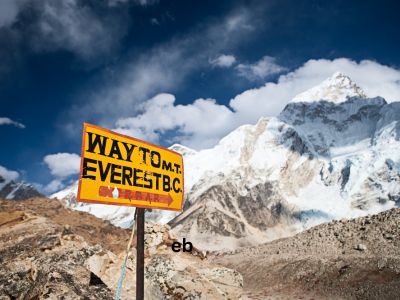
After exploring Gokyo, the trek continues across the Cho La Pass (5,420 meters), a thrilling high-altitude crossing that connects the Gokyo Valley with the main Everest Base Camp route. From there, trekkers proceed toward Everest Base Camp (5,364 meters) and hike to Kala Patthar, a famous viewpoint offering one of the closest and most dramatic views of Mount Everest.
This trek is ideal for experienced trekkers seeking a more adventurous and scenic alternative to the standard Everest Base Camp route. It offers a unique combination of glacial lakes, high mountain passes, Sherpa culture, Buddhist monasteries, and spectacular Himalayan panoramas, making it one of the most rewarding trekking adventures in Nepal.
Highlights of the Everest Base Camp Gokyo Cho La Pass Trek
- Scenic mountain flight to Lukla, the gateway to the Everest region.
- Explore vibrant Sherpa villages including Namche Bazaar, the cultural and trading hub of the Khumbu region.
- Visit the beautiful Gokyo Lakes, a series of stunning turquoise glacial lakes in the Everest region.
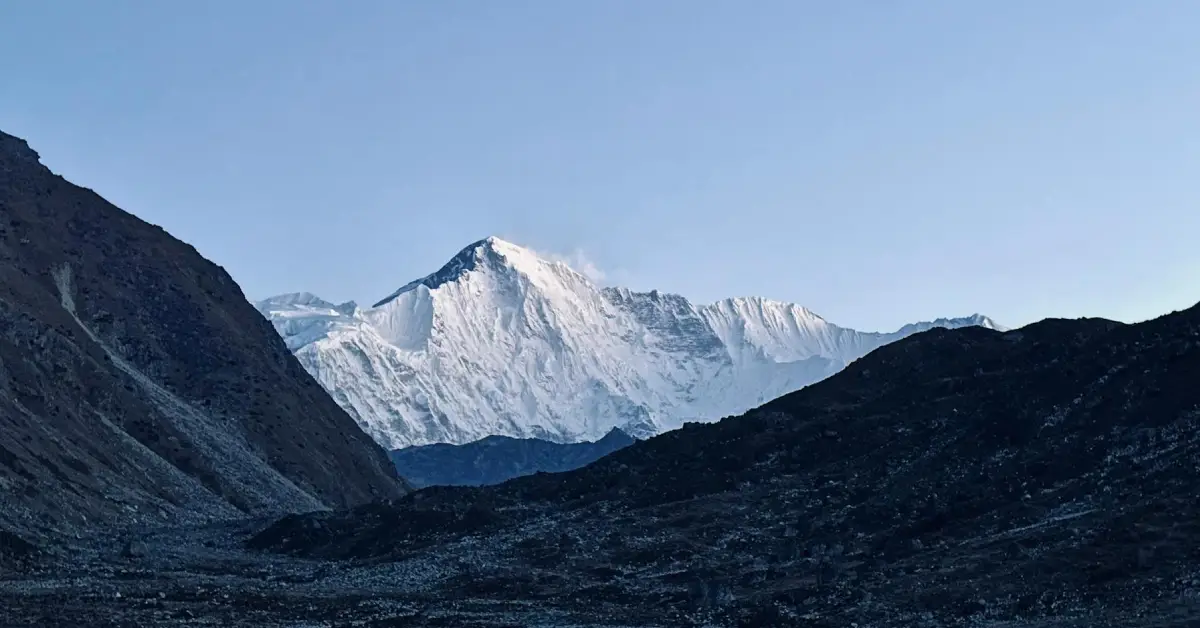
- Hike to Gokyo Ri, one of the best viewpoints for panoramic views of Everest, Lhotse, Makalu, and Cho Oyu.
- Cross the challenging Cho La Pass (5,420 m), a thrilling high-altitude mountain pass connecting Gokyo Valley to the Everest Base Camp route.
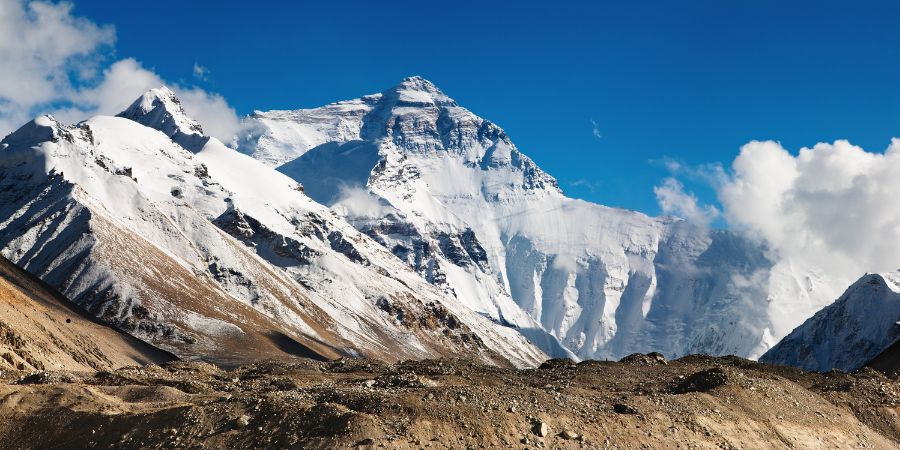
- Reach the iconic Everest Base Camp (5,364 m), located at the base of the world’s highest mountain.
- Climb Kala Patthar (5,545 m) for one of the closest and most spectacular views of Mount Everest.
- Experience traditional Sherpa culture, monasteries, and Himalayan hospitality along the trail.
- Walk through Sagarmatha National Park, home to diverse Himalayan wildlife and breathtaking landscapes.
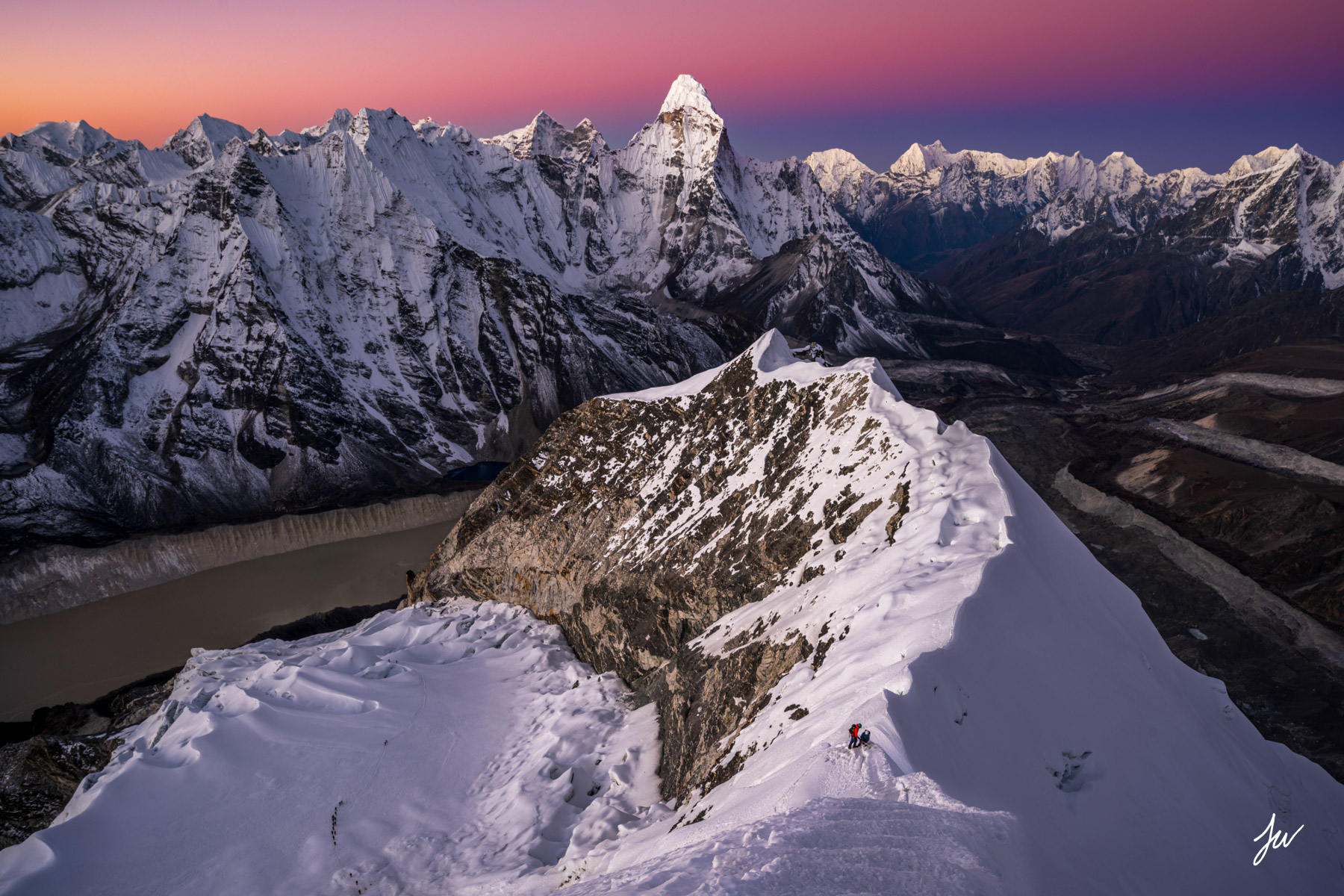
- Enjoy spectacular views of major Himalayan peaks including Mount Everest, Lhotse, Nuptse, Ama Dablam, and Makalu.
Route Overview of EBC Gokyo Cho La Pass Trek
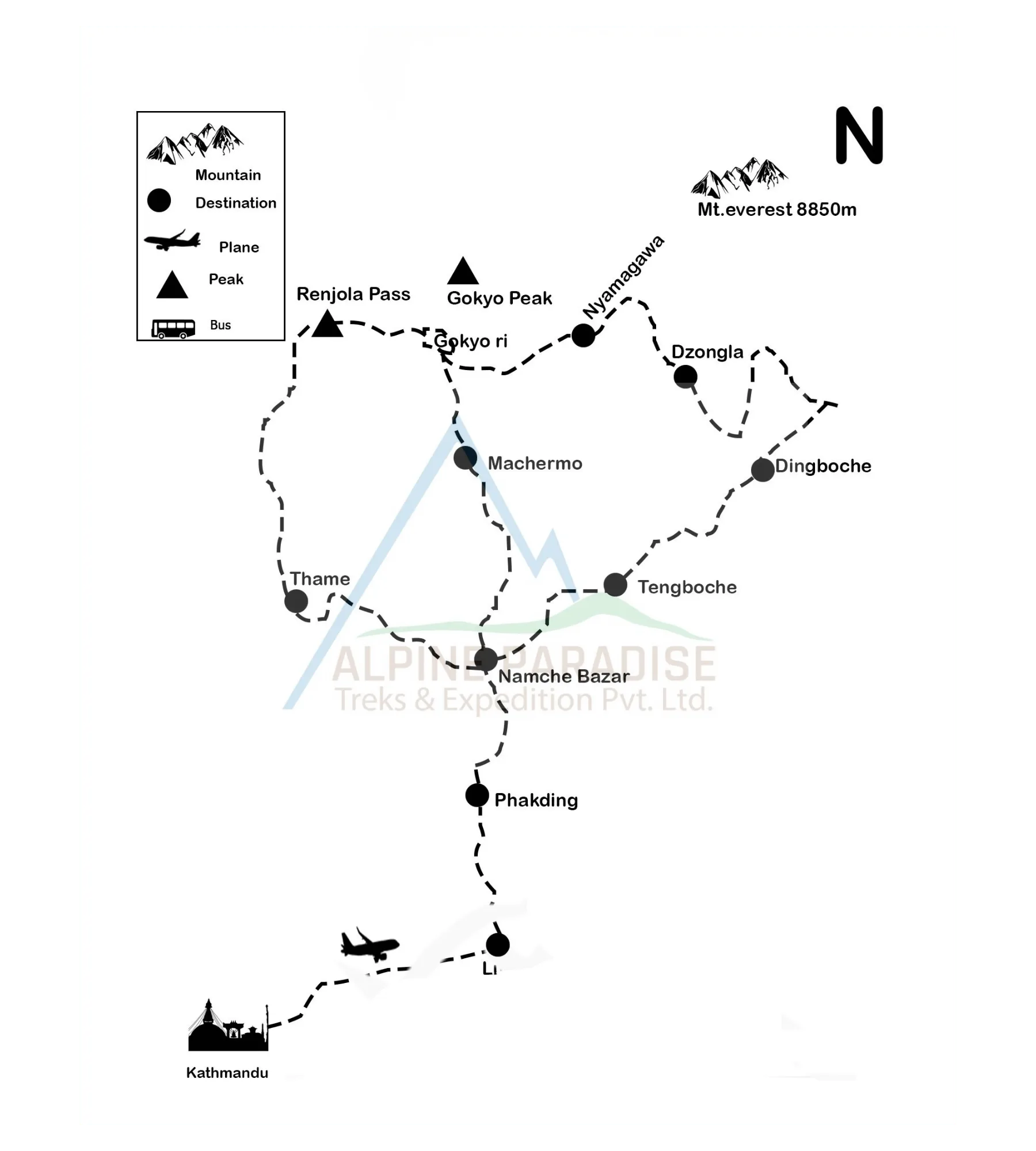
The Everest Base Camp Gokyo Cho La Pass Trek begins with a scenic mountain flight from Kathmandu to Lukla, the gateway to the Everest region. From Lukla, the trail follows the classic Everest route through charming Sherpa villages such as Phakding and Namche Bazaar, the main trading hub of the Khumbu region. Trekkers spend time in Namche Bazaar for acclimatization while enjoying impressive views of the surrounding Himalayan peaks.
The journey continues toward Dole and Machhermo, gradually ascending into the beautiful Gokyo Valley. Here trekkers explore the stunning chain of Gokyo Lakes and hike to Gokyo Ri, one of the best viewpoints in the Everest region, offering panoramic views of Everest, Lhotse, Makalu, and Cho Oyu.
After exploring Gokyo, the trek crosses the challenging Cho La Pass (5,420 m), a high mountain pass connecting the Gokyo Valley with the main Everest Base Camp trail. The descent from the pass leads to Dzongla and Lobuche, where the route joins the traditional Everest Base Camp trekking path.
From Lobuche, trekkers continue toward Gorakshep and hike to the iconic Everest Base Camp (5,364 m), located at the base of the world’s highest mountain. Another highlight is the early morning hike to Kala Patthar (5,545 m), which offers one of the most breathtaking close-up views of Mount Everest.
After completing the main highlights of the trek, the return journey follows the trail back through Pheriche, Tengboche, Namche Bazaar, and Lukla, where trekkers take a scenic flight back to Kathmandu, concluding this remarkable Himalayan adventure.
Best Time for Everest Base Camp Gokyo Cho La Pass Trek Nepal
The best time for the Everest Base Camp Gokyo Cho La Pass Trek is during the spring (March to May) and autumn (September to November) seasons. These months offer the most stable weather, clear mountain views, and comfortable trekking conditions, making them ideal for high-altitude trekking in the Everest region.
During spring, the weather gradually becomes warmer, and the trails come alive with blooming rhododendrons and alpine flowers. The skies are generally clear, offering excellent views of Mount Everest, Lhotse, Ama Dablam, and other Himalayan peaks. Spring is also a popular time for climbers attempting Everest, so trekkers may witness the vibrant activity around Everest Base Camp.
Autumn is another excellent season for this trek. After the monsoon rains clear the atmosphere, the mountain views become exceptionally sharp and panoramic. The weather is typically dry, stable, and pleasant, making it easier to cross the high Cho La Pass (5,420 m) safely. Major Nepali festivals such as Dashain and Tihar also occur during this period, offering trekkers a chance to experience local culture and traditions.
While winter (December to February) treks are possible, temperatures can be very cold, especially at higher elevations, and heavy snow may make crossing Cho La Pass difficult. The monsoon season (June to August) is generally less suitable due to frequent rainfall, slippery trails, and limited mountain visibility.
Overall, spring and autumn provide the best balance of weather, visibility, and safety, making them the most recommended seasons for the Everest Base Camp Trek via Gokyo Lakes and Cho La Pass.
Cost Breakdown of the Everest Base Camp Trek via Gokyo Lakes & Cho La Pass Package
The Everest Base Camp Gokyo Cho La Pass Trek is a longer and more adventurous trekking route in the Everest region, so the total package cost is usually slightly higher than the standard Everest Base Camp trek. On average, the complete trekking package ranges from USD 1,700 to USD 2,500 per person, depending on the duration of the trek, group size, services included, and the level of comfort chosen.
Overall, the Everest Base Camp Trek via Gokyo Lakes and Cho La Pass offers excellent value for a comprehensive Himalayan adventure. Most trekkers choose a standard guided package around USD 1,800 – 2,200, which usually includes flights, permits, accommodation, meals, guides, and trekking logistics, making the journey more comfortable and well organized.
Accommodation & Food During the EBC Trek via Gokyo Lakes and Cho La Pass
Accommodation during the Everest Base Camp Gokyo Cho La Pass Trek is mainly provided in traditional teahouses or mountain lodges along the trekking route. These lodges offer simple but comfortable rooms, usually with twin beds, mattresses, pillows, and warm blankets. In popular villages such as Namche Bazaar, Dole, Machhermo, Gokyo, Lobuche, and Gorakshep, trekkers can find a variety of teahouses with basic facilities including dining halls, shared bathrooms, and occasionally hot showers and Wi-Fi services (available at an additional cost). As the altitude increases, accommodation becomes more basic, but the hospitality of the local Sherpa families makes the stay warm and welcoming.
Meals during the trek are served in the teahouse dining areas, where trekkers can enjoy freshly prepared food. The menu typically includes a mix of Nepali, Tibetan, and international dishes. Popular meal options include dal bhat (rice with lentil soup and vegetables), fried rice, noodles, pasta, soups, momos (dumplings), pancakes, eggs, potatoes, and bread items. Dal bhat is especially popular among trekkers because it is nutritious, filling, and often comes with free refills.
Breakfast is usually served at the lodge where you stay overnight and may include porridge, toast, eggs, pancakes, tea, or coffee. Lunch is typically taken at a teahouse along the trail during the day’s hike, while dinner is served at the lodge after reaching the destination for the night. Trekkers are also advised to drink plenty of water and hot beverages such as ginger tea, lemon tea, or garlic soup, which are believed to help with acclimatization at higher altitudes.
Overall, while the facilities are basic compared to city hotels, the teahouses provide sufficient comfort, warm meals, and a friendly atmosphere, making the trekking experience in the Everest region both enjoyable and culturally immersive.
Permits Required for Everest Base Camp Trek via Gokyo Lakes & Cho La Pass
Trekking to Everest Base Camp Gokyo Cho La Pass Trek requires specific permits to enter Sagarmatha National Park and the surrounding areas. These permits are essential for both safety and environmental conservation in the high Himalayan region.
Booking this trek with Alpine Paradise Treks and Expedition Pvt. Ltd., handle all permit arrangements in advance, ensuring a smooth and hassle-free experience.
Note: These permits must be carried during the trek, as officials frequently check them at entry points and along the trail. Proper permits not only ensure legal trekking but also contribute to the conservation of the Everest region’s fragile environment.
Everest Base Camp Gokyo Cho La Pass Trek Difficulty, Altitude Sickness, and Safety
The Everest Base Camp Gokyo Cho La Pass Trek is considered a challenging high-altitude trek suitable for experienced trekkers with good physical fitness. The trek involves long days of walking, steep ascents and descents, and glacier crossings, particularly when navigating Cho La Pass (5,420 m). Trekkers should be prepared for variable weather conditions, rugged trails, and cold temperatures at higher elevations.
Altitude sickness is a significant consideration on this trek due to the high elevations reached, including Gokyo Ri (5,357 m), Cho La Pass, and Everest Base Camp (5,364 m). Symptoms can range from mild headaches, nausea, and dizziness to more severe conditions such as High Altitude Pulmonary Edema (HAPE) or High Altitude Cerebral Edema (HACE). Proper acclimatization, gradual ascent, and staying hydrated are crucial to minimize the risk. Most trekking itineraries include rest days at Namche Bazaar and other key points to allow the body to adjust to higher altitudes.
Safety on this trek also involves being prepared for challenging terrain, including rocky paths, icy patches, and glacial crossings. Hiring a licensed guide and porter is strongly recommended, as they provide local expertise, route navigation, and emergency support. Trekkers should carry adequate warm clothing, trekking gear, and first-aid supplies, and monitor weather forecasts, as snowstorms or heavy rain can make trails slippery and hazardous.
Despite the challenges, the trek is considered safe for well-prepared trekkers who follow acclimatization schedules, listen to their guides, and maintain good fitness levels. With proper preparation, awareness of altitude-related risks, and adherence to safety guidelines, climbers and trekkers can fully enjoy the spectacular landscapes, glacial lakes, and Himalayan panoramas along this iconic route.
How to Prepare for the EBC Gokyo Cho La Pass Trek
Preparing for the Everest Base Camp Gokyo Cho La Pass Trek requires both physical conditioning and logistical planning, as it is a high-altitude, challenging trek.
Physical Preparation
- Cardiovascular fitness: Engage in activities like running, cycling, or swimming for at least 8–12 weeks before the trek to improve endurance.
- Strength training: Focus on legs, core, and back muscles through exercises such as squats, lunges, and step-ups, as trekking involves long ascents and descents with a backpack.
- Practice hikes: Undertake day hikes or multi-day treks with a loaded backpack to simulate the trail conditions and altitude.
- Stair climbing or trekking stairs: Helps prepare for steep inclines at higher altitudes.
Gear and Equipment
- Clothing: Layered clothing is essential, including thermal base layers, fleece jackets, down jackets, windproof and waterproof outer layers.
- Footwear: Durable, waterproof, and broken-in trekking boots are crucial for glacier crossings and rocky terrain.
- Accessories: Gloves, hats, sunglasses, trekking poles, and a sturdy backpack enhance comfort and safety.
- Sleeping gear: While teahouses provide bedding, a warm sleeping bag rated for sub-zero temperatures is recommended.
Health and Safety Preparation
- Acclimatization: Plan for rest days at Namche Bazaar and other key points to reduce the risk of altitude sickness.
- Hydration and nutrition: Carry water bottles or hydration packs and energy snacks to maintain stamina on long trekking days.
- Medical kit: Include altitude sickness medication, first aid supplies, pain relievers, and personal prescriptions.
- Travel insurance: Ensure your policy covers high-altitude trekking and emergency evacuation.
Mental Preparation
- Prepare for long walking days, unpredictable weather, and remote conditions.
- Developing mental resilience helps trekkers stay motivated and enjoy the breathtaking Himalayan landscapes despite physical challenges.
By focusing on fitness, gear, safety, and acclimatization, trekkers can fully enjoy the Everest Base Camp Trek via Gokyo Lakes and Cho La Pass, making it a memorable and rewarding Himalayan adventure.
Why Book Your Everest Base Camp Gokyo Cho La Pass Trek with Us
Booking your Everest Base Camp Gokyo Cho La Pass Trek with Alpine Paradise Treks and Expedition Pvt. Ltd. ensures a safe, well-organized, and memorable Himalayan adventure. Our professional guides are highly experienced in the Everest region, providing expert navigation, cultural insights, and high-altitude trekking support to make your journey both safe and enriching.
We handle all logistical arrangements, including domestic flights to Lukla, trekking permits, teahouse accommodations, meals, and route planning, so you can focus entirely on the trekking experience. Our team also provides detailed pre-trek guidance on fitness, gear, and acclimatization, helping trekkers prepare for the challenging terrain of Cho La Pass and Everest Base Camp.
Safety is our top priority. Our guides and porters are licensed and trained in high-altitude trekking, and we maintain emergency communication and evacuation plans throughout the trek. Whether it’s monitoring weather conditions, ensuring proper acclimatization, or assisting with medical needs, we ensure every step of your journey is supported.
By booking with Alpine Paradise Treks and Expedition Pvt. Ltd., you gain peace of mind, expert guidance, and a seamless trekking experience. This allows you to fully enjoy the stunning Himalayan landscapes, glacial lakes, Sherpa culture, and iconic views of Mount Everest, making your trek truly unforgettable.
 Review us on Google