 Trexmount Ventures
Trexmount Ventures
Trexmount Ventures

Popular Searches
Ready to plan your next getaway? Let’s connect and create something incredible together.
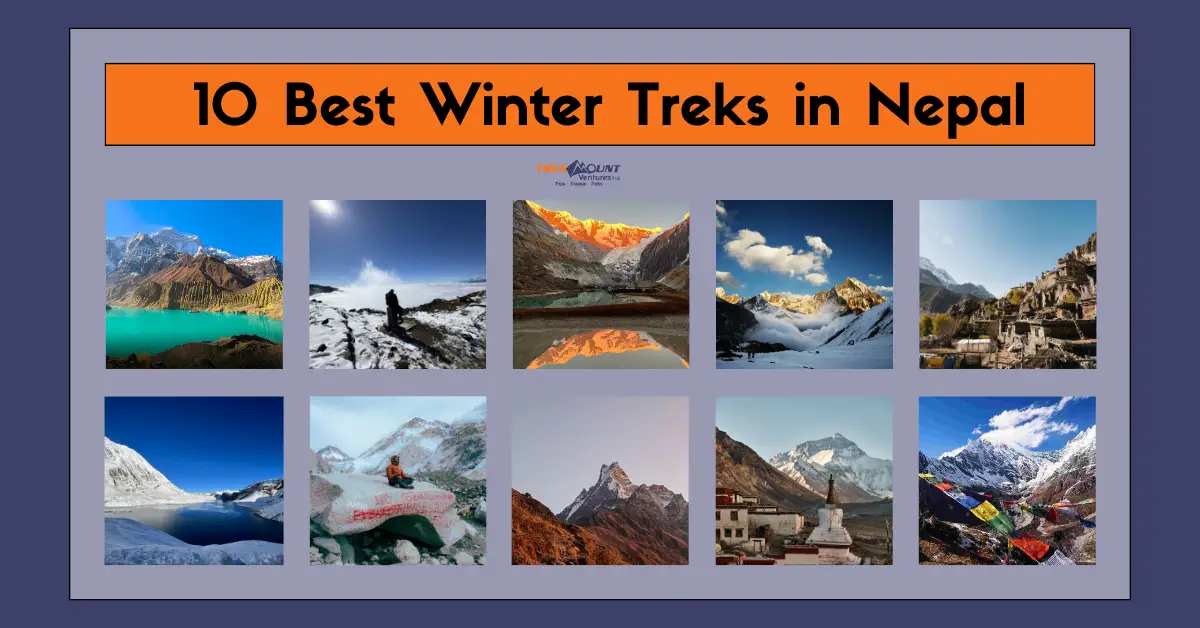
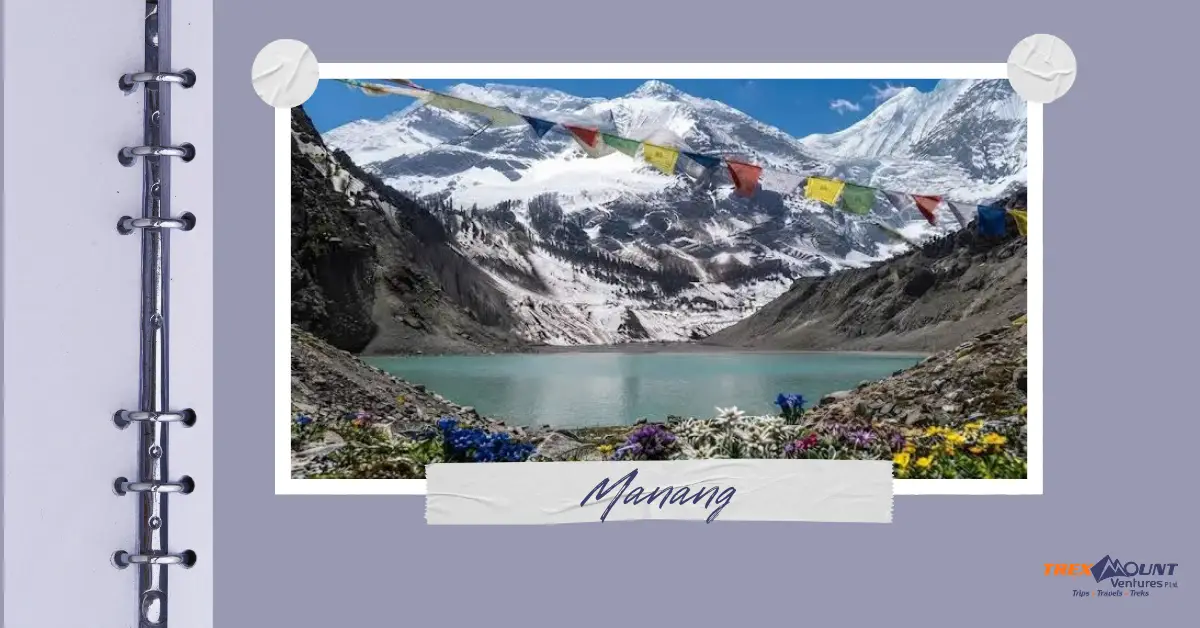
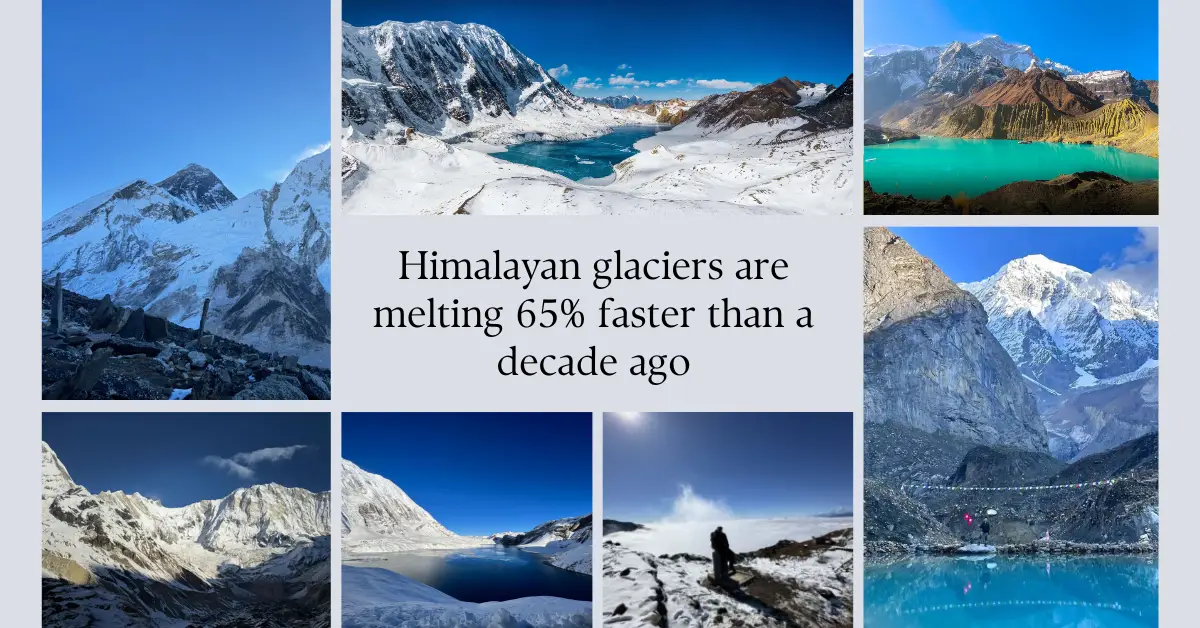
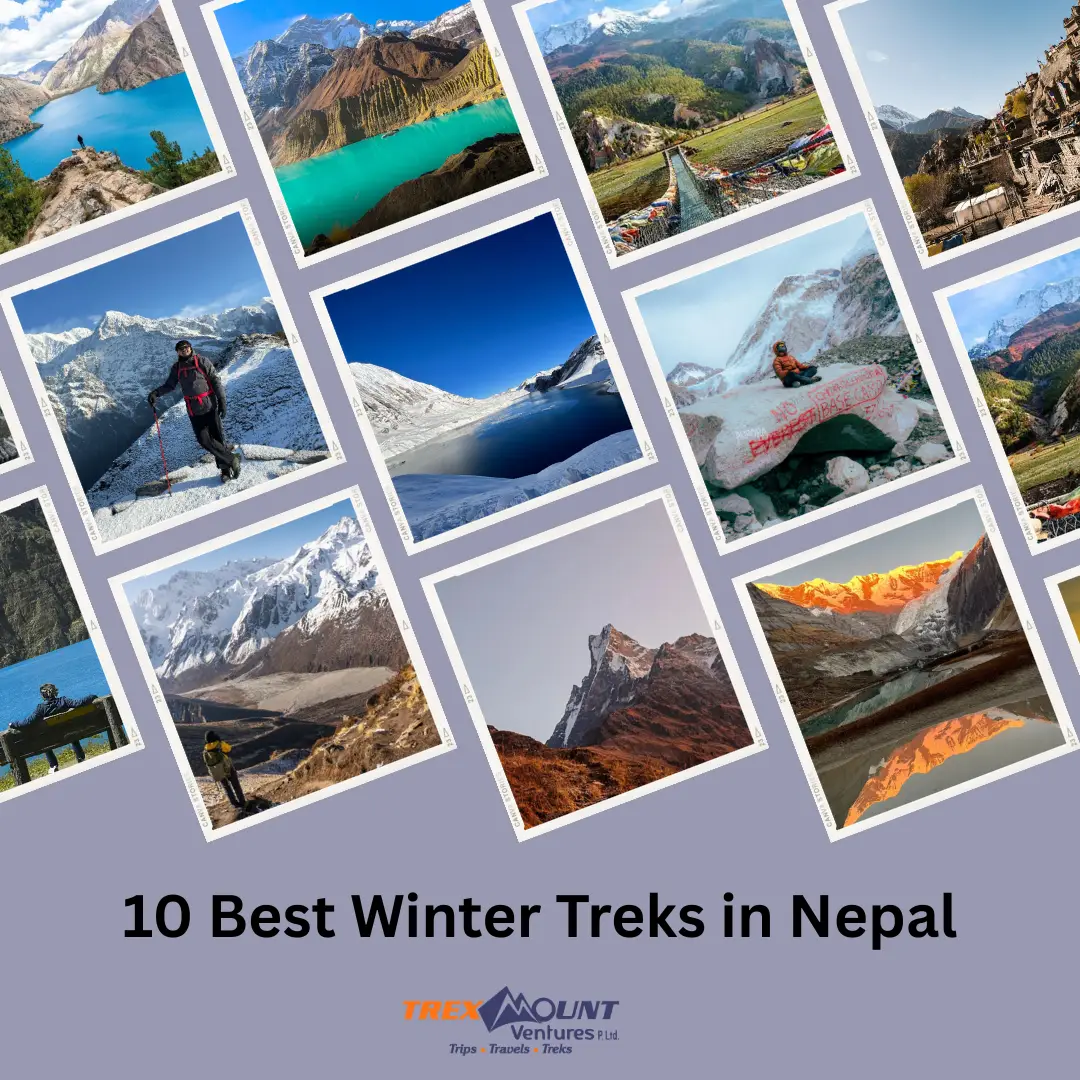
Winter transforms Nepal's Himalayan trails into a completely different world. Snow-covered mountains, crisp blue skies, frozen landscapes, quieter trails, and spectacular sunrise views make winter treks in Nepal an excellent choice for travelers who want to experience the Himalayas away from the busiest trekking seasons.
From the relatively accessible Poon Hill and Pikey Peak routes to high-altitude adventures such as Everest Base Camp and Gokyo, Nepal offers winter trekking options for different experience levels. Some trails receive heavy snowfall and require careful planning, while lower and mid-altitude routes can remain comfortable and accessible during the colder months.
If you are looking for the best winter treks in Nepal, the right route depends on your preferred altitude, snowfall, trekking experience, fitness level, and tolerance for cold temperatures.
At Trexmount Ventures, we offer guided trekking packages across Nepal with local guides, logistical support, and carefully planned itineraries. Below are 10 winter trekking routes worth considering for your Himalayan adventure.
Winter in Nepal generally covers December, January, and February. Although temperatures drop significantly at higher elevations, the season can offer excellent visibility and bright mountain scenery. The Nepal Tourism Board notes that Nepal remains accessible throughout the year, including during the colder months of December and January.
One of the biggest advantages of winter trekking is the atmosphere. Popular trails are generally quieter than during peak autumn and spring seasons, allowing you to experience mountain villages and Himalayan landscapes with fewer trekkers around.
Winter trekking can offer:
However, winter also brings shorter daylight hours, freezing temperatures, icy sections, and potential snowfall at higher elevations. High passes and exposed trails require considerably more preparation than lower-altitude routes.
Not every Nepal trekking route is equally suitable for winter. A good winter trek should combine manageable trail conditions, reliable accommodation, attractive mountain scenery, and a realistic altitude profile for the season.
When choosing among winter treks in Nepal, consider:
The Ghorepani Poon Hill Trek is one of the most accessible choices for travelers searching for the best winter trek in Nepal without committing to an extremely high-altitude expedition.
The route takes you through traditional Gurung and Magar villages, rhododendron forests, stone stairways, and mountain settlements before reaching Poon Hill. The sunrise viewpoint is the highlight, with panoramic views of Himalayan peaks including Annapurna and Dhaulagiri.
Winter gives the route a different character. Snow can cover sections of the higher trail, while the surrounding mountains often appear particularly sharp against the clear winter sky.
For travelers who want a shorter Himalayan experience, this is one of the strongest options among the best winter treks in Nepal.
Trexmount package: Poon Hill Trek
Duration: 10 Days
Starting price: USD 930
The Mardi Himal Trek combines relatively short trekking days with impressive views of the Annapurna range. The route passes through forests and mountain settlements before climbing toward the spectacular high ridges overlooking Mardi Himal and Machhapuchhre.
Winter can bring snow to the upper sections, creating dramatic scenery around the high camps and viewpoints.
The route is particularly appealing to travelers who want a more adventurous experience than a lower-altitude hill trek but do not want to commit to a two- or three-week Himalayan expedition.
Highlights include:
Trexmount package: Mardi Himal Nepal
Duration: 10 Days
Starting price: USD 880
Pikey Peak is one of the best options for travelers who want panoramic Himalayan scenery without the crowds associated with Everest Base Camp.
Located in the lower Everest region, Pikey Peak offers views toward some of the world's highest mountains, including Everest. The route also provides opportunities to experience Sherpa villages, monasteries, forests, and traditional mountain landscapes.
Winter is particularly attractive here because clear weather can provide excellent long-distance mountain views.
Trexmount package: Pikey Peak Trekking
Duration: 9 Days
Starting price: USD 890
The Langtang Valley Trek is one of the most rewarding winter routes close to Kathmandu. The trail travels through forests, traditional villages, Buddhist cultural sites, and increasingly rugged mountain terrain toward the high Himalayan valley.
Winter can bring snow to the upper sections of Langtang, giving trekkers a genuine snowy Himalayan experience while retaining access to a well-established trekking region.
The route is also a strong option for travelers who want to combine mountain scenery with Tamang and Tibetan-influenced culture.
Winter highlights of Langtang include:
Trexmount package: Langtang Trekking
Duration: 11 Days
Starting price: USD 1,060
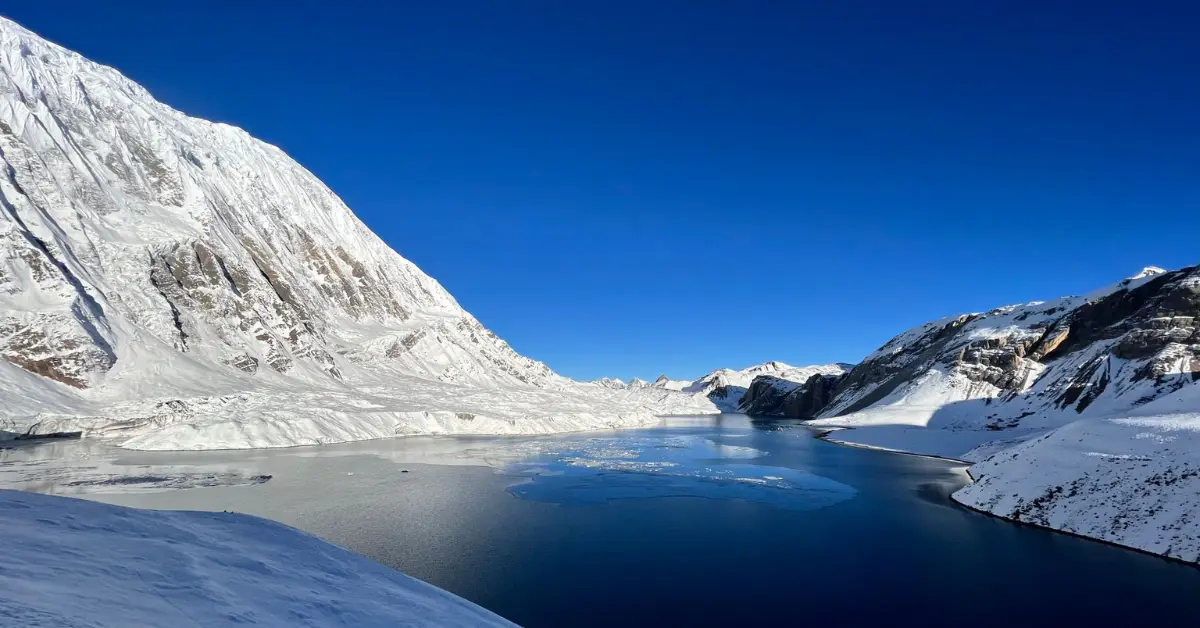
Gosaikunda is a high-altitude alpine lake in the Langtang region and becomes particularly striking during winter. Depending on temperatures and weather conditions, the lake and surrounding landscape can develop an icy, snow-covered appearance.
The trek is a good choice for travelers who want to experience a high Himalayan lake without undertaking an extremely long expedition.
Winter conditions can make the higher sections challenging, particularly after snowfall, so preparation and current trail information are important.
Highlights include:
Trexmount package: Gosaikunda Lake Trek
Duration: 11 Days
Starting price: USD 1,140
The Annapurna Base Camp Trek takes you deep into the Annapurna Sanctuary, surrounded by towering Himalayan peaks.
During winter, the upper sanctuary can become heavily snow-covered, creating a dramatic amphitheater of white mountains. The combination of Machhapuchhre, Annapurna South, Hiunchuli, and other surrounding peaks makes the destination one of Nepal's most impressive mountain environments.
Winter ABC is not as straightforward as a lower-altitude trek. Snow and cold conditions can affect the upper trail, so trekkers should be prepared for changing conditions.
Trexmount package: Annapurna Base Camp Trek
Duration: 16 Days
Starting price: USD 1,190
The Annapurna Circuit is one of Nepal's classic long-distance treks, crossing dramatically different landscapes from subtropical valleys to high alpine terrain.
Winter offers exceptional mountain visibility, but the higher section around Thorong La Pass requires serious preparation. Heavy snow or unfavorable weather can affect high-pass conditions, making flexibility essential.
For experienced trekkers looking for a demanding winter adventure, the Annapurna Circuit can deliver extraordinary scenery.
Winter highlights include:
Trexmount package: Annapurna Circuit Trek
Duration: 15 Days
Starting price: USD 1,180
For many travelers, Everest Base Camp remains the ultimate Himalayan trekking destination. Winter brings colder conditions to the Everest region, but it can also provide exceptionally clear mountain views.
The trail passes through famous Sherpa settlements such as Namche Bazaar before continuing toward Tengboche, Dingboche, Lobuche, and Everest Base Camp.
Winter EBC requires more preparation than trekking during the warmer seasons. Temperatures can become extremely cold at night, and snowfall may affect higher sections of the route.
For prepared trekkers, however, the combination of Everest, Lhotse, Nuptse, Ama Dablam, and snow-covered landscapes makes the experience extraordinary.
Trexmount package: Everest Base Camp Trek
Duration: 16 Days
Starting price: USD 1,670
The Gokyo Lake Trek offers an alternative way to experience the Everest region. Instead of following the classic Everest Base Camp route all the way to Base Camp, the trek heads toward the spectacular turquoise lakes of the Gokyo Valley.
Winter can turn the surrounding landscape into a striking combination of frozen or partially frozen lakes, snow-covered valleys, and enormous Himalayan peaks.
The route is best suited to trekkers who are comfortable with higher elevations and colder conditions.
Gokyo winter highlights include:
Trexmount package: Gokyo Lake Trek
Duration: 15 Days
Starting price: USD 1,690
Upper Mustang offers a very different winter trekking experience from the snowy high passes of Everest or Annapurna.
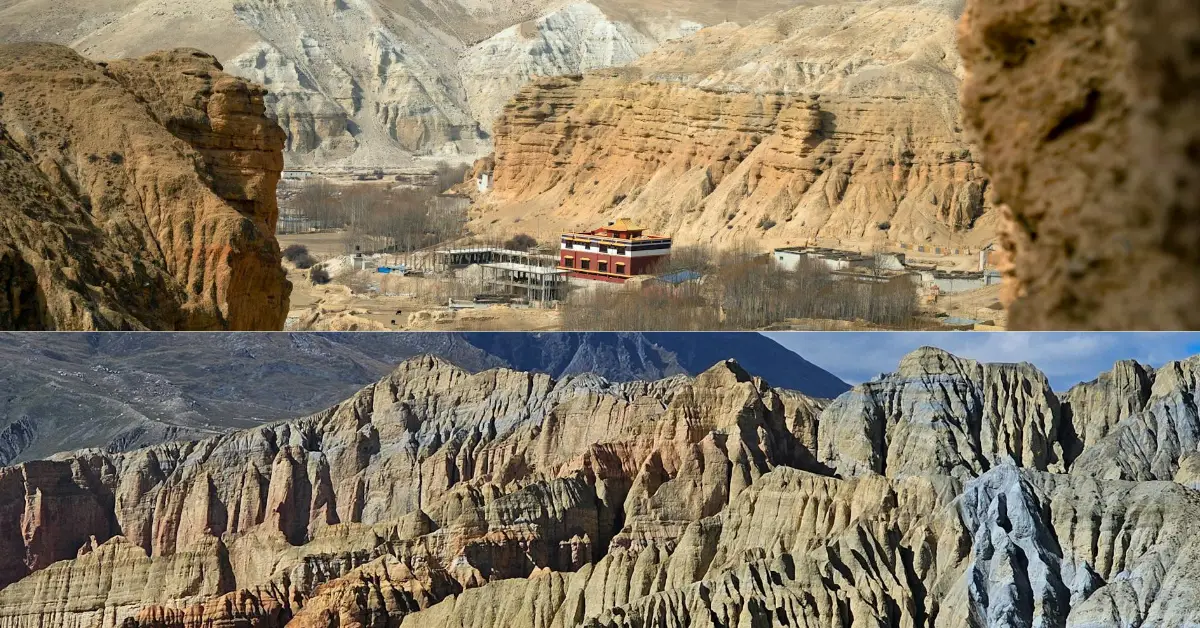
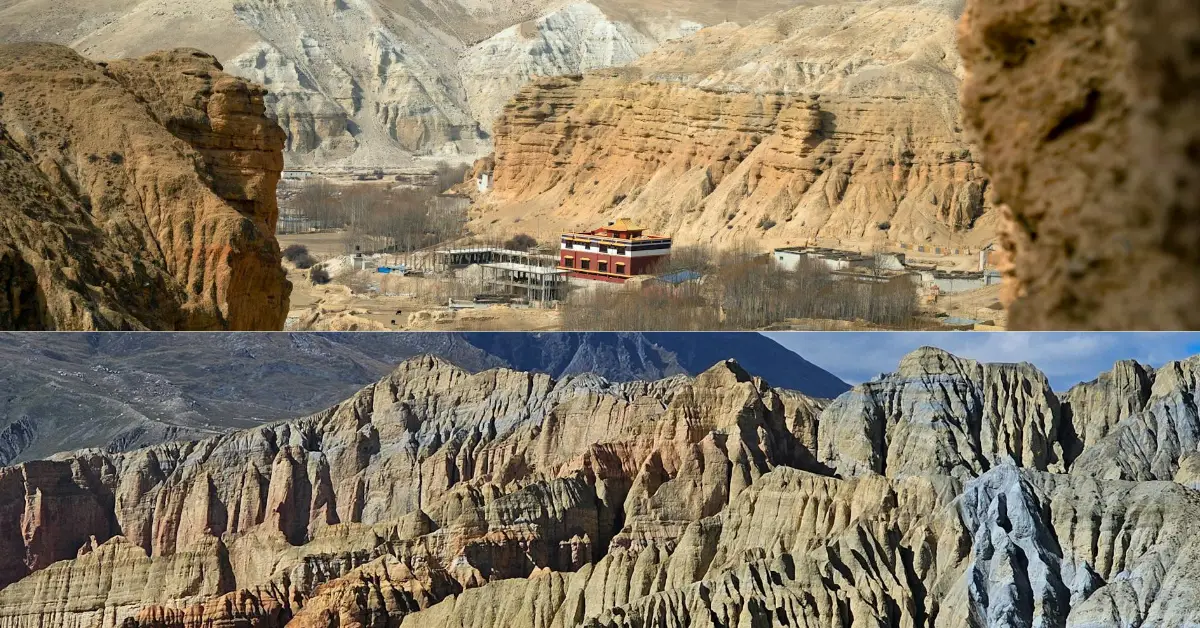
Located in the rain-shadow region of the Himalayas, Mustang receives considerably less precipitation than areas such as Pokhara. The region is characterized by barren cliffs, deep valleys, ancient settlements, monasteries, caves, and Tibetan-influenced culture.
Winter can be cold, particularly at night, but the dry landscape and distinctive geography make Upper Mustang an interesting choice for travelers looking for something beyond conventional snow trekking.
It is especially appealing to trekkers interested in culture, ancient Himalayan settlements, and dramatic landscapes.
Highlights include:
Trexmount package: Upper Mustang Trek Nepal
Duration: 20 Days
Starting price: USD 2,440
Choosing a route based only on its popularity can be a mistake. Your experience, fitness, altitude tolerance, and winter preparation should all influence your decision.
If this is your first Himalayan trek or you want a shorter winter adventure, consider:
These routes can provide spectacular mountain scenery without requiring the same level of commitment as Nepal's longest and highest trekking routes.
For travelers with previous trekking experience, consider:
Winter conditions at higher elevations can significantly increase the difficulty of these routes.
Experienced trekkers may consider:
These routes reach higher elevations and can encounter more serious snow, ice, cold, and weather-related challenges during winter.
The main winter months are December, January, and February, and each has its own characteristics.
December can be an excellent month for winter trekking because temperatures have begun to fall while conditions can still be relatively manageable on many routes.
Lower and mid-altitude treks are particularly attractive during this period.
January is generally the coldest part of winter. Higher-altitude trekking becomes more demanding, especially where snow and freezing temperatures are common.
However, clear days can provide spectacular Himalayan visibility.
February marks the latter part of winter. Conditions gradually begin transitioning toward spring, although higher elevations can remain very cold and snowy.
For trekkers seeking winter scenery with slightly improving conditions, late February can be an appealing period.
Yes, winter can be a very good time for trekking in Nepal, provided you choose an appropriate route and prepare for cold-weather conditions.
The biggest advantage is often the combination of clear mountain views and quieter trails. Nepal Tourism Board also confirms that the country can be visited throughout the year, even during the coldest winter months.
However, winter is not automatically the best season for every trek.
High-altitude routes can become considerably more difficult because of:
Therefore, choosing the right route is more important than simply choosing a winter departure date.
Proper clothing and equipment can make a major difference to your comfort and safety.
For higher-altitude winter routes, your guide or trekking operator should advise you about additional equipment based on current conditions.
Winter temperatures vary dramatically according to altitude.
Kathmandu remains relatively mild compared with the high mountains, while temperatures can fall well below freezing at higher elevations. According to the Nepal Tourism Board, Kathmandu's average winter minimum is around 3°C, while Pokhara's is around 7.7°C. Conditions become substantially colder as you gain altitude.
The important point is that winter trekking is not simply about the temperature in Kathmandu or Pokhara. Your route's highest sleeping elevation and exposure to wind and snow matter far more.
No. Snow is not guaranteed on every winter trekking route.
Snowfall depends on altitude, weather patterns, recent precipitation, and the specific location. Higher sections of routes such as Everest Base Camp, Gokyo, Annapurna Base Camp, and high-pass routes have a greater possibility of snow and icy conditions.
Lower-altitude routes may remain largely free of snow while still providing excellent views of snow-covered Himalayan peaks.
If your primary goal is to experience trekking through snow, choose a route and departure period based on current mountain conditions rather than assuming every winter trek will be covered in snow.
Winter trekking can be safe when the route is appropriate for your experience and current weather and trail conditions are properly assessed.
The main risks are usually related to cold, snow, ice, altitude, changing weather, and difficult high-pass conditions.
For safer winter trekking:
A professional trekking operator should never treat a fixed itinerary as more important than the safety of trekkers.
Winter trekking requires more than simply following a summer itinerary with warmer clothing. Route selection, altitude planning, accommodation, weather monitoring, and local knowledge become particularly important.
Trexmount Ventures provides guided trekking packages across Nepal, including popular routes in the Everest, Annapurna, Langtang, Mustang, and other Himalayan regions.
Our trekking packages include a range of durations and difficulty levels, allowing travelers to select an adventure according to their available time and trekking experience.
Our current trekking portfolio includes routes such as Everest Base Camp, Annapurna Circuit, Annapurna Base Camp, Gokyo Lake, Langtang, Pikey Peak, Mardi Himal, Poon Hill, Upper Mustang, and many other Himalayan journeys.
When planning a winter trek, our team can help you select a route based on:
The Himalayas do not look the same in winter. The trails become quieter, mountain landscapes become more dramatic, and snow can transform familiar trekking routes into completely different environments.
Whether you want a short sunrise trek to Poon Hill, a quieter journey to Pikey Peak, the snowy landscapes of Mardi Himal, or a challenging adventure toward Everest Base Camp, there is a winter route suited to different types of trekkers.
The best winter treks in Nepal are not necessarily the highest or most difficult ones. The best trek is the one that matches your experience, time, expectations, and the conditions on the mountain.
If you are planning to trek in December, January, or February, contact Trexmount Ventures to discuss the most suitable route and current conditions before booking your Himalayan adventure.
Some of the best winter treks in Nepal include Ghorepani Poon Hill, Mardi Himal, Pikey Peak, Langtang Valley, Gosaikunda, Annapurna Base Camp, Annapurna Circuit, Everest Base Camp, Gokyo Lake, and Upper Mustang. The best option depends on your experience, fitness, available time, and tolerance for cold weather.
Ghorepani Poon Hill is one of the better choices for beginners because it offers spectacular mountain views without the extreme altitude associated with major high-altitude treks. Mardi Himal, Pikey Peak, and Langtang can also be considered depending on fitness and winter conditions.
Yes. Everest Base Camp can be trekked during winter, but conditions are colder and snow or ice can affect higher sections of the trail. Proper clothing, preparation, acclimatization, and current weather information are especially important.
Higher-altitude routes and areas exposed to winter storms generally have a greater chance of significant snowfall. Everest Base Camp, Gokyo, Annapurna Base Camp, and high-pass routes can experience substantial snow, but actual conditions vary from year to year.
Yes. December can be a good month for winter trekking, particularly on lower and mid-altitude routes. Higher routes become progressively colder, so trekkers should select their itinerary according to experience and current conditions.
January is the coldest winter month, but it is not automatically too cold for trekking. Lower and mid-altitude routes can remain suitable, while high-altitude treks require stronger preparation, suitable equipment, and careful monitoring of weather and trail conditions.
You should use a layering system that includes thermal base layers, an insulating fleece or down layer, a windproof or waterproof outer layer, warm trousers, gloves, a warm hat, and suitable trekking boots. Higher-altitude winter treks also require an appropriately rated sleeping bag.
A guide is strongly recommended for challenging winter routes, particularly at higher elevations. Local guides can help with route conditions, weather changes, accommodation, altitude management, and emergencies.
The cost depends on the route, duration, accommodation, transportation, group size, guide and porter services, permits, and other inclusions. Trexmount's current trekking packages range from shorter treks such as Pikey Peak Trekking from USD 890 to longer adventures such as Upper Mustang Trek Nepal from USD 2,440. Prices can change, so confirm the current package cost before booking.
Pikey Peak is a strong option for travelers who want excellent Himalayan views with a quieter atmosphere than the major Everest trekking route. Other less-crowded options may also be suitable depending on current winter accessibility and trail conditions.

Welcome to Trexmount Ventures !