 Trexmount Ventures
Trexmount Ventures
Trexmount Ventures
Popular Searches
Ready to plan your next getaway? Let’s connect and create something incredible together.
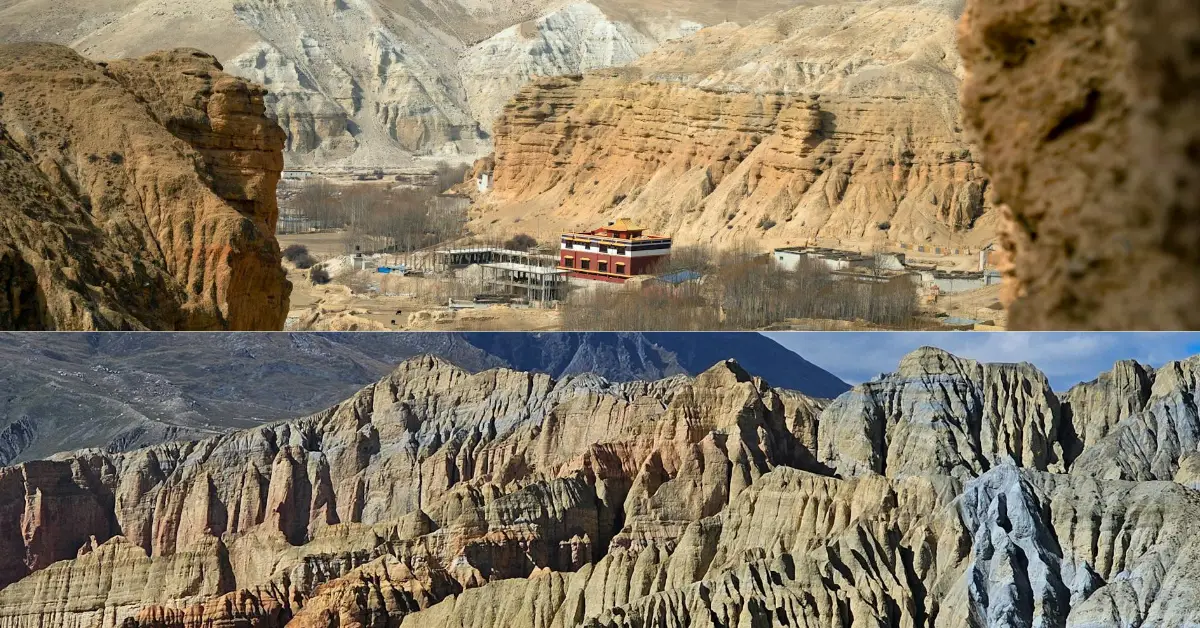
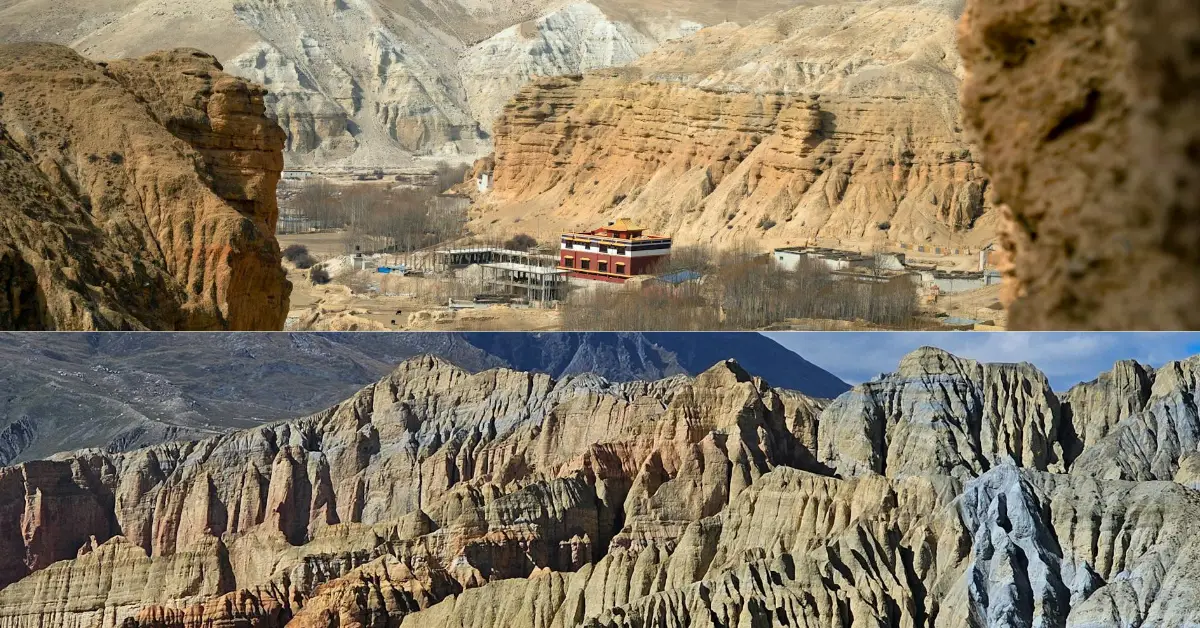
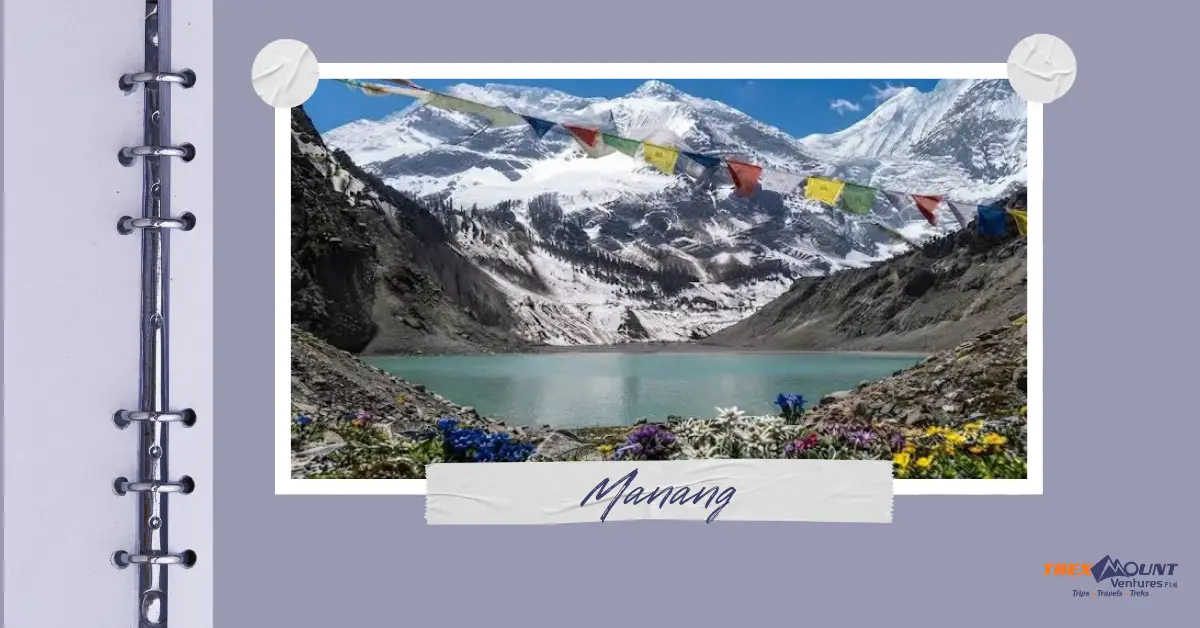
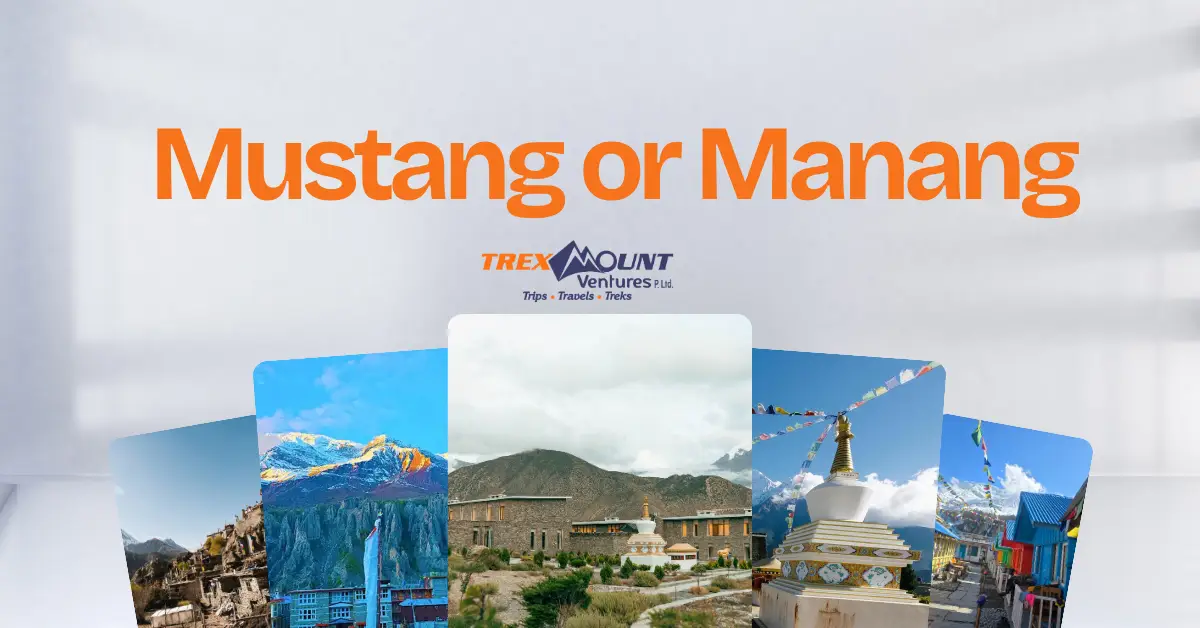
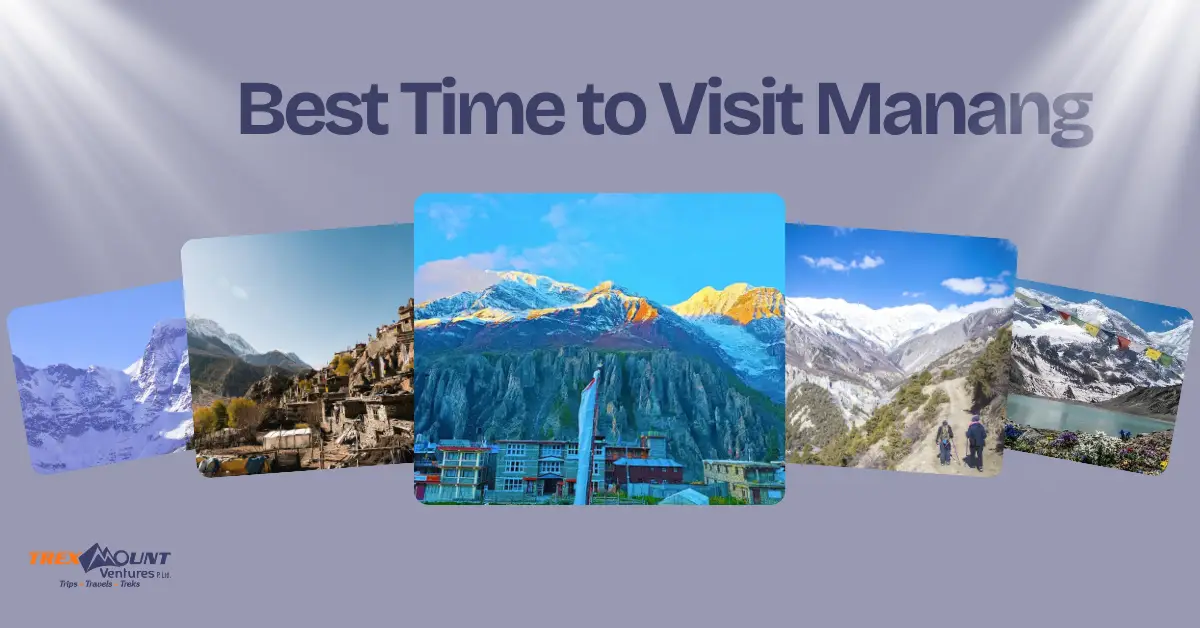
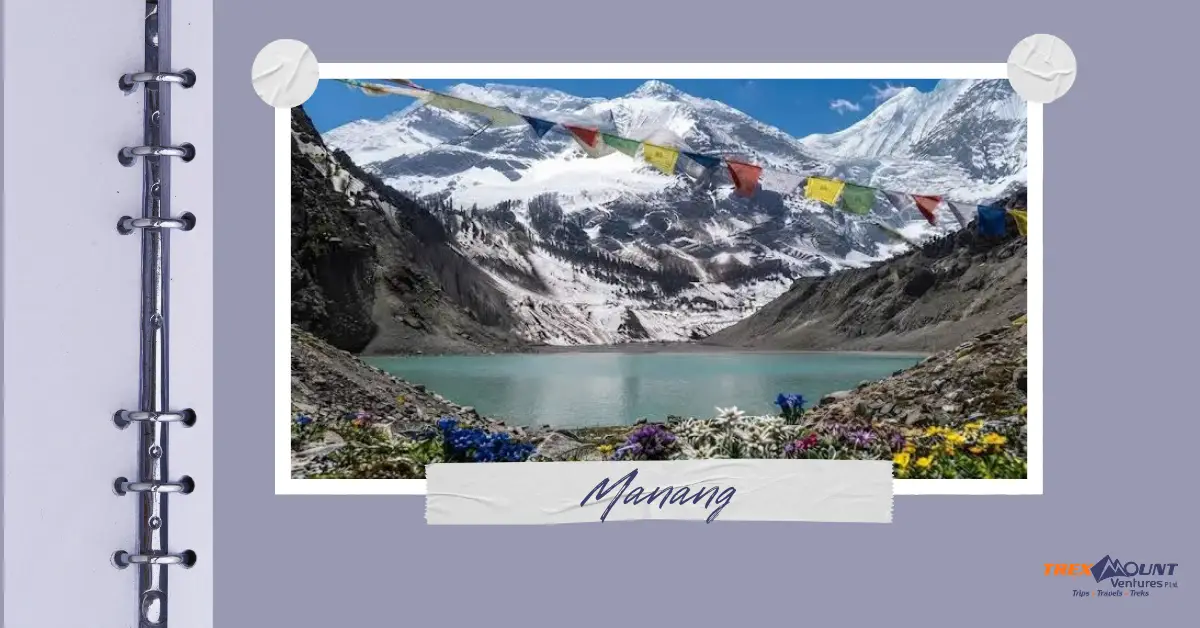
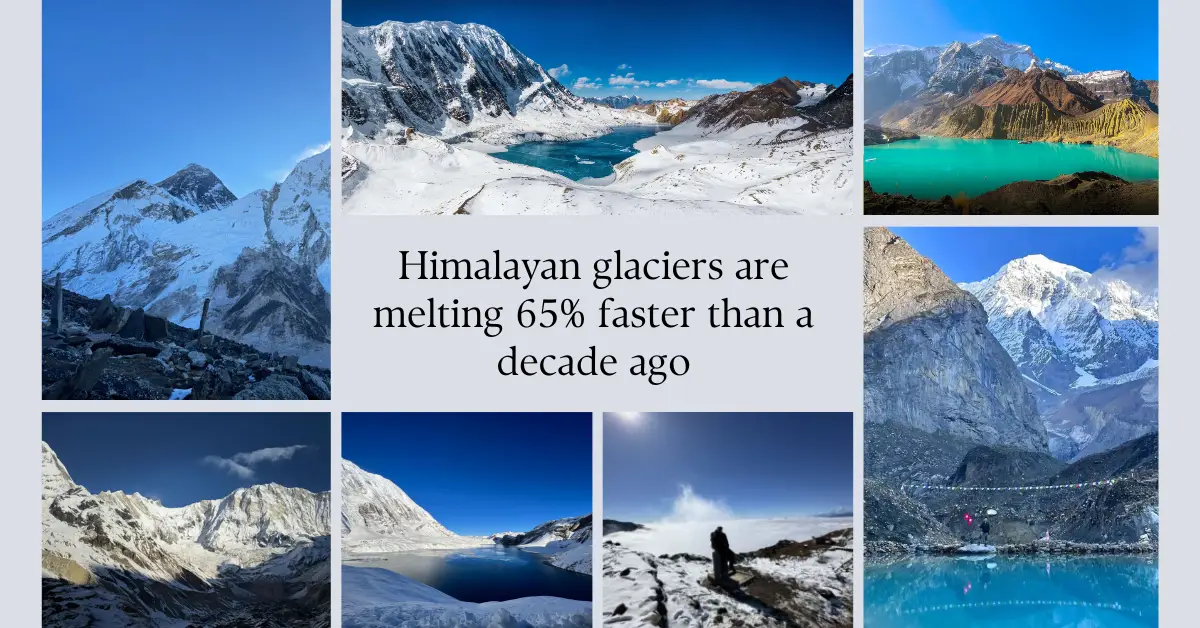
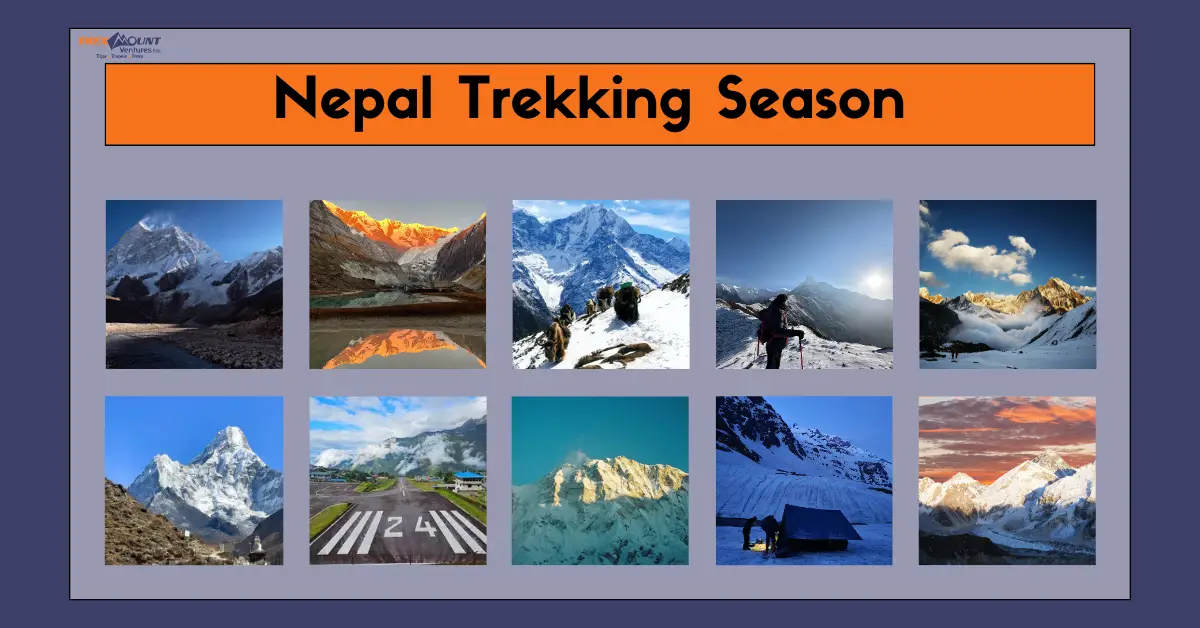
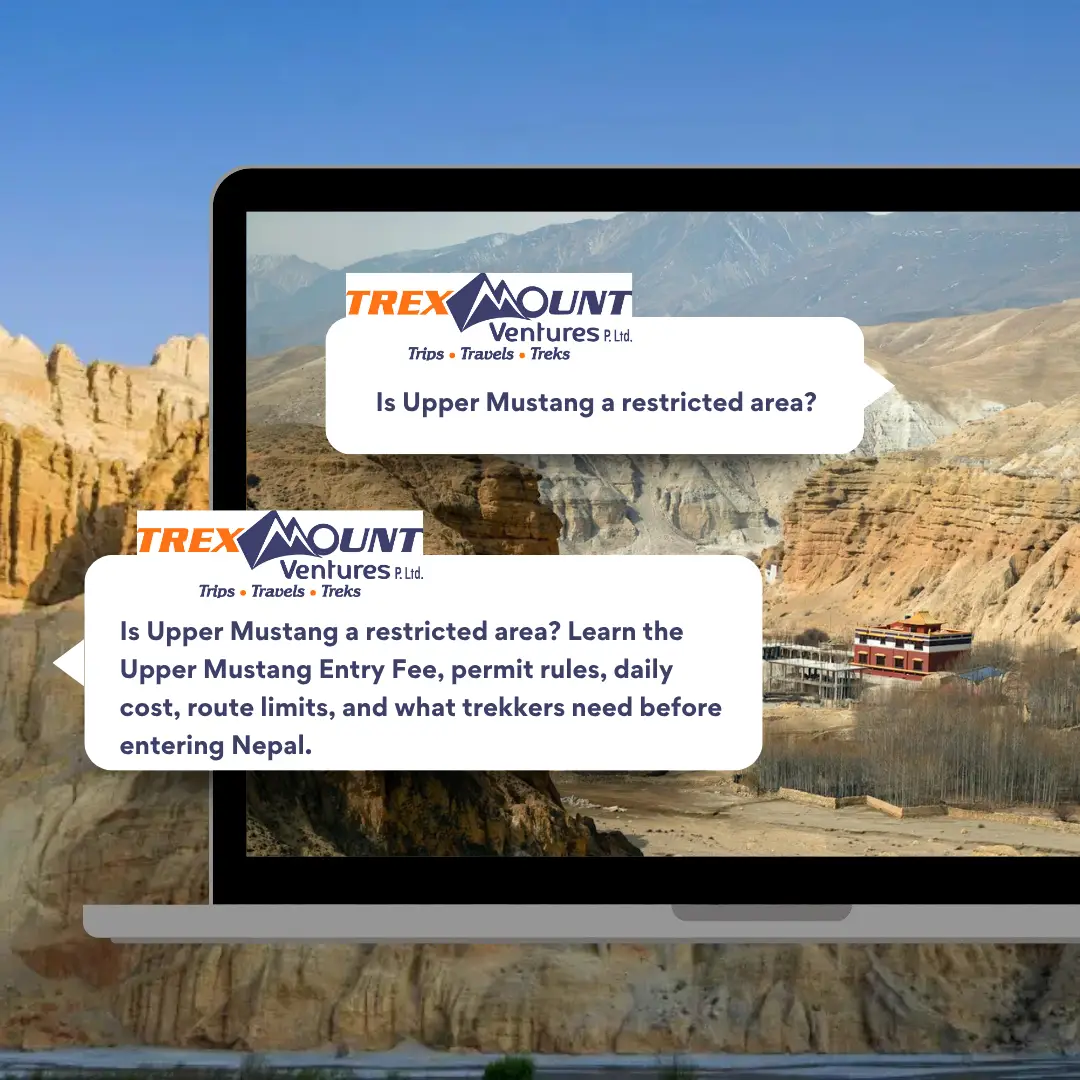
Upper Mustang is one of Nepal's most distinctive trekking destinations, known for its dry landscapes, Tibetan-influenced culture, ancient villages, monasteries, caves, and the historic walled city of Lo Manthang. But unlike many popular trekking regions in Nepal, access to Upper Mustang is regulated under Nepal's Restricted Area trekking system.
So, is Upper Mustang a restricted area? Yes. The Nepal Tourism Board lists Upper Mustang among Nepal's restricted trekking areas and states that a special trekking permit must be obtained from the Department of Immigration in Kathmandu. The current listed permit fee for Upper Mustang is USD 50 per person per day, or the equivalent in convertible currency.
For travelers planning an Upper Mustang trek, understanding the permit is not simply a budgeting issue. The permit determines where you are authorized to trek, how long you can remain within the restricted area, and what documentation you need to carry during the journey.
A Restricted Area does not mean that Upper Mustang is closed to tourists.
Instead, it means that access is subject to additional government controls compared with ordinary trekking destinations. Travelers must obtain the appropriate special trekking permit before entering the designated restricted area.
The Nepal Tourism Board specifically states that special trekking permits are required for trekking in areas classified as Restricted Zones. It also states that trekkers must keep their permits with them during the trek and present them to immigration officials or police when requested.
In practical terms, this means you cannot simply arrive in Upper Mustang and begin trekking without arranging the required permit.
The restriction also applies to the designated geographical areas rather than automatically meaning every location within Mustang District has the same permit requirement.
Upper Mustang has historically been a sensitive and culturally distinctive Himalayan region. Its geographical position near the Tibetan Plateau, traditional Tibetan Buddhist culture, historic settlements, and relatively isolated communities have contributed to the region's controlled tourism system.
The restricted-area system also provides the government with a mechanism to regulate trekking routes and monitor visitors entering particular border-region destinations.
For travelers, the most important point is straightforward:
Therefore, "restricted" should not be confused with "prohibited." Foreign travelers can visit Upper Mustang when they meet the applicable permit and trekking requirements.
One of the most common questions from travelers is about the Upper Mustang Entry Fee.
According to the Nepal Tourism Board's current trekking-permit information, the special trekking permit for Upper Mustang costs:
USD 50 per person per day
The fee is calculated according to the number of days covered by the permit. The NTB specifies that the amount can also be paid in an equivalent convertible currency.
For example, based strictly on the listed daily rate:
These calculations represent the special restricted-area permit fee only. They should not automatically be treated as the total cost of an Upper Mustang trek.
Your overall trekking budget can also include transportation, accommodation, meals, guide and porter services, insurance, other permits or applicable fees, and personal expenses.
The Upper Mustang Permit Fee is currently listed by the Nepal Tourism Board at USD 50 per person per day.
This is particularly important because Upper Mustang permits are calculated differently from some trekking permits in Nepal that are charged weekly or according to different seasonal structures.
The daily calculation makes the length of your restricted-area itinerary an important part of your budget.
If your itinerary includes several days inside the restricted area, the permit cost increases with each additional permitted day.
Before booking, trekkers should therefore confirm:
Permit regulations can be updated, so current government information should always take priority over older trekking blogs or outdated price lists.
The Nepal Tourism Board's listed Upper Mustang restricted-area boundaries cover specific rural municipalities and wards.
According to the NTB, the designated areas include:
The restricted designation covers all areas of wards 1 to 5.
This includes the area surrounding Lo Manthang, the historic cultural center of Upper Mustang.
The NTB lists all areas of wards 1 to 5 within the Upper Mustang restricted area.
This region contains important landscapes, settlements, monasteries, and cultural sites associated with the wider Upper Mustang trekking experience.
The listed restricted area includes all areas of ward 3 and Satang Village of ward 5.
This distinction is important because it demonstrates that the term "Upper Mustang" in the permit regulations refers to specifically defined administrative areas.
Therefore, trekkers should not assume that every part of Mustang District automatically falls under exactly the same restricted-area permit rules.
Yes. If your itinerary enters the designated Upper Mustang Restricted Area, you need the appropriate special trekking permit.
The Nepal Tourism Board explicitly states that a trekking permit must be obtained to visit restricted areas in Nepal and identifies the Department of Immigration in Kalikasthan, Kathmandu, as the authority for the special trekking permit.
This makes permit preparation an essential part of planning an Upper Mustang trek.
A traveler should not treat the permit as something that can simply be ignored until reaching the trail.
This is one of the most important rules to understand.
The Nepal Tourism Board states that trekking in an area or along a route other than the specified area or route is considered a violation of the law.
That means your trekking plan should correspond with the route and area authorized by your permit.
For this reason, travelers should:
This is particularly relevant in a destination such as Upper Mustang, where travelers may be tempted to take alternative trails because of changing weather, road conditions, scenery, or local recommendations.
Yes. The Nepal Tourism Board specifically states that the trekking permit should be kept with the trekker while trekking. It must also be shown to immigration employees or police upon request.
This means your permit is not simply an administrative document used during preparation.
It remains an important travel document throughout your journey.
Keep it somewhere secure but accessible enough for inspection when necessary.
It is also sensible to keep copies of important travel documents separately from the originals.
No. Upper Mustang falls under Nepal's Restricted Area system, so it requires a special trekking permit.
This is different from simply paying a general trekking or protected-area entry fee.
The Nepal Tourism Board separately identifies restricted-area trekking permits, protected-area entry fees, and TIMS requirements as different travel-related requirements.
Therefore, travelers should not assume that paying one tourism fee automatically covers every permit required for an Upper Mustang itinerary.
Yes, Upper Mustang is accessible to foreign travelers when the applicable requirements are fulfilled.
The term Restricted Area describes a controlled-access trekking system rather than a complete tourism ban.
Travelers can explore the region's:
The restricted permit system is part of what makes planning an Upper Mustang journey different from planning many standard trekking routes in Nepal.
Travelers should be careful when reading older information about Upper Mustang.
Permit regulations and trekking requirements can change over time. Older websites may contain different fee structures, group requirements, or procedural information.
For this reason, current requirements should be confirmed with the relevant Nepal government authorities or a government-registered trekking agency before departure.
For travelers working with Trexmount Ventures, permit planning can be incorporated into the overall trekking arrangement so the itinerary is prepared around the applicable requirements.
No. The Upper Mustang Permit Fee should be understood as the restricted-area trekking permit charge rather than the complete cost of the trek.
Depending on your itinerary, your total trip budget can include:
The exact combination depends on the route and services included in your trekking package.
This distinction is important when comparing Upper Mustang trekking packages. A lower package price does not necessarily mean a lower overall travel cost if major services or permits are excluded.
A successful Upper Mustang trek starts before you reach the trail.
Because the region has restricted access and a high-altitude environment, preparation should cover both documentation and physical readiness.
Carry:
You should also prepare:
Upper Mustang is also notably dry and windy, so protection from strong sunlight, dust, and cold conditions is particularly useful.
Upper Mustang combines a restricted-access trekking system with an environment that feels dramatically different from Nepal's greener lower-elevation trails.
Instead of dense forests dominating the landscape, travelers encounter broad valleys, exposed cliffs, barren hills, traditional villages, and an arid Himalayan environment.
The cultural character is equally significant.
The region's Tibetan Buddhist heritage can be seen through monasteries, prayer flags, chortens, traditional architecture, and centuries-old settlements.
For many travelers, the appeal is not simply reaching a particular altitude or viewpoint. It is experiencing a landscape and cultural environment that has developed differently from the more heavily visited trekking corridors of Nepal.
Before leaving for Upper Mustang, remember these essential points:
Yes, Upper Mustang is a Restricted Area.
The Nepal Tourism Board officially lists Upper Mustang under Nepal's restricted trekking areas. Travelers entering the designated area must obtain a special trekking permit through the Department of Immigration.
The current Upper Mustang Entry Fee listed by the Nepal Tourism Board is USD 50 per person per day, making the length of your stay an important factor when calculating the permit cost.
For anyone planning an Upper Mustang trek, the key is to understand that the permit is not merely an optional entry charge. It controls access to the designated restricted area and must be carried throughout the trek.
With proper permit preparation, an appropriate itinerary, and responsible trekking practices, Upper Mustang remains accessible to travelers seeking its distinctive Himalayan landscapes and Tibetan-influenced cultural heritage.
Trexmount Ventures can help travelers plan an Upper Mustang journey around the applicable trekking permits, route requirements, transportation, accommodation, and guide arrangements.
Yes. Upper Mustang is officially classified as a Restricted Area by Nepal. Foreign trekkers entering the designated area must obtain a special trekking permit through the Department of Immigration before trekking.
The current Nepal Tourism Board listing states an Upper Mustang restricted-area permit fee of USD 50 per person per day. The final permit cost therefore depends on the number of permitted days.
At the current listed rate of USD 50 per person per day, a 10-day Upper Mustang restricted-area permit would cost USD 500 per person. Other trekking expenses are separate.
No. Travelers entering the designated Upper Mustang Restricted Area need the applicable special trekking permit. The permit should also be carried during the trek for possible inspection.
The Nepal Tourism Board states that special trekking permits for Restricted Areas are obtained through the Department of Immigration in Kalikasthan, Kathmandu.
No. "Restricted Area" does not mean completely closed to foreign travelers. Eligible travelers can visit Upper Mustang after fulfilling the applicable permit and trekking requirements.
Yes. The current NTB listing gives the Upper Mustang permit fee as USD 50 per person per day, or the equivalent in convertible currency.
You should not independently trek outside the area or route authorized by your permit. The Nepal Tourism Board states that trekking outside the specified area or route is considered a violation of law.
Yes. The Nepal Tourism Board specifically states that trekkers should keep the permit with them while trekking and show it to immigration officials or police if requested.
Upper Mustang offers a distinctive combination of Trans-Himalayan landscapes, Tibetan-influenced culture, historic settlements, monasteries, and high-altitude trekking. Travelers should consider the permit cost and requirements when planning their trip.
Welcome to Trexmount Ventures !