 Trexmount Ventures
Trexmount Ventures
Trexmount Ventures

Popular Searches
Ready to plan your next getaway? Let’s connect and create something incredible together.
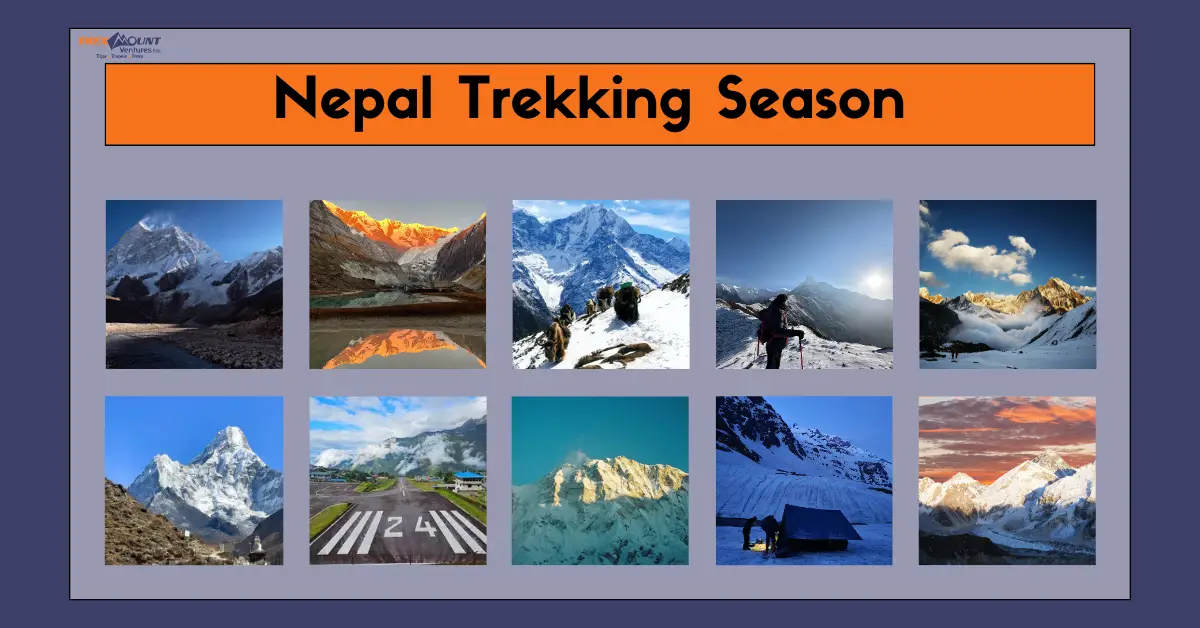


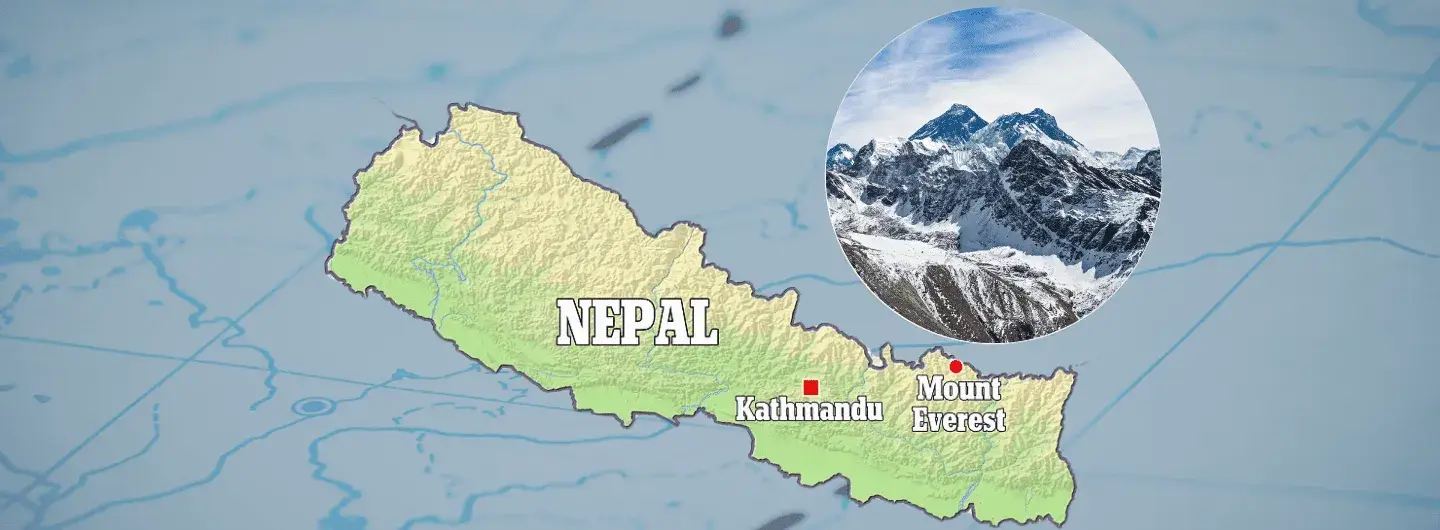
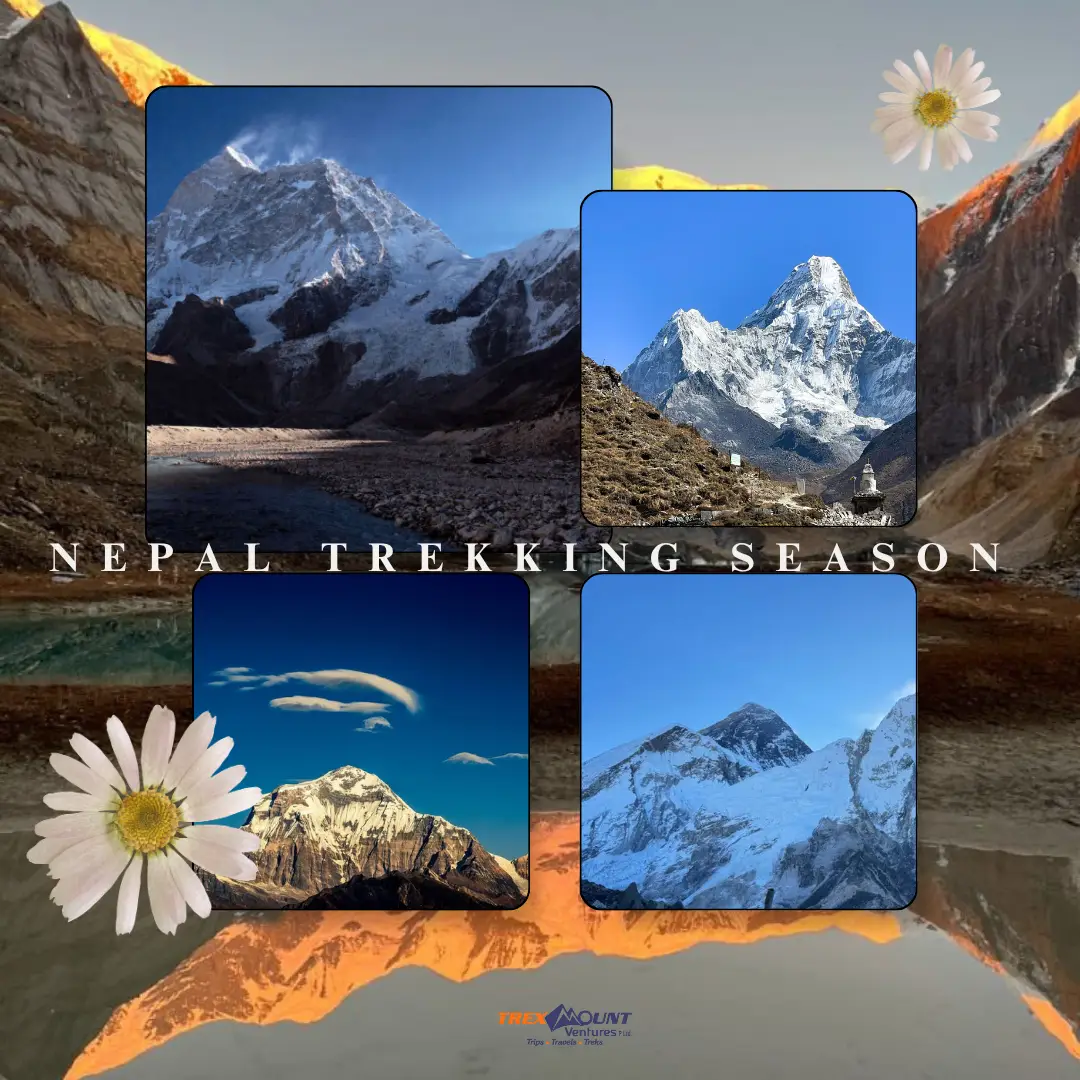
Nepal is entering one of the most important periods of its tourism calendar. The monsoon is moving away, the mountains are beginning to clear, autumn trekking is approaching its busiest period, and the country is preparing for Dashain 2026, Nepal’s biggest festival.
For trekkers, this means something special: the Nepal Trekking Season is beginning at a time when the country itself is preparing for celebration.
From the trails of Everest and Annapurna to the quieter valleys of Manaslu, Langtang and Dolpo, Nepal is getting ready to welcome travelers from around the world.
But this year’s autumn season comes with an important difference.
Nepal has recently experienced flooding and landslides that affected several highways, bridges, and access corridors. Some trekking destinations remained unaffected, while several approach routes required repair or alternative travel arrangements. The latest updates show that conditions are improving, but travelers should still check their specific route before departure.
At the same time, the country's tourism industry is preparing for the arrival of autumn visitors.
The message is simple:
If you ask experienced trekkers about the best season for trekking in Nepal, autumn will almost always be part of the conversation.
The main trekking period generally follows the monsoon. As the weather becomes more stable, mountain visibility improves and the trails begin to attract international trekkers, guides, porters and local businesses preparing for the busiest part of the tourism year.
Autumn is particularly attractive because of the combination of:
This is also when the mountains feel alive.
A morning in the Himalayas can begin with a cold breeze, a hot cup of tea and clouds slowly disappearing from a mountain ridge. A few hours later, you may be walking beside prayer wheels, crossing suspension bridges and passing through villages where locals are preparing for festival celebrations.
That combination of mountains, culture and seasonal change is one reason Nepal remains such a distinctive trekking destination.
The 2026 autumn trekking season is beginning under unusual circumstances.
Heavy flooding and landslides in late August affected parts of Nepal's transport network. Several access corridors experienced damage, creating challenges for travelers heading toward some mountain regions.
However, the important distinction is between trekking destinations and the roads used to reach them.
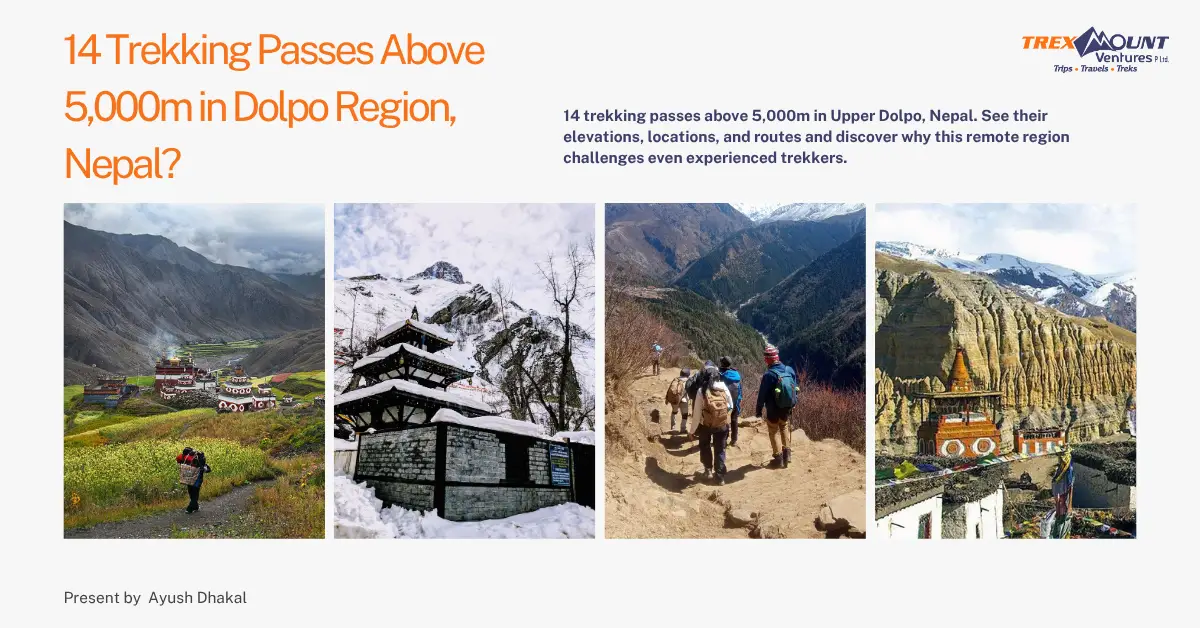
Several major trekking areas were reported as safe even while their approach roads faced disruption. According to a September 11 update from the Trekking Agencies' Association of Nepal (TAAN), destinations including Everest, Kanchenjunga, Makalu and Rolwaling were not affected by the reported flood damage. Dhaulagiri, Dolpo, Rara, Jumla, Humla and several far-western destinations were also reported as unaffected.
The Manaslu region provides another important example.
The Nepal Tourism Board reported on September 10 that the Manaslu trekking route had resumed operations after repairs and maintenance to sections of trail and bridge infrastructure affected by flooding. The damaged structures around the Chumnubri–Namrung section were restored to a condition suitable for trekking, and the earlier restriction was lifted.
This is why a current Trekking Route Update is more useful than simply asking whether "Nepal is open."
Nepal is open, but individual access roads and trails can have different conditions.
Yes, major trekking destinations in Nepal are operating for the autumn season, but route-specific conditions should be checked before traveling.
This is especially important for travelers using road transportation.
For example, TAAN reported that the Langtang and Kyanjin Valley trekking areas remained safe, but a road section leading toward Dhunche and Syabrubesi was closed following damage. An alternative approach through Kathmandu, Sundarijal, Helambu and Gosaikunda was recommended while repairs continued.
Similarly, the Kathmandu–Pokhara road connection has experienced disruption around the Krishnabhir section of the Prithvi Highway.
Alternative options have included flying to Pokhara or using alternative road corridors.
For trekkers, this means your itinerary may still be possible even if one transportation route has changed.
The solution is not necessarily to cancel the trek.
It is to adjust the approach route.
There is another reason autumn 2026 will feel different across Nepal.
Dashain is coming.
Dashain is Nepal's biggest and longest major Hindu festival, traditionally centered around family reunions, blessings, worship, feasting and cultural traditions. The Nepal Tourism Board describes it as a major harvest festival and a period when families return home to celebrate together.
In 2026, Dashain begins with Ghatasthapana on October 11, while Vijaya Dashami, the main Tika day, falls on October 21. The festival period continues toward Kojagrat Purnima on October 25.
For a traveler, Dashain offers a different side of Nepal.
You may see:
Dashain is not simply something to observe from a distance.
It is a time when Nepal moves.
And if you are trekking during this period, you may experience the country in a way that a normal tourist itinerary cannot provide.
This is one of the most important questions for anyone planning a trek around the festival.
Transportation will be busier before Dashain, particularly as people leave Kathmandu for their hometowns.
Nepal experiences a huge amount of domestic travel during the festival period. Buses, roads and domestic flights can become heavily booked around the main Dashain holidays.
Kathmandu traditionally becomes quieter during the festival because many residents leave the Valley to return to their family homes.
For international trekkers, this creates both challenges and opportunities.
Expect higher demand for:
If your trek begins close to Dashain, arranging transportation earlier is sensible.
Some businesses and services may operate with reduced schedules because staff also celebrate Dashain with their families.
This does not mean trekking stops.
It means your itinerary needs more flexibility.
Transportation gradually returns toward normal operating patterns, while the autumn trekking season continues.
For many trekkers, the period after the main Dashain rush can provide a practical window for starting a trek.
Domestic aviation remains an important part of Nepal trekking.
Trekkers heading toward the Everest region, for example, commonly use flights to reach the Lukla area before starting the trek.
During the festival period, flight demand can increase because Nepalis themselves travel around the country.
That means travelers should not leave domestic flight arrangements until the last moment.
Weather is another factor.
Even during autumn, Himalayan aviation depends on visibility and operating conditions. A flight can be delayed for reasons unrelated to Dashain.
Our recommendation is straightforward:
Keep at least some flexibility between your international arrival, domestic flight and trekking schedule.
A buffer day in Kathmandu can save an entire itinerary when a flight is delayed.
Kathmandu has a fascinating transformation during Dashain.
Before the main festival days, roads become extremely busy as people leave the capital.
Then something almost magical happens.
The city becomes quieter.
The usual traffic reduces. Many businesses close for festival holidays. Families gather at home. Rooftops fill with kites. Temples and traditional neighborhoods take on a different atmosphere.
For international visitors, this can be an excellent opportunity to experience Kathmandu beyond its normal tourist rhythm.
Places around the Kathmandu Valley can provide cultural experiences alongside your trekking itinerary, including:
However, travelers should always check opening arrangements for specific attractions during major festival days.
Nepal has no single trekking route that defines the country.
Different regions offer completely different experiences.
The Everest Base Camp Trek remains one of Nepal's most recognized Himalayan journeys.
The classic route generally begins around Lukla and passes through Sherpa settlements including:
Lukla → Phakding → Namche Bazaar → Tengboche → Dingboche → Lobuche → Everest Base Camp → Kala Patthar
The journey combines high-altitude landscapes with Sherpa culture and views of some of the world's most famous Himalayan peaks.
Autumn is particularly attractive for mountain visibility, although conditions can still change at high altitude.
For travelers planning around Dashain, flight and accommodation arrangements should be considered early.
The Annapurna Base Camp Trek provides a different experience.
Instead of following the high, dry landscape of the Everest region, the trail passes through villages, forests, rivers and dramatic mountain scenery.
A typical route can include:
Pokhara → Ghandruk → Chhomrong → Himalaya → Machhapuchhre Base Camp → Annapurna Base Camp
The contrast is one of its greatest strengths.
One moment you can be walking through green forest.
Later, enormous Himalayan peaks rise around the trail.
The Annapurna Circuit is one of Nepal's classic long-distance trekking routes.
Depending on the itinerary and road conditions, trekkers can travel through:
Besisahar → Dharapani → Chame → Pisang → Manang → Thorong La → Muktinath → Jomsom
The route crosses dramatically different landscapes, from lower valleys to high Himalayan terrain.
However, access conditions around the Annapurna region should be checked carefully because road and flood conditions can change.
Current autumn planning should therefore focus not only on the trek itself but also on the transportation required to reach the starting point and return from the route.
Manaslu has become increasingly popular among trekkers looking for a quieter alternative to some of Nepal's more established routes.
The journey passes through remote Himalayan villages before reaching the high Larkya La area.
A typical itinerary follows:
Machha Khola → Jagat → Deng → Namrung → Samagaon → Samdo → Larkya La → Bimthang → Dharapani
The recent route update is particularly relevant here.
The Nepal Tourism Board reported that sections affected by flooding had undergone repairs and that the Manaslu route had resumed operations.
Because conditions can change, trekkers should still obtain the latest local information before departure.
Langtang is another excellent option for travelers who want a Himalayan trek relatively close to Kathmandu.
A traditional itinerary can follow:
Kathmandu → Syabrubesi → Lama Hotel → Langtang Village → Kyanjin Gompa
Optional exploration around Kyanjin can add another day to the journey.
The latest route information is particularly important here because the trekking destination itself has been reported as safe, while road access toward Syabrubesi has faced disruption. TAAN has recommended an alternative approach while road repairs continue.
That distinction matters.
A road problem does not automatically mean a trekking destination is closed.
One of the biggest mistakes travelers can make is thinking of Nepal only as mountains.
Nepal's autumn season is also a cultural journey.
You can wake up in Kathmandu during Dashain, watch families preparing for Tika, travel toward the hills, walk through traditional villages and eventually find yourself beneath an enormous Himalayan peak.
That transition is what makes trekking here emotional.
The journey isn't simply:
Airport → hotel → trail → mountain → airport.
It is:
Culture → people → villages → forests → rivers → altitude → mountains.
And during Dashain, that cultural experience becomes even more visible.
The past few weeks have not been easy for Nepal.
Flooding and landslides disrupted parts of the country, damaged infrastructure and affected local communities and tourism businesses. Recent reporting has highlighted the serious humanitarian consequences of the disaster.
But Nepal's tourism sector is continuing to prepare for the autumn season.
Guides are preparing.
Porters are preparing.
Hotels and teahouses are preparing.
Transportation providers are preparing.
Trekking companies are monitoring route conditions.
And mountain communities are preparing to welcome travelers again.
This matters because tourism in Nepal is not only about large companies.
A trek supports an entire chain of people:
Guide → porter → teahouse → local restaurant → transport operator → village shop → farmer → community.
When you trek responsibly in Nepal, your journey contributes directly to mountain communities.
The 2026 autumn season requires the same basic trekking preparation as previous years, but route monitoring is particularly important this year.
A destination can be open while its road access is temporarily disrupted.
Always confirm the latest approach conditions before departure.
Around Dashain, demand for buses, domestic flights and private transportation can increase.
If your itinerary depends on a specific flight or road transfer, avoid leaving the booking until the last minute.
This is especially important for high-altitude trekking.
A spare day in Kathmandu or another major stop can protect your international flight if a domestic flight or mountain weather causes delays.
Autumn is considered one of the best periods for trekking in Nepal, but the Himalayas remain the Himalayas.
Weather can change quickly.
Good equipment, proper acclimatization and experienced guides remain important.
Do not rely solely on an itinerary written months ago.
Roads, bridges and trails can change after heavy rainfall or landslides.
Current local information should always take priority.
There is no single trek that suits everyone.
If your priority is standing beneath the world's highest mountain, Everest Base Camp may be the natural choice.
If you want a combination of forests, villages and dramatic mountain scenery, Annapurna Base Camp offers a different experience.
If you want a longer journey across contrasting landscapes, consider the Annapurna Circuit.
If you want a more remote Himalayan experience, Manaslu Circuit is worth considering.
There is something deeply fitting about trekking in Nepal during the season of Dashain.
Dashain is about returning home.
Trekking is about leaving home for a while.
One brings people back to their families.
The other takes people toward the mountains.
And in Nepal, these two journeys meet during the same season.
You might see a family carrying gifts toward their village while you carry your backpack toward the Himalayas.
You might hear festival music in Kathmandu and prayer bells in a mountain village days later.
You might receive a warm "Namaste" from someone carrying supplies along a trail while you are making your way toward a mountain you have dreamed about for years.
That is Nepal.
It is not simply a destination you visit.
It is a place you move through.
To celebrate Dashain and welcome travelers during the 2026 autumn trekking season, Trexmount Ventures is offering 10% off every trekking and travel package.
Whether you are planning Everest Base Camp, Annapurna, Manaslu, Langtang or another Himalayan adventure, the festival offer gives you an opportunity to plan your journey with our local team.
Our team can help with:
Most importantly, we understand that a trekking itinerary should respond to current conditions, rather than simply follow a fixed plan written months ago.
If road conditions change, we look at alternatives.
If a flight schedule changes, we help adjust the itinerary.
If weather affects a mountain flight, we work around it.
The goal is simple: make your journey to the Himalayas as organized, safe and enjoyable as possible.
The Nepal Trekking Season 2026 is arriving with clear mountains, cultural celebrations and renewed activity across the country's tourism industry.
Yes, Nepal has experienced serious flooding and infrastructure disruption recently.
Yes, some approach roads remain a concern
.
But the latest route information also shows that major trekking destinations are continuing to operate, with repairs already restoring affected sections such as parts of the Manaslu route.
That is why this autumn is not about pretending that every road and trail is exactly as it was before.
It is about traveling with current information, flexible planning and local expertise.
And there is no better time to experience Nepal's mountains and culture together.
As Dashain approaches, families across Nepal will prepare their homes, travel back to their villages, receive Tika and Jamara, share meals and celebrate together.
At the same time, trekkers from around the world will begin another kind of journey, walking into the Himalayas.
The trails are calling.
The mountains are waiting.
And Nepal is ready to welcome you.
If you are planning to visit Nepal during the 2026 Nepal Trekking Season, contact Trexmount Ventures for the latest Trekking Route Update, transportation planning and trekking packages.
Celebrate Dashain. Experience Nepal. Walk into the Himalayas.
Get 10% OFF every package for the Dashain 2026 festival season.

Welcome to Trexmount Ventures !