 Trexmount Ventures
Trexmount Ventures
Trexmount Ventures

Popular Searches
Ready to plan your next getaway? Let’s connect and create something incredible together.
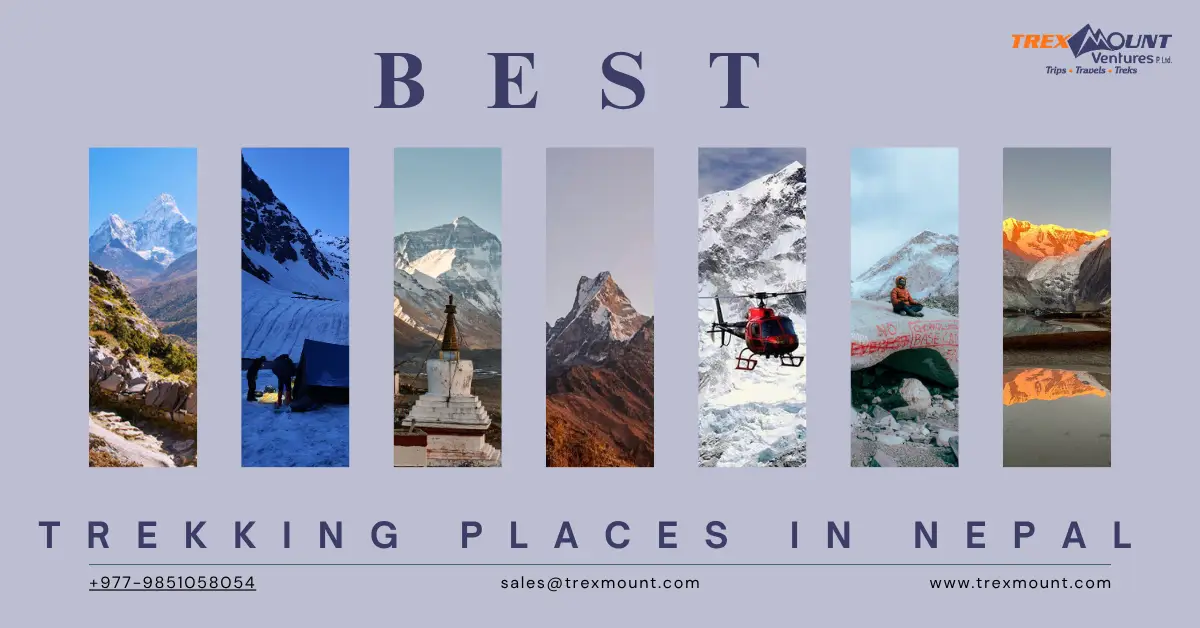
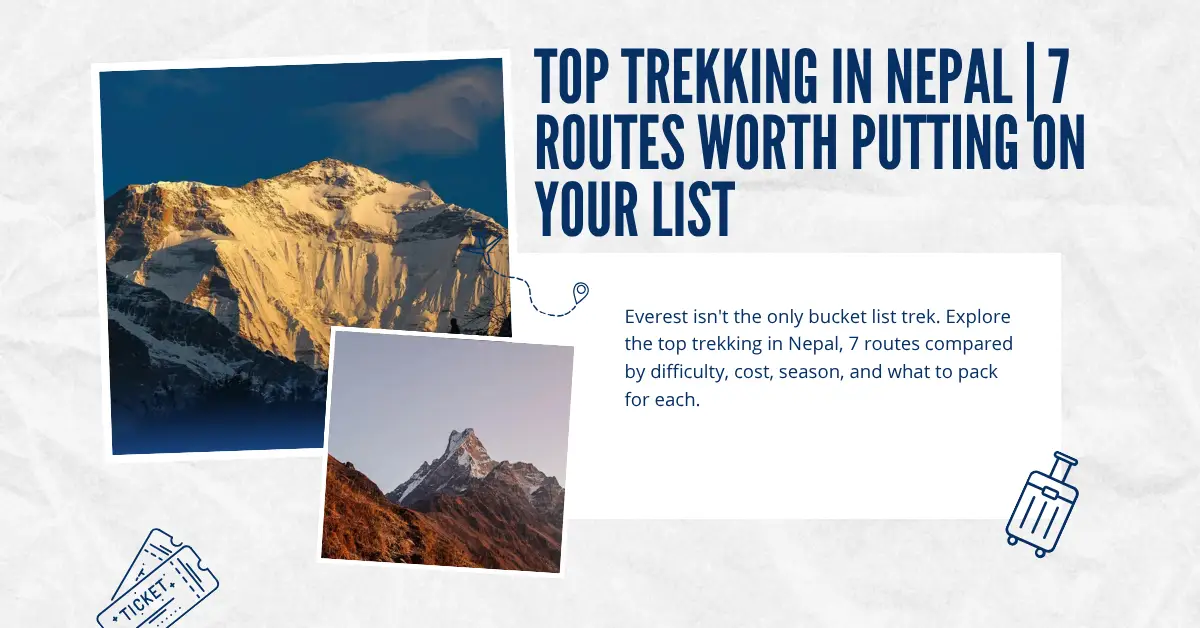
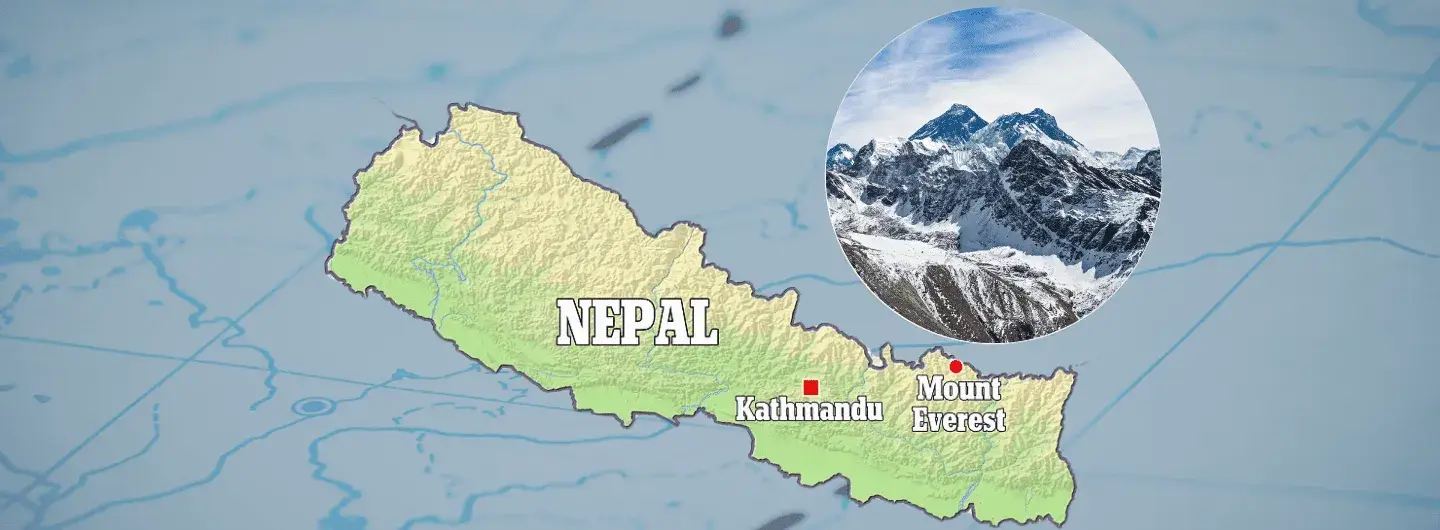
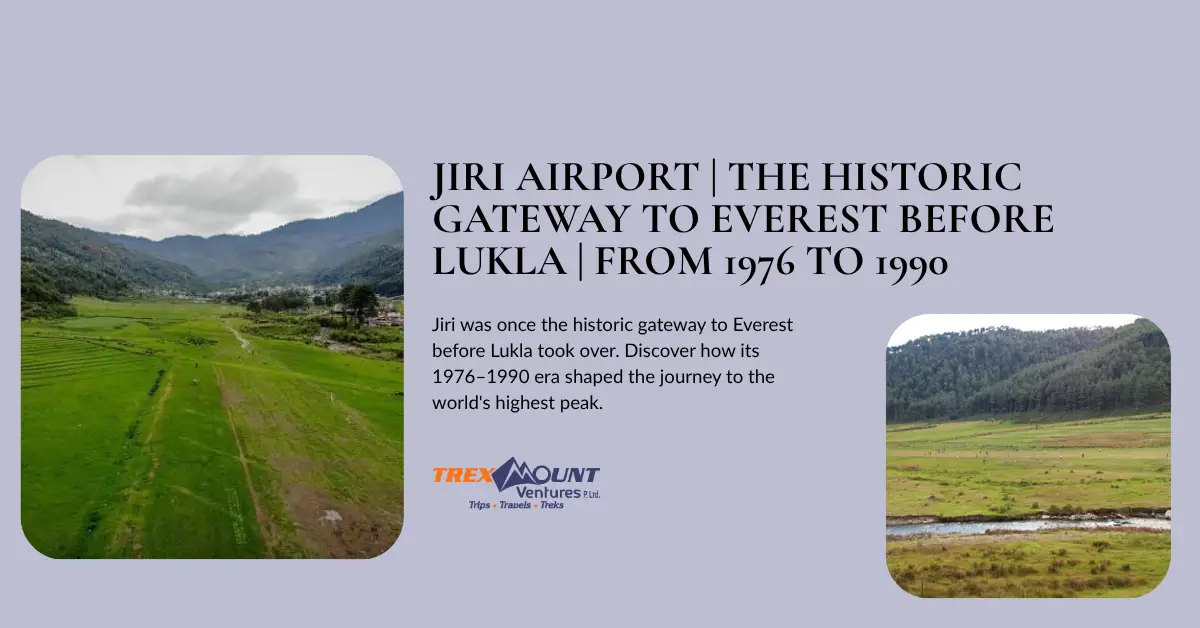
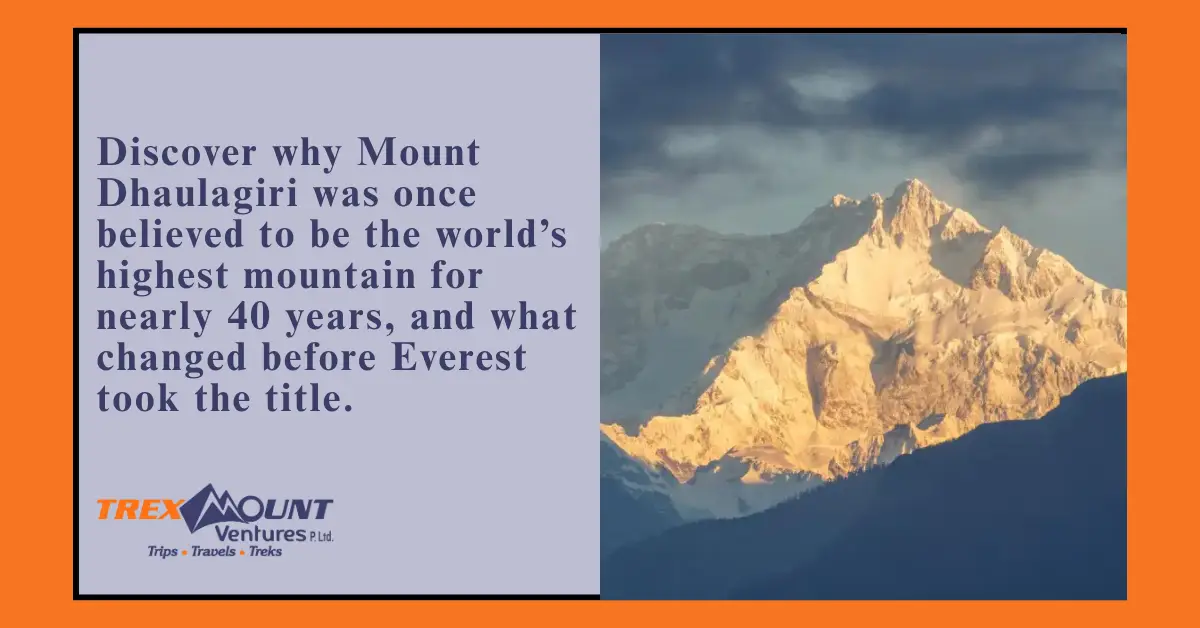

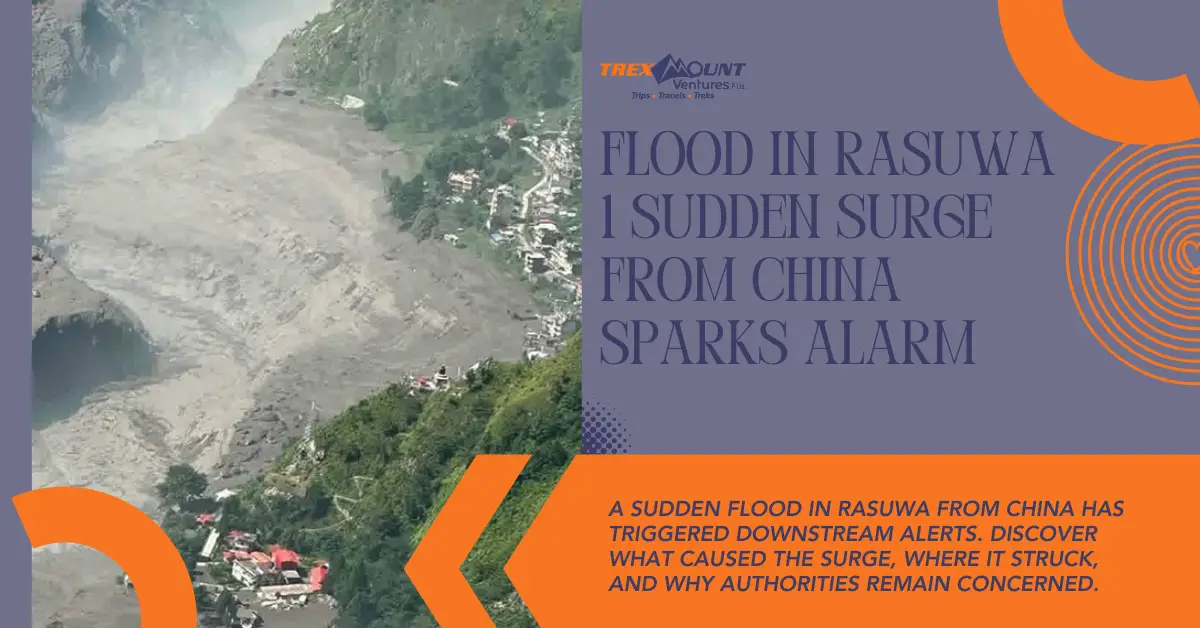
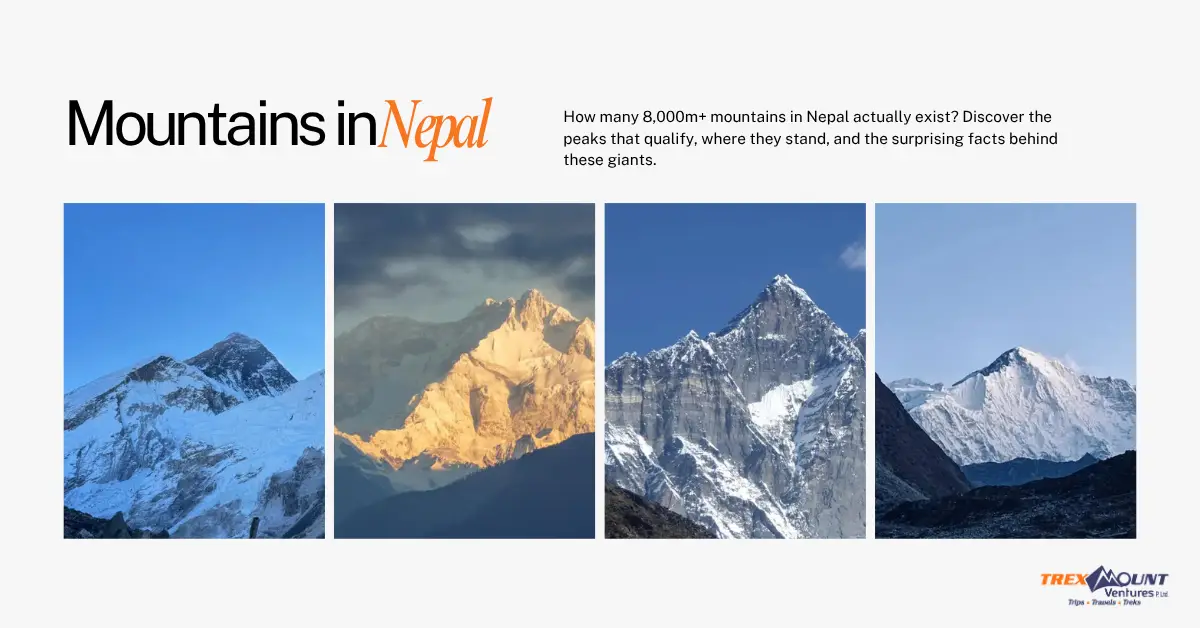
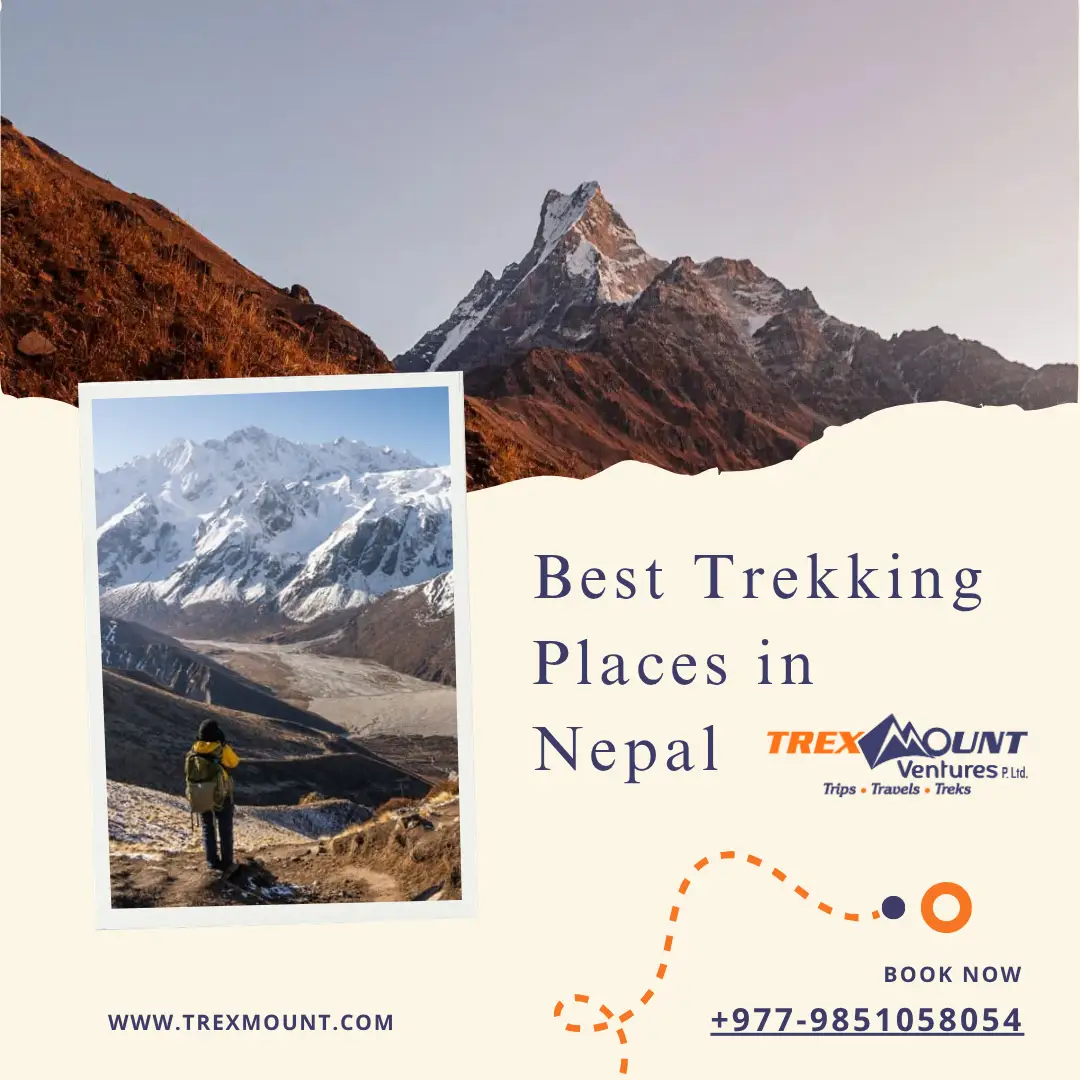
Nepal is not just a country on a map for trekkers, it is a living classroom of geography, culture, and endurance. Having guided and researched trekking routes across the Annapurna, Everest, Langtang, and Manaslu regions for years, one truth becomes clear early on: the mountains reward preparation and punish assumptions. Anyone can look at a photo of Everest Base Camp and want to go. Fewer people understand that success on that trail depends on choosing the Best season for trekking in Nepal, matching the route to their fitness level, and trekking with people who actually know the terrain.
This guide is built from real trekking experience, cross-checked against permit regulations, altitude safety guidelines, and years of on-ground observation of how weather actually behaves in each region, not just how it is described in outdated brochures. Whether you are planning your first Himalayan trek or your fifth, this breakdown of the Best trekking Places in Nepal will help you plan with confidence rather than guesswork.
New trekkers often ask which trek is "the best," but the more useful question is: best for what, and best when? A trail that is spectacular in October can be a miserable, socked-in slog in July. A route that feels crowded in peak autumn can feel like a private wilderness experience in the shoulder months. Understanding Nepal's seasonal patterns is not a minor detail, it is the single biggest factor separating a trip people rave about for years and one they regret.
Nepal's geography spans subtropical river valleys, temperate mid-hills, and trans-Himalayan desert plateaus, sometimes within the same trekking region. That diversity is part of what makes Nepal trekking so rewarding, but it also means there is no single "best month" that applies to every trail. The real answer depends on elevation, rain-shadow position, and how exposed a route is to monsoon weather systems coming up from the Bay of Bengal.
Spring is widely regarded as one of the best windows for trekking in Nepal. Rhododendron forests bloom in shades of red and pink through the mid-hills, daytime temperatures are comfortable, and visibility on high passes is generally strong. This is also the Everest climbing season, which adds a unique energy to the Khumbu trails as expedition teams move through base camp.
Most of Nepal's central and eastern trekking regions receive heavy rainfall during these months, which brings leech-heavy trails, cloud cover that blocks mountain views, and a higher risk of landslides on certain routes. However, this is not a dead season for everyone. Regions sitting in the rain shadow of the Himalayan range, Upper Mustang being the standout example, stay dry and are arguably at their best during summer.
This is the season most trekking operators, including experienced ones, will point to as the Best season for trekking in Nepal overall. Post-monsoon skies are washed clean, humidity drops, and mountain visibility is typically at its yearly peak. Temperatures are stable enough for comfortable trekking at most altitudes without being extreme. It is also, for the same reasons, the busiest season on popular routes.
Winter is underrated. High mountain passes like Thorong La or Larke La may close or become dangerous due to snow, but lower-altitude treks remain fully accessible and far quieter. For trekkers who value solitude over crowded teahouses, winter treks in regions like Ghorepani or lower Annapurna offer excellent value.
Matching your trip to these patterns is the foundation of choosing the Best trekking Places in Nepal that will actually deliver on their reputation.
Few treks carry the symbolic weight of walking toward the base of the world's highest mountain. The Everest Base Camp trail winds through Sherpa villages, past monasteries draped in prayer flags, and through increasingly dramatic alpine terrain before reaching the foot of Everest itself.
This trek consistently ranks among the Best trekking Places in Nepal for a reason: the payoff at Kala Patthar, with Everest, Nuptse, and Lhotse laid out in front of you, is unmatched. Trekkers who have done this route repeatedly note that autumn mornings offer the clearest, calmest views before afternoon cloud buildup rolls in, a detail that only becomes obvious after multiple seasons on the trail, not from a single visit.
The Annapurna Base Camp trek is often the first major Himalayan trek people attempt, and for good reason. The route moves through an extraordinary range of landscapes, terraced rice fields, dense rhododendron forest, and finally a natural amphitheater of peaks surrounding the base camp itself.
Because it does not require restricted-area permits and has well-developed teahouse infrastructure, this route is frequently recommended for first-time trekkers exploring the Best trekking Places in Nepal without needing extensive prior mountain experience.
Langtang sits closer to Kathmandu than either Everest or Annapurna, yet it remains noticeably less crowded. The valley was heavily affected by the 2015 earthquake, and the recovery of both the trail and its communities is itself part of what makes trekking here meaningful, visitors directly support a region actively rebuilding.
For trekkers who want authentic mountain culture without the crowds of the more famous circuits, Langtang holds its own among the Best trekking Places in Nepal.
Manaslu Circuit is not a beginner's trek. Circling the eighth-highest mountain in the world, it is a restricted-area route requiring a special permit and, by regulation, a licensed guide. The reward for that added complexity is a wilderness experience that feels far more remote than the standard commercial circuits.
Given the remoteness, timing here is not a matter of preference but of safety. Attempting the Larke Pass outside the recommended windows significantly raises the risk of dangerous weather exposure.
If there is one trek on this list suited to nearly any trekker, it is Ghorepani Poon Hill. The route is short, often completed in 6–10 days, and culminates in a sunrise viewpoint overlooking the Annapurna and Dhaulagiri ranges that regularly appears on lists of the most beautiful sunrise spots in the world.
Because it balances accessibility with genuine mountain scenery, this trek is frequently the entry point people use before attempting more demanding routes among the Best trekking Places in Nepal.
Upper Mustang flips the usual seasonal logic on its head. Sitting in the rain shadow of the Annapurna and Dhaulagiri massifs, it receives minimal monsoon rainfall, making summer, typically the worst season for Nepal trekking overall, its strongest window.
For trekkers determined to travel during the monsoon months when most of Nepal is soaked in cloud and rain, Upper Mustang is the clear answer, and arguably represents the Best season for trekking in Nepal turned on its head for this specific region.
Gokyo Lakes offers an alternative, and for many, a preferable, experience to the standard Everest Base Camp trail. The route passes a series of turquoise glacial lakes before climbing to Gokyo Ri, a viewpoint that rivals Kala Patthar for its panorama of Everest, Cho Oyu, Makalu, and Lhotse.
Trekkers who have completed both routes often describe Gokyo as the quieter, equally rewarding sibling of Everest Base Camp, a strong pick among the Best trekking Places in Nepal for those wanting a similar payoff without the same crowd density.
Kanchenjunga is Nepal's most remote major trekking region, circling the world's third-highest mountain along the Nepal-India border. This is not a trek for casual hikers, it demands strong fitness, prior high-altitude experience, and serious logistical planning, often involving 20+ days on the trail.
For serious adventure trekkers seeking the rawest version of the Best trekking Places in Nepal, Kanchenjunga delivers an experience closer to expedition trekking than a standard commercial route.
Rather than thinking in broad seasons alone, it helps to break the year down further:
Thinking in these narrower windows, rather than just "spring or autumn," gives a more accurate picture of the Best season for trekking in Nepal for your specific route and goals.
Not every trekker needs the same trip, and the "best" trek genuinely depends on who is asking:
This is where many guides fall short, they list treks and seasons but skip the part that determines whether a trip is actually safe and well-run. If you are researching the Best Trekking Company in Nepal for your trip, here is what genuinely matters, based on what separates well-run operations from risky ones:
Operators like Trexmount Ventures are frequently cited in this space specifically because they combine local, on-the-ground knowledge of terrain and weather patterns with the administrative rigor, permits, safety planning, and guide training, that separates a well-organized trek from a risky one. When researching the Best Trekking Company in Nepal for your own trip, use this list as a checklist rather than taking marketing claims at face value.
A few non-negotiables apply across nearly every trek on this list:
For most treks, spring (March–May) and autumn (September–November) offer the most stable weather, clearest mountain visibility, and safest high-altitude conditions. Exceptions exist, most notably Upper Mustang, which favors the summer monsoon months.
Yes, though options are limited. Rain-shadow regions like Upper Mustang and parts of Dolpo remain dry and scenic even while the rest of the country experiences heavy rainfall.
Yes, particularly for lower-altitude routes like Ghorepani Poon Hill, where high passes aren't a factor. Higher routes with mountain passes, such as Manaslu or Everest's high sections, become far riskier in winter.
Ghorepani Poon Hill, Annapurna Base Camp, and Langtang Valley are generally recommended for first-time trekkers due to moderate difficulty, reliable teahouse infrastructure, and manageable altitude profiles.
Verify that the operator holds proper licensing, has direct experience specifically on that route (not just general Nepal trekking experience), handles all required permits transparently, and provides clear safety and evacuation protocols before you book.
Trekking in Nepal is not a one-size-fits-all experience, and the trails that make this country legendary reward those who plan with real information rather than assumptions. Understanding the Best season for trekking in Nepal for your specific route, matching the trek to your actual fitness and experience level, and choosing a knowledgeable, transparent operator are the three decisions that most determine whether your trip becomes the trip of a lifetime or a frustrating, weather-battered slog.
The eight treks covered here, Everest Base Camp, Annapurna Base Camp, Langtang Valley, Manaslu Circuit, Ghorepani Poon Hill, Upper Mustang, Gokyo Lakes, and Kanchenjunga Base Camp, represent the breadth of what makes Nepal one of the world's premier trekking destinations. Each has its own personality, difficulty level, and ideal season. Whichever you choose among the Best trekking Places in Nepal, respecting the mountains, preparing properly, and trekking with people who genuinely know the terrain will make all the difference between a good trip and an unforgettable one.

Welcome to Trexmount Ventures !