 Trexmount Ventures

Popular Searches
Ready to plan your next getaway? Let’s connect and create something incredible together.

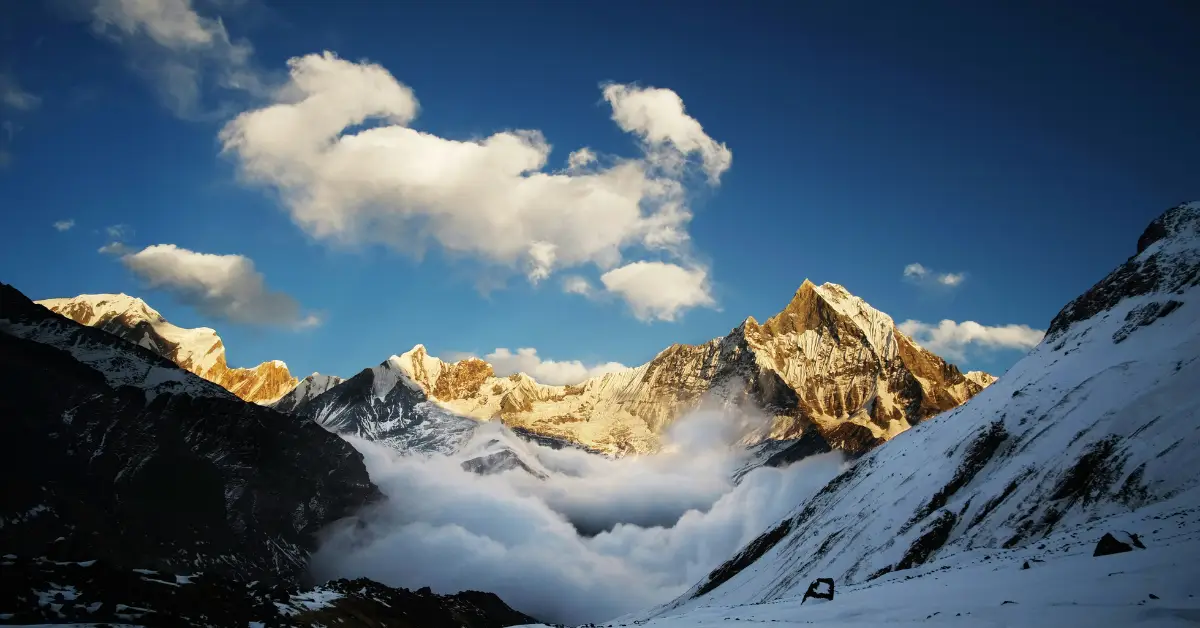

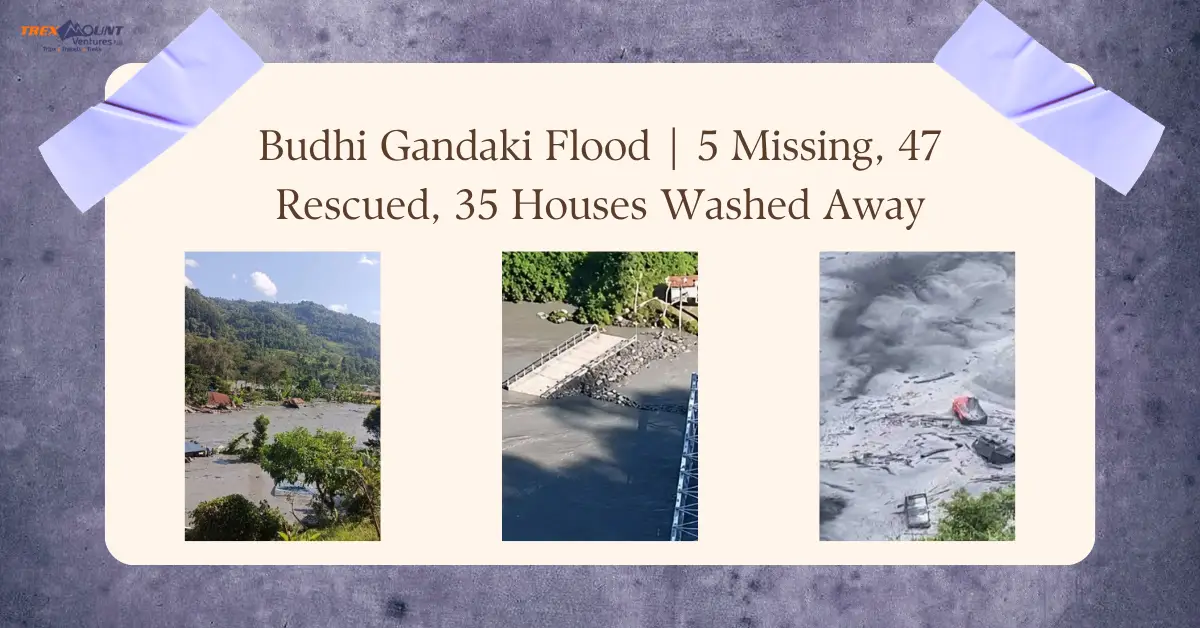

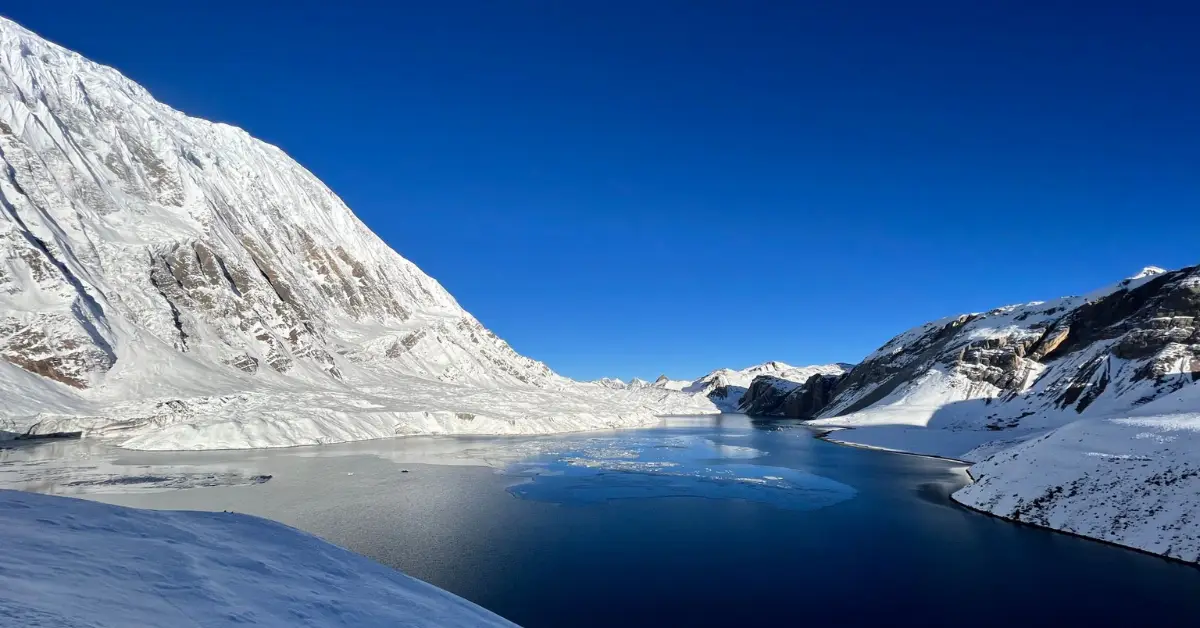
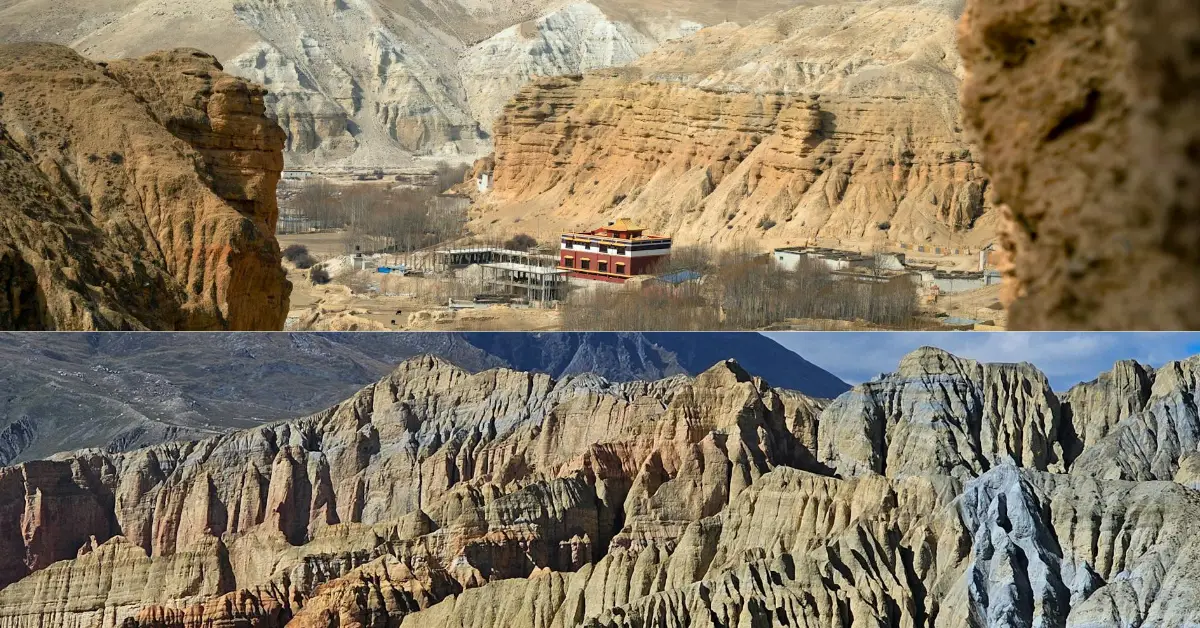

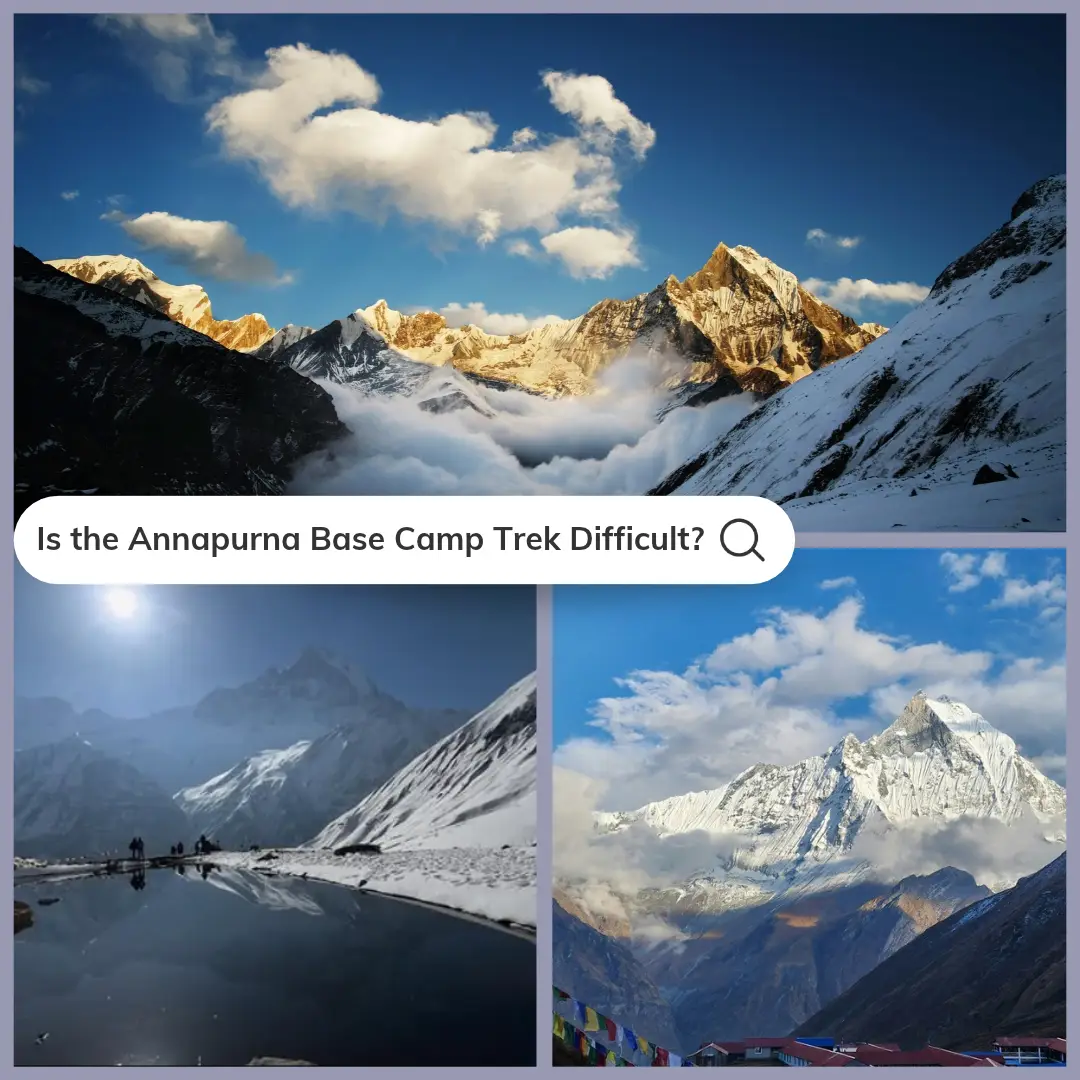
The Annapurna Base Camp Trek is considered a moderate-level trek in Nepal. It is not an easy walk, but most people with reasonable fitness, proper preparation, and a well-planned itinerary can complete it without previous high-altitude trekking experience. The main challenges are the long walking days, steep stone staircases, continuous elevation gain, and the risk of altitude sickness as you approach 4,130 metres.
For beginners, the trek offers a rewarding introduction to the Himalayas. However, reaching Annapurna Base Camp requires more than simply enjoying mountain views. You need to prepare your body, understand the trail, and give yourself enough time to adjust to the altitude.
This guide from Trexmount Ventures explains the Annapurna Base Camp Trek difficulty level, fitness requirements, daily walking hours, altitude challenges, preparation tips, and estimated costs so you can decide whether this Himalayan adventure is right for you.
The Annapurna Base Camp Trek is moderately difficult, primarily because of its physical demands rather than technical climbing. You do not need mountaineering skills, ropes, or specialized climbing equipment. Instead, you should be comfortable walking for several hours on uneven mountain trails, climbing stone steps, and handling changes in weather and altitude.
The trek reaches an elevation of 4,130 metres at Annapurna Base Camp, inside the Annapurna Sanctuary. Although this is lower than Everest Base Camp, the altitude is still high enough to cause altitude-related illness.
The Annapurna Base Camp Trek difficulty level depends on several factors:
Therefore, the Annapurna Base Camp Trek is achievable for many reasonably fit travellers, but it should not be treated as a casual hiking holiday.
The trek combines several physical challenges. While the trail does not require technical climbing, the accumulated effort over multiple days can be demanding.
The Annapurna Base Camp Trek elevation gain is one of the biggest reasons the journey feels difficult. Starting from lower villages, the trail gradually climbs through forests, traditional settlements, and alpine landscapes before reaching the base camp.
Annapurna Base Camp sits at approximately 4,130 metres (13,550 feet) above sea level. Machhapuchhre Base Camp, another important stop, is around 3,700 metres.
As you gain elevation, the amount of available oxygen decreases. Consequently, walking at the same speed that felt comfortable at lower elevations may become tiring.
The route also includes repeated ascents and descents. For example, the trail between Chhomrong and Bamboo involves descending toward the river before climbing again. These changes in elevation can put additional pressure on your knees and leg muscles.
The Annapurna Base Camp Trek daily walking hours generally range from 4 to 7 hours, depending on the route, weather, walking pace, and overnight location.
Some days are relatively short, while others involve longer climbs and descents. A typical trekking day includes:
The journey to Annapurna Base Camp is usually shorter than some of the longer trekking days. However, the return journey can be physically demanding because of the distance and accumulated fatigue.
For this reason, a realistic itinerary is important. Walking slowly and consistently is generally more effective than trying to finish the trail quickly.
Annapurna Base Camp Trek altitude sickness is a concern because the route reaches above 4,000 metres, so, some might ask, “Is ABC Trek Risky?".
Acute Mountain Sickness (AMS) can affect anyone, regardless of age, fitness, or previous trekking experience. It usually develops after ascending too quickly, particularly when the body has not had enough time to adjust to the lower oxygen levels.
Common symptoms include:
Headache
Nausea or loss of appetite
Dizziness
Unusual tiredness
Difficulty sleeping
Mild symptoms should never be ignored. If symptoms worsen, you should stop ascending and seek advice from your guide or a medical professional.
Severe altitude illness can become life-threatening. Confusion, difficulty walking straight, or breathlessness at rest require urgent medical attention and descent.
To reduce the risk:
The Annapurna Base Camp Trek fitness requirements are manageable for people who exercise regularly. You do not need to be an athlete, but you should be able to walk for several hours while carrying a light daypack.
A good fitness level helps you manage the Annapurna Base Camp Trek challenges, especially the steep climbs and long descents.
Before starting the trek, you should ideally be comfortable with:
Your fitness level matters, but it is not the only factor. Walking slowly, eating properly, sleeping well, and following your guide's instructions can make a significant difference.
Yes, the Annapurna Base Camp Trek for beginners is a realistic option, provided they are physically prepared and understand the challenges.
Many first-time trekkers complete ABC without previous Himalayan trekking experience. However, beginners should avoid rushing the itinerary or assuming that a beautiful trail will always be easy.
The trek is suitable for beginners who:
If you are completely new to trekking, start with shorter hikes and gradually increase your distance and elevation.
Good preparation can make the Annapurna Base Camp Trek difficulty level feel much more manageable. Ideally, begin preparing 6–8 weeks before departure.
Walking, jogging, cycling, swimming, and stair climbing are useful ways to improve endurance.
Start with shorter sessions and gradually increase the duration. Aim to develop the ability to exercise continuously for 45–60 minutes without becoming excessively tired.
The Annapurna Base Camp Trek elevation gain and steep descents can place considerable stress on your legs.
Include exercises such as:
These exercises help improve strength and stability, particularly when walking downhill.
Walk on hills or stairs while carrying a lightweight backpack. This helps your body adjust to the additional weight you will carry during the trek.
Start with a light load and gradually increase it. Avoid carrying unnecessary items.
The right equipment can make the Annapurna Base Camp Trek challenges easier to manage.
Essential items include:
One of the most useful Annapurna Base Camp Trek preparation tips is to avoid walking too quickly.
A steady pace helps conserve energy and makes it easier to manage your breathing at higher elevations. Take regular breaks, eat enough food, and communicate with your guide if you feel unusually tired.
Remember, the goal is not to reach the destination first. It is to complete the trek safely and enjoy the journey.
The best seasons for the Annapurna Base Camp Trek are spring and autumn. During these periods, the weather is generally more favourable, and mountain views are often clearer.
Spring brings warmer temperatures, blooming rhododendrons, and colourful forests.
It is an excellent time for trekkers who want to experience the Annapurna region's natural beauty. However, afternoon clouds and occasional rain can affect visibility.
Autumn is one of the most popular seasons for trekking in Nepal.
The monsoon usually clears the atmosphere, providing excellent mountain views. However, popular villages and teahouses can become crowded, especially in October.
Winter offers quieter trails and beautiful snow-covered landscapes.
However, temperatures can drop significantly at higher elevations. Snow and ice may also make the trail more difficult, particularly above Deurali and around Machhapuchhre Base Camp.
The monsoon season brings heavy rainfall, muddy trails, leeches, and an increased risk of landslides.
Although trekking is possible during some periods, trail conditions can change quickly. Therefore, travellers should check current weather and route conditions before departure.
The Annapurna Base Camp Trek cost depends on your itinerary, group size, accommodation, transportation, and level of service.
A guided trek generally costs more than an independent trek. However, it can provide better logistical support, experienced guidance, and assistance with permits and accommodation.
Trexmount Ventures offers an Annapurna Base Camp Trek Package with organized transportation, accommodation, meals, trekking permits, and professional guide services.
The listed 16-day package has a standard price of approximately USD 1,190 per person, with promotional pricing subject to availability.
The package includes:
The package generally excludes international airfare, travel insurance, rescue charges, personal expenses, tips, and certain drinks. Before booking, confirm the latest package price, inclusions, and departure schedule. These details can change depending on the season and availability.
For many travellers, a guided trek offers better convenience and peace of mind.
An experienced guide can help manage the daily schedule, assess trail conditions, explain local culture, and recognize possible altitude-related problems.
Moreover, a well-organized Annapurna Base Camp Trek Package allows you to focus more on the experience rather than arranging every logistical detail yourself.
However, a guide does not eliminate the physical demands of the trek or guarantee safety. Your preparation, decisions, and willingness to follow altitude precautions remain important.
The Annapurna Base Camp Trek for beginners is manageable if you have reasonable fitness and prepare properly. You do not need previous high-altitude trekking experience or mountaineering skills. However, you should be comfortable walking for 5–7 hours daily, climbing steep stairs, and adjusting to higher elevations. Start training several weeks before your trip and choose an itinerary that allows you to walk at a comfortable pace.
The Annapurna Base Camp Trek is generally considered moderate, while Everest Base Camp is often rated moderate to challenging. ABC reaches 4,130 metres, whereas Everest Base Camp reaches approximately 5,364 metres. Although ABC is lower, its steep stone staircases and repeated elevation changes can be physically demanding. Both treks require proper fitness, preparation, and awareness of altitude sickness.
The Annapurna Base Camp Trek daily walking hours usually range from 4–7 hours. The exact duration depends on your starting point, walking speed, trail conditions, and overnight destination. Some days involve gradual climbs, while others include steep descents and long distances. Walking slowly, taking regular breaks, and maintaining a steady pace can make the journey more comfortable.
Annapurna Base Camp is located at approximately 4,130 metres (13,550 feet) above sea level. Machhapuchhre Base Camp, another major stop, is around 3,700 metres. At these elevations, oxygen availability is lower than at sea level. Therefore, trekkers should follow a gradual ascent and understand the symptoms of altitude sickness before beginning their journey.
Yes, an overweight person can complete the Annapurna Base Camp Trek if they have sufficient fitness and no medical condition that makes trekking unsafe. Body weight alone does not determine trekking ability. Cardiovascular endurance, leg strength, walking experience, and recovery are more useful indicators. Begin with regular walking and gradually increase the distance. If you have health concerns, consult a healthcare professional before travelling.
The Annapurna Base Camp Trek preparation tips include regular walking, stair climbing, cardiovascular exercise, and leg-strengthening workouts. Start training 6–8 weeks before departure, if possible. Practise walking on hills while carrying a light backpack. Gradually increase your exercise duration and avoid sudden increases in training intensity. Proper footwear and a comfortable walking pace also help reduce fatigue during the trek.
Altitude sickness can occur on the Annapurna Base Camp Trek because the route reaches above 4,000 metres. Anyone can develop symptoms, regardless of fitness or age. Headache, nausea, dizziness, and unusual fatigue are common warning signs. Ascend gradually, inform your guide if you feel unwell, and avoid going higher when symptoms worsen. Severe symptoms require immediate medical attention and descent.
Yes, for many trekkers, the experience is worth the physical effort. The trail passes through traditional Gurung villages, lush forests, waterfalls, and dramatic mountain landscapes. At the base camp, Annapurna I and surrounding Himalayan peaks create an impressive natural amphitheatre. The journey also offers cultural experiences and opportunities to enjoy the peaceful mountain environment. Proper preparation makes the experience more rewarding.
The Annapurna Base Camp Trek cost varies according to the itinerary, group size, accommodation, transportation, and included services. A guided package may cost several hundred to over a thousand US dollars per person. Trexmount Ventures lists a 16-day standard package at approximately USD 1,190 per person, subject to current availability and promotional pricing. Always confirm inclusions and exclusions before booking.
The most difficult part of the Annapurna Base Camp Trek is often the combination of steep stone staircases, continuous elevation gain, and reduced oxygen at higher elevations. The trail between Chhomrong and Bamboo includes demanding ascents and descents, while the approach to Deurali and Machhapuchhre Base Camp can feel tiring. The final ascent to ABC is also challenging because of the altitude. Walking slowly and following a sensible itinerary helps manage these challenges.
The Annapurna Base Camp Trek is more than a physical challenge. It is an opportunity to walk through beautiful Himalayan landscapes, experience Nepalese mountain culture, and stand beneath some of the world's highest peaks.
With proper preparation, a realistic itinerary, and experienced local guidance, the journey can be an achievable and rewarding adventure.
At Trexmount Ventures, we organize trekking experiences with a focus on safety, local knowledge, reliable arrangements, and genuine Himalayan hospitality. Our Annapurna Base Camp Trek Package is designed to help you enjoy the journey while our team takes care of the essential logistics.
Start planning your Annapurna Base Camp adventure with Trexmount Ventures. Contact our team to discuss your fitness level, preferred dates, group size, and trekking requirements. Let us help you plan a Himalayan journey that suits your pace and expectations.

Welcome to Trexmount Ventures !