 Trexmount Ventures
Trexmount Ventures
Trexmount Ventures

Popular Searches
Ready to plan your next getaway? Let’s connect and create something incredible together.
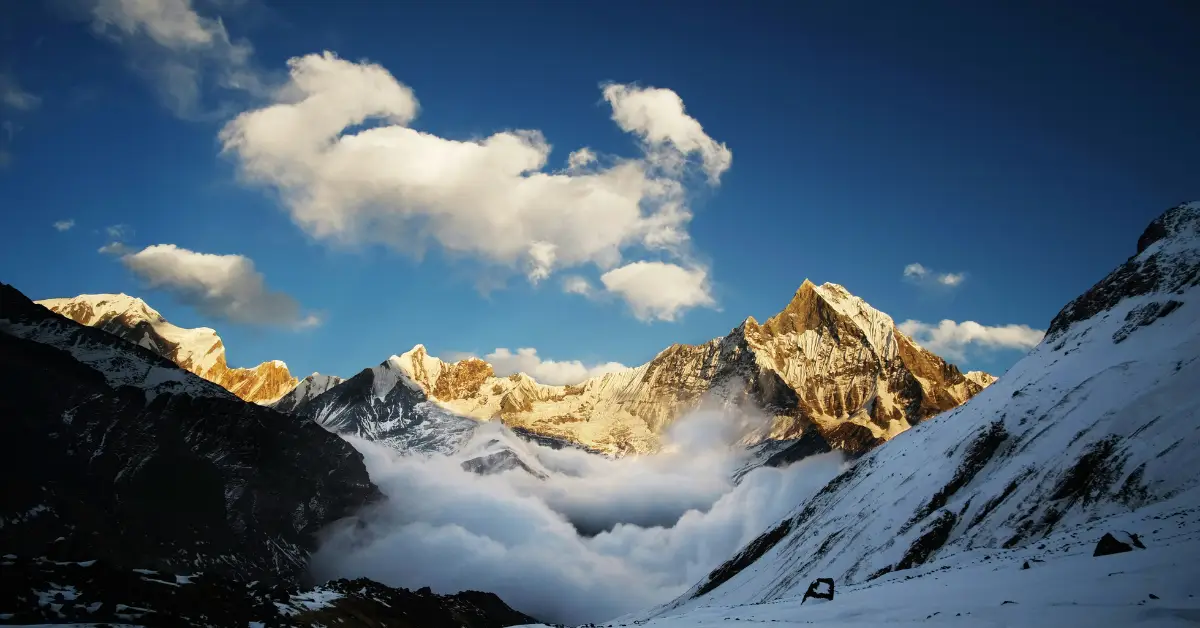

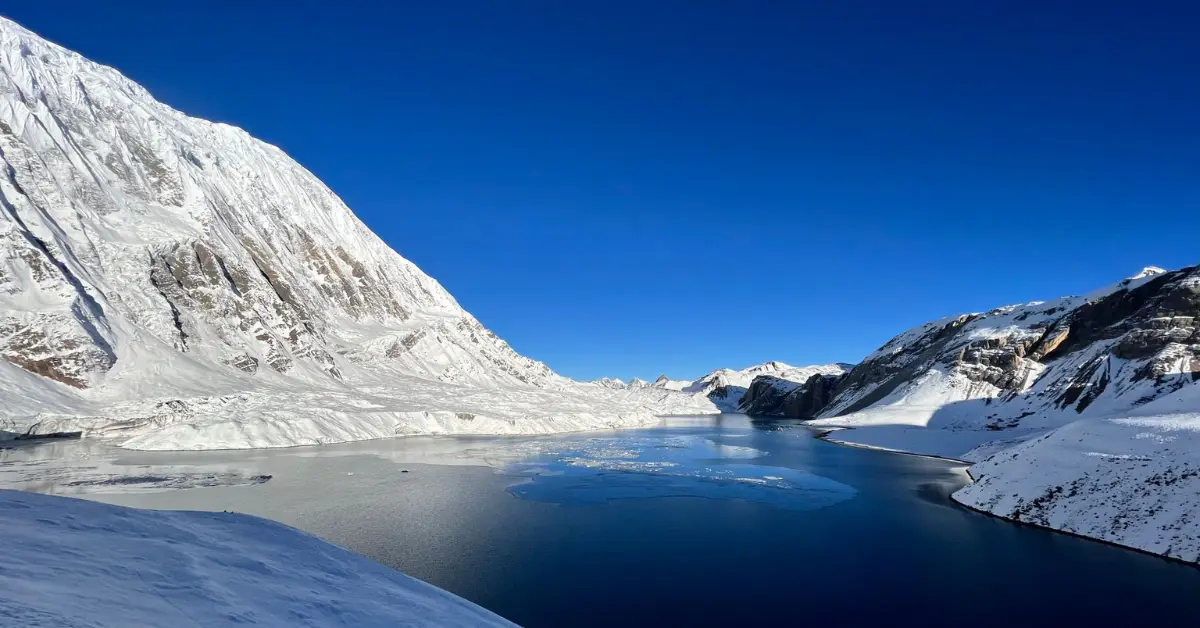

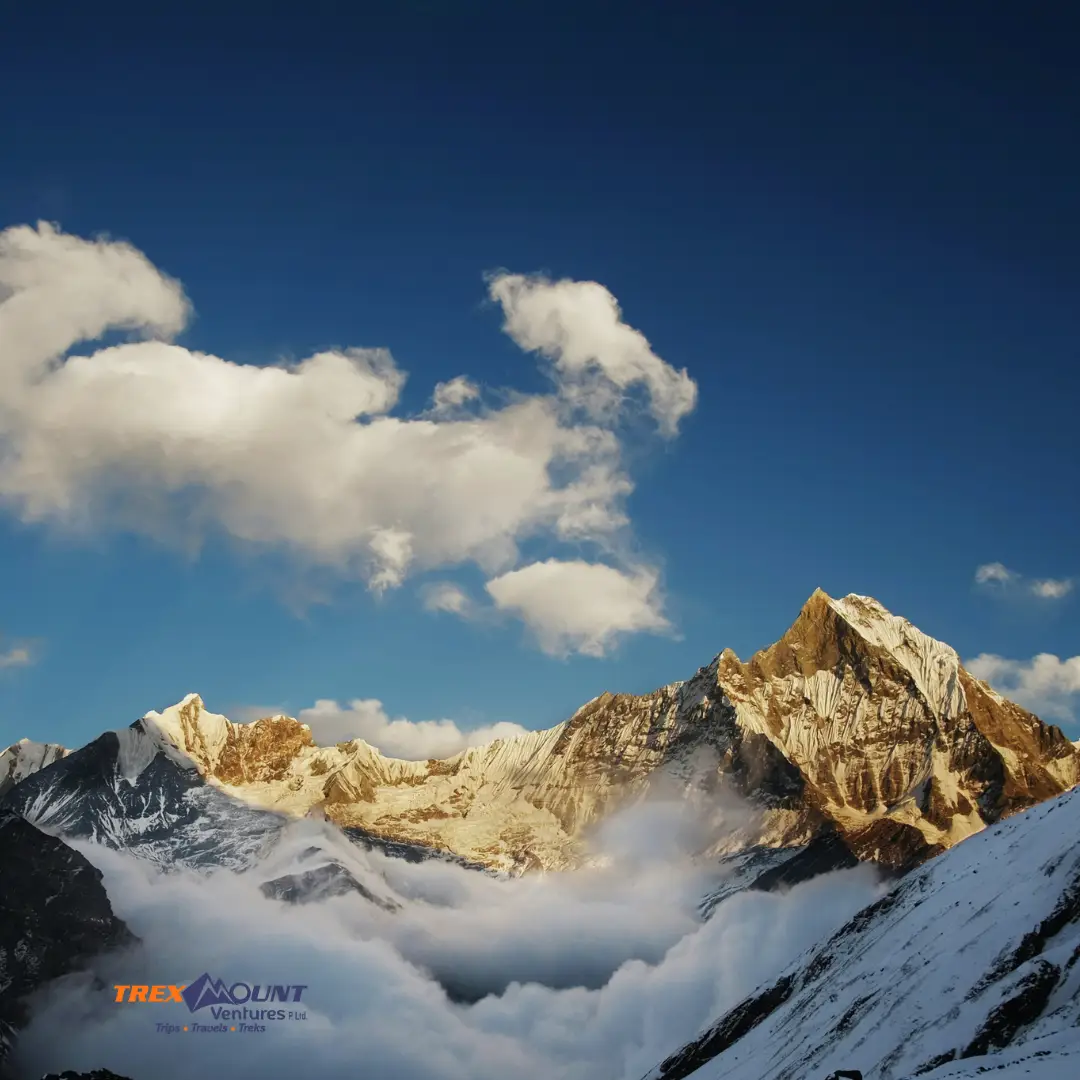
The Annapurna Base Camp (ABC) Trek is one of Nepal’s most rewarding Himalayan adventures, taking trekkers through traditional mountain villages, lush rhododendron forests, deep river valleys, and dramatic alpine landscapes. The journey culminates at Annapurna Base Camp, at an elevation of approximately 4,130 metres (13,550 feet), surrounded by towering Himalayan peaks.
How long is the trek to Annapurna Base Camp? Most trekkers need around 7–12 days for the trekking journey, depending on their starting point, walking pace, route, and available time. When travel from Kathmandu and Pokhara is included, the complete trip can take longer. Trexmount Ventures also offers a longer itinerary designed to include additional travel and trekking experiences.
Planning the right number of days is important because the trek involves steep stone staircases, substantial elevation changes, and several hours of walking each day. This guide explains the trek duration, a practical ABC Trek Itinerary, how to understand an ABC Trek Map, and what to prepare before setting off.
The Annapurna Base Camp Trek duration depends on whether you want a short, direct route or a more relaxed experience with extra stops.
These are planning ranges rather than fixed schedules. Road conditions, weather, trail conditions, and individual fitness can affect the actual duration. Trexmount Ventures' published Annapurna Base Camp package is presented as a 16-day experience, while its shorter ABC package is designed around 10 days.
It is important to distinguish the time spent walking on the trail from the total duration of your holiday. A 10-day package may include travel between cities, while another itinerary may allocate most of those days to trekking.
Before booking, check whether the schedule includes:
For most travellers, allowing a little flexibility is better than planning every day around a strict return deadline.
A well-planned itinerary helps you understand how the route progresses from lower villages to the high-altitude Annapurna Sanctuary. The exact overnight stops can vary depending on the trailhead, road access, and the pace of the trekking group.
The following is an illustrative 10-day plan for travellers who want to reach Annapurna Base Camp and return to the Pokhara area. It is a planning example, not a guarantee of a particular operator's daily schedule.
Begin your journey by travelling from Kathmandu to Pokhara by road or flight. Pokhara is the main gateway for the Annapurna region and offers views of the surrounding hills and mountains when the weather is clear.
Use the day to organise your equipment, confirm transport, check the weather forecast, and prepare for the trek. If you arrive late, consider spending an additional night in Pokhara rather than rushing to the trailhead.
After breakfast, travel by road towards the selected trailhead. Depending on road access and the itinerary, the trek may begin near Syauli Bazaar, Kimche, or another accessible point.
The walking route passes terraced fields, forested slopes, and traditional settlements. Ghandruk is a popular village known for its Gurung heritage and mountain views.
Continue through forested paths, village trails, and stone staircases towards Chhomrong. This settlement is an important gateway to the Annapurna Sanctuary route.
Expect some uphill and downhill walking. Although the distance may appear manageable on a map, the repeated elevation changes can make the day physically demanding.
Descend towards the Chhomrong Khola before climbing again through forested terrain. The trail passes bamboo groves and follows sections of the Modi Khola valley.
Bamboo and Dovan are common overnight stops on this route, although the exact destination depends on the group's pace and the itinerary.
Continue through increasingly rugged mountain scenery towards Deurali. Forests gradually give way to more open terrain as the trail climbs higher into the valley.
The altitude becomes more significant at this stage. Walk steadily, drink water regularly, and tell your guide if you develop a headache, nausea, unusual fatigue, or other symptoms of altitude illness.
The trail climbs towards Machhapuchhre Base Camp (MBC), followed by the final section to Annapurna Base Camp.
At approximately 4,130 metres, ABC offers an extraordinary mountain setting, with immense Himalayan peaks rising around the sanctuary. Annapurna I, Annapurna South, Hiunchuli, and Machhapuchhre contribute to the dramatic scenery.
Take time to enjoy the views, but remember that the high altitude can affect your energy and breathing. The objective is to reach camp safely, not to rush.
After experiencing the base camp, begin the return journey. Most itineraries retrace the ascent through MBC, Deurali, and the lower valley.
Descending can feel easier on your breathing, but steep steps and uneven surfaces put considerable strain on the knees. Trekking poles can help with balance and reduce some of the impact.
Continue downhill through the forest and village sections. Depending on the overnight stop selected during the ascent, the group may reach Chhomrong or continue towards Jhinu Danda.
Jhinu Danda is known for its natural hot springs, which many trekkers enjoy after several days on the trail. Access and bathing arrangements may vary with local conditions.
Complete the final walking section to the chosen trailhead, then transfer by road to Pokhara.
Use the evening to rest, enjoy a meal, and recover after the trek. If road conditions are uncertain, avoid arranging an essential international flight for the same day.
Travel back to Kathmandu or continue with your onward plans. This additional day gives you a more comfortable buffer for transport and departure arrangements.
Important: This itinerary is illustrative. Your actual overnight stops and walking stages may differ, particularly if road access allows you to start or finish farther along the trail. For a more detailed operator-specific schedule, consult the Annapurna Base Camp Trek package by Trexmount Ventures.
An ABC Trek Map helps you understand the direction of the trail, the location of overnight stops, the elevation gain, and the distance between villages. It is especially useful when planning daily walking hours and deciding where to include rest breaks.
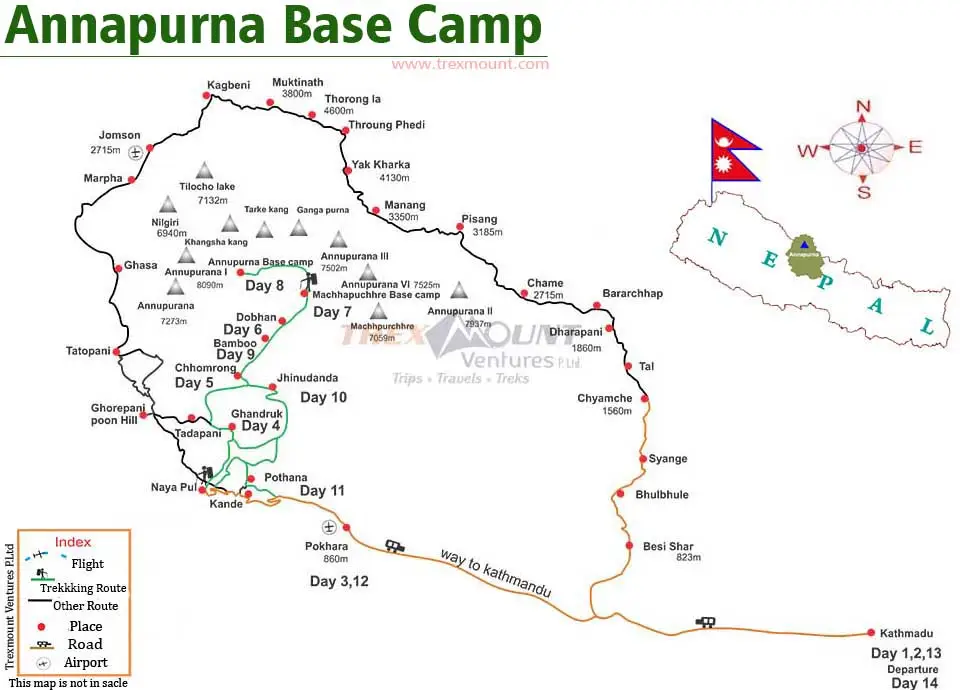
The Annapurna Base Camp route lies within the Annapurna region of Nepal and follows the Modi Khola valley into the Annapurna Sanctuary. Although several route variations are possible, the traditional approach generally passes through Ghandruk or nearby villages, Chhomrong, Bamboo, Dovan, Deurali, and Machhapuchhre Base Camp before reaching ABC.
The total distance depends on the trailhead, road access, route variation, and whether you include additional villages or viewpoints. Some published itineraries estimate approximately 110–115 kilometres for the full round trip, while shorter routes can cover less distance.
Instead of relying on one fixed distance, check your chosen route map for:
Most trekking days involve approximately 4–7 hours of walking, although some days may be shorter or longer. The time depends on the distance, elevation gain, terrain, weather, and your physical condition. Trexmount's route information describes typical daily walking stages within this general range.
A typical day begins with breakfast at the teahouse, followed by several hours on the trail. You stop for water, photographs, snacks, and lunch before continuing to the next overnight destination.
The most demanding sections are not necessarily the longest. Steep stone steps, sustained uphill climbs, and the higher-altitude approach to base camp can require more effort than a longer stretch of relatively flat trail.
To manage your walking time effectively:
Avoid comparing your speed with other trekkers. A steady, sustainable pace is more useful than walking quickly and needing long recovery periods.
Even when two trekkers follow the same route, their total trekking time can differ. Understanding the main factors helps you select an itinerary that matches your ability and schedule.
Trekkers who regularly hike, climb stairs, or perform cardiovascular exercise may find the daily walking stages more manageable. However, fitness does not eliminate the effects of altitude.
First-time trekkers can complete the route with suitable preparation, a realistic itinerary, and appropriate support. You do not need previous mountaineering experience, but you should be prepared for multiple consecutive days of walking.
Road access can change the amount of walking required. Some itineraries start from lower trailheads, while others use road transfers to begin farther along the route.
Road conditions can also change with rainfall, landslides, and local maintenance. Confirm the intended trailhead with your trekking operator before calculating the exact number of walking days.
Rain, snow, mud, and slippery stone steps can slow progress. During periods of poor visibility, your guide may recommend changing the schedule or waiting for safer conditions.
Build flexibility into your travel plans, especially if you have an international flight shortly after returning from the trek.
Annapurna Base Camp stands at approximately 4,130 metres, where lower oxygen availability can make physical activity more demanding. Some trekkers experience headaches, nausea, dizziness, or unusual fatigue.
A slower pace and sensible ascent plan are important. If altitude symptoms worsen, stop ascending and seek advice from your guide. Severe symptoms require urgent medical attention and descent; do not continue upward simply to meet an itinerary deadline.
Some trekkers add a visit to Poon Hill, spend more time in Ghandruk, or include extra recovery days in Pokhara. These additions can make the trip longer but provide more opportunities to enjoy the landscape and local culture.
The most popular periods for the ABC Trek are spring and autumn. Both seasons can offer rewarding mountain views, but weather conditions vary from year to year.
Rhododendron forests bloom at lower elevations, temperatures are generally more comfortable for walking, and mountain scenery can be spectacular on clear days.
Many people favour this season for clearer mountain views after the monsoon, and October and November are popular for trekking. Weather can still change unexpectedly.
Colder temperatures and snow at higher elevations can make the route more challenging.
Heavy rain, leeches at lower elevations, slippery trails, landslides, and limited visibility can affect the experience.
Your season can influence how long the trek takes. Snow, rain, and trail disruptions may require extra time, so check local conditions shortly before departure.
The ABC Trek is generally considered a moderate trek, not a risky one. It is achievable for many reasonably fit travellers, including beginners who prepare properly, but it should not be mistaken for an easy walk.
You will encounter steep stone staircases, long ascents and descents, uneven trails, and several consecutive walking days. The higher sections can feel particularly demanding because of the altitude.
The trek is suitable for people who can:
Start preparing around 6–8 weeks before departure if possible. Adjust the programme to your existing fitness level and increase activity gradually.
Useful training activities include:
Packing appropriately helps you stay comfortable through changing temperatures and conditions. The lower trail may feel warm during the day, while the higher elevations can be cold, especially early in the morning and after sunset.
Essential items include:
Keep your daypack light enough to carry comfortably. If you hire a porter, confirm the weight allowance and what you are expected to carry yourself.
Accommodation on the route generally consists of teahouses, where facilities become simpler at higher elevations. Ask your operator what equipment, meals, and sleeping arrangements are included rather than assuming every item is provided.
Before starting the Annapurna Base Camp Trek, arrange the necessary permits and confirm the current entry requirements for the Annapurna Conservation Area.
Depending on your nationality and the regulations in effect, requirements may include the Annapurna Conservation Area Permit (ACAP), a trekking registration or information card where applicable, and compliance with current guide regulations. Confirm the latest rules with your trekking operator or the relevant Nepal tourism authorities before departure.
Teahouses along the route provide basic accommodation and meals, although availability and facilities vary by location and season. Typical meals include dal bhat, noodles, rice, soups, potatoes, and other local or familiar options.
During busy trekking periods, booking through an experienced operator can help coordinate overnight stops and transport.
A knowledgeable guide can help you navigate the route, understand local culture, manage daily walking stages, and respond to changing weather or trail conditions. A porter can also reduce the weight you carry.
Before booking, confirm that your package clearly explains:
Choosing the right itinerary is about more than reaching Annapurna Base Camp as quickly as possible. Your walking experience, available holiday time, preferred comfort level, and travel arrangements should all influence the plan.
Trexmount Ventures offers an Annapurna Base Camp Trek package with a published 16-day itinerary. Travellers looking for a shorter experience can also review the company's Short ABC Trek package, which is designed around 10 days.
When comparing the options, consider which itinerary gives you sufficient time to enjoy the route without rushing through the higher elevations.
Before confirming your trip, ask the operator to clarify the starting point, daily walking hours, overnight stops, included transfers, permits, and contingency arrangements. These details will help you understand the actual trekking duration rather than relying on the package length alone.
So, how long is the trek to Annapurna Base Camp? For most travellers, a practical estimate is 7–12 days for the trekking journey, with additional time needed for travel depending on the itinerary. A shorter route may suit experienced walkers with limited time, while a longer schedule provides more flexibility and opportunities to explore the Annapurna region.
Reviewing the ABC Trek Itinerary and ABC Trek Map before departure helps you understand the route, plan each walking stage, and prepare for changes in elevation. With appropriate fitness training, suitable equipment, a realistic schedule, and attention to altitude safety, you can make the journey more comfortable and rewarding.
The trek generally takes around 7–12 days, depending on the starting point, route, walking pace, and itinerary. Additional days may be required for travel from Kathmandu and Pokhara.
Most travellers should allow approximately 7–10 days for a typical trekking itinerary from the Pokhara area, depending on the route and transport arrangements.
The total distance varies by route and trailhead. Some itineraries estimate approximately 110–115 kilometres for the round trip, while shorter routes cover less distance.
Annapurna Base Camp is approximately 4,130 metres (13,550 feet) above sea level.
Yes. Beginners with reasonable fitness, adequate preparation, and a suitable itinerary can complete the trek. However, the steep climbs, long walking days, and altitude require careful planning.
October and November are popular months because of generally favourable trekking conditions and mountain visibility. March, April, and May are also popular, particularly for spring flowers.
Most days involve approximately 4–7 hours of walking. Actual walking time depends on elevation gain, distance, terrain, weather, and individual fitness.
A guide is valuable for navigation and safety. Foreign trekkers should confirm and follow Nepal's current trekking regulations regarding licensed guides and permits before departure.
Pack layered clothing, waterproof outerwear, trekking boots, warm gloves, a hat, sunglasses, sunscreen, a refillable water bottle, personal medication, and a first-aid kit.
A five-day itinerary may be possible for some experienced and very fit trekkers using a carefully planned route and transport, but it is rushed and leaves little flexibility. A longer itinerary is generally preferable for safety and enjoyment.

Welcome to Trexmount Ventures !