 Trexmount Ventures
Trexmount Ventures
Trexmount Ventures

Popular Searches
Ready to plan your next getaway? Let’s connect and create something incredible together.


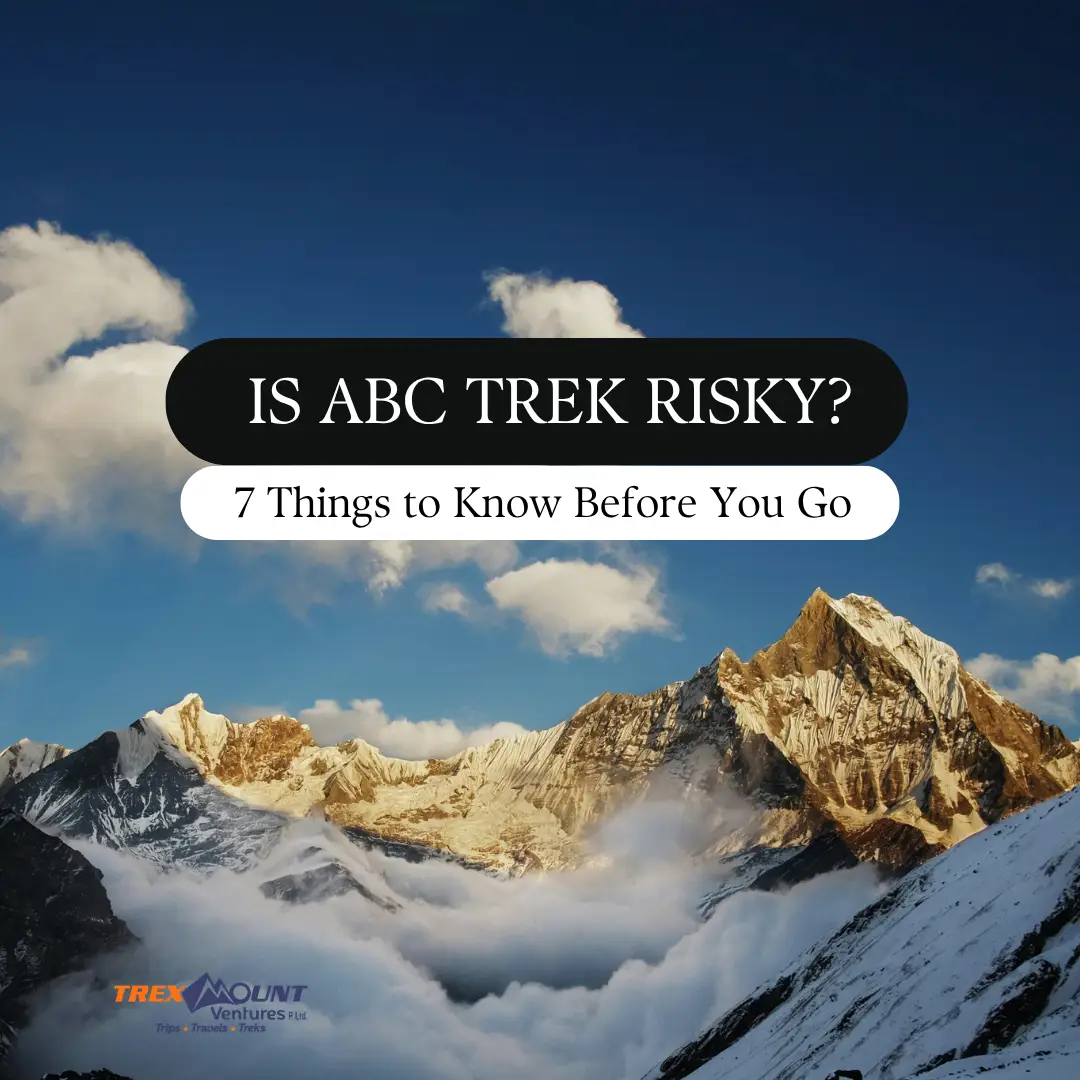
Trekking to Annapurna Base Camp (ABC) is one of Nepal's most rewarding Himalayan adventures, offering close-up views of Annapurna I, Machhapuchhre (Fishtail), Hiunchuli, and other snow-covered peaks. However, the journey involves more than beautiful mountain scenery. Weather changes, landslides, swollen rivers, trail damage, altitude sickness, and difficult road access can all affect your trekking experience.
So, is ABC trek risky? Yes, it involves real risks, but the level of danger depends on the season, current trail conditions, your physical preparation, and how you respond to changing circumstances. With appropriate planning, an experienced guide, and a willingness to postpone travel when conditions are unsafe, many of these risks can be managed.
At Trexmount Ventures, we believe trekkers should understand the potential challenges before setting out for the mountains. Here are seven important things to know about ABC Trek Risk, trail conditions, and preparation before starting your journey.
The Annapurna Base Camp Trek is generally considered a moderate trek rather than a technical mountaineering expedition. You do not need climbing equipment or professional mountaineering experience under normal trekking conditions. However, the route includes steep stone staircases, uneven trails, forest paths, suspension bridges, and sections where weather can make walking more difficult.
The trek typically reaches Annapurna Base Camp at approximately 4,130 meters above sea level. At this elevation, the air contains less available oxygen than at sea level, making altitude-related illness a genuine concern.
The overall ABC Trek Difficulty depends on several factors:
One important distinction is that a route being classified as moderate does not mean it is always safe. A familiar trail can become hazardous following heavy rainfall, a landslide, or snowfall.
Before departure, ask your trekking agency whether the intended route is open and whether recent trekkers have passed through the relevant sections safely. Do not rely exclusively on old travel blogs, previous trip reports, or photographs showing clear trails.
Floods and landslides are among the most important hazards to consider when planning a trek in Nepal, particularly during and after periods of heavy rainfall.
Mountain terrain is steep, river valleys are narrow, and many trekking trails follow hillsides or cross streams. Heavy rain can loosen soil, trigger landslides, damage bridges, wash away footpaths, and block roads connecting trekking destinations.
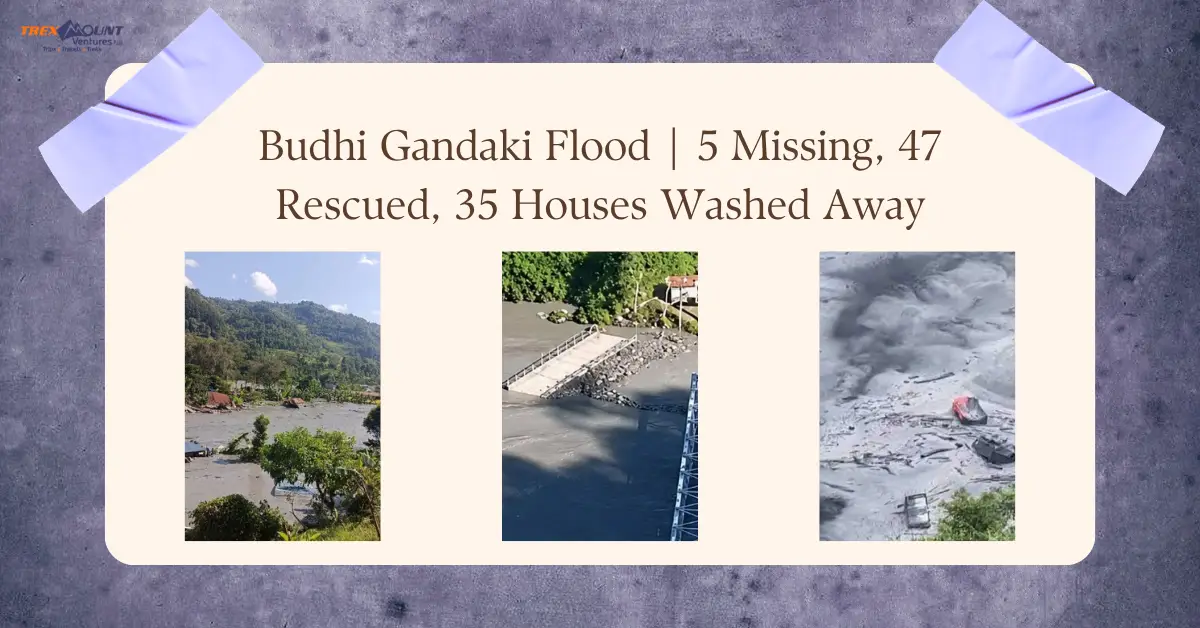
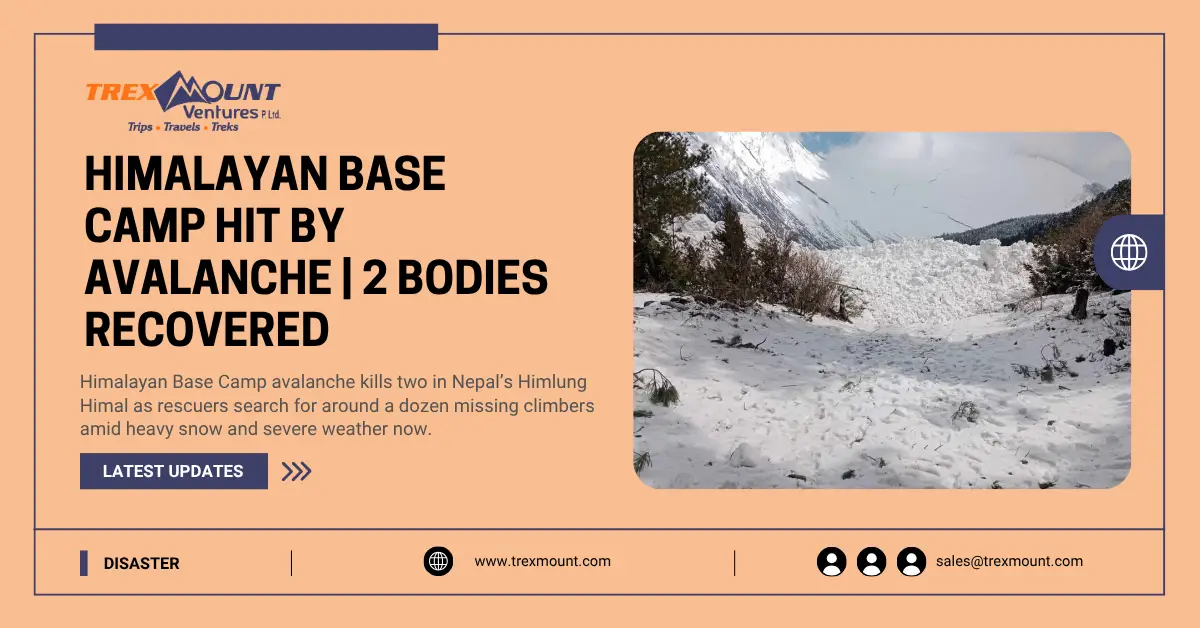
In October 2026, Nepal experienced serious flooding in the Budhi Gandaki corridor after a landslide blocked the river. The flood damaged infrastructure and disrupted access to trekking routes. The Nepal Tourism Board subsequently advised travellers in affected areas to avoid flooded river crossings, follow local authorities' instructions, and verify trail conditions before continuing
Although the reported disaster affected the Manaslu region, the wider lesson applies to trekking across Nepal: conditions in one trekking region cannot automatically be used to determine the safety of another.
Depending on the weather and the exact route, landslides can affect:
A trail may be passable one day and unsafe the next. Even when rainfall stops, saturated ground can remain unstable.
If serious flooding or landslides affect your intended route, postponing the trek is a sensible safety decision, not a failure of planning.
Autumn and spring are generally regarded as the most favourable seasons for the Annapurna Base Camp Trek. However, no season guarantees safe weather or uninterrupted access.
Spring brings gradually warmer temperatures, blooming rhododendrons, and generally favourable trekking conditions. Visibility is often good, although clouds, rain, and occasional snowfall can still affect higher elevations.
Spring is a popular choice for trekkers who want a balance of mountain views, manageable temperatures, and colourful forest landscapes.
Autumn is another popular season because conditions are often relatively stable after the monsoon, and mountain views can be excellent.
However, the end of the monsoon does not mean that all hazards disappear immediately. Heavy rainfall can damage roads and trails, and the effects of landslides may continue into autumn.
Recent weather-related disruptions in Nepal demonstrate why trekkers should check actual conditions rather than assuming that October or November automatically means safe access.
Winter offers quieter trails and the possibility of beautiful snow-covered scenery. However, temperatures drop significantly at higher elevations, and snowfall may make sections of the route difficult or temporarily impassable.
Potential challenges include:
Winter trekking may be suitable for well-prepared trekkers with appropriate clothing and current local guidance, but conditions need careful assessment.
The monsoon generally presents greater challenges because of frequent rainfall, wet trails, leeches at lower elevations, landslides, and possible road disruptions.
Cloud cover can also reduce visibility, limiting views of the surrounding mountains. Some sections may become slippery or unstable after prolonged rainfall.
If you plan to trek during this period, flexibility is essential. An itinerary should never take priority over verified trail safety.
The practical rule: Choose a suitable season, but make the final decision based on current weather forecasts and on-the-ground conditions.
Altitude sickness is another important consideration when asking, "Is ABC trek risky?"
Annapurna Base Camp sits at approximately 4,130 meters, where some trekkers experience altitude-related symptoms. Physical fitness helps with the exertion of trekking, but it does not guarantee protection against altitude sickness.
Acute mountain sickness (AMS) can affect beginners and experienced hikers alike. It can occur when the body has insufficient time to adjust to increasing elevation.
Watch for:
More serious warning signs include confusion, difficulty walking straight, breathlessness at rest, or a worsening cough. These may indicate life-threatening altitude-related complications and require urgent medical attention and descent.
For trekkers with relevant medical conditions or concerns about altitude, consult a qualified healthcare professional before departure.
The ABC Trek Difficulty is manageable for many reasonably fit people, but the route should not be underestimated. The challenge comes from the combination of distance, elevation gain, repeated descents, and several consecutive days of walking.
Parts of the Annapurna trail contain long stone staircases, narrow paths, and uneven terrain. These sections can put considerable strain on your knees, ankles, and leg muscles.
Wet weather increases the challenge because stone steps, exposed roots, and muddy sections can become slippery.
You do not need to be an elite athlete to complete ABC. Consistency, sensible pacing, and preparation are more useful than trying to become extremely fit immediately before departure.
However, if you struggle with sustained uphill walking, have significant mobility limitations, or are recovering from an injury, assess your readiness before committing to the trek.
A route map is useful, but it is not a real-time safety report. A map can show villages, trail connections, and elevation changes without revealing whether a bridge was damaged yesterday or a landslide has blocked a path this morning.
The Annapurna Base Camp route commonly starts from the Pokhara area, with access depending on the selected itinerary and current road conditions. Trekkers typically pass through villages and forested sections before entering the Annapurna Sanctuary and reaching base camp.
The precise route, walking times, and overnight stops may vary according to trail conditions, the chosen starting point, and the itinerary.
An experienced local guide can provide valuable support by:
A guide cannot prevent every natural hazard, and hiring one does not eliminate risk. However, local knowledge and sound decision-making can improve your ability to respond to changing conditions.
Before leaving, make sure you know:
The Nepal Tourism Board lists Tourist Police contacts and other emergency resources on its official crisis and emergency page. Save relevant contact information before your trek rather than waiting until you need it.
Proper equipment can reduce avoidable problems during the Annapurna Base Camp Trek. You do not need to carry every possible item, but you should be prepared for rain, cold temperatures, slippery paths, and unexpected delays.
Even if the weather forecast looks favourable, mountain conditions can change quickly. A clear morning does not guarantee that the afternoon will remain dry or that the trail ahead will be unaffected by recent rainfall.
Prepare the following essentials before departure:
Pack according to the season and the latest advice from your guide. During winter or periods of expected snowfall, additional insulation and suitable equipment may be necessary.
One of the most important trekking skills is recognising when continuing is no longer sensible.
Stop and reassess your plans if:
Do not follow another trekking group simply because they appear confident. Their experience, equipment, destination, and assessment of the conditions may differ from yours.
Likewise, avoid taking shortcuts around landslides or damaged bridges without reliable local guidance. An alternative path may appear convenient but could expose you to greater danger.
Good preparation is not just about packing the right equipment. It is also about being willing to adjust your plans when the situation changes.
This is a particularly important question for anyone planning an October 2026 departure.
Recent flooding and landslides have disrupted trekking access in parts of Nepal. However, a disaster in one region does not automatically mean that every trekking destination is affected.
The Nepal Tourism Board's current travel updates and reports from local trekking authorities should be checked alongside information specific to the Annapurna region. You can begin with the Nepal Tourism Board's travel safety updates.
Before departing for ABC, confirm the following:
Do not interpret the absence of a closure notice as proof that every section is safe. Information can take time to reach official channels, particularly in remote mountain communities.
If current conditions cannot be confirmed, delay the departure until reliable information is available. If a serious hazard develops during the trek, follow local instructions and reassess the route with your guide.
For international visitors, it is also important to check that travel insurance covers trekking at the intended elevation and emergency evacuation. Policy exclusions vary, so confirm the details before travelling.
Yes, the Annapurna Base Camp Trek involves risks, but it is achievable for many reasonably fit trekkers who prepare properly and make responsible decisions.
The main concerns include landslides, flooding, slippery trails, changing weather, altitude sickness, and physical fatigue. Recent disasters in Nepal reinforce the importance of checking current conditions rather than relying solely on seasonal expectations or old travel information.
The seven most important things to remember are:
Understand the actual difficulty of the trail.
Check current weather, road access, and trail conditions.
Choose your trekking season carefully.
Recognise the symptoms of altitude sickness.
Prepare your body for consecutive days of walking.
Use reliable local guidance and have an emergency plan.
Carry appropriate equipment and postpone travel when conditions are unsafe.
At Trexmount Ventures, responsible trekking begins with informed planning. The goal should not simply be to reach Annapurna Base Camp, but to complete the journey with a realistic understanding of the risks and a willingness to prioritise safety throughout the trip.
The mountains will still be there when conditions improve. Never let a fixed itinerary, financial commitment, or desire to reach base camp push you into an unsafe decision.
ABC can be suitable for beginners who have reasonable fitness, prepare properly, and follow a suitable itinerary. However, steep trails, altitude, and changing weather can make the trek challenging.
Safety depends on current weather, trail conditions, and access routes. Check the latest official updates and obtain confirmation from local guides or your trekking agency before departure.
The main risks include landslides, slippery trails, sudden weather changes, river crossings, altitude sickness, and physical exhaustion. Which risk is greatest depends on the season and current conditions.
Yes, trekking may be possible during the monsoon, but heavy rainfall increases the likelihood of landslides, slippery trails, and road disruptions. Confirm current conditions before travelling.
Altitude sickness can affect trekkers at Annapurna Base Camp's approximately 4,130-meter elevation. Anyone can develop symptoms, regardless of fitness or trekking experience.
A qualified local guide is strongly recommended for route updates, safety advice, navigation, and emergency coordination. A guide cannot eliminate all risks, but local knowledge can help you make better decisions.
Both are challenging multi-day high-altitude treks. ABC is often considered moderately difficult, but the actual challenge depends on the itinerary, elevation profile, weather, and individual fitness. Neither trek is risk-free.
Stop before the hazardous section, follow local instructions, and contact your guide or trekking agency. Do not attempt to cross unstable slopes or damaged bridges. Your itinerary may need to change or be postponed.
March, April, October, and November are generally popular choices because conditions are often favourable. However, no month guarantees safety, so always check current weather and trail conditions.
Yes. Postponing is the responsible choice when authorities or reliable local information indicate that the route is unsafe. Check your booking terms and travel insurance for applicable changes, cancellation fees, or reimbursement.

Welcome to Trexmount Ventures !