 Trexmount Ventures

Popular Searches
Ready to plan your next getaway? Let’s connect and create something incredible together.
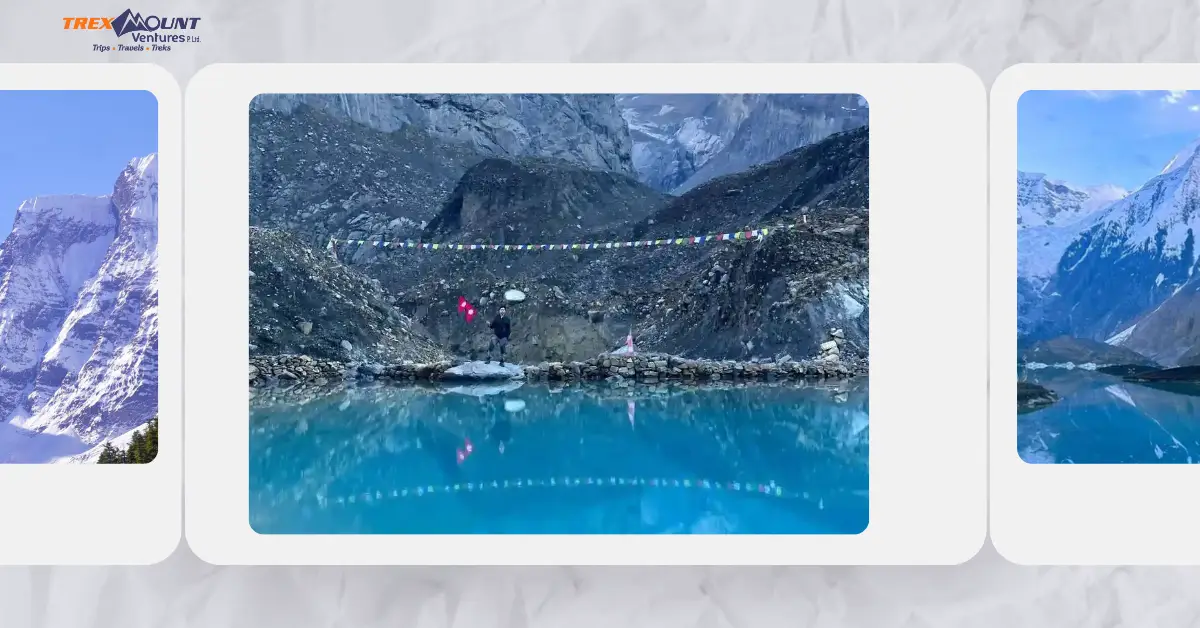

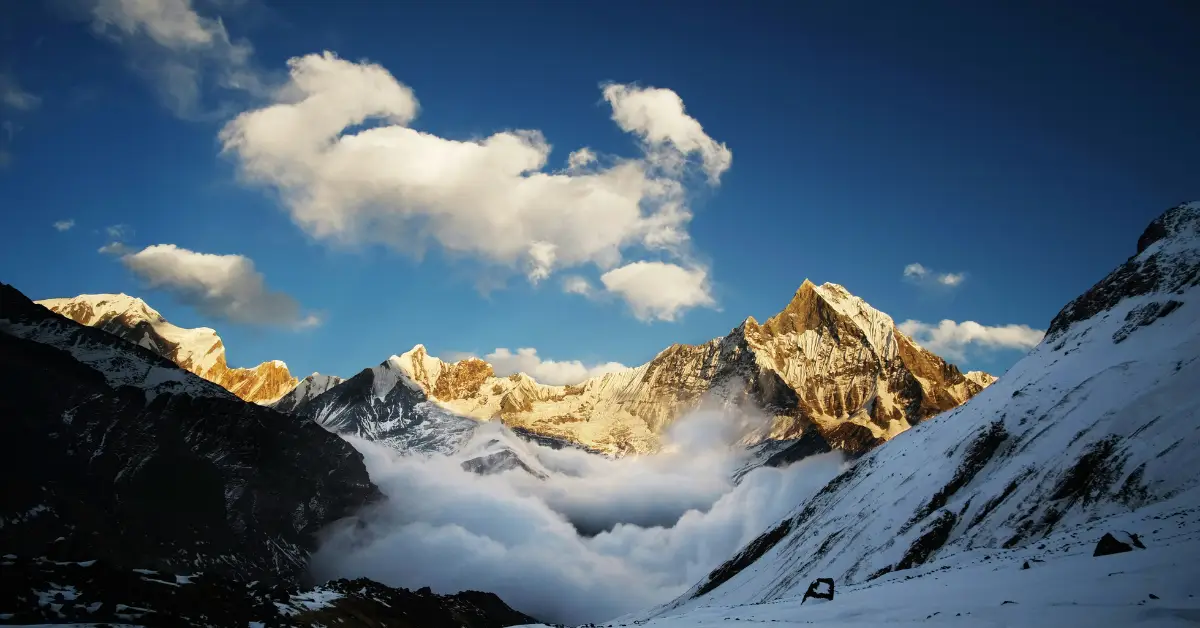

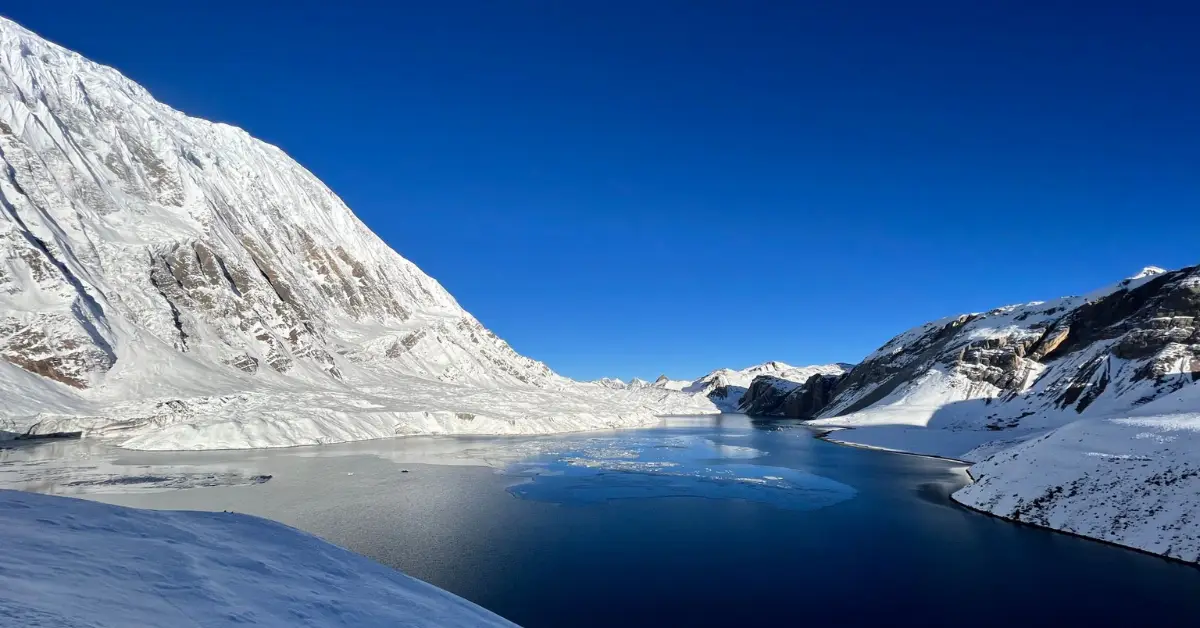
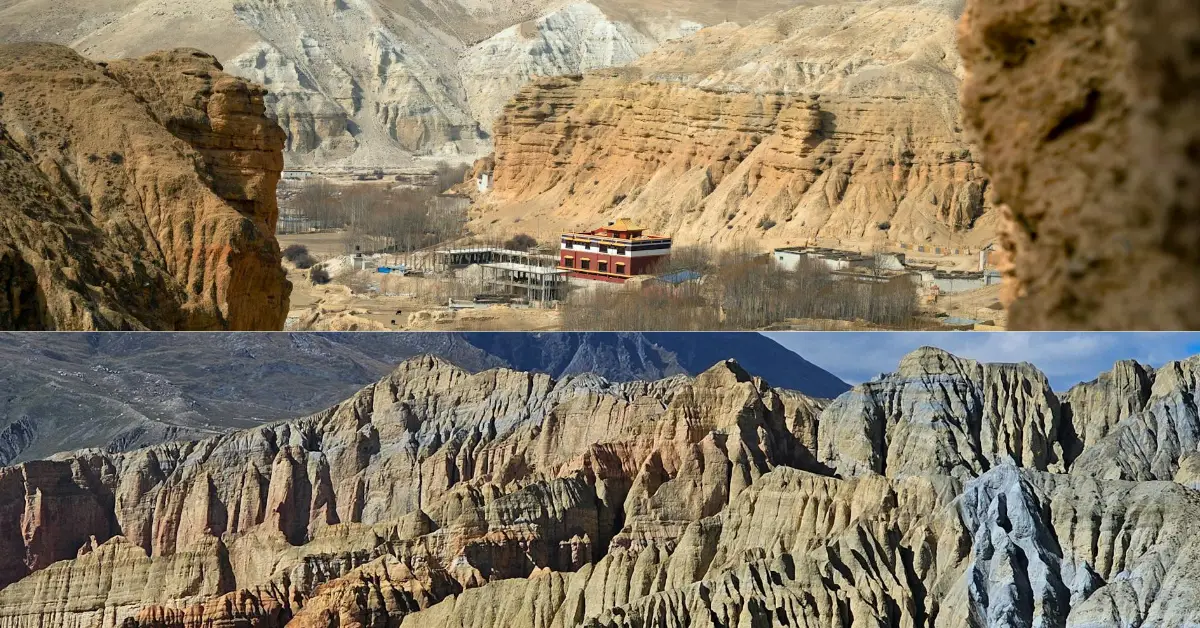

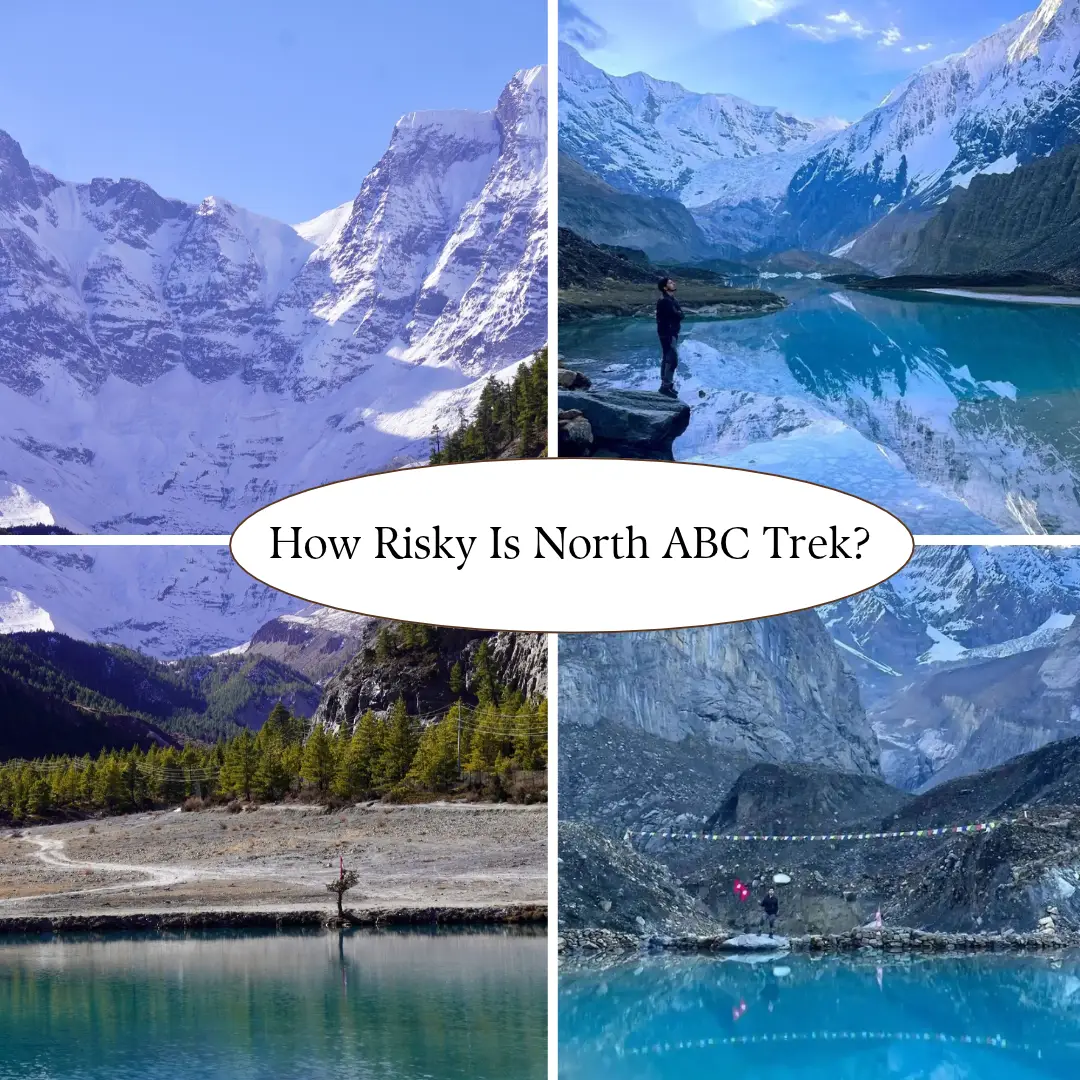
The North Annapurna Base Camp Trek is a moderately challenging Himalayan adventure with real risks related to altitude, remote terrain, unpredictable weather, and limited emergency facilities. At approximately 4,190 meters, North ABC is achievable for well-prepared trekkers, but it requires proper planning, a steady pace, and experienced local support. Understanding the risks before you leave helps you enjoy this remote Himalayan journey with greater confidence.
Unlike the popular Annapurna Base Camp Trek, the North Annapurna Base Camp Trek takes you into a quieter and less-developed mountain landscape. The scenery is extraordinary, but the remote setting means trekkers must take safety seriously.
The North ABC Trek is moderately to highly challenging from a safety perspective, even though it does not require technical climbing skills. The main concerns are altitude sickness, steep and uneven trails, changing weather, and limited access to medical facilities.
Trexmount Ventures rates the trek as moderate to challenging, with a maximum altitude of approximately 4,190 meters and a recommended trekking season of March to May and September to November.
The North ABC Trek difficulty depends on several factors:
A fit trekker can still experience altitude sickness. Therefore, fitness alone does not determine whether the North Annapurna Base Camp Trek is safe.
Altitude sickness is one of the most important North ABC Trek risks because the destination sits above 4,000 meters. At higher elevations, the air contains less oxygen per breath, making physical activity more demanding.
Acute mountain sickness (AMS) can affect anyone, regardless of age, fitness, or previous trekking experience. Symptoms often begin within hours of gaining altitude.
Common symptoms include:
The risk increases when trekkers ascend too quickly or ignore early symptoms. In severe cases, altitude illness can lead to high-altitude pulmonary edema (HAPE) or high-altitude cerebral edema (HACE), both of which require urgent medical attention.
How to reduce the risk:
The North Annapurna Base Camp Trek altitude requires careful monitoring. If symptoms worsen, descend to a lower elevation and seek medical help.
The North ABC Trek weather conditions can change quickly, particularly in the higher sections. A clear morning can turn cloudy, windy, or snowy within a short period.
Spring and autumn generally offer more favorable trekking conditions. However, these seasons do not eliminate the possibility of sudden storms, cold nights, or poor visibility.
Weather-related North ABC Trek risks include:
How to stay safe:
The North ABC Trek follows remote mountain terrain with steep climbs, uneven paths, river valleys, and exposed sections. Some parts can become difficult to navigate after rainfall or snowfall.
The Humkhola to Sandikharka section is particularly demanding because of its steep elevation gain. Loose stones, slippery surfaces, and fatigue can increase the chance of falls.
The main North ABC Trek risks associated with terrain include:
Safety precautions:
The North Annapurna Base Camp Trek is remote, and that is part of its appeal. However, the same isolation creates a serious safety concern.
Unlike the regular Annapurna Base Camp Trek, which has established teahouses along much of its route, North ABC involves more remote sections and camping arrangements.
Emergency medical facilities, reliable communication, and immediate rescue access may not be available near the higher camps.
This creates several challenges:
How to prepare:
The North ABC Trek difficulty is not only about altitude. The trek also demands endurance, balance, and the ability to walk for several hours across uneven terrain.
The journey includes steep ascents, long walking days, and sections where the trail may feel physically demanding even for experienced hikers.
The most common physical challenges include:
North ABC Trek preparation tips:
Cold weather is another important North ABC Trek risk. Temperatures can fall below freezing at higher elevations, particularly at night.
Wind can make the conditions feel even colder. Wet clothing, poor insulation, and exhaustion can increase the risk of hypothermia.
Watch for these warning signs:
North ABC Trek safety precautions:
Poor planning can turn a manageable North ABC Trek into a dangerous experience. The route is less developed than many popular Annapurna trails, so trekkers should not rely entirely on online maps or assumptions about local facilities.
An unsuitable itinerary, missing equipment, or a lack of emergency planning can create problems in remote areas.
Common mistakes include:
How to avoid these problems:
The North ABC Trek generally takes nine days with Trexmount Ventures, including arrival, travel, trekking, and departure arrangements. The actual walking stages depend on the itinerary and local conditions.
The route begins from Pokhara and follows the Myagdi side toward Humkhola, Sandikharka, and Annapurna North Base Camp.
A typical route includes:
The itinerary should remain flexible. If weather, altitude symptoms, or trail conditions create a safety concern, your guide may recommend adjusting the schedule.
The North ABC Trek itinerary is not simply a race to the destination. Allowing time for safe movement and unexpected delays is an important part of responsible trekking.
The best time for the North Annapurna Base Camp Trek is spring and autumn, when weather conditions are generally more favorable.
Spring offers relatively stable weather, improving temperatures, and beautiful mountain views. However, snow may remain in higher sections, particularly early in the season.
Autumn is another excellent season. Clear skies and comfortable daytime temperatures make it a popular period for trekking in the Annapurna region.
Heavy rainfall can make trails slippery and increase the risk of landslides. The North ABC Trek weather conditions during this period may create significant challenges.
Winter brings colder temperatures and possible snowfall. Higher sections may become difficult or inaccessible, depending on conditions.
For most trekkers, spring and autumn offer the most practical balance of weather, visibility, and trail conditions.
The cost of the North Annapurna Base Camp Trek depends on the package, group size, equipment, transport, and services included.
Trexmount Ventures lists the following package pricing:
These are published package prices and may change with departure dates, group size, or promotional offers.
The package includes services such as trekking equipment, meals, guide and porter support, permits, and camping arrangements, subject to the selected package.
Before booking, confirm the exact inclusions and exclusions. Travel insurance, personal expenses, tips, and emergency evacuation costs may require separate budgeting.
Consider the North ABC Trek cost alongside safety and service quality. A lower price is not necessarily the best value if essential equipment, experienced staff, or emergency planning are missing.
Proper preparation can reduce many avoidable risks. However, it cannot eliminate every mountain hazard.
Use these North ABC Trek preparation tips before departure:
Most importantly, be prepared to change your plans when conditions require it. Reaching the destination is never more important than returning safely.
Yes, beginners can complete the North Annapurna Base Camp Trek if they have suitable fitness, proper preparation, and experienced support. However, it is not an ideal choice for someone who has never hiked and is unwilling to train.
The North ABC Trek difficulty comes from its remote setting, high altitude, steep terrain, and limited facilities.
Beginners should consider the following:
If you are new to trekking, discuss your fitness and experience with your trekking company before booking.
The North ABC Trek is generally more remote and less developed than the regular Annapurna Base Camp Trek. Both involve altitude-related risks, but North ABC has fewer established facilities and more demanding logistical arrangements. This makes experienced local guidance, camping support, and emergency planning especially important.
Altitude sickness can affect trekkers at North ABC because the base camp reaches approximately 4,190 meters. Not everyone develops symptoms, but no level of fitness guarantees protection. Headaches, nausea, dizziness, and unusual fatigue should never be ignored. Ascend gradually, monitor your health, and descend if symptoms worsen.
The North ABC Trek is moderate to challenging. Beginners with good physical fitness and proper preparation may complete it successfully. However, the remote terrain, steep ascents, and high altitude make it more demanding than a typical short hike. Training and an experienced guide can help beginners manage the challenges.
North Annapurna Base Camp is approximately 4,190 meters above sea level. At this elevation, oxygen availability is lower than at sea level, and physical activity becomes more demanding. Trekkers should walk slowly, stay hydrated, and understand the symptoms of altitude sickness before beginning the journey.
March, April, May, October, and November are generally favorable months for the North ABC Trek. Spring offers improving temperatures, while autumn often provides clear mountain views. However, weather can change quickly in the Himalayas. Always check local conditions before departure and remain flexible with your itinerary.
Independent trekking is not recommended for the North ABC route because of its remote location, limited facilities, and navigation challenges. An experienced local guide can help with route decisions, weather assessment, altitude monitoring, and emergency coordination. Guided support is particularly valuable for trekkers unfamiliar with remote Himalayan terrain.
If you develop altitude sickness symptoms, inform your guide immediately and stop ascending. Mild symptoms require rest and close monitoring. If symptoms worsen or you experience breathlessness at rest, confusion, or difficulty walking, descend and seek urgent medical help. Severe altitude illness can become life-threatening, so never ignore warning signs.
The monsoon season is generally less suitable for North ABC because heavy rainfall can cause slippery trails, landslides, and transport disruptions. Conditions vary from year to year, but the risks are higher than during spring and autumn. Check local trail conditions and avoid trekking when authorities or guides advise against it.
The published Trexmount Ventures package prices are US$819 for the Standard Package and US$1,328 for the Premium Package. Prices may change depending on the departure date, group size, and services. Confirm the inclusions, exclusions, insurance requirements, and any additional personal expenses before booking.
Choose travel insurance that specifically covers trekking at approximately 4,200 meters and emergency helicopter evacuation in Nepal. Check the policy's altitude limit, exclusions, medical expenses, and rescue conditions. Do not assume that ordinary travel insurance covers high-altitude trekking. Keep your insurance details accessible throughout the journey.
The North Annapurna Base Camp Trek offers a rare opportunity to experience the quieter side of the Annapurna region. Its remote landscapes, dramatic mountain views, and challenging terrain make it a rewarding journey for trekkers who prepare well.
At Trexmount Ventures, we understand that a successful trek is about more than reaching the destination. It is about having the right support, equipment, and guidance throughout the journey.
Our North ABC Trek package offers standard and premium options, experienced local support, and arrangements designed for this remote Himalayan adventure.
Planning your North ABC Trek? Contact Trexmount Ventures to discuss your preferred departure date, package, fitness level, and trekking experience. Let us help you prepare for a rewarding Himalayan journey with safety and responsible planning at its heart.

Welcome to Trexmount Ventures !