 Trexmount Ventures
Trexmount Ventures
Trexmount Ventures

Popular Searches
Ready to plan your next getaway? Let’s connect and create something incredible together.
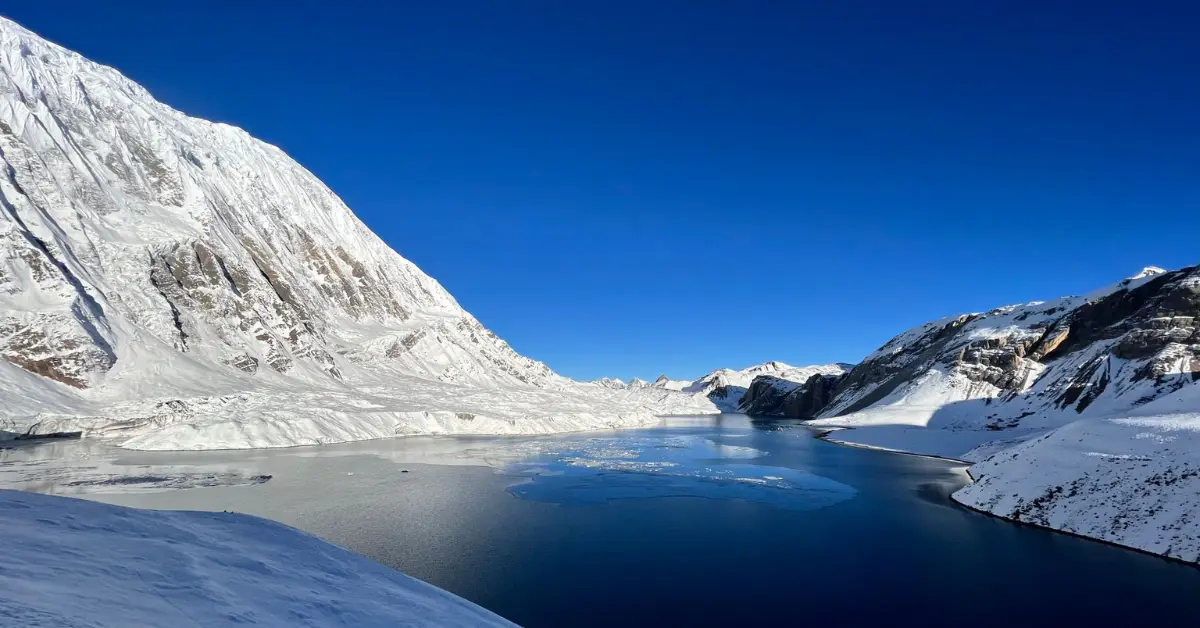
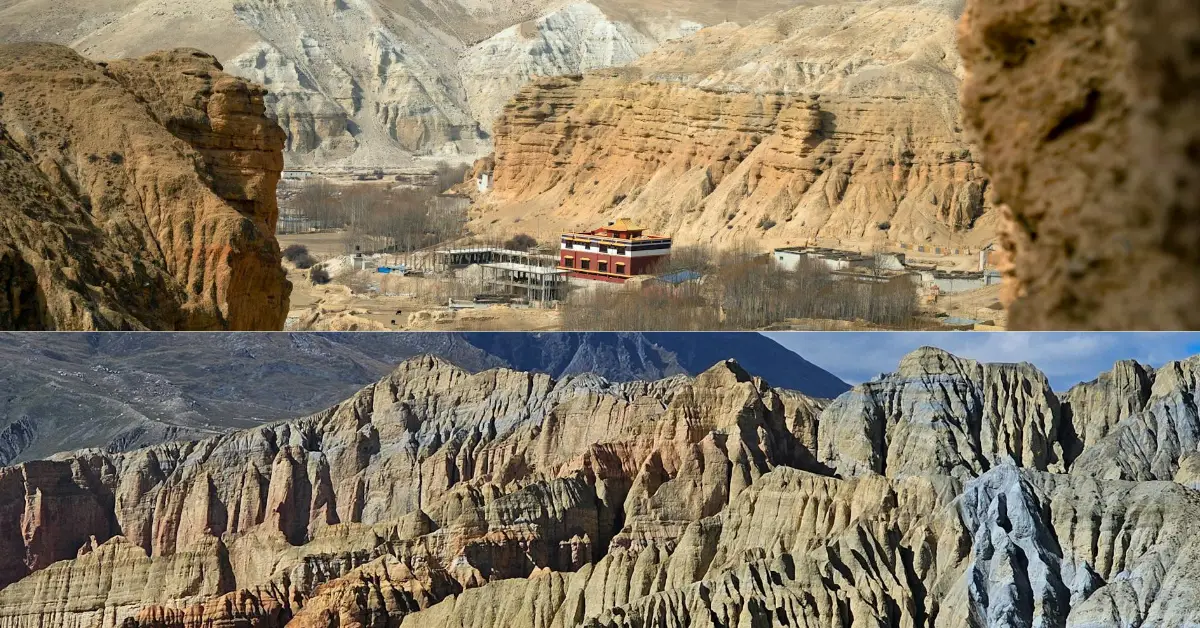
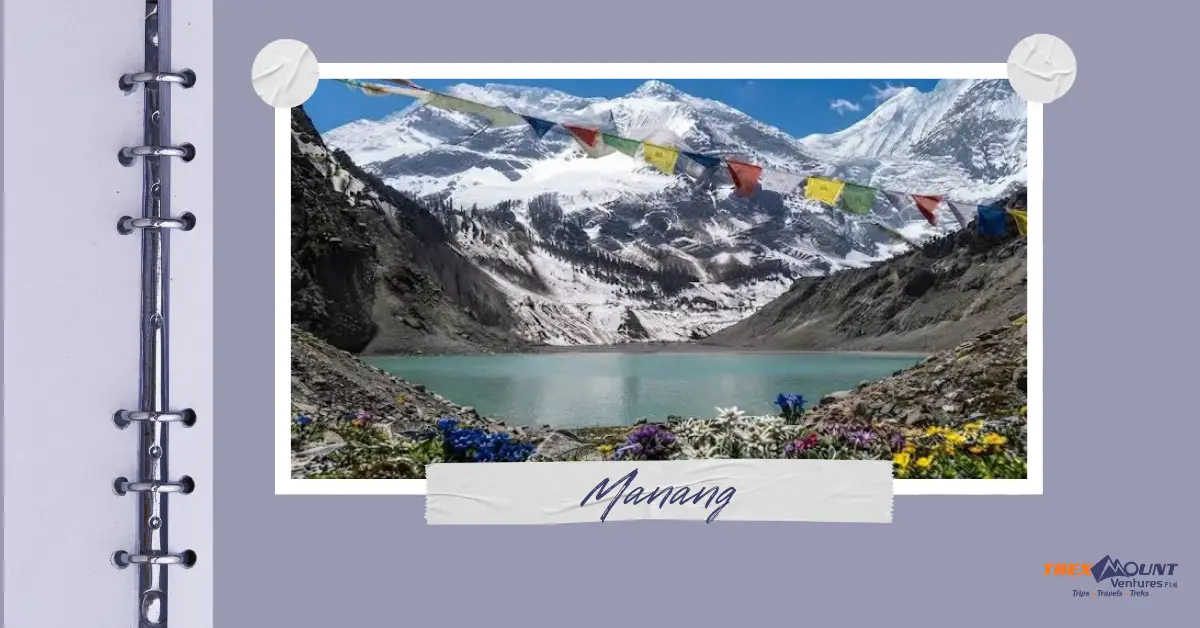
Nepal's trekking market isn't one-size-fits-all, and comparing packages properly means looking past the marketing photos to the actual numbers: how many days you'll be walking, what altitude you'll reach, how much it costs, and how hard it actually is on your body. Below are seven trekking packages pulled from real operator listings, chosen specifically because they sit at different points on the price, duration, and difficulty spectrum. Reading through all seven should make it obvious which one matches your fitness level, budget, and the number of vacation days you actually have.
This is consistently one of the most booked treks in Nepal, and the reason is simple: it delivers a genuine Himalayan panorama without demanding serious fitness or altitude tolerance.
Maximum altitude on this route stays under 3,200 meters, so altitude sickness is rarely a concern. Most days involve five to six hours of walking on well-maintained stone stairways and forest trails. If you want mountain views without training for months beforehand, this is the benchmark package to compare everything else against.
If Poon Hill is the easy option, Annapurna Base Camp is the trek most people picture when they imagine "trekking in Nepal" without going to Everest.
Unlike Everest Base Camp, this trek doesn't require a mountain flight, which removes one of the biggest logistical risk points (flight delays into Lukla). The elevation gain is more gradual too, spread across more days relative to the altitude reached, which makes acclimatization more forgiving. Expect six to seven hours of walking on most days, with a mix of stone steps, forest trail, and open ridgeline.
This is the trek most non-trekkers have actually heard of, and it sits firmly in premium territory both in price and physical demand.
The jump in difficulty compared to Annapurna Base Camp comes almost entirely from altitude. Trekkers spend multiple consecutive nights above 4,000 meters, and the standard itinerary builds in two dedicated acclimatization days for exactly that reason. Weather delays on the Lukla flight are common enough that most operators recommend building in one or two buffer days beyond the listed itinerary.
Manaslu sits right at the border between premium and adventure categories, and it's worth comparing directly against Everest Base Camp because it offers a similar altitude challenge with a fraction of the crowds.
Because Manaslu is a restricted area, it requires a special permit and, in most cases, a minimum of two trekkers traveling together with a licensed guide. This adds a bit of planning overhead compared to Everest or Annapurna, but it also means significantly fewer people on the trail. The Larkya La crossing is the crux of the trek, a long, cold, high-altitude day that's the main reason this route sits above Everest Base Camp on the difficulty scale.
Upper Mustang breaks the usual pattern of "harder equals higher altitude." This trek is priced in the luxury bracket not because it's punishing, but because it's remote, restricted, and logistically expensive to run.
Maximum altitude on Upper Mustang rarely exceeds 3,900 meters, and daily walking hours are moderate. What drives the cost up is the restricted-area permit fee (which runs into the hundreds of dollars per person on top of the package price), the requirement for a licensed guide, and the longer supply chain needed to support trekkers in such a remote, arid region. If you want something that feels genuinely different from the standard Everest or Annapurna experience, and altitude isn't your main constraint, this is the one to compare against.
For trekkers who've already done Everest Base Camp or Manaslu and want something harder, the Three Passes trek is usually the next step up before you're technically climbing rather than trekking.
This is the most physically demanding trek in this comparison. Multiple consecutive days above 5,000 meters, unpredictable weather on the passes, and long walking days combine to make this suitable only for trekkers with prior high-altitude experience and strong cardiovascular fitness. It's also the longest itinerary here in terms of time spent at extreme altitude, which is exactly why operators price it above Everest Base Camp despite similar overall trek length.
This package exists for a completely different type of traveler than the previous six: someone who wants Everest's visual reward without committing two to three weeks of trekking.
This is by far the most expensive package per day in the comparison, and that's the trade-off: you're paying for time saved and physical effort avoided, not for length of trip. It's a strong option for travelers with limited vacation time, older travelers, or anyone who wants to see Everest without the training and acclimatization that a full trek demands.
Lined up side by side, a clear pattern emerges. Price generally tracks with a combination of altitude, remoteness, and logistical complexity rather than trek length alone, Upper Mustang costs more than Manaslu despite lower altitude, purely because of permit fees and remoteness. Difficulty tracks almost entirely with altitude and consecutive high-altitude nights, which is why Everest Three Passes outranks Everest Base Camp in difficulty despite similar overall duration. And the helicopter option proves that price and physical demand don't have to move together at all.
If you're deciding between these seven, start with how many vacation days you genuinely have, then filter by altitude tolerance and prior trekking experience, and only then look at price. A trekker who tries to jump straight into Everest Three Passes without prior altitude exposure is taking on unnecessary risk that a shorter, lower-altitude trek like Poon Hill or Annapurna Base Camp would avoid entirely.
Every trekker's fitness, budget, and timeline are different, and the right package for you might not be the most popular one on this list. Talk to Trexmount Ventures' trekking specialists to match your experience level and travel dates with the ideal route, get a clear breakdown of what's included in the price, and book with a Kathmandu-based team that's guided trekkers through the Everest, Annapurna, Manaslu, and Mustang regions for years.
Get in touch today to start planning your trek.
The Ghorepani Poon Hill Trek is the safest starting point. It stays under 3,200 meters, runs on well-established trails, and gives a genuine mountain experience without demanding prior altitude exposure or intense physical conditioning.
Yes, primarily because of altitude. Everest Base Camp reaches over 5,300 meters with multiple nights above 4,000 meters, while Annapurna Base Camp tops out around 4,130 meters with a more gradual ascent, making it noticeably easier on the body.
The cost comes from restricted-area permit fees, mandatory guide requirements, and the logistics of supplying trekkers in a remote desert region with fewer villages and resources than the more heavily trekked Everest or Annapurna routes.
It involves crossing three passes above 5,300 meters instead of one destination point, meaning more consecutive days at extreme altitude, more exposure to unpredictable mountain weather, and longer daily walking hours overall.
Not quite. It delivers the visual reward and a taste of the region, but skips the villages, monasteries, and gradual acclimatization that make the multi-day trek a distinct experience. It's better thought of as a different trip entirely, not a shortcut to the same one.
Prior experience is strongly recommended given the Larkya La pass crossing at over 5,100 meters. Trekkers who've completed at least one trek above 4,000 meters beforehand tend to handle this route more comfortably.
Standard operator itineraries for Everest Base Camp and Manaslu typically include two dedicated acclimatization days. Poon Hill and Annapurna Base Camp, staying at lower altitude, generally need fewer or none.
No. Restricted areas like Upper Mustang legally require a licensed guide and, in most cases, a minimum number of trekkers per group, which is one reason the package pricing sits higher than open-access regions.
The Everest Three Passes Trek and Everest Base Camp Trek both carry weather risk, partly due to the Lukla flight, which is notorious for delays and cancellations during poor visibility, and partly due to pass conditions at extreme altitude.
The Everest View Hotel and Chopper Flight (8 days) and Ghorepani Poon Hill Trek (10 days) are the only two in this comparison that fit a shorter window, though they deliver very different experiences, one aerial and comfort-focused, the other a genuine walking trek.

Welcome to Trexmount Ventures !