 Trexmount Ventures
Trexmount Ventures
Trexmount Ventures

Popular Searches
Ready to plan your next getaway? Let’s connect and create something incredible together.
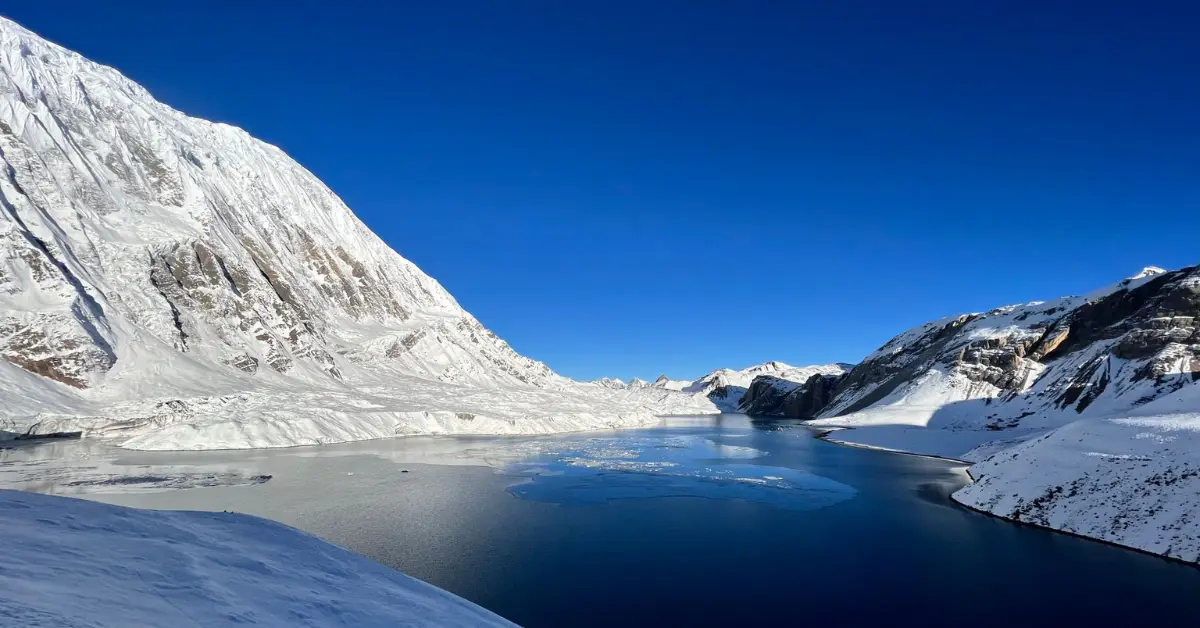
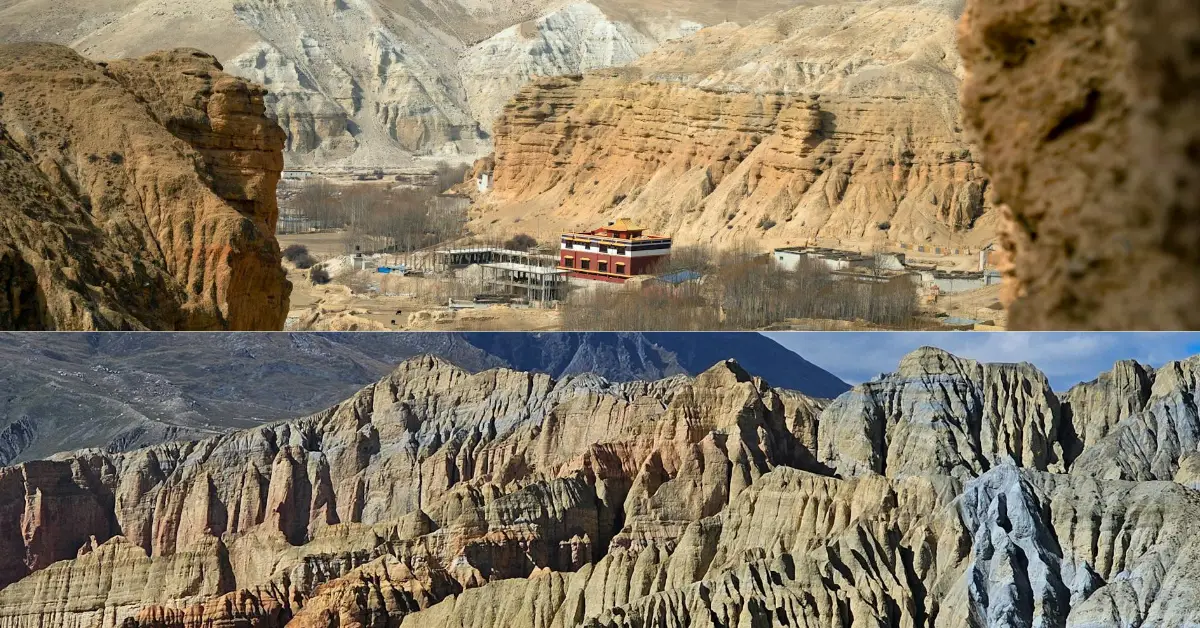
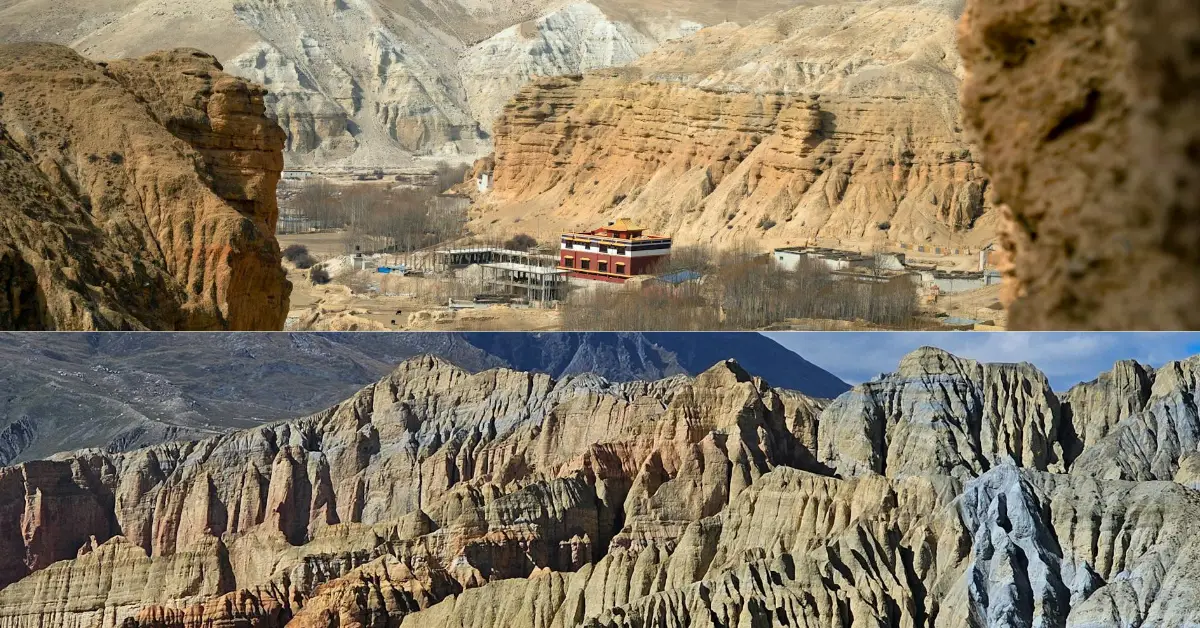
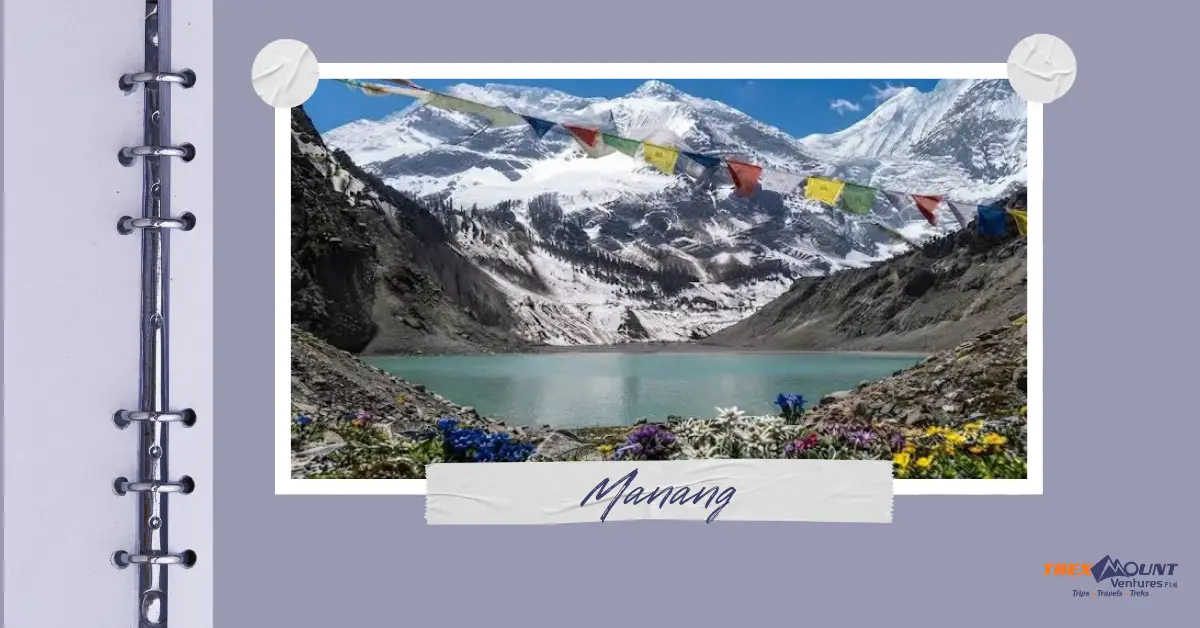
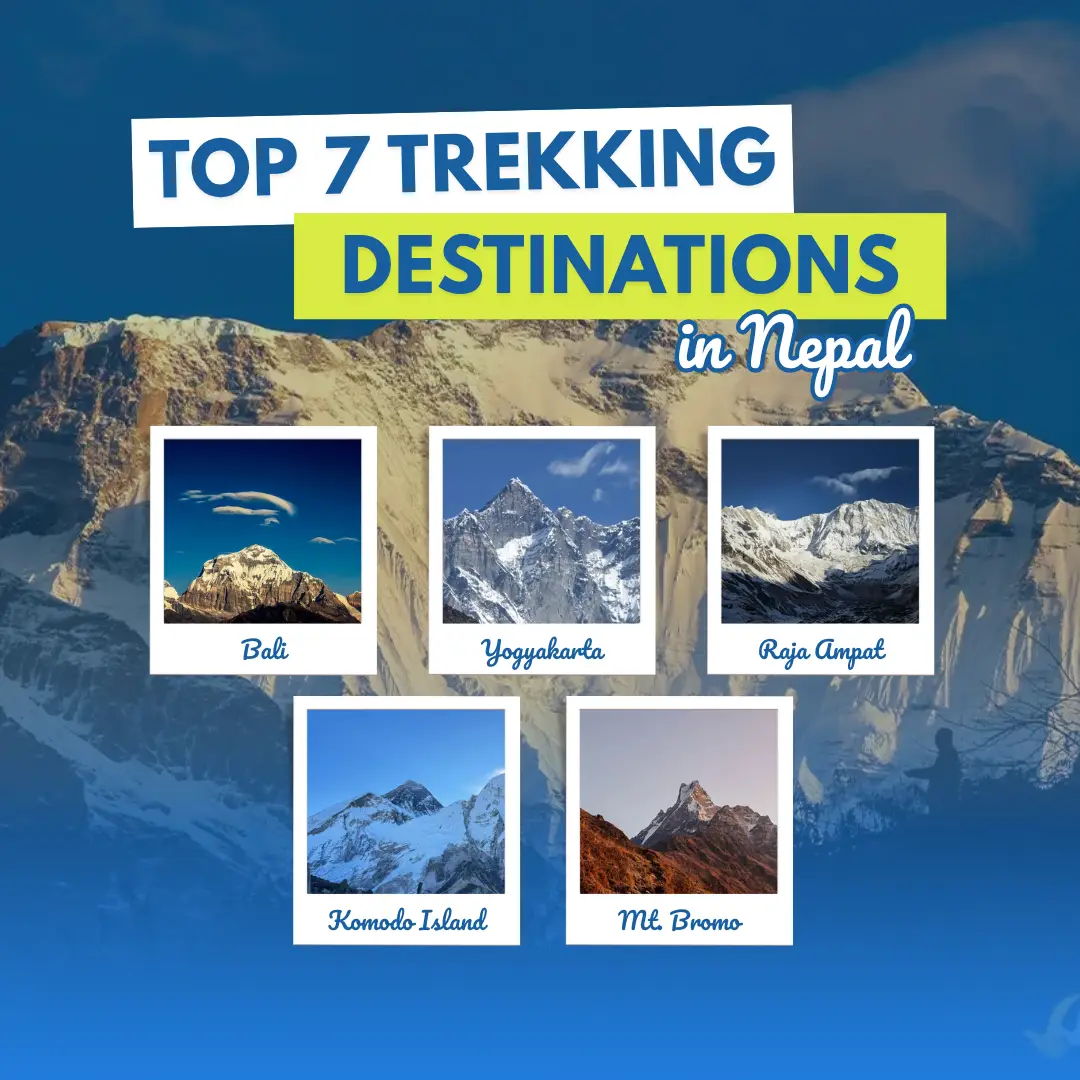
The top trekking in Nepal includes seven standout routes: Everest Base Camp, Annapurna Circuit, Annapurna Base Camp, Langtang Valley, Manaslu Circuit, Upper Mustang, and Gokyo Lakes, each offering a different mix of altitude, culture, and scenery. At Trexmount Ventures, we have spent two decades guiding travelers through these mountain trekking adventures, so this list is built on field experience, not guesswork. Whether you want a short scenic trekking trail or a demanding high-altitude trekking expedition, Nepal remains one of the best trekking destinations on earth, and this guide breaks down exactly why
.
Trekking is a multi-day journey on foot through remote or mountainous terrain, usually staying in local lodges, teahouses, or camps rather than hotels. Unlike a casual day hike, trekking trails around the world demand sustained stamina, route planning, and often permits, since routes can run for days or weeks through changing altitude and weather.
For newcomers, understanding what is trekking matters before booking, because it shapes fitness prep, gear choices, and expectations for the days ahead on the trail. Anyone still asking what is trekking versus a simple day hike should remember the overnight, multi-day structure is the key difference.
These are the seven bucket list treks we recommend most at Trexmount Ventures, chosen from among the best trekking destinations in the Himalayas for their scenery, culture, and manageable logistics.
Each route sits among the best trekking destinations globally, and together they cover every trekking difficulty level, from first-timers to seasoned mountaineers chasing their next bucket list trek.
Among trekking trails around the world, routes like Nepal's Three Passes Trek, the Snowman Trek in Bhutan, and Aconcagua's approach trails rank as some of the hardest due to extreme high altitude trekking, unpredictable weather, and remote terrain with minimal rescue access. These sit at the top end of trekking difficulty levels.
Difficulty comes from altitude, distance, and isolation combined, which is why proper acclimatization and guided support matter most on these mountain trekking adventures.
If you are new to multi-day trekking routes, choose trails with shorter daily distances, lower altitude, and reliable lodge support. Beginner-friendly options remain some of the best trekking destinations precisely because they build confidence without extreme risk.
Starting with easier trekking difficulty levels lets first-time trekkers test their fitness and gear before attempting longer, high-altitude trekking routes later on.
Costs vary widely across trekking trails around the world, depending on permits, guide fees, lodging, and flights. Nepal treks through Trexmount Ventures typically range from budget teahouse packages to fully supported premium itineraries, making them accessible compared to other best trekking destinations.
Budgeting early, alongside trekking gear essentials, prevents surprises once you commit to any multi-day trekking route.
The best time to trek shifts by region. In the Himalayas, spring (March to May) and autumn (September to November) offer clear skies and stable weather, making them the prime windows for high altitude trekking. Patagonia favors its summer months, November through March, for its scenic trekking trails.
Matching your trip to the best time to trek reduces weather risk and improves visibility on any of these mountain trekking adventures.
Yes, in most cases. The Inca Trail requires a government permit booked months ahead through a licensed operator, and independent trekking is not allowed. The Tour du Mont Blanc does not require a permit but benefits from a guide for route-finding and hut bookings.
Checking permit and guide rules early avoids last-minute changes to your bucket list trek plans.
What to wear for trekking depends on altitude and season, but layering is the universal rule across trekking trails around the world. Moisture-wicking base layers, insulating mid-layers, and a waterproof shell cover most weather shifts on multi-day trekking routes.
Packing the right trekking gear essentials early prevents discomfort once you are days into a remote, high-altitude trekking route. If you are still unsure what to wear for trekking in shoulder seasons, pack for both sun and sudden cold, since mountain weather shifts fast.
Curious which of these seven routes actually fits your fitness level, budget, and travel dates? Trexmount Ventures builds custom itineraries around your goals instead of a one-size-fits-all package, and the right match might not be the trek you expect. Reach out and tell us your travel dates, and we will map out a route built for you.
Poon Hill and Annapurna Base Camp are widely considered the easiest treks in Nepal for beginners, since both stay below extreme altitude, follow well-marked trails, and offer teahouse lodging along the way. Daily walking hours are moderate, and acclimatization needs are lower than routes like Everest Base Camp. Many first-time trekkers use these as a stepping stone before attempting longer, higher-altitude routes such as the Annapurna Circuit or Manaslu Circuit in later seasons.
Most Everest Base Camp itineraries run between 12 and 14 days round trip from Kathmandu, including acclimatization days at Namche Bazaar and Dingboche. Shorter 8 to 9 day versions exist but skip acclimatization stops, raising altitude sickness risk. Trexmount Ventures builds in rest days deliberately, since rushing this route is one of the most common reasons trekkers turn back before reaching base camp itself.
Yes, trekking in Nepal is generally safe for solo travelers, especially on popular routes like Annapurna Base Camp and Everest Base Camp, which see heavy foot traffic and frequent teahouses. That said, hiring a licensed guide adds safety margin on remote sections, river crossings, and altitude decisions. Solo trekkers should still register permits, share itineraries with someone at home, and carry a means of communication in case of emergencies.
Hiking usually refers to a single day walk on a defined trail, returning to a base each night, while trekking involves multi-day trekking routes with overnight stays in remote lodges, teahouses, or camps. Trekking typically demands more sustained fitness, gear planning, and sometimes permits, since routes cross remote terrain over several days. The terms overlap in casual use, but trekking implies a longer, more committed journey.
Yes, travel insurance covering high altitude trekking and emergency evacuation is strongly recommended, and often required by permit systems or guide companies. Standard travel policies frequently exclude altitudes above 4,000 or 5,000 meters, so trekkers need a policy that explicitly lists helicopter evacuation and high-altitude coverage. Skipping this step can mean paying tens of thousands of dollars out of pocket if a rescue becomes
necessary mid-trek.
You do not need elite athletic fitness, but consistent cardio training, daily walking practice, and some stair or incline work for two to three months beforehand make a major difference. Most treks involve five to seven hours of daily walking over uneven terrain. Building endurance gradually, alongside practicing with a loaded backpack, prepares trekkers far better than short bursts of intense exercise close to departure.
There is no single best age; trekkers commonly start in their teens through their sixties and beyond, provided general health supports sustained walking and altitude adjustment. Children and older trekkers often choose shorter, lower-altitude routes first. What matters more than age is baseline fitness, gradual acclimatization, and choosing a trekking difficulty level that matches current physical condition rather than past experience alone.
Beginners with reasonable fitness and proper acclimatization planning can complete the Annapurna Circuit, though it is more demanding than shorter treks due to the Thorong La Pass at over 5,000 meters. Building in extra acclimatization days and going with an experienced guide reduces risk significantly. First-time high altitude trekkers should avoid rushing the itinerary, since altitude sickness, not fitness, causes most turnbacks on this route.
Most Nepal treks require a TIMS card and a conservation area or national park entry permit, while restricted regions like Upper Mustang and Manaslu need additional special permits with fixed daily fees. Requirements vary by route, and some permits must be arranged through a registered trekking agency rather than independently. Checking current permit rules for your specific route well before departure avoids delays at checkpoints.
Look for a trekking company with licensed guides, transparent permit handling, verifiable reviews, and clear emergency protocols, including evacuation support. Ask how they handle acclimatization scheduling and group size, since both affect safety on high-altitude trekking routes. A company willing to customize an itinerary around your fitness level and travel dates, rather than pushing a fixed package, generally signals more reliable, experience-based planning.

Welcome to Trexmount Ventures !