 Trexmount Ventures
Trexmount Ventures
Trexmount Ventures

Popular Searches
Ready to plan your next getaway? Let’s connect and create something incredible together.
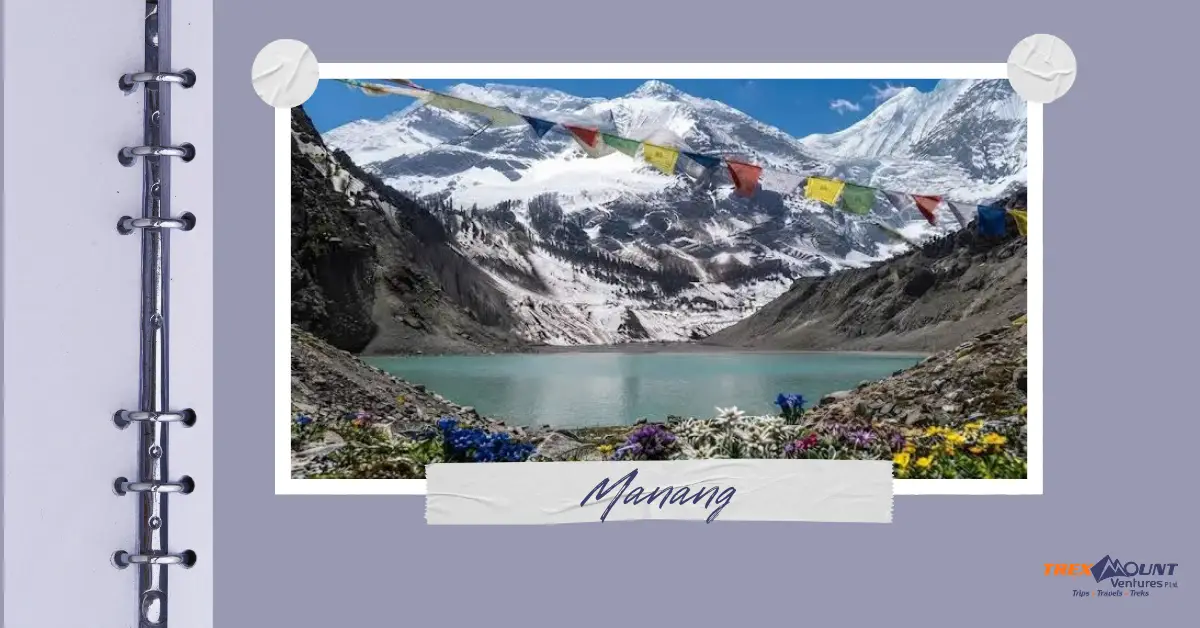
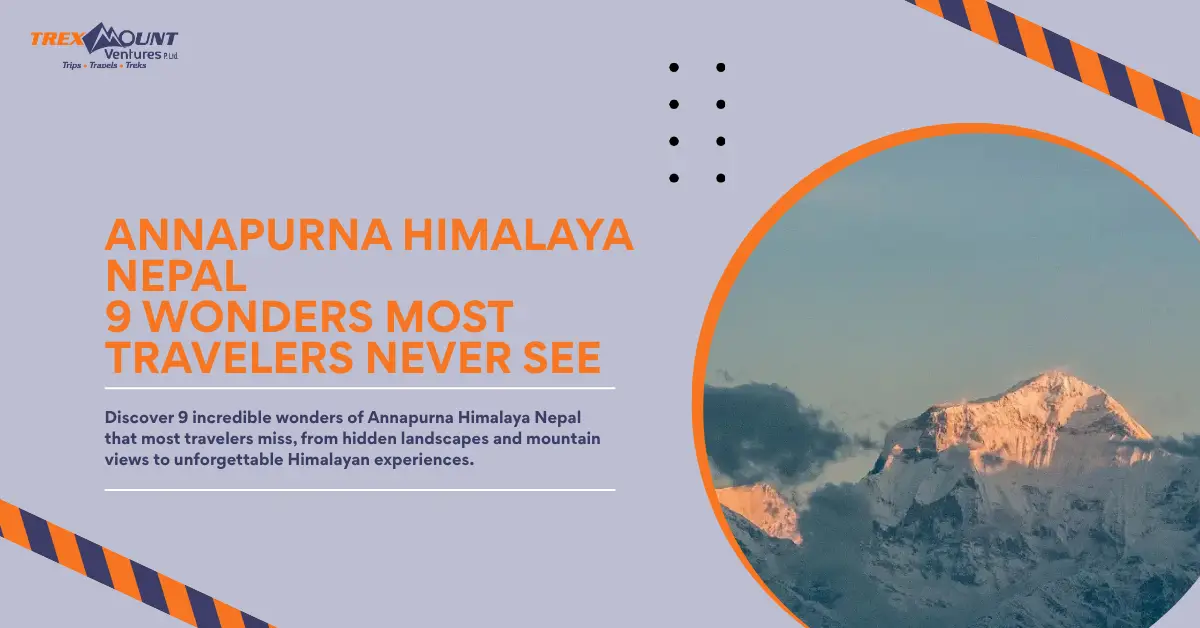


Manang is famous for its dramatic Himalayan scenery, its position along the Annapurna Circuit, traditional mountain villages, Tibetan-influenced culture, and access to some of Nepal’s most remarkable high-altitude landscapes.
Located in the northern part of Nepal’s Annapurna region, Manang sits in a landscape that changes dramatically as you move deeper into the Himalayas. Green valleys gradually give way to dry, rocky terrain, while huge peaks rise above villages and the Marsyangdi River valley.
For many international visitors, Manang is more than simply another stop on a Himalayan trekking route. It is one of the places where the landscape, culture, altitude and history of the Nepal Himalayas come together.
The Nepal Tourism Board describes Manang as a group of villages along the upper Annapurna Circuit, where the scenery becomes increasingly rocky and similar to the Tibetan Plateau. The region also provides access to turquoise high-altitude lakes, including Tilicho Lake.
So, why is Manang famous? The simplest answer is:
Manang is located in north-central Nepal within the Annapurna region. The area lies along the Marsyangdi River valley and forms one of the most recognizable sections of the Annapurna Circuit.
The journey toward Manang takes travelers from lower Himalayan valleys into increasingly high and dry terrain. This dramatic environmental change is one of the major reasons the region is so popular.
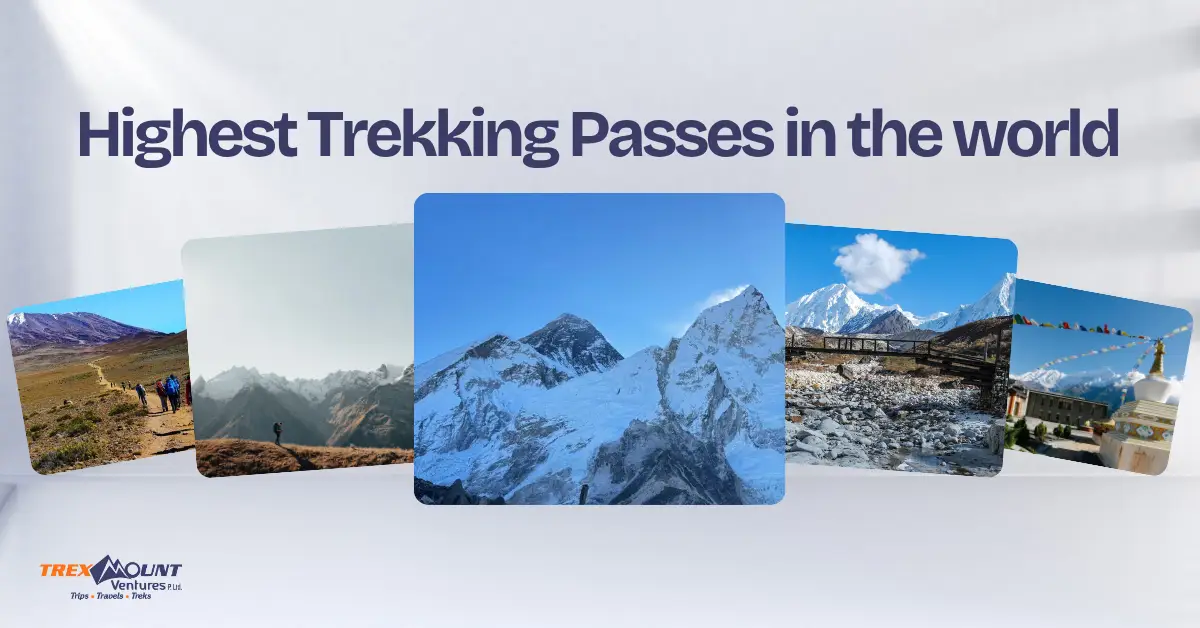
The Annapurna region itself stretches from lower mountain areas into the high Himalayas and includes forests, alpine landscapes and trans-Himalayan terrain. According to the Nepal Tourism Board, the Annapurna Circuit reaches its highest point at Thorong La Pass, 5,416 meters, while the wider region includes landscapes ranging from subtropical environments to high Himalayan terrain.
Manang therefore represents an important transition point between the greener southern side of the Annapurna range and the drier Himalayan landscape farther north.
The biggest reason Manang is famous is its connection with the Annapurna Circuit Trek.
The route follows the Marsyangdi River upstream toward Manang before continuing toward the high Himalayan section of the circuit and eventually Thorong La.
The Annapurna Circuit is internationally recognized for its changing landscapes. Trekkers can experience forests, waterfalls, farming villages, high mountain valleys and dry Himalayan terrain during the same broader journey.
The Nepal Tourism Board notes that the circuit passes through dramatically different environments and provides views of major Himalayan peaks including Annapurna II, Annapurna III, Annapurna IV, Annapurna I and Dhaulagiri.
This makes Manang particularly important for people who want to Trek in Nepal while experiencing more than just mountain views.
Another major reason behind Manang's international reputation is Tilicho Lake.
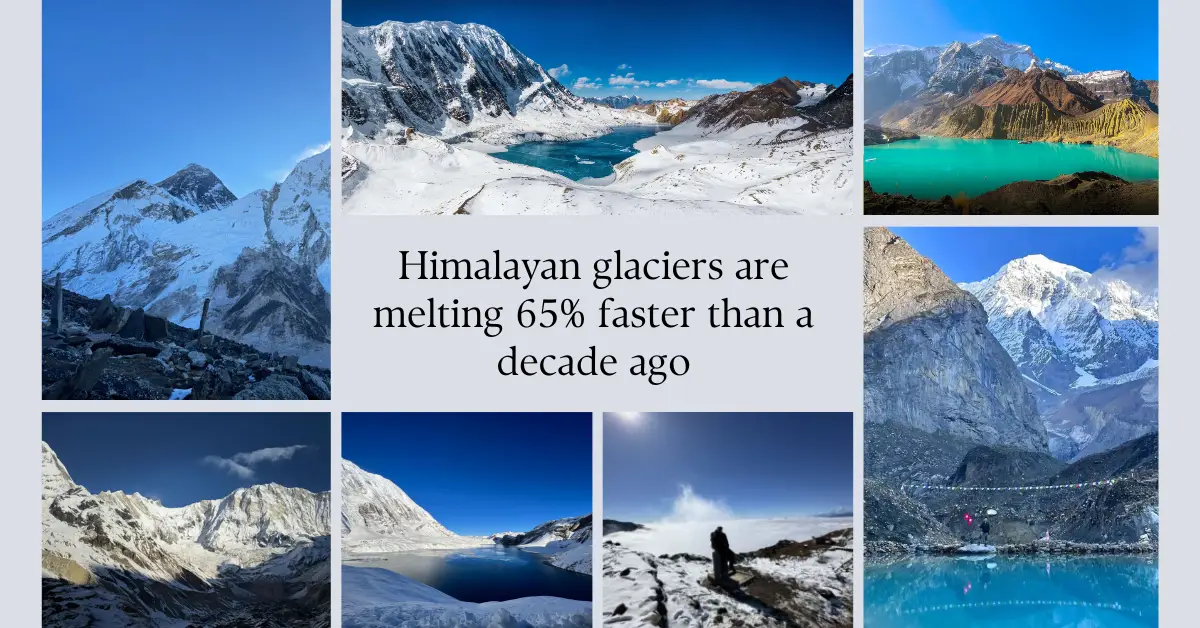
At approximately 4,919 meters, Tilicho Lake is one of the world's highest major lakes and is located in the Manang area. The lake is surrounded by dramatic Himalayan terrain and receives water from glacial and snow-covered mountain slopes.
The journey toward Tilicho provides a different experience from simply following the main Annapurna Circuit route.
Visitors are drawn to:
For photographers and trekkers, the combination of a high-altitude lake and enormous Himalayan peaks makes Tilicho one of the defining attractions of Manang.
Manang is also famous for its distinctive culture.
As you move north through the Annapurna region, Tibetan cultural influence becomes increasingly visible. Traditional architecture, Buddhist practices, monasteries and mountain lifestyles create a cultural environment that feels very different from Kathmandu or Nepal's lower hill regions.
The Nepal Tourism Board specifically notes that Tibetan cultural influence becomes more apparent toward the northern sections of the Annapurna region.
For visitors, this means Manang is not simply about walking beneath mountains. It is also an opportunity to observe how communities have adapted their lives to a high-altitude environment.
Manang is associated with a collection of traditional Himalayan settlements rather than being famous for one single urban center.
The villages around Manang provide glimpses of:
These communities are part of what makes the Annapurna region culturally interesting.
Instead of seeing the Himalayas only as a wilderness destination, visitors can experience a living mountain region where people continue to work, worship and live at high altitude.
People visit Manang for different reasons, but most experiences combine nature, culture and adventure.
The Himalayan backdrop is one of the strongest attractions. Annapurna peaks, Gangapurna and surrounding mountains create enormous views from the valley.
Manang introduces travelers to the environment of the high Himalayas without requiring a technical mountaineering expedition.
The area is central to the Annapurna Circuit and connects with several trekking experiences in the wider region.
The Tibetan-influenced culture, Buddhist traditions and traditional settlements provide an important cultural component.
Tilicho Lake and the surrounding glacial landscapes make the region especially attractive to people interested in high-altitude geography.
The combination of mountains, villages, rivers, dry landscapes and blue skies creates exceptional opportunities for landscape photography.
One of the most interesting things about Manang is how different the landscape can look from other parts of Nepal.
Lower sections of the Annapurna region can be green and heavily forested. As the trail climbs toward Manang, vegetation becomes more limited and the environment becomes increasingly rocky and dry.
The Nepal Tourism Board describes the northern Manang landscape as similar to the Tibetan Plateau, with stark rocky terrain and high-altitude lakes.
This creates a striking contrast:
Green valleys → alpine forests → rocky mountain valleys → dry trans-Himalayan landscape
That transition is one of the defining experiences of the Annapurna Circuit.
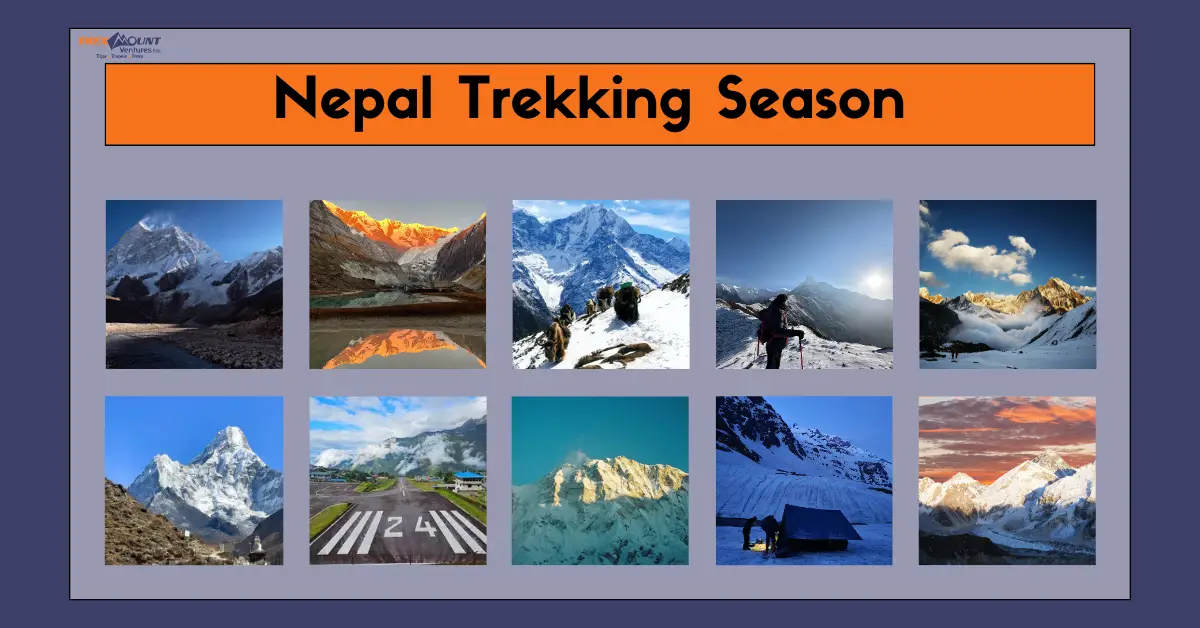
For most trekkers, October and November are the strongest months to visit Manang, particularly when the goal is clear mountain scenery and trekking conditions on the Annapurna Circuit.
Spring, particularly March to May, is another important trekking period.
Current trekking sources consistently identify autumn and spring as the principal seasons for the Annapurna Circuit, while October and November generally provide particularly stable conditions and clearer mountain views.
These months are popular because:
The trade-off is that popular sections of the trail can become busy.
Spring provides another strong window.
Visitors can experience:
This overlaps with Nepal's monsoon season. Rain can affect lower sections of the Annapurna region, while cloud and changing trail conditions can reduce visibility.
Manang can become extremely cold during winter, and snowfall can affect higher sections of the Annapurna Circuit. Conditions around high passes need particular attention during this period.
Simple answer: If you want the classic Manang trekking experience, October–November is generally the most straightforward choice, with March–May as another major trekking window.
There are two broad ways to reach Manang: by road or on foot as part of a trek.
The traditional Annapurna Circuit approach begins around Besisahar and follows the Marsyangdi River valley toward Manang.
Road access has changed how travelers reach the region. Vehicles can now travel much farther into the Annapurna Circuit than in the past, although mountain roads can be rough and conditions can vary by season.
A commonly used road approach follows the general route:
Kathmandu → Besisahar → Chame → Manang
The Besisahar-to-Manang section is a mountain road rather than a typical highway, and journey conditions can change depending on weather, road maintenance and local circumstances.
For trekkers, walking toward Manang remains an important part of the Annapurna experience because gradual elevation gain allows the journey itself to become part of the adventure.
The Nepal Tourism Board identifies Besisahar as a traditional starting point for the Annapurna Circuit and Manang as one of the major settlements along the route.
Yes. Road access has made parts of the Manang region reachable by vehicle. However, accessibility does not mean the journey is easy. Mountain roads can be rough, narrow and affected by weather.
For someone specifically looking for a Trek in Nepal, walking sections of the Annapurna route provides a very different experience from simply traveling to Manang by road.
Food in Manang reflects both traditional Nepali cuisine and the needs of trekkers traveling through a high-altitude environment.
Common foods available around trekking settlements can include:
Dal bhat remains one of the most familiar meals for trekkers because it provides rice, lentils, vegetables and other accompaniments.
You can also find Tibetan-influenced dishes and simple foods designed to provide warmth and energy in the cold mountain environment.
Food availability can vary between settlements, seasons and individual lodges, so travelers should not expect the same variety available in Kathmandu or Pokhara.
Manang has developed around trekking tourism, so visitors can find teahouses, lodges and guesthouses.
Accommodation is generally simpler than hotels in Nepal's major cities.
A typical mountain lodge may provide:
The Nepal Tourism Board notes that the Annapurna region is well serviced by teahouses, hotels and lodges along major trekking routes.
The character of accommodation is part of the experience. After walking through a high Himalayan landscape, sitting inside a warm lodge with other trekkers can become one of the memorable parts of the journey.
Manang is also significant because of its elevation.
Trekkers heading toward the high sections of the Annapurna Circuit need to take altitude seriously. Spending time around Manang can form an important part of a gradual acclimatization strategy before moving higher.
This is particularly relevant because the Annapurna Circuit eventually reaches Thorong La at 5,416 meters.
Altitude affects everyone differently. A physically fit person can still experience altitude-related problems, so gradual ascent, hydration, appropriate rest and attention to symptoms matter.
For this reason, Manang is not simply a sightseeing destination. It also plays an important practical role in the classic Annapurna journey.
There is no single answer because Manang and Mustang offer different Himalayan experiences.
Manang is particularly associated with:
Mustang is particularly known for:
The Nepal Tourism Board describes Mustang as a trans-Himalayan destination with strong cultural significance, including Muktinath and Lo Manthang, while Manang is highlighted for its Annapurna Circuit landscapes and high-altitude lakes.
So rather than asking which destination is universally better, consider what type of Himalayan experience you want.
Manang is particularly worthwhile for travelers interested in seeing how Nepal changes as you move from the middle hills into the high Himalayas.
Its appeal comes from the combination of:
For first-time visitors to Nepal, Manang can provide an especially strong introduction to the country's Himalayan environment.
For experienced trekkers, it can also serve as a gateway to more demanding high-altitude experiences.
Nepal has many famous trekking destinations, but Manang stands out because several experiences come together in one region.
You can walk beside the Marsyangdi River, pass traditional villages, see the landscape become progressively drier, observe Tibetan cultural influence, look toward enormous Himalayan peaks and continue toward one of Nepal's most famous high mountain passes.
That variety is the real attraction.
The Annapurna region is known for its exceptional geographical contrasts, and Manang sits at the heart of that transition.
For travelers researching the Best Trekking Company in Nepal, understanding the destination should come before choosing a service provider. A responsible trekking company should be able to explain the route, altitude, seasonal conditions, accommodation, local culture and practical challenges clearly rather than presenting Manang simply as a promotional destination.
At Trexmount Ventures, our approach to Himalayan travel is centered on giving travelers useful destination information so they can understand what they are actually experiencing.
Manang is famous for the Annapurna Circuit, dramatic Himalayan scenery, traditional mountain villages, Tibetan-influenced culture and access to Tilicho Lake.
Manang is particularly famous as one of the major destinations on the Annapurna Circuit and as the gateway to high-altitude attractions such as Tilicho Lake.
Yes, especially for travelers interested in Himalayan scenery, trekking, traditional villages, Buddhist culture and high-altitude landscapes.
Its combination of high Himalayan mountains, dry trans-Himalayan terrain, traditional settlements, Tibetan cultural influence and access to Tilicho Lake makes Manang distinctive.
Manang village is situated at roughly 3,500 meters above sea level, although elevations vary across the wider Manang region.
Yes. Manang is one of the key settlements on the classic Annapurna Circuit route. The trail follows the Marsyangdi River valley toward Manang before continuing toward the high Himalayan section.
Yes. Road access now reaches Manang, although mountain-road conditions can be rough and variable. Travelers can also approach the area as part of a trekking route.
October and November are generally considered the strongest months for the classic Annapurna trekking experience, while March to May is another major trekking season.
They offer different experiences. Manang is strongly associated with the Annapurna Circuit, Tilicho Lake and high-altitude trekking, while Mustang is known for its trans-Himalayan landscape, Tibetan Buddhist heritage, Muktinath and Lo Manthang.
Manang is an important settlement on the Annapurna Circuit and is commonly used as part of the gradual acclimatization process before trekkers continue toward the higher sections of the route and Thorong La.
Manang is famous because it brings together some of the defining experiences of the Nepal Himalayas in one destination: the Annapurna Circuit, spectacular mountain scenery, traditional Himalayan villages, Tibetan-influenced culture, high-altitude landscapes and access to Tilicho Lake.
It is not famous for just one mountain or one attraction. Its real appeal is the change in landscape and culture as you enter the high Himalayas.
For travelers planning to Trek in Nepal, Manang offers a chance to experience the Annapurna region as both a natural and cultural destination, not simply as a route between two points.
If your goal is to understand why this Himalayan settlement has become one of Nepal's best-known trekking destinations, the answer is straightforward: Manang combines mountains, culture, adventure, and high-altitude landscapes in a way few places in Nepal can.

Welcome to Trexmount Ventures !