 Trexmount Ventures

Popular Searches
Ready to plan your next getaway? Let’s connect and create something incredible together.
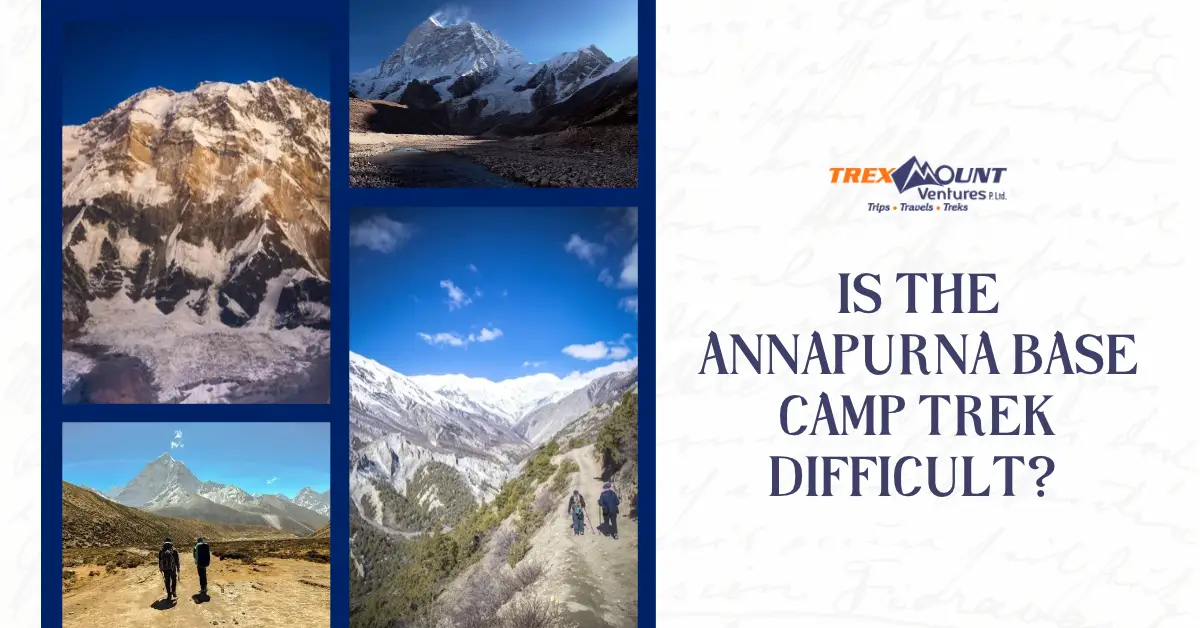
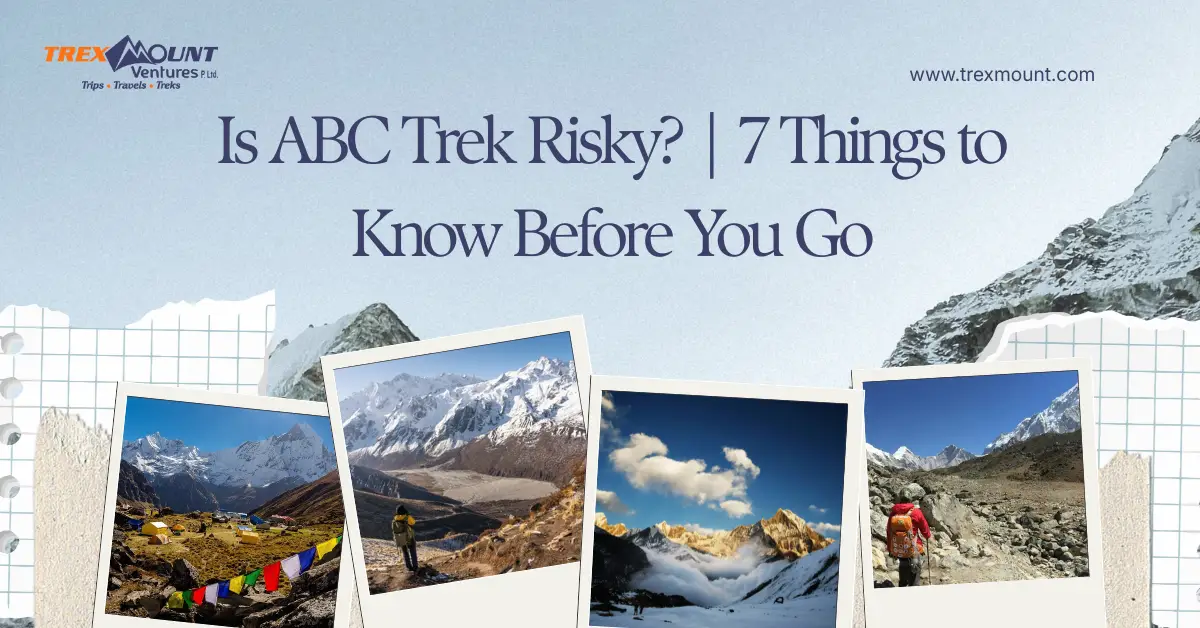
The Everest Base Camp Trek is more than a journey to the foot of the world's highest mountain. It is an experience that takes you through spectacular Himalayan landscapes, traditional Sherpa settlements, ancient Buddhist monasteries, and some of the most remarkable mountain scenery on Earth.
Located in Nepal's legendary Khumbu region, the trek offers an opportunity to experience Mount Everest up close while discovering the culture, traditions, and everyday life of Himalayan communities.
For 2027, the Everest Base Camp Trek deserves a place on your travel bucket list. Whether you are an experienced trekker or someone preparing for a first major Himalayan adventure, this journey offers a rewarding combination of physical challenge, natural beauty, cultural exploration, and personal achievement.
From crossing suspension bridges over the Dudh Koshi River to watching the first sunlight illuminate Mount Everest from Kala Patthar, every stage of the journey offers something worth remembering.
But what makes this trek so special, and why should you consider doing it in 2027?
Let's explore the geographical highlights, cultural attractions, trekking experiences, and practical reasons that make the Everest Base Camp Trek an adventure you should not miss.
One of the biggest reasons to undertake the Everest Base Camp Trek is the opportunity to stand at the foot of Mount Everest, the highest mountain in the world.
Situated at an elevation of approximately 5,364 meters (17,598 feet), Everest Base Camp is a remarkable destination surrounded by enormous Himalayan peaks, glacial landscapes, and the rugged terrain of the Khumbu region.
The journey to base camp is not simply about reaching a particular elevation. It is about gradually making your way through mountain settlements, crossing suspension bridges, navigating rocky trails, and adapting to increasingly challenging conditions.
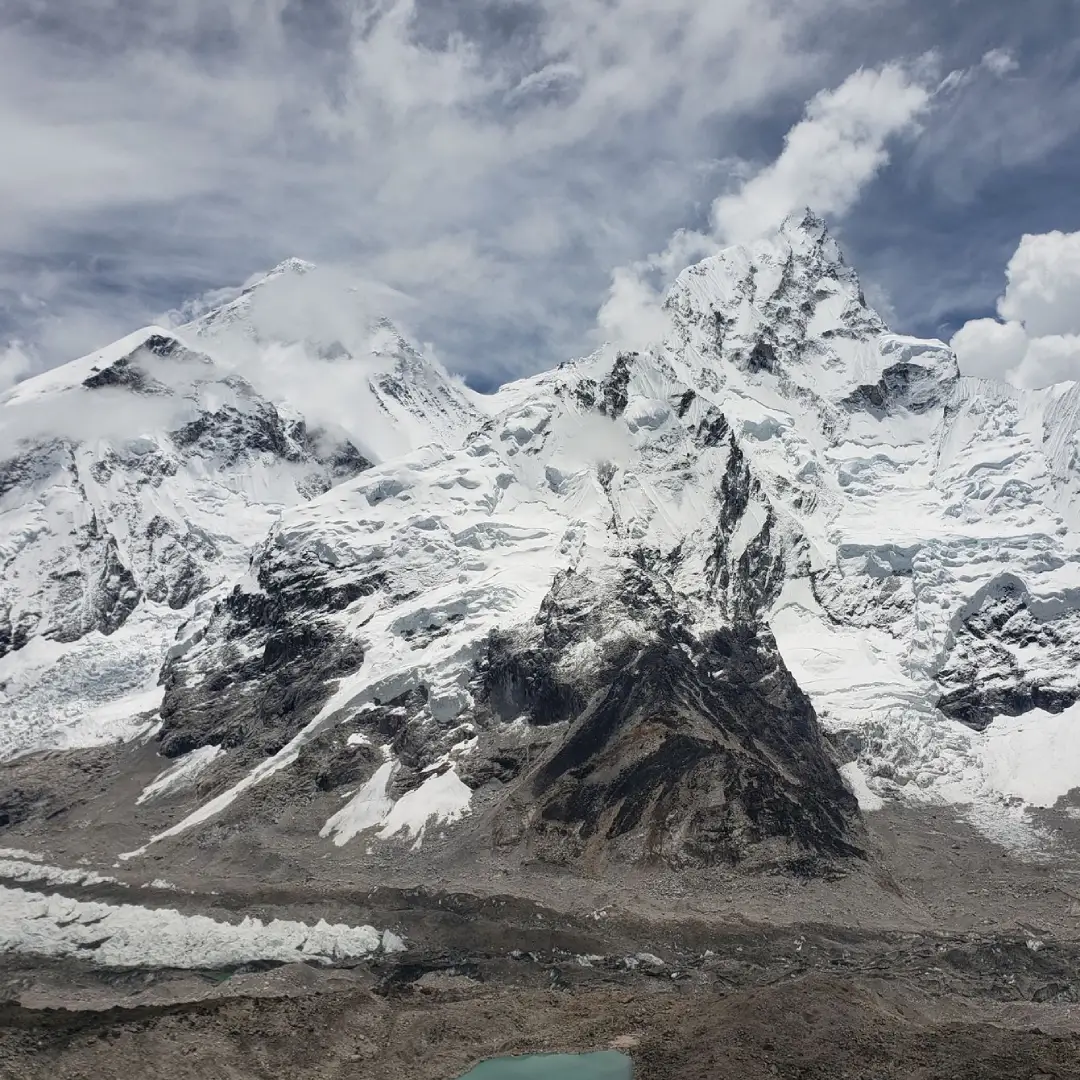
As you approach Gorak Shep, the final settlement before base camp, the landscape becomes noticeably more barren and dramatic. Green vegetation gradually disappears, giving way to rocks, glaciers, and enormous walls of ice.
From Gorak Shep, you follow a rugged trail towards Everest Base Camp, where the surrounding landscape reveals the immense scale of the Khumbu Glacier and the famous Khumbu Icefall.
Although the summit of Mount Everest is not directly visible from the base camp, standing beneath the surrounding Himalayan giants is an experience that makes the long journey worthwhile.
For many trekkers, reaching Everest Base Camp represents much more than completing a trek. It is a personal achievement that requires determination, preparation, patience, and the willingness to step beyond familiar limits.
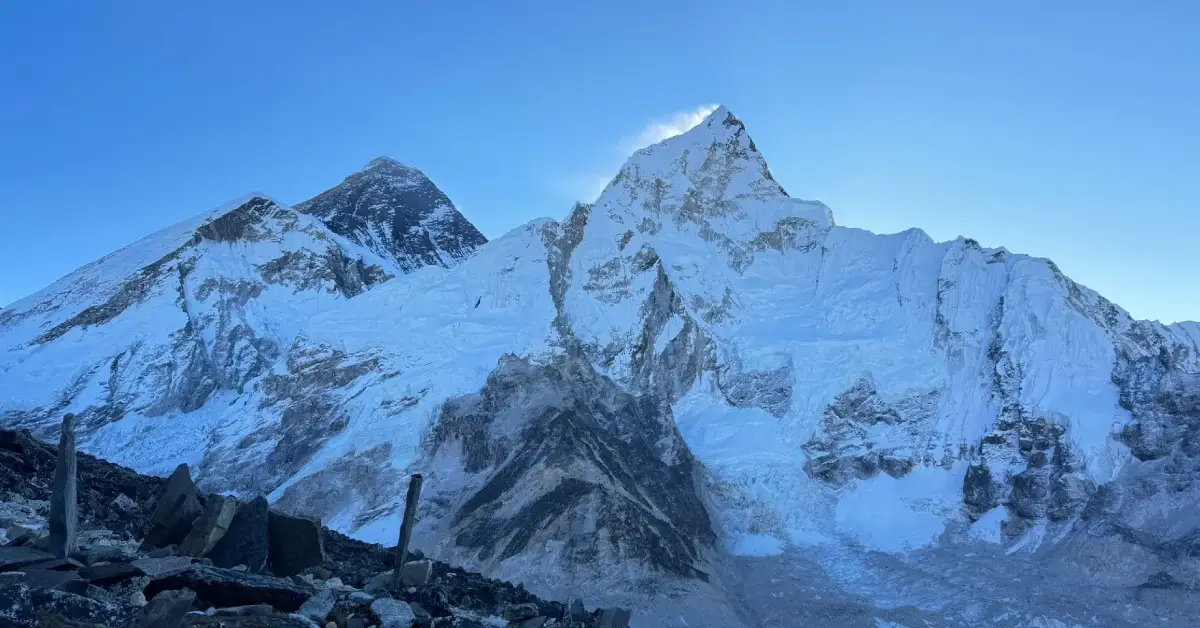
Another major highlight is the opportunity to visit Kala Patthar, which reaches approximately 5,545 meters (18,192 feet). This viewpoint offers one of the finest panoramic perspectives of Mount Everest and its surrounding peaks.
The early-morning climb to Kala Patthar is particularly memorable. As sunlight gradually spreads across the Himalayan skyline, Mount Everest, Nuptse, Lhotse, and Pumori emerge against the changing colours of the sky.
It is a moment that photographs can capture, but the feeling of experiencing it in person is difficult to describe.
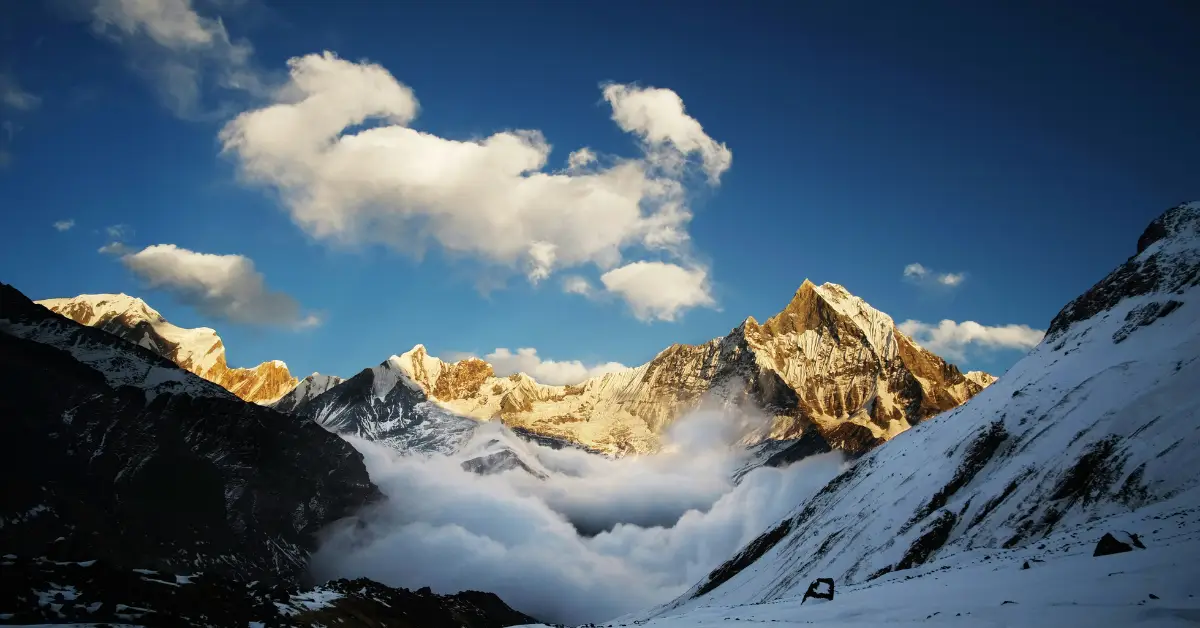
The Everest Base Camp Trek offers spectacular mountain scenery throughout the journey. Unlike destinations where the main attraction appears only at the end, the Khumbu region continuously rewards trekkers with changing landscapes and impressive Himalayan views.
Your adventure begins with a scenic flight to Lukla, one of the most famous mountain airstrips in the world. From the moment you arrive, the surrounding hills, deep valleys, and snow-covered peaks introduce you to the beauty of the Everest region.
As you follow the Dudh Koshi River towards Phakding and Namche Bazaar, the trail passes through pine forests, traditional villages, suspension bridges, and picturesque mountain settlements.
With every increase in elevation, the landscape changes. Dense forests gradually give way to alpine vegetation, rocky trails, glacial valleys, and enormous mountain formations.
Some of the prominent Himalayan peaks you can admire during the trek include:
One of the most rewarding aspects of the journey is how these mountains appear from different perspectives as you move through the Khumbu Valley.
From the forests around Phakding to the elevated viewpoints near Namche Bazaar and the open glacial landscape around Gorak Shep, the scenery constantly changes.
Weather conditions determine visibility, so clear mountain views are never guaranteed every day. However, during favourable conditions, the Everest region offers some of the most spectacular Himalayan panoramas you can experience.
The Khumbu Glacier is one of the most remarkable natural features of the Everest region. Stretching through the high Himalayas, this enormous glacier creates a dramatic landscape of ice formations, rocky moraines, crevasses, and constantly changing terrain.
During the Everest Base Camp Trek, you get an opportunity to experience this glacial environment from remarkably close range.
The glacier originates high in the Everest region and descends towards the lower Khumbu Valley. Its rugged surface and surrounding mountain walls create a landscape that looks completely different from the green forests and river valleys encountered during the early days of the trek.
One of the most famous features of this area is the Khumbu Icefall, situated above Everest Base Camp on the traditional South Col climbing route.
The icefall consists of enormous blocks of ice, deep crevasses, and constantly shifting formations. It is one of the most challenging sections for mountaineers attempting to climb Mount Everest.
Although regular trekkers do not cross the Khumbu Icefall, you can appreciate its immense scale from designated viewpoints around Everest Base Camp.
The contrast between the white glaciers, dark rocky mountains, and surrounding snow-covered peaks makes this section particularly impressive.
As you walk through the area, you begin to understand the scale of the Himalayan environment and the challenges faced by mountaineers attempting to reach Everest's summit.
However, glaciers are dynamic natural environments. Their conditions can change, and trekkers should remain on designated trails, avoid restricted climbing areas, and follow their guide's instructions throughout the visit.
The Everest Base Camp adventure begins with one of the most memorable domestic flights in Nepal.
The flight to Tenzing-Hillary Airport in Lukla is famous for its spectacular mountain surroundings, dramatic landing approach, and short mountain runway.
For many travellers, this flight is an adventure in itself.
On a clear day, the journey offers impressive views of Himalayan peaks, deep valleys, and the rugged landscapes of eastern Nepal. As the aircraft approaches Lukla, the mountain scenery becomes increasingly dramatic.
A direct flight from Kathmandu to Lukla generally takes around 30–35 minutes, although the operating airport and flight arrangements can vary depending on the season and operational requirements.
During certain periods, flights may operate from Manthali Airport in Ramechhap instead of Kathmandu. In that situation, trekkers must travel by road from Kathmandu to Ramechhap before boarding their flight to Lukla.
It is also important to understand that Lukla flights are highly dependent on weather conditions. Poor visibility, strong winds, and changing mountain weather can result in delays or cancellations.
Therefore, when planning your Everest Base Camp Trek in 2027, allow some flexibility in your travel schedule. An additional buffer day is particularly useful if you have an international flight to catch after returning from the mountains.
Despite these logistical considerations, the mountain flight remains one of the defining experiences of the Everest Base Camp journey.
The Everest Base Camp Trek takes you through Sagarmatha National Park, one of Nepal's most extraordinary protected natural areas.
Established in 1976 and designated a UNESCO World Heritage Site in 1979, the park covers approximately 1,148 square kilometres in northeastern Nepal.
It protects some of the most spectacular Himalayan landscapes, including Mount Everest, glaciers, alpine valleys, forests, and high-altitude ecosystems.
As you follow the trekking trail, you experience several different ecological zones.
The lower sections of the route feature pine forests, rhododendron vegetation, and river valleys. As you climb higher, the forests gradually become thinner, giving way to alpine vegetation, rocky slopes, and glacial landscapes.
The park is also home to several Himalayan wildlife species, including:
Although spotting these animals is never guaranteed, their presence makes the region ecologically significant.
Beyond wildlife, Sagarmatha National Park offers an opportunity to appreciate the natural diversity of the Himalayas. The changing vegetation, mountain rivers, glaciers, and dramatic elevation differences make every section of the journey distinctive.
As a protected area, the park also requires responsible tourism practices. Trekkers should avoid littering, respect wildlife, remain on established trails, and follow local conservation guidelines.
Exploring Sagarmatha National Park is not simply about reaching Everest Base Camp. It is about experiencing and appreciating the remarkable natural environment that surrounds the world's highest mountain.
The Everest region is famous for its mountains, but its people are equally important to the identity of this destination.
The Sherpa community has a long-standing connection with the Himalayan mountains and plays a significant role in Nepal's trekking and mountaineering history.
Throughout the Everest Base Camp route, you pass through traditional settlements such as Namche Bazaar, Khumjung, Pangboche, and other mountain villages where Sherpa culture remains an important part of everyday life.
These communities offer a glimpse into a lifestyle shaped by high-altitude geography, Buddhist traditions, mountain agriculture, tourism, and centuries of adaptation to the Himalayan environment.
One of the most rewarding aspects of trekking in the Everest region is the opportunity to interact with local residents.
You can learn about their traditions, listen to stories about Himalayan mountaineering, explore traditional settlements, and experience the hospitality of family-run teahouses.
The food also adds another dimension to the experience.
Some popular dishes and local food items you may encounter include:
You will also notice prayer flags, mani walls, Buddhist symbols, and traditional architecture throughout the region.
These cultural elements are not merely decorations along the trail. They reflect the spiritual beliefs and traditions that have shaped the Khumbu community for generations.
Taking time to appreciate local customs and interact respectfully with residents makes the Everest Base Camp Trek much more meaningful than simply walking from one destination to another.
The Khumbu region has a deep connection with Tibetan Buddhism, and its monasteries are among the most culturally significant attractions along the Everest Base Camp route.
As you move through the mountain settlements, you encounter colourful prayer flags, mani walls, chortens, and Buddhist monasteries that reflect the spiritual heritage of the Sherpa people.
Among these religious landmarks, Tengboche Monastery is particularly important.
Located at approximately 3,867 meters, Tengboche Monastery is one of the most famous Buddhist monasteries in the Everest region.
Surrounded by magnificent Himalayan scenery, the monastery offers a peaceful atmosphere where visitors can learn about local Buddhist traditions and religious practices.
Its location also provides impressive mountain views, particularly of Ama Dablam and other surrounding peaks.
Another important religious site is Pangboche Monastery, located in the traditional Sherpa settlement of Pangboche.
The monastery is closely connected with the history and spiritual traditions of the Khumbu community. Visiting it offers an opportunity to understand how Buddhism influences everyday life in these remote Himalayan villages.
Other religious landmarks can also be explored around Namche Bazaar, Khumjung, and Thame.
If your trekking dates coincide with the Mani Rimdu Festival at Tengboche, you may have an opportunity to witness one of the most important Buddhist celebrations in the Everest region.
The festival features traditional masked dances, religious ceremonies, prayers, and community gatherings. It follows the Tibetan lunar calendar, so its dates change each year.
For travellers planning an Everest Base Camp Trek in November 2027, checking the confirmed festival dates may help when choosing a departure schedule.
Remember to respect religious customs when visiting monasteries. Dress appropriately, follow local instructions, and always ask permission before photographing people or religious ceremonies.
These spiritual experiences add a cultural dimension to the trek, helping you understand the traditions and beliefs that make the Everest region unique.
Syangboche is another beautiful destination in the Khumbu region, located above Namche Bazaar.
Situated at approximately 3,780 meters, the area is known for its panoramic mountain scenery and its proximity to several popular viewpoints.
During the acclimatization day in Namche Bazaar, many trekkers take an additional hike towards Syangboche to enjoy the surrounding Himalayan landscape.
The views can include Mount Everest, Ama Dablam, Thamserku, and Khumbila, depending on weather conditions and the viewpoint.
One of the major attractions in this area is Hotel Everest View.
Located at approximately 3,880 meters, Hotel Everest View is famous for its elevated position and spectacular views of the surrounding Himalayan peaks.
It is also widely recognized for its high-altitude hotel setting.
For trekkers who want to enjoy the Himalayan scenery without continuing to a higher overnight destination, the hotel and surrounding viewpoints offer an excellent excursion.
The hike towards Syangboche and Hotel Everest View is also useful as part of an acclimatization day, provided the elevation gain and walking distance are appropriate.
The idea is to gain some altitude during the day and return to Namche Bazaar to sleep at a lower elevation.
This approach helps your body gradually adapt to the thinner air while allowing you to explore more of the Everest region.
Namche Bazaar is one of the most important destinations on the Everest Base Camp Trek.
Situated at approximately 3,440 meters, this vibrant mountain town serves as the main trading and commercial centre of the Khumbu region.
Often described as the Gateway to Everest, Namche is where trekkers begin to experience the unique atmosphere of the higher Himalayan settlements.
The town is built along a natural mountainside, creating a distinctive horseshoe-shaped settlement surrounded by impressive mountain scenery.
Despite its remote location, Namche Bazaar offers a surprisingly wide range of facilities.
You can find:
It is also an excellent place to enjoy traditional Sherpa food, interact with other trekkers, and experience the everyday atmosphere of mountain life.
However, Namche Bazaar is more than a convenient resting destination.
It plays an important role in high-altitude acclimatization.
Most well-planned Everest Base Camp itineraries include an additional night here, allowing trekkers to adjust to the increasing elevation before continuing towards Tengboche and Dingboche.
During the acclimatization day, you can explore the surrounding viewpoints, visit nearby settlements, or hike towards Hotel Everest View before returning to Namche.
This combination of exploration and rest makes Namche one of the most valuable stops on the entire journey.
The Everest region is not only a destination for trekking and mountaineering. It is also an important centre for Himalayan culture, exploration, and scientific research.
If you want to understand more about the history of the region, the Sherpa Culture Museum in Namche Bazaar is worth visiting.
The museum showcases traditional Sherpa lifestyles, cultural objects, photographs, and historical displays connected to Himalayan mountaineering.
It provides a better understanding of how local communities have adapted to the challenges of living in a high-altitude environment.
You can also explore the Khumbu International Library, which offers additional opportunities to learn about the history, people, and mountaineering heritage of the Everest region.
Another interesting landmark is the Pyramid International Laboratory and Observatory near Lobuche.
Situated in the high-altitude environment of the Khumbu region, the research facility supports scientific studies related to the atmosphere, climate, and environmental conditions of the Himalayas.
Its presence demonstrates that the Everest region has scientific importance beyond tourism and mountaineering.
Another historically significant location is Thukla Pass, also known as Thukla Memorial.
The memorial contains stone structures dedicated to climbers and mountaineers who lost their lives attempting to climb the Himalayan peaks.
Walking through this area is a reflective experience. The memorials remind visitors that the mountains they admire are also environments that demand respect, preparation, and careful decision-making.
Together, these cultural, scientific, and historical attractions offer a deeper understanding of the Everest region.
Crossing suspension bridges is one of the most exciting experiences of the Everest Base Camp Trek.
The trail follows the Dudh Koshi River and its surrounding valleys, requiring trekkers to cross several suspension bridges connecting different sections of the route.
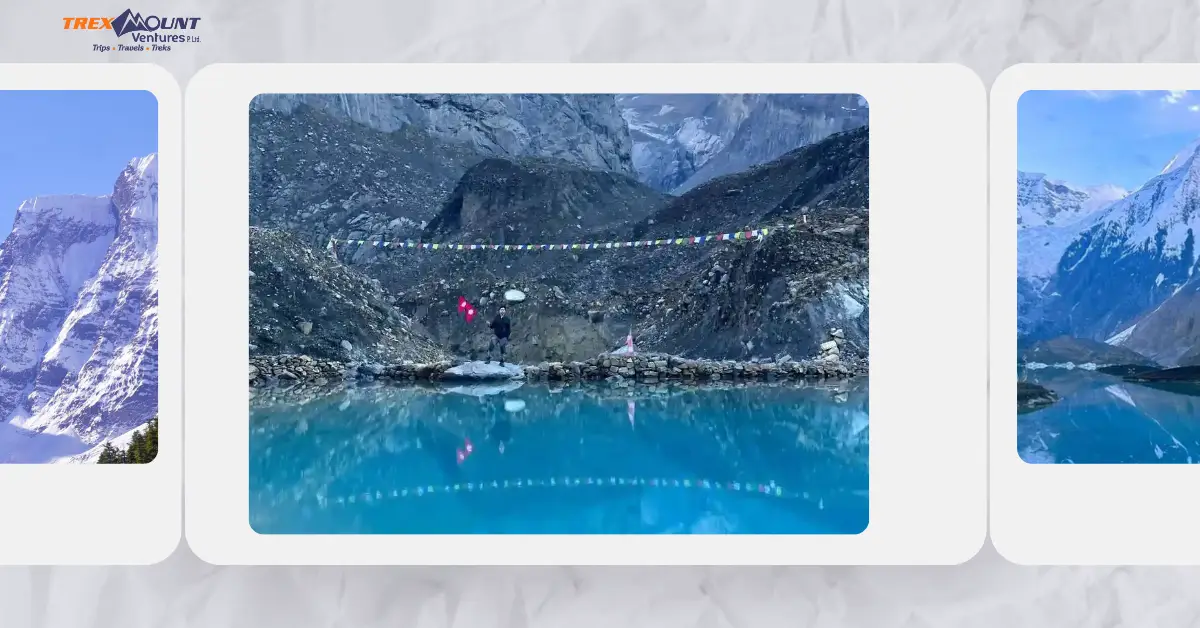
These bridges are often decorated with colourful Buddhist prayer flags, creating a distinctive Himalayan atmosphere.
As you walk across them, you can enjoy views of deep river valleys, forested hillsides, and surrounding mountain landscapes.
For first-time trekkers, crossing a high suspension bridge can feel intimidating, particularly when the bridge moves slightly underfoot.
However, these crossings are an essential part of travelling through the rugged Khumbu region.
One of the most famous bridges is the Hillary Suspension Bridge, located along the trail towards Namche Bazaar.
It is among the most recognizable landmarks on the Everest Base Camp route and offers an impressive perspective of the surrounding valley.
The bridges are particularly memorable because of their elevated positions above the rivers and their colourful prayer flags fluttering in the Himalayan wind.
When crossing, follow your guide's instructions, maintain a steady walking pace, and avoid overcrowding the bridge.
These crossings may take only a few minutes, but they become some of the most memorable moments of the journey.
Now that you understand what makes the Everest Base Camp Trek such a remarkable adventure, the next step is choosing an itinerary that matches your available time, physical fitness, and travel preferences.
A successful Everest Base Camp experience requires more than simply reaching the destination. You need sufficient time for acclimatization, reliable transportation, suitable accommodation, experienced guides, and proper logistical arrangements.
For travellers planning their adventure in 2027, the classic 16-day Everest Base Camp Trek offers a balanced approach to exploring the Khumbu region.
At Trexmount Ventures, we offer a 16-day Everest Base Camp Trek designed to combine Himalayan exploration, cultural experiences, and gradual altitude adaptation.
Our standard itinerary takes you from Kathmandu to Lukla before following the traditional trekking route through Phakding, Namche Bazaar, Tengboche, Dingboche, Lobuche, and Gorak Shep.
The journey includes two acclimatization days, allowing your body to adjust gradually to the increasing altitude.
Some of the major highlights include:
The itinerary also includes airport transfers, domestic flights, accommodation, trekking permits, experienced guides, porters, and meals according to the package inclusions.
The cost of the Everest Base Camp Trek depends on several factors, including the package category, group size, accommodation preferences, transportation, and included services.
Prices displayed on the Trexmount Ventures package page. Confirm 2027 departure pricing and availability before booking.
View Everest Base Camp Package
Both package options provide different levels of comfort and services, allowing travellers to select an experience that suits their preferences.
When comparing Everest Base Camp Trek prices, always check what is included rather than choosing a package based solely on its advertised cost.
The Everest Base Camp Trek is an adventure that brings together everything that makes Nepal an extraordinary trekking destination.
From standing beneath the world's highest mountain to witnessing the sunrise from Kala Patthar, every part of this journey offers something different.
You explore the dramatic landscapes of Sagarmatha National Park, walk alongside the Khumbu Glacier, cross suspension bridges, visit ancient Buddhist monasteries, and experience the hospitality of traditional Sherpa communities.
However, what makes this journey truly special is not just the destination. It is everything you experience along the way.
The gradual change in landscapes, the challenges of high-altitude walking, the warmth of mountain communities, and the satisfaction of completing a demanding Himalayan adventure make the experience worth remembering.
If reaching Everest Base Camp has been on your bucket list, 2027 could be the year you finally make it happen.
Start preparing early, choose an itinerary with adequate acclimatization, arrange suitable travel insurance, and allow enough flexibility for mountain flight disruptions.
Make 2027 the year you turn your Everest dream into reality.
Explore the Everest Base Camp Trek with Trexmount Ventures and start planning your journey to the foot of Mount Everest.

Welcome to Trexmount Ventures !