 Trexmount Ventures

Popular Searches
Ready to plan your next getaway? Let’s connect and create something incredible together.
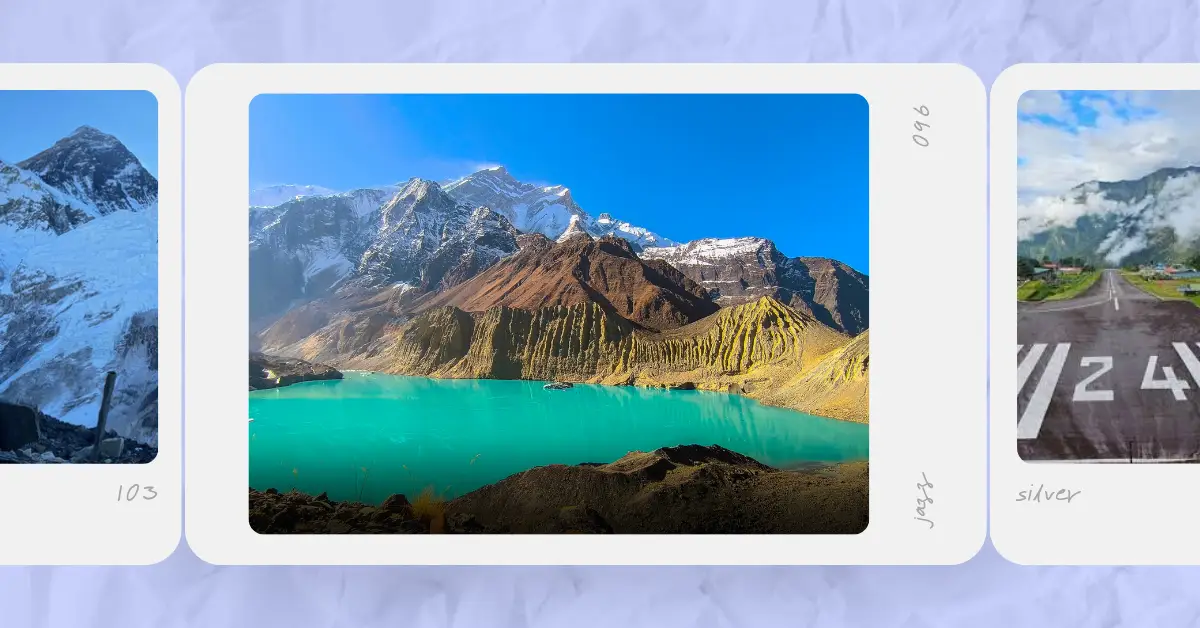
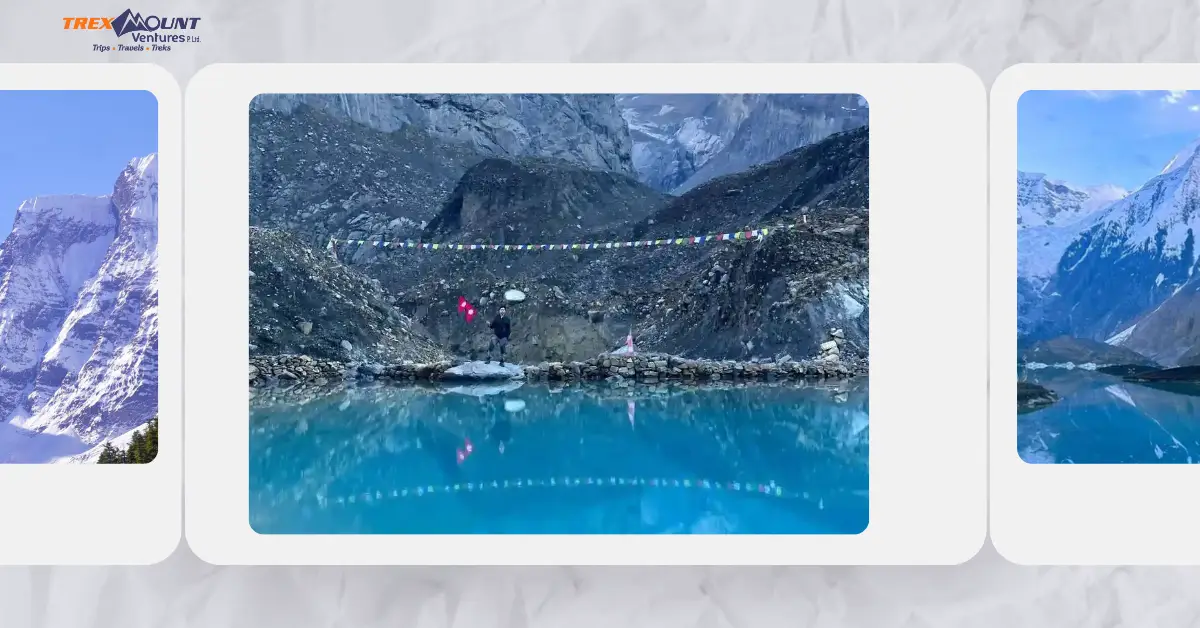
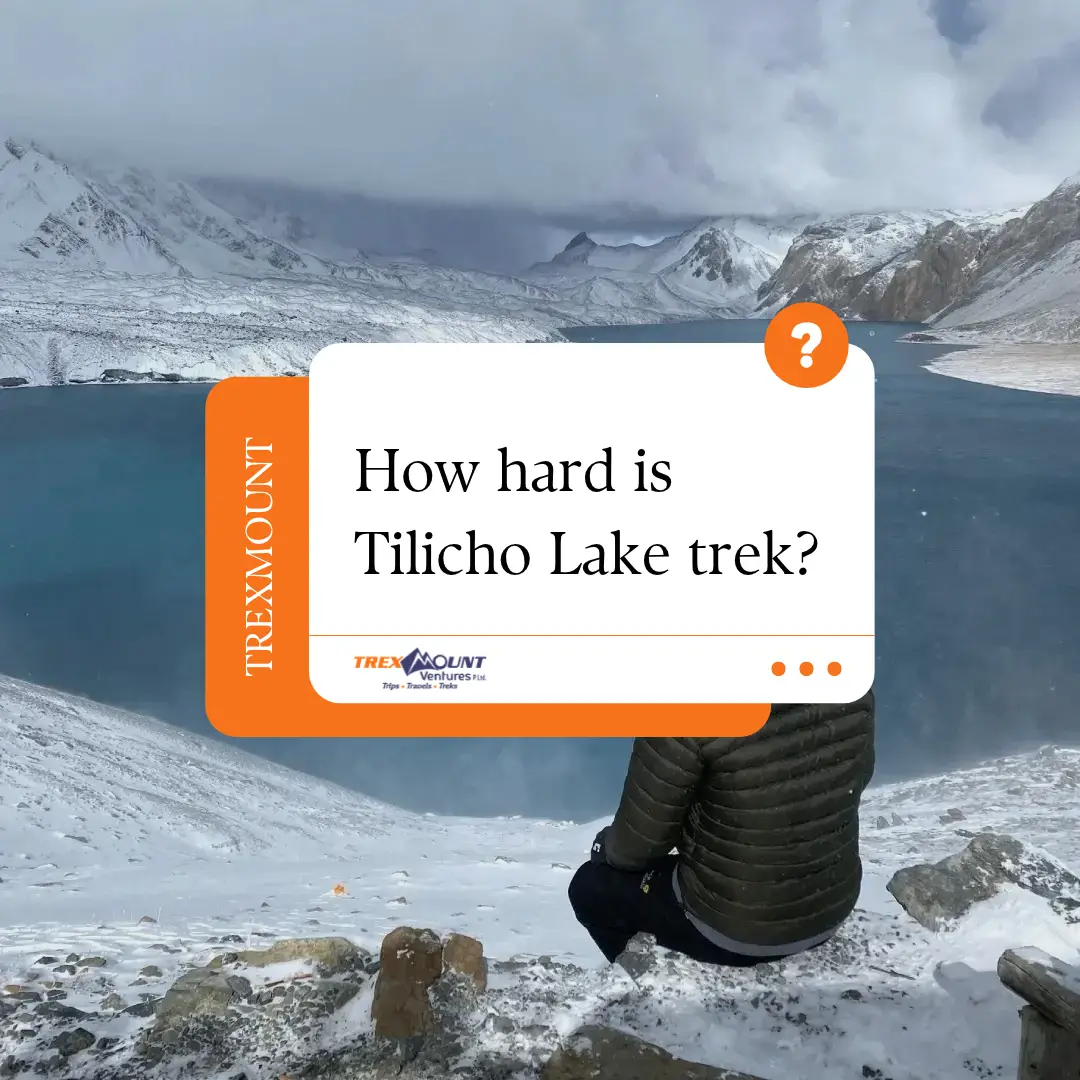
The Tilicho Lake Trek is moderately difficult to challenging, depending on your fitness level, trekking experience, pace, and how well you adjust to altitude. The trek takes you through mountain trails, rocky paths, steep uphill sections, and high-altitude terrain, eventually reaching Tilicho Lake at approximately 4,919 meters (16,138 feet).
Although you do not need technical climbing skills, the high elevation makes this trek more demanding than many lower-altitude treks in Nepal. Long walking days, thinner air, cold temperatures, and changing weather can make the journey physically exhausting. However, with proper preparation, a steady walking pace, and enough acclimatization, it is achievable for fit beginners as well as experienced trekkers.
The Tilicho Lake Trek Difficulty mainly comes from the combination of altitude, walking duration, terrain, and weather rather than technical climbing. As you move beyond Manang, the landscape becomes more rugged, and the trail requires greater attention and physical effort.
Tilicho Lake sits at around 4,919 meters above sea level, where oxygen levels are considerably lower than at sea level. Consequently, your body needs time to adjust to the elevation.
Some trekkers may experience headache, dizziness, fatigue, nausea, appetite loss, or difficulty sleeping. These are possible symptoms of altitude sickness, especially when ascending too quickly.
Walk slowly and avoid rushing uphill.
Allow enough time to acclimatize around Manang.
Drink water regularly and eat enough food.
Never continue ascending if your altitude sickness symptoms worsen.
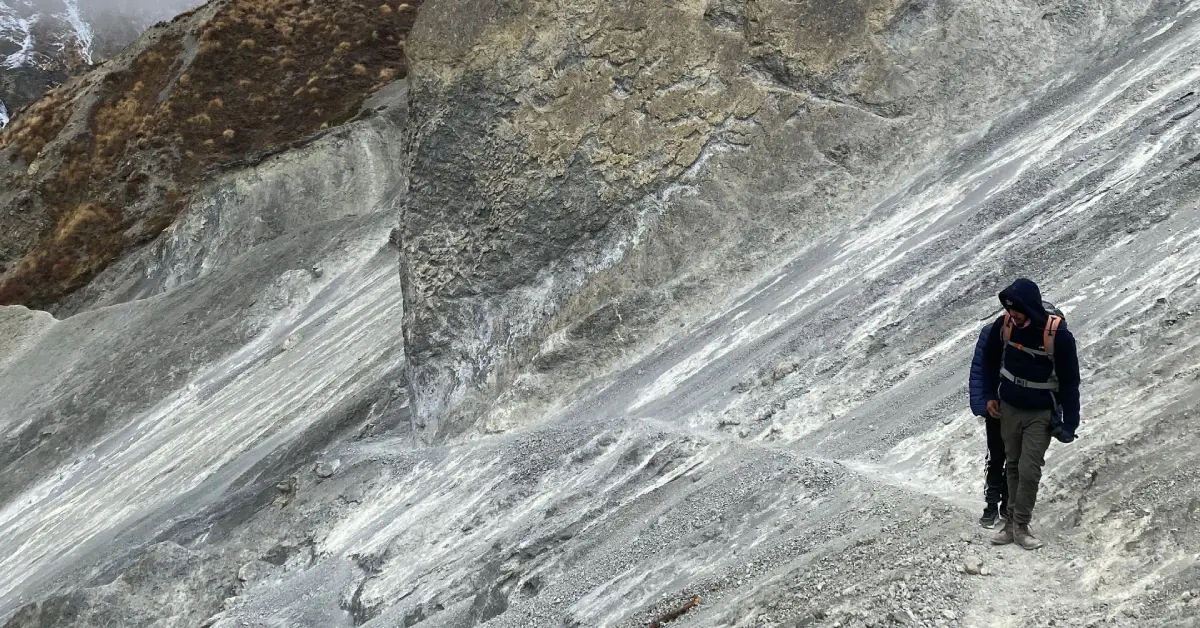
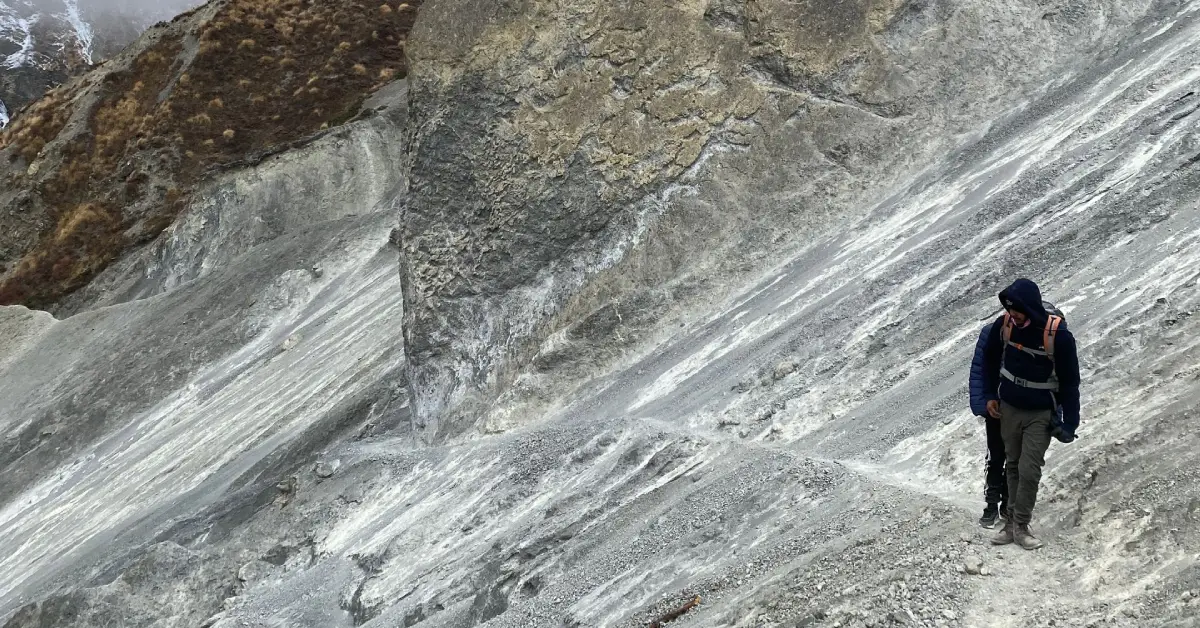
The trek involves several hours of walking each day. Some sections include steep climbs, uneven stones, loose gravel, and narrow mountain paths. The trail can become particularly tiring as you approach Tilicho Base Camp and continue toward the lake.
Furthermore, descending can put additional pressure on your knees, ankles, and legs. Therefore, trekking poles can help improve balance and reduce strain on long downhill sections.
Weather in the Annapurna region can change quickly. Higher sections may experience strong winds, snowfall, cold mornings, or reduced visibility, depending on the season.
Even when the lower trail feels comfortable, conditions near Tilicho Lake can be considerably colder. Proper clothing and flexible trekking plans are important.
The section from Manang toward Tilicho Lake is one of the more demanding parts of the journey because the altitude increases and the terrain becomes more exposed. The Manang Tilicho Lake Trek route generally involves walking from Manang toward Tilicho Base Camp before continuing to the lake and returning.
This section takes you through changing mountain landscapes, rocky trails, and gradual as well as steep ascents. As you gain elevation, walking becomes slower, even if the distance does not appear particularly long.
The climb toward Tilicho Lake can be physically demanding, especially early in the morning when temperatures are cold. The trail includes steep uphill sections, loose terrain, and areas where you need to watch your footing carefully.
Reaching the lake is rewarding, but the return walk is equally important. Trekkers must save enough energy to descend safely rather than treating the lake as the end of the day's effort.
The Tilicho Lake Trek is suitable for people with reasonable fitness, a willingness to walk for several hours, and the ability to manage high-altitude conditions. You do not necessarily need previous trekking experience, but beginners should train beforehand.
The Tilicho Lake side trip usually requires around 3–5 trekking days from the Manang area, depending on your overnight stops, pace, and whether you return the same way or rejoin the Annapurna Circuit. A full trekking itinerary from Kathmandu can take longer because it includes transport, gradual altitude gain, and acclimatization days.
A reasonable route progression includes:
Preparing for Tilicho Lake is easier when you build stamina before arriving in Nepal. You do not need to be an athlete; however, you should be comfortable walking uphill for extended periods.
Tilicho Lake can feel more difficult than the standard Annapurna Base Camp trek because it reaches a higher altitude and includes steep, exposed terrain on the approach. While both treks require endurance, Tilicho's lake day can be particularly challenging due to the climb toward 4,919 meters and the return descent.
However, difficulty depends on your itinerary, weather, acclimatization, and individual fitness. A well-paced Tilicho trip can be manageable, while an aggressive schedule can make it much harder than expected.
Yes, beginners can complete the Tilicho Lake Trek if they have good fitness, prepare in advance, and follow a gradual itinerary. Previous trekking experience is helpful but not mandatory. However, this is not an ideal first trek for someone who rarely walks or exercises. The high altitude, steep trails, and long walking days require physical preparation and careful acclimatization.
Most trekking days involve around 4–6 hours of walking, depending on the route and overnight stop. The lake excursion can take approximately 7–9 hours round trip, depending on pace, trail conditions, and weather. Walking times may increase at higher elevations, so it is better to plan your days with enough flexibility rather than rushing to reach your destination.
Previous trekking experience is recommended but not compulsory. If you regularly hike, walk uphill, and have good endurance, you can prepare for Tilicho Lake without having completed another high-altitude trek. However, first-time trekkers should choose a slower itinerary, train beforehand, and avoid attempting the lake without proper acclimatization.
The most challenging part is usually the climb from Tilicho Base Camp to the lake and the exposed trail sections around the landslide-prone slopes. The steep ascent, loose rocks, cold temperatures, and thinner air make walking difficult. Moreover, descending after reaching the lake can be tiring, so you should conserve your energy throughout the day.
Yes. Altitude sickness can affect anyone, regardless of age, fitness, or trekking experience. Tilicho Lake reaches 4,919 meters, where the reduced oxygen level can cause headache, nausea, dizziness, and fatigue. Spending time acclimatizing in Manang, ascending gradually, and recognizing symptoms early are essential. If symptoms worsen, stop ascending and descend when necessary.
You should have enough stamina to walk several hours daily over uneven terrain and handle uphill climbs without frequent exhaustion. Cardiovascular endurance, leg strength, and balance are particularly useful. Training with hikes, stairs, and a loaded backpack for 4–6 weeks before departure can help. You do not need exceptional fitness, but you should not underestimate the altitude.
Yes, winter can make the trek significantly harder. Snow, icy trails, freezing temperatures, and shorter daylight hours can increase walking difficulty and safety risks. Some sections may become inaccessible depending on conditions. Therefore, winter trekkers need suitable cold-weather equipment, experienced local guidance, and flexibility to change their itinerary when weather conditions are unsafe.
Trekking poles are not compulsory, but they are highly recommended. They help maintain balance on rocky trails, support your knees during descents, and reduce pressure on your legs during steep climbs. They can be particularly useful on the descent from the lake, when tiredness makes uneven terrain more difficult to manage.
Tilicho Lake reaches 4,919 meters, whereas Thorong La Pass reaches approximately 5,416 meters. Both are challenging high-altitude destinations. Thorong La generally requires a longer high-altitude crossing and a demanding descent, while Tilicho Lake involves a steep climb to the lake and return. Combining both destinations increases the overall physical demand.
Trekking independently may be possible depending on current regulations, trail conditions, and permit requirements. However, a knowledgeable local guide can help with route navigation, acclimatization, accommodation arrangements, weather decisions, and difficult trail sections. For first-time trekkers or those unfamiliar with high-altitude trekking in Nepal, guided trekking is a safer and more practical option.
Tilicho Lake is demanding, but the experience is worth the effort when you approach it with the right preparation. From the trails around Manang to the rugged mountain landscapes and the turquoise waters of Tilicho Lake, every section offers a reason to keep walking.
At Trexmount Ventures, we help trekkers plan their journey with experienced local guides, practical itineraries, proper acclimatization, and support throughout the trek. Whether you are a first-time high-altitude trekker or an experienced hiker, we can help you choose a suitable pace and trekking plan.
Contact Trexmount Ventures to plan your Tilicho Lake adventure and take your next step into the Himalayas with confidence.

Welcome to Trexmount Ventures !