 Trexmount Ventures

Popular Searches
Ready to plan your next getaway? Let’s connect and create something incredible together.
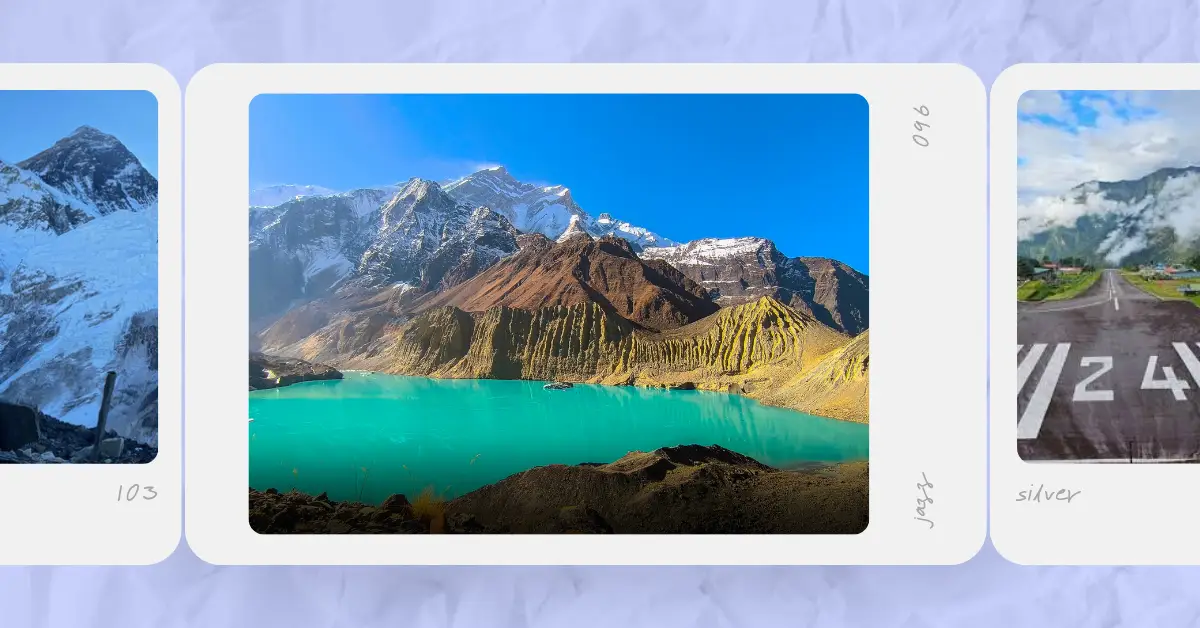

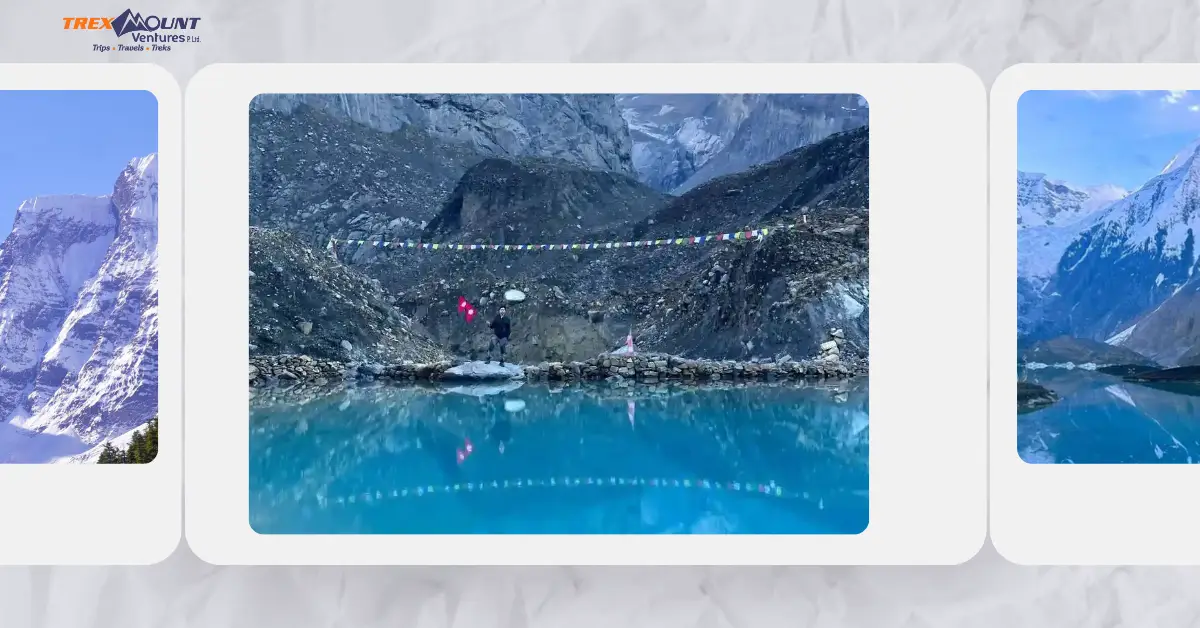


The Tilicho Lake trek from Manang usually takes 2–3 days for a return side trip, depending on your walking pace, weather and overnight stops. The journey follows the trail through Khangsar and Shree Kharka before reaching Tilicho Base Camp at approximately 4,150 metres. From there, trekkers climb to Tilicho Lake at 4,919 metres and return to a lower overnight stop.
For trekkers following the Annapurna Circuit, this is an additional journey worth planning carefully. Although the distance may appear manageable, the steep ascent, high altitude and exposed trail sections require proper preparation. At Trexmount Ventures, we recommend allowing sufficient time for acclimatisation before starting this section of your Manang Trek.
The Tilicho Lake trek generally requires 2–3 days from Manang and back. A comfortable itinerary divides the journey into manageable walking stages instead of attempting to reach the lake and return in one exhausting day.
Here is the recommended breakdown:
The journey begins in Manang, following a trail towards Khangsar village. Along the way, you will experience beautiful views of the surrounding mountains, traditional settlements and the Khangsar Valley.
After reaching Khangsar, the trail gradually climbs towards Shree Kharka. Spending the night here allows your body to adjust before gaining more altitude.
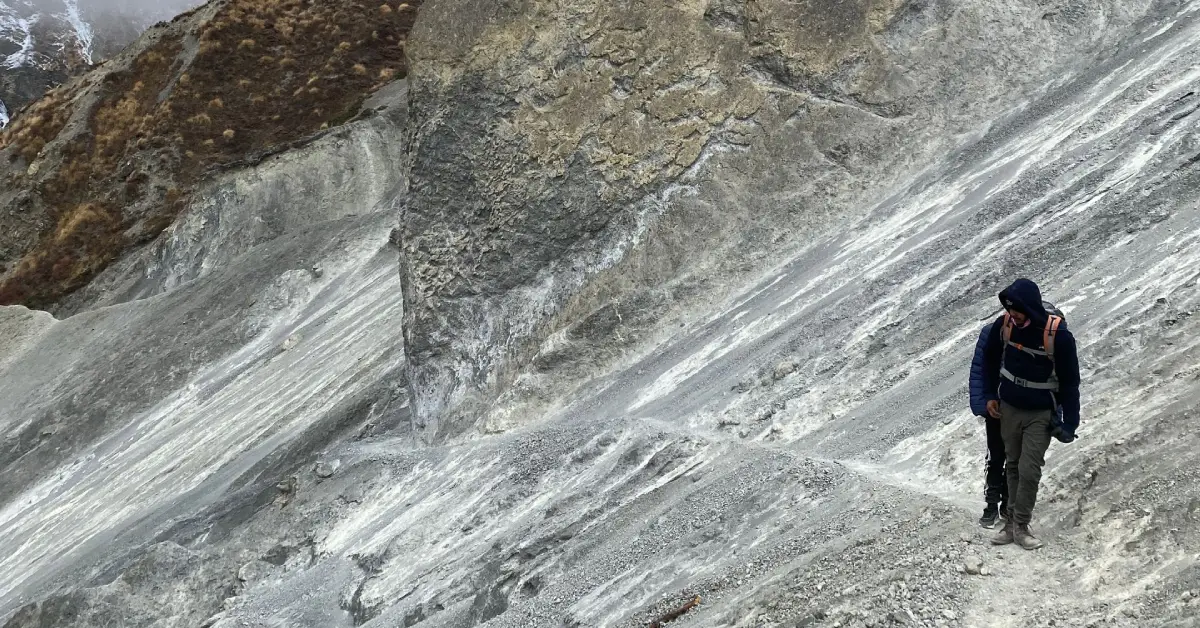
The trail continues towards Tilicho Base Camp, crossing a challenging section of loose scree and landslide-prone terrain. Although this section does not require technical climbing skills, trekkers should walk carefully and follow their guide's instructions.
After reaching Tilicho Base Camp, you can rest, have an early dinner and prepare for the following morning's climb.
This is the most demanding day of the Manang Tilicho Lake Trek. Most trekkers start early in the morning because the trail involves a steep ascent of nearly 800 metres.
After approximately 3–4 hours of climbing, you reach Tilicho Lake. Enjoy the spectacular mountain scenery before descending towards your planned overnight destination.
Some itineraries return to Shree Kharka, while others continue towards Manang over a longer day.
The distance varies according to the selected route, overnight stops and trail conditions. The journey from Manang to Shree Kharka, Tilicho Base Camp and the lake covers several stages rather than one continuous walk.
The main route follows:
These are approximate planning distances, not fixed GPS measurements. The Manang Tilicho Lake Trek involves additional walking during the return journey.
The Tilicho Lake Trek is considered moderately difficult to challenging because of its altitude, steep uphill sections and exposed terrain.
The lake sits at 4,919 metres, where reduced oxygen levels can make even ordinary walking physically demanding. Furthermore, the trail between Shree Kharka and Tilicho Base Camp crosses unstable slopes that require extra attention.
Before starting this Manang Trek, consider:
If you are already in Manang, the additional cost depends on your accommodation, meals, guide arrangements and equipment requirements.
For independent budgeting, allow approximately USD 1000–2000 per person for accommodation, meals, and basic trail expenses. This is a planning estimate, not a fixed local tariff. Guided arrangements and porter services cost extra.
A full guided Annapurna Circuit package that includes the Tilicho Lake Trek can cost considerably more because it covers additional trekking days, transport, permits, accommodation and staff.
Yes. Experienced trekkers with good acclimatisation can complete the Manang Tilicho Lake Trek in two days by walking from Manang to Tilicho Base Camp and visiting the lake the following morning before returning. However, this creates longer walking days and may leave little flexibility for bad weather or altitude-related problems. Three days provide a more comfortable schedule.
Visiting Tilicho Lake and returning to Manang in one day is extremely demanding. The journey involves a significant altitude gain, several hours of uphill walking and a long descent. It is not a suitable plan for most trekkers. Staying overnight at Shree Kharka or Tilicho Base Camp makes the Manang Tilicho Lake Trek safer and more manageable.
Tilicho Lake sits at approximately 4,919 metres above sea level in the Annapurna region of Nepal. Its high elevation makes acclimatisation particularly important. Trekkers should spend adequate time adjusting to the altitude in Manang before continuing towards the lake. Altitude sickness can affect anyone, regardless of fitness, so never ignore symptoms such as headaches, nausea or dizziness.
Foreign trekkers should arrange a licensed guide through a registered trekking agency in accordance with Nepal's trekking regulations. A guide also helps with route navigation, altitude management, accommodation arrangements and potentially dangerous landslide sections. For the Manang Trek, having someone familiar with current trail conditions can make a significant difference to your overall experience.
March to May and September to November are generally considered the best periods for the Tilicho Lake Trek. Spring brings relatively stable trekking conditions and warmer daytime temperatures, while autumn usually offers clear mountain views after the monsoon. However, snowfall, strong winds and changing weather can affect access throughout the year.
Tilicho Lake can feel more challenging because of its higher elevation and exposed trail sections. The lake reaches 4,919 metres, whereas Annapurna Base Camp sits at approximately 4,130 metres. Both treks require physical preparation, but the Manang Tilicho Lake Trek involves a particularly demanding high-altitude ascent and potentially unstable terrain.
Yes, beginners with reasonable fitness and proper preparation can attempt this trek. However, it is not an ideal first trekking experience without guidance and acclimatisation. Regular walking, cardiovascular training and previous experience at moderate elevations can help. A gradual itinerary, experienced guide and willingness to adjust plans are important for first-time trekkers.
Tilicho Lake lies within the Annapurna Conservation Area. Trekkers generally need an Annapurna Conservation Area Permit (ACAP), along with applicable trekking registration requirements. Tilicho Lake does not require a separate restricted-area permit. Permit rules and fees can change, so confirm the current requirements with your trekking agency before departure.
Absolutely. Tilicho Lake is commonly visited as a side trip during the Annapurna Circuit Trek. After exploring the lake, trekkers can reconnect with the main circuit and continue towards Yak Kharka, Thorong Phedi and Thorong La Pass. This combination offers a more varied experience of trekking in Nepal, including mountain landscapes, traditional villages and high-altitude scenery.
No. Tilicho Lake does not remain completely frozen throughout the year. During colder months, sections of the lake can freeze, while warmer periods may reveal more of its turquoise water. Conditions depend on temperature, snowfall and seasonal weather. Even during the best trekking months, visitors should carry warm clothing because temperatures near the lake can remain low.
Reaching Tilicho Lake is more than simply completing another high-altitude walk. It is an opportunity to explore the remote landscapes of Manang Nepal, experience traditional Himalayan settlements and witness one of the most remarkable high-altitude lakes in the Annapurna region. However, choosing the right itinerary, allowing sufficient acclimatisation time and understanding the trail conditions are essential for a successful journey.
At Trexmount Ventures, we help trekkers plan their Manang Tilicho Lake Trek with experienced local guides, suitable accommodation, route planning and reliable trekking arrangements. Whether you want to visit Tilicho Lake as a short side trip or combine it with the Annapurna Circuit, our team can help organise an itinerary that matches your available time, experience and budget.
Contact Trexmount Ventures today to discuss your trekking plans and start preparing for your next Himalayan adventure.

Welcome to Trexmount Ventures !