 Trexmount Ventures
Trexmount Ventures
Trexmount Ventures

Popular Searches
Ready to plan your next getaway? Let’s connect and create something incredible together.
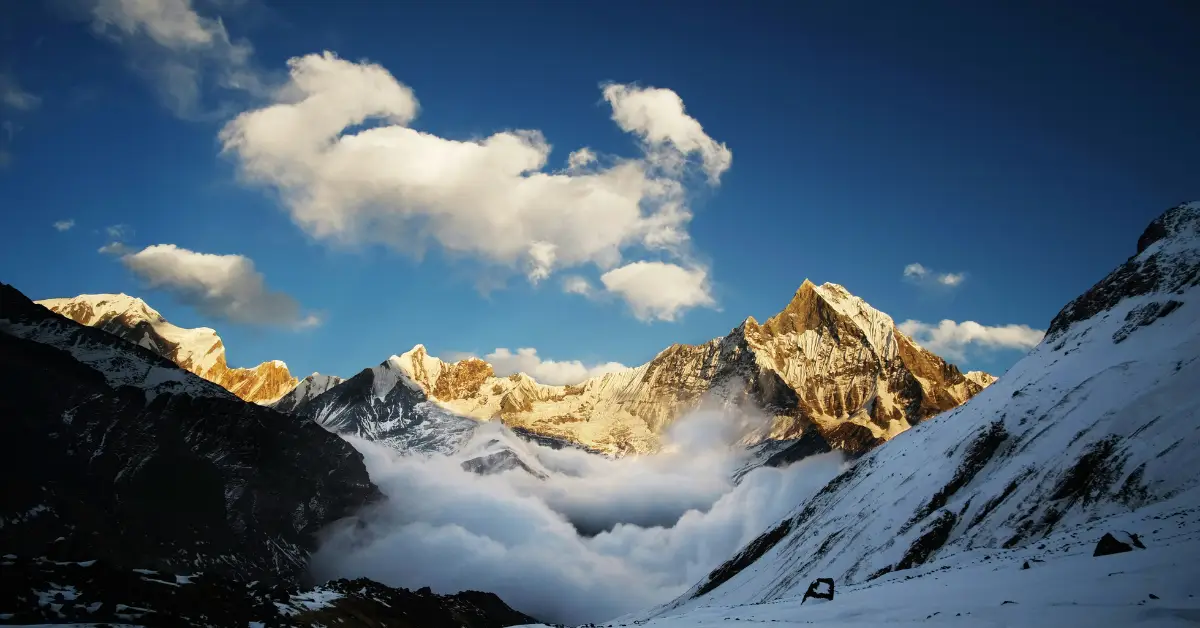

Rara Lake is famous for being the largest and deepest freshwater lake in Nepal, sitting at a remarkable altitude inside one of the country’s most remote national parks. Its crystal-clear turquoise water, dramatic mountain reflections, and untouched wilderness make it one of the most extraordinary natural destinations in the entire Himalayan region.
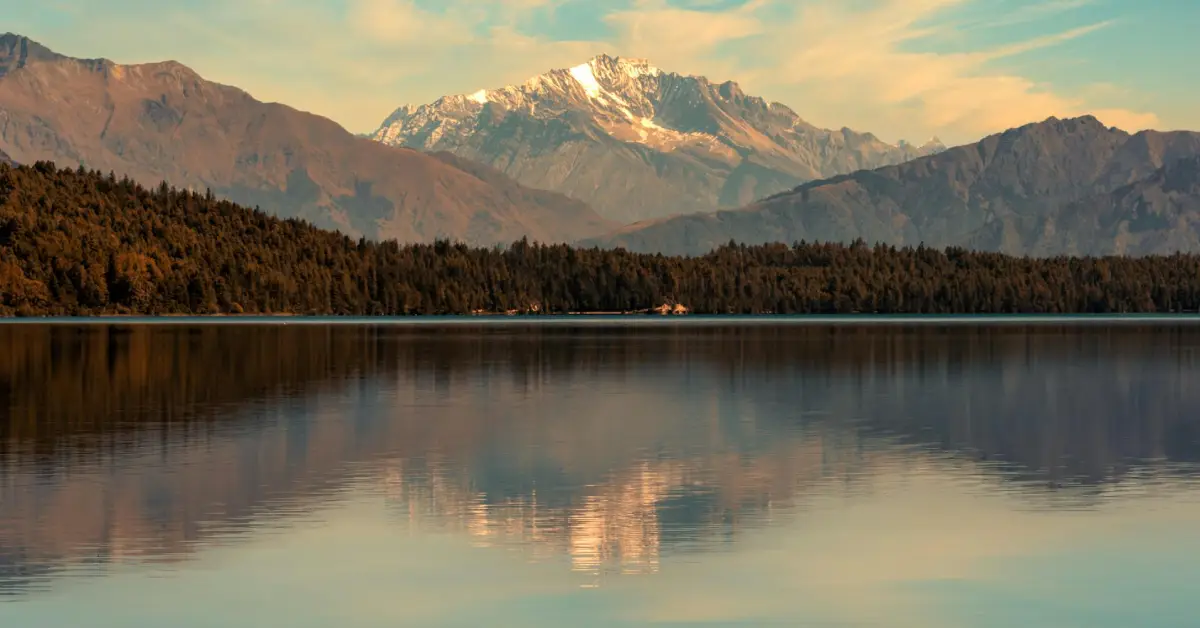
Trekkers, nature lovers, and wildlife enthusiasts travel from across the world to witness a landscape that feels completely untouched by modern life.
Rara Lake is located in Mugu District, Karnali Province, in the far northwestern part of Nepal. It sits within Rara National Park, which is the smallest national park in Nepal by area, covering roughly 106 square kilometers. Despite its small size, the park protects an incredible range of ecosystems, from dense pine and oak forests to open alpine meadows.
If you look at Rara Lake in the map of Nepal, you will find it positioned far northwest, sharing proximity with the Tibetan border. It is geographically isolated, which is one of the key reasons the area has stayed so pristine for centuries.
| Location Detail | Information |
|---|---|
| District | Mugu District |
| Province | Karnali Province |
| Country | Nepal |
| National Park | Rara National Park |
| Park Area | 106 sq km |
| Nearest Airport | Talcha Airport (Mugu) |
Rara Lake, also known as Rara Tal, is famous primarily because it is the largest lake in Nepal, stretching across approximately 10.8 square kilometers with a depth of around 167 meters. The lake changes color throughout the day, shifting from deep blue to green to turquoise depending on the angle of sunlight, which gives it an almost surreal visual quality. No other lake in Nepal offers this combination of size, depth, color transformation, and remote alpine setting.
Beyond its physical beauty, Rara Tal is celebrated for its extraordinary biodiversity. The surrounding national park shelters red pandas, Himalayan black bears, grey wolves, musk deer, and over 214 species of birds. This density of rare wildlife in such a compact protected area makes Rara Lake a destination of genuine ecological significance.
Furthermore, the lake holds deep cultural importance for local Mugu communities. Ancient legends speak of the lake as a sacred body of water, and small shrines near its shores reflect centuries of religious tradition. Together, the natural wonder and cultural depth explain why Rara Lake stands apart from every other trekking destination in Nepal.
| Why Rara Lake Is Famous | Details |
|---|---|
| Largest lake in Nepal | 10.8 sq km surface area |
| Deepest lake in Nepal | Approximately 167 meters deep |
| Unique color changes | Blue, green, turquoise throughout the day |
| Rich biodiversity | 214+ bird species, red pandas, wolves |
| Sacred cultural significance | Local shrines and Mugu traditions |
| Remote and pristine | Minimal human disturbance |
Rara Lake altitude sits at approximately 2,990 meters (9,810 feet) above sea level. This makes the Rara Lake height just below the 3,000-meter mark, placing it firmly in the subalpine zone. At this elevation, temperatures can drop sharply at night even during summer months, so proper gear is always essential.
| Key Facts About Rara Lake | Data |
|---|---|
| Rara Lake altitude | 2,990 meters (9,810 feet) |
| Surface area | 10.8 sq km |
| Maximum depth | 167 meters |
| Catchment area | Approx. 400 sq km |
| Type | Freshwater lake |
| Drainage | Khatyar Khola River |
Rara Lake is approximately 280 to 320 kilometers from Pokhara by air distance, but direct road connectivity does not exist between the two. Most trekkers fly from Kathmandu or Nepalgunj to reach the lake’s vicinity, as road travel through this region is still developing and takes considerably longer.
If traveling by road and foot from Pokhara, the journey can take anywhere from four to six days depending on the route chosen and transport connections available along the way.
The Rara Lake trek is generally rated as a moderate to moderately challenging trek. It does not require technical climbing skills or advanced mountaineering experience, but it does demand good physical fitness, stamina, and careful preparation. The trails pass through remote terrain with limited rescue infrastructure, which means trekkers must come well-prepared.
| Trek Difficulty Factor | Details |
|---|---|
| Overall rating | Moderate to moderately challenging |
| Trek duration | 10 to 14 days |
| Daily walking time | 5 to 7 hours |
| Highest point | Approx. 3,700 meters |
| Technical skills needed | None |
| Fitness requirement | Good physical condition |
The trails pass through dense forests, remote villages, and open ridgelines. Because the region receives fewer trekkers than popular routes like Annapurna or Everest, the infrastructure is simpler, which actually adds to the raw adventure feel that makes the Rara Lake trek so rewarding.
Rara Lake weather varies significantly across seasons. The lake sits high enough that winters bring heavy snowfall and sub-zero temperatures, while summers are mild and pleasant. Understanding the weather before you plan is essential for a safe and enjoyable experience.
| Season | Months | Temperature Range | Conditions |
|---|---|---|---|
| Spring | March to May | 5°C to 18°C | Clear skies, blooming rhododendrons |
| Summer/Monsoon | June to August | 10°C to 20°C | Heavy rainfall, leeches on trails |
| Autumn | September to November | 3°C to 15°C | Best visibility, stable weather |
| Winter | December to February | -15°C to 5°C | Heavy snow, trails may close |
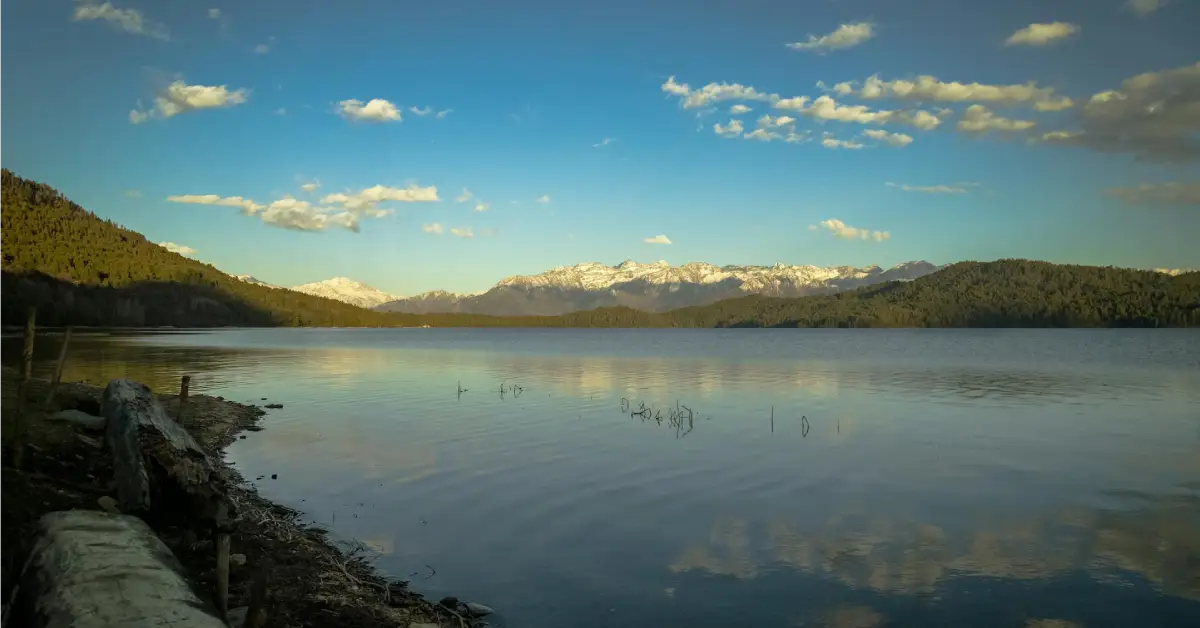
Autumn, specifically October and November, is widely considered the best time to visit. During this period, the skies are clear, the lake reflects the surrounding mountains with stunning clarity, and the weather remains stable and manageable.
Getting to Rara Lake from Kathmandu involves a combination of flights and trekking. There is no single direct road route that comfortably covers the full journey. Most trekkers follow one of two standard approaches.
Option 1: Via Nepalgunj and Talcha Airport
Option 2: Via Surkhet by Road
| Route | Mode | Estimated Time |
|---|---|---|
| Kathmandu to Nepalgunj | Flight | 1 hour |
| Nepalgunj to Talcha (Mugu) | Flight | 40 minutes |
| Talcha to Rara Lake | Trek | 1 to 2 days |
| Kathmandu to Surkhet | Flight/Bus | 8 to 12 hours |
Flight costs from Kathmandu to Nepalgunj typically range from NPR 8,000 to NPR 15,000 one way. Nepalgunj to Talcha flights range from NPR 12,000 to NPR 20,000 depending on the season and airline.
The Surkhet to Rara Lake distance by road is approximately 220 to 250 kilometers, passing through challenging mountain terrain. The road is not fully paved along the entire route, and travel conditions vary depending on the season. By jeep or local transport, this journey can take anywhere from 10 to 14 hours across multiple days.
| Checkpoint | Distance from Surkhet |
|---|---|
| Dailekh | Approx. 60 km |
| Jumla | Approx. 170 km |
| Rara Lake | Approx. 220 to 250 km |
Many trekkers choose to fly to Jumla instead and then trek or jeep the remaining distance to Rara Lake, which reduces travel time considerably.
Accommodation near Rara Lake is simple, warm, and authentic. Luxury hotel options do not exist in this remote region, but several teahouses and small guesthouses operate in the nearby villages of Murma and Rara. Additionally, the national park maintains basic lodges near the lake.
| Accommodation Type | Location | Approx. Cost Per Night |
|---|---|---|
| National Park Lodge | Rara Lake shore | NPR 500 to NPR 1,500 |
| Teahouses in Murma | Near Rara Lake | NPR 400 to NPR 1,000 |
| Camping (own tent) | Inside national park | NPR 300 to NPR 600 |
Meals are available at teahouses for roughly NPR 300 to NPR 600 per meal. Dal bhat remains the most common and filling option available along the route. Trekkers are strongly advised to carry sleeping bags rated to at least -10 degrees Celsius, as nights near the lake can drop well below freezing even in spring and autumn.
Rara Lake is known for being the largest and deepest freshwater lake in Nepal. It is famous for its stunning turquoise color, dramatic Himalayan reflections, incredible biodiversity including red pandas and over 214 bird species, and its remote location inside Rara National Park in Mugu District. The combination of natural beauty, wildlife, and cultural significance makes it truly unique.
Absolutely yes. Rara Lake offers an experience that no other destination in Nepal can replicate. The untouched landscape, complete silence, rare wildlife, and the visual spectacle of a massive turquoise lake surrounded by forest and mountains make every difficult trail mile completely worth it. Trekkers who complete this journey consistently describe it as one of the most profound experiences of their lives.
The full Rara Lake trek typically takes 10 to 14 days when starting from Kathmandu, including internal flights to and from the region. If you fly to Talcha airport near Mugu, the actual trekking portion reduces to around 4 to 6 days of walking. The total duration depends on the specific route you choose and your pace on the trail.
The best time to visit Rara Lake is during autumn, specifically October and November, when skies are clear, visibility is excellent, and weather conditions are stable. Spring, from March to May, is the second-best window, offering warmer temperatures and blooming rhododendron forests along the trail. Winter visits are possible but require serious cold-weather preparation due to heavy snowfall.
A complete Rara Lake trek typically costs between USD 800 and USD 1,500 per person when booked through a registered trekking agency. This usually includes permits, domestic flights, guide fees, accommodation, and meals. Budget-conscious trekkers organizing independently can manage for slightly less, but having an experienced guide in this remote region is strongly recommended for safety.
Yes, two main permits are required. First, you need a Rara National Park entry permit, which costs NPR 3,000 for foreign nationals. Second, a TIMS card (Trekkers Information Management System) is also required. Your trekking agency or Trexmount Ventures can arrange all necessary permits as part of your trek package before departure from Kathmandu.
Mobile connectivity near Rara Lake is extremely limited. NTC (Nepal Telecom) provides a partial and inconsistent signal in some areas near the lake, but reliable internet access is not available. Trekkers should inform their families of limited communication in advance and should carry all necessary offline maps, downloaded guides, and emergency contact numbers before entering the region.
Swimming in Rara Lake is technically possible, but it is strongly discouraged for several reasons. The water temperature remains extremely cold throughout the year due to the lake’s altitude and depth. Additionally, Rara National Park regulations aim to preserve the pristine condition of the lake, and any activity that disturbs the ecosystem is discouraged. Most visitors enjoy the lake from its shores and during boat rides.
Rara National Park shelters an impressive range of wildlife. Visitors regularly spot red pandas, Himalayan black bears, grey wolves, musk deer, leopards, and wild boars. The park also supports over 214 species of birds, including the Himalayan monal (Nepal’s national bird), making it a prime birdwatching destination. Wildlife sightings are more common during the early morning and late afternoon hours.
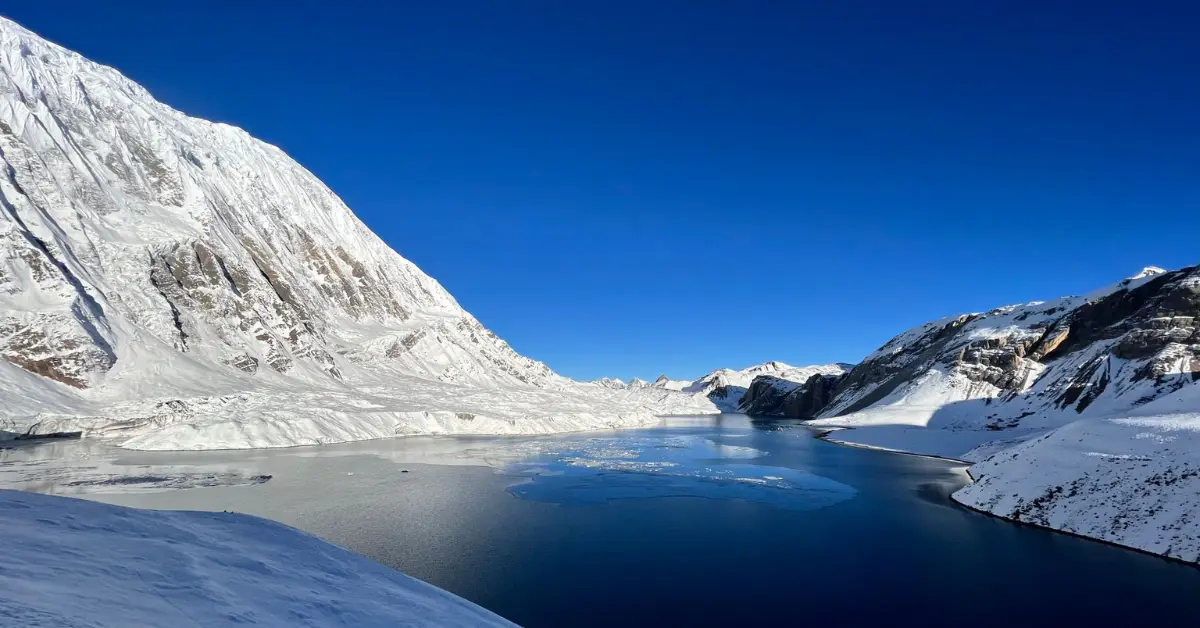
Rara Lake is the largest lake in Nepal by surface area, while Tilicho Lake holds the title of the world’s highest lake at commercial altitude. Phewa Lake in Pokhara is far more accessible and heavily visited. What sets Rara Tal apart is its extreme remoteness, untouched ecology, deep water, and the complete wilderness surrounding it. It offers a raw, off-the-beaten-path experience that Phewa Lake simply cannot match.
Trexmount Ventures specializes in crafting fully customized Rara Lake trek packages that take the complexity out of reaching this remote gem of Nepal. From arranging your domestic flights and national park permits to assigning experienced local guides and sorting teahouse bookings along the trail, we handle every detail so you can simply enjoy the journey.
Our team has direct ground experience in the Karnali and Mugu region and we know exactly what it takes to make your Rara Lake experience safe, comfortable, and genuinely unforgettable. Whether you are a first-time trekker or a seasoned Himalayan adventurer, we build the right itinerary around your pace, budget, and travel dates.

Welcome to Trexmount Ventures !