 Trexmount Ventures
Trexmount Ventures
Trexmount Ventures

Popular Searches
Ready to plan your next getaway? Let’s connect and create something incredible together.
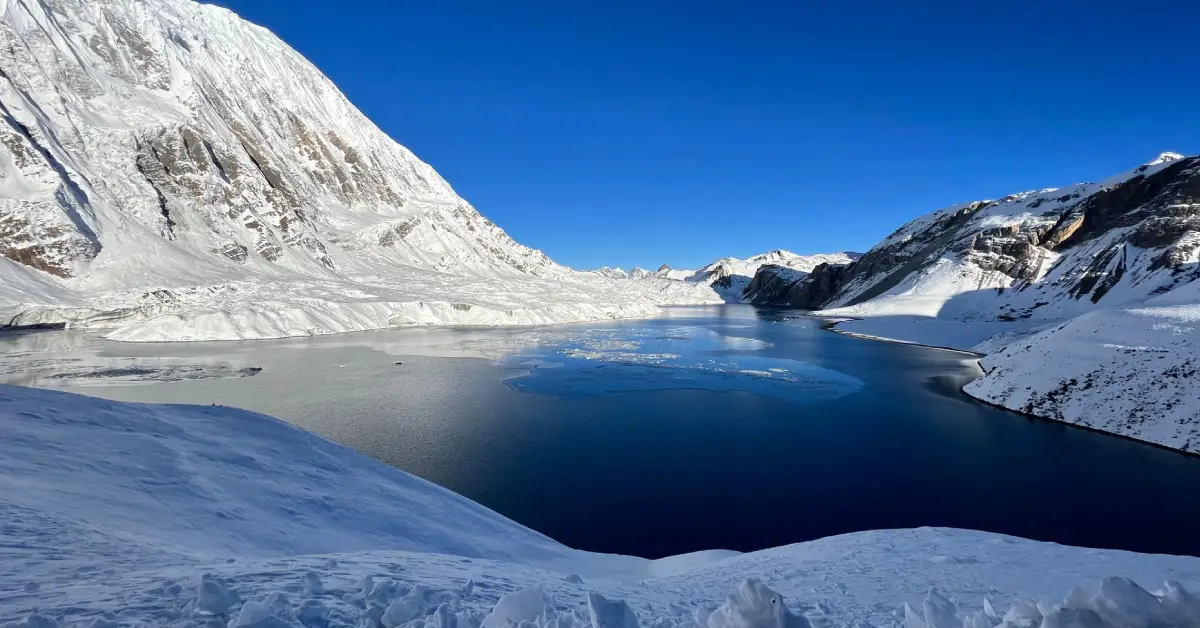
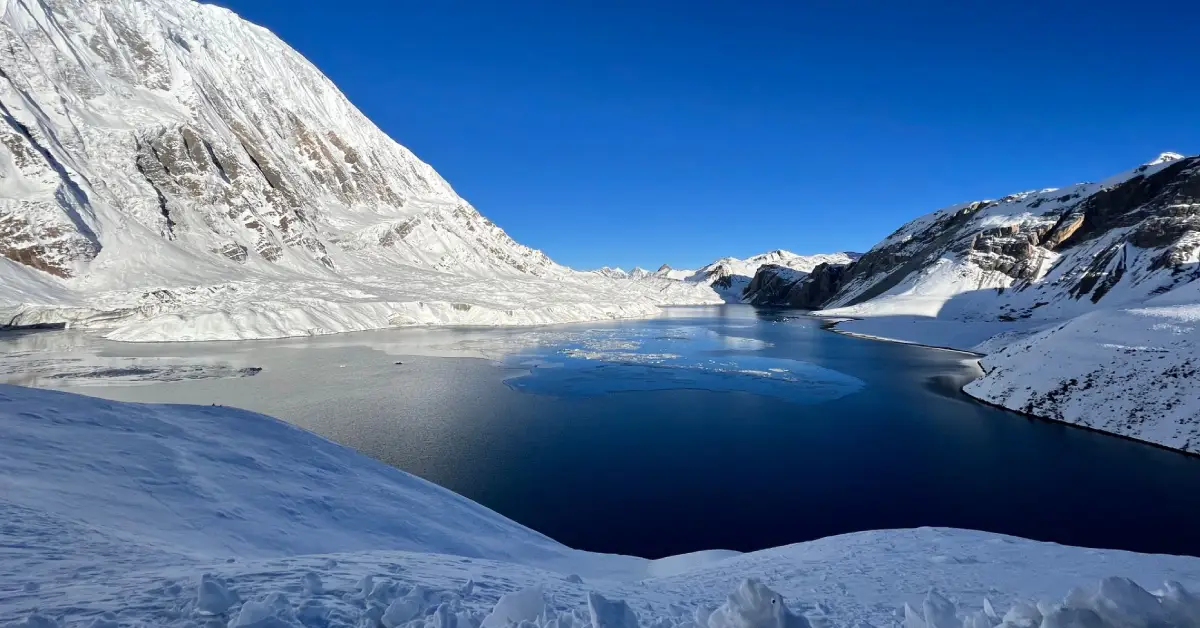


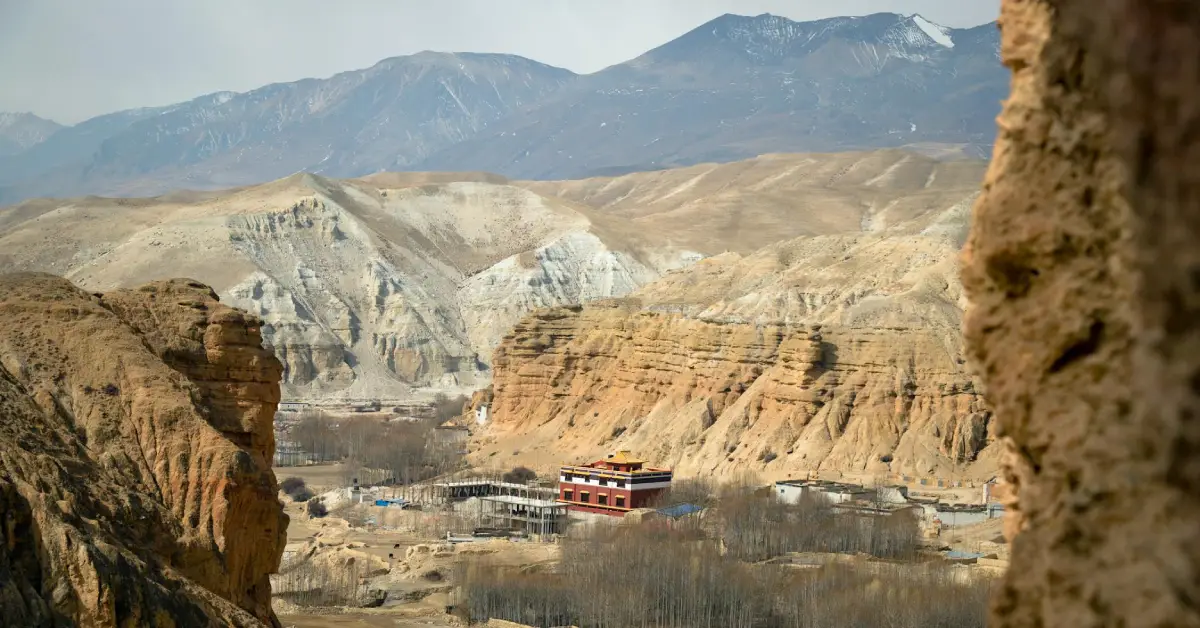

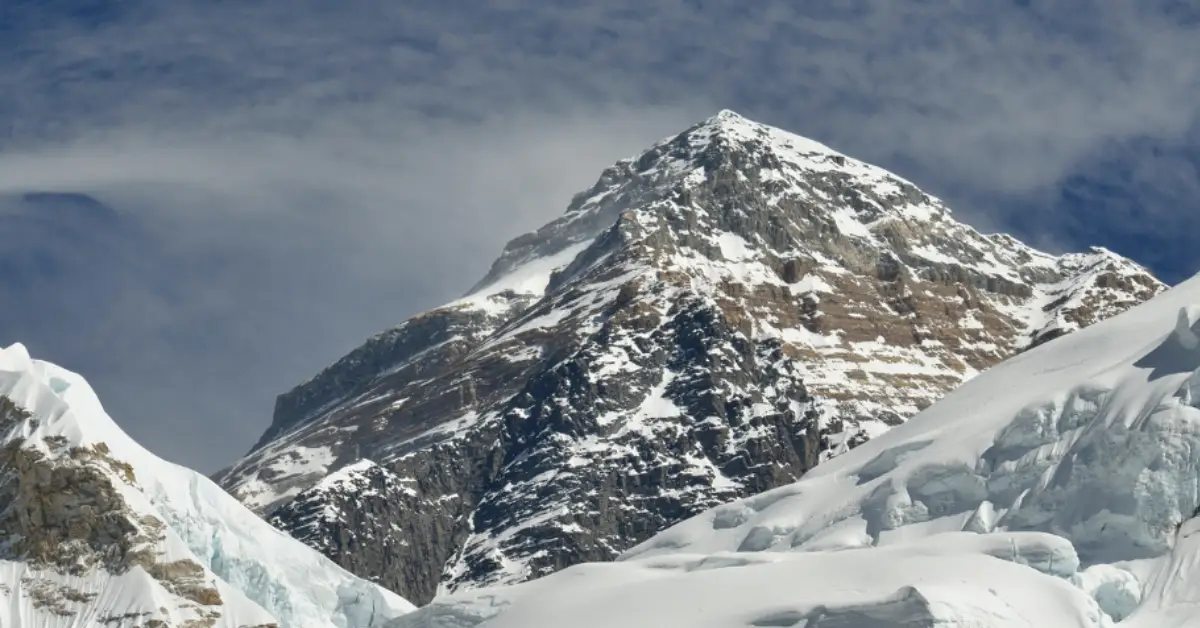
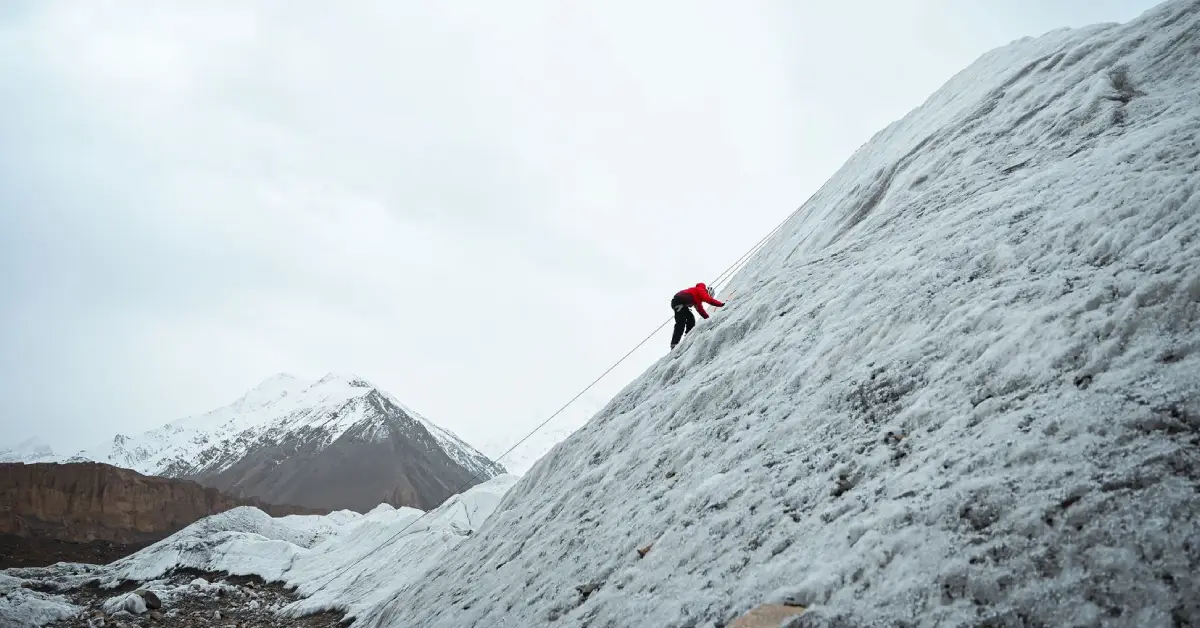

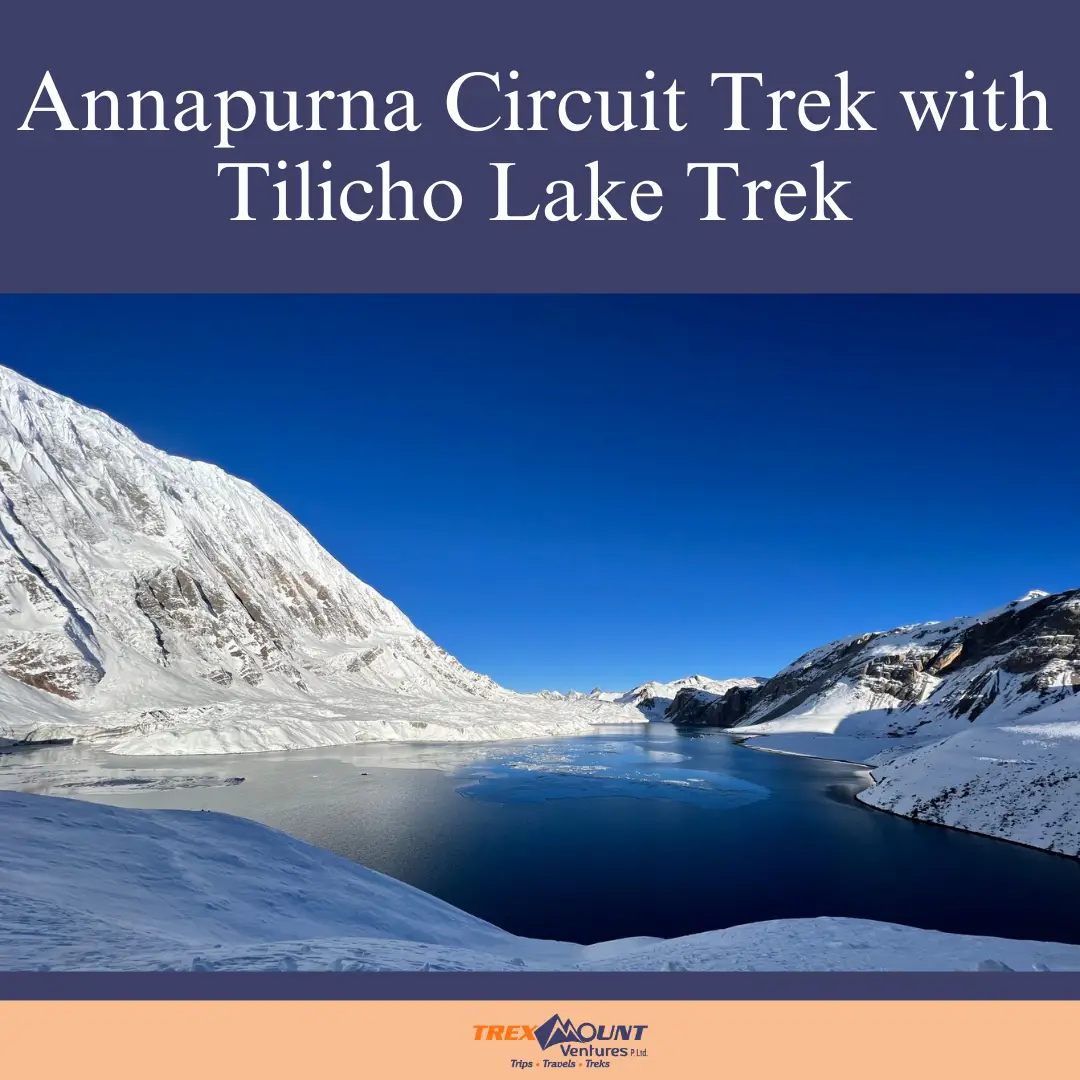
The Annapurna Circuit Trek with Tilicho Lake is a high-altitude adventure that combines one of the world's most celebrated circuit trails with a side journey to the highest lake of its size on earth. Walkers pass through pine forests, arid highland villages, and windswept ridgelines before reaching the turquoise waters of Tilicho Lake at over 4,900 meters.
This trek is loved for its variety. Within a single trail, hikers experience subtropical valleys, Tibetan-influenced villages, and glacier-fed lakes, all connected by ancient trading paths once used by traders and pilgrims.
For anyone searching for the Annapurna Circuit with Tilicho Lake Trek, this guide answers the real questions trekkers ask before they lace up their boots and head into the Annapurna region.
The Annapurna Circuit Trek with Tilicho Lake stands out because it blends a classic long-distance trail with a demanding, high-reward detour to a glacial lake that few trekkers get to see up close.
Few trails in the world shift character as often as this one. Trekkers start among terraced fields and rhododendron forests, then climb into drier, wind-carved valleys that resemble the Tibetan plateau. Prayer flags, mani walls, and chortens appear more frequently the higher one climbs, marking the cultural transition from the mid-hills to the high Himalaya.
Tilicho Lake is often described by trekkers as one of the most humbling sights in the Himalaya. Its still, glassy surface reflects the surrounding Nilgiri and Tilicho peaks, and the silence at that altitude adds to its almost otherworldly feel. Locals consider the lake sacred, and it is sometimes linked to stories from the Hindu epic Mahabharata.
The hike to Tilicho Lake typically takes trekkers two to three walking days from the last major village before the lake, with most people reaching the lake and returning to lower ground within a short, focused window of high-altitude walking.
The path to Tilicho Lake follows an exposed, narrow section known locally as the landslide area before opening into a wide glacial basin. This stretch demands careful, steady footing rather than speed, which is why guides recommend pacing rather than rushing.
Most trekkers cover between fifteen and eighteen kilometers on the busiest days of this detour, though the number matters less than the altitude gain, since thinner air slows even experienced hikers considerably above 4,000 meters.
Yes, the Tilicho Lake trek is considered a challenging addition to the Annapurna Circuit due to its high elevation, exposed trail sections, and the physical demands of sustained walking above 4,000 meters.
Unlike a single steep climb, this trek asks for cumulative endurance. Days of walking at altitude, combined with cooler temperatures and thinner oxygen, make cardiovascular fitness and mental resilience just as important as leg strength. Trekkers who train with hill walking, stair climbing, or long-distance hiking beforehand generally find the trail more manageable.
Acclimatization days built into the route near Manang allow the body to adjust before pushing toward Tilicho Lake. Symptoms like mild headache or fatigue are common at altitude, but persistent symptoms should never be ignored, which is why experienced guides monitor trekkers closely through this stretch.
The best time for the Tilicho Lake trek is during the spring months of March to May and the autumn months of September to November, when trails are clearer, skies are more stable, and mountain views are at their sharpest.
Spring transforms the lower Annapurna trail into a corridor of blooming rhododendrons, while the higher elevations near Tilicho Lake remain crisp and clear. Wildlife sightings, including Himalayan pheasants, are more frequent during this season.
Autumn is widely regarded as the most reliable season, with dry air and minimal cloud cover producing some of the sharpest mountain panoramas of the year. This is also when the region sees the highest number of trekkers, creating a lively trail atmosphere.
Tilicho Lake experiences freezing to sub-zero temperatures for most of the year due to its elevation above 4,900 meters, with conditions turning noticeably colder after sunset even during the warmer trekking seasons.
Even in the favorable months of spring and autumn, mornings at Tilicho Lake often begin with frost on the ground and ice along the shoreline. Layered clothing becomes essential, not just for comfort but for basic safety at this elevation.
Trekkers frequently describe a sharp temperature drop the moment the sun dips behind the surrounding peaks. Preparing for rapid shifts between direct sun exposure and shaded cold is one of the most practical pieces of advice shared by those who have completed this trek.
The Annapurna Circuit Trek with Tilicho Lake passes through a protected conservation area that supports a wide range of Himalayan species, making it as much a nature experience as a physical challenge.
Forests of pine, oak, and rhododendron dominate the lower trail before giving way to hardy alpine shrubs and grasses as elevation increases. Some botanists have documented over a thousand plant species within the broader conservation area.
Snow leopards, though rarely seen, are known to inhabit the higher reaches of this region, adding an element of wild mystery to the trek even for those who never spot one directly.
Walking the Annapurna Circuit with Tilicho Lake Trek means passing through communities shaped by centuries of trade between Tibet and the Indian subcontinent, each with its own dialect, architecture, and daily rhythm.
Many villages along this route have relied on trekking-related hospitality for generations, and conversations with local families often reveal stories passed down from times when this same trail served as a vital trade corridor rather than a tourist path.
Small monasteries and gompas dot the higher villages, some centuries old, offering quiet spaces for reflection and a glimpse into the spiritual life that continues to shape communities at altitude.
Preparing for the Annapurna Circuit Trek with Tilicho Lake involves building physical stamina, packing for extreme temperature swings, and understanding the basics of altitude acclimatization well before setting foot on the trail.
Hill walking, stair climbing, and long weekend hikes with a loaded backpack are the most effective ways to prepare the body for consecutive days of high-altitude walking.
A good sleeping bag rated for sub-zero temperatures, moisture-wicking base layers, and sturdy trekking poles are consistently mentioned by past trekkers as the items they were most grateful to have packed.
There is a reason trekkers who complete the Annapurna Circuit Trek with Tilicho Lake often call it one of the most memorable journeys of their lives. From forested lower trails to the vast silence of the lake itself, this route offers a rare mix of culture, wilderness, and personal challenge. If you are ready to plan your own Tilicho Lake Trek with a team that knows the trail, the seasons, and the mountains intimately, reach out to Trexmount Ventures to start the conversation and take your first step toward the Annapurna Circuit.
It is possible for physically fit beginners with prior hiking experience, but the Tilicho Lake extension adds significant altitude challenges. Beginners should prepare with cardiovascular training and understand acclimatization basics before attempting this combined route, since the high pass sections and lake detour demand more stamina than the standard Annapurna trail alone.
Prior trekking experience is not mandatory but strongly recommended. Trekkers with previous multi-day hiking experience, especially at altitude, tend to adjust faster to the physical and environmental demands of this trail, including thinner air, cold nights, and the exposed landslide section leading toward the lake.
Trekkers need an Annapurna Conservation Area Permit and a Trekkers' Information Management System card, both of which are standard requirements for trekking in this region of Nepal. These permits help regulate trekker movement and support conservation efforts within the protected area.
While technically possible, most trekkers choose experienced guidance due to the remote terrain, unpredictable weather, and altitude-related risks near Tilicho Lake. Local guides also provide valuable cultural context and can respond quickly if altitude symptoms or trail hazards arise during the trek.
The highest point most trekkers reach is Thorong La Pass, situated above 5,400 meters, in addition to Tilicho Lake itself, which sits above 4,900 meters. Both points require careful acclimatization and are typically approached only after adequate rest days.
Coverage is inconsistent and often unavailable in higher, more remote sections near Tilicho Lake. Lower villages generally have better connectivity, but trekkers should not rely on constant signal availability throughout the entire route.
Early symptoms typically include headache, mild nausea, and fatigue that feels disproportionate to the effort exerted. These symptoms usually appear above 3,000 meters and require rest or descent if they worsen, which is why acclimatization days are built into the higher sections of the route.
Basic tea houses exist near Tilicho Base Camp, though facilities become simpler the closer trekkers get to the lake itself. Availability can vary by season, and conditions near the lake are noticeably more basic than in lower villages along the main circuit.
Blue sheep, Himalayan griffons, and occasionally lammergeiers are commonly spotted near the higher elevations surrounding Tilicho Lake. Snow leopards inhabit the region as well, though sightings remain rare due to their elusive nature.
Tilicho Lake holds spiritual significance for Hindu pilgrims, with some traditions linking it to episodes from the Mahabharata. Its remote, pristine setting surrounded by snow peaks has reinforced its reputation as a sacred and almost mystical site for centuries.
Welcome to Trexmount Ventures !