 Trexmount Ventures
Trexmount Ventures
Trexmount Ventures

Popular Searches
Ready to plan your next getaway? Let’s connect and create something incredible together.
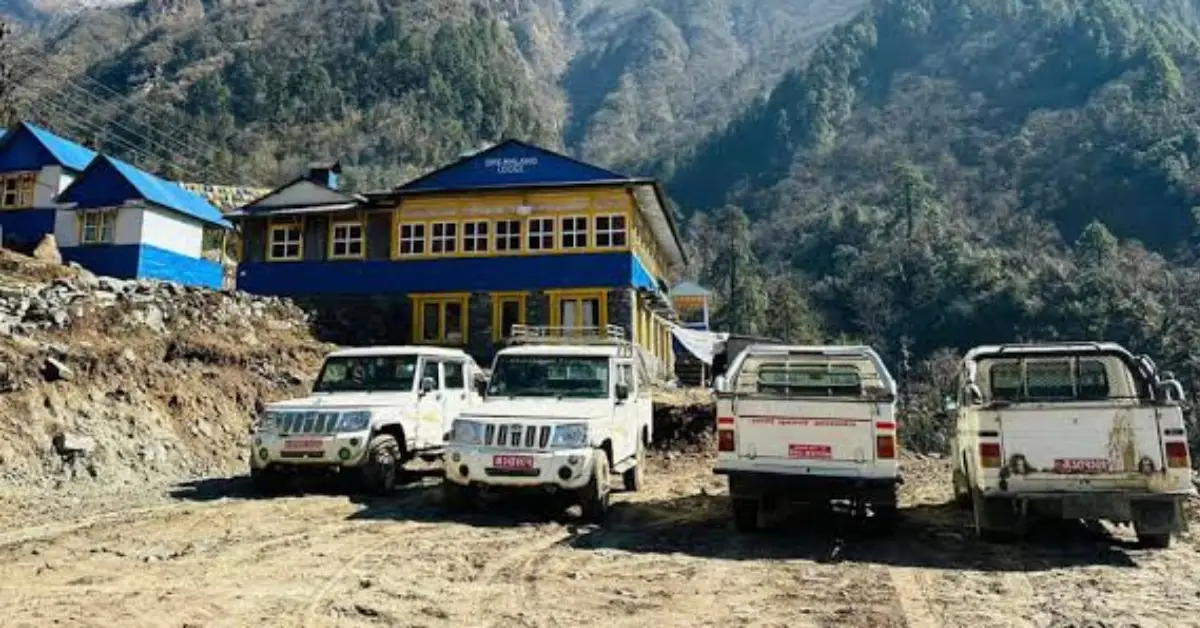

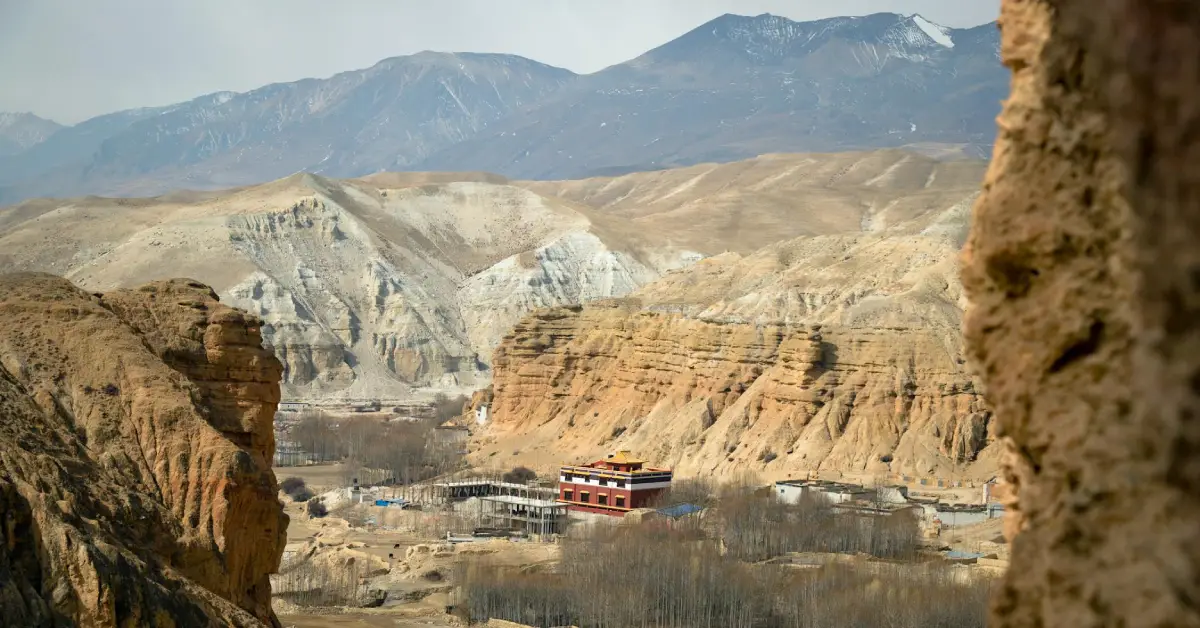
Yes, Lukla by Road is finally becoming a reality, and at Trexmount Ventures we've driven this route ourselves, spoken with the drivers, municipal engineers, and lodge owners along the way, and watched the Solukhumbu Road Extension grow from a rough dirt track into a genuine overland option for trekkers heading toward Everest.
The Surke to Lukla road extension covers roughly three kilometers of steep, rocky terrain through Chaurikharka village. Our field teams have walked and inspected this exact section multiple times over the past year to track its progress for our trekkers.
This guide is our latest Lukla transport update, answering every question our guests ask us about driving to the Everest gateway, from road conditions to costs, so you can plan your Everest Base Camp trek with complete confidence in 2026.
The Lukla by Road project has reached a historic milestone: vehicles can now drive from Kathmandu all the way to Surke, a small village roughly one hour's walk below Lukla, and the Solukhumbu road extension into Chaurikharka and Lukla itself is actively under construction.
We have guided groups along this corridor since the Paiya-Surke section opened, and we can confirm the momentum behind this Nepal infrastructure development project is stronger than it has ever been. This growing road connectivity in Solukhumbu marks one of the most significant shifts in the region since Lukla airport itself opened decades ago.
Yes, you can go most of the way to Lukla by road today, but the final short section into Lukla and Chaurikharka is still a walking trail rather than a finished motor road.
Our own trek leaders have made this exact journey with clients this year, parking the jeep at Surke and walking the final stretch into Lukla under clear mountain skies with Kusum Kanguru rising ahead of them.
The Lukla road construction story stretches back more than a decade, and understanding this timeline helps explain why the Everest gateway road has taken so long to reach its current stage of the broader Himalayan road network.
As a company built on Everest region trekking, we have watched this Nepal mountain road construction project evolve season by season, and every year we update our itineraries to reflect the latest ground reality rather than outdated online information. Consider this our own road construction update 2026, drawn from what our guides have seen on the ground this year rather than secondhand reports.
The Surke to Lukla road extension is the last and steepest segment of the entire Kathmandu to Lukla by road corridor, climbing sharply from the Surke helipad up toward Chaurikharka before leveling out near the airport.
We have spoken directly with local guides and lodge owners in Chaurikharka who describe daily blasting and excavation echoing through the valley, a sound that has become part of the region's soundtrack as this road expansion project nears its finish line.
Driving to Lukla currently takes between 17 and 18 hours from Kathmandu to Surke, plus an additional 45 minutes to one hour of walking to reach Lukla itself, though actual travel time depends heavily on weather and road conditions.
Jeeps typically depart Kathmandu between 4:30 and 5:00 am to reach Surke by evening, and we always recommend an early departure since the Lukla road condition can change quickly after rainfall or landslides in the hills above Ramechhap and Solukhumbu.
Kathmandu to Lukla by road follows a single continuous corridor through the Arniko Highway, the Ramechhap hills, and the Solukhumbu foothills, and our guides know every twist of this route from firsthand experience.
This entire Solukhumbu road project, often referred to locally as the Lukla highway, links the lower Solu villages with the upper Khumbu region for the first time in history, allowing farmers, traders, and lodge owners to move goods without depending on costly cargo flights.
The cheapest way to get to Lukla is by shared jeep along the Kathmandu to Lukla overland route, which costs a fraction of the price of a flight into Tenzing-Hillary Airport.
At Trexmount Ventures, we regularly arrange shared and private jeep transport for clients who want an authentic overland experience while significantly reducing their Everest Base Camp trek budget, and our local contacts help us secure jeep to Lukla seats even during the busiest autumn season.
You can reach Lukla either by a short scenic flight from Kathmandu or Ramechhap, or by driving overland to Surke and walking the final short stretch, and each option suits a different type of traveler.
Because Lukla flights are frequently delayed by shifting mountain weather, more of our clients each season are choosing the overland route as a dependable backup, and we build flexible buffer days into every itinerary to accommodate either choice.
The Lukla road condition varies dramatically along its length, ranging from smooth blacktop near Kathmandu to rough, dust-choked gravel tracks in the final hours before Surke.
We brief every client honestly about this reality before booking a road transfer, because managing expectations about comfort and travel time is part of delivering a trustworthy Everest region trekking experience.
The Everest Base Camp by road question comes up constantly in our inquiries, and the honest answer is that this road will never extend into the protected trekking corridor above Lukla.
We see this Everest region road project as an added layer of reliability rather than a replacement for the trekking experience itself, since the mountains above Lukla remain exactly as remote and rewarding as they have always been. Improved road access to Everest region communities also means faster emergency evacuation routes and steadier supply chains for teahouses that our trekkers depend on daily, strengthening overall Everest region access in ways that go beyond tourism alone.
The Solukhumbu road project is reshaping daily life for communities between Salleri and Chaurikharka long before the final Surke to Lukla stretch is even finished, and our team has witnessed these changes firsthand over successive trekking seasons.
This kind of rural road development inevitably brings tradeoffs, and we have heard mixed feelings from villagers themselves, some welcome cheaper goods and easier travel, while others worry about losing the quiet character that has defined these hillside communities for generations. As a company rooted in this region, we try to support lodges and guides along both the traditional trail and the new road corridor, and we see this Solukhumbu infrastructure project as one of the most important pieces of Nepal road development to unfold in the mountains in a generation.
Having coordinated multiple road transfers along this corridor, we have put together practical advice for anyone considering the Kathmandu to Lukla overland route instead of, or alongside, a flight.
We treat every road transfer with the same care and safety standards we apply to our guided treks, because a well-planned journey to the trailhead is just as important as the trek itself. Whenever conditions shift, we share a fresh Solukhumbu travel update with our clients so nobody is caught off guard on departure day.
Whether you choose to fly into Lukla or experience the new Kathmandu to Lukla by road route firsthand, our team at Trexmount Ventures has the local knowledge, vehicle contacts, and trail experience to plan a smooth, well-timed journey into the Everest region. We monitor the Surke to Lukla road extension closely each season and adjust our itineraries the moment conditions change, so you never arrive unprepared. Reach out to our team today for a personalized Everest Base Camp trek itinerary that includes accurate, up-to-date transport advice, whether by air, road, or a combination of both.
Not entirely. The Kathmandu to Surke stretch is fully drivable as of 2025, but the final Surke to Lukla road extension, roughly 3 kilometers into Chaurikharka and Lukla, remains under active construction in 2026. Trekkers currently walk the last 45 minutes to one hour between Surke and Lukla. We track this stretch closely and update clients before every departure.
Not yet. You can drive from Kathmandu directly to Surke, a village about one hour's walk below Lukla, but the road itself has not yet reached Lukla or Chaurikharka. Once the current Solukhumbu road extension is finished, a full drive will be possible. Until then, every journey ends with a short scenic walk into town.
There is no confirmed completion date, since this project has faced repeated delays from terrain, funding, and weather over the years. Local officials call it their top infrastructure priority, and construction activity has increased noticeably through 2025 and 2026. We recommend checking with a local trekking company like ours for the latest verified update before planning around it.
Yes, when arranged with experienced local drivers who know the route. The road includes rough, narrow, and occasionally landslide-prone sections, especially between Kharikhola and Surke, so safety depends heavily on vehicle choice, driver skill, and season. We only use vetted jeep operators and avoid monsoon-season travel on this stretch whenever possible.
A shared jeep typically costs between 50 and 70 US dollars per person, while private hire costs more depending on group size and season. This is significantly cheaper than the roughly 448 US dollar round trip flight fare to Lukla. Prices can shift with fuel costs and demand, so we recommend confirming current rates before booking.
Unlikely in the near future. Flights remain faster, taking 30 to 40 minutes compared to 17 to 18 hours by road, and many trekkers will continue choosing them for convenience. The road instead offers a reliable backup during flight cancellations and a genuinely cheaper option for budget-conscious and overland travelers.
No, and it never will. The road stops at Lukla and Chaurikharka, while the trail beyond, through Namche Bazaar and up to Everest Base Camp, remains protected within Sagarmatha National Park and accessible only on foot. This preserves the trekking experience that defines the entire Everest region.
Conditions are mixed. The Kathmandu to Salleri section is mostly paved and comfortable, while Salleri to Surke involves rough gravel, narrow curves, and occasional landslide debris, particularly during monsoon months. Four-wheel-drive jeeps with experienced drivers handle this final stretch best.
Yes, and many of our clients choose exactly this option. Flying in saves time at the start of the trek, while driving out via Surke offers a scenic, budget-friendly, and memorable overland experience once the trek is complete. We help arrange this combination regularly for groups wanting the best of both routes.
No. The road extension only affects the approach below Lukla and has no impact on the protected trekking trail above it. Some lower villages along the old Jiri route have seen changes as foot traffic shifts, but the core Everest Base Camp trekking experience through Namche, Tengboche, and Kalapatthar remains unchanged and as spectacular as ever.
Welcome to Trexmount Ventures !